Ryan Gottfredson, Ph.D. is a mental success coach and cutting-edge leadership consultant, author, trainer, and researcher. He helps improve organizations, leaders, teams, and employees by improving their mindsets. Ryan is currently a leadership and management professor at the Mihaylo College of Business and Economics at California State University-Fullerton (CSUF). He holds a Ph.D. in Organizational Behavior and Human Resources from Indiana University, and a B.A. from Brigham Young University.
Ryan is the author of “Success Mindsets: The Key to Unlocking Greater Success in Your Life, Work, & Leadership.” (Morgan James Publishing)
- How a school changed their growth mindsets.
- We take on the mindsets of our collective culture.
- When people have a fixed mindset they focus on looking good.
- When we are emphasizing grades and not learning and growing, we are emphasizing a fixed mindset.
- Fixed vs. Growth mindset
- 90% of our thinking feeling acting is driven subconsciously. What drives that? Our mindsets.
- Study about when kids faced difficult questions.
- When we don’t believe we can improve, and we fail, we feel that we are failures.
- Growth mindset - when we have that belief that we can change, we see growth as an opportunity to learn.
- 50/50 growth vs. fixed
- Intervention for growth mindsets.
- Small interventions can shift our mindsets for 2–4 weeks.
- 15 minute training just talking about how people are not fixed can be beneficial.
- TED Talks and brain plasticity.
- Open vs. Closed mindset
- Compare our mind to a bucket relating to a particular area.
- Closed minded don’t invite feedback.
- Open minded folks leave space in their bucket.
- Book recommendations: Success Mindsets
- Bridgewater Associates - Principles by Ray Dalio.
- Discussions - are we a team or a group where ideas can be heard?
- Principles for success
- Prevention vs. Promotion mindsets
- Compliance is the stereotypical prevention mindset.
- Is that place of safety the intended destination.
- Interventions: Have a destination.
- Amy Purdy ted talk
- Greatest Showman Keala Settle
- Inward mindsets: we see ourselves as being more important than others.
- Outward mindset: others have needs just as great as my own.
- Interventions: positive self talk. Am I seeing people as tools?
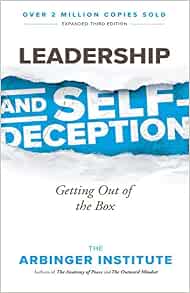
- The Arbinger Institute: Leadership and self-deception
- TED talk Benjamin Xander
- When we have an inward mindset, we expect students to cater to us.
- The most powerful thing we can do as educators is see students as people.
- How to be a transformative principal? Go individually to his or her teachers and ask what stands in your way of being your ideal self?