The method was similar to the one Netflix uses to recommend movies — no crystal ball, but good enough to make an effective political tool.
http://www.niemanlab.org/2018/03/this-is-how-cambridge-analyticas-facebook-targeting-model-really-worked-according-to-the-person-who-built-it/
* Facebook–Cambridge Analytica data analysis and political advertising uproar
* Netflix uses to recommend movies
* established voter-targeting methods
* hardly the virtual crystal ball
* a few have claimed
* also show
* actually possible
* combining personal data
* with machine learning
* psychographics
* data from 50 million Facebook users
* lost billions in stock market value
* both sides of the Atlantic
* opened investigations
* social movement
* #DeleteFacebook
* inner demons
* their startup Global Science Research
* 270,000 Facebook users and tens of millions of their friends
* my own research
* machine learning
* my forthcoming book
* researcher at Cambridge University
* Chancellor now works at Facebook
* reward of $1 million
* independent software developer using the pseudonym Simon Funk
* singular value decomposition
* series of factors or components
* explained in a blog post
* most important factor in Funk’s early Netflix model
* dimensionality reduction
* similar techniques using roll-call vote data
* Big Five
* SVD-based methods
* related models for implicit data
* predictive power of Facebook data
* 95 percent accurate
* predicting users’ scores
* public outcry
* in response
* made users’ likes private
* didn’t work out
* reverse-engineered the Facebook “likes” model
* built all our models
* co-occurrence
* 70 to 80 percent accurate
* appearance on CNN
* other academic studies
* the role
* lack thereof
* estimate the Big Five personality scores
* actually deleted its trove
* seem to still be circulating
* being developed further
* Matthew Hindman
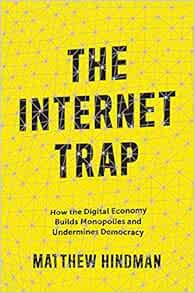
* The Internet Trap: How the Digital Economy Builds Monopolies and Undermines Democracy
* this thread
* The Conversation
* original article here
* Web Summit