Topic: How do I talk to someone I love who is struggling with their mental health?
Intro: Changing stigma towards mental health
Step 1 - changing our beliefs
Step 2 - changing our actions related to beliefs
2019 APA survey:
https://www.apa.org/news/press/releases/2019/05/mental-health-survey
-
What is my relationship with this person? (4:30)
-
Relationship = vulnerability + boundaries
- Where are they at? Consider the person’s willingness to have the conversation
- Can they see the concerns or are they mostly unaware?
- Use the phrase – “I’ve noticed” or “Have you noticed…”
- Start with culturally normative symptoms or what might be easiest from them to hear
-
Shift our own understanding about mental health as part of everyone’s everyday life
-
Get some info for yourself
-
Nami - https://nami.org/Support-Education
- and Mental Health First Aid and Fresh Hope groups
- recognize our own anxieties about mental health
- Mental Health First Aid: https://www.mentalhealthfirstaid.org/take-a-course/find-a-course/
- Determining a crisis v. non-crisis situation
QPR training for suicide prevention:
https://qprinstitute.com/individual-training
-
Concerns about suicide: https://suicidepreventionlifeline.org/
-
Consider your language and your relationship with your own mental health (18:00)
-
Do not make assumptions
- Ask lots of questions
- Use a tone of respect
- People are more responsive when we are willing to deal with our own stuff
- Be authentic in our own struggles
-
The struggle isn’t usually the same intensity forever
-
Have some resources ready and check back in (23:30)
-
Hotline resources - https://www.rainn.org/
https://www.crisistextline.org/text-us/
https://www.thehotline.org/ for family and relationship violence
211 – basic resources local to you
- look up some local therapists
therapist search on Heidi’s website: https://heidigoehmann.com/connect
- Combat veteran resources and info around trauma
Normalizing combat trauma - https://www.ptsd.va.gov/understand/common/common_veterans.asp
Find an EMDR therapist - https://www.emdria.org/find-an-emdr-therapist/
Get your own therapy if they are resistant (or if they aren’t)
- books –
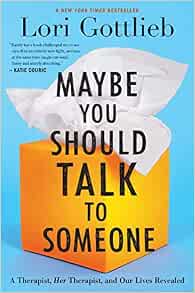
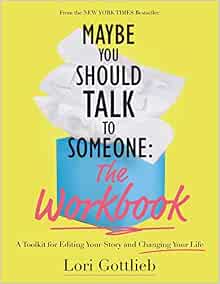
Maybe You Should Talk to Someone - https://amzn.to/3EXYkhV
Maybe You Should Talk to Someone Workbook - https://amzn.to/3HPMpEL
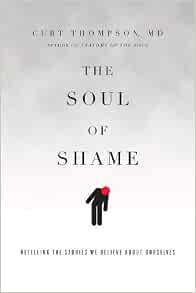
Soul of Shame - https://amzn.to/3pViWTK
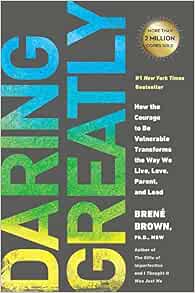
Daring Greatly - https://amzn.to/3zwOpPw
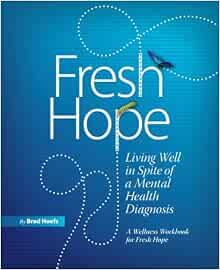
Fresh Hope Workbook - https://amzn.to/3faK0YV
Fresh Hope website - https://freshhope.us/
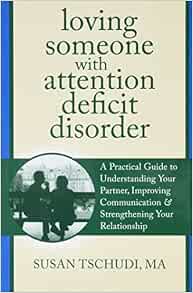
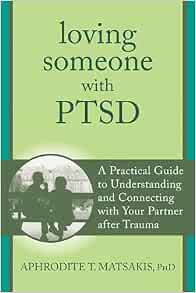
Loving Someone Series –
PTSD - https://amzn.to/34oRh5s
Bipolar - https://amzn.to/3zsYEnK
ADHD - https://amzn.to/3mYkmuY
- Don’t forget boundaries for yourself with compassion
Mental health page at heidigoehmann.com - https://heidigoehmann.com/mental-health-1
Relationship page at heidigoehmann.com - https://heidigoehmann.com/relationships
Short Answer: There is no perfect way to have the conversation - start somewhere, with a resource and a single awkward conversation.