Edtech Throwdown
Episode 172: Student Centered Learning is NOT the Same as Universal Design for Learning
Welcome to the EdTech Throwdown This is episode 172 called “Student Centered Learning is NOT the Same as Universal Design for Learning” In this episode, we’ll talk about the similarities and differences between Student-Centered Learning and Universal Design for Learning as well as some best practices that support both teaching strategies! This is another episode you don’t want to miss. Check it out.
Segment 1: PD Reflection
Narrative: Kyle Wagner PD Session through the Teach Better Ambassador Program called “Simple Shifts for Student Centered Environments.
- 12 Shifts to Move from Teacher-Led to Student-Centered Environments
- https://www.kylewagner.net/
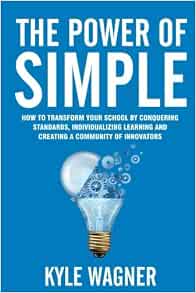
- Book: The Power of Simple: Transform your school by conquering the standards, individualizing learning, and creating a community of innovators
Segment 2: Student Centered Learning vs Universal Design for Learning
Student-Centered Learning (SCL) and Universal Design for Learning (UDL) are both educational approaches that aim to enhance student engagement and success, but they have different focuses and methods. Below is a comparison of their similarities and differences:
Differences:1. Primary Focus:
-
Student-Centered Learning: Focuses on student choice and autonomy. The goal is to empower students to take charge of their learning by making decisions about content, goals, and methods.
-
Goal Setting
-
Universal Design for Learning: Focuses on accessibility and inclusivity. The goal is to design lessons and materials that are accessible to all students, regardless of their abilities, from the outset.
-
Strengths and Weaknesses
-
Approach to Curriculum:
-
SCL: In SCL, students have significant input into the curriculum. They may choose topics of interest and set personal learning goals, leading to a more personalized learning experience.
-
UDL: In UDL, the curriculum is designed with all learners in mind from the beginning. It anticipates diverse needs and provides multiple ways for students to access information, demonstrate knowledge, and stay engaged
-
Choice Board
- Slidesmania
- Canva.
-
Teacher’s Role:
-
SCL: In a student-centered classroom, the teacher acts as a facilitator or guide, helping students navigate their chosen learning paths.
-
Curation
- Google Sites
- Canva SItes
- Slides
- Wakelet
-
Padlet
-
UDL: In a UDL framework, the teacher is responsible for designing lessons that are inherently flexible and accessible to all learners, often using a variety of teaching methods and materials.
-
Learning Menus
- Playlists
-
Adaptability vs. Design:
-
SCL: Adaptability in SCL comes through student choice and differentiation based on student preferences.
- UDL: UDL is about designing lessons from the beginning to be adaptable to all students, without needing to make adjustments later.
Similarities:1. Focus on Student Engagement:
-
Both SCL and UDL aim to actively engage students in the learning process by catering to their individual needs, preferences, and interests.
-
Flexibility in Learning:
-
Both approaches emphasize flexibility in teaching and learning. SCL offers students choices in what and how they learn, while UDL provides multiple means of representation, expression, and engagement to accommodate diverse learners.
-
Promote Independence:
-
SCL and UDL both encourage students to take ownership of their learning. In SCL, students make choices and set goals, while UDL supports students in becoming self-regulated learners through scaffolding and options.
-
Check-ins
- Conferences
- Personal Reflections
- Peer Feedback
- Formative Assessment
- Quizizz
- Gimkit
- Quizlet
- Blooket
- Quizalize
-
Inclusive Environment:
-
Both approaches strive to create inclusive learning environments where all students can succeed. SCL does this by considering individual student interests and goals, and UDL by removing barriers to learning for all students, including those with disabilities.
Resources
- Student Centered Learning Guidelines
- UDL Guidelines
- https://udlguidelines.cast.org/
Edtech Throwdown:
Vote on twitter @edtechthrowdown and under the pinned post on the profile.
Segment 3: Where to Find EdTech Throwdown
Do us a few favors:
- Subscribe to the Edtech Throwdown Podcast
- Apple Podcasts
- Spotify
- Amazon Podcasts
- Stitcher
- YouTube
- Write us an Apple Podcast Review!
- Tell your friends aboutwww.edtechthrowdown.com
- Tell your friends about the Teach Better Podcast Network
Subscribe to our Podcast Channels and Socials
- Apple Podcasts
- Spotify
- YouTube
- Twitter (@edtechthrowdown)
Connect with us on Social Media
Guise’s Social Media
- Twitter (@guisegotteched)
Nick’s Social Media
- Twitter (@nickgotteched)
Music Credits:
- Intro and Outro Music- American Idle - RKVC
- Segment Identifiers- Duck in the Alley - TrackTribe
- Edtech Throwdown- Born a Rockstar (Instrumental) - NEFEX
Need a Presenter?
As experienced presenters and content creators, you can contact Nick and Guise to speak at your school, event, or conference. They can customize a workshop that meets your organization’s unique time and content needs. While no topic is out of bounds, we are best known for sessions on:
- AI For Teachers, Admin, and Parents
- 1:1 Chromebook Integration
- EdTech Throwdown
- TargetED Learning
- Gamification (Badge Systems)
- Game-Based Learning (Escape Rooms, Amazing Race, and more)
- Google apps and extensions
- Personalized learning and Choice Boards
- Teacher productivity (Lesson Planning, Online Grading. and Feedback)
- Digital content creation
- Student Podcasting
- Screencasting
- Flipped Classroom
- Student-Centered Learning