Breadmaking
- **Sourdough Bread
What is it: Sourdough is naturally leavened bread using wild yeast from the atmosphere with the help of a “starter.” Starters need to be fed.
Basic Tools: Starter, glass jar, digital scale, bowls, banneton, lame, dutch oven
Why Make It: Sourdough is a more easily-digestible version of bread. Many folks with gluten intolerances can eat sourdough because the fermentation process when the starter is rising breaks down problematic enzymes.**
Resources
Elaine Boddy
Whole Grain Sourdough at Home
The Sourdough Whisperer
Instagram: @Elaine_FoodBod
Ash from Turner Farm
Online classes
Instagram: @Turner.Farm
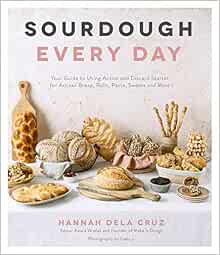
Hannah Dela Cruz
Everyday Sourdough
Yeast-Based
What is it: Bread leavened with yeast often purchased at a market. The process involves combine basic ingredients such as yeast, flour, water and salt.
**Basic Tools: yeast, digital scale, mixing bowls, loaf pans or breadmaking machine
Why Make It: Conventionally made breads sold at most supermarkets are loaded with preservatives and additives plus they are wrapped in packaging. Making bread at home (or hamburger/hot dog buns, rolls, etc.) eliminates these items.**
Resources
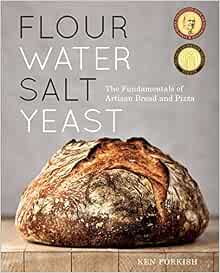
Ken Forkish
Flour Water Salt Yeast
Kombucha
- What is it: A fermented beverage created by feeding a SCOBY (symbiotic culture of bacteria and yeast) with sugar and water
- Basic Tools: non-reactive glass container, wooden spoons, scoby, sugar, flavorings (herbs, fruit, etc.), glass bottles
- Why Make It: Many folks believe kombucha aids in digestive health and gut support. By making your own kombucha, you can save on money, packaging and unwanted additives.
Resources
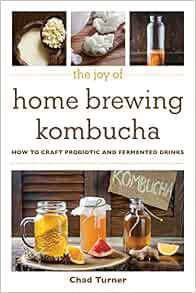
Chad Turner
The Joy of Home-Brewing Kombucha
Dairy
- Butter
Milk Source: Cream from Jersey cow has the highest fat content. Butter can also be made from goats and sheep.
Basic Tools: Stand mixer or butter churner
Why Make It: Control salt and flavor quantities, natural fats vs. trans-fats, avoid additives such as colorants, preservatives and flavorings
- Cheese
**Milk Source: Dairy, sheep, goat
Basic Tools: Heavy-bottom pots, strainers, slotted spoons, cheesecloth, milk thermometer, basket forms, rennet, cultures, calcium chloride (not needed in some soft cheeses)**
Why Make It: Cost savings, control colorants and addtiives (preservatives)
- Other dairy options
Buttermilk, ice cream, yogurt, coffee