It was the summer of 1984 - the very dawn of the digital age. Stewart Brand and I were having lunch with several other people near the Western Behavioral Sciences Institute in La Jolla, California, where we had just given lectures in the morning. That was when I first heard Stewart say "information wants to be free." He said it again over lunch. And I replied - well, maybe so, but creators of information still need to eat. I was a staunch supporter of copyright and patent.
I’m still a strong believer in copyright. But, in the two and a half decades since then, the wretched excesses of the RIAA and like organizations have caused me to clarify to myself and others exactly what I mean. And that would be: If some person or organization wants to make money from my writing or other creative work, they need my permission and of course need to pay me. I'm not allergic to money. But if someone wants to take my book out of a library, read my blog, listen to my podcast, buy a second-hand copy of my book, that’s fine, even great. I'm delighted, and I don’t expect to get paid. Which means that, to be consistent, I should have no problem with someone acquiring a new copy of any of my books and not paying me - and, in fact, that’s fine, too. I have no problem at all with that.
And that's why, as I wrote yesterday, I was so happy about George Hotz and his re-soldering the iPhone to work with a T-Mobile sim card. Apple and AT&T were wrong to lock the iPhone in the first place. What George did was not only legally permissible but ethical laudable.
In the digital age, you can best make money - as well as friends -
by including not
excluding.
See also A Lesson from AT&T History.
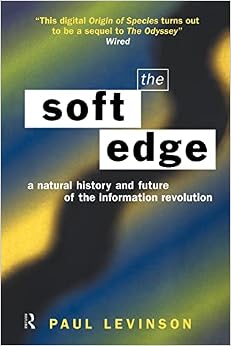
For more on Stewart Brand and the history and future of intellectual property, feel free to beg, borrow, or buy my book, The Soft Edge: A Natural History and Future of the Information Revolution...