What have we learned in the 18 years since 9/11? Chris, Melanie, and Bryan discuss whether counterterrorism policy takes account of academic research on the subject. Going forward, the goal should be to implement the most cost-effective policies — and over time, to calm public anxiety about terrorism. Bryan gives a shout out to a bipartisan duo of Net Assessment fans, Chris gripes about NFL officiating, and Melanie offers her appreciation of the Constitution via an unlikely source: former Vice President Joe Biden.
Links
- Khusrav Gaibulloev and Todd Sandler, "Six Things We've Learned About Terrorism Since 9/11," Washington Post, September 11, 2019
- Khusrav Gaibulloev and Todd Sandler, "What We Have Learned about Terrorism since 9/11," Journal of Economic Literature, June, 2019
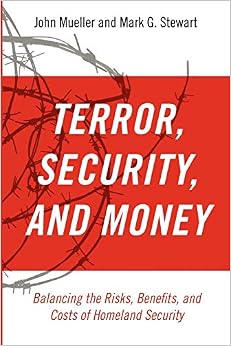
- John Mueller and Mark Stewart, Terror, Security, and Money: Balancing the Risks, Benefits, and Costs of Homeland Security, (Oxford, 2011)
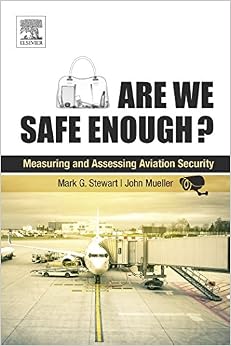
- John Mueller and Mark Stewart, Are We Safe Enough? Measuring and Assessing Aviation Security, (Elsevier, 2018)
- Trevor Thrall and Erik Goepner, "Step Back: Lessons for U.S. Foreign Policy from the Failed War on Terror," Cato, June 26, 2017
- Scott Simon, "Edward Snowden Tells NPR: The Executive Branch Sort of Hacked the Constitution," NPR, September 12, 2019
- Tom Schad, "As New Season Begins, NFL Coaches Still Trying to Sort Out Pass Interference Rule Changes," USA Today, September 5, 2019
- Christopher Preble, “Covert Wars, to What End?" War on the Rocks, August 7, 2019
- Austin Carson, "Recipient of the Georgetown University Lepgold Prize," Department of Political Science at the University of Chicago, September 4, 2019
- Ari Cohn, Tweet, September 12, 2019
- International Security Studies Section of the International Studies Association, Tweet, August 19, 2019