📺 Watch on YouTube
This episode explores the concept of The Absurd of Camus, Kierkegaard, and Dostoevsky as well as the differences between these three existentialists.
Camus defined the Absurd as: "The conflict between the human tendency to seek inherent value and meaning in life, and the human inability to find any meaning in a purposeless, meaningless, and irrational universe, with the ‘unreasonable silence’ of the universe in response.”
However, this world in itself is not absurd, what is absurd is our relationship with the universe, which is irrational. He contributed to the rise of the philosophy known as Absurdism.
Most famously expressed in The Myth of Sisyphus, which begins with the following thought-provoking statement: “There is but one truly serious philosophical problem and that is suicide.”
Camus argued against the “leap of faith” of Kierkegaard and Dostoevsky considering it as “philosophical suicide”. His response to the absurd is to revolt, which he considers as the only coherent philosophical position.
📚 Recommended Books
▶ Myth of Sisyphus - Camus https://amzn.to/36bTIFR
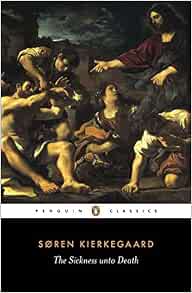
▶ Sickness unto Death - Kierkegaard https://amzn.to/3jMgzfT
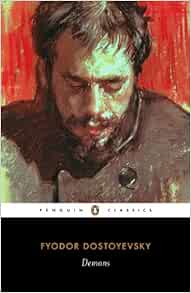
▶ Demons - Dostoevsky https://amzn.to/3kTOl3W
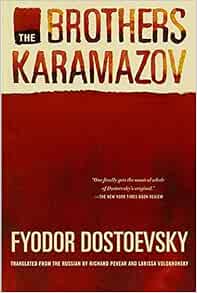
▶ Brothers Karamazov - Dostoevsky https://amzn.to/3kLC7ue
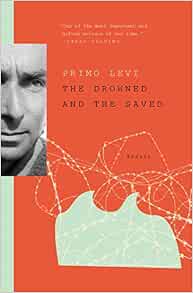
▶ The Drowned and the Saved – Primo Levi https://amzn.to/381VMT5
As an Amazon Associate, I earn from qualifying purchases at no additional cost to you.
Thanks for listening, I appreciate it!
absurdism #camus #existentialism
Send in a voice message: https://anchor.fm/eternalised/message