Ram Castillo is a Sydney-based design director, author, international speaker, and career director. His hit podcast, Giant Thinkers, has charted #3 on iTunes in more than 5 countries and currently has over 250,000 active listeners. Ram has been helping designers find employment for almost a decade. Now, he continues to mentor all kinds of creatives through systems such as the Lightning Bolt Method, inspiring and motivating them to successfully pursue their passions. In this episode, Ram delves deep into his childhood and how he expressed his creativity from a young age using whatever resources he could find, including toilet paper rolls. We also discuss:
How the lens of design leads to better questioning
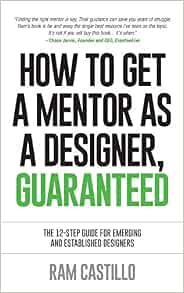
The importance of varied mentorship and how to find good mentors
The importance of decision-making
High value vs. low value activities
How fear is a false construct based on untested assumptions
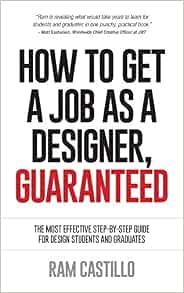
Ram’s website: https://ramcastillo.com/ Giant Thinkers: https://giantthinkers.com/ Giant Thinkers podcast: https://giantthinkers.com/category/podcast/ Ram’s books - How to Get a Job as a Designer, Guaranteed https://www.amazon.com/How-Designer-Guaranteed-Step-Step/dp/099257000X, How to Get a Mentor as a Designer, Guaranteed https://www.amazon.com/How-Get-Mentor-Designer-Guaranteed/dp/0992570026 Keep up with Ram on Social Media:
Twitter: https://twitter.com/thegiantthinker
FB: https://www.facebook.com/TheGiantThinker
Linkedin: https://au.linkedin.com/in/ram-castillo-39a39923
Instagram: https://www.instagram.com/thegiantthinker/
Chapter titles
00:19 - Ram’s childhood and what toilet paper rolls mean to him
4:33 - How Ram’s parents influenced him to dream big
10:33 - How of childhood bullying affected Ram
17:47 - Ram’s start in the mailroom
27:07 - The lens of design and how it leads to asking questions
33:00 - Mentorship in Ram’s life
41:09 - The importance of making decisions
47:32 - High value vs. low-value activities
52:44 - Fear is a construct
Frameworks According to Ram, the four steps of design are:
Research. Gather information. Then,
Define. Group research and data and narrow it down to solve a specific problem. Next,
Conceptualize. Create a prototype. And finally,
Deliver. Distribute the design into the world.
Then gather feedback and repeat the steps. How to Find a Mentor A mentor should be an advisor, friend, and idol
Get clear on the definition
Go through a personal analysis
Pair your goals with the right people
Mentor others and give back
Support the show (https://www.patreon.com/bePatron?u=23010497) Learn more about your ad choices. Visit megaphone.fm/adchoices