-
Raising multilingual children is an enriching journey filled with unique challenges and remarkable rewards. In our family, multilingualism is not just a practice but a deeply ingrained part of our daily life. From speaking Greek at home to engaging in a variety of other languages, our experience highlights the multifaceted benefits of nurturing linguistic diversity. This blog post aims to share our insights and practical strategies for fostering a multilingual environment, offering guidance to families who wish to embrace the linguistic and cultural richness that comes with raising children who speak multiple language. The Profound Benefits of Raising Multilingual ChildrenRaising multilingual children offers a multitude of benefits that go beyond simple communication skills. Here’s a deeper look at some of the advantages:
-
Cognitive Advantages
- Enhanced Problem-Solving Skills: Multilingual children often develop superior cognitive flexibility. They are adept at switching between tasks and approaching problems from various angles due to their ability to manage multiple language systems.
- Improved Memory and Attention: Multilingualism strengthens memory and attention. The constant exercise of switching between languages helps enhance these cognitive abilities, making multilingual children adept at focusing and retaining information.
- Cultural Awareness
- Broader Worldview: Exposure to multiple languages opens up windows to diverse cultures. Children gain a broader perspective on global issues and develop a greater appreciation for cultural differences.
- Deeper Cultural Connections: Multilingualism allows children to forge stronger connections with relatives and communities that speak different languages, enriching their cultural identity and sense of belonging.
- Academic and Career Opportunities
- Educational Benefits: Multilingual children often excel academically. Studies suggest that bilingualism can lead to better performance in reading, mathematics, and other academic areas due to enhanced cognitive skills.
-
Future Career Prospects: In a globalized world, proficiency in multiple languages is a significant asset. Multilingual individuals are often better positioned for diverse career opportunities, from international relations to global business. Practical Tips for Nurturing MultilingualismRaising multilingual children requires intentionality and creativity. Here are some practical strategies to integrate multiple languages into daily life:
-
Consistent Language Exposure
- One Parent, One Language (OPOL): This approach involves each parent speaking their native language to the children. It helps create a clear association between each language and its respective speaker, facilitating better language acquisition.
- Language-Rich Environment: Surround your children with a variety of linguistic resources. This can include books, music, films, and even labels on household items. A language-rich environment supports vocabulary development and comprehension.
- Designate Language Days
- Language Immersion Days: Allocate specific days to focus on one language. For instance, you might have “French Fridays” where the family exclusively speaks French. This method enhances language immersion and practice.
- Cultural Immersion: Engage with the cultures associated with the languages your children are learning. This could involve participating in cultural events, cooking traditional dishes, or visiting places that celebrate the languages.
- Incorporate Languages into Daily Routines
- Mealtime Conversations: Use meals as an opportunity to practice different languages. For example, switch languages during breakfast, lunch, and dinner. This not only reinforces language skills but also integrates language learning into everyday life.
-
Bedtime Stories: Rotate bedtime stories in different languages. This provides consistent exposure and helps children wind down while hearing the rhythm and structure of various languages. Educational Strategies for Language LearningTo supplement language acquisition, consider these educational strategies:
-
Utilize Language Learning Apps
Apps like Duolingo, Babbel, and Rosetta Stone: These platforms offer structured lessons and interactive exercises that can complement language learning at home. They’re great tools for reinforcing vocabulary and grammar.
- Enroll in Language Classes
Local Language Schools and Online Tutors: Formal language classes and personalized tutoring can provide additional support. They are especially useful for languages not commonly spoken at home or for advanced learning.
- Leverage School Resources
Multilingual Programs: If your child’s school offers multilingual education programs, take advantage of them. These programs provide extra support and resources for language learning.
Language Exchange Programs: Encourage participation in language exchange programs where children can practice speaking with native speakers, enhancing their conversational skills and cultural understanding.
Engaging in Cultural ActivitiesIncorporating cultural activities can greatly enhance the language learning experience:
- Cultural Celebrations
Celebrate Diverse Holidays: Mark holidays from various cultures to reinforce language skills and deepen cultural understanding. Celebrating different traditions can also be a fun and educational experience for the whole family.
Attend Cultural Festivals: Participate in local cultural festivals to immerse your family in different languages and traditions. These experiences provide real-life language practice and cultural exposure.
- Cooking Traditional Meals
Family Cooking Nights: Prepare and enjoy traditional dishes from various cultures together. Discuss the origins of the dishes and practice relevant vocabulary related to cooking and ingredients.
- Travel and Cultural Immersion
Travel Opportunities: If possible, visit countries where the target languages are spoken. Immersion in a native-speaking environment is incredibly effective for language acquisition and cultural appreciation.
Cultural Exchange: Host or join cultural exchange programs. This provides practical language use and fosters a deeper connection to the cultures associated with the languages.
Supporting Each Child’s Language LearningEach child’s language journey is unique. Here’s how to support their individual learning needs:
- Tailored Language Goals
Set Individual Goals: Understand that each child will progress at their own pace. Set personalized goals for each child based on their interests, age, and language abilities to keep them motivated and focused.
- Encourage Peer Interaction
Language Playdates: Arrange playdates with other children who speak different languages. This informal setting provides a relaxed environment for language practice and social interaction.
Join Language Clubs: Enroll your children in language clubs or groups where they can interact with peers who are also learning the same language. This creates a sense of community and shared learning.
- Positive Reinforcement
Celebrate Milestones: Recognize and celebrate language achievements, no matter how small. Positive reinforcement encourages continued effort and enthusiasm for language learning.
Encouragement and Support: Provide a supportive environment where children feel comfortable practicing without fear of making mistakes. Encouragement and patience are key to fostering a positive language-learning experience.
Book Recommendations for Multilingual FamiliesFor Young Children
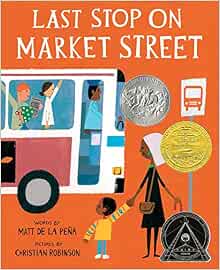
- “Last Stop on Market Street” by Matt de la Peña: A heartwarming story that highlights the beauty in everyday experiences through a child’s perspective.
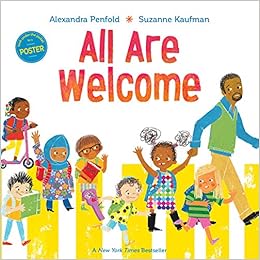
- “All Are Welcome” by Alexandra Penfold: A celebration of diversity and inclusion in a school setting, perfect for introducing young readers to different cultures.
For Older Children
- “Amina’s Voice” by Hena Khan: A story about a Pakistani-American girl navigating her cultural identity and challenges in middle school.
- “Inside Out and Back Again” by Thanhha Lai: Chronicles the journey of a young girl fleeing Vietnam and adapting to life in America.
For Teens
- “MexiKid” by Pedro Martin: Explores the life of a multicultural family and their journey through cultural integration.
- “Saints of the Household” by Ari Tison: Delves into the lives of young adults from diverse backgrounds, offering insights into their experiences and struggles.
For Parents
- “Raising Multilingual Children” by Julia Festman, Gregory J. Poarch, and Jean-Marc Dewaele: Provides practical advice and real-life stories on the challenges and successes of raising multilingual children.
- “The Bilingual Edge: Why, When, and How to Teach Your Child a Second Language” by Kendall King and Alison Mackey: Offers research-based strategies and insights for fostering bilingualism.
- “Bilingual by Choice: Raising Kids in Two (or More!) Languages” by Virginie Raguenaud: A comprehensive guide on how to support children’s bilingual development.
- “Growing Up with Three Languages: Birth to Eleven” by Xiao-Lei Wang: Chronicles the experiences of raising trilingual children, offering practical strategies and insights.
- “7 Steps to Raising a Bilingual Child” by Naomi Steiner: Provides actionable steps and advice for fostering bilingualism from early childhood. Raising multilingual children is a rewarding and enriching experience. By embracing the practices outlined above, you can support your children’s language development and help them appreciate their diverse cultural heritage. Celebrate the beauty of multilingualism and the unique strengths it brings to your family.
The post Multilingualism: Tips for Raising Multilingual Children appeared first on Darya Haitoglou.