What does the gut-brain connection mean? Your brain has a direct effect on your gut and total body health.
For example:
- The mere thought of eating your mom’s warm, homemade chocolate chip cookie can release the stomach’s juices before food gets there.
- Emotional distress over a bad breakup or stress at work, can leave your stomach “tied up in knots”—not hungry or insatiably hungry, unable to get your “emotional fill” through food.
- In a placebo study of knee-replacement surgery patients, half of the participants underwent the surgery, the other half did not. Both sets of patients thought they had the surgery. Both sets underwent physical therapy post “surgery.” And both sets equally recovered and healed. (Moseley et al, 2016)
- And, the idea of public speaking or singing on stage in a room of strangers can make your stomach feel like it’s floating away.
On the opposite side, your gut directly affects your brain and total body health.
- Have you ever felt constipated or bloated, and all you could think about was the discomfort in your gut?
- Or have you eaten gluten or dairy and felt a euphoric brain fog—unable to concentrate or think straight?
- Afternoon energy crashes happen every day at 3 p.m.—headaches, caffeine and sugar cravings? It’s all you can keep your mind on.
The body and gut-brain connection works in both directions.
Gut-Brain Connection AnatomyAnatomically speaking, it makes sense:
- 90–95% of your serotonin (your “feel good” brain chemical) is produced in your gastrointestinal tract.
- Your GI tract is lined with more than a hundred million nerve cells that send signals directly back to your brain about how to feel (more than any other peripheral nervous system)
- 80% of your immune system is housed in your gut
- Your gut is an “endocrine” organ—home to 31 hormones that influence balance, health and inflammation in your body
- Your vagus nerve—the nerve responsible for digestion—runs directly from your stomach to the frontal lobe of your brain.
- Autoimmune disease, heart disease, cancer, diabetes and other chronic diseases all share one similar trait: An “imbalance” of unhealthy bacteria in the gut microbiome
- Stress and mental anxiety decreases the movement of your GI tract and can trigger “stomach issues” (like indigestion, stomach cramps and bloating), increases inflammation, and causes flare-ups—like allergies and skin breakouts.
In short: When your gut is unhappy or stressed…your brain and body is unhappy or stressed.
Your digestive system doesn’t just help you digest food.
It also influences your emotions, your hormones, immunity and, yes, mental health. Ifwe are NOT digesting our food appropriately, we lack a nutrient-rich-diet or we eat difficult-to-digest-foods, we are more prone to psychologicaldistress(like anxiety).
Brain-Gut Connection ResearchGradually more research is pointing to the gut-brain (and total body) phenomenon.
A study published in the Yale Journal of Biology and Medicine (Schnorr & Bachner, Sept. 2016) discovered that: probiotic supplementation reduced stress and anxiety in both mice and in humans. Researchers also confirmed that inability to digest carbohydrates was linked to clinical disorders such as depression, anxiety, hyperactivity, and autism (note: carbohydrate indigestion is often related to bacterial overgrowth in the gut)
The researchers’ conclusion for improving anxiety and other mental illnesses?
Simple: Rest, digest (better), exercise, incorporate relaxation, and eat a nutrient-dense, varied diet.
Yale is not the only one singing this tune.
Another study (Jiang et al, 2015) found that patients with major depressive disorder had a larger amount of bad bacteria in their gut (a “leaky gut”) vs. healthy individuals.
And researchers out of the University of Cork in Ireland (A Hoban et al, 2017) found that gut bacteria influence the genes responsible for physiological processes that are fundamental to the functioning of the central nervous system and brain regions such as the amygdala and prefrontal cortex (i.e. emotion regulation, survival instincts, thought patterns and decision making).
In the study, researchers introduced gut bacteria to two groups of mice: One raised in a germ-free environment, and the other made up of mice raised in a normal environment. They discovered the mice living germ-free ended up having unusual amounts of anxiety, but they weren’t stuck with it: When they added the gut bacteria back in later on, they normalized the changes to the miRNAs, showing a healthy gut could be the answer to regulating the m
The bottom line: There is more to our mental health, stress and anxiety than “just in our mind.”
Do I Have an Unhealthy Gut?What does an “unhealthy gut” even mean?
Gut dysfunction is vast. From Small Intestinal Bacterial Overgrowth (SIBO), to low stomach acid (often resulting in GERD or bloating), fungal or parasitic infection or intestinal permeability (“leaky gut”), there is not one diagnosis. Nor is there one cause. Gut “issues” are triggered from a variety of factors including:
- Processed food, low-fat or poor-fat diets, hydrogenated oils, fast food, sugar and artificial sweeteners
- Bottle and formula feeding as babies
- C-section babies
- Restrictive or binge/purge eating behaviors
- Antibiotics and medications
- Illnesses and infections
- Environmental toxic exposures
- Lack of sleep
Translation: Stress.
Over time, this leads to a wear and tear on our gut linings, causing the intestinal wall to “leak” or the overgrowth of bacteria. Which then leads to inflammation in the body (and our brain). Our body views food in the bloodstream as an “outside invader” and ends up attacking itself (causing an inflammatory response, which impacts our whole body—brain included).
To make things even more complicated: Not all people present with gut “symptoms,” like bloating, reflux and constipation. Even though an estimated 3 in 4 Americans experience gut symptoms regularly, other “silent” gut symptoms include: anxiety, skin breakouts, allergies, hormone imbalances, blood sugar imbalances, and low energy.
Brain-Gut Connection Check-InHow do you use your gut-brain connection? Check out the following psychological symptoms that may suggest your health is not 100% on point:
Physical * Stiff or tense muscles, especially in the neck and shoulders that doesn’t seem to go away—even if you stretch or get adjusted * Headaches * Sleep problems * Shakiness or tremors * Recent loss of interest in sex * Unexplained weight loss or gain * Restlessness * Sugar or caffeine cravings * Energy dips during the day * Bloating after meals * Frequent Loose stools or constipation * Stomach pains after eating
Emotions* Crying * Overwhelming sense of tension or pressure * Trouble relaxing * Nervousness * Quick temper * Depression * Poor concentration * Trouble remembering things * Loss of sense of humor * Indecisiveness
Behavior* Procrastination * Grinding teeth * Difficulty completing work assignments * Changes in the amount of alcohol or food you consume * Taking up smoking, or smoking more than usual * Increased desire to be with or withdraw from others * Obsessive thoughts * Worry a lot
In the following chapters, you will learn more about healing poor gut health (concurrently, brain health). In addition, if you don’t feel like poor gut function is “your issue,” you will learn about a few other underlying physical factors (often overlooked in our current healthcare system). The body is a whole. Not parts.
The good news?
A “healthy” gut (and brain) can be won with a targeted approach to gut healing.
Healing the Brain-Gut ConnectionHealing the brain-gut connection is not rocket science.
It includes getting back to the basics, including:
- Eat Nutrient-Dense (Gut Loving) Foods
- Love Your Gut
- Hydrate
- Cut the Caffeine & Sugar
- Get Your Beauty Sleep
- Move It, Move It
- Breathe (Well)
- Supplement Smart
1. Eat Nutrient-Dense (Gut Loving) Foods“Let food be thy medicine.”—Hippocrates Eat real (nutrient-dense) foods—IN ABUNDANCE.
What is real, nutrient-dense food?! Answer: If it didn’t grow on the land, swim in the sea or roam the earth, it’s not real food.
Nutrient dense foods include:
- Lots of fresh, colorful veggies
- Plant and animal fats
- Moderate, sustainably raised meats and wild-caught fish
- Some colorful fruits
- No (added) sugar
- Lots of fresh, clean water
These are the foods most often found on the outside edge of the grocery store, the Farmer’s Market, or your great-great grandma’s dinner plate. Simple foods your body was made to crave and digest (before Chick-Fil-A waffle fries confused your tastebuds and body).
Aim to include fat, fiber and protein at each meal. Here’s a sample plan of what “healing” brain-gut meals may look like:
SAMPLE MEAL PLAN: BRAIN-GUT HEALING
- Love Your GutWhere the magic happens.
Once a baseline of real-food has been established, you can go to town on healing your gut.
As discussed extensively—the gut is the gateway to your total body health (including your brain).
The brain and gut are directly connected via the vagus nerve, so if you want a long-term natural solution to healing the brain—then make sure your gut health (and inflammation) are on board.
The cool thing? “Gut healing” can happen with the tools you have right now at home.
While gut health testing (i.e. parasites, SIBO, organic acids) may be warranted under the guidance of a functional medicine practitioner, if you have chronic digestive issues or inflammation (like bloating, constipation, IBS, allergies, autoimmune conditions, lingering anxiety or depression) that continues after these basic digestive practices have been implemented, simply start with the below guidelines first and see how symptoms improve.
The good news? The gut IS very curable (and could be the missing link for helping heal your mind as well).
Here are a few tips to get you started:
Digest Well
Simple practices of chewing your food, drinking water throughout the day, breathing before meals and not eating in such a hurry (slow down) are the front lines of defense for a healthier gut all around. Sounds simple…but you’d be surprised how many people are not doing these things. I’ll repeat:
- Chew your food
- Drink water
- Breathe before meals
- Slow down
Boost Stomach Acid.
Hypochlorhydria is a commonality amongst many anxiety sufferers. You (and i) need stomach acid to digest foods and break them down –especially during stage 1 of digestion in your stomach. Consider the HCL challenge to find your correct “dose” of a tablet form of the supplement, or add a ½-1 tbsp. of apple cider vinegar to a shot glass of water before protein-based meals.
Probiotic Up
Probiotics get a lot of buzz nowadays, but they are the real deal for destroying bad bacteria and improving your gut flora. In addition, research has shown that certain probiotics may help alleviate anxiety by modulating the vagal pathways within the gut-brain, affecting GABA levels, and lowering the stress-induced hormone corticosterone. Additionally, probiotic-rich foods (fermented foods) are king when it comes to arming your gut with a powerful force (to be reckoned with). Incorporate fermented vegetables into your diet (I love sauerkraut) 1-3 times per day, or reach for full-fat organic plain kefir.
-
Hydratefood, but your body can only go approximately 7 days without water. Your body alone is comprised of 60%-plus of water, so in order for all the bodily processes inside you to function optimally, you need to water your body (like a plant needs water) for processes such as:
-
Viscosity and healthy blood flow
- Healthy Digestion
- Easing Constipation
- Elimination of Wastes
- Assimilation and Delivery of Nutrients
- Brain Power, Focus and Function
- Regulated Appetite
- Energy
- Warding Off Sickness
The baseline amount for water intake is half your bodyweight in ounces of water. And not just any water, but clean, pure (filtered) drinking water.
Although water purification plants take steps to minimize toxins, more than 1,100 toxic compounds that have been identified in our daily drinking water across the U.S. (not just Africa)—including pesticides, metals like lead and mercury, These toxins are linked to varying chronic and debilitating diseases, such as: Alzheimer’s to asthma, most forms of cancer, infertility, Parkinson’s and arthritis.
The best source?
The gold standard is purified drinking water through filtration systems that help remove extra filth, dirt and toxins from our water. Technically speaking, anything called a ‘purifier’ by industry standards, must remove 99.75% of incoming bacteria (a pretty steep requirement). You can easily buy a water filter for your faucet, filtered water bottle, or an entire filtration system for your household.
Other notable water mentions (in order of best to least favored), include:
- Spring Water
- Mineral Water
- Some bottled waters Note: Don’t be fooled thinking the bottled waters in your local supermarket are all “safe” for you: Many companies have actually been caught bottling tap water* Well water
- And dun…dun…dun…The worst: Unfiltered Tap Water.
While COMPLETELY avoiding toxic exposure in our water is impossible, by choosing to arm your drinking, bathing and cleaning water supply with a filtration system, you are two (hundred) steps ahead.
*See the Environmental Working Group’s Bottled Water Scorecard on their website
4. Cut the Caffeine & SugarCombined, these two give your brain and gut a 1-2 punch for the better.
How to Cut the Caffeine
Are you serious?!
Yea, I know. Hate to be the bearer to bad news, but if you have anxiety, depression, ADHD or other brain-gut issues, and you’re still holding on to coffee (or diet soda/coca-cola), you really need to think about letting it go to see IF it is one of the factors that is affecting your brain-gut connection in the first place.
Coffee directly impacts your blood sugar balance and stresses your HPA-Axis—two things that can provoke anxiety. (Tip: Replace your coffee ritual with Teecino herbal ‘coffee-flavored’ tea and herbal tea).
Hence, a time away from coffee could be just what the doctor ordered, and if you find it really hard to quit—for even just 30 days. Ask yourself this question: “Do I need coffee to function?”
If the answer is, “Yes,” then you may have a coffee dependence—and while coffee is not inherently bad, when we become dependent on it, it is.
If the answer is “No,” then 30 days will be no sweat right?
How to “detox” off coffee? There are several different approaches you can take, find what fits for you (the 30-day program helps you step down off coffee to reset your brain-gut connection).
- Cut back.
It is best to slowly reduce your intake of caffeine and coffee. 3-4 cups each day right now? Go to 2…then to 1. Ideally 1 is enough for the average person. Rome wasn’t built in a day, but you’ve got this.
- Replace.
Replaceyour crappy coffee with one cup of quality coffee per day (i.e. like butter coffee below) and eliminate artificial sweeteners, poor quality dairy and sugar.
- Take the Teeccino “Kick the Caffeine Habit” Challenge:
Teeccino is a natural herbal tea that…tastes like coffee! Start by mixing your normal coffee 3/4 to 1/4 Teeccino Caffeine-free Herbal Coffee. Gradually reduce the percentage of your coffee over a two to three week period until you are drinking 100% Teeccino. You should be able to avoid caffeine withdrawal symptoms and also gradually adjust your body to less reliance on stimulants.
- Consider a complete elimination program.
For at least 7-30 days (if not longer) and avoid all refined sugars, flours, caffeine, alcohol, dairy, gluten and any other addictive substance. By allowing certain triggers to stay in the diet, the body stays on the vicious cycle of cravings and addictive behavior. Reset your biology by eliminating all these dietary triggers for inflammation and fatigue—and see what your body REALLY can feel like (like really good).
How to Cut the Sugar
Similar to caffeine, sugar is a common culprit associated with brain-gut issues.
Highly connected to our gut health and digestion, sugar feeds bacteria, so if you have any bacterial overgrowth whatsoever, you’re in the hole.
Sugar also triggers inflammation in the body through glycemic dysregulation.
One of the signature features of anxiety and stress is to make more energy available for a life-saving fight-or-flight response whenever it needs it.
Cortisol—your stress hormone—especially loves sugar because it’s a quick source of energy for that fight-or-flight response.
While this may sound like a good thing (we want to be able to fight through the fight or flight response right?), when cortisol levels rise—and stay high—it makes us more anxious and causes all sorts of inflammation in our body.
When we eat sugar, or diets high in carbohydrates and quick energy sources—even “healthy foods” (i.e. low-fat diets, lots of fruit, packaged and processed granola bars, etc.)—we increase cortisol because we train our bodies to run off sugar and elevated cortisol.
Sugar spikes our blood sugar levels, energy and cortisol, only to dramatically dip an hour later.
However, since cortisol feeds off sugar (and it doesn’t have it now), cortisol levels spike more because they need more sugar in order to stay “happy and balanced” now.
We call this hypo and hyperglycemic episodes (blood sugar lows and high), and they can trigger side effects like:
- Sugar cravings
- Headaches
- Insatiable thirst
- Fatigue
- Shakiness between meals
- Weepiness or mood swings
- Increased anxiety
—Until we eat more sugar to make cortisol happy again.
Ok. You get it.
Sugar, no bueno if you’ve become dependent on it.
How to detox?
A short time completely away from the substance will help you strengthen your inner ability to not neeeeeeeed sugar, while also ensuring you are replacing sugar with enough food and quality calories (especially from healthy fats). Your 30 day program will guide you through cutting out sugar for a time, but here are a few “cookie monster” busting tips:
Eat healthy fats.
The secret weapon when it comes to sugar conquering. When you find a sugar craving or energy dip coming on, pair almond butter with an apple, reach for a coconut butter packet or dip some baby carrots in guacamole. As for meals, ensure you’re including healthy fat with each meal.
- Protein and veggies with every meal.
In addition to healthy fat, protein helps with satiation, and veggies help smooth the process of digestion along. Add both for overall body balance. As for fruits and starches, enjoy in moderation (about 2-3 fruit or starch servings per day). Best bets for beating the sugar monster: Foods like berries, green tipped bananas, green apples (more tart and less sweet), sweet potatoes, winter squash, carrots, beets, plantains and parsnips.
- Eat simple foods.
Paleo cookies, gluten-free brownies, primal donuts—all these sound good in theory, but even “natural sugars” and sweeteners used in baked goods can trigger the inner sugar monster you’re trying to tame. Sweets are not inherently bad and there’s room in life to have your cake and eat it too, but consider your anti-anxiety reset as a therapeutic approach—much like you would view taking medicine. Sugar is not your medicine right now, and the less you can tempt your tastebuds with sugar, the better able you will be to come back to it and enjoy it in small doses. No restriction. Medicine.
3. Drink lots of water.
Hydration promotes body balance all around—and will help calm down any inflammation that’s already been going on. Bonus: Add a spritz of lemon, citrus, cucumber or mint, and a pinch of sea salt—especially in the mornings. Also flavored herbal tea—like cinnamon, vanilla or hazelnut can be a great way to quell cravings.
- Cut the artificial sweeteners.
Your body sees them just like it does sugar. Aim to rewire your palate for real foods. Opt for cinnamon, vanilla extract, pumpkin pie spice and fruit as opposed to sweeteners for recipes (like banana or unsweetened applesauce).
- Get Your Beauty SleepSleep is an often overlooked, but highly valuable “hack” to add to your tool belt for combatting digestive issues. In fact, sleep is part of your digestive process—crucial for elimination and the “full processing” of foods.
Since your body runs off of circadian rhythms (your natural clock), sleeping an adequate amount helps counter stress that otherwise disturbs your digestive process.
In addition, according to ancient and traditional Chinese Medicine the organs in your body are said to run off of a meridian clock—the times of day when particular organs are in “go mode.”
Interestingly, your small intestine—the organ where the majority of digestion occurs (6-8 hours per meal)—is most “fired up” in the midday (between 1 and 3 pm) and consequently, this is why many cultures originally began eating a larger mid-day meal as their nourishment.
As for you other organs, your stomach is most “alive” between the hours of 7 am and 9 am, directly following the large intestine hour (5 am to 7 am) and your liver (1 am to 3 am) , when your body is eliminating toxins and finishing up your digestion from the previous day during your sleep. (This totally makes sense since you typically “do the doo” when you wake up and then your body is more ready for breakfast and a new day of digesting ahead!).
Generally, an individual with a healthier bowel system will find they poop first thing in the morning shortly after waking (without needing coffee, experiencing diarrhea /loose stools or a difficult time passing stools).
Although your meridian clock may not be 100% precise (i.e. a hard start at 5 a.m. and hard stop at 7 a.m. for the large intestine), they do reflect that the energy of each organ meridian is strongest for 2 hours in specific cycles, completing a 24-hour cycle every day and each meridian comes into its highest action at a particular time of day.
If or when you fail to get enough sleep, then your digestive organs are ultimately unable to be at their fullest potential. In addition, if or when you stay up super late or wake up super early (even if you may get “enough” sleep), you throw off your digestive organs’ rhythmic dance (particularly for the liver and large intestine—the two organs most responsible for finishing off the elimination process), and set yourself up for bloating, lack of appetite or morning heartburn and nausea as well.
Similar to how your own fitness performance, brain function or energy levels suffer when you don’t get “enough” sleep, the same thing happens for your digestive system.
So how much sleep do you need?
Generally, most research studies show that between 7 to 9 hours (Hirshkowitz et al, 2015) is the just-right Goldilocks’ amount for adequate restoration.
Unfortunately, more than one-third of all Americans get less than 6 hours of sleep, and this amount is associated with the same mental function as an individual who is legally intoxicated (Williamson & Feyer, 2000).
Even if you do get enough sleep, 50 to 70 million Americans don’t have good quality sleep and have some level of sleep difficulty, blood sugar imbalance or chronic disease associated with lack of sleep (CDC, 2017). In other words: the time spent with your head on your pillow does not equivocate to “quality sleep.” This may be due to insufficient melatonin levels (the natural body chemical that helps your body sleep) or disrupted circadian rhythms from stress and irregular cortisol levels (stress hormones).
6. Move It, Move ItWe all know “exercise is good for us.”
Regular exercise has been found to help prevent many chronic diseases and health concerns, from obesity to heart disease, diabetes, metabolic syndrome, cancer, osteoporosis, anxiety, depression, insomnia, dementia, Alzheimer’s, and early death.
But did you know, it is also good for digestion?
When we lead sedentary lifestyles or sit for the majority of the day, we prevent our digestion and bowels from moving and grooving along, as well as promote more inflammation in our body (fun fact: increased sitting has been shown to impair metabolic function and decrease the activity of an enzyme called lipoprotein lipase, or LPL, which is associated with higher triglycerides, lower levels of HDL, and an increased risk of heart disease). Since sitting keeps things super still, if we sit still for too long, the digestive process (and our metabolic function in general) moves slower.
However, keep in mind, the same thing can be said if we move too much.
If we over-train and under-recover, we equally keep our digestion and bowels from moving along. Since exercise is a natural stressor that increases cortisol, when we’re exercising, the last thing our body wants to do is digest. Couple this with overtraining, and it’s as if the body barely gets a break! In fact, a key indicator that you may be overtraining is digestive distress. If you’ve aligned all the other cards—you’re eating well, you’re sleeping, your drinking clean water and breathing, check in with your movement and training.
The “Goldilocks” approach for exercise is technically recommended at 150-minutes of moderate intensity each week (at least 30-minutes per day 5 days per week).
Brain-Gut Philosophy: Move most days of the week” with the majority of that being lifestyle movement (mindfully incorporating walking, daily activities and desk breaks).
If you work a sedentary job, consider “lifestyle movement” as taking stand-breaks every 30-45 minutes to stretch, do 10 push-ups, get water, go to the bathroom or step outside for some fresh air.
As for formal exercise, aim for approximately 3 to 5 days of “formal exercise” of varying intensities and movement (a blend of strength, conditioning and power work), along with 2 to 3 days of active rest and movement factored in (i.e. volleyball in the park, a recovery day in the gym, a yoga or dance class, flexibility and mobility training, swimming, playing with your kids in the front yard, doing house and yard work, or simply “chilling out).
- Breathe (Well)One more essential: Oxygen.
Oxygen is the most vital nutrient you can consume—necessary fuel for all of life, and a vital component of healing the brain-gut connection.
Breathing is a skill that is easily forgotten or mis-understood.
And breath is not only important for fueling your daily life, but it is also vital for stressing less and healing your gut. Think about it. When we’re stressed, anxious, worried or obsessed with anything (including our own healing), we create tension: Headaches. Furrowed eyebrows. Clenched fists. Pent-up energy.
And where is that tension rooted?
In our gut!
Hello constipation, bloating, indigestion and an irritated gut lining.
What to do about it?
Learn how to breathe and do it often. Incorporating deep breaths into our daily routine—including the morning time, evening wind-down time, and before meals.
Here are 3 steps for Brain Gut Breathing:
- Perfect Your Posture. Head and chest up. Shoulders back. Poor posture is associated with a “stress response” because if we are sunken inward and we are slumping, we can’t get that good abdominal breath.
- In Through Your Nose. Breathe in through your nose and out through your mouth. Inhale for a 5-10 second count then release for approximately the same length. And make it legit seconds: Count one, one, 1,000, two, 1,000, three, 1,000, four, 1,000, five, 1,000. Concentrated slow breathing naturally slows down the body’s stress response and signals a “parasympathetic” process (rest).
- Belly Breathe. To ensure you’re breathing from your gut—your core—place your hand on your belly and recruit your breaths from your internal fire. Diaphramatic or “belly” breathing recruits to proper muscles for sustained deep, relaxed breaths for the long haul.
Ommmmm…
- Supplement Smart In a perfect world, we’d get all our nutrients and brain-gut balancing essentials through food alone. Unfortunately, despite an abundant food supply, research indicates that Americans are significantly deficient in many critical nutrients. The average American consumes 3,600 calories per day, a 24 percent increase from 1961, however, research shows that despite being extremely well-fed (calorically), more than half the calories Americans consume come from nutrient-depleted, ultra-processed foods, and most Americans suffer from a wide range of nutrient deficiencies with significant health implications.
Several factors are responsible for the “eating, but starving (at a cellular level)” epidemic sweeping the nation, including a high intake of processed foods, declining levels of nutrients in our soils, and the increasing prevalence of chronic health conditions that influence nutrient needs.
Enter: Smart supplementation—using a handful of essential vitamins, minerals and compounds to support your body’s natural healing and nourishing processes.
Gut Health SupportsBoost gut health to boost brain health, along with nutrient absorption from the nutrient-dense foods you eat,
- Quality Low-Histamine Probiotics, 1-2 doses/day
- HCL (hydrochloric acid)
- Digestive Enzymes & Digestive Bitters, with meals (as needed)
- Gut Motility Aid (bust constipation if needed)
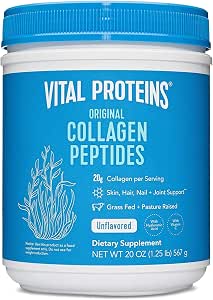
- Collagen Peptides
Brain Health SupportsCurb anxiety, bust inflammation and ignite neurotransmitter function with these basics:
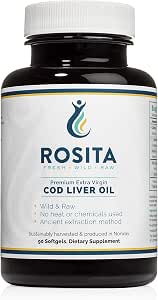
- Extra Virgin Cod Liver Oil Natural anti-inflammatory Omega 3 fatty acids with Vitamin A and Vitamin D for nutrient absorption.
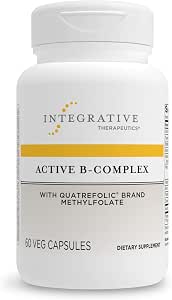
- Vitamin B ComplexKey essentials for neurotransmitter synergy. Look for methylated forms.
- Magnesium Glycinate Natural brain and muscle relaxant. Essential for over 300 metabolic reactions.
- PhosphatidylserineAssists in helping your cells talk to each other.
- Liposomal Curcumin + Boswellia AKBABusts inflammation—work synergistically together like a natural anti-inflammatory. X
*Disclaimer: This protocol does not establish a client-practitioner relationship, nor should it be used to diagnose, treat, prevent or cure any disease or condition. By utilizing this information you acknowledge that you are responsible for your own health decisions, and you have consulted with your own healthcare provider for any questions, conditions, or supplements and medications you are currently taking. Any statements or claims about the possible health benefits conferred by any foods or supplements have not been evaluated by the Food & Drug Administration (FDA) and are not intended to diagnose, treat, prevent or cure any disease.
The post The Gut-Brain Connection Explained appeared first on Meet Dr. Lauryn.