SCOLAR Podcast: Recent Episodes
SCOLARonBRI


SCOLAR Podcast is a weekly show brought to you by SCOLAR Network, a Beijing-based platform for young leaders from the SCO countries. Each episode we sit down with prominent individuals – trendsetters, creators, pioneers, thinkers and doers, young and old – to learn from their success stories, which stretch both geographically and conceptually across and beyond the Belt and Road Initiative countries. Join us in following & analysing developments in the Eurasian region!
"200M People & Zero Unicorns" – so reads a title of one article about Pakistan's startup scene. It very much summarizes one of the hopes of our episode's guest – Ambareen Baig, Insights Lead at Invest2Innovate, a 3-arm Pakistani Accelerator, Venture Fund and Insights Lab.
 We talked with Ambareen over Zoom in a live mode in August; video verison of this episode is available on SCOLAR Academy YouTube channel.
But these two data points omit something very important in between: a booming tech scene, that has seen a rapid growth in the last decade. With Ambareen, we have made a virtual data-rich deep dive into the key dynamics within the young, yet promising innovation ecosystem of the South Asian nation.
Ambareen gave us multiple curious data points to paint a detailed picture of startup activities and venture capital flows in Pakistan over the last 5 years - such as, for instance, how international and local VCs investments differ value- and deal quantity-wise; where female entrepreneurs tend to find source of financing for their projects; and which sectors rose the most against the backdrop of the COVID-19 pandemic.

 From: "Covid-19 & Startups in Pakistan: Pivots, Partnerships & Future Positioning", an article by Ambareen @ MENAbytes.
A lot of the mentioned data comes from the Deal Flow Tracker, an adjustable database of traceable investments into Pakistan's startups between 2015-2020. Not only is it an exceptionally useful tool for anyone doing research about the trends in international & local investments into Pakistani startups; there are also several other value-added variables to compare the data, including the gender of each startup founder, startups' operating status, sector, amounts of financing raised, and a couple more.
Insights Arm under Ambareen's lead is on the respectable mission of facilitating VCs and individuals' – both from Pakistan & beyond – understanding of the country's innovation ecosystem with insightful research of various sectors from grocery delivery to edtech. Be sure to check i2i website to cover the whole range of their materials!
Thank you again Ambareen for talking to us; we'll definitely keep revisiting Pakistan's innovation market from different angles – stay tuned for the upcoming episodes!
Медиа + предпринимательство = ?
Герой нашего эпизода – Артем Жданов, наиболее известный как главный редактор & основатель русскоязычного информационного источника о Поднебесной “ЭКД!” ("Это Китай, детка!”), директор по маркетингу компании UCHINA, а также основатель бренда LaowaiMe. Артем, которого мы поймали в Шанхае, проживает в Китае уже более 8 лет и постоянно экспериментирует с форматами креативного контента, позиционируя себя (как он сам говорит) как медийный предприниматель, вещающий “О Китае – миру!”.
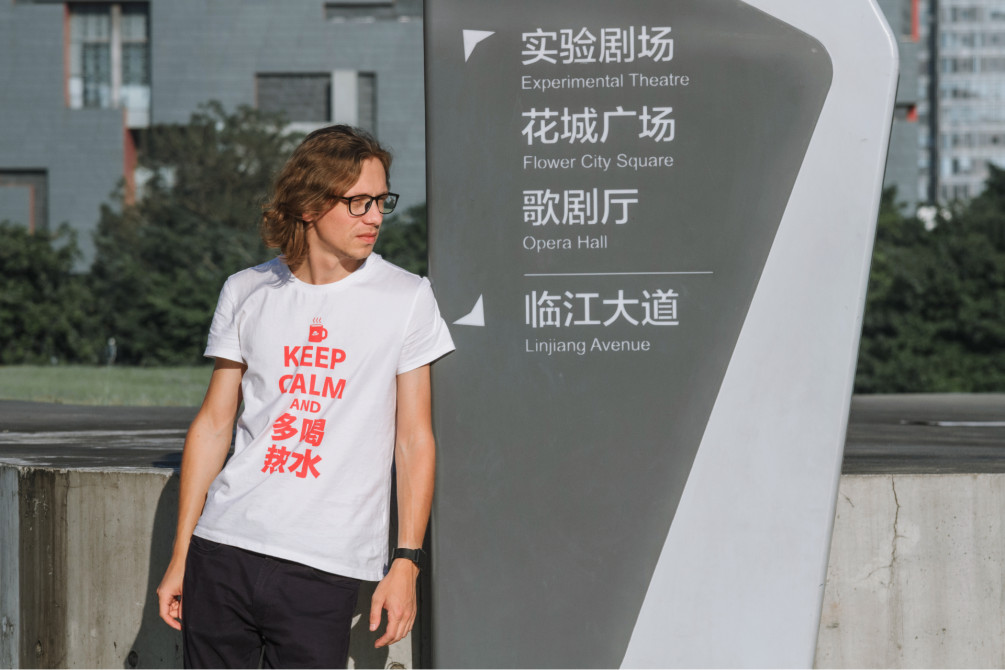 Герой нашего эпизода, щеголяющий мерчем LaowaiMe.
Тема медийного предпринимательства красной нитью прошла через наш разговор. Каково это – быть медийном предпринимателем, и что вообще интересно иностранцам, не живущим в Поднебесной? В этом разрезе мы поговорили и о бизнес-модели “ЭКД!" и том, как зарабатывать на медийных проектах.

Поговорили и о других проектах Артема – в частности, о тех, которые были запущены недавно, во время / после карантина в Китае. Один из таких проектов – так называемая влогументари "Celebrating China", которую Артем ведет с иностранным инфлюенсером Уилльямом (拂菻坊 / Fulinfang), и цель которого – показывать зрителям отдаленные места Китая и знакомить их с традициями и бытом живущих там людей. Чем интересны китайская деревня и китайские города второго, третьего и более дальних эшелонов, и какие необычные проекты можно воплощать в китайской глубинке? У Артема на все эти вопросы в ответ – много интересных идей. Послушайте! Или посмотрите видео-версию этого эпизода на нашем YouTube канале SCOLAR Academy.

EKD: https://ekd.me/ekd/ UCHINA: https://uchina.biz/ LaowaiMe: https://laowai.me/ YouTube EKD, где Артем делает новостные обзоры: https://www.youtube.com/user/chinababeru
420% growth in the number of higher education institutions in 3 decades. Which country are we talking about? We bet Kyrgyzstan is not the one that comes to your mind first. Yet, like some other post-soviet Central Asian states, Kyrgyz Republic saw a dramatic spike in the number of HE institutions opening across the country as its government was faced with the challenges of establishing not only its Education system – but the very country itself. But does more institutions mean better education opportunities? And what does it actually mean to be a good university and to produce a qualified graduate?

Our talk is also available on YouTube: https://youtu.be/oNEwTwKc0X0
Shedding light on and unpacking these & some other dilemmas for us is Emma Sabzalieva, an International Higher Education researcher based in Canada, where she is pursuing a PhD at the University of Toronto.
Emma has a rich professional & academic background on the topic: she has worked in consulting and administrative positions with the governments and universities both in Central Asia and the West, and authored multiple academic pieces. One of my favourite ones is on the challenges of creating a world-class univeristy beyond the West, the established global core of higher education.
She also has an amazing blog where she's been gathering information – news pieces, academic research and her own notes and survey results on education & societal issues in Central Asia. Before visiting it, for instance, I had no idea just how many Indian students there are in Kyrgyzstan; that Gorno-Badakhshan Autonomous Region in Tajikistan has noticeably higher female participation rates in HE than anywhere else in the country; and how rankings are playing such a growingly important role for universities in Kazakhstan that we see manipulation of information for image-boosting.
In our talk, we've managed to cover a range ot topics, so expect to hear about
• the challenges of privatisation in HE during the transition from the command to market economies;
• the prospects for intra-regional student and faculty exchange;
• the likelihood of any shared qualification standards;
and more – all topped with insights into just how different status quo is in each of the 5 Central Asian Stans.
Key takeaway? Higher education landscape in Central Asia is a complex one, with deep historic roots. Only once you start digging under the many layers of history, you will just how much human knowledge was generated here: many forget that it gave the world many great scientists and people of knowledge, including Ibn Sina (Avicenna), the key person behind the Medical Encyclopaedia that was used in Europe centuries after his death, and Timur's grandson Ulugh Beg, great patron of astronomy and a mathematician himself. Nowadays, it is also a region where countries will probably be having growingly more diverging characteristics, which will require case-by-case investigations and careful use of overarching terms – like "Central Asia" itself.


Over 90% of foreigners in China speak ZERO Chinese?
Turns out, yes. This figure was quoted by Ilya Cheremnikh, founder of Culture Yard Chinese Language School, whom we talked to two weeks ago. That weekend we decided to do something new with the SCOLAR Talk format, grabbed our tripods, microphones, cameras and phones, and set out to Beijing hutongs to talk to the Russian Israeli businessman and a Chinese language teacher, the main hero of our episode today.

Ilya's story is an interesting one: born in Russia, Saint Petersburg, he moved to Jerusalem in his childhood and reached China more than a decade ago to start a language school. We had lots of questions to ask from our guest – who was simultaneously "hosting" us in the cosy corner of the narrow-alleyed hutongs in central Beijing, where every day he is relentlessly working to reach his dream of "teaching Chinese language through culture".

The product of our experiment is a 25-minute video interview, where Ilya is sharing his and Culture Yard's stories, rewinds back to his university days when he first got interested in China & the Chinese language, explains how he came up with the idea of having a language school, and shares the experience of setting up a small business in Beijing.
You can find the video interview on our SCOLAR Academy YouTube Channel: https://www.youtube.com/watch?v=4fNWE6TPrWs Please put a like if you enjoy watching it, subscribe to show your support and get updates on our new videos, and send us your thoughts and comments!
Culture Yard website: http://cultureyard.net/ Contact details: Address: 10 Shique Hutong, Beijing Phone: 010-84044166 Email: contact@cultureyard.net
Episode Transcript:
Olim Alimov, Host (Olim): Ilya, where are we? Илья, где мы?
Ilya Cheremnikh, Culture Yard (Ilya): we are in Culture Yard. In the center of Beijing, in the middle of the Beijing hutongs. Culture Yard is a Chinese Language School and at the same time a Chinese cultural center. Basically, what we used to do before the Corona, we organized many events, lectures, Chinese film screenings, and Chinese language classes. A big part of them is that classes are very practical. We mostly teach people around different topics that can help them in their daily life, as well as [prepare] for the HSK exam. Nowadays most of our classes are online, because that’s where Corona has brought us. Now we're doing a bit of a similar thing where we teach people from all around the world in groups in an online live setting. Мы в Culture Yard. В центре Пекина, посреди пекинских хутунов. Culture Yard является школой китайского языка и одновременно центром изучения китайской культуры. По сути, до коронавируса мы организовали много мероприятий, лекций, китайских кинопоказов и уроков китайского языка. Фишка уроков в том, что занятия очень практичны. В основном мы обучаем людей различным темам, которые могут помочь им в их повседневной жизни, а также готовим их к экзамену HSK. В настоящее время большинство наших классов проводятся онлайн – Корона нас сюда привела. Сейчас мы учим людей со всего мира в группах в режиме онлайн.
Olim: why hutong? Почему хутуны?
Ilya: hutong, for me, is the historic centre of Beijing, the capital of China. And if you look – up until 50-60 years ago, this is what Beijing used to look like. And it still preserved a lot of that feeling, that culture. I also really like the felling that it’s low-rises, [there are] a lot of historic places, a lot of old Beijingers who live here. When you are based in this environment, you don’t feel the modern side of Beijing, you’re still connected to the roots of the capital. You still see the old people living their lives like they used to – they have
Welcome this show's east-most episode recorded so far!
For the next half an hour, we will be looking at Eurasia from Tokyo with a rather special guest: Professor Tomohiko Taniguchi, a speechwriter and special advisor to Japan's Prime Minister Shinzo Abe.
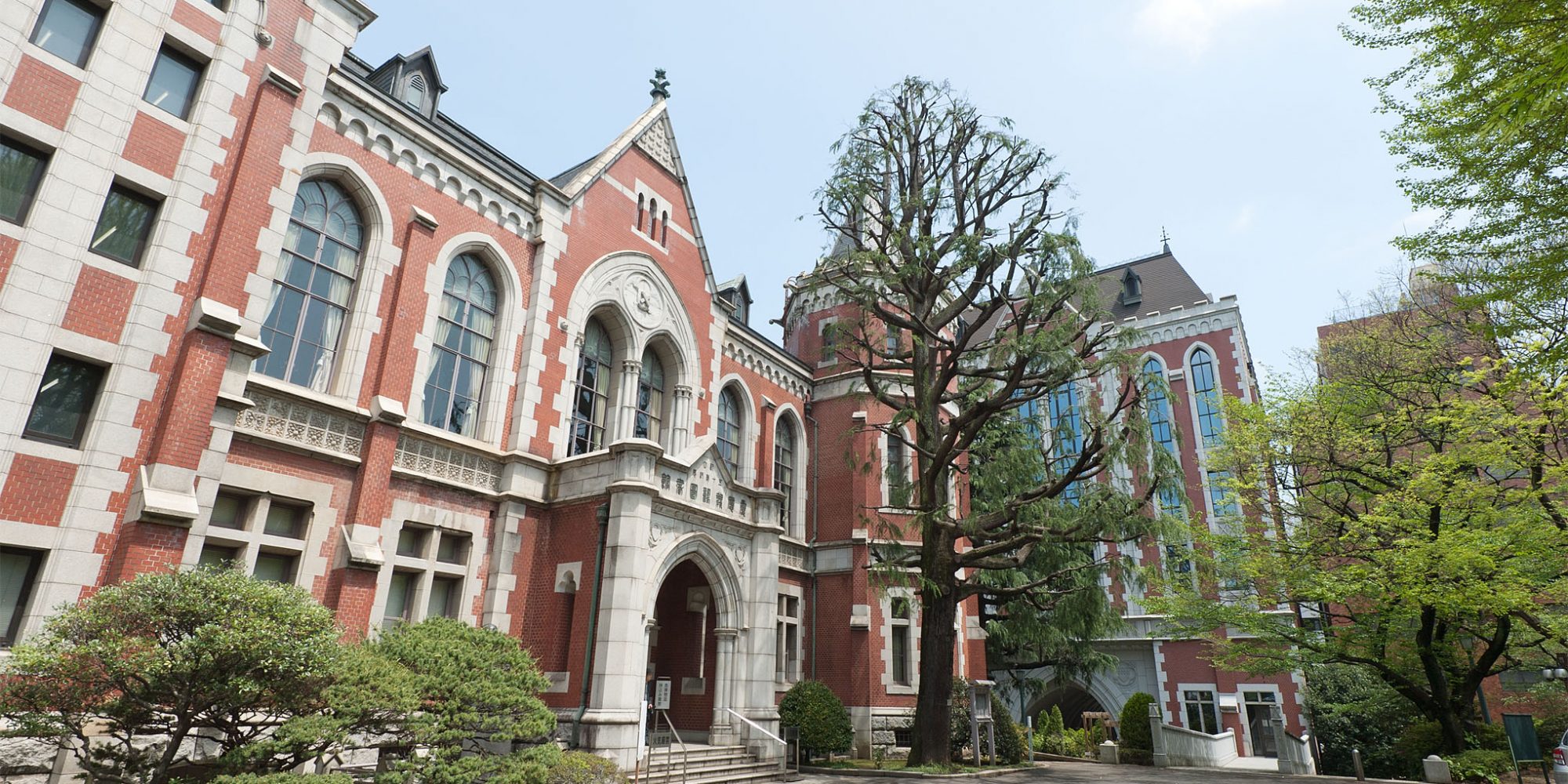
Professor Taniguchi also serves as a tenured professor at Keio University in Tokyo, Japan (and where Olesya, our interviewer, is based until January). Throughout his professional career, professor Taniguchi has changed his location multiple times, working as a researcher and journalist in several reputable institutions worldwide including Nikkei Business, Brookings Institution, Foreign Press Association, Princeton University and Shanghai Institute of International Studies. In 2005, professor Taniguchi joined Japan's Ministry of Foreign Affairs and started writing speeches for then-foreign minister Taro Aso, and subsequently PM Shinzo Abe.
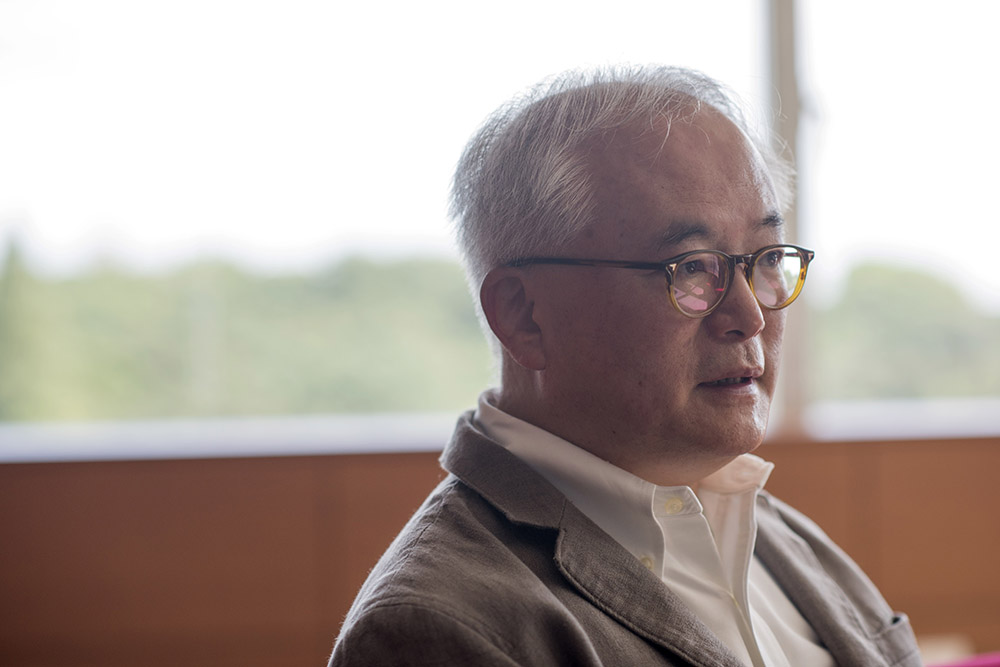
How difficult is it – to write a speech for the highest political figure in the country? How does Japanese government view developments in the Asian region, and where does it see its place? What is needed to encourage more Japanese companies to take part in the maritime and overland connectivity projects in Eurasia?
We hope you will enjoy our guest's reflections on these questions as he is unweiling for us this mysterious island nation at the Eastern edge of the Asia Pacific.
See you in the next episode!
Welcome to all SCOLAR Podcast listeners!
The podcast team is back on the radars after the weeks of being attacked by flu & cold. Our guest today, interviewed by Sugarmaa Purevkhuu, is Gu Xi – Chief Marketing Officer of Higgz Technology, a 100-employee AI education company which uses adaptive technology to transform Chinese education scene and create an ecosystem for lifelong growth & learning.
Gu Xi is also widely known as a co-founder of women tech community TechieCat. As part of her activities to bring more women into the tech sector, she became a member of China Tech Alliance, initiated China’s first women tech conference TechieFestival, received a Women Impact Award 2016 by Shero China, and was featured in Apple’s global campaign “Behind the Mac”.
What does it feel like to work in a hectic Chinese 9-9-6 working week environment with colleagues, whose average age is only 23? How does Chinese innovation ecosystem differ from that in the West? How does coding help in a marketing job? Gu Xi gave us some really interesting insights into these and other questions, while sharing her own plans for the future. We are now curious to watch her further achievements, and hope you are too after listening to this episode. Enjoy!
Удивились новому голосу? Правильно: у нас пополнение в ряду ведущих. В этом эпизоде за микрофоном – Сугармаа Пүрэвхүү из Монголии, студентка доктарануры в городе Пекин и член SCOLAR Network.
Суграмее выпал уникальный шанс взять интервью у г-на Максима Михалёва, докторанта Института Этнографии Российской Академии Наук и соавтора книги “Пояса и пути Евразии: В поисках человека” во время его пребывания в Пекине, куда он прибыл по окончании его экспедиции в странах "Пояса и пути". История нашего гостя уникальна тем, что г-н Михалёв выбрал велосипед в качестве средства передвижения и один провел 100-дневную экспедицию, исследуя прогресс в Евразийских проектах инфрастуктурного развития и попутно узнавая мнения местных жителей в более чем 80 городах разных стран.

Что сподвигло нашего гостя на такое необычное путешествие? Как на самом деле локально протекает процесс Евразийской интеграции? С какими трудностями наш гость столкнулся в пути, и кого нужно опасаться в путешествиях – человека или волка?
Эти и другие интересные истории включены в нашем эпизоде – надеемся, вам понравится, и не забывайте подписываться!
Что из себя представляет предпринимательская среда Узбекистана? Как правительство все более экономически-открытого государства помогает молодым предпринимателям?

Мы объединяем эти две темы в одну в нашем новом эпизоде с Абдулахадом Кучкаровым, директором по инновациям организации IT Park в Ташкенте, который ранее руководил коворкинг-центрами GroundZero и пришел в IT Park после 7 лет опыта работы в области предпринимательства в Узбекистане.

IT Park – это уникальная организация, которая на фоне стремительно развивающегося внутреннего рынка Узбекистана ставит своей целью создание инновационной экосистемы и обеспечение комплексной поддержки старт-апов в сфере ИКТ. Парк открылся в июле этого года, но уже наполную проводит программы инкубации и акселерации, и в числе его резидентов уже более 15 местных компаний. Если вы наш слушатель из Узбекистана, заинтересованы в рынке ИКТ-технологий и, возможно, хотите воплотить в жизнь свой проект – эта беседа будет для вас особенно полезна. А нашим слушателям из других стран будет интересно на примере IT Parkа узнать о том, какие государственно-частные инициативы воплощаются сейчас в Узбекистане.


Надеемся, вам понравится! Не забывайте подписываться – и до встречи в новом эпизоде!
Today we bring you an episode about the Taihe Institute, an independent Beijing-based research institution, and its 3rd Taihe Civilizations Forum, which gathered 200+ participants from political, academic and media circles just outside Beijing at the outset of September. SCOLAR also attended the Forum as a co-organizer of the special youth session “AGORA: Taihe vision”, together with the APEC Voices of the Future, Global Shapers Beijing Hub 2, and G20 Young Entrepreneurs’ Alliance.
What does 太和 (tài hé) mean? Why, in the age of states, a young Chinese think-tank tells us to focus on the dialogue between civilisations? What does Taihe Institute do to bridge the gaps – not only between civilisations, but also between generations? Where does the youth come onto the scene, and what skills will it need to face the fast-paced global development? Exploring these and other questions with us in the first part of the episode is our guest Xinzhu (Vicky) He, Executive Director of Taihe Institute, managing its international cooperation programs. Vicky will walk us through the story behind Taihe Institute and the purpose of its annual forum, sharing her impressions as a moderator of the “AGORA: Taihe vision”. The second part of the episode will offer you views from the Forum’s young participants, who will share their own takeaways of the forum's conclusions.
We hope you enjoy, and don’t forget to subscribe to catch our new episode next week!
Taihe Institute website: http://www.taiheinstitute.org Taihe Civilizations Forum: http://www.titcf.org
Сегодня мы с вами совершим свое собственное “Путешествие на Запад” – в западно-китайский Чунцин, внимание к которому с недавних пор сильно возросло в связи с активным продвижением города как центра развития внутренних регионов Китая. Вместе с нами это сделает наша гостья, Ольга Зелковская.
Ольга родилась в Минске, Беларусь, и окончила факультет межкультурных коммуникаций Минского государственного лингвистического университета. После этого судьба привела ее в Пекин, где она закончила магистратуру Пекинского университета по специальности сравнительная философия. Проработав в посольстве Республики Беларусь в Китае и Центральном телевидении Китая (CCTV), Ольга решила открыть для себя новые горизонты возможностей китайского рынка и в начале 2018-го года переехала в Чунцин. Там она открыла компанию по импорту белорусских продуктов питания «Валоша» и активно занимается профессиональной и культурной деятельностью для наращивания двусторонних связей между Беларусью и Китаем.
Что из себя представляет Чунцин, известный любовью его жителей к чрезвычайно острой еде? Насколько там, – в сравнении с Пекином, Шанхаем или Гонконгом – комфортно жить и развивать бизнес иностранцу? Как устроена жизнь в городе и как развлекаются местные жители? Какие сложности встают перед начинающими импортерами иностранных товаров и какие перспективы предлагает Чунцинский и Сычуаньский рынок потребителей?
Не забывайте подписываться на нас на удобной для вас платформе, чтобы не пропустить новые эпизоды. Надеемся, вам понравится!
As everyone is coming back to Beijing and getting into their old or new routines, SCOLAR Podcast team has also come back from its improvised “break” (meaning we’ve been busy with other activities and prepared some interesting episodes for you – soon to come!).
Some important updates to catch up with:
1. You can now find us on more platforms. In addition to Podiant, iTunes and Himalaya, you can now listen to us on Spotify and Anchor. We are also searchable on Android-supported podcast apps like Overcast or Pocket Casts.
2. As you might have noticed, we have a shiny new logo!
3. Our team is getting bigger. You will be hearing a new voice behind our mike soon!
4. Get in touch. As we mention in our teaser, we always welcome your feedback and want to hear your ideas regarding our new projects – tune in here to learn what we are up to...
…and drop us your thoughts via: Email: podcast@scolar.live WeChat: GenerationSCO Facebook: Generation SCO Instagram: scolarnetwork
Welcome to SCOLAR Podcast Season 2!
各位朋友们,大家好!
欢迎收听SCOLAR on the Belt&Road 的第一次中文博客! 在2019年4月22-24日上合国家青年平台SCOLAR Network的代表团有幸参加了中国上海合作组织国际司法交流合作培训基地。中国上合培训基地的建成在2013年9月13日首次由中国国家主席习近平提出,于2014年5月20日在上海政法学院奠基揭牌,2017年全面建成。习近平主席在2014年、2015年以及2017年的上合组织元首峰会分别提出了基地的重要性。
中国—上合培训基地主要服务于上合组织成员国的司法、执法部门官员和律师的业务交流。培训基地还 担负国际合作研究,汇集中国和世界外交领域的资深专家,形成多元化、开放式的研究队伍,建设欧亚安全研究、上合组织以及“一带一路”研究的理论和外交智库。
我们有幸采访到了“一带一路”安全研究院院长王蔚先生和上合培训基地国际会议中心王玉峰主任。我们一起来听他们介绍中国上合培训基地的故事。希望各位听众喜欢!
Welcome to the first ever episode of the SCOLAR podcast – in Chinese! Listen to learn about the Shanghai-based China National Institute for SCO International Exchange and Judicial Corporation, or, briefly, CNISCO (http://cnisco.shupl.edu.cn/), where SCOLAR went in April this year.
Добрый день всем слушателям подкаста SCOLAR!
Всего пару дней назад завершился Бишкекский саммит глав государств членов ШОС – очень скоро мы с вами поделимся анализом всего, что было достигнуто за предыдущий год и а рамках переговоров в столице Кыргызской Республики.
В свете этого второй эпизод (#22), записанный нами в Циндао в мае этого года в рамках молодежного лагеря ШОС, поможет нарисовать более полную картину того, какие идеи инициатив именно молодежного развития обсуждались в преддверии саммита представителями национальных молодежных ассоциаций.В этот раз вы услышите интервью между нашей ведущей Викторией Ху и представителями национальных молодежных организаций из России, Таджикистана и Узбекистана. Алексей Ежов и Татьяна Селиверстова представляли Российский Союз Молодёжи как директор центра международных программ и заместитель Председателя, соответственно. Они поделились с нами интересными инсайдами проекта двусторонних российско-китайских бизнес-инкубаторов и обменной аккселерационной программы в рамках сотрудничества Россоюза и Всекитайской федерации молодежи (https://www.ruy.ru/projects/mezhdunarodnye-molodezhnye-biznes-inkubatory/). Проект, скромно начавший свою деятельность с Хабаровска, в этом году масштабируется и будет включать в себя уже 12 городов в каждой из двух стран. Сулаймон Курбонов, Директор Клуба молодых предпринимателей при Комитете по делам молодёжи и спорта при Правительстве Республики Таджикистан, рассказал нам о деятельности первого в таджикистане бизнес-инкубатора при поддержке правительства Республики (http://www.business-club.tj/). А Сурайё Иминджонова, Начальник организационно-кадрового отдела Центрального Аппарата Союза молодёжи Узбекистана (http://yoshlarittifoqi.uz/), поделилась с нами информацией о новом государственном фонде Узбекистана “Молодёжь – наше будущее”, а также о том, какую деятельность фонд уже, менее чем за год своего существования, провел для поддержки малого и среднего бизнеса среди молодёжи.
Особенно интересно было услышать от наших гостей о рабочей группе, которую они провели в Циндао в рамках подготовки проекта «Международного молодёжного бизнес-инкубатора стран ШОС»– инициативы Молодежного совета ШОС, которая была поддержана главами государств ШОС 14 июня на Бишкекском Саммите Глав Государств Шанхайской Организации Сотрудничества и вошла в Бишкекскую Декларацию.
Мы уверены, что контент нашего эпизода будет полезным как начинающим предпринимателям из России, Таджикистана и Узбекистана, которые ищут источники поддержки своих проектов, так и всем тем, кто активно наблюдает за динамикой развития молодежного обмена в северо-евразийском интеграционном поле. Не забывайте подписываться!
Как меняется вкус китайского потребителя со входом новой продукции стран ШОС на рынок Поднебесной? Как эти товары внедряются в китайский рынок, и насколько сложно просветить потенциальных потребителей о, например, сушеных абрикосах, чурчхеле и черной икре? И – в целом – как сложно быть иностранным предпринимателем в Китае?
Такие вопросы наш ведущий, Олим Алимов, обсудил с четырьмя экспортерами-гостями Павильона ШОС в рамках второй Западно-Китайской международной ярмарки инвестиций и торговли, прошедшей 16-18 мая в городе Чунцин. Бехруз Шарипов, основатель компании “Сухофрукты Экзофуд Натура”, рассказал нам о преимуществах экологически-чистых продуктов, не содержащих сахара, а также о сложностях просвещения китайского потребителя о своих товарах. Хисрав Ашуров, молодой 18-летний предприниматель из Таджикистана, рассказал нам о семейном бизнесе по производству и экспорту абрикосов и о своих планах по входу на китайский рынок с товарами “ОАО Абрикос и Компания”. Дмитрий Кириленко из компании “Black Gold”, единственный импортёр черной икры в Китай, поделился любопытными фактами о российском “черном золоте” и сложным процессом импорта этого продукта. А Андрей Тужиков, основатель “Фрути лайн”, объяснил, почему он решил привезти в Китай чурчхелу, и как приходится приспосабливать этот продукт к ожиданиям и вкусу китайского потребителя.
Множество интересных инсайдов в перипетии и особенности экспорта в Китай – надеемся, вам понравится! Приятного прослушивания и не забывайте подписываться!
As “SCOLAR on the Belt & Road” keeps expanding the community of its guests, its hosts also keep travelling and interviewing away from Beijing. This episode has been recorded in Chongqing, Sichuan province, and more specifically from the SCO pavilion at the Second Western Fair for Trade & Investment, where 30 companies from 8 SCO countries gathered in mid-May to show their countries’ economic, touristic and cultural potential, and learn more about the Chinese and each others' markets.
Our host, Olim Alimov, talked to two guests of the fair who are exporting goods to China and simultaneously helping local communities back in their countries. Moaaz Zamir Awan, from Pakistan, is CEO of the Islamabad-based Global Silk Route Enterprises, which specialises in selling traditional Pakistani handcraft and gemstones in China, and Ali Azghar Faiz works for the Kabul-based Afghan saffron 777, offering Chinese customers Afghanistan's precious organic spice.
What are our guests trying to pursue through their business in China? How do they see their mission as entrepreneurs and their relationship with local communities in their countries? What obstacles do small businesses from Pakistan and Afghanistan face when entering Chinese market, and what are their takeaways from the Second Western Fair for Trade & Investment?
Enjoy, and don’t forget to subscribe!
India and Pakistan. Two most recent SCO Family Members. A lot is being discussed on the economic and political cooperation fronts concerning the two countries, but what about their youth policies and youth movements?
To shed some light on this, "SCOLAR on the Belt & Road" team is offering you this first of the two special episodes, recorded during the 4th SCO Youth Camp, hosted between 25 April and 2 May under the title “New opportunities, new future” by the All-China Youth Federation. The event was attended by prominent figures, such as Qingdao Mayor Meng Fangli, ACYF President Wang Hunyang, Permanent Representative of the Chinese Foreign Ministry Zhang Yanghun, as well as leaders and representatives of SCO youth organizationsis. While taking part in the discussions on regional cooperation and youth entrepreneurship, our team interviewed a range of representatives of the youth organisations and governments attending the event.
In this episode you will hear conversations between our interviewer, Viktoria Khu, and two prominent guests of the camp: Himandrish Suwan, Chairman of the Confederation of Young Leaders and Project Manager of the Indian Institute of Governance and Leadership, listed among India’s most influential youth; and Mustafa Bashir Abbasi, Provincial Minister for Youth Affairs in Pakistan.
What are India's and Pakistani governments stances on the youth policy, and what domestic challenges are they facing to nurture their young generation? What youth organisations operate there, and how do they see the role of the SCO in their countries?
We hope you enjoy, and don't forget to subcribe!
As Beijing has started the week after the 2nd Belt and Road Forum, where more than 30 world leaders and 5000 participants gathered in Beijing upon President Xi Jingping's invitation to discuss the BRI strategy, Olesya Dovgalyuk and Olim Alimov dove deep into a very particular element of the modern Belt & Road Initiative: the CPEC and wider China-Pakistani relations. A special guest joining them in this discussion is Zoon Ahmed Khan, a researcher at Tsinghua University’s Belt & Road Strategy Institute and a member and Curator of the SCOLAR Discussion Club.
Zoon’s professional journey started in Pakistan, where she was a researcher at Lahore University of Management Sciences and anchored a current affairs programme at Daily Nai Baat. She is currently researching CPEC, Belt&Road and China’s relations with Muslim world at Tsinghua University’s Belt & Road Strategy Institute, after anchoring “The Belt and Road: Face to Face” at China Economic Net.
How has the approach to bilateral cooperation between Pakistan and China changed from the first to the second Belt & Road forum? What is Pakistanis’ perception of China and what is the state of the people-to-people relations? What are the current developments on the trade scene? Zoon gave us many insights into these and other questions.
We hope you enjoy the episode, and don’t forget to subscribe!
В новом эпизоде «SCOLAR on the Belt & Road» мы увлекаем вас в историю становления шёлкового пути в разговоре с известным таджикским учёным и автором книги «Великий шелковый путь», возглавляющим национальную ассоциацию политологов Таджикистана - профессором Абдугани Абдурахимовичем Мамадазимовым.
Те, кто не знает своей истории, не могут строить своё будущее. А как много вы знаете о более чем двухтысячелетней дипломатии народов шелкового пути, берущей начало во времена ханьской династии, когда зарождались первые связи между Китаем и народами саков и согдийцев из Бактрии? Как прокладывались торговые пути под натиском враждебных гуннов? Как буддизм нашел свой путь в Среднюю Азию?
В нашей беседе мы попытались понять, так ли много изменилось на нашем политико-географическом пространстве за последние 2000 лет. Пришло ли человечество к осознанию единства судеб и достаточно ли оно устало от войн? Какова роль международных организаций, таких как ШОС, в успешности Пояса и Пути, урегулировании Афганского конфликта и со-развитии стран Евразии? Почему так распространено непонимание китайской торгово-политической стратегии и международной дипломатии? Почему западные теоретики уделяют так мало внимания «шелковой» дипломатии, и чем опасно забвение истории и альтернативных западным теорий международных отношений?
Мы очень надеемся, что этот эпизод послужит искрой, которая поможет возродить интерес наших слушателей к истории нашего региона. А для понимания полной исторической картины мы обязательно рекомендуем прочитать «Великий шелковый путь» профессора Мамадазимова. Приятного прослушивания!
As Beijing is preparing for the second Belt & Road forum, we are focusing on the theme of development in episode #16. This time we are looking at a lesser-known organisation - the Greater Tumen Initiative (GTI), a Northern Eurasian UNDP-supported development organisation uniting China, Mongolia, Republic of Korea and Russia. Joining us for a discussion is Tuguldur Baajiikhuu, Director of the GTI’s Beijing-based Secretariat.
Before assuming position of Director in 2017, Tuguldur served as the Deputy National Coordinator and National Coordinator for Mongolia for the GTI and worked in numerous positions at Mongolia’s Treasury Department of the Ministry of Finance and Economy, as well as the Economic Cooperation Department.
What is Greater Tumen Initiative? What projects does it run - and how? How does it connect businesses and the public sector in pursuit of transborder connectivity? Does the GTI plan to engage with the BRI Initiative? Enjoy listening, and don’t forget to subscribe!
After our insights from the Global Baku Forum – the forefront example of the international cooperation in-the-making, – we are bringing you a conversation with an individual, whose everyday work revolves around bridging intercultural misunderstandings and facilitating collaboration between the change-drivers from different countries.
Yingying Li (李莹莹) is co-host of the “How China Works” podcast (https://www.howchinaworkspodcast.com/), trilingual cross-cultural communication and leadership coach, and founder of the next-generation consulting platform Yingfluence (https://www.yingfluence.com/), who was listed in AACYF "30 under 30“ as Excellent Chinese Entrepreneur in the U.S. 2018. Yingying shared with her personal story of discovering the values of curiousity and open-mindedness in her ongoing journey of making the “East” meet the “West”. From India to Brazil, from the United States back to China, – what does it take to be a thought leader? Is one born to be a self-conscious cross-cultural communicator? What prevents successful business-makers from expanding into Chinese markets – and their Chinese counterparts from “going global”?
We hope you enjoy the episode, and don’t forget to subscribe!
In episode #14 “SCOLAR on the Belt & Road” rewinds the time to bring you our second special episode from the VII Global Baku Forum!
You will hear conversations between our host, Olim Alimov, and four young Forum pariticipants – Altynay Alymysheva (Kyrgyzstan), Kamilla Solieva (Tajikistan), and Amina Zamulina (Russia), with Sevinj Novruz (Azerbaijan) joining later to reflect on the Forum together with Amina.
While coming from different paths, our guests have shown a synergy of the positive outlook and the drive to lead the action in addressing local, regional and global challenges in their field. For example, Kyrgyzstan-born Altynay, who pursued her education in the UK and currently works as a Regulatory Specialist at Ørsted London, has always been interested in the interdisciplinary issues in politics, economics and foreign affairs. Kamilla, a multilingual young woman who works with a Brussels-based boutique consultancy, previously worked with British Council, NATO Parliamentary Assembly & European Parliament. Amina, ex-SCOLAR member, is now is a practicing human rights lawyer in Moscow, who earned her B.A. in Law from Russian Plekhanov University of Economics and her Master’s degree in Civil and Commercial Law at Tsinghua University. Sevinj, coming from Azerbaijan, has graduated from National University of Public Service and now works at the AvropadASAN (ASAN Radio).
What is Baku Global Forum’s Young Leaders program? The four participants shared with us their impressions of preparing for the panel discussions and reflected on how they felt when communicating their ideas to the current and former global leaders. They also spoke about the causes they are passionate about, ranging from inclusive education to the human rights protection and sustainable development, as well as on the Forum’s positive energy they will bring back into their work in their countries.
We hope you enjoy the episode!
Welcome to the episode #13 of the "SCOLAR on the Belt & Road", where we diverge a bit from Asia and turn to look at a European country, whose deepening relations with China have recently made it the first G7 country to join the Belt and Road Initiative. We are talking, of course, about Italy.
Joining us in the studio is Enrico Fardella, Tenured Associate Professor at the History Department of Peking University (PKU) and Director of PKU’s Center for Mediterranean Area Studies, who recently was part of the deleation welcoming Xi Jinping during his historic visit in Italy.
Enrico works jointly with TOChina Hub as director of the ChinaMed Project and Area Director of the ChinaMed Business Program. He is Global Fellow of Woodrow Wilson International Center for Scholars in Washington D.C., Research Scholar at the Machiavelli Center for Cold War Studies, member of the Academic Committee at Pangoal Institution in Beijing and Fellow of the Science & Technology China Program of the European Commission. Enrico was also the first foreign person to join the post-doc programme at Peking University.
Is the Italian government's opening to China something new? How long back in history do the bilateral relations between Italy and the PRC stretch? What is Italy looking for in the BRI – and what are China's interests in Italy and the wider Mediterranean region?
On how much Italy aligns itself with the Eurasian dream of the Belt & Road and on the journey of its "inter-civilisational dialogue" with China hear from our guest Enrico and our co-host, Olim Alimov. Enjoy!
Приветствуем из Пекина на новом эпизоде «SCOLAR on the Belt & Road»! Совсем недавно в столицу Китая с визитом приезжал Алексей Карпенко, исполнительный секретарь базирующегося в Москве Молодёжного совета ШОС – официального молодёжного крыла Шанхайской Организации Сотрудничества. Среди насыщенного графика визитов в Пекине, Алексей нашел время заглянуть и к нам на подкаст, чтобы рассказать о работе и новых проектах Молодёжного совета.
Знали ли вы о том, как Молодёжный совет помогает наращивать сотрудничество и обмен между высшими учебными заведениями стран ШОС? А о так называемой “Молодёжной карте ШОС” – проекте совета, нацеленного на наращивание человеческого и туристического потенциала нашего региона? Интересно, какую форму принимает – и какие перспективы содержит в себе – сотрудничество между предпринимательскими площадками и университетами?
Обо всем этом и многом другом слушайте из беседы между со-ведущими эпизода, Олимом Алимовым и Олесей Довгалюк, и Алексеем Карпенко. Надеемся, что вам понравится. Приятного прослушивания!
Today we are coming to you from Baku, Azerbaijan, with the first of the two special episodes recorded during the 7th Global Baku Forum.
In the first episode we spoke with Rza Aliyev, who is currently pursuing his PhD in Economics at the Academy of Public Administration under the President of the Republic of Azerbaijan. He has worked as a Private Banker, Advisor at the International Market Analysis Ltd., Special Envoy of “Children Uniting Nations”, and has been an active participant in Club of Rome and Club de Madrid meetings, among many other titles. But most importantly for our today’s episode, Rza is Deputy Secretary General on Foreign Affairs of the Nizami Ganjavi International Center. NGIC is an organisation promoting the values of peace, justice and human rights, a network of top global thinkers connecting 100 former presidents and prime ministers representing more than 50 countries, as well as the hosting organisation for the Global Baku Forum (check their website: http://nizamiganjavi-ic.org/aboutus).
How did Global Baku Forum – an “unusually open and honest discussion" forum – emerge, and what values and ideas does it promote? How does it try to address pressing international issues in unique and practical ways? What sets it apart from other comparable professional organisations? And, importantly, what is the role of the young leaders in all this?
About all this and more you will hear from the discussion between our host, Olim Alimov, and Rza Aliyev. We hope you enjoy – and tune in next week for the second special episode from Baku!
Happy 10th episode to "SCOLAR on the Belt & Road"! Our today's guest is a prominent young individual at the forefront of connecting young entrepreneurs across China and wider Asia-Pacific. Tianqi Han, President of the China Branch of G20 Young Entrepreneurs Alliance and CEO of the APEC Voices of the Future in China, was named as one of the 30 best social entrepreneurs under the age of 30 in 2018 by Forbes for his efforts in youth development. Besides gaining official recognition for the APEC Youth Report, growing institutional connections with leading businesses and individuals, and establishing the VOF Mentorship Program under APEC, he co-founded an Environmental Technology Company and served as founding co-chair for the Oxford Emerging Markets Summit.
Over the next 30 minutes, you will hear how Tianqi’s story started with the APEC Voices of the Future National Contest back in 2013, and his personal view on the importance of supporting cross-border interaction and mutual “ideational” nourishment of the youth, institutional support for the young people from the global-scale institutions and initiatives, such as APEC, G20 and B&R, as well as the challenges facing the young generation today. Enjoy!
Сегодня на нашем подкасте особый гость: Сергей Вадимович Канавский – исполнительный секретарь Делового Совета Шанхайской Организации Сотрудничества! У Сергея Вадимовича, родившегося в 1961 году в Москве, за плечами интересная карьера. В 1994-2004 годах он являлся дипломатическим работником в представительствах России в странах Скандинавии, а в 2006-2009 годах был советником заместителя председателя Совета Федерации Федерального Собрания Российской Федерации, где отвечал за международные аспекты сотрудничества. В 2006 году был избран Президентом Делового Клуба Шанхайской Организации Сотрудничества, и через год был избран исполнительным секретарем Делового Совета ШОС. В ходе нашей с ним “инсайдерской" беседы нам удалось узнать много нового о работе Делового Совета, включая то, над какими проектами орган сейчас работает, как их выбирают и кем они финансируются, а также с кем идет сотрудничество по их осуществлению. Мы также поговорили о более широкой политико-экономической картине в странах ШОС и “Пояса и Пути” и затронули такие вопросы, как сдвиг мирового производства в юго-восточно-азиатском направлении, тенденции свободного движения человеческого и материального капитала в нашем регионе, и природа и преимущества как двустороннего так и многостороннего сотрудничества. Мы надеемся, что следующие 40 минут вам откроют глаза на многие невидимые, но важные механизмы работы ШОС в сфере развития именно предпринимательского потенциала наших стран. Приятного прослушивания!
Welcome to episode #8 of the “SCOLAR on the Belt & Road”! Today we have with us Biman Najika Liyanage – researcher, innovator and entrepreneur from Sri-Lanka, member of the WEF Global Shapers initiative and Forbes 30 under 30 in 2017 (among other positions and titles). Biman's award-winning inventions, including Finger Braille Interface that allows blind people perceive and communicate information about colours, and a smart condom that can respond to blood flow and send health data to a smartphone app, cannot fail to impress with their acute vision of tackling modern societal challenges. But, as we have discovered today, much more than inventions themselves lies in Biman's integral philosophy of work and creation: he takes often-overlooked problems and finds solutions that would be easily available for the general public to use. We have followed with Biman his journey in China, where he came in 2008 chasing the first signs of the coming innovation age, and asked him about his thoughts on and work towards the development in Eurasia, including his home country, Sri Lanka. Accompanied by the stories of Biman’s socially-significant projects and initiatives, our discussion turned into a rich and reflective deliberation that we are thrilled to share with you. Enjoy!
Welcome back to the “SCOLAR on the Belt & Road”! After our Russian listeners' feedback on the previous episode with the SCOLAR co-founder and Tsinghua university master’s student Viktoria Khu, we are bringing you an English version of the interview in the episode #7.5.
Born and raised in Russian city Irkutsk as an ethnic Chinese, Vika shares with us her inspiring journey from Siberia to the Chinese capital of Beijing, and a story of self-growth through understanding and acceptance of one’s own multifaceted and rich cultural heritage. We’ve touched on multiple topics, including origins of Vika’s family and their connection to China, experience of growing up in a bilingual family, creating SCOLAR and learning to not be afraid to follow your passion, try and fail – and try again.
A positive and forward-looking young professional, Vika never fails to inspire those working with her. We hope this episode inspires you as well. Enjoy!
Виктория Ху родилась в Иркутске, Россия. Студент-магистр университета Цинхуа. В 2015 году - сооснователь Ассоциации российских студентов в Китае (АРС); в 2017 - сооснователь Молодёжной лиги при Секретариате ШОС (SCOLAR). В то время как АРС объединяет более 1000 российских студентов в Пекине с целью способствовать взаимному культурному обмену, SCOLAR дает возможность молодым людям с пространства 18 стран ШОС усилить связи, создавать диалог и вносить вклад в региональное развитие. С 2015 года - интерн, помощник директора, менеджер по развитию Octo Consulting, бутик - консалтинг компании, работающей с проектами ШОС и «Пояса и пути». Виктория также является спикером TEDx и членом Global Shapers, инициативы Всемирного экономического форума.
Hello and Happy Spring festival to all our listeners in China and elsewhere in the world! 大家新年快乐! Today, in response to the feedback from our non-Russian-speaking listeners, we bring you a summary of our first, exclusive interview with His Excellency Mr Rashid Alimov, at that time SCO Secretary General. On the Organization and its contribution to the development in Eurasia, the role of entrepreneurship and youth – enjoy!
Welcome back to the "SCOLAR on the Belt & Road"! Our guest today is Evgeny Kosolapov. Evgeny has worked with multiple companies and organisations, opening AIESEC branch in China, working with DHL in Asia Pacific and CIS & Baltic regions, and leading I-Free as CEO, among other accomplishments. He has lived in a range of countries across Asia Pacific and Eurasia, including Ukraine, Singapore and China, and now works with Skolkovo Foundation, Russian innovation park, as Advisor for the Development of Activities and a representative in PRC. With him, we talked through the innovation management in China, Russia and other countries, unfolding the concept behind and the daily working of Skolkovo innovation park and comparing it with Silicon Valley in the USA and Zhongguancun in China. Enjoy!
Hello and welcome back to the “SCOLAR on the Belt & Road”! In today’s episode our guest is Johnson Liu, an inspiring young student currently based at Tsinghua University, an Executive President of the Tsinghua Students Association of Belt and Road Initiative (SABRI) and a Global Intern at Carnegie-Tsinghua Center for Global Policy under Carnegie-Tsinghua Young Ambassadors Program. He has a very rich for his age portfolio, which he shares with us through a deep conversation in this interview. Enjoy!
Get in touch with Johnson (Zhaoning) Liu and SABRI:
Facebook: https://www.facebook.com/johnson.liu.9693
LinkedIn: https://www.linkedin.com/in/zliu11/
SABRI instagram profile: sabrithu
Furuzonfar Zehni is an entrepreneur and investor from Tajikistan, a TEDx license holder, a mentor for the Laudato Si Challenge and the Founder Institute – and a person passionate about economic and cultural empowerment. He is currently working at Fresco Capital, a global venture capital firm, where he is involved in all aspects of investment and operations. In this episode, Furuzonfar takes us through his journey – geographically, from Tajikistan, through the Middle East into Europe and to Hong Kong – and professionally, from entrepreneurship to venture capital. On being ambitious, daring, strategic and curious – in this episode!
Hello everyone,
In the second special episode of our “SCOLAR on the Belt & Road” podcast, we introduce to you the beating heart of the organisation: our projects and the curators behind them.
The most important factor that has decided and continues to determine the success of these projects and any new initiatives is the human drive behind them. This is why all our Curators take personal ownership of their projects and lead the efforts in growing and perfecting them. Our today’s guests – Vika, Alina, Odil, Olesya, Zoon and Sanaa – will tell you all about this.
Follow out social media to keep updated on our projects and news! WeChat ID: GenerationSCO IG: @scoyouthleague Facebook: https://www.facebook.com/scoyouthleague Email: scoyouthleague@gmail.com
Дорогие слушатели! В этот первый день 2019 года, как и обещали, мы приготовили для Вас Новогодний подарок – эксклюзивное интервью с Рашидом Кутбиддиновичем Алимовым, до вчерашнего дня Генсеком Шанхайской Организации Сотрудничества.
В чем загадка ШОС и Шанхайского Духа? Как принимаются решения в ШОС? Что представляет из себя секретариат? Какие там работает люди? Что думает ШОС о критике в свой адрес и что она предпринимает для формирования своего положительного имиджа? Будет ли введён третий официальный язык после вступления Индии и Пакистана? Какие экономические проекты на Евразийском пространстве организация планирует на будущее? Какова роль молодёжи в настоящем и будущем ШОС? и многое другое. Ответы на все эти и другие вопросы вы найдете в нашем интервью!
Dear friends! We are excited to present to you an intro episode to our podcast “SCOLAR on the Belt & Road”, where one of our hosts, Olim Alimov, presents SCOLAR Youth League and sheds light on the Shanghai Cooperation Organization and the Belt and Road Initiative.
Each episode we will sit down with the prominent individuals – creators, entrepreneurs, and thinkers, young and old professionals. Our goal? To learn from and be inspired by the success stories which span, both geographically and conceptualдy, the SCO and BRI regionю
In our introduction we announce our first, exclusive interview with a guest who made a significant contribution to the development of the SCO: it is the SCO General Secretary, H.E. Mr. Rashid Alimov. The interview will be aired tomorrow – don't miss!
Happy New Year everyone!
Дорогие друзья, перед вами – первый, вступительный эпизод нашего подкаста “SCOLAR on the Belt & Road”, где одна из наших ведущих Виктория Ху представляет молодёжную лигу стран ШОС и приподнимает занавес над Шанхайской организацией сотрудничества и инициативой "Пояса и пути".
В каждом эпизоде мы будем встречаться и беседовать с выдающимися личностями - создателями, первооткрывателями, мыслителями и творцами, предпринимателями, молодыми и опытными профессионалами. Наша задача? Учиться и вдохновляться историями успеха, которые охватывают как географически, так и концептуально инициативу «Пояса и пути».
Во вступлении – анонс нашего первого, эксклюзивного интервью с гостем, внесшим огромный вклад в развитие ШОС: Генеральным секретарём Шанхайской организации сотрудничества - Алимовым Рашидом Кутбиддиновичем. Не пропустите выпуск уже завтра!
С Наступающим Новым годом!