JavaScript Jabber: Recent Episodes
Top End Devs


Weekly panel discussion about Javascript on the front and back ends. This show is primarily focused on the web ecosystem, but also covers NodeJS, mobile, and language features.
This week on JavaScript Jabber, we’re joined (again!) by Val Karpov — the maintainer of Mongoose — to talk about what’s new in Mongoose 9, how async stack traces are changing the debugging game, and why AI is quietly reshaping the way we build developer tools.
We dig into stricter TypeScript support, the removal of callback-based middleware, and what it really takes to modernize a massive codebase. Then we shift gears into Mongoose Studio, a schema-aware, AI-enhanced MongoDB GUI that brings streaming query results, map visualizations, and even LLM-powered document generation into your workflow. If you’ve ever wrestled with debugging database issues or squinting at raw JSON, this episode will get your wheels turning.
We also explore Cassandra integration, vector search, Bun vs. Deno, and what AI means for the future of software engineering. There’s a lot here — especially if you’re working in Node.js, MongoDB, or building backend-heavy JavaScript apps.
🔗 Links & Resources* Mongoose – https://mongoosejs.com * Mongoose Studio – https://mongooseStudio.app * ElysiaJS – https://elysiajs.com * Todoist – https://todoist.com * Kent C. Dodds – https://kentcdodds.com + https://epicai.pro + https://epicweb.dev + https://epicreact.dev * MasteringJS – https://masteringjs.io
Become a supporter of this podcast: https://www.spreaker.com/podcast/javascript-jabber--6102064/support.
In this episode of JavaScript Jabber, I sat down with Matteo Collina—chair of the Node.js project and founder of Platformatic—for a deep, no-fluff conversation about Node.js performance in the real world. We dug into what actually happens when you run Node at scale, especially with server-side rendering, Kubernetes, and modern frameworks like Next.js.
We also challenged some popular assumptions—like whether newer runtimes automatically mean better performance—and explored how benchmarking, flame graphs, and smarter scheduling can completely change the reliability of production systems. If you’re running Node in Kubernetes, doing SSR, or trying to squeeze more performance out of your backend, this episode will definitely make you rethink your stack.
Links & Resources* Platformatic – https://platformatic.dev * Watt Application Server (WattPM) – https://www.npmjs.com/package/wattpm * Node.js Core Web Vitals (CrUX Dataset) – https://developer.chrome.com/docs/crux * Matteo Collina on X (Twitter) – https://twitter.com/matteocollina * NodeLand Newsletter – https://nodeland.dev
Become a supporter of this podcast: https://www.spreaker.com/podcast/javascript-jabber--6102064/support.
It’s great to be back behind the mic! In this episode of JavaScript Jabber, I’m joined by Dan Shapir and our guest Jack Harrington from Netlify and TanStack for a wide-ranging, high-energy conversation that covers everything from modern frontend architecture to AI tooling—and a few entertaining detours along the way.
We dig into what’s new and exciting in the TanStack ecosystem, including TanStack Start and TanStack AI, and explore how these tools rethink the balance between frontend-first development and server-side capabilities. Along the way, we unpack React Server Components, AI SDKs, agentic workflows, and how developers can realistically use AI today without losing their minds—or their context windows.
Links & Resources* TanStack – https://tanstack.com * TanStack Start – https://tanstack.com/start * TanStack AI – https://tanstack.com/ai * Netlify – https://www.netlify.com
Become a supporter of this podcast: https://www.spreaker.com/podcast/javascript-jabber--6102064/support.
In this episode of JavaScript Jabber, I sat down with Shruti Kapoor, independent content creator and longtime React educator, to dig into what’s actually new — and worth getting excited about — in React 19.2. While it may sound like a “minor” release on paper, this update delivers some genuinely powerful improvements that can change how we build and reason about React apps.
We talked through React Compiler finally becoming stable, how the new Activity component can dramatically simplify state management and UX, what View Transitions mean for animations, and why new tooling like Performance Tracks in Chrome DevTools is such a big deal for debugging. If you care about performance, async React, or writing less code with better results, this one’s for you.
Links & Resources
* Shruti Kapoor’s YouTube Channel (React, AI, Web Dev):
👉 https://www.youtube.com/@shrutikapoor08
* React 19 & 19.2 Documentation:
👉 https://react.dev
* CodeRabbit (AI Code Review Tool):
👉 https://coderabbit.ai
Become a supporter of this podcast: https://www.spreaker.com/podcast/javascript-jabber--6102064/support.
AI is writing more of our code than ever before—but should we actually trust it? In this episode of JavaScript Jabber, I sat down with Itamar Friedman from Qodo (formerly Quoto) to dig into one of the biggest questions developers are wrestling with right now: What happens when AI is generating code, reviewing code, and shaping how we ship software?
We explore where AI fits into modern code review, whether developers should be worried about job security, and how human responsibility still plays a critical role—even in an AI-powered workflow. From guardrails and quality standards to the future of agent-driven development, this conversation goes beyond hype and gets into what’s actually working today (and what still needs a human in the loop).
AI isn’t replacing developers—it’s changing how we build, review, and take ownership of software. If you enjoyed this conversation, make sure to rate, follow, share, and review JavaScript Jabber. It really helps the show, and it helps more developers join the conversation. Thanks for listening—and we’ll see you next time!
Become a supporter of this podcast: https://www.spreaker.com/podcast/javascript-jabber--6102064/support.
In this episode of JavaScript Jabber, Steve Edwards and I kick things off by catching up on life — from winter weather and marathon training to health journeys, CrossFit, and some behind-the-scenes personal stories that shaped how we think about wellness and longevity. After warming up, we shift our focus to the state of the tech job market, something both of us have been watching closely and experiencing firsthand.
We dive into the challenges developers are facing today — especially juniors — and compare our hiring and job-hunting experiences, the impact of AI on resumes and screening, the slowdown in bootcamps, and why the industry feels different than it did even a few years ago. We also unpack economics, incentives, and business realities affecting hiring, plus what developers should be doing right now to stand out.
Become a supporter of this podcast: https://www.spreaker.com/podcast/javascript-jabber--6102064/support.
In this episode, I sit down with developer and speaker Sagi Carmel to dive deep into Astro, why it’s gaining so much traction, and how it compares to frameworks like Next.js, Nuxt, Remix, and SvelteKit. We explore what makes Astro uniquely powerful — from its server-first approach and island architecture to its simplicity, speed, and ability to integrate with any front-end framework you want.
Sagi also walks me through real-world use cases, including how he built Israel’s official Census website with Astro, why scoped CSS and server components simplify the development experience, and how tools like HTMX and view transitions make web UX buttery smooth. If you’ve been curious about Astro, this conversation is a terrific deep dive into both its fundamentals and its advanced capabilities.
🔗 Links & Resources* Astro Documentation: https://astro.build * HTMX: https://htmx.org * Looker (Google Cloud): https://cloud.google.com/looker * BigQuery: https://cloud.google.com/bigquery * Sagi Carmel on YouTube: @SagiCarmel * Sagi Carmel on LinkedIn: Search “Sagi Carmel”
Become a supporter of this podcast: https://www.spreaker.com/podcast/javascript-jabber--6102064/support.
It feels great to finally be back on the mic after a stretch of travel, work, and general chaos, and in this episode we’re diving into a topic that’s been coming up more and more in everyday developer conversations: how to actually use AI in your JavaScript development workflow. This isn’t about adding AI features to your app — it’s about using LLMs and AI-powered tools as part of your day-to-day coding practice.
We talk through the tools we each rely on, how they’ve changed the way we write code, where they fall short, and where they can save hours of work. We also dig into the real differences between “AI-assisted coding” and “vibe coding,” the unexpected pitfalls of having AI write your tests, and the growing concerns juniors are facing in a job market that looks very different than it did just a few years ago. If you’re trying to figure out how to work with AI without losing your sanity (or your code quality), this one’s worth a listen.
Become a supporter of this podcast: https://www.spreaker.com/podcast/javascript-jabber--6102064/support.
Hey everyone—it’s Steve Edwards here, and in this episode of JavaScript Jabber, I’m joined by returning guest Feross Aboukhadijeh, founder of Socket.dev, for a deep dive into the dark and fascinating world of open source supply chain security. From phishing campaigns targeting top NPM maintainers to the now-infamous Chalk library compromise, we unpack the latest wave of JavaScript package attacks and what developers can learn from them.
Feross explains how some hackers are even using AI tools like Claude and Gemini as part of their payloads—and how defenders like Socket are fighting back with AI-powered analysis of their own. We also dive into GitHub Actions vulnerabilities, the role of two-factor authentication, and the growing need for “phishing-resistant 2FA.” Whether you’re an open source maintainer or just someone who runs npm install a little too often, this episode will open your eyes to how much happens behind the scenes to keep your code safe.
🔗 Links & Resources* Socket.dev – Protect your open source dependencies * Feross Aboukhadijeh on X (Twitter) * GitHub Actions Security Best Practices * TruffleHog Blog – On secrets exposure in Git repos
Become a supporter of this podcast: https://www.spreaker.com/podcast/javascript-jabber--6102064/support.
In this solo-hosted episode, I (Steve Edwards) dive deep into the world of modern monorepos with special guest Anton Stoychev from Yotpo. Anton shares his journey from the early days of PHP and IE6 nightmares to his current work in front-end infrastructure, performance optimization, and developer tooling.
We talk about the challenges of managing dependencies, upgrading tools without breaking your codebase, and the evolution of developer experience across teams and companies. Anton also introduces Breakproof, Yotpo’s open-source monorepo template designed to make dependency management and tool upgrades painless—even when working with multiple Node.js versions, runtimes like Bun and Deno, and complex CI environments.
If you’ve ever struggled with upgrading Jest, ESLint, or TypeScript in a large monorepo, or you’re curious how to isolate dependencies to keep your codebase maintainable over time, this episode is a must-listen.
🔗 Links & Resources* 🔧 Breakproof on GitHub: breakproof.dev * 🧠 Yotpo LTD on GitHub: Yotpo Breakproof Base Monorepo * 💬 Follow Anton Stoychev: stoychev.dev on BlueSky
Become a supporter of this podcast: https://www.spreaker.com/podcast/javascript-jabber--6102064/support.
In this episode of JavaScript Jabber, I sit down with AWS’s Clare Liguori and Erik Hanchett to talk about Kiro, a brand-new AI-powered IDE that’s reimagining the way developers build software. We dive into how Kiro takes “AI-assisted coding” to a new level through spec-driven development — a process that focuses on defining requirements and collaborating with AI to break projects into clear, manageable tasks.
We unpack what sets Kiro apart from tools like Cursor and Copilot, explore its supervised vs. autopilot coding modes, and even talk about how it handles UI design, planning, and complex legacy codebases. Clare and Erik share behind-the-scenes insights on how Kiro was built using Kiro itself, what’s coming next for the platform, and how developers can join the early-access community to help shape its future.
🔗 Links & Resources:
* 🌐 Kiro Official Site
* 🧠 AWS Developer Advocate Team
Become a supporter of this podcast: https://www.spreaker.com/podcast/javascript-jabber--6102064/support.
In this episode of JavaScript Jabber, I sit down with Dan Shapir and our special guest, Yoni Goldberg, to dive deep into the ever-evolving world of JavaScript testing. Yoni, a consultant who’s worked with over 40 organizations to refine developer workflows, shares valuable lessons learned from helping teams design efficient and reliable tests.
We explore emerging trends in testing, including the rise of browser-based test runners, the shift from unit testing toward more integration and component testing, and how modern frameworks like Playwright, Vite Test Browser Mode, and Storybook are changing the way developers think about confidence in their code. We also tackle the role of AI in writing and maintaining tests, the pros and cons of mocking vs. real backends, and why contract testing is becoming essential in 2025.
If you’ve ever struggled with flaky end-to-end tests, wondered how to balance speed with confidence, or wanted a clear breakdown of modern testing tools, this conversation will give you practical insights and fresh perspectives to take back to your projects.
Links & Resources* Yoni Goldberg’s GitHub * GoldbergYoni.com
Become a supporter of this podcast: https://www.spreaker.com/podcast/javascript-jabber--6102064/support.
In this episode of JavaScript Jabber, I sit down with Ryan Carniato, creator of SolidJS, and Tanner Linsley, the force behind TanStack, for a deep-dive conversation on the resurgence of Remote Procedure Calls (RPC) in modern web development. We explore why RPC is making a comeback, how frameworks like Solid, TanStack, and others are shaping the way we think about data fetching, and the technical innovations that are driving this movement forward.
From streaming and serialization to type safety and the future of client-server communication, Ryan and Tanner share their experiences, insights, and the unique challenges they’ve faced building cutting-edge tools for developers. If you’ve been curious about where RPC fits in today’s frameworks—or just love geeking out about performance, signals, and developer experience—this is one episode you won’t want to miss.
Links & Resources* Ryan Carniato on SolidJS * TanStack (React Query, Router, Table, and more) * Sentry – where Ryan is currently working * Create TanStack * SolidJS Discord
Ryan Carniato
Ryan Carniato is the creator of SolidJS, a high-performance JavaScript framework built on fine-grained reactivity. He’s also a Senior Software Engineer at Sentry, where he explores new approaches to front-end architecture and developer experience. Through his open-source contributions, talks, and in-depth content, Ryan has become a trusted voice in the web development community, helping developers think differently about building fast, reactive applications.
Tanner Linsley
Tanner Linsley is the founder of TanStack, the home of widely adopted open-source libraries like TanStack Query (formerly React Query), TanStack Router, Table, Virtual, and more. A full-time open-source entrepreneur, Tanner has redefined how developers manage state, caching, and data fetching in modern applications. With a focus on performance, simplicity, and type safety, his tools power some of the most advanced applications on the web today.
Become a supporter of this podcast: https://www.spreaker.com/podcast/javascript-jabber--6102064/support.
In this episode of JavaScript Jabber, I sit down with Amazon product leader Gunnar Berger to dive into the fast-evolving world of vibe coding and how it’s reshaping the relationship between developers and product managers. Gunnar brings a wealth of experience from his years in IT, Citrix, and now Amazon, and shares a unique perspective on how AI tools are changing the way products get built—from idea to prototype.
We talk about the shifting role of product managers, how AI is compressing traditional workflows, and what it means for developers, UX designers, and even junior devs entering the industry. From rapid prototyping to AI-assisted documentation, Gunnar opens up about both the opportunities and the challenges this new paradigm introduces. Whether you’re a developer, product manager, or just curious about where AI is taking us, this conversation is packed with insights you won’t want to miss.
Links & Resources* Gunnar Berger on LinkedIn * Cloud Code * Cursor * Kiro.dev
If you enjoyed this episode, don’t forget to rate, review, and follow JavaScript Jabber on your favorite podcast app. And of course—share it with a friend who’d love to learn more about the future of coding and product management!
Become a supporter of this podcast: https://www.spreaker.com/podcast/javascript-jabber--6102064/support.
This week on JavaScript Jabber, we dive deep into the challenges and opportunities of mixing and matching frontend frameworks in modern applications. I’m joined by Dan Shapir, Steve Edwards, and our special guest Hadar Geva, CTO and co-founder of Myop.dev. Together, we explore how companies are tackling multi-framework environments, the role of web components and iframes, and why module federation isn’t always as simple as it sounds.
We also take a closer look at how AI is changing the way developers and even non-developers generate code, the risks of integrating AI-written components, and strategies for safely managing that code in production. If you’ve ever struggled with legacy frameworks, integrating AI-generated components, or wondered whether web components or local iframes are the better fit—this episode is packed with insights you won’t want to miss.
Links & Resources
* Myop.dev – Hadar’s company, building solutions for mixing and managing micro-frontends.
* Web Awesome – Web components library mentioned during picks.
* AG Grid – Heavy-duty data grid solution.
* TanStack Table – Lightweight table solution by Tanner Linsley.
* ShadCN UI – Component library for modern React apps.
Become a supporter of this podcast: https://www.spreaker.com/podcast/javascript-jabber--6102064/support.
In this episode of JavaScript Jabber, I sit down with Delaney Gilliland to dive into why most of us are building the front end wrong—and what a faster, leaner, and simpler alternative could look like. We explore his background in game development and military applications, which gave him a unique perspective on web performance and real-time data challenges. That perspective ultimately led him to create Datastar, a new framework designed to rethink the way we approach front-end development.
We talk about the limitations of SPAs, the promise (and pitfalls) of tools like HTMX and Turbo, and how Datastar builds on web standards to deliver speed, efficiency, and simplicity without the baggage of heavy state management. Whether you’re curious about server-sent events, morphing strategies, or just want to see how front-end development could be done differently, this conversation will get you thinking about the future of the web.
Links & Resources
* Datastar official site
* https://x.com/DelaneyGillilan
* https://github.com/delaneyj
Become a supporter of this podcast: https://www.spreaker.com/podcast/javascript-jabber--6102064/support.
In this episode of JavaScript Jabber, we dive deep into the world of vibe coding—what it means, how it works in practice, and why it’s changing the way developers build software. I’m joined by Anthony Campolo, who shares his hands-on experience developing AutoShow, an app that automates podcast show notes, using AI-assisted workflows. We talk about how tools like Claude, ChatGPT, and Gemini accelerate development, the role of rule files, and the balance between automation and manual QA.
Along the way, we explore the impact of LLMs on junior vs. senior developers, how companies are adapting AI-driven coding practices, and whether the future of software development still requires humans in the loop. This conversation blends real-world coding insights, practical tools, and some big-picture questions about where AI is taking the industry.
Check out Anthony Campolo here.
Become a supporter of this podcast: https://www.spreaker.com/podcast/javascript-jabber--6102064/support.
In this episode of JavaScript Jabber, we sit down with Vinicius Dallacqua, a seasoned software engineer with a passion for performance and developer tooling. Vinicius shares his journey from coding in central Brazil with limited connectivity to building cutting-edge tools like PerfLab and PerfAgent. We dive into the intersection of AI and DevTools, exploring how artificial intelligence is transforming performance debugging, web development workflows, and even the future of browsers.
We also tackle the big questions: How do developers avoid bias when building in high-performance environments? What role will agentic browsers play in the evolution of the web? And how can AI-powered DevTools lower the barrier for developers intimidated by performance profiling? If you’re curious about the future of frontend performance, DevTools, and AI-driven development, this conversation is packed with insights.
Links & Resources
* PerfLab – Performance tooling platform
* PerfAgent – AI-powered DevTools assistant
* Vinicius Dallacqua on X (Twitter)
* Paul Kinlan’s AI Focus – Essays on AI and the web
* PerfNow Conference – Leading performance conference in Amsterdam
Become a supporter of this podcast: https://www.spreaker.com/podcast/javascript-jabber--6102064/support.
In this episode of JavaScript Jabber, we welcome back Erik Hanchett, Senior Developer Advocate at AWS, to dive into his experience at VueConf. From the energy of the Vue community to lightning talks on AI and Nuxt updates, Erik shares his insights on where Vue is heading and why in-person conferences are still so valuable for developers. We also explore the balance between “vibe coding” and spec-driven development, plus Erik introduces us to Amazon Q CLI and its powerful MCP integrations for smarter AI-assisted coding.
Along the way, we discuss the evolving state of Vue, the rise of Nuxt 4, Evan You’s projects (including Vite and RollDown), and how Amplify is simplifying full-stack app development on AWS. Whether you’re a Vue developer, curious about AI in frontend workflows, or just want to catch up on what’s happening in the broader JavaScript ecosystem, this episode is packed with insights you won’t want to miss.
🔗 Links & Resources
* Amazon Q Developer CLI on GitHub
* AWS Amplify Documentation
* Commit Your Code Conference
* Erik Hanchett on X (Twitter)
* Program With Erik YouTube Channel
Become a supporter of this podcast: https://www.spreaker.com/podcast/javascript-jabber--6102064/support.
What if I told you someone managed to run Doom inside TypeScript’s type system? Sounds insane, right? That’s exactly what our guest Dimitri Mitropoulos did—and in this episode, we dive deep into the how, the why, and the mind-bending implications of this ambitious project. From type-level programming to the philosophical limits of Turing completeness, this is an episode that pushes the boundaries of what you thought was possible in JavaScript.
We talk about how the TypeScript type system evolved to become Turing-complete, how Dimitri pulled off this seemingly impossible feat, and why “Doom-complete” might just be the new gold standard for computational capability. Along the way, we touch on functional programming, generics, recursion, and even some Lambda Calculus. It’s part computer science theory, part coding madness, and 100% geeky goodness.
Episode Highlights
[3:05] – Dimitri explains how a simple thought experiment turned into a year-and-a-half-long obsession
[8:40] – The origins and significance of Turing completeness in type systems
[14:15] – Why running Doom in TypeScript is more about proving limits than just showing off
[19:55] – What it means to run programs inside the type system vs. TypeScript code itself
[27:10] – ASCII art as output, functional recursion for game state, and hover-over frames in your editor
[35:30] – How ignorance, determination, and obsession fueled the completion of the project
[45:20] – Personal insights: balancing family, burnout, and passion while chasing an impossible dream
Links & Resources
Dimitri Mitropoulos
Michigan TypeScript YouTube Channel – Dimitri's channel featuring the project
Type Challenges by Anthony Fu – Advanced TypeScript exercises
SquiggleConf – The TypeScript-focused conference Dimitri co-founded
Josh Goldberg – TypeScript expert and co-organizer of SquiggleConf
Become a supporter of this podcast: https://www.spreaker.com/podcast/javascript-jabber--6102064/support.
In this episode of JavaScript Jabber, we sit down with Ryan Christian, a core maintainer of Preact, to talk all things lightweight, performant, and practical in the JavaScript world. If you’ve ever wondered what makes Preact tick, why it continues to gain traction, and how it compares to the heavyweight champ React—this episode is for you.
We get into the nitty-gritty of what separates Preact from React, not just in size but in philosophy. Ryan sheds light on how Preact is engineered for performance, why it's not just a “React clone,” and how its compatibility layer makes it easy to drop into existing projects. Plus, we explore signals, class components, and what the upcoming Preact v11 has in store.
Episode Highlights* [1:23] - Meet Ryan Christian: Preact core maintainer and open-source champion * [4:10] - What is Preact, and how does it stack up against React? * [10:15] - Preact’s tiny footprint and why size still matters * [14:47] - Widgets, adoption, and why Preact powers ~6% of major sites * [20:01] - Understanding Preact’s compatibility layer (PreactCompat) * [25:40] - Hooks, signals, and modularity: build what you need, nothing more * [31:10] - Why Preact won’t follow React into full-stack territory * [37:22] - Server components, suspense, and what Ryan recommends instead * [43:35] - Frameworks that pair well with Preact: Astro, Fresh, and Remix * [47:55] - Sneak peek at Preact v11 and why it sticks with “classic” React experience
🔗 Links & Resources* Preact Official Website * Astro * Fresh by Deno * Remix * Jason Miller’s VTalk on Signals (referenced) * Google CrUX Report – for framework usage stats
Become a supporter of this podcast: https://www.spreaker.com/podcast/javascript-jabber--6102064/support.
In this episode of JavaScript Jabber, I am joined by three incredible guests — Ariel Shulman, Liad Yosef, and Evyatar Alush — to dive into the world of public speaking in tech. From the jitters of their first talk to the professional and personal growth that comes with hitting the stage, we unpack the full journey of becoming a tech speaker. Whether you're just curious about getting started or want to sharpen your presentation game, this episode is packed with real talk and insights from experienced voices in the community.
We get personal about the why, the how, and the what next of conference speaking — covering the motivations, the process of getting accepted, tips for preparing standout talks, and even how public speaking can open doors to career-changing opportunities. If you've ever wondered what it really takes to be heard on stage, this conversation might just be your launchpad.
🔗 Links & Resources
* React Next Conference
* No TLB Conference
* JS Heroes Romania
* Sessionize - CFP platform
* Reversim Tech Conference
* React Summit
* GitNation Conferences
Become a supporter of this podcast: https://www.spreaker.com/podcast/javascript-jabber--6102064/support.
In this episode, we sit down with Mathias Madsen, CEO of Holepunch, and take a wild ride through the cutting edge of peer-to-peer JavaScript development. Mathias shares his journey from accidentally discovering JavaScript in college to becoming a prolific contributor with over 1,500 open source modules. His passion? Building decentralized, peer-to-peer systems where JavaScript isn’t just for the browser—it powers the entire stack.
We dive deep into how Holepunch is reimagining application distribution with their Pear system —essentially turning peer-to-peer into a first-class citizen for distributing full applications, not just files. No hosting, no servers — just apps shared directly, BitTorrent-style. And because packaging and distributing Node-based apps can be painfully complex, they took things a step further by building a new runtime: Bare.js
Bare.js is refreshingly "bare": it strips away the heavy, opinionated APIs bundled into Node or Deno, leaving just the JavaScript core and a powerful module system. What’s revolutionary here is Bare's ability to run the same codebase across desktop, mobile, and even tiny embedded devices—swapping out engines like V8, JavaScriptCore, or JerryScript depending on the platform's needs. This allows Mathias' team to write backend logic once, share it across all platforms, and iterate at lightning speed.
Key takeaways:
-Peer-to-peer can go far beyond media sharing — it's being used for full app distribution.
-Bare.js decouples JavaScript from specific platforms, creating a universal backend that just works anywhere.
-Modular design isn't just a philosophy — it's the secret to Holepunch’s rapid development pace.
-The combination of React Native for UI and Bare.js for backend creates an insanely productive development pipeline, fully cross-platform.
If you’re into JavaScript, peer-to-peer tech, or just love hearing about developers breaking the mold, this one’s for you.
About the Guest
Mathias is the CEO of Holepunch (https://holepunch.to/). He brings his passion for open-source software, and deep experience in the area, having published more than 1000 modules to npm, the Node.js package manager, totaling billions of downloads every month.
Mathias Buus is a self taught Javascript hacker from Copenhagen. He works full time on open source projects and has been working with Node.js since the 0.2 days. Mathias likes to work with P2P and distributed systems and is the author of more than 550 modules on npm, including some of the most popular ones for working with streams. In addition he has spoken about mad science projects at various conferences around the world.
Become a supporter of this podcast: https://www.spreaker.com/podcast/javascript-jabber--6102064/support.
In this episode, Dan and I (Steve) dove deep into what turned out to be a surprisingly complex, yet incredibly insightful topic: gradually migrating a massive legacy JavaScript project over to TypeScript. We're talking about nearly 1,000 JS files, 70,000+ lines of code, and years of developer history—all transitioning carefully to a typed, modern future.
Dan walked us through how he started by setting up the project for success before converting even one file—getting CI/CD ready, setting up tsconfig.json, sorting out test dependencies, dealing with mock leaks, and even grappling with quirks between VS Code and WebStorm debugging.
We talked tools (like TS-ESLint, concurrently, and ts-node), why strict typing actually uncovered real bugs (and made the code better!), and why it’s crucial not to touch any .js files until your TypeScript setup is rock solid.
Key Takeaways:* Gradual migration is 100% possible—and often better—than ripping the bandaid off. * TypeScript can and will catch bugs hiding in your JavaScript. Be prepared! * Use VS Code extensions or TS-Node to support your devs’ tooling preferences. * Don't underestimate the setup phase—it’s the foundation of long-term success. * Start small: Dan's team converted just one file at first to test the whole pipeline.
If you’re sitting on a legacy JS project and dreaming of TypeScript, this episode is your blueprint—and your warning sign.
Become a supporter of this podcast: https://www.spreaker.com/podcast/javascript-jabber--6102064/support.
In this episode, we dove headfirst into the swirling waters of TypeScript, its real-world use cases, and where it starts to fall short—especially when it comes to security. Joining us from sunny Tel Aviv (and a slightly cooler Portland), we had the brilliant Ariel Shulman and security advocate Liran Tal bring the heat on everything from type safety to runtime vulnerabilities.
We started off with a friendly debate: Has TypeScript really taken over the world? Our verdict? Pretty much. Whether it’s starter projects, enterprise codebases, or AI-generated snippets, TypeScript has become the de facto standard. But as we quickly found out, that doesn’t mean it’s perfect.
Key Takeaways:
-TypeScript ≠ Security
We tend to trust TypeScript a bit too much. It’s a build-time tool, not a runtime enforcer. As Liran pointed out, “TypeScript is not a security tool,” and treating it like one leads to dangerous assumptions.
-Type Juggling is Real (and Sneaky)
We explored how something as innocent as using as string on request data can open the door to vulnerabilities like HTTP parameter pollution and prototype pollution. Just because your IDE is happy doesn’t mean your runtime is.
-Enter Zod – Runtime Type Checking to the Rescue?
Zod got some love for bridging the dev-time/runtime gap by validating data on the fly and inferring TypeScript types. But even Zod isn’t foolproof. For example, unless you're using .strict(), extra fields can sneak past your validations, leading to mass assignment bugs.
-Common Developer Fallacies
We discussed the misplaced confidence developers have in things like code coverage and TypeScript alone. One of the big takeaways: defense in depth matters. Just like testing, layering your security practices (like using Zod, type guards, and proper sanitization) is key.
-TypeScript Best Practices Are Evolving
From discriminated unions to avoiding any, from using Maps over plain objects to prevent prototype pollution—TypeScript developers are adapting. And tools like modern Node.js now support type stripping, which makes working with .ts files at runtime a bit easier.
Become a supporter of this podcast: https://www.spreaker.com/podcast/javascript-jabber--6102064/support.
In this episode, we sat down with full-stack developer and AI innovator Matthew Henage, creator of WAOS.ai (Web App Operating System) and the incredible storytelling platform SpeakMagic.ai. This conversation took us deep into the world of agentic AI, low-code app building, and the future of intelligent workflows.
We kicked things off with Matthew sharing how he’s been riding the AI wave since GPT-3.5 blew his mind. His platform WoWs is all about making it easy for developers to build powerful web apps with embedded AI workflows — think of it like Zapier meets ChatGPT, but with agents working together instead of API chains.
One of the most eye-opening parts of our chat was learning about agent swarms — essentially teams of specialized AI agents that collaborate to perform complex tasks. Instead of relying on one giant AI brain to do everything, you create smaller, purpose-built AIs that handle specific steps in a workflow. It’s scalable, smarter, and kind of like assembling your dream dev team… but all made of code.
Matthew’s Speak Magic project is a jaw-dropper. It uses a swarm of over 40 agents to turn a single story idea into a fully animated, two-minute video — complete with scenes, scripts, character animations, music, and more. It’s AI storytelling on steroids.
We also talked a lot about:
* Best practices for building reliable AI workflows
* The importance of keeping context windows small (under 4,000 tokens works best!)
* How prompt engineering is becoming the new programming
* Using AI for vibe coding (yes, that’s a thing) and rapid prototyping
* The tradeoffs between using traditional programming vs. letting AI handle logic
* Ethical considerations and how to handle memory and privacy in long-running user interactions
Check out Matthew’s work at WAOS.ai and speakmagic.ai — and as always, stay curious and keep building!
Become a supporter of this podcast: https://www.spreaker.com/podcast/javascript-jabber--6102064/support.
In this week’s episode, it’s just me — Charles Max Wood — and I’m joined by the incredibly sharp and open-source-loving Aral Roca, direct from Barcelona! Aral’s the creator of Brisa, a new full-stack web framework that flips the script on how we build modern web apps. If you thought the "another day, another framework" meme was played out... well, Brisa might just change your mind.
Key Takeaways:
-Brisa’s Big Idea: It's designed to let you build web apps with minimal or zero JavaScript on the client side. Think HTML streaming, server actions, and components that render server-side first, but can gradually hydrate on the client.
-Server-first FTW: Aral walks us through how Brisa handles server actions — even capturing click and scroll events on the server — using ideas inspired by HTMX, LiveView, and server components from frameworks like Next.js.
-Tiny and Mighty: The whole framework is incredibly lightweight. Web components come in at just ~3 KB, and the built-in i18n system is under 1 KB!
-From Idea to Reality: Aral started Brisa to scratch his own itch — building side projects and blogs without bloated front-end code. But now, others are using it too (yes, even in production!), including one travel agency that's gone all-in.
-Multi-platform Future: Brisa has adapters in the works for Vercel, Node, and Deno — plus integration with Tauri for building native Android, iOS, and desktop apps from the same codebase.
-What's Coming: Roadmap goals include improved hot reloads, more adapters, transitions, lazy-loaded components, and a better playground for developers to tinker with.
Oh, and yes — Aral does parkour. For real.
This episode is packed with deep technical insight and exciting potential for a new way to build web apps — especially for devs who love fast performance, server-rendering, and clean architecture.
Become a supporter of this podcast: https://www.spreaker.com/podcast/javascript-jabber--6102064/support.
In this episode, I (Steve Edwards) flew solo on the mic but had the pleasure of hosting a truly insightful conversation with Gilad Shoham, VP of Engineering at Bit.Cloud. Gilad brought the heat from Israel as we explored how Bit is revolutionizing enterprise software architecture—and how AI is being layered on top to supercharge developer productivity.
We started by breaking down Bit’s core platform, which helps teams compose applications from reusable, independently versioned components. Think Lego blocks, but for your codebase. It’s all about boosting dev velocity, reducing duplication, and making collaboration across teams more seamless.
Gilad walked us through some jaw-dropping features: versioning without Git, deep component CI pipelines, and even Bit’s ability to replace monolithic repositories with a graph of decoupled components. Everything is Node + TypeScript under the hood, and while it’s currently JS-focused, the ambition is clearly broader.
Then came the big twist: AI. Bit is now leveraging AI not to just write code, but to compose it using existing components. Instead of bloating your codebase with endless variations of the same button, Bit’s AI understands your graph and builds features by intelligently reusing what’s already there. It’s like Copilot with a memory—and architectural sense.
Key takeaways:* Bit components wrap your existing code (like React/Vue) with metadata, testing, and versioning. * Their infrastructure makes it possible to build and test components independently and in parallel. * The AI strategy is reuse-first: generate only when needed, always compose from what already exists. * Even massive enterprise codebases can gradually migrate to Bit without a full rewrite. * Expect a human-in-the-loop process, but with most of the heavy lifting handled by AI.
Become a supporter of this podcast: https://www.spreaker.com/podcast/javascript-jabber--6102064/support.
We’ve been diving into the evolving landscape of React app development and why tools like Create TS Router App (CTA) are stepping up to fill the gap left by the deprecation of Create React App (CRA). What we’ve learned is that SSR (server-side rendering) isn’t one-size-fits-all—e-commerce sites need it for SEO and performance, but internal tools and dashboards often don’t. That’s where CTA shines. It gives us a fast, modern, Vite-powered setup with TanStack Router built in, so we can start small and scale up without committing to heavy frameworks like Next.js from day one.
What we love about CTA is how it keeps things familiar (same structure as CRA) while giving us type safety, file-based routing, and the flexibility to add only the features we need—like Clerk, Sentry, or even SolidJS support. Whether we’re building a simple prototype or a full-featured app, CTA makes the experience smoother, more intuitive, and future-friendly.
Become a supporter of this podcast: https://www.spreaker.com/podcast/javascript-jabber--6102064/support.
In this episode, Lee Robinson, who works at Vercel, discusses the company’s impact on web development despite its relatively small size. He explains their approach to empowering small, founder-led teams to build impactful tools, highlighting their new open-source Flags SDK. They also discuss the importance of server-side feature flagging to improve performance and reduce UI shifts, while warning against exposing sensitive data through client-side experimentation. The conversation then shifts to Vercel’s internal innovation culture, particularly the development of v0, an AI-driven tool for building full-stack web applications quickly, which is especially accessible for non-developers with creative ideas.
Become a supporter of this podcast: https://www.spreaker.com/podcast/javascript-jabber--6102064/support.
In this episode, we dive into an engaging conversation with Kelvin, where we explore his approach to full-stack JavaScript development and the power of using simple, stable technologies to speed up app development.
Kelvin shares his exciting project, "Project 50," where he’s challenging himself to build 50 apps in 50 days, highlighting the importance of leveraging "boring" stacks to streamline the development process. We also touch on his journey in teaching web development through free resources and screencasts, aiming to make it easier for developers to build real-world apps quickly.
Along the way, we discuss the value of strategy games like chess and Go, and how they help foster critical thinking and continuous learning. It’s a great mix of tech, strategy, and entertainment, making this episode a must-listen for developers and anyone looking to level up their skills. Tune in for a fun and insightful discussion!
Become a supporter of this podcast: https://www.spreaker.com/podcast/javascript-jabber--6102064/support.
This episode is a little different—thanks to a U.S. holiday, I’m flying solo. But that just means we get to have a one-on-one chat!
I dive into my career journey—not to brag, but to offer insights for anyone feeling stuck, of how my inventor grandfather sparked my early interest in tech, how I transitioned from electrical engineering to computer engineering, and how I went from IT support to discovering my love for programming while solving real-world problems at Mosey with Ruby on Rails.
Become a supporter of this podcast: https://www.spreaker.com/podcast/javascript-jabber--6102064/support.
In this episode, we dive into a fascinating mix of tech history, personal stories, and entertainment recommendations. We chat with Bob Martin, who shares insights from his new book, offering a look back at the pioneers of computing, including early breakthroughs and the industry's evolution. Bob talks about the challenges of leaving out influential figures like Margaret Hamilton, Donald Knuth, and Linus Torvalds, while also reminiscing about his early career as a self-taught developer during the 70s.
The conversation takes a fun turn when we discuss some mind-blowing tech feats, including a wild project where Doom was implemented using TypeScript’s type system—a true demonstration of the power of programming languages. For those into entertainment, we share some great picks, like the classic science fiction novels When Worlds Collide and After Worlds Collide, plus a rundown of TV shows like Reacher and the intriguing comparison between the Expanse books and TV show. Packed with history, tech talk, and plenty of geeky fun, this episode is a must-listen for anyone interested in the past, present, and future of computing!
Become a supporter of this podcast: https://www.spreaker.com/podcast/javascript-jabber--6102064/support.
In this episode of JavaScript Jabber, our host Charles Max Wood, panelist Dan Shappir, and special guest Yoav Abrahami, CTO of Wix Enterprise, engage in a fascinating discussion on the evolving landscape of web frameworks. They dive into the functional and nonfunctional requirements of frameworks, the emerging innovations in meta frameworks, and the significant market shifts driven by increasing regulations and AI advancements. Yoav shares insights into his work on creating a collaborative web framework aimed at bridging the gap between designers and developers, while also addressing crucial future trends in security and design-to-code capabilities. Tune in to explore the dynamic future of web development with insights from industry leaders.
Become a supporter of this podcast: https://www.spreaker.com/podcast/javascript-jabber--6102064/support.
In this enlightening episode of JavaScript Jabber, hosted by Charles Max Wood and Steve Edwards, panelist AJ O'Neil is joined by guest Ishaan Anand to delve deep into the intricacies of AI and large language models. Ishaan, an expert with over two decades of experience in engineering and product management, shares insights into his innovative implementation of GPT-2, providing a comprehensive breakdown of how transformers work in AI. The discussion covers various aspects of AI, including how models predict the next word, the concept of tokenization, embeddings, and the attention mechanism which is central to transformer architectures. Listen in as they explore practical applications, challenges, and the evolving landscape of AI, with a special emphasis on mentorship and education through Ishaan's unique course offering. Whether you're an AI aficionado or a JavaScript developer eager to expand your knowledge, this episode offers valuable perspectives and learning opportunities.
Become a supporter of this podcast: https://www.spreaker.com/podcast/javascript-jabber--6102064/support.
In this episode of JavaScript Jabber, panelist Dan Shappir sits down with guest Aden Bai to delve into the nuances of React performance. Broadcasting from Tel Aviv, Dan welcomes Aden, who is based in San Francisco, for an insightful discussion on optimizing React apps. Aden, known for his projects Million JS and ReactScan, shares his journey into coding and his focus on enhancing web performance. Together, they explore the intricacies of the virtual DOM, React rendering processes, and the common pitfalls that developers face in managing performance. Aden introduces ReactScan, a tool designed to visualize and troubleshoot performance issues in React applications, making complex profiling accessible to a broader range of developers. The conversation also touches on broader performance metrics like Core Web Vitals and the challenges of maintaining efficiency across various devices and browsers. Whether you're a seasoned developer or new to React, this episode offers valuable insights into creating faster and more efficient web applications. Tune in to learn how you can improve your React project's performance and user experience with tools and techniques from top industry experts.
Become a supporter of this podcast: https://www.spreaker.com/podcast/javascript-jabber--6102064/support.
In this episode of JavaScript Jabber, host Steve Edwards is joined by panelists Dan Shappir and AJ O'Neil, along with special guest Tanner Lindsley, to explore the innovative world of TanStack, a collection of open-source libraries designed to enhance web development. Tanner shares insights into the origins and evolution of TanStack, highlighting its journey from simple libraries like React Table to a comprehensive toolkit including TanStack Query, TanStack Virtual, and more. The discussion delves into the nuances of building framework-agnostic tools, the challenges of server-side rendering, and the rise of remote procedure calls (RPCs) as a modern development approach. With intriguing debates on the future of meta frameworks and the role of server components, this episode provides a deep dive into the cutting-edge technologies shaping the development landscape. Whether you're a fan of React, Solid, or just curious about the direction of web frameworks, this conversation offers valuable insights and expert opinions on the current and future state of web development. Tune in to discover how TanStack is influencing the way we build and manage applications in the ever-evolving JavaScript ecosystem.
Become a supporter of this podcast: https://www.spreaker.com/podcast/javascript-jabber--6102064/support.
Hey, everyone. Welcome back to another exciting episode of JavaScript Jabber, part of the Top End Devs Network. I'm your host, Charles Max Wood, joined by our amazing panelist, Dan Shappir. In this episode, we dive into the latest developments in the world of JavaScript as we kick off a new year. You might recall we covered this topic about a year and a half ago in episode 590. Today, we're revisiting the updates to see what's progressed and what's newly introduced in the JavaScript standard.
Dan Shappir offers his expertise as we explore features that have recently been added to the language. From promise.allSettled, a feature that's been around for about five years but often underutilized, to array method enhancements like .at and Object.hasOwn, there's a ton to unpack. We'll also delve into exciting new library additions like findLast for arrays, efficient array copying methods and improvements in set operations that make JavaScript more powerful and developer-friendly than ever.
The episode isn't just about the features that have already landed; we'll also touch on what's in the pipeline with proposals in various stages of development, including exciting concepts like temporal for better date and time handling. Whether you're a JavaScript pro or just keen to stay updated on the latest trends, this discussion is packed with insights to level up your coding game.
So, grab your headphones, stay tuned, and let's explore the exciting world of new JavaScript features together!
Become a supporter of this podcast: https://www.spreaker.com/podcast/javascript-jabber--6102064/support.
Welcome to another riveting episode of Top End Devs! In today's "Year in Review" special, hosts Charles, AJ, Dan, and Steve Edwards take you on a retrospective journey through their most memorable moments and thought-provoking discussions of the year. From the amusing and insightful exchanges with influential guests like Rich Harris and Kyle Simpson to their deep dives into emerging tech trends like Svelte 5 and AI integration in development, this episode has it all.
They also explore Charles's experience transitioning from a Mac to a high-performance System76 machine, Dan's favorite and least favorite tech trends, and AJ's admiration for profitable and customer-focused approaches in the industry. Expect a blend of technical expertise, humor with those beloved dad jokes, and personal reflections that make this podcast uniquely engaging.
So, get ready as we reflect on the year's highlights, laugh at the dad jokes that have become fan favorites, and look forward to exciting developments in the tech world with your favorite panelists.
Picks
* AJ - 100 Days of Rejection (Therapy)
* AJ - https://www.youtube.com/playlist?list=PLamouX6QxWIuTHuaArIOzdorWoYaF6cU5
* AJ - John Sonmez: Eye Contact & Smirking
* AJ - John Sonmez: How to Become a Man
* AJ - EvalPlus Leaderboard
* AJ - Ollama
* Charles -Heat
* Charles - Heat: Pedal to the Metal
* Charles - Hit Refresh by Satya Nadella
* Charles - American Icon by Bryce Hoffman
* Charles - System76
* Charles - Wizard's First Rule (Sword of Truth, Book 1) (Sword of Truth, 1)
* Dan - A Man on the Inside (TV Series 2024
* Dan - The Best Syria Breakdown You'll Ever Hear - Thomas Small
* Dan - Master of the Five Magics
Become a supporter of this podcast: https://www.spreaker.com/podcast/javascript-jabber--6102064/support.

In this episode, Charles, AJ, and Dan explore the intricacies of team dynamics, technological choices, and the challenges of web development with our distinguished panel. Joining them is a very special guest, the legendary Uncle Bob Martin. They delve into team collaboration and decision-making, with Uncle Bob emphasizing the importance of reasonable debates and team buy-in when it comes to mental models and project directives. Dan discusses how, in startups, the initial developer often ends up making key decisions.
They also touch on technological choices, including the complications of inheriting decisions from previous team members and the ever-topical debate on relational databases influenced by marketing pressures. Uncle Bob shares his seasoned insights into React Framework inconsistencies and the philosophy behind state-driven design.
They tackle the separation of business logic from frameworks to maintain purity and independence in code. There's also a lively discussion about starting with functional prototypes, and the influence of Apple’s focus on UI on their success.
Additionally, they explore Uncle Bob’s controversial stance on web frameworks, the dynamics of framework adoption, and the role of technical decisions in hiring. There are fascinating comparisons between framework popularity and historical tech stories, including the evolution of Apple’s innovations and the contributions from Xerox PARC.
Finally, as they wrap up, they have insightful pick recommendations from the panelists, covering everything from the NBA season and engaging TV series to board games and book recommendations—a little something for everyone.
Join them for an enlightening journey through the nuances of modern development practices, historical tech anecdotes, and personal insights from some of the industry's top minds. This episode promises to be a treasure trove of knowledge and experience for any developer. Let's get started!
Socials
* LinkedIn: Robert Martin
Picks
* AJ - How to Start a Startup - A course Y Combinator taught at Stanford
* Charles - MLEM: Space Agency | Board Game
* Dan - NBA Season
* Dan - The Day of the Jackal (TV Series 2024
* Uncle Bob - 'The Cloud Fugitive' | David Heinemeier Hansson | NTK # 001
Become a supporter of this podcast: https://www.spreaker.com/podcast/javascript-jabber--6102064/support.
In today's episode, Charles and AJ are joined by Anselm Eickhoff, a trailblazing full-stack software engineer. Anselm delves into the world of "Local First" software development and the innovative tool he’s developed, "Jazz." They explore how Jazz leverages schema information for type inference and runtime validation, enabling real-time collaboration and seamless offline functionality. They dive into the simplifications brought by Jazz's API changes, the flexibility offered through open protocols, and the local-first approach using CRDTs.
They also tackle Jazz’s impressive backend infrastructure and its shift to direct disk storage, along with insights into the challenges and emerging support structures faced by early adopters. Anselm shares real-world applications, advanced analytics capabilities, and the future outlook for Jazz, emphasizing performance, resilience, and data privacy.
Plus, stay tuned for a lighthearted detour into board games and TV recommendations, as well as updates on Charles’ AI Dev Boot Camp and exciting developments on the Top End Devs platform. This episode is packed with cutting-edge insights and practical advice for developers looking to integrate advanced real-time features and streamline their app development processes.
Socials
* LinkedIn: Anselm Eickhoff
Picks
* AJ - Dune 2-Film Collection (Blu-Ray + Digital)
* Charles - Imperial Miners | Board Game
Become a supporter of this podcast: https://www.spreaker.com/podcast/javascript-jabber--6102064/support.
Welcome to another insightful episode of the JavaScript Jabber podcast, hosted by Charles alongside our expert panelists Dan and AJ. Today, they are thrilled to be joined by Avishai Ish-Shalom a seasoned technologist with an eye for challenging conventions in the tech world. In this episode, Avishai takes us through fascinating discussions comparing industrial food products to technological abstractions, including his unique perspective on the “marshmallow effect” and the evolving complexities of virtualization.
They delve into the challenges of backward compatibility in modern tech, using real-world parallels like AWS virtual storage options, and discuss the impact of technologies like Docker and cloud services on our understanding of underlying infrastructures. Charles shares his upgrade journey from an aging Mac laptop to a powerful System76 desktop for AI tasks, reflecting the changing demands on development environments.
Listen in as they explore the nuances of binary vs. textual protocols, the importance of future-proofing legacy systems, and Avishai's compelling arguments in his articles "Don't Paint the Roses" and "The Marshmallow Effect." Plus, they discuss Avishai's career evolution and the intellectual challenges faced by today’s engineers in the rapidly advancing tech landscape. Whether you’re a casual listener or a tech enthusiast, this episode promises to offer valuable insights and thought-provoking discussions. Stay tuned!
Socials
* LinkedIn: Avishai Ish-Shalom
Picks
* AJ - Deku Deals
* Avishai - marimo | a next-generation Python notebook
* Charles - Challengers! Beach Cup | Board Game
* Dan - The Penguin (TV Mini Series 2024)
* Dan - Bluesky
Become a supporter of this podcast: https://www.spreaker.com/podcast/javascript-jabber--6102064/support.
This is the second part of the deep dive into the essential practices and principles for successful Node.js development. Our esteemed guests, Michael Dawson, James Snell, Matteo Collina, and Natalia Venditto, bring their extensive expertise to the table, discussing key topics like how to manage dependencies in a Node.js project.
Socials
* LinkedIn: James Snell
* LinkedIn: Michael Dawson
* LinkedIn: Matteo Collina
* LinkedIn: Natalia Venditto
Picks
* Charles - Gnome Hollow | Board Game
* Charles - Reacher (TV Series 2022
* Michael - MakerWorld: Download Free 3D Printing Models
Become a supporter of this podcast: https://www.spreaker.com/podcast/javascript-jabber--6102064/support.
In this episode, Dan sits down with TypeScript expert Matt Pocock to dive deep into the world of TypeScript migration, learning curves, and developer challenges. They explore why having a TypeScript "wizard" is crucial for teams transitioning from JavaScript and how TypeScript's integration with development environments like Visual Studio Code has been a game changer.
Dan and Matt discuss the importance of real-time typechecking, the community's role in TypeScript's success, and practical strategies for migrating large codebases to TypeScript. You'll hear about Matt's journey from drama school to becoming a DevRel expert, his contributions to the XState library, and his philosophy of type-driven development. Together, they highlight TypeScript's advantages, such as enhanced code reliability and the nuanced benefits of explicit vs. inferred types.
Whether you're a seasoned developer or just starting with TypeScript, this episode offers valuable insights and actionable advice to help you harness the full power of static typing in your projects. Tune in for a fascinating discussion that underscores the value of "boring" code, the need for continual learning, and the ongoing evolution of software development practices. Stay with us as we unravel the intricacies of TypeScript and share practical tips to elevate your coding journey.
Socials
* LinkedIn: Matt Pocock
Become a supporter of this podcast: https://www.spreaker.com/podcast/javascript-jabber--6102064/support.
In today's episode, Charles, AJ and Steve are joined by guests Corey Brown for a rich discussion on the importance of understanding foundational concepts in software development. They explore the balance between leveraging high-level frameworks like React and the necessity of grasping the underlying technologies to troubleshoot effectively and build robust applications. They emphasize the value of comprehending core language features to write better software and solve problems efficiently. Corey reflects on the passion within the software development community and the hidden costs of over-relying on third-party dependencies like the infamous "left pad" incident.As the conversation unfolds, they debate whether sticking to frameworks or delving into deeper technologies leads to long-term success. They share practical insights on the benefits of reading source code, continuously learning, and the significance of core platform APIs. Additionally, the episode includes light-hearted "picks" from the panelists, including humorous resources and personal anecdotes. Join them as they dissect these critical perspectives and share valuable advice for both novice and seasoned developers alike. Let's get started!
Picks
* AJ - Grug Brain
* AJ - Creeds of Craftsmanship
* AJ - AJQuery v3.0.3
* Cory - Palm Paradise #206
Become a supporter of this podcast: https://www.spreaker.com/podcast/javascript-jabber--6102064/support.
In today's jam-packed episode, Charles, AJ, and Dan, along with special guest Danny Moerkerke, a seasoned freelance JavaScript web developer from Amsterdam. They dive deep into the fascinating world of web development, focusing on the capabilities and future of Progressive Web Apps (PWAs), comparing them to native apps, and discussing the technical intricacies involved.
AJ shares his latest project on passkeys and the challenges of transitioning clients, while Dan gives us a glimpse into his social media habits and movie recommendations. Danny enlightens us with his experiences at IKEA and his passion for web components, PWAs, and crucial APIs like the Wake Lock and Background Sync.
They explore the complex interplay between service workers, caching for offline functionality, and the barriers to widespread PWA adoption, particularly on iOS. Plus, they dive into practical applications of these technologies, from gaming to improving podcast accessibility for offline listening.
So, tune in as they unravel the technical hurdles, share insightful demos, and debate the future of web and native app development. It's an episode packed with knowledge, practical advice, and a bit of fun along the way!
Socials
* LinkedIn: Danny Moerkerke
Become a supporter of this podcast: https://www.spreaker.com/podcast/javascript-jabber--6102064/support.
In this episode, they dive deep into the essential practices and principles for successful Node.js development. AJ and Dan are joined by special guests Michael Dawson, James Snell, and Matteo Collina. They bring a wealth of expertise and experience to the table, discussing key topics like experimental tech with existing web standards, managing updates with LTS releases, and the fundamental pillars of Node.js, including the critical concept of "not blocking the event loop."
They explore the consequences of blocking the event loop, real-world insights into performance issues, and the importance of efficient task handling. They also share their wisdom on utilizing multi-threading, scaling applications, best practices for dependency management, and the significance of regular updates to maintain security and performance.
Additionally, they touch on some fascinating side discussions, such as AI's role in coding, the evolution of package management, and the importance of intentional coding practices. There's even a bit of personal insight with recommendations for exciting Netflix series and real-world anecdotes about Node.js conferences and testing frameworks.
Join them as they unravel these topics and more, guiding you through advanced Node.js
Socials
* LinkedIn: James Snell
* LinkedIn: Michael Dawson
* LinkedIn: Matteo Collina
Links
* The Nine Node Pillars: 9 Principles for Doing Node.js Right in Enterprise Environments
* The Nine Node Pillars | 9 principles for doing Node.js right in enterprise environments - YouTube
Picks
* Dan - Monsters: The Lyle and Erik Menendez Story
* Dan - The WordPress drama explained
* Michael - bee-agent-framework
* James - NodeConf EU
Become a supporter of this podcast: https://www.spreaker.com/podcast/javascript-jabber--6102064/support.
Dive into the dynamic world of JavaScript frameworks with this week's episode of JavaScript Jabber! Join Charles, AJ, Dan and Steve as they explore Hotwire, Stimulus, and Turbo—tools that are transforming how developers build fast, responsive web applications. They discover the evolution from Turbo Links to Turbo Drive, learn how these technologies enhance page rendering speeds by updating only changed elements, and understand their seamless integration in Rails applications. The discussion also touches on practical implementations using Turbo frames and streams for efficient DOM manipulation. Additionally, they dive into the benefits of partial page updates for improved performance and talk about the insights into integrating Stimulus for fine-grained control over client-side interactions. They also explore the parallels between modern frameworks like React or Angular with traditional approaches.
Tune in to uncover how you can leverage these tools to optimize your development workflow!
Socials
* LinkedIn: Charles Wood
Picks
* AJ - The Fall Guy 4k + Extended Cut
* AJ - Passkeys Demo
Become a supporter of this podcast: https://www.spreaker.com/podcast/javascript-jabber--6102064/support.

Charles and Dan dive deep into the world of programming languages, development practices, and the trade-offs that shape our daily coding lives. Joining them is special guest Tomer Gabel, an experienced backend engineer, and consultant.
In this episode, they unpack the productivity benefits and challenges of using Rails, deliberate on the pros and cons of dynamic languages, and explore the fascinating topic of convergent evolution in programming ecosystems. They also discuss TypeScript's value proposition, the intricacies of static typing, and the sometimes controversial principles of "clean code." Get ready for an engaging conversation packed with expert insights, practical advice, and a few surprising takeaways. Let’s get started!
Sponsor* Blue Host
Socials* LinkedIn: Tomer Gabel
Become a supporter of this podcast: https://www.spreaker.com/podcast/javascript-jabber--6102064/support.
In this episode, AJ and Steve dive deep into the world of Vue.js and API integration with a special guest, Daniel Kelly, a seasoned lead instructor at Vue School. this episode is packed with valuable discussions on using the useFetch Vue component for seamless API requests, navigating the challenges of migrating from Vue 2 to Vue 3, and embracing TypeScript for a more robust development experience.
They also explore the impactful updates coming with Nuxt 4 and Vue 3.5, the benefits of Vue.js certifications for career growth, and how tools like Nitro and auto-import features in Nuxt 3 can enhance your development workflow. Plus, enjoy a range of recommendations from books and music to tech innovations and humorous dad jokes.
So, whether you're a seasoned Vue developer or just starting, this episode offers something for everyone. Tune in, and elevate your JavaScript journey!
Socials
* Linkedin: Daniel Kelly
Picks
* Daniel - Fairy Tale
* Daniel - Believe by Yellowcard
Become a supporter of this podcast: https://www.spreaker.com/podcast/javascript-jabber--6102064/support.
AJ and Steve dive deep into the world of interactive coding tutorials alongside guest, Tomek Sułkowski. They kick off with a brief chat about the weather before delving into Tomek's expertise in creating engaging and interactive tutorials—shedding light on everything from the history of coding tutorials to the technical wonders of web containers, brought to prominence by platforms like Stackblitz.
They explore the innovative "tutorials kit dot dev," a revelatory tool for developers, and discuss the triumphs and challenges in building these interactive learning experiences. Plus, discover amazing tech insights from AJ, development updates from Tomek, and a whole lot more.
Socials
* LinkedIn: Tomek Sułkowski
Picks
* AJ - Rocky Mountain ATV
* AJ - pg-essentials
* AJ - SSH now has Include
* AJ - DeepSeek-Coder-v2
* Tomek - Component party
* Tomek - Icones
Become a supporter of this podcast: https://www.spreaker.com/podcast/javascript-jabber--6102064/support.
In today's episode, Charles, Steve, and AJ, are joined by back-end engineer and team lead at Homebound, Stephen Haberman. We delve into the fascinating world of SQL c and its revolutionary approach to managing SQL queries with dedicated SQL files, delivering benefits such as reduced typing errors and pre-deployment checks. Stephen also walks us through the advantages and limitations of ORMs versus query builders like Prisma and Drizzle, sharing insights into Joyce ORM's unique philosophy and simplified CRUD operations.
They explore the intricacies of Domain Driven Design (DDD), its emphasis on ubiquitous language, and how it shapes business logic and storage management. AJ contributes by discussing the potential of SQL c and Slonik for dynamic query building. Additionally, they discuss Steven's innovative work with GraphFileWorker and GrafAST, highlighting the performance improvements in GraphQL backends. Whether you're intrigued by the technicalities of ORMs, the evolution of database tools, or just love a good anecdote, this episode packed with technical insights and lively discussions is one you won't want to miss. Join them on this journey into the world of database management and development!
Socials
* LinkedIn: Stephen Haberman
Picks
* AJ - TypeScript to JSDoc
* AJ - MySQL to TypeScript
* AJ - sqlc
* AJ - Slonik (Node + Postgres)
* AJ - SwiftUI Essentials
* AJ - Introduction to SwiftUI
* AJ - Trump, but not saying dumb things
* Charles - Biblios | Board Game
* Charles - FreeStyle Libre 3 System | Continuous Glucose Monitoring
* Stephen - Grafast | Grafast
Become a supporter of this podcast: https://www.spreaker.com/podcast/javascript-jabber--6102064/support.
They dive deep into the world of mentorship, personal growth, and problem-solving with our special guests, Joao and Manny, alongside our insightful panelists, AJ and Charles.
In this episode, they explore the transformative power of weekly accountability meetings (WAM), where tasks are committed and followed up with a yes or no, no excuses allowed. Joao and Manny share their journey of mentorship that crossed borders, forging a strong bond through adversity and mutual respect. We'll also delve into how their dynamic friendship amplifies professional standards, and the importance of balancing personal and professional relationships.
We discuss the profound impacts of structured problem-solving methods, specifically George Polya's renowned four-step process. Joao and Manny highlight how this systematic approach has refined their coding skills and overall problem-solving abilities. Alongside, we touch upon the fascinating intersection of human learning and AI, emphasizing the unique capacity humans have for generalizing new problems from limited data.
In addition, our speakers will share their roadmap for continuous learning, curriculum development, and practical exercises—highlighting tools like Trello for task management and Anki for reinforcing learning. AJ O'Neil offers his unique perspective on the talent it takes to thrive in programming and how personal enjoyment is crucial for sustained success.
Later, we'll transition to our Picks section, where AJ, Charles, and the guests share their latest recommendations, from essential productivity tools and engaging books to top-notch apps and board games.
Finally, we'll wrap up with some valuable insights on time management, consistent study habits, and the importance of finding a mentor who truly cares about your growth. Whether you're a seasoned developer or just starting out, this episode is packed with practical advice and inspiring stories that you won't want to miss. So, tune in for all this and more on Top End Devs!
Picks
* AJ - Apple Earpods
* AJ - SwiftUI
* Charles - Biblios | Board Game
* Charles - FreeStyle Libre 3 System
* Manny - Jaco: The Extraordinary and Tragic Life of Jaco Pastorius
* Manny - Baldur's Gate 3 on Steam
Become a supporter of this podcast: https://www.spreaker.com/podcast/javascript-jabber--6102064/support.
Today, Charles, Dan, AJ, and Steve dive into a range of fascinating discussions. Joining this episode is special guest, Ryan Dahl, the visionary creator behind Node.js and Deno.
In this episode, they traverse an eclectic mix of topics, from humorous offbeat news and dad jokes to in-depth tech discussions. They explore the complexities and legalities surrounding free speech, offering diverse perspectives on its implications in the modern digital landscape.
But the heart of our discussion is Ryan Dahl's exploration of Deno 2, the latest evolution in JavaScript's runtime environment. You'll hear about its distinctive features, including the revolutionary JSR project, and how it aims to simplify and secure modern JavaScript development, addressing challenges and limitations found in Node.js. They also discuss the intricacies of TypeScript support, Deno’s security model, and the future potential of JavaScript in data science.
Join them for a lively conversation packed with insights, technical deep-dives, and plenty of humor. Whether you're a seasoned developer or just starting your coding journey, this episode is sure to offer valuable takeaways and an entertaining ride through the world of modern web development.
Sponsors * Wix Studio
Socials
* LinkedIn: Ryan Dahl
* Twitter: @deno_land
* Deno
Picks
* AJ - Swift
* AJ - Deno
* Charles - Challengers! | Board Game
* Ryan - Grain
Become a supporter of this podcast: https://www.spreaker.com/podcast/javascript-jabber--6102064/support.
Dan Shappir takes the lead this week to discuss Core Web Vitals and how Google is pushing the web to be faster.
He leads Chuck, Aimee, and AJ through the ways that developers can measure and improve the performance of websites based on the statistics specified by Google as components of Google rankings.
Sponsors
* Wix Studio
Links
* Web Vitals
Picks
* Aimee- GitHub | treosh/lighthouse-ci-action
* Aimee- GitHub | GoogleChrome/lighthouse-ci
* AJ- Classless CSS
* AJ- One Finance
* AJ- JCS - Criminal Psychology - YouTube
* AJ- Auth Library Live Stream
* Charles- Atlas Shrugged
* Charles- Dev Influencers | Devchat.tv
* Dan- Core Web Vitals Technology Report
* Dan- Math Has a Fatal Flaw - YouTube
Become a supporter of this podcast: https://www.spreaker.com/podcast/javascript-jabber--6102064/support.

Dan together with Josh Goldberg, a prominent open-source maintainer and author of "Learning TypeScript, dive into the world of TypeScript and JavaScript with a special focus on the upcoming Squiggleconf. In this episode, they'll detail the conference format, including its dedicated days for talks and workshops, and highlight the impressive lineup of speakers who will cover topics like ASTs, TypeScript at scale, and essential documentation practices.
Josh also shares insights into the evolution and practical application of TypeScript ESLint. Expect a deep dive into TypeScript's latest features, such as generics and specific lint rules that enhance code quality and developer experience.
Socials
* LinkedIn: Josh Goldberg
Picks
* Dan - Dan's favorite standalone fantasy books
* Dan - Despicable Me and Minions
* Josh - Neuromancer
* Josh - Witcher
Become a supporter of this podcast: https://www.spreaker.com/podcast/javascript-jabber--6102064/support.

Dive into a fascinating discussion blending the worlds of literature, gaming, and tech. In this episode, Chuck and Dan explore the intriguing connections between The Hobbit and The Lord of the Rings, including an extraordinary tale about Israeli pilots translating The Hobbit during wartime. They share insights into Guy Gavriel Kaye’s standalone novel Tigana, inspired by Renaissance Italy, and discuss the complexities and strategies of board games like Monopoly and Letters from Whitechapel.
But that’s not all. The episode takes a technical turn as the speakers delve into the dynamic world of application monitoring with Prometheus. They unpack the mechanics of event loop lag, heap usage, and GC storms, and share how Prometheus's query language (PromQL) and integration with Grafana can proactively manage and solve performance issues. Hear about real-time alerting, sophisticated querying, and the practical applications of these tools in companies like Next Insurance and Sisense.
This episode is packed with information - from managing performance metrics and alerting systems to insightful discussions on favorite standalone fantasy novels and the productivity hacks that keep our hosts on top of their game. So, sit back and join us for an engaging and informative session on Top End Devs!
Socials
* LinkedIn: Chuck Wood
* LinkedIn: Dan Shappir
Picks
* Charles - Letters from Whitechapel | Board Game
* Charles - TrainingPeaks | Empower Your Training
Become a supporter of this podcast: https://www.spreaker.com/podcast/javascript-jabber--6102064/support.
In this episode, they dive deep into the world of coding, meetups, and the evolving landscape of technical interviews. Join them as they explore the fascinating use of OpenAI's technology for coding assistance, the challenges of setting up impactful meetups, and the intricacies of mastering LeetCode problems.
Our experts share invaluable insights—from leveraging AI tools like GPT to generate code effectively, to the essential strategies for problem-solving during high-pressure technical interviews. They also touch on the importance of deliberate practice, group support, and finding the right mindset for tackling coding challenges. Plus, hear personal stories about the benefits of taking breaks, the role of LeetCode in honing coding skills, and the shift in interview styles towards speed and pattern recognition.
Sponsors
* Wix Studio
Socials
* Anatoliy D. Zaslavskiy
Links
* NYC LeetCode Squad
Picks
* AJ - Yumi and the Nightmare Painter by Brandon Sanderson
* AJ - The Chosen
* AJ - Beauty & The Beat
* Anatoliy - Authentic relating
* Anatoliy - Neurodivergent Guide to the Workplace
* Charles - Challengers! | Board Game
* Steve - Myspace celebrates its 21st birthday. Do we still need it?
Become a supporter of this podcast: https://www.spreaker.com/podcast/javascript-jabber--6102064/support.
In this episode, they dive deep into the intricate world of JavaScript loading and web performance. Join the panel with insightful discussions led by Dan, Charles, Steve, and special guest Yoav Weiss—an expert with extensive experience in web performance from his time at Google, Akamai, and Shopify.
They explore the latest initiatives aimed at improving ES modules, import maps, and the challenges faced with script loading, especially when dealing with web workers. They uncover the critical role of sub-resource integrity, the successful integration of integrity support in Chrome and Safari, and the urgent need for advanced import map solutions for large applications.
They also delve into the nuts and bolts of optimizing web performance, including the impact of script execution on browser responsiveness, bundling techniques, and innovative strategies for managing resource download priorities. Tune in to hear about the latest developments, engage with provocative questions, and discover ways you can contribute to the ongoing work of the W3C web performance working group. Plus, stay for heartfelt moments, personal anecdotes, and practical recommendations from the speakers.
Socials
* LinkedIn: Yoav Weiss
Picks
* AJ - Jason Bourne 5-part Trilogy
* AJ - Crucial MX500 has dethroned SP as my pick for best value server SSD
* Charles - Imaginiff | Board Game
* Charles - A Quiet Place: Day One (2024)
* Steve - How Does OpenAI Survive?
Become a supporter of this podcast: https://www.spreaker.com/podcast/javascript-jabber--6102064/support.
The JSJ panel talks with Morad Stern from Wix about personal branding; what it is, why it’s important for developers, and how to build it.
Links
* Obama asks America to learn computer science
* Configuring Apache Solr Multi-core With Drupal and Tomcat on Ubuntu 9.10
Picks
* AJ - War Stories | How Crash Bandicoot Hacked The Original Playstation
* AJ - Crash Bandicoot Co-Creator Andy Gavin: Extended Interview | Ars Technica
* AJ - The Story of Spyro the Dragon | Gaming Historian
* AJ - Utah Node.js: Scaling Node.js at Plaid
* Steve - Six13 Uptown Passover - an "Uptown Funk" adaptation for Pesach
* Dan - Scott Lynch
* Morad - This Is Marketing: You Can't Be Seen Until You Learn to See: Seth Godin
Become a supporter of this podcast: https://www.spreaker.com/podcast/javascript-jabber--6102064/support.

In this captivating episode, they dive deep into the world of AI, hands-on learning, and the evolving landscape of development with Steve Sewell from Builder.io. They explore the misconceptions about needing deep AI expertise to build AI products and highlight the importance of rapid iteration and practical experience. They discuss everything from the financial implications of AI, and strategies to manage cost and value, to the innovative tools like MicroAgent that are shaping the future of code generation and web design. Steve shares his insights on optimizing AI use in development, the rapid advancements in AI capabilities, and the critical role of integrating AI to enhance productivity without the fear of replacing jobs. Join them as they unravel the complexities of AI, its real-world applications, and how developers can leverage these powerful tools to stay ahead in a competitive market. Plus, stay tuned for personal updates, user interface innovations, and a glimpse into the future of AI-driven design processes at Builder.io.
Socials
* LinkedIn: Steve Sewell
Picks
* Charles - Mysterium | Board Game
* Charles - TrainingPeaks | Trusted By the World's Best
* Steve - Introducing Micro Agent
* Steve - BuilderIO/micro-agent
Become a supporter of this podcast: https://www.spreaker.com/podcast/javascript-jabber--6102064/support.
In today's episode, they dive deep into web performance optimization and the strategies employed by our expert panel to achieve it. Join Dan, Steve, Charles, and guest Vinicius Dallacquaas they explore robust techniques like code splitting, lazy loading, and server-side solutions to enhance website performance.
In this episode, you'll hear Vinicius discuss his experiences with different benchmarking frameworks and innovative optimization strategies, including how he improved performance for the Prometheus client for Node. They delve into the importance of performance metrics, data analysis, and real user monitoring (RUM) tools. They underscore the need for precise measurements before and after optimizations and share insights on overcoming the challenges posed by third-party integrations.
Hear about practical tools like Partytown and Lighthouse, and how companies like NEXX Insurance have achieved significant performance gains. The conversation also touches on the critical balance between backend performance, CDNs, and frontend optimizations, alongside recommendations for engaging management to prioritize performance enhancements.
Plus, for a bit of fun, our episode includes some light-hearted "Dad jokes of the week" and book recommendations around TypeScript and AI.
Socials
* LinkedIn: Vinicius Dallacqua
Picks
* Charles - Take 5 | Board Game
* Dan - Total TypeScript
* Steve - Warp: Your terminal, reimagined
* Vinicius - Watch Sweet Tooth | Netflix Official Site
Become a supporter of this podcast: https://www.spreaker.com/podcast/javascript-jabber--6102064/support.
In today's episode, they dive deep into the world of JavaScript and TypeScript. They explore the innovative message-passing style between components using Effect Cluster, a game-changing alpha product that integrates seamlessly with solutions like Remix and React Server Components.
Join them as Michael sheds light on the ease of transitioning TypeScript developers familiar with frameworks like React and Svelte to Effect, thanks to JavaScript’s component-based mindset and features similar to async/await. They also talk about the role of TypeScript and Effect in ensuring code maintainability and correctness amidst legacy JavaScript at Sisense.
As they navigate through topics like performance optimization, multithreading in JavaScript, and backend development, discover how the Effect framework simplifies testing, enhances type inference, and boosts code stability. Plus, they touch on coding challenges, error handling, and the importance of proper monitoring with tools like OpenTelemetry.
But it's not all code! They share fun anecdotes from personal experiences with go karting, discuss the NBA draft, and even delve into some light-hearted humor with dad jokes and comedic analogies. This episode is packed with insights, laughter, and invaluable advice for developers and tech enthusiasts alike.
Tune in now for a comprehensive discussion filled with expert knowledge, practical tips, and community insights, exclusively on Top End Devs!
Socials
* LinkedIn: Michael Arnaldi
* Twitter: @MichaelArnaldi
Picks
* AJ - MSF Basic Rider Course
* AJ - Alpine MotoSafe Wind Noise Ear Plugs
* Dan - Pillar of Fire | Episode 1
* Dan - Pillar of Fire | Episode 2
Become a supporter of this podcast: https://www.spreaker.com/podcast/javascript-jabber--6102064/support.
In today's episode, they delve into the fascinating world of mobile web development with our esteemed guest, Maximiliano Firtman, a seasoned web developer from Buenos Aires, Argentina, who has over two decades of experience.
Join them as Maximiliano takes you on a journey through the evolution of web and mobile development, starting from the early days of pure HTML and classic ASP, progressing through the milestones of Perl, PHP, and eventually into the realm of mobile technologies. He provides an insightful look at how mobile development has transitioned from early platforms like WML and BlackBerry to the modern era of Progressive Web Apps (PWAs).
Together with Steve, they unpack the benefits and challenges of bringing the open web into the mobile space, discuss the impact of mobile performance on user experience, and explore various tools and best practices for developing efficient, fast-loading PWAs. From understanding the role of service workers and web manifests to exploring innovative APIs and caching methods, this episode is packed with invaluable knowledge for any developer aiming to enhance their mobile web development skills.
Whether you're interested in optimizing web performance, getting hands-on with PWAs, or curious about the future of mobile app distribution, this episode has something for everyone. Tune in now to uncover actionable insights and expert advice on staying ahead in the ever-evolving landscape of mobile web development.
Socials
* LinkedIn: Maximiliano Firtman
* Firt.Dev
Picks
* Maximilliano - llama-cli
* Steve - The Club
Become a supporter of this podcast: https://www.spreaker.com/podcast/javascript-jabber--6102064/support.
Robin Marx is a Web Protocol and Performance Expert at Akamai. They dive deep into the fascinating world of networking performance, where experts share invaluable resources and insights to optimize your web development projects. The speakers recommend essential tools and books like "High-Performance Browser Networking" by Ilya Grigorik and Barry Pollard's work on HTTP 2, and they dissect the nuances of modern web protocols such as HTTP 2 and HTTP 3. Special guest Robin Marx joins us to unveil the complexities of networking, emphasizing the importance of understanding how your server and browser interact to maximize efficiency.
But it's not all technical; they also share some lighter moments. Discover TV shows like Netflix’s "Eric" and "Criminal Minds Evolutions," explore engaging articles from Big Think, and indulge in some geeky humor with a segment of dad jokes. Whether you're tuning in for professional insight or just some good old tech banter, this episode has something for everyone.
Socials
* LinkedIn: Robin Marx
Picks
* Charles - Skyjo | Board Game
* Charles - Criminal Minds
* Dan - Watch Eric | Netflix Official Site
* Robin - We Are Legion (We Are Bob)
* Robin - Hades
* Steve - Is the Universe Finite or Infinite?
Become a supporter of this podcast: https://www.spreaker.com/podcast/javascript-jabber--6102064/support.
In this episode, they dive deep into the latest advancements in React with a special focus on the experimental React Compiler. Our guest speakers, Sathya Gunasekaran and Joe Savona, share their insights on how this cutting-edge tool aims to enhance performance and streamline development without disrupting existing code. They explore the goals of the React Compiler, including auto memoization, linting, and runtime optimizations, and how it plans to minimize unnecessary DOM updates. This is an in-depth discussion on subjects like referential equality, the complexities of memoization, API improvements for useEffect, and the compelling debate about whether React should introduce signals as a TC39 standard. Additionally, they discuss the potential transition for existing projects, the importance of community feedback, and the intriguing differences between React’s approach to UI as a function of state versus the signal-based model.
Stay tuned to learn about the future of React, the practical benefits of the new compiler, and the ongoing experiments that could shape how we write and optimize JavaScript with React.
Socials
* Linkedn: Sathya Gunasekaran
Picks
* AJ - webinstall.dev
* Dan - Godzilla Minus One (2023)
Become a supporter of this podcast: https://www.spreaker.com/podcast/javascript-jabber--6102064/support.
Jack Franklin is a Senior Software Engineer at Google. They dive deep into the world of performance optimization. They explore the sophisticated capabilities of Chrome DevTools, focusing on the performance and insights panels. Jack shares invaluable tips on utilizing tools like Lighthouse and the flame chart to prioritize and analyze web performance, along with practical advice for maintaining a clean environment for accurate profiling.
Join them as tehy decode the intricacies of debugging, from handling long tasks and layout thrashing to understanding the context of flame charts and network requests. Plus, they discuss the collaboration efforts between Chrome and Microsoft Edge, valuable educational resources, and even touch on topics like involvement in local politics and upcoming movie releases. Whether you're a seasoned developer or a tech enthusiast, this episode is packed with knowledge, humor, and practical advice to help you master web performance optimization. Tune in now!
Socials
* LinkedIn: Jack Franklin
Picks
* Charles - Legendary: A Marvel Deck Building Game – SHIELD (2019)
* Dan - Dan Shappir: How to Maximize Web Performance
* Jack - Sky Team | Board Game
Become a supporter of this podcast: https://www.spreaker.com/podcast/javascript-jabber--6102064/support.
In this episode, they dive into the world of web development, featuring insightful discussions on the differences and costs associated with hiring React Native developers, the importance of understanding web standards and browser differences, and the ongoing efforts of the Open Web Advocacy organization. They share their experiences, concerns, and insights on Apple's impact on the open web, the EU's investigation into Apple's actions, and the implications of progressive web apps in light of Apple's policies. Join them as they unravel the complexities and controversies shaping the web development landscape, and explore the future of web app accessibility and competition across devices.
Socials
* LinkedIn: Bruce Lawson
* Bruce Lawson
Picks
* Charles - Harry Potter: Death Eaters Rising
* Charles - Vite | Next Generation Frontend Tooling
* Dan - Barry Pollard | Google IO
* Dan - React Compiler: In-Depth Beyond React Conf 2024
Become a supporter of this podcast: https://www.spreaker.com/podcast/javascript-jabber--6102064/support.
Zach Lankton is the Product Engineer at Signature Payments. They dive deep into the world of software development and tech innovations. In this episode, they explore a wide range of topics, the main focus is on ReZact, a cutting-edge front-end framework discussed by Zach, which shares similarities with React and Svelte. The conversation covers the framework's unique features, the challenges of customizing form inputs in the browser, and the value of leveraging native browser capabilities. Additionally, they delve into the concept of signals as a means of state management, the technical implementation of signals, and their benefits compared to other state management tools. And that's just scratching the surface! So, get ready to enrich your knowledge and dive into the latest trends in software development with this insightful discussion.
Socials
* LinkedIn: Zach L.
Picks
* AJ - The Andromeda Strain
* Zach - A Man in Full | Netflix
Become a supporter of this podcast: https://www.spreaker.com/podcast/javascript-jabber--6102064/support.

Lazar Nikolov is a Full-stack engineer. They engage in a deep exploration of diverse subjects, from historical veracity and book recommendations to crucial insights on web performance monitoring tools. Join the esteemed panelists as they navigate the complexities of understanding historical events, reflect on significant global issues such as Holocaust Memorial Day and ongoing conflicts, and delve into the intricacies of improving website performance with cutting-edge tools like Sentry. Stay tuned for an insightful and thought-provoking discussion that combines expert analysis with real-world applications in the realm of development and technology.
Sponsors
* Chuck's Resume Template
* Developer Book Club
* Become a Top 1% Dev with a Top End Devs Membership
Socials
* LinkedIn: Lazar Nikolov
* GitHub: nikolovlazar
Become a supporter of this podcast: https://www.spreaker.com/podcast/javascript-jabber--6102064/support.
Santosh Yadav is a Google Developer Expert for Angular. They dive into the world of JavaScript and development. The discussion centers around the topic of why Angular is considered the best framework, with insights from Santosh, Steve Edwards, and Charles Max Wood. They explore the history and evolution of Angular, its resurgence, and the recent improvements post-Angular 14. They also delve into Angular's migration process, state management options, and the future direction of the framework. Join them as they explore the technical aspects and practical implications of Angular in the development landscape. So, tune in and explore the world of Angular through the eyes of experienced developers.
Sponsors
* Chuck's Resume Template
* Developer Book Club
* Become a Top 1% Dev with a Top End Devs Membership
Socials
* LinkedIn: Santosh Yadav
* Santosh Yadav
Picks
* Charles - The Crew: The Quest for Planet Nine
Become a supporter of this podcast: https://www.spreaker.com/podcast/javascript-jabber--6102064/support.
Feel like you don’t know enough about Web3? Don’t worry, neither do we. That’s where these podcasts come in! In this new episode, the Jabberers sit down with Nik Kalyani, the founder of Decentology and overall Web3 expert. The gang discusses the “big D” of Web3 (and why you need to understand it), how Web3 changes the game for blockchain and the like, and how Web3 is going to make gaming bigger AND more lucrative.
“For developers, Web3 equals a green field of opportunity!”
- Nik Kalyani
In This Episode
1. The “big D” that you NEED to know to understand Web3 (and why it’s about more than just the tech)
2. The BIGGEST concern about Web2 that Web3 is trying to solve (and how it changes privacy for everyone)
3. How to navigate NFTs, blockchain, and more buzzwords in Web3
4. The future of Java with Web3 (and why it’s easier than Web2!)
5. How Web3 is changing the game for gaming
Sponsors
* Chuck's Resume Template
* Developer Book Club
* Become a Top 1% Dev with a Top End Devs Membership
Picks
* AJ- Genetically Modified Skeptic (Rational Atheist)
* AJ- AJ's Litmus Test (Contact me you're looking for work)
* Follow CoolAJ86 Live Streams:
+ YouTube: https://youtube.com/coolaj86
+ Twitch: https://twitch.tv/coolaj86
* Follow Beyond Code:
+ YouTube: https://www.youtube.com/channel/UC2KJHARTj6KRpKzLU1sVxBA
+ Twitter: https://twitter.com/@_beyondcode
* Charles- Wavelength | Board Game | BoardGameGeek
* Charles- Charles is Hiring!
* Charles- Best Tasting Protein Bars | BuiltBar.com
* Nik- CATAN - CATAN
* Nik- Halt and Catch Fire
* Steve- Twitter: Dad Jokes ( @Dadsaysjokes )
Become a supporter of this podcast: https://www.spreaker.com/podcast/javascript-jabber--6102064/support.
Tony Alicea is a Udemy and Pluralsight Instructor. They delve into the crucial topic of understanding and mastering technology, featuring insightful discussions and experiences from our speakers. From the shift in focus from technical problems to effective communication and marketing to the significance of deeply understanding a system rather than just focusing on coding, they provide valuable perspectives on building strong foundations, navigating challenges, and staying current in the ever-evolving tech landscape. They also touch on the importance of curiosity, learning by doing, and the potential impact of AI-generated code. Join them as they explore the nuances of learning and understanding technology in this engaging and thought-provoking episode.
Sponsors
* Chuck's Resume Template
* Developer Book Club
* Become a Top 1% Dev with a Top End Devs Membership
Socials
* Tony Alicea
* Twitter: @AnthonyPAlicea
Picks
* Charles - Doomlings
* Charles - Finch
* Charles - Training Peaks
* Charles - 75 Hard
* Dan - Ripley
* Tony - Forbidden Island
* Tony - Tales from the Loop
Become a supporter of this podcast: https://www.spreaker.com/podcast/javascript-jabber--6102064/support.
Shai Reznik is the Founder & CEO at HiRez.io and he is a Qwik Team Member. They dive deep into the world of web development with a focus on the Qwik framework and JavaScript streaming. They explore topics such as predictive buffering, Qwik Insight, automating tasks, optimizing user and developer experiences, and the challenges of large-scale JavaScript refactoring. With a blend of technical insights and personal experiences, they shed light on the evolution of web development and the future role of AI in frameworks like Qwik. This episode is packed with thought-provoking discussions, expert opinions, and valuable resources for developers aiming to stay at the cutting edge of web development. So buckle up and get ready for an insightful journey into the world of fast and efficient web development.
Sponsors
* Chuck's Resume Template
* Developer Book Club
* Become a Top 1% Dev with a Top End Devs Membership
Socials
* LinkedIn: Shai Reznik
Picks
* Dan - My Daemon on Netflix
* Shai - The Gentlemen on Netflix
Become a supporter of this podcast: https://www.spreaker.com/podcast/javascript-jabber--6102064/support.
Rich Harris joins this week's episode. They dive deep into the world of web application performance, signals, and the capabilities of Svelte 5. Join them as they explore the innovative features of Svelte 5, its compiler capabilities, and its potential impact on application building. From discussing the fastest mainstream framework to drawing parallels with traditional compiler optimization modes, they leave no stone unturned in dissecting the advancements in Svelte 5. Stay tuned as they also explore topics like React server components, the controversy around embedding SQL in React components, and much more.
Sponsors
* Chuck's Resume Template
* Developer Book Club
* Become a Top 1% Dev with a Top End Devs Membership
Socials
* GitHub: Rich Harris
Picks
* Charles - Sushi Go Party! | Board Game
* Dan - "Rethinking reactivity" talk by Rich Harris from 2019
* Dan - I Care a Lot
* Dan - Saga of the Pliocene Exile
Become a supporter of this podcast: https://www.spreaker.com/podcast/javascript-jabber--6102064/support.

Delve into a thought-provoking discussion with Owen Buckley, a seasoned web developer with 20 years of experience. Owen introduces Greenwood, a project focused on leveraging web standards and simplifying web development. Throughout the episode, They explore Greenwood's evolution, capabilities, and unique approach to application scaffolding and local development. From the emphasis on HTML and web components to Greenwood's seamless integration with HTMX, they uncover the project's vision to provide an onramp close to web standards. Join them as they navigate through the world of web development and gain valuable insights from Owen's expertise and passion for web standards and components.
Sponsors
* Chuck's Resume Template
* Developer Book Club
* Become a Top 1% Dev with a Top End Devs Membership
Socials
* LinkedIn: Owen Buckley
Picks
* Charles - The White Castle
* Owen - Hypermedia Systems
Become a supporter of this podcast: https://www.spreaker.com/podcast/javascript-jabber--6102064/support.
Kevin Whinnery is the Head of Developer Relations at Deno. They dive deep into the world of Deno, exploring its evolution, functionality, and differences from its predecessor, Node.js. They discuss the challenges Deno has faced in establishing compatibility with the NPM ecosystem, its out-of-the-box TypeScript support, built-in tools, and its use in edge computing. With insights into Deno's standard library, TypeScript implementation, and plans for improving compatibility with popular meta frameworks, this episode is a must-listen for developers looking to stay ahead in the ever-evolving world of JavaScript. Get ready to uncover the latest developments in Deno and its impact on the development landscape!
Sponsors* Chuck's Resume Template * Developer Book Club * Become a Top 1% Dev with a Top End Devs Membership
Socials* LinkedIn: Kevin Whinnery * GitHub: kwhinnery * Twitter: @kevinwhinnery
Picks
* Charles - Apiary
* Charles - Puppeteer | Puppeteer
* Dan - The Gentleman
* Kevin - House of Ninjas
* Steve - New data shows: Tabs more popular than Spaces. But Spaces users are happier.
Become a supporter of this podcast: https://www.spreaker.com/podcast/javascript-jabber--6102064/support.
Shay Davidson is a full-stack web, mobile, and game developer. He is currently leading the front end at Lemonade. The discussion revolves around the use of Supabase as a free database and its comparisons to Firebase for developer experience. They dive into building applications with Next.js and React 18, utilizing React Server Components to interact with the Supabase API. They share their experiences, frustrations, and insights regarding caching mechanisms, server actions, and the challenges of adapting to new technologies in the React ecosystem. The episode also delves into the React server components controversy, the importance of learning and experimenting with new technologies, the use of AI for creative purposes, and the potential dangers of deep fakes.
Sponsors* Chuck's Resume Template
* Developer Book Club
* Become a Top 1% Dev with a Top End Devs Membership
Socials* LinkedIn: Shay Davidson
Picks* AJ - Dune: Part Two (2024) * Dan - Arnold Schwarzenegger Sings About Rainbows (AI) * Dan - Finance worker pays out $25 million after video call with deepfake CFO * Shai - Rendezvous with Rama
Support this podcast at — https://redcircle.com/javascript-jabber/donations
Privacy & Opt-Out: https://redcircle.com/privacy
Become a supporter of this podcast: https://www.spreaker.com/podcast/javascript-jabber--6102064/support.
Michael Hablich is the product lead for Chrome DevTools and Puppeteer. They delve into a comprehensive discussion on various features and uses of the network tab for monitoring API calls, performance debugging with cache, simulating network conditions, and visual understanding of page loading. They cover topics such as debugging, PHP, and the history of dev tools. Michael Hablich shares insights into the development and evolution of Chrome DevTools, highlighting its migration to TypeScript and the team behind it.Tune in to uncover the challenges and advancements in debugging tools, the potential integration of AI, and a range of powerful features within Chrome DevTools.
Sponsors* Chuck's Resume Template
* Developer Book Club
* Become a Top 1% Dev with a Top End Devs Membership
Socials* LinkedIn: Michael Hablich
Picks* Dan - Killing Eve * Michael - Spirit Islands * Steve - Victory Grips
Support this podcast at — https://redcircle.com/javascript-jabber/donations
Privacy & Opt-Out: https://redcircle.com/privacy
Become a supporter of this podcast: https://www.spreaker.com/podcast/javascript-jabber--6102064/support.
Dan Shappir takes the lead in explaining all of the acronyms and metrics for measuring the performance of your web applications. He leads a discussion through the ins and outs of monitoring performance and then how to improve and check up on how your website is doing.Sponsors* Chuck's Resume Template * Developer Book Club * Become a Top 1% Dev with a Top End Devs Membership
Links*
Picks* AJ - The Way of Kings * AJ - Taco Bell * Aimee - web.dev * Aimee - @DanShappir * Dan - New accessibility feature in Chrome Dev Tools: simulate vision deficiencies, including blurred vision & various types of color blindness. In Canary at the bottom of the Rendering tab. * Dan - Better Call Saul
Support this podcast at — https://redcircle.com/javascript-jabber/donations
Privacy & Opt-Out: https://redcircle.com/privacy
Become a supporter of this podcast: https://www.spreaker.com/podcast/javascript-jabber--6102064/support.

Kelvin Omereshone is the lead maintainer of Sales.js. In this episode, they uncover the complexities of the "Boring JavaScript Stack" and its implications for building full-stack web applications. They engage in in-depth discussions on MVC conventions, data modeling, front-end and back-end integration challenges, and the role of frameworks like React and Vue in UI development. Kelvin shares his insights on the "Boring JavaScript Stack" and its aim to simplify development by leveraging stable technologies. Alongside these technical discussions, they share personal anecdotes and delve into topics ranging from aquarium hobbies to drone certifications. Join them as they navigate through the multifaceted landscape of JavaScript development
Sponsors* Chuck's Resume Template
* Developer Book Club
* Become a Top 1% Dev with a Top End Devs Membership
Socials* LinkedIn: Kelvin Omereshone
Support this podcast at — https://redcircle.com/javascript-jabber/donations
Privacy & Opt-Out: https://redcircle.com/privacy
Become a supporter of this podcast: https://www.spreaker.com/podcast/javascript-jabber--6102064/support.
Harry Roberts is a web performance consultant. They immerse themselves in the critical realm of web performance and JavaScript. The esteemed panel, including the renowned Harry Roberts, delves into the intricate details of site speed measurement and the evolving landscape of web performance metrics. The conversation sheds light on the profound impact of Core Web Vitals on businesses and the challenges they pose. Join them as they navigate the intricacies of web development, explore the nuances of user experience, and unravel the complexities of performance optimization.
Sponsors* Chuck's Resume Template
* Developer Book Club
* Become a Top 1% Dev with a Top End Devs Membership
Socials* LinkedIn: Harry Roberts * GitHub: Harry Roberts
Picks* AJ - ImageOptim * AJ - AmeriDroid * AJ - CloudFree * AJ - TRÅDFRI * AJ - Aquarium Co-Op * AJ - MJ Aquascaping * AJ - AQUAPROS * AJ - Father Fish * Dan - Apple Vision Pro * Dan - Cache Rules Everything | Harry Roberts | performance.now() 2023 * Dan - Griselda
Support this podcast at — https://redcircle.com/javascript-jabber/donations
Privacy & Opt-Out: https://redcircle.com/privacy
Become a supporter of this podcast: https://www.spreaker.com/podcast/javascript-jabber--6102064/support.
In this episode, Steve delves into a deep and insightful conversation with Erik Hanchett from Amazon AWS. They explore a wide range of topics, from discussing the possibilities and complexities of using multiple software services for back-end development to unraveling the benefits of using services like AWS Amplify for handling multiple tasks and integrated functionalities. The conversation also touches on the development and deployment processes, local testing environment setup, language choices, and the Vue component library with connected components and theming. Erik shares his vast expertise and knowledge in the field, and the engaging dialogue offers valuable insights and recommendations for both experienced and aspiring developers.
Sponsors* Chuck's Resume Template
* Raygun - Application Monitoring For Web & Mobile Apps
* Become a Top 1% Dev with a Top End Devs Membership
Socials* LinkedIn: Erik Hanchett
Picks* Erik - Apple Vision Pro * Steve - Why You’ve Never Been In A Plane Crash
Support this podcast at — https://redcircle.com/javascript-jabber/donations
Privacy & Opt-Out: https://redcircle.com/privacy
Become a supporter of this podcast: https://www.spreaker.com/podcast/javascript-jabber--6102064/support.
Conor Bronsdon is the host of the Dev Interrupted Podcast and currently works at LinearB. They dive into the world of generative AI tools in software development, exploring the impact, challenges, and potential benefits they present. They engage in a lively discussion about the use of AI tools like Copilot and the implications for code generation, team efficiency, and happiness. The conversation also touches on the concerns and considerations surrounding AI integration in coding, including compliance, quality, and intellectual property. Join them as they delve into the evolving landscape of AI in software development, the quest for improved developer experiences, and ethical considerations.
Sponsors* Chuck's Resume Template
* Developer Book Club
* Become a Top 1% Dev with a Top End Devs Membership
Links* Dev Interrupted
Socials* LinkedIn: Conor Bronsdon * Conor Bronsdon
Picks* AJ - Market Saturation = 98.9% - What Now? * AJ - Mentour Pilot * AJ - Keychain Pin Tool * AJ - Open Audible * Conor - Feel-Good Productivity: How to Do More of What Matters to You
Support this podcast at — https://redcircle.com/javascript-jabber/donations
Privacy & Opt-Out: https://redcircle.com/privacy
Become a supporter of this podcast: https://www.spreaker.com/podcast/javascript-jabber--6102064/support.

Sam Selikoff is the founder of Build UI, Inc. They unpack a myriad of discussions surrounding JavaScript and its applications. They delve into topics such as RPC resurgence, React server components, and the challenges and solutions around integrating design and components. A variety of technical concepts, tools, and frameworks, including Tailwind, Redux, and Remix, are also explored. Additionally, the episode touches upon important mental health conversations, personal experiences, and the pitfalls of fragmented media subscriptions.
Sponsors* Chuck's Resume Template
* Developer Book Club
* Become a Top 1% Dev with a Top End Devs Membership
Socials* Twitter: @samselikoff
Picks* AJ - No Backend * AJ - Home Assistant * AJ - CloudFree * AJ - AmeriDroid * AJ - Chaos Walking * Dan - Blue Eye Samurai * Dan - Samurai Jack * Sam - Lessons in Chemistry
Support this podcast at — https://redcircle.com/javascript-jabber/donations
Privacy & Opt-Out: https://redcircle.com/privacy
Become a supporter of this podcast: https://www.spreaker.com/podcast/javascript-jabber--6102064/support.
Ismail Pelaseyed is the co-founder of Superagent. They delve into the world of AI technology, open-source frameworks, and the practical applications of AI assistants. The conversation covers a range of topics, from the technical and philosophical differences between AI frameworks to the importance of user-facing UI components with the power of AI. They also talk about the practical use cases of Superagent, its potential impact on the AI industry, and the challenges and considerations surrounding the deployment and monetization of open-source projects.
Sponsors* Chuck's Resume Template
* Raygun - Application Monitoring For Web & Mobile Apps
* Become a Top 1% Dev with a Top End Devs Membership
Links* Superagent
Socials* LinkedIn: Ismail Pelaseyed
Picks* AJ - His & Her Bidet * AJ - Ollama (Installer) * AJ - Home Assistant * AJ - Chaos Walking (Books) * AJ - Market Saturation = 98.9% - What Now? * AJ - Keychain Pin Tool * Charles - Disney Chronology * Charles - once.com * Dan - Prometheus * Dan - Which one is the un-React? * Ismail - Fargo * ismail - outlines
Support this podcast at — https://redcircle.com/javascript-jabber/donations
Privacy & Opt-Out: https://redcircle.com/privacy
Become a supporter of this podcast: https://www.spreaker.com/podcast/javascript-jabber--6102064/support.


Today the panel is discussing iterating on open source projects. Aimee and AJ recall a conversation they had in the past on this subject and AJ talks about some of his experience iterating with open source. AJ believes that we have an obligation to capture the value of what you create so that we can reinvest and create more value, though he admits that making money in open source is a unique challenge because donations only really work if you have a project that gets billions of downloads a month. As your project grows, it has to change in order to survive, and eventually you will need to get financial support from your project. The panel agrees that some of the main issues with iterating in open source are maintaining the code and getting feedback from users, financial backing, and roadmapping and integrations.The panel discusses their methods for getting feedback from their users. This feedback is valuable because it can show you things that you missed. They acknowledge that there can be conflicts of interest between those who only use the project and those who financially support it, and you have to make a choice. Unfortunately, someone is probably going to be inconvenienced no matter what choice you make. When making these decisions, you have to consider who it helps, who it frustrates, and who it may cause problems for. The panelists talk about different ways they’ve handled making these decisions in the past. The JavaScript experts talk about the importance of having data on your user base in order to make good choices for your users. They talk about different methods for notifying your users of upcoming changes and how it will affect compatibility, and some of the challenges with communicating with your users. AJ talks about an iteration he thought was a good idea but that a lot of people hated and how he noticed that the new users liked it but the old users did not. They panel agrees that people in general don’t like change. AJ talks about what he learned from this experience. Another common issue is integrating with other services. Integrating with cloud services, or at least giving people the option to integrate gives you an opportunity to reach more people and maintain the project long term. AJ gives some final thoughts to close the show, namely that most projects never go anywhere, and that’s ok. If you’ve got something that starts going somewhere, think early on about how you can better serve the community and remember that these people are mostly grateful and semi-willing to support you. He believes that if you are helping people create value, you deserve to see the fruits of your labor. He advises listeners to stay true to your open source ideals, think about your users perspective, and that the earlier you can think about this and make these choices, the better it is for your project
Sponsors* Chuck's Resume Template
* Developer Book Club
* Become a Top 1% Dev with a Top End Devs Membership
Links* How-npm-am-i * React * Vue.js * Let’s Encrypt * Async/await * Node
Picks* Aimee - Debug Like a Ninja * Steve - Jack Ryan * AJ - Why I, as a black man, attend KKK meetings * Charles - It’s a Wonderful Life * Charles - Mr. Kreuger’s Christmas
Support this podcast at — https://redcircle.com/javascript-jabber/donations
Privacy & Opt-Out: https://redcircle.com/privacy
Become a supporter of this podcast: https://www.spreaker.com/podcast/javascript-jabber--6102064/support.

AJ, Charles, Dan, and Steve dive deep into all things JavaScript and TypeScript. In this episode, they discuss the pros and cons of arrow functions and the ongoing debate about using semicolons at the end of JavaScript statements. They also explore the use of different types of quotes for strings and the rise in popularity of TypeScript among developers. Additionally, they cover a wide range of topics, including array manipulation, coding laziness, and the challenges of reading and understanding JavaScript code. Join them as they navigate through these intriguing discussions and gather valuable insights for our development journey.
Sponsors* Chuck's Resume Template
* Raygun - Application Monitoring For Web & Mobile Apps
* Become a Top 1% Dev with a Top End Devs Membership
Picks* AJ - Chaos Walking: The Complete Trilogy: Books 1- * Charles - Saltcon * Charles - Mysterium * Dan - Catan * Dan - Documentary about the history of Zionism and the founding of Israel: "Pillar of Fire" * Steve - How archaeologists reconstructed the burning of Jerusalem in 586 BCE
Support this podcast at — https://redcircle.com/javascript-jabber/donations
Privacy & Opt-Out: https://redcircle.com/privacy
Become a supporter of this podcast: https://www.spreaker.com/podcast/javascript-jabber--6102064/support.
Jared Hanson is a software engineer at Okta. In this episode, they delve into the world of authentication strategies, troubleshooting touchscreen frustrations, and exploring the evolution of web application technology. They touch on the challenges of secure authentication, the complexity of JavaScript type checking, and the intersection of security and usability in technologies like WebAuthn. Join us as they discuss their experiences with Passport JS, the potential of WebAuthn, the frustration with ongoing changes in browser technology, and much more. Tune in for an insightful discussion on cutting-edge trends in the JavaScript and Node.js ecosystems!
Sponsors* Chuck's Resume Template
* Developer Book Club
* Become a Top 1% Dev with a Top End Devs Membership
Socials* LinkedIn: Jared Hanson * Twitter: @jaredhanson
Picks* AJ - SQL <---> Types <---> JS
https://github.com/nettofarah/postgres-schema-tshttps://www.npmjs.com/package/ts-to-jsdochttps://jswithtypes.com/* AJ - Creative T60 Speakers * AJ - HammerHead Metal Shower Head * AJ - Degrees of Comfort King Dual-Heated Blanket * Charles - Risk Legacy | Board Game * Charles - Ubiquiti: UniFi - Introduction * Steve - The Drive * Steve - Figma
Support this podcast at — https://redcircle.com/javascript-jabber/donations
Privacy & Opt-Out: https://redcircle.com/privacy
Become a supporter of this podcast: https://www.spreaker.com/podcast/javascript-jabber--6102064/support.

Andreas Møller is a software engineer and the creator of Toddle, a platform that lets you build web applications without traditional code. They dive into the world of web development and the exciting rise of no-code and low-code approaches. They discuss the power and complexity of Toddle, its unique visual programming language, and how it enables efficient web development. They talk about the nitty-gritty of visual programming and the complexities of version control, so stick around and join us for this deep dive into the ever-evolving world of web development.
Sponsors* Chuck's Resume Template
* Raygun - Application Monitoring For Web & Mobile Apps
* Miro
* Become a Top 1% Dev with a Top End Devs Membership
Links* Toddle
Socials* LinkedIn: Andreas Møller
Picks* AJ - A Man Called Otto * AJ - Jonathan Blow * Dan - Dan's tweet about Jesus being a Jew from Judea * Dan - Lucky Hank TV show
Support this podcast at — https://redcircle.com/javascript-jabber/donations
Privacy & Opt-Out: https://redcircle.com/privacy
Become a supporter of this podcast: https://www.spreaker.com/podcast/javascript-jabber--6102064/support.
Bianca and Sumitra from Raygun join the panel to talk about Core Web Vitals and how tools like Raygun can help keep tabs on and monitor your performance stats as you change your web application to get you better results on Google.
Sponsors
* Chuck's Resume Template
* Miro
* Become a Top 1% Dev with a Top End Devs Membership
Links
* CrUX and Core Web Vitals – What to Measure on the Web with Rick Viscomi – JSJ 486
* JSJ 477: Understanding Search Engines and SEO (for devs) – Part 2
* Opinionated Core Web Vitals – JSJ 495
* Twitter: Raygun ( @raygunio )
* LinkedIn: Bianca Grizhar
* LinkedIn: Sumitra Manga
Picks
* AJ- How to ADHD - YouTube
* AJ- The Biggest Myth In Education - YouTube
* AJ- Brave Search
* AJ- GitHub | go-gitea/gitea
* Bianca- How to monitor and optimize Core Web Vitals - YouTube
* Charles- Level Up | Devchat.tv
* Charles- Rhythm of War
* Dan- Is our universe the only universe? - Brian Greene - YouTube
* Sumitra- Formula 1: Drive to Survive
Support this podcast at — https://redcircle.com/javascript-jabber/donations
Privacy & Opt-Out: https://redcircle.com/privacy
Become a supporter of this podcast: https://www.spreaker.com/podcast/javascript-jabber--6102064/support.

Gilad Shoham is a developer and open-source leader at Bit. They explore the latest trends and insights in the world of development and technology. The conversation also delves into the complexities of managing and sharing software components, detailing the challenges and potential solutions, and exploring innovative ways to manage components and share code.
Sponsors* Chuck's Resume Template
* Raygun - Application Monitoring For Web & Mobile Apps
* Miro
* Become a Top 1% Dev with a Top End Devs Membership
Links* dira-lehaskil * Bit
Socials* LinkedIn: Gilad Shoham * Twitter: @ShohamGilad
Picks* AJ - Batman Begins * AJ - Mario Kart 8 Deluxe * AJ - Albania * AJ - Primeagen
Support this podcast at — https://redcircle.com/javascript-jabber/donations
Privacy & Opt-Out: https://redcircle.com/privacy
Become a supporter of this podcast: https://www.spreaker.com/podcast/javascript-jabber--6102064/support.
SaltyAom is a cosplayer, developer, and creator of ElysiaJS. They deep dive into the complexities of JavaScript and TypeScript, offering insights into backend development, performance optimizations, and the evolving landscape of these programming languages.
Sponsors* Chuck's Resume Template
* Miro
* Become a Top 1% Dev with a Top End Devs Membership
Links* Elysia.JS * Twitter: @elysiaJS
Socials* GitHub: SaltyAom * Twitter: @saltyAom
Picks* AJ - Metal Shower Head Holder * AJ - Super Mario RPG * AJ - ThePrimeagen * AJ - Zig (via Webi) * Charles - Astra * Charles - Honeybadger
Support this podcast at — https://redcircle.com/javascript-jabber/donations
Privacy & Opt-Out: https://redcircle.com/privacy
Become a supporter of this podcast: https://www.spreaker.com/podcast/javascript-jabber--6102064/support.
Patrick Meenan works at Google Chrome. They explore the latest techniques in web performance and optimization. They dive deep into the world of asset compression and delivery optimization. They also explore the challenges and considerations when it comes to bundling, caching, delta updates, and many more!
Sponsors* Chuck's Resume Template
* Raygun - Application Monitoring For Web & Mobile Apps
* Become a Top 1% Dev with a Top End Devs Membership
Socials* LinkedIn: Patrick Meenan * Twitter: @patmeenan
Picks* Charles - Living Forest | Board Game * Dan - Twitter: @DanShappir * Dan - Quora | Dan Shappir * Patrick - Web Conferences Amsterdam
Support this podcast at — https://redcircle.com/javascript-jabber/donations
Privacy & Opt-Out: https://redcircle.com/privacy
Become a supporter of this podcast: https://www.spreaker.com/podcast/javascript-jabber--6102064/support.
Evyatar Alush is a Frontend Engineer at Meta. He joins the show to talk about Vest. It is a declarative validation framework. He begins by explaining Vest, how it works, its features, what it can offer to the users, the future of validations on the web, and many more!
Sponsors
- Chuck's Resume Template
- Raygun - Application Monitoring For Web & Mobile Apps
- Become a Top 1% Dev with a Top End Devs Membership
Links
Socials
Picks
- Charles - Risk Legacy | Board Game
- Dan - Oppenheimer (2023)
Support this podcast at — https://redcircle.com/javascript-jabber/donationsPrivacy & Opt-Out: https://redcircle.com/privacy
Lane Wagner is the Founder of Boot.Dev. They delve into the world of JavaScript and backend development. They also share their experiences with API gateways and provide insights into both positive and negative implementations. Additionally, they uncover the challenges and benefits of using JavaScript and Node.js as a backend system and explore the fascinating concept of Back End for Front End (BFF).
Sponsors
Socials
Picks
- AJ - Coffeezilla
- AJ - Socket Security
- AJ - JS with Types
- Charles - Living Forest | Board Game
- Dan - Silicon Valley (TV Series 2014–2019)
- Dan - The Faithful and the Fallen Series by John Gwynne
- Lane - Boot.Dev - Learn Backend Development
- Lane - CodeAesthetic
- Steve - Better Off Dead... (1985)
Support this podcast at — https://redcircle.com/javascript-jabber/donationsPrivacy & Opt-Out: https://redcircle.com/privacy
Julien Klepatch is the CEO and founder of EatTheBlocks. He joins the show to talk about Web3. He begins by sharing his past experiences and how he became a Software Developer. Additionally, he explains the reasons why developers should get into the Web3 world, its advantages, building web applications with Web3, its connection to Blockchain, and many more!
Sponsors* Chuck's Resume Template * Raygun - Application Monitoring For Web & Mobile Apps * Become a Top 1% Dev with a Top End Devs Membership
Links* Introduction to Web3
Socials* LinkedIn: Julien Klepatch * EatTheBlocks * Twitter: @jklepatch
Picks
- AJ - Dash Cryptocurrency Libraries (can work cross-chain)
-
- https://github.com/dashhive/dashphrase.js
-
- https://github.com/dashhive/dashhd.js
-
- https://github.com/dashhive/dashkeys.js
-
- https://github.com/dashhive/dashtx.js
- AJ - Harbor Freight
- AJ - Coffeezilla
- AJ - Socket Security
- Charles - Skyjo | Board Game
- Charles - Living Forest | Board Game
Support this podcast at — https://redcircle.com/javascript-jabber/donations
Advertising Inquiries: https://redcircle.com/brands
Privacy & Opt-Out: https://redcircle.com/privacy
Jack Herrington is a Principal Software Engineer. Misko Hevery is the Chief Technology Officer at Builder.io. They join the show to talk about "Qwik v1.0". Misko takes the lead as he shares its exciting new features. He explains what is the Panda CSS and how it works. Moreover, he dives into some of the "Qwiklabs projects", its benefits, and many more!
Sponsors* Chuck's Resume Template * Developer Book Club * Become a Top 1% Dev with a Top End Devs Membership
Links* qwik * Qwiklabs * Panda CSS
Socials* LinkedIn: Jack Herrington * LinkedIn: Misko Hevery
Picks* AJ - The Legend of Zelda™ * Jack - Monkeytype
Support this podcast at — https://redcircle.com/javascript-jabber/donations
Advertising Inquiries: https://redcircle.com/brands
Privacy & Opt-Out: https://redcircle.com/privacy
Jack Herrington is a Principal Software Engineer. Misko Hevery is the Chief Technology Officer at Builder.io. They join the show to talk about "Qwik v1.0". Misko takes the lead as he shares its exciting new features. He explains what is the Panda CSS and how it works. Moreover, he dives into some of the "Qwiklabs projects", its benefits, and many more!
Sponsors* Chuck's Resume Template * Raygun - Application Monitoring For Web & Mobile Apps * Become a Top 1% Dev with a Top End Devs Membership
Links* qwik * Qwiklabs * Panda CSS
Socials* LinkedIn: Jack Herrington * LinkedIn: Misko Hevery
Picks* AJ - The Legend of Zelda™ * Jack - Monkeytype
Support this podcast at — https://redcircle.com/javascript-jabber/donations
Advertising Inquiries: https://redcircle.com/brands
Privacy & Opt-Out: https://redcircle.com/privacy
Austin Gil is a Senior Developer Advocate. He joins the show to talk about CSS-in-JS. He begins by explaining all things CSS, in a way that developers can easily understand it. He discusses the Evolution of CSS, the challenges you may encounter, CSS branches or specificities, and many more!
Sponsors* Chuck's Resume Template * Developer Book Club * Become a Top 1% Dev with a Top End Devs Membership
Links* AST Explorer * Particles CSS
Socials* Austin Gil * LinkedIn: Austin Gil
Picks* Austin - $100 linode credit * Austin - local meetups to engage with people in your local community * Austin - Panda CSS * Austin - Jury Duty * Dan - Participating in conferences, especially for the "hallway track" * Dan - "The Recruit" on Netflix * Dan - The Faithful and the Fallen" fantasy book series by John Gwynne * Dan - Ongoing war in Ukraine
Support this podcast at — https://redcircle.com/javascript-jabber/donations
Advertising Inquiries: https://redcircle.com/brands
Privacy & Opt-Out: https://redcircle.com/privacy
Elliott Johnson is a Multi-stack data software generalist and works in Vercel. He joins the show to talk about "Progressive Enhancement". He begins by explaining Svelte & SvelteKit and how it's different from the other frameworks. He goes into more depth about Progressive Enhancement, and how it works. Moreover, he tackles Progressive form enhancement with SvelteKit and many more!
Sponsors* Chuck's Resume Template * Raygun - Application Monitoring For Web & Mobile Apps * Become a Top 1% Dev with a Top End Devs Membership
Socials* LinkedIn: Elliott Johnson
Picks* AJ - Starsight * Elliot - Spider-Man: Across the Spider-Verse * Steve - I'm done with Red Hat (Enterprise Linux)
Support this podcast at — https://redcircle.com/javascript-jabber/donations
Advertising Inquiries: https://redcircle.com/brands
Privacy & Opt-Out: https://redcircle.com/privacy

Dan and Steve join this week's panelist episode to talk about the TC39. Dan starts off as he explains the stages of adding features to the ECMAScript language specification to be added to the JavaScript language.
Sponsors* Chuck's Resume Template * Developer Book Club * Become a Top 1% Dev with a Top End Devs Membership
Links* TC39 process * TC39 ECMAScript proposals * Upcoming Proposals for ECMAScript (PART 1) - JSJ 532 * Stage 3: using keywords for automatic resource disposal (objects with lifetime) * (Sync) Iterator Helpers * intent to ship * Set methods * Decorators (for Aspect Oriented Programming for the separation of cross-cutting concerns, e.g. logging and serialization) * ShadowRealms * Stage 2: Async Iterator Helpers * Iterator.range * Stage 1: do expressions
Support this podcast at — https://redcircle.com/javascript-jabber/donations
Advertising Inquiries: https://redcircle.com/brands
Privacy & Opt-Out: https://redcircle.com/privacy
Aiden Bai is a Web Performance Engineer and Creator of Million.js. Tobiloba Adedeji is a Software Engineer. They join the show to talk about Million.js. They begin by explaining what it is all about, its purpose, the problem it solves, and many more!
Sponsors* Chuck's Resume Template * Raygun - Application Monitoring For Web & Mobile Apps * Become a Top 1% Dev with a Top End Devs Membership
Links
- Million.js
Socials* LinkedIn: Tobiloba Adedeji * LinkedIn: Aiden Bai * Twitter: toby_solutions
Picks* Aiden - Top End Devs * Charles - Shadow Hunters | Board Game * Charles - Legendary: A Marvel Deck Building Game (2012) * Charles - GitNation Events
Support this podcast at — https://redcircle.com/javascript-jabber/donations
Advertising Inquiries: https://redcircle.com/brands
Privacy & Opt-Out: https://redcircle.com/privacy
Kyle Simpson is a Human-Centric Technologist, Author of "You Don't Know JS". He joins the show to talk about "Socket Supply", building "local first" web apps, and what his employer in Socket Supply is doing in this space. They also talk about building native desktop & mobile apps.
Sponsors* Chuck's Resume Template * Developer Book Club * Become a Top 1% Dev with a Top End Devs Membership
Links* Socket Supply * socket prerelease demo
Socials* Kyle Simpson * GitHub: Kyle Simpson * LinkedIn: Kyle (getify) Simpson
Picks* AJ - Tears of the Kingdom * AJ - LMNT (Citrus) * AJ - BNNA * Charles - Ark Nova | Board Game * Charles - I Am Not a Serial Killer (John Cleaver, #1) by Dan Wells * Charles - Seven Languages in Seven Weeks * Dan - "React from Another Dimension" by Dan Abramov at #RemixConf 2023 * Kyle - Natalie Price * Kyle - City of Kyle, Texas - Official Website
Support this podcast at — https://redcircle.com/javascript-jabber/donations
Advertising Inquiries: https://redcircle.com/brands
Privacy & Opt-Out: https://redcircle.com/privacy


The React Round Up podcast hosts, Jack Herrington, and TJ Vantoll, join this week's crossover episode. They begin by giving a brief introduction of themselves. They talk about how to become a web developer and their perspective on being a web developer. Additionally, they discuss creating open-source projects.
Sponsors* Chuck's Resume Template * Raygun - Application Monitoring For Web & Mobile Apps * Become a Top 1% Dev with a Top End Devs Membership
Socials* LinkedIn: AJ O'Neal * Twitter: @coolaj86 * LinkedIn: Dan Shappir * Twitter: @DanShappir
Picks* AJ - LMNT - The Best Electrolyte Drink Mix Ever * AJ - MikroTik Routers and Wireless - Products * Dan - JSNation – the main JavaScript conference of 2023 * Dan - JNation 2023
Support this podcast at — https://redcircle.com/javascript-jabber/donations
Advertising Inquiries: https://redcircle.com/brands
Privacy & Opt-Out: https://redcircle.com/privacy
The React Round Up podcast hosts, Jack Herrington, and TJ Vantoll, join this week's crossover episode. They begin by giving a brief introduction of themselves. They talk about how to become a web developer and their perspective on being a web developer. Additionally, they discuss creating open-source projects.
Sponsors* Chuck's Resume Template * Developer Book Club * Become a Top 1% Dev with a Top End Devs Membership
Socials* LinkedIn: AJ O'Neal * Twitter: @coolaj86 * LinkedIn: Dan Shappir * Twitter: @DanShappir
Austin Gil is a Senior Developer Advocate. He joins the show to talk about "Web Fundamentals". He begins by explaining its purpose, and the importance of knowing web fundamentals as a developer or programmer.
Sponsors* Chuck's Resume Template * Raygun - Application Monitoring For Web & Mobile Apps * Become a Top 1% Dev with a Top End Devs Membership
Links* Series on HTML form fundamentals * Series on file uploads fundamentals * Blog post on progressive enhancement
Socials* austingil.com * LinkedIn: Austin G * Twitter: heyAustinGil *
Picks* AJ - The Mentalist (TV Series 2008–2015) * Austin - Akamai * Austin - $100 credit * Austin - SolidStart * Austin - Stash Licorice Spice Herbal Tea * Dan - France * Dan - React Streaming In Depth: NextJS! Remix! DIY! * Steve - Vuetensils, HTML, HTML Forms with Austin Gil - VUE 214
Support this podcast at — https://redcircle.com/javascript-jabber/donations
Advertising Inquiries: https://redcircle.com/brands
Privacy & Opt-Out: https://redcircle.com/privacy
Jarred Sumner is the founder and CEO of Oven. He joins AJ for today's episode to talk about Bun.js. Bun.js is a Node.Js replacement. He begins by explaining what it is, how this tool can be used, and what sets it apart from the others.
Sponsors
Links
Socials
- LinkedIn: Jarred Sumner
- Twitter: jarredsumner
Support this podcast at — https://redcircle.com/javascript-jabber/donationsAdvertising Inquiries: https://redcircle.com/brandsPrivacy & Opt-Out: https://redcircle.com/privacy
Tobias Koppers is an open-source developer. He joins Chuck in this bonus episode to provide an introduction to his topic at the conference.
On YouTube
Find Out More About Tobias Koppers- BONUS
Links
Socials
Support this podcast at — https://redcircle.com/javascript-jabber/donationsAdvertising Inquiries: https://redcircle.com/brandsPrivacy & Opt-Out: https://redcircle.com/privacy
Barry Pollard is a Web Performance Developer Advocate on Google Chrome. He joins Chuck in this bonus episode to provide an introduction to his topic at the conference. He is going to talk about "Core Web Vitals".
Links
Socials
Support this podcast at — https://redcircle.com/javascript-jabber/donationsAdvertising Inquiries: https://redcircle.com/brandsPrivacy & Opt-Out: https://redcircle.com/privacy
Dan Abramov is a Front-end developer at Facebook and Joe Savona is a User Interface engineer at Facebook. They join the show to talk about React Server Components. They begin by explaining what it is, how it's implemented, the services it offers to the clients, and many more.
On YouTube
React Server Components: Part 2- JSJ 583
Sponsors
Socials
Dan Abramov
Joe Savona
Picks
- Charles - Iberian Gauge
- Dan Abramov - Watch BEEF | Netflix Official Site
- Dan Abramov - The White Lotus
- Dan Shappir - Go speak at conferences
- Joe - Diagonals
- Tejas - Watch BEEF | Netflix Official Site
- Tejas - Bluesky
- Tejas - The Molecule of More
Support this podcast at — https://redcircle.com/javascript-jabber/donationsAdvertising Inquiries: https://redcircle.com/brandsPrivacy & Opt-Out: https://redcircle.com/privacy

Dan Abramov is a Front-end developer at Facebook and Joe Savona is a User Interface engineer at Facebook. They join the show to talk about React Server Components. They begin by explaining what it is, how it's implemented, the services it offers to the clients, and many more.
On YouTube
React Server Components: Part 1 - JSJ 582
Sponsors
- Chuck's Resume Template
- Raygun - Application Monitoring For Web & Mobile Apps
- Become a Top 1% Dev with a Top End Devs Membership
Socials
Dan Abramov
Joe Savona
Support this podcast at — https://redcircle.com/javascript-jabber/donationsAdvertising Inquiries: https://redcircle.com/brandsPrivacy & Opt-Out: https://redcircle.com/privacy
Ryan Carniato is the CEO of Signals and the Principal Engineer OSS at Netlify. He is the author of the SolidJS UI library. He returns to the show to talk about SolidStart. He begins by explaining the difference between signals and observables. Along with that, he discusses how he came to develop the framework, its features, and his future plans.
Sponsors
Links
Socials
- Ryan Carniato
- Twitter: @RyanCarniato
Support this podcast at — https://redcircle.com/javascript-jabber/donationsAdvertising Inquiries: https://redcircle.com/brandsPrivacy & Opt-Out: https://redcircle.com/privacy
Brad Westfall is a full-stack web developer and works at ReactTraining.com. He is one of the speakers at the upcoming JSNation conference. He joins Chuck in this bonus episode to provide an introduction to his topic at the conference.
Links
Socials
Support this podcast at — https://redcircle.com/javascript-jabber/donationsAdvertising Inquiries: https://redcircle.com/brandsPrivacy & Opt-Out: https://redcircle.com/privacy
Chuck gives an overview of the events that will take place in the months of May and June for the JavaScript and React community.
On YouTube
What To Expect For May and June 2023 - BONUS
Links
Support this podcast at — https://redcircle.com/javascript-jabber/donationsAdvertising Inquiries: https://redcircle.com/brandsPrivacy & Opt-Out: https://redcircle.com/privacy
Simon Grimm is a Creator, Indie Maker & Solopreneur. He is currently working at The Ionic Academy. He joins the show to talk about "cross-platform development frameworks". He also tackles the difference between building native and hybrid apps. Additionally, he explains the different cross-platform apps.
On YouTube
Cross Platform App Development with Simon Grimm - JSJ 580
Sponsors
- Chuck's Resume Template
- Raygun - Application Monitoring For Web & Mobile Apps
- Become a Top 1% Dev with a Top End Devs Membership
Links
Socials
Picks
- AJ - Volume Master
- AJ - videospeed
- AJ - Speechify
- AJ - bnna.net
- AJ - tauri-apps/awesome-tauri
- Charles - Jason Weimann - Learn Video Game Development with Chuck - BONUS
- Charles - game.courses
- Dan - ReactNext - ReactNext: Israel's largest React Conference
- Dan - JNation 2023
- Dan - The main JS conference of 2023 - JSNation 2023
Support this podcast at — https://redcircle.com/javascript-jabber/donationsAdvertising Inquiries: https://redcircle.com/brandsPrivacy & Opt-Out: https://redcircle.com/privacy
Bruce A. Tate is a Founder at Groxio, Elixir Expert, and a Technical Author. He joins the show alongside Charles Max Wood to talk about his book, "Seven Languages in Seven Weeks". He also delves into some of the preparations and anticipations that come with reading the book.
Links
Socials
Support this podcast at — https://redcircle.com/javascript-jabber/donationsAdvertising Inquiries: https://redcircle.com/brandsPrivacy & Opt-Out: https://redcircle.com/privacy
Noam Honig is the Founder & CEO of Firefly Migration. Yoni Rapoport is a CTO at Firefly Migration. They join the show to talk about "Remult". It builds Full-stack, End-to-end Type-safe CRUD Apps without the Boilerplate. They dive into how it functions in your apps and its useful features.
Sponsors
Links
Socials
Picks
- Dan - The SolidJS April 1st tweet
- Noam - Thunder Client
- Yoni - Vite
Support this podcast at — https://redcircle.com/javascript-jabber/donationsAdvertising Inquiries: https://redcircle.com/brandsPrivacy & Opt-Out: https://redcircle.com/privacy
Jason Weimann is a Developer and Instructor. He returns to the show with Chuck to talk about video game creation. He shares his experiences as a developer and dives into his courses wherein he gives beginners and aspiring developers a walk-through of the world of creating games.
Links
Socials
Support this podcast at — https://redcircle.com/javascript-jabber/donationsAdvertising Inquiries: https://redcircle.com/brandsPrivacy & Opt-Out: https://redcircle.com/privacy
Tanner Linsley is the Co-Founder & VP of UI / UX at Nozzle. He joins the show to talk about TanStack Router. TanStack is an Open-source software for building better UI and UX. They talk about the vital role that a "router" plays in the architecture of a web application. Moreover, Tanner shares why he developed his own router and explains the Type safe routing.
Sponsors
- Chuck's Resume Template
- Raygun - Application Monitoring For Web & Mobile Apps
- Become a Top 1% Dev with a Top End Devs Membership
Links
Socials
Picks
- AJ - PowerEdge R720 rack server details
- Charles - Between Two Castles of Mad King Ludwig
- Dan - The Bastard Operator From Hell
- Dan - Demonstrating democracy in Israel
- Dan - Ongoing war in Ukraine
- Steve - How John Glenn’s $40 Camera Forced NASA to Rethink Space Missions
- Tanner - Tonal
- Tanner - Metroid Prime™ Remastered for Nintendo Switch
Support this podcast at — https://redcircle.com/javascript-jabber/donationsAdvertising Inquiries: https://redcircle.com/brandsPrivacy & Opt-Out: https://redcircle.com/privacy
Are you dissatisfied with your job? Sam Feeney helps organizations improve employee engagement, increase retention, and reinvent hiring while helping individuals (re)discover career satisfaction in their current roles. He joins the show alongside Chuck Wood to tackle altering the way you perceive your job and talk about Career satisfaction.
Socials
Support this podcast at — https://redcircle.com/javascript-jabber/donationsAdvertising Inquiries: https://redcircle.com/brandsPrivacy & Opt-Out: https://redcircle.com/privacy
Joyce Lin is the Head of Developer Relations at Postman. She returns to the show to discuss Reverse Engineering. They talk about APIs, API security, proxy tools and explain its relevance in your applications. They dive into the process, purpose, and significance of Reverse Engineering. Additionally, they talk about API hacking.
Sponsors
Links
- Postman | YouTube
Socials
Picks
- AJ - Phone Strap Grip Holder Finger
- Charles - The Crew
- Charles - Battlestar Galactica
- Charles - Study: 'Dad jokes' help kids develop into healthy adults
- Dan - War in Ukraine
- Dan - Daylight savings
- Steve - Adult Blond Chick Magnet Wig
Support this podcast at — https://redcircle.com/javascript-jabber/donationsAdvertising Inquiries: https://redcircle.com/brandsPrivacy & Opt-Out: https://redcircle.com/privacy
Tejas Kumar is a Chief Developer Advocate. He joins the show alongside AJ and Chuck to talk about Signals. He begins by explaining what "Signals" is. He delves into its advantages, benefits, features, and what it may provide for the applications. He shares his experience in using it. Moreover, they share their perspective on Signals and React Framework.
Sponsors
- Chuck's Resume Template
- Raygun - Application Monitoring For Web & Mobile Apps
- Become a Top 1% Dev with a Top End Devs Membership
Socials
Picks
- AJ - GitHub - callbag/callbag: 👜 A standard for JS callbacks that enables
- AJ - GitHub - staltz/callbag-basics: 👜 Tiny and fast reactive/iterable programming
- AJ - Talkbacks: A Callback-based Event Spec w/ Travis Barney - Jan 19, 2023
- AJ - The Legend of Zelda: Breath of the Wild | Deku Deals
- AJ - Amazon.com: The Ballad of Songbirds and Snakes: A Hunger Games Novel
- Chuck - The Crew: The Quest for Planet Nine
- Chuck - Star Trek: Picard (Official Site) Watch on Paramount Plus
- Chuck - Circle: The all-in-one community platform for creators and brands
- Chuck - Zapier | Automation that moves you forward
- Tejas - Flightcontrol — AWS Without Pain
- Tejas - WorkerConf 2022
- Tejas - The Last of Us (TV Series 2023
Support this podcast at — https://redcircle.com/javascript-jabber/donationsAdvertising Inquiries: https://redcircle.com/brandsPrivacy & Opt-Out: https://redcircle.com/privacy

Hosts of the Ruby Rogues Podcast, Dave Kimura and Valentino Stoll join JavaScript Jabber Panel on this week's crossover episode. They talk about both of the framework's useful features and how the JavaScript framework may be applied when creating Ruby applications. Additionally, they tackle each of their advantages and disadvantages.
On YouTube
The Best of JavaScript and Ruby in 2023 - JSJ 575
Sponsors
Socials
Support this podcast at — https://redcircle.com/javascript-jabber/donationsAdvertising Inquiries: https://redcircle.com/brandsPrivacy & Opt-Out: https://redcircle.com/privacy
Ian Schwartz is a professional software developer. He joins the show to talk about Functional Programming. He begins by defining functional programming as well as some of the key terms they use. Additionally, they dive into the different Algebraic Data Types and React.
Sponsors
Links
Picks
- AJ - Callbags w/ Travis Barney
- AJ - No one can explain Monads
- AJ - The Lost Metal (Mistborn Era 2)
- AJ - The Knife of Never Letting Go (Chaos Walking)
- AJ - The Ballad of Songbirds and Snakes (Hunger Games)
- Chuck - The Quacks of Quedlinburg: MegaBox
- Chuck - The Pragmatic Programmer
- Chuck - PipelinePRO
- Dan - My appearance as a guest on the JavaScript Jam Twitter space
- Dan - The ongoing war in Ukraine
- Ian - LambdaCast on Apple Podcasts
Support this podcast at — https://redcircle.com/javascript-jabber/donationsAdvertising Inquiries: https://redcircle.com/brandsPrivacy & Opt-Out: https://redcircle.com/privacy
Nadav Abrahami Co-Founder & Head of Innovation at Wix. Tom Raviv is Head of Developer Relations for Codux.com & Team Lead on Stylable.io. They join the show to talk about the recent release of, "Codux", the first visual IDE for React. They begin the episode as they talk about how they came about building the tool and their experience. Moreover, they talk about its features, components, and impact on users
Sponsors
Links
Picks
- AJ - Earthing Pad
- AJ - Speed Controller
- AJ - Beyond Code Beta Course Workshops
- Dan - 15: The Meta Framework Revolution with Dan Shappir by FedBites
- Dan - The ongoing war in Ukraine
- Nadav - Kung Fu for Engineers
- Steve - Hinshark Bluetooth Beanie
- Tom - The Legend of Vox Machina
Support this podcast at — https://redcircle.com/javascript-jabber/donationsAdvertising Inquiries: https://redcircle.com/brandsPrivacy & Opt-Out: https://redcircle.com/privacy
Andrzej Mazur is a HTML5 Game Developer. He joins the show alongside AJ and Chuck to talk about creating games in JavaScript. He begins by outlining his past and current experiences as a game developer. He offers some of his techniques to individuals who want to start developing web games.
Sponsors
Links
- ENCLAVE GAMES
- js13kGames
- Gamedev.js
- Gamedev.js weekly
- Gamedev.js Warszawa
- FOREST CUTIES
- EnclaveGames/Enclave-Phaser-Template
- OpenGameArt
- Unity Asset Store
- Kenney Game Assets
- Global Game Jam
- webinstall.dev/aliasman
- GitHub: end3r
- LinkedIn: Andrzej Mazur
- Twitter: @end3r
Picks
- AJ - OC Remix
- AJ - Ballarini (Granitium Non-Stick Cookware) set
- AJ - Utility Series Keychain Knife
- AJ - EDC Fans Keychain Knife
- Andrzej - NeuroshimaHex.pl
- Andrzej - Gamedev.js Jam 2022
- Andrzej - Phaser
- Chuck - Mysterium
- Chuck - Hold on to people you care about!
Support this podcast at — https://redcircle.com/javascript-jabber/donationsAdvertising Inquiries: https://redcircle.com/brandsPrivacy & Opt-Out: https://redcircle.com/privacy
Ryan Carniato is the Principal Engineer OSS at Netlify. He is the author of the SolidJS UI library. He joins the show to talk about where the JavaScript Frameworks are headed. They share their insights on the changes that occurred in React. Additionally, they talk about their perspective on React and other JavaScript frameworks.
On YouTube
The State of JS Frameworks with Ryan Carniato: Part 2 - JSJ 571
Sponsors
Links
Picks
Support this podcast at — https://redcircle.com/javascript-jabber/donationsAdvertising Inquiries: https://redcircle.com/brandsPrivacy & Opt-Out: https://redcircle.com/privacy
Ryan Carniato is the Principal Engineer OSS at Netlify. He is the author of the SolidJS UI library. He joins the show to talk about where the JavaScript Frameworks are headed. They share their insights on the changes that occurred in React. Additionally, they talk about their perspective on React and other JavaScript frameworks.
Sponsors
Links
Support this podcast at — https://redcircle.com/javascript-jabber/donationsAdvertising Inquiries: https://redcircle.com/brandsPrivacy & Opt-Out: https://redcircle.com/privacy
Alex Russell is the Partner Product Manager on Microsoft Edge. He joins the show to talk about web framework performance. He starts out by going over a few examples of user interactions from various web applications and how they affect their performance. Moreover, he gets into detail about the article he wrote, "The Performance Inequality Gap, 2023".
Sponsors
Links
- A Management Maturity Model for Performance
- The Performance Inequality Gap, 2023
- Depth-and-frequency
- multi-core scores
- single core scores
- Infrequently Noted
- GitHub: slightlyoff
- Twitter: @slightlylate
Picks
- AJ - webinstall.dev/vim-ale
- Alex - open web advocacy
- Charles - Harry Potter: Death Eaters Rising
- Charles - ARETE MEANS EXCELLENCE
- Dan - Dan Shappir at @JSJabber Web Dev podcast Poll
Support this podcast at — https://redcircle.com/javascript-jabber/donationsAdvertising Inquiries: https://redcircle.com/brandsPrivacy & Opt-Out: https://redcircle.com/privacy
Taz Singh is the Founder of Guild. It is an all-in-one platform for Events, Presentations, and Discussions designed to reduce the burden as communities scale. He joins the show to talk about Guild and React Native. He begins by discussing his journey toward how he was able to create his company. He talks about their goals and what sets them apart from other platforms. Additionally, they tackle developing applications using React Native.
About This Episode
- Future projects for Guild
- Using React Native to develop apps for Mobile
- Using React Native to develop apps for Web
- Tamagui
Sponsors
Links
- Guild
- Tamagui — React Native + Web UI kit
- Taz Singh
- LinkedIn: Taz Singh
- GitHub: tazsingh
- Twitter: @tazsingh
- Twitter: @guild\_\_host
Picks
- AJ - AJScript ( (Moving to GPTScript)
- AJ - SNOWFLAKES ARE REAL!
- Charles - Top End Devs
- Dan - TypeScript 5.0 Beta Deep Dive
- Dan - React Streaming In Depth: NextJS! Remix! DIY!
- Taz - Guild
Support this podcast at — https://redcircle.com/javascript-jabber/donationsAdvertising Inquiries: https://redcircle.com/brandsPrivacy & Opt-Out: https://redcircle.com/privacy
Lee Robinson is the VP of Developer Experience at Vercel. Vercel is the platform for frontend developers, providing the speed and reliability innovators need to create at the moment of inspiration. He joins Chuck on the show to talk about NextJS 13 and their company. He goes into great detail about how they continue to offer the finest user and development experience. Additionally, they talk about Vercel's features.
Links
- Vercel
- Next.js Conf Keynote: Introducing Next.js 13 and Turbopack
- Vercel Analytics: Real-time Insights, Peak Performance
- Lee Robinson
- LinkedIn: Lee Robinson
- Twitter: @leeerob
Support this podcast at — https://redcircle.com/javascript-jabber/donationsAdvertising Inquiries: https://redcircle.com/brandsPrivacy & Opt-Out: https://redcircle.com/privacy
Dan Shappir takes the lead for this week's panelist episode as he talks about hydration. Hydration is the technique of using client-side JavaScript to enhance server-rendered HTML with application state and interaction. In the context of Web performance, he explains why it is regarded as such an issue and its impact.
The second part of this episode is reviewing various ways in which modern frameworks, such as Qwik, Astro, Remix, and NextJS are trying to alleviate the impact of hydration:
- Avoiding frameworks, to begin with
- Faster hydration, e.g. Svelte, Solid
- Progressive enhancement, e.g. Remix
- Hydration slicing (+ progressive enhancement), e.g. Remix + React 18 (time slicing / isInputPending)
- Islands of hydration, e.g. Astro, Fresh
- Server Components, e.g. NextJS 13 React Server Components (SPA and streaming)
- Resumability, e.q. Qwik, Marko
Sponsors
- Chuck's Resume Template
- Developer Book Club starting with Clean Architecture by Robert C. Martin
- Become a Top 1% Dev with a Top End Devs Membership
Links
- Beyond Code Bootcamp: Home
- April 24 - 27, 2023 - JavaScript Conference London
- JSNation Conference 2023
- Qwik Part II With Misko Hevery - JSJ 563
- Mastering Linux Shell Scripting
- The Linux Command Line, 2nd Edition: A Complete Introduction
Picks
- AJ - Animal Crossing
- AJ - Yoshi's Crafted World™
- Charles- Harry Potter: Death Eaters Rising
- Dan - Don't Learn TypeScript
- Dan - JavaScript Frameworks in 2023
Support this podcast at — https://redcircle.com/javascript-jabber/donationsAdvertising Inquiries: https://redcircle.com/brandsPrivacy & Opt-Out: https://redcircle.com/privacy

Tracy Lee is the CEO of This Dot Labs, a JavaScript-focused agency, and Adam L Barrett is a Developer Consultant at This Dot Labs. They join the show to talk about the wonders of Svelte and SvelteKit. It is a tool for creating fast web applications. Additionally, they explain how these allow excellent user and developer experiences.
About this Episode
- All about Svelte and SvelteKit
- The internals of Svelte
- Benefits of Svelte compared to other frameworks
- Difference between Framework and MetaFramework
On YouTube
Marvels Of Using Svelte and SvelteKit - JSJ 566
Sponsors
- Chuck's Resume Template
- Developer Book Club starting with Clean Architecture by Robert C. Martin
- Become a Top 1% Dev with a Top End Devs Membership
Links
Picks
- Adam - Zod Schema Validation
- Adam - Frosthaven | Board Game | BoardGameGeek
- AJ - Silicon Power 1TB MicroSD under $100
- AJ - MBP M1 Storage Expansion
- Dan - Svelte Origins: A JavaScript Documentary
- Dan - State of JS 2022 gender gap
- Dan - Sneaky Pete TV show on Amazon Prime
- Dan - "We Hate Perfect Things" by AJ
- Dan - War in Ukraine
- Charles - Karma | BoardGameGeek
- Charles - 1923 (TV Series 2022–2023)
- Charles - Xero
- Charles - This Dot Labs
- Tracy - Women in Tech
Support this podcast at — https://redcircle.com/javascript-jabber/donationsAdvertising Inquiries: https://redcircle.com/brandsPrivacy & Opt-Out: https://redcircle.com/privacy
Gal Weizman has professionally done Browser JavaScript security research for almost a decade and currently works in MetaMask. He joins the show to explain more about his profession as a "Browser Javascript Internals Expert." Moreover, he then talks about his project, "Snow". It is a JavaScript shim that applies an important defense mechanism in the browser to the web app's runtime to allow them to secure their same origin realms.
About this Episode
- Understanding more Supply Chain Security
- How Snow ❄️ functions
- How Snow provides added security to your apps
- Learning more about Realm and Realm Security
- All about LavaMoat
Sponsors
- Chuck's Resume Template
- Developer Book Club starting with Clean Architecture by Robert C. Martin
- Become a Top 1% Dev with a Top End Devs Membership
Links
- awesome javascript realms security ⭐️
- Snow ❄️
- Introduction to Snow
- Integrating Snow into MetaMask
- Live demo
- MetaMask: The crypto wallet for Defi, Web3 Dapps and NFTs
- Socket - Secure your JavaScript supply chain
- LavaMoat
- Gal Weizman
- GitHub: weizman
- Twitter: @WeizmanGal
- The Magic Of Vue Mastery with Adam Jahr -VUE 205
- Web Testing And Automations With Playwright - VUE 206
Picks
- AJ - Dream Machine
- AJ - H1n Audio Recorder
- Dan - Australia
- Dan - Web Directions Summit
- Dan - War in Ukraine
- Gal - LavaMoat
- Gal - Severance
- Steve - The science of why you have great ideas in the shower
Support this podcast at — https://redcircle.com/javascript-jabber/donationsAdvertising Inquiries: https://redcircle.com/brandsPrivacy & Opt-Out: https://redcircle.com/privacy
Join Charles Wood as he takes on a solo episode this week! He tackles different strategies on how to achieve your goals and aspirations. He motivates the listeners by sharing his personal story of how he was able to climb back up on his feet after getting lost a few years ago. Moreover, Chuck dives into his plans for Top End Devs this year and how he can help developers take control of their careers.
Sponsors
- Chuck's Resume Template
- Developer Book Club starting with Clean Architecture by Robert C. Martin
- Become a Top 1% Dev with a Top End Devs Membership
Picks
- Charles - Exit: The Game – Advent Calendar: The Mystery of the Ice Cave
- Charles - topenddevs.social - mastodon
- Charles - Yellowstone - TV Series | Paramount Network
- Charles - JS Remote Conf
Support this podcast at — https://redcircle.com/javascript-jabber/donationsAdvertising Inquiries: https://redcircle.com/brandsPrivacy & Opt-Out: https://redcircle.com/privacy
Misko Hevery is the Chief Technology Officer at Builder.io. He is also the creator of Angular.io, known for zone.js, and helped co-create karma. He returns to the show to discuss "Qwik" in greater detail alongside AJ and Steve. No matter how complex your website is, Qwik provides the fastest possible page load times. In contrast to other frameworks, Qwik has special features that make it more user-friendly.
About This Episode
- How Qwik addresses any issue
- Different Qwik features that make it convenient and efficient to use
- Overview of precision lazy-loading
- Introduction to Mitosis
Sponsors
- Chuck's Resume Template
- Developer Book Club starting with Clean Architecture by Robert C. Martin
- Become a Top 1% Dev with a Top End Devs Membership
Links
Picks
- AJ - Vornado heaters
- AJ - Replacement Parts for Office Chairs
- Misko - Flux | Where the world builds hardware
Support this podcast at — https://redcircle.com/javascript-jabber/donationsAdvertising Inquiries: https://redcircle.com/brandsPrivacy & Opt-Out: https://redcircle.com/privacy
Maina Wycliffe is a Full-stack Software Engineer, Google Developer Expert, and Mentor who currently works at Flanksource. He is a Typescript Enthusiast and is the author of All things Typescript. He joins Chuck and Steve as he shares the reason behind starting his newsletter. His main goal is to teach developers to learn more about it and its typing system. About this Episode* How Maina handles and future plans in his newsletter * All about Typescript * Features of Typescript * Transitioning to Typescript
Sponsors* Chuck's Resume Template * Developer Book Club starting with Clean Architecture by Robert C. Martin * Become a Top 1% Dev with a Top End Devs Membership
Links tc39/proposal-type-annotations* * Weekly Content Development Strategies with GDE Maina Wycliffe - AiA 357 * Twitter: @mwycliffe_dev * Maina Wycliffe
Picks* Chuck - Betrayal at House on the Hill | Board Game * Chuck - Developer Book Club starting with Clean Architecture by Robert C. Martin * Chuck - Gather town - Gather Ambassador * Chuck - Neverseen (4) (Keeper of the Lost Cities) * Chuck - Sign Up For Your Dreams * Maina - Watch The Dragon Prince | Netflix Official Site
We are joined by Yoav Abrahami, Chief Architect and Head of Velo to discuss the transformation of Wix from a Website builder to an application development platform. Wix Velo enables developers to implement code that runs either on the client-side or on Wix hosted Node server, while constructing the UI using a WYSIWYG page editor. In this way, Wix provides an interesting alternative to app development frameworks such as NextJS and Nuxt. Sponsors* Chuck's Resume Template * Developer Book Club starting with Clean Architecture by Robert C. Martin * Become a Top 1% Dev with a Top End Devs Membership
Links* Velo * Twitter: @yoavabrahami
Picks* AJ - The Big Short: Inside the Doomsday Machine * AJ - Mentour Pilot * AJ - The Matt Walsh Show

Lane Wagner is the founder of a startup company called Boot.dev. He teaches backend development online in Go, Python, and JavaScript. Lane joins Chuck and Steve as they talk all things Functional Programming. They also talk about its importance and share their thoughts about it. Moreover, Lane also shares his experience with creating boot.dev and the different teaching strategies he uses on his online learning platform. Topics discussed* The difference between Functional Programming VS Object-oriented Programming * React Hooks & Vue 3 and why are they considered as “not Functional” * Boot.dev and how is it created * The reason why Go became a popular backend language
Sponsors* Chuck's Resume Template * Developer Book Club starting with Clean Architecture by Robert C. Martin * Become a Top 1% Dev with a Top End Devs Membership
Links* Boot.dev * wagslane.dev * Twitter: @wagslane
Picks Charles - Chuck's Resume Template * Charles - Dice Miner Card Board Game * Charles - Timpanogos Game Convention* * Charles - Top End Devs * Lane - Life of a Chameleon * Lane - Boot.dev
In this episode the panelists share war stories from their career and the lessons they have learned from them. They discuss things they have done back in their early days in tech, and how they now behave differently given those experiences.
Sponsors* Chuck's Resume Template
* Developer Book Club starting with Clean Architecture by Robert C. Martin
* Become a Top 1% Dev with a Top End Devs Membership
Picks* AJ - Duratech 8mm-22mm COMPLETE wrench set * AJ - ATV Body Armor / Adventure Jackets * AJ - Project Hail Mary * AJ - (Unpick) Twilight * Dan - The Mote in God's Eye * Dan - Code Like a Girl. Breaking the Gender Stereotype * Dan - Women on Stage and in Tech with Moran Weber - JSJ 483


Shai Yalin is a freelance software architect and mentor. He specializes in teaching organizations and individuals how to use Test Driven Development (TDD) and other development methodologies and best practices. In this episode Shai joins us to explain how to use these methods in order to create software that is resilient to change, and how to refactor existing brittle code in order to clean out the rot.Sponsors* Top End Devs * Coaching | Top End Devs
Links* Chronomatic: my side-project story * Your Software as a Kitchen * The Anatomy Of A Rotten Codebase * LinkedIn: Shai Yallin * Twitter: @shaiyallin
Picks* AJ - Read The Lost Metal by Brandon Sanderson: Prologue and Chapters One and Two * Dan - Fargo * Shai - Vitest * Shai - We Are Legion (We Are Bob) (We Are Bob) (Bobiverse, #1) * Shai - Citizen Of Glass, by Agnes Obel * Steve- GitHub Copilot investigation · Joseph Saveri Law Firm & Matthew Butterick
Kent C. Dodds is a well-known JavaScript developer who has done myriad development courses and training. He's also done outreach for Remix. He's spoken at tons of conferences and his now working on creating EpicWeb.dev which helps developers become epic web developers.
The Jabber crew starts out talking about learning, teaching, and EpicWeb.dev before going into the changes in the web platform and progressive enhancement and eventually Remix.
Links:* TestingJavaScript.com * EpicWeb.dev * EpicReact.dev * Remix * Fly.io * Lightstream * The Web's Next Transition blog post by Kent C. Dodds * tRPC * GraphQL
Picks:AJ* Extraordinary Attorney Woo * When fixing a 4-wheeler, look at the larger component and compare prices. * FourTrax 300
Dan* Web Directions Summit * War in Ukraine
Steve* Study on why you can't tickle yourself
Kent* EpicWeb.dev * Call Kent Podcast * Kent's Travel Map * Build Your House Yourself University
Diego Moura is a newer developer who has recently joined the ranks of professional developers. The panel talks to Diego about his career as a fashion designer and how he moved to Canada and go into programming.
He initially got into digital marketing and figured out that he could modify and manage pages and picked up development as a function of doing UI work on his marketing pages. From there he fell in love with web development.
Sponsors* Top End Devs * Coaching | Top End Devs * Architect, who provides environments on demand
Links* Jen Simmons * LinkedIn Learning * Front-End Mentor * Watch and Code * Reading Source Code with Carl Mungazi - JSJ 408 * Twitter: @_DiegoMoura * Twitch: diegomouradev
PicksChuck* TimpCon * Local Board Game Conventions * Get Chuck's Resume * Command Your Coding Career (Coming Soon) * Star Trek: Picard
AJ* DIY Soldering Station * AudioHijack * Boot.dev
Steve* https://gizmodo.com/eu-officially-demands-big-tech-use-usb-c-end-of-2024-1849613451
Dan* Web Almanac for 2022 * Ongoing War in Ukraine
Diego* How to be Great at Asking Coding Questions * Where Should We Begin Podcast
The panel goes back a few years and reviews some technology predictions that Dan made a few years ago on Quora. These include WASM, Progressive web apps, and others. Most were wrong, but one did end up being sort of accurate. Along the way, they go into some deep rabbit holes but manage to pull themselves out. As always, they end with picks, and Steve's stupendous dad jokes.
Sponsors* Top End Devs * Coaching | Top End Devs
Links* Apple iOS browser grip loosened under latest draft EU rules * - Top End Devs
Picks* AJ- Search Results for wire wheel at The Home Depot * AJ - Rust-oleum * AJ- Figma is powered by WebAssembly * AJ- ImageOptim - better Save for Web * AJ- Squoosh * Dan - Dev Joke * Dan- The 2022 Web Almanac * Dan - CrUX and Core Web Vitals - What to Measure on the Web with Rick Viscomi - JSJ 486 * Dan - Fargo * Dan - War in Ukraine * Steve - Dad Jokes
Today we talk with Netta Bondy, a front end developer at Twang and dive into a discussion about when software development becomes a craft. We discuss the challenges of practicality vs. art, and the challenges of properly crafting code vs. working with popularly adopted methods.
Sponsors* Top End Devs * Coaching | Top End Devs
Links* The Story of Mel with Tomer Lichtash and David Frankiel - JSJ 544 * Creeds of Craftsmanship · Issue #18 · BeyondCodeBootcamp/beyondcodebootcamp * FRONTEND CON 2020 * Twitter: @_bondit_
Picks* AJ- The Story of Mel * AJ- Creeds of Craftsmanship · Issue #18 · BeyondCodeBootcamp/beyondcodebootcamp * AJ- Form follows function - Wikipedia * AJ- Better Apps: Delivering Universal UI Patterns as Web Components * AJ- Engineering Festivus * Dan - My anniversary * Dan- Code Complete 2nd edition * Dan- Web Directions * Dan - War in Ukraine * Netta- CSSBattle * Netta- MIT OpenCourseWare | Free Online Course Materials * Netta- The Priory of the Orange Tree (The Roots of Chaos, #1)

Today we talk with Adam Bradley, the Director of Technology at Builder.io. He previously worked at Ionix as a creator of Ionic Framework, a mobile UI interface builder for web applications, and StencilJS which powers Ionix. Currently he works on both Qwik and Partytown at Builder.io.
In today’s episode we dive into Partytown, discussing the unique ways it improves website performance. When there are so many third-party scripts injected into the average website, you can quickly lose control of speed. We learn how Partytown addresses this with a remote web worker, and how it still gets the data it needs synchronously.
Sponsors* Top End Devs * Raygun | Click here to get started on your free 14-day trial * Coaching | Top End Devs
Links GitHub: BuilderIO/partytown * GitHub: BuilderIO/qwik* * Builder.io * Run Third-Party Scripts From A Web Worker * GitHub: Adam Bradley * Twitter: @adamdbradley
Picks Adam- uvu * Adam- @playwright/test * Charles- Irish Gauge * Charles - Book Club for developer books (coming soon) * Charles - How to Stay Current Course (coming soon) * Charles- JavaScript Remote Conference 2022 * Charles- ActiveCampaign - #1 Customer Experience Automation Platform - ActiveCampaign * Dan- TPAC 2022* * Dan - War in Ukraine * Steve - Dad Jokes
Today we talk with Misko Hevery about solving the loading speed issue for websites constructed using JavaScript frameworks. Such websites are often slow to load, which is detrimental to their ability so succeed. After 16 years at Google, where he created Angular, he now works on the Qwik framework at Builder.io, a headless visual CMS. We learn how Qwik dramatically improves page speed metrics through an innovative architecture that enables resumability instead of hydration. We talk about how this is implemented, and about how you can get started with it.
Sponsors* Top End Devs * Coaching | Top End Devs
Links* ng-conf 2022 * Builder.io and Qwik - JSJ 540 * Core Web Vitals and Whatnot - JSJ 537 * JSJ 476: Understanding Search Engines and SEO (for devs) - Part * Resumable Frameworks: | Miško Hevery | ng-conf 2022 Webinar * Framework reimagined for the edge! * Twitter: Miško Hevery
Picks* AJ- JULIAN SMITH - Malk * AJ- webinstall.dev * AJ- Watch The Sandman | Netflix Official Site * Charles- JavaScript Remote Conference 2022 * Charles- Home * Dan- Gentleman Bastard Series * Dan - War in Ukraine * Misko- Thinking, Fast and Slow * Steve - Dad Jokes

Today we talk with Felix Arntz, a developer relations engineer at Google. Hired on the Google WordPress team, and involved with the Sidekick plugin, we discuss some of the challenges and approaches of improving performance on WordPress sites, as well as other open source CMS’s.
Sponsors* Top End Devs * Raygun | Click here to get started on your free 14-day trial * Coaching | Top End Devs
Links* Core Performance * Slack * WordPress + Slack * Twitter: @DanShappir * Twitter: @wonder95 * Twitter: @JSJabber * - Top End Devs * Felix Arntz * Twitter: @felixarntz * GitHub: felixarntz
Picks* AJ- Just Use An npm Package * AJ- Engineering Festivus * AJ- Caddy 2 - The Ultimate Server with Automatic HTTPS * AJ- webinstall.dev * Dan- Watch Better Call Saul Season 6 Online | AMC * Dan- Web Directions * Dan - War in Ukraine * Felix- Prey (2022) - IMDb * Felix - Man jumps out of plane at 25,000 ft without parachute * Steve- A New Vertical Farm Will Grow 3 Million Pounds of Mycelium a Year for Fungi-Based Bacon * Steve - Dad Jokes
There is no question that the volume, sophistication, and severity of software supply chain attacks is on the rise. How do you navigate your supply chain security? Stephen Chin joins the show today to discuss various strategies and action plans for how to best prevent and address these types of attacks.
In this episode…
* Where do you start with supply chain security?
* Spotting attackers and prevention
* How do you know who to trust?
* Dependency injections and malicious packages
* Network reliability and uptime
* Pyrsia and JFrog as software tools
Connect with Stephen Chin* Twitter: @steveonjava
Links* DevOps Tools for Java Developers * The Decentralized Package Network | Pyrsia.io * Software Supply Chain to Release Fast & Secure, Continuously | JFrog
Today’s episode is a continuation of the previous JavaScript Jabber Episode 543, where we discuss JS language features to avoid. Do you agree with the list? Today we talk about:
- for in
- forEach
- else
- null
- object.create
- A named function using the arrow operator
- switch
- labels
Sponsors* Top End Devs * Coaching | Top End Devs
Picks* Charles- Orbis * Charles- Diablo Immortal * Charles- Richard Paul Evans * Charles- JavaScript Remote Conference 2022 * Charles- - Top End Devs * Dan- John Carmack: Doom, Quake, VR, AGI, Programming, Video Games, and Rockets * Dan - BuilderIO framework benchmark mitosis * Dan - War in Ukraine * Steve- James Webb Space Telescope Shows Big Bang Didn't Happen? Wait... * Steve - Dad Jokes
Today Steve and Charles talk about the many updates and events coming to Top End Devs, from upcoming conferences to new courses and content. Check out the conference lineup at https://topenddevs.com/conferences. If you are interested in building courses or would like to speak at any of the conferences, contact Charles. We also dive into a conversation about what it really means to be a 10x developer and a top 1% developer.
Sponsors* Top End Devs * Coaching | Top End Devs
Links* Overview - Nuxt 3 Essentials | Vue Mastery * Atomic Habits: An Easy & Proven Way to Build Good Habits & Break Bad Ones * - Podcast Playbook * - Top End Devs * vue/CHANGELOG.md
Picks* Charles- Quiddler * Charles- Chart.js * Charle- Business Software and Services Reviews | G2 * Steve- JSON Creator Douglas Crockford Interview by Evrone * Steve - Dad Jokes

Steve, Dan and A.J talk with Nick Hehr and Peter Hoddie about using JavScript with IoT devices. They cover a wide range of topics, including the XS JavaScript Engine, the only complete ECMAScript 2018 engine optimized for embedded devices (created by Moddable), and even get into the nitty gritty of how it is built and how it works. They also cover TC53 - the standards committee for JS in embedded systems, a committee that Nick and Peter are part of. In picks, they get into a great discussion on home security systems and their various security issue, and of course, Steve brings the great dad jokes.
Sponsors* Top End Devs * Raygun | Click here to get started on your free 14-day trial * Coaching | Top End Devs
Links* TC53 * Resuscitating IoT with JavaScript - Peter Hoddie & Lizzie Prader, Moddable - YouTubeECMA-419: The ECMAScript Embedded Systems API and J5e - Donovan Buck, BrandExtract - YouTube * HipsterBrown * Moddable * Twitter: @hipsterbrown * Twitter: @phoddie
Picks* AJ- GitHub - BeyondCodeBootcamp/jsdoc-typescript-starter * AJ- Typing without Transpilation * AJ- Eyeglasses Online | Eyewear for Everyone™ | Zenni Optical * AJ- Amazon.com. Spend less. Smile more. * AJ- Oakley MX L Frame Adult Tear-Off Off-Road/Dirt Bike Motorcycle Eyewear Accessories * Nick -Microcenter * Nick- Abode Home Security - #1 DIY Wireless Home Security Solution * Nick- Build With Matter | Smart Home Device Solution * Peter- The Extensible Web Manifesto * Peter- Fanny Mendelssohn - Wikipedia * Steve- Introducing multitasking to Arduino | Arduino Blog
Today we have special guests Tomer Lichtash and David Frankiel, a web developer and programmer behind the epic hacker folklore project The Story of Mel, a comprehensive guide to The Story of Mel.
This story, which has survived through all the changes in the internet since its birth in 1983, and has morphed through all its iterations into something almost poetic in nature. This allegory tells the story of the birth of of high-tech culture as we know it today, and creates some heated debate among our panelists as to the validity of its meanings. Tomer and David tell some of the back story into their journey to discover if the story is a hoax, or if is truly real.
Sponsors* Top End Devs * Coaching | Top End Devs
Links* Mel's Loop - A Comprehensive Guide to The Story of Mel * Creeds of Craftsmanship · Issue #18 · BeyondCodeBootcamp/beyondcodebootcamp * Twitter: @tomerlichtash * tomerlichtash - Overview
Picks* AJ- Form follows function - Wikipedia * AJ- dotGo 2015 - Rob Pike - Simplicity is Complicated * AJ - The Unexplained * Dan - Downturn in the Tech Industry * Dan- The Thief, His Wife and the Canoe (TV Mini Series 2022) - IMDb * Dan - War in Ukraine * David- What is Windows Presentation Foundation - WPF .NET * David - Nouran Zohar * David - In theory there is no difference between theory and practice, but in practice there is. * Tomer - Net Pioneers 1.0 * Tomer- Post-Gogol World, by The Daniil Kharms
Today in this all panelist episode, we talk about JS features you should avoid using. However opinions don't always align, and some come with much debate! Although we couldn’t cover them all, today we discuss:
- eval
- with
- arguments
- do while
- for I
- ++
- continue
- classes
- prototypes
- this
- var with let
- delete
Sponsors* Top End Devs * Raygun | Click here to get started on your free 14-day trial * Coaching | Top End Devs
Links* JavaScript Remote Conference 2022 * Twitter: @cmaxw
Picks AJ- Virginia Ctenucha Ctenucha virginica (Esper, 1794) | Butterflies and Moths of North America * AJ- The Mistborn Trilogy by Brandon Sanderson * AJ- Thread pitch gauge at Lowes.com: Search Results * Charles- Antidote * Charles- Conferences | Top End Devs* * Charles- 1883 - Yellowstone Prequel (Official Site) Watch on Paramount+ * Dan- Can I use... Support tables for HTML5, CSS3, etc * Dan - War in Ukraine * Dan- Webb Space Telescope GSFC/NASA * Steve- Coworker Standing At Desk Obviously Just Hasn't Learned About Chairs Yet * Steve - Dad Jokes
Today we have three guests on the show, Annie Sullivan, Yoav Weiss, and Michal Mocny, all of who are engineers who work for Google on the Chrome Web platform. Looking forward to Google’s new developments for measuring web performance, we dive deep into upcoming performance metrics Largest Contentful Paint (LCP) and Interaction to Next Paint (INP), a full page lifecycle metric. We discuss what user page interactions we can measure successfully and which we cannot. We discuss the challenges of single-page applications when looking at core web vitals.
Sponsors* Top End Devs * Coaching | Top End Devs
Links* Top End Devs | Conferences * Twitter: @anniesullie * Twitter: @mmocny * Twitter: @yoavweiss
Picks* AJ- GothamGo 2018 - Things in Go I Never Use by Mat Ryer * AJ - America * Annie- Keynote by Mr. Thomas Dullien - CyCon 2018 * Charles- Just One * Dan - Felix Arntz and WordPress Performance * Dan - Watermelons * Dan - War in Ukraine * Michal- Single Handed Podcast * Michal - Samurai Carpenter * Steve - Dad Jokes * Yoav - No meetings week * Yoav- TPAC 2022 * Yoav- performance.now(); October 27-28, 2022, Amsterdam
Today, in this all-panelist episode we talk about upcoming online events and conferences. With upcoming Top End Devs meetups and conferences, starting in August, we talk about all the benefits of being in person at an event, and the camaraderie at and after the event. We talk about the ways that Airmeet allows for a good connection between the speakers and audience. You’ll also pick up some tips on becoming a speaker at one of these events.
Sponsors* Top End Devs * Raygun | Click here to get started on your free 14-day trial * Coaching | Top End Devs
Links* Top End Devs | Conferences * GitHub - dadoomer/markdown-slides * The Original Skunk Works - Nickolas Means | The Lead Developer UK 2017
Picks* AJ- CrowdNode Masternode Hosting - CrowdNode * AJ- coolaj86/crowdnode-cli * AJ- Uniquely Human: A Different Way of Seeing Autism * Charles - Airmeet.com * Charles - Riverside.fm * Charles - Devchat.tv * Charles - Premium podcasts from Top End Devs are coming soon! * Charles - TopEndDevs.com * Charles - Dice Forge * Charles- JavaScript Remote Conference 2022 * Dan- The Curious Incident of the Dog in the Night-Time: A Novel (Vintage Contemporaries) * Dan - The importance of taking care of your body * Dan- Web Directions * Dan - War in Ukraine * Steve- Vue Mastery * Steve - Dad Jokes

Today we talk with Steve Sewell, co-founder and CEO of Builder.io, about their visual editor and designer which connects to many open source systems. Running within a website wysiwyg, it integrates with most modern front end frameworks, such as React, Due and Svelte. We discuss how it functions and connects to various systems. We also dive into the backstory of how and why builder.io created their framework called Qwik.
Sponsors* Top End Devs * Coaching | Top End Devs
Links* Steve - Builder io * Drag and drop page builder and CMS - Builder.io * Top End Devs | Conferences * TopEndDevs (@topenddevs) TikTok | Watch TopEndDevs's Newest TikTok Videos * Twitter: @Steve8708 * Steve (Builder.io) (u/steve8708) - Reddit * Instagram: steve8708 * TikTok: steve8708
Picks* AJ- Sapiens: A Brief History of Humankind * AJ- JavaScript: The Good Parts: The Good Parts * Charles- Lost Ruins of Arnak * Charles- Top End Devs | Conferences * Charles- Anedot | Powerful giving tools made easy * Dan - Callout to Twitter thread comparing Copilot to tabnine * Dan- Spinning Silver: A Novel * Dan - War in Ukraine * Steve Edwards - GitHub Copilot available to all developer * Steve Sewell - TikTok * Steve Sewell - DesignerTom (@designertom) TikTok | Watch DesignerTom's Newest TikTok Videos


Today we talk with Josh Larson a senior staff developer at Shopify who is front and center in development of Hydrogen. We learn how Hydrogen addresses the varying needs of shop owners to build storefronts quickly and effectively. With rendering on the server only, this metaframework provides a toolkit helping customers build a more customized web presence. We learn about Oxygen, which allows customers to host and deploy Hydrogen.
We also discuss the decision behind the decision to use React to build this framework, how the framework provides super-custom experiences for the user, and discuss some of the technical challenges faced when building it.
Sponsors* Top End Devs * Raygun | Click here to get started on your free 14-day trial * Coaching | Top End Devs
Links* Shopify Developers Platform-Build. Innovate. Get paid. * Hydrogen * Josh Larson * Twitter: @jplhomer * jplhomer - Overview * GitHub - Shopify/hydrogen * Josh Larson - Senior Staff Developer - Shopify | LinkedIn * How We Built Hydrogen: A React Framework for Building Custom Storefronts * - Top End Devs
Picks* AJ- Muscle Rack - Freestanding Shelving Units - Shelving - The Home Depot * AJ- "WHAT IS A WOMAN?" * Charles- Legendary: A Marvel Deck Building Game - Fantastic Four * Charles- Legendary: A Marvel Deck Building Game - The New Mutants * Charles- Conferences | Top End Devs * Charles - TopEndDevs on TikTok * Dan- Dan - Matt Pockock - Typescript * Dan- The ins and outs of Core Web Vitals * Dan- The ins and outs of Core Web Vitals by Dan Shappir * Dan - Take a vacation * Dan - Stranger Things * Dan - War in Ukraine * Josh- The Incredibles Official Site presented by Disney Movies * Josh- Incredibles 2
Today we talk with Matt Pocock, who comes from Oxfordshire, England. As a big fan of TypeScript and maintainer of the Xstate library, we discuss the benefits and downsides of TypeScript. As the discussion gets a bit heated, we debate the true value of TypeScript, and where it holds value to the programming community.
Sponsors* Top End Devs * Coaching | Top End Devs
Links* Advanced TypeScript - Become a TS Wizard * TypeScript Error Translator * Podcast Hosting and Analytics - Welcome to Fireside! * Transistor - podcast hosting for creatives, brands, professionals * Stately - Visualize your application logic * Matt Pocock - YouTube * Twitter: @mattpocockuk
Picks* AJ- dotGo 2015 - Rob Pike - Simplicity is Complicated * AJ- GothamGo 2018 - Things in Go I Never Use by Mat Ryer * AJ- GopherCon 2019: Mat Ryer - How I Write HTTP Web Services after Eight Years * AJ- Plain Text - Dylan Beattie - NDC Oslo 2021 * AJ - coolaj86 on Twitch * Charles- Legendary: A Marvel Deck Building Game - Dark City * Charles - Conferences | Top End Devs * Charles - Sponsors | Top End Devs * Charles- Trusted CDN Provider | Faster Content Delivery | CacheFly * Charles - Podcasts | Top End Devs * Matt- The Crew: The Quest for Planet Nine * Matt - Race for the Galaxy * Steve - Dad Jokes
Today’s guest Annie Sullivan, a software engineer on the Chrome Platform team, focussing on core web vitals metrics which is all about performance and user experience metrics for websites. We discuss topics such as Largest Contentful Paint (LCP), and how it works behind the scenes. We also touch on Cumulative Layout Shift (CLS) and things that impact browser experience.
Sponsors* Top End Devs * Raygun | Click here to get started on your free 14-day trial * Coaching | Top End Devs
Links* CrUX and Core Web Vitals - What to Measure on the Web with Rick Viscomi - JSJ 486 * Annie Sullivan * Martin Splitt * Twitter: @anniesullie * Sponsors | Top End Devs * Conferences| Top End Devs * Jason Weimann - YouTube
Picks* AJ- The Pretender | Apple TV * AJ- @coolaj86 * AJ- AJ ONeal - Youtube * AJ- Beyond Code Bootcamp * Annie- Google I/O 2022 Session Details * Annie- Procreate® - Sketch, Paint, Create. * Annie- Art with Flo - YouTube * Charles- TACO CAT GOAT CHEESE PIZZA * Charles - Tag someone that has made a difference in one of our podcasts! * Dan- @anniesullie * Dan- Safari is crippling the mobile market, and we never noticed * Dan - War in Ukraine * Steve - New York City removes the last payphone from service * Steve - Dad Jokes
Today we talk with Gal working on developer tooling for the last decade. Previously working at WIX, and now working at Vercel, he has created an open source FNM fast node version manager within that operates within Rust. We talk about Vercel’s Edge Functions, which allows users to insert routing strategies with user code without having performance hits.
Sponsors1. Top End Devs 2. Coaching | Top End Devs
Links1. Develop. Preview. Ship. For the best frontend teams - Vercel 2. Edge Functions - Vercel 3. Bun - fast JavaScript & CSS bundler 4. fnm 5. solving puzzles using TypeScript types 6. Gal Schlezinger 7. Twitter: @galstar
Picks1. AJ - None Dare Call It Conspiracy 2. AJ - WHO KILLED BITCOIN? - Documentary 3. Dan - How To Use Google CrUX To Analyze And Compare The Performance Of JS Frameworks 4. Dan - A deep dive into optimizing LCP 5. Dan - War in Ukraine 6. Gal - Raycast 7. Gal - Working with smarter people 8. Steve - Podcast from syntax.fm 9. Steve - Dad Jokes

In today’s all-panelist episode, we take a deep dive into some of the nooks and crannies of JavaScript. We discuss and debate the benefits and problems of various methods such as getter and setter, Const, Freeze and Proxy. Sponsors Top End Devs (https://topenddevs.com/) Raygun | Click here to get started on your free 14-day trial (https://raygun.com/?utm_medium=podcast&utm_source=jsjabber&utm_campaign=devchat&utm_content=homepage) Coaching | Top End Devs (https://topenddevs.com/coaching) Picks AJ - Valley Forge Flags AJ - Frog Chess (https://binarycocoa.com/portfolio/frog-chess/) AJ - Beyond Code Bootcamp (https://www.youtube.com/watch?v=TSLfuLvMxDI) AJ - Creeds of Craftsmanship (http://creedsofcraftsmanship.com/) Dan - JSConf Budapest (http://jsconfbp.com/) Dan - Stock Market / Tech Stocks going down Dan - War in Ukraine Steve - Dad Jokes
Today we talk with Paul Asjes, a developer advocate at Stripe. We get some insight into creating a more secure site for credit card transactions. We also discuss card testing, or account stealing, techniques that are used to gain access to active credits cards. This topic is very important because it can have big financial consequences, and if serious enough, could cause a business to close. Paul gives us some techniques and strategies to discourage and prevent this activity. Sponsors Top End Devs (https://topenddevs.com/) Coaching | Top End Devs (https://topenddevs.com/coaching) Links Stripe (https://stripe.com/) Stripe Developers - Discord (https://discord.com/invite/stripe) Stripe Developers - YouTube (https://www.youtube.com/c/StripeDevelopers) LinkedIn - Paul Asjes (https://www.linkedin.com/in/paul-asjes-4a903a18/) Twitter: @paul_asjes (https://twitter.com/paul_asjes) Picks AJ - The Black Prism (https://www.brentweeks.com/writing/the-black-prism/) AJ - The unnamed city that I now live in Charles - Machi Koro (https://www.amazon.com/dp/B00XIP01AI) Paul - Stripe Sessions (https://sessions.stripe.com/) Paul- Takecarebnb (https://takecarebnb.org/en/) Steve - How to Freaking Find Great Developers By Having Them Read Code (https://freakingrectangle.com/2022/04/15/how-to-freaking-hire-great-developers/) Steve - Dad Jokes Special Guest: Paul Asjes.
Today we chat with Thomas Randolph from GitLab, to discuss his Top 10 list of the upcoming TC39 proposals. The list… Temporal Proposal Import Assertions JSON Modules Built-In Modules Observable Proposal Partial Application UUID Pipeline Operator Module Blocks Emitter Proposal +1 Records and Tuples +2 Reverse and Sort Methods on Arrays Sponsors Top End Devs (https://topenddevs.com/) Coaching | Top End Devs (https://topenddevs.com/coaching) Links Twitter: Thomas Randolph ( @rockerest ) (https://twitter.com/rockerest) JSJ 425: The Evolution of JavaScript (https://javascriptjabber.com/jsj-425-the-evolution-of-javascript) Temporal (https://tc39.es/proposal-temporal/docs/) import assertions (https://tc39.es/proposal-import-assertions/) JSON modules (https://tc39.es/proposal-json-modules/) The TC39 Process (https://tc39.es/process-document/) Observable (https://tc39.es/proposal-observable/) Partial Application for ECMAScript (https://tc39.es/proposal-partial-application/) ES pipe operator (2021) (https://tc39.es/proposal-pipeline-operator/) JavaScript Module Blocks (https://tc39.es/proposal-js-module-blocks/) Record & Tuple (https://tc39.es/proposal-record-tuple/) ECMAScript proposal "Change Array by copy": four new non-destructive Array methods (https://2ality.com/2022/04/change-array-by-copy.html) GitHub: tc39/proposals (https://github.com/tc39/proposals) JavaScript Jabber 19 April 2022 (https://rockerest.notion.site/JavaScript-Jabber-19-April-2022-1badf36afe844532922888f5132a25f8) Thomas O. Randolph (https://rdl.ph/) Picks Charles - The Last Battle (https://www.audible.com/pd/The-Last-Battle-Audiobook/B002UZJF22) Charles - GamePigeon (https://apps.apple.com/us/app/gamepigeon/id1124197642) Dan - Star Trek: Picard (https://www.paramountplus.com/shows/star-trek-picard/) Dan - 103 Early Hints Dan - War in Ukraine Steve - Dad Jokes Steve - Rescinded mask mandates for travel Thomas - My notes to this episode (https://rockerest.notion.site/JavaScript-Jabber-19-April-2022-1badf36afe844532922888f5132a25f8) Thomas - The Design of Everyday Things by Don Norman (https://amzn.to/3Nifiw8) Thomas - What is Reactive Programming by Kevin Webber (https://blog.redelastic.com/what-is-reactive-programming-bc9fa7f4a7fc) Thomas - War in Ukraine Special Guest: Thomas Randolph.

Today we chat with Thomas Randolph from GitLab, to discuss his Top 10 list of the upcoming TC39 proposals. The list… Temporal Proposal Import Assertions JSON Modules Built-In Modules Observable Proposal Partial Application UUID Pipeline Operator Module Blocks Emitter Proposal +1 Records and Tuples +2 Reverse and Sort Methods on Arrays Sponsors Top End Devs (https://topenddevs.com/) Raygun | Click here to get started on your free 14-day trial (https://raygun.com/?utm_medium=podcast&utm_source=jsjabber&utm_campaign=devchat&utm_content=homepage) Coaching | Top End Devs (https://topenddevs.com/coaching) Links Twitter: Thomas Randolph ( @rockerest ) (https://twitter.com/rockerest) JSJ 425: The Evolution of JavaScript (https://javascriptjabber.com/jsj-425-the-evolution-of-javascript) Temporal (https://tc39.es/proposal-temporal/docs/) import assertions (https://tc39.es/proposal-import-assertions/) JSON modules (https://tc39.es/proposal-json-modules/) The TC39 Process (https://tc39.es/process-document/) Observable (https://tc39.es/proposal-observable/) Partial Application for ECMAScript (https://tc39.es/proposal-partial-application/) ES pipe operator (2021) (https://tc39.es/proposal-pipeline-operator/) JavaScript Module Blocks (https://tc39.es/proposal-js-module-blocks/) Record & Tuple (https://tc39.es/proposal-record-tuple/) ECMAScript proposal "Change Array by copy": four new non-destructive Array methods (https://2ality.com/2022/04/change-array-by-copy.html) GitHub: tc39/proposals (https://github.com/tc39/proposals) JavaScript Jabber 19 April 2022 (https://rockerest.notion.site/JavaScript-Jabber-19-April-2022-1badf36afe844532922888f5132a25f8) Thomas O. Randolph (https://rdl.ph/) Picks Charles - The Last Battle (https://www.audible.com/pd/The-Last-Battle-Audiobook/B002UZJF22) Charles - GamePigeon (https://apps.apple.com/us/app/gamepigeon/id1124197642) Dan - Star Trek: Picard (https://www.paramountplus.com/shows/star-trek-picard/) Dan - 103 Early Hints Dan - War in Ukraine Steve - Dad Jokes Steve - Rescinded mask mandates for travel Thomas - My notes to this episode (https://rockerest.notion.site/JavaScript-Jabber-19-April-2022-1badf36afe844532922888f5132a25f8) Thomas - The Design of Everyday Things by Don Norman (https://amzn.to/3Nifiw8) Thomas - What is Reactive Programming by Kevin Webber (https://blog.redelastic.com/what-is-reactive-programming-bc9fa7f4a7fc) Thomas - War in Ukraine Special Guest: Thomas Randolph.
Steve, AJ, and Dan talk to Drew Baker, co-founder of Los Angeles based digital agency Funkhaus about Storybook and Nuxt. After a discussion of various server side rendering methods, Drew talks about how they use Storybook, how it integrates tightly with Nuxt, and how it helps Funkhaus quickly and cleanly spin up sites for large customers. Sponsors Top End Devs (https://topenddevs.com/) Coaching | Top End Devs (https://topenddevs.com/coaching) Links Funkhaus (https://funkhaus.us/) UI / Badges / Funkhaus - Default (https://components.funkhaus.us/?path=/story/ui-badges-funkhaus--default) Songs from Scratch (https://songsfromscrat.ch/) AI Foundation (https://aifoundation.com/) Picks AJ - The Lost Medal (https://www.brandonsanderson.com/books-and-art/) AJ - Raven DB - Happy Path Performance AJ - Creeds of Craftsmanship (http://creedsofcraftsmanship.com/) AJ - Weight triggered coffee/tea warmer AJ - The Portal Element (https://developer.mozilla.org/en-US/docs/Web/HTML/Element/portal) Follow CoolAJ86 Live Streams: YouTube: https://youtube.com/coolaj86 Twitch: https://twitch.tv/coolaj86 Follow Beyond Code: YouTube: https://www.youtube.com/channel/UC2KJHARTj6KRpKzLU1sVxBA Twitter: https://twitter.com/@_beyondcode Dan - War in Ukraine Dan - Terrorist Attack in Tel Aviv Drew - Max Howl’s tea (https://tea.xyz/) Steve - Vite (https://vitejs.dev/) Steve - How to Migrate from Vue CLI to Vite (https://vueschool.io/articles/vuejs-tutorials/how-to-migrate-from-vue-cli-to-vite/) Steve - Dad Jokes Special Guest: Drew Baker.
Today we talk with Dejan Miličić, a consultant with more than 20 years of experience as a professional software developer with RavenDB. His areas of expertise are designing, writing, and maintaining applications, with a focus on software architecture and backend development. Dejan discusses the challenges and benefits of NoSQL databases, and what he has learned along the way to simplify and reduce the time required to make changes. We also talk about ways to approach different types of NoSQL databases, and how they should be used. Sponsors Top End Devs (https://topenddevs.com/) Raygun | Click here to get started on your free 14-day trial (https://raygun.com/?utm_medium=podcast&utm_source=jsjabber&utm_campaign=devchat&utm_content=homepage) Coaching | Top End Devs (https://topenddevs.com/coaching) Links NoSQL Database | RavenDB ACID NoSQL Document Database (https://ravendb.net/) Kaggle: Your Machine Learning and Data Science Community (https://www.kaggle.com/) Tweets by @6figuredev (https://twitter.com/6figuredev) Picks AJ- Ethan Garofolo on YouTube (https://www.youtube.com/watch?v=ArTS_AJ-smQ) AJ - Microservices on YouTube (https://www.youtube.com/channel/UCgBVkKoOAr3ajSdFFLp13_A?feature=emb_ch_name_ex) AJ - I Have Delivered Value… But At What Cost? (https://www.youtube.com/watch?v=DYvhC_RdIwQ) AJ - Brandon Sanderson (https://www.brandonsanderson.com/) Chuck - Scythe (https://boardgamegeek.com/boardgame/169786/scythe) Chuck - Upcoming Converences: JavaScript Summit in July, DHH Coming for Rails in August, Angular React Vue Etc in Fall/Winter (https://topenddevs.com/conferences) Chuck - Yellowstone (https://www.paramountnetwork.com/shows/yellowstone) Dejan - Idris (https://www.idris-lang.org/) Steve - Low Earth Orbit Visualization (https://platform.leolabs.space/visualization) Steve - Utah - Arches, Canyonlands, Lake Powell, Bryce Canyon, Monument Valley Special Guest: Dejan Milicic.
In this episode, we talk with Max Kordek of Lisk, a leading expert on Blockchain. You’ll learn about what a Blockchain is, how it works, and the benefits of using it. There is also discussion on the opportunities that blockchain presents for the JavaScript developer. How does blockchain work as a decentralized ledger accessed across the world? We discuss how it operates without a central authority - everyone who participates in the network has the financial incentive that no one lies. This creates data that is secure and has integrity. Everything runs on a neutral protocol - no one can manipulate it. No interference from a third party. What is best suited for blockchain? With real-world examples, we discuss what major industries currently benefit - and where there is potential. Blockchain software development kits are available for developers to discover what blockchain can be used for. Logics and Libraries available to the large world of JS developers. Don't forget the lisk.js event this summer, and make sure to visit @maxkordek on Twitter at https://twitter.com/MaxKordek. Sponsors Top End Devs (https://topenddevs.com/) Coaching | Top End Devs (https://topenddevs.com/coaching) Links Twitter: Max Kordek ( @maxkordek ) (https://twitter.com/maxkordek) Twitter: Lisk ( @LiskHQ ) (https://twitter.com/LiskHQ) lisk.chat on Discord Picks AJ- Web3 Is Going Just Great (https://web3isgoinggreat.com/) AJ- The Great Blockchain Debate (https://www.youtube.com/watch?v=Y2CCkKrBSmA) AJ - The Line Goes Up Documentary AJ - How the Crypto Story Ends (https://www.vice.com/en/article/n7nkmg/the-secs-former-head-of-internet-enforcement-fears-how-the-crypto-story-ends) AJ- Creeds of Craftsmanship (https://github.com/BeyondCodeBootcamp/beyondcodebootcamp/issues/18) Follow CoolAJ86 Live Streams: YouTube: https://youtube.com/coolaj86 Twitch: https://twitch.tv/coolaj86 Follow Beyond Code: YouTube: https://www.youtube.com/channel/UC2KJHARTj6KRpKzLU1sVxBA Twitter: https://twitter.com/@_beyondcode Charles- Pandemic Legacy Season Zero on Amazon (https://amzn.to/3Ljynxi) Charles- BoardGameGeek (https://boardgamegeek.com/) Charles- Beyond Code Bootcamp (https://www.beyondcodebootcamp.com/) Charles - Top End Devs Summit in June Charles - JS Remote Conference in July Charles- Rails 7 - Q & A in August *Charles- Rails 7 - Q & A in August Charles- Podio (https://podio.com/) Max- Bitcoin 2022 Crypto Conference (https://b.tc/conference/) Special Guest: Max Kordek.
SolidJS is a web development framework that focuses on using reactivity and carries forward several ideas from Knockout.js. https://javascriptjabber.com/13 Ryan Carniato, the creator of SolidJS breaks down the history and ideas behind SolidJS and compares it to React and other frameworks. Sponsors Top End Devs (https://topenddevs.com/) Raygun | Click here to get started on your free 14-day trial (https://raygun.com/?utm_medium=podcast&utm_source=jsjabber&utm_campaign=devchat&utm_content=homepage) Coaching | Top End Devs (https://topenddevs.com/coaching) Picks AJ- Creeds of Craftsmanship (https://github.com/BeyondCodeBootcamp/beyondcodebootcamp/issues/18) Follow CoolAJ86 Live Streams: YouTube: https://youtube.com/coolaj86 Twitch: https://twitch.tv/coolaj86 Follow Beyond Code: YouTube: https://www.youtube.com/channel/UC2KJHARTj6KRpKzLU1sVxBA Twitter: https://twitter.com/@_beyondcode Charles- Dice Forge | Board Game | BoardGameGeek (https://boardgamegeek.com/boardgame/194594/dice-forge) Charles- BoardGameGeek (https://boardgamegeek.com/) Charles- Conferences | Top End Devs (https://topenddevs.com/conferences) Ryan- Corset - Declarative reactive UI without the complexity of SPAs (https://corset.dev/) Steve- Twitter: Dad Jokes ( @Dadsaysjokes ) (https://twitter.com/Dadsaysjokes) Special Guest: Ryan Carniato.
Elm is a functional language that compiles to JavaScript and runs in the browser. Lindsay Wardell from NoRedInk joins the JavaScript Jabber panel this week to discuss her background with Vue and Elm. The discussion ranges into how Lindsay got into Elm and how it differs and solves some of the issues that crop up when people build apps with JavaScript. Sponsors Top End Devs (https://topenddevs.com/) Raygun | Click here to get started on your free 14-day trial (https://raygun.com/?utm_medium=podcast&utm_source=jsjabber&utm_campaign=devchat&utm_content=homepage) Coaching | Top End Devs (https://topenddevs.com/coaching) Links elm-vue-bridge (https://elm-vue-bridge.lindsaykwardell.com/) GitHub - lindsaykwardell/vite-elm-template (https://github.com/lindsaykwardell/vite-elm-template) Utilizing Elm in a Web Worker (https://www.lindsaykwardell.com/blog/utilizing-elm-in-a-web-worker) Setting up an Elm project in 2022 (https://www.lindsaykwardell.com/blog/setting-up-elm-in-2022) Lindsay Wardell (https://www.lindsaykwardell.com/) Picks AJ- GitHub: coolaj86/AJScript (https://github.com/coolaj86/AJScript) AJ- Slonik (https://www.npmjs.com/package/slonik) Follow CoolAJ86 Live Streams: YouTube: https://youtube.com/coolaj86 Twitch: https://twitch.tv/coolaj86 Follow Beyond Code: YouTube: https://www.youtube.com/channel/UC2KJHARTj6KRpKzLU1sVxBA Twitter: https://twitter.com/@_beyondcode Charles- Taco Cat Goat Cheese Pizza (https://amzn.to/3jtcuQ3) Dan- Uprooted (https://amzn.to/3E4U0hY) Dan- Support Ukraine Lindsay- Elm Radio Podcast (https://elm-radio.com/) Lindsay- Why Isn't Functional Programming the Norm? – Richard Feldman (https://www.youtube.com/watch?v=QyJZzq0v7Z4) Lindsay- A Taste of Roc — Richard Feldman (https://www.youtube.com/watch?v=6qzWm_eoUXM) Steve- Twitter: Dad Jokes ( @Dadsaysjokes ) (https://twitter.com/Dadsaysjokes) Special Guest: Lindsay Wardell.


This episode is Part 3 of the Dan Shappir trilogy. Today, he’s laying out the deets on components and state management inside of React, plus some exciting developments coming later this year. In This Episode 1) Why you ought to know the “ideal” situation for React components (and how to get there!) 2) These new “front-end paradigms” that are going to CHANGE how we approach React and others 3) SUPER exciting developments coming for React in 2022 Sponsors Top End Devs (https://topenddevs.com/) Coaching | Top End Devs (https://topenddevs.com/coaching) Picks AJ- Dash Incubator (https://dashincubator.app/) AJ- Talks at Google (https://talksat.withgoogle.com/) Follow CoolAJ86 Live Streams: YouTube: https://youtube.com/coolaj86 Twitch: https://twitch.tv/coolaj86 Follow Beyond Code: YouTube: https://www.youtube.com/channel/UC2KJHARTj6KRpKzLU1sVxBA Twitter: https://twitter.com/@_beyondcode Charles- Dice Forge | Board Game | BoardGameGeek (https://boardgamegeek.com/boardgame/194594/dice-forge) Charles- Top End Devs (https://topenddevs.com/) - for upcoming workshops Dan- Support Ukraine Dan- Interview with Senior JS Developer in 2022 - Youtube (https://www.youtube.com/watch?v=Uo3cL4nrGOk)
There’s always more to learn about security, especially nowadays. In this episode, the Jabberers continue their conversation with Feross Aboukhadijeh about supply chain security. You can never be too careful! (Well…maybe.) “The most important thing you can do is have a mindset shift around dependencies.” _ _- Feross Aboukhadijeh In This Episode 1) How the BEST way to keep your security tight is NOT done on the computer 2) Why we’re seeing a trend toward THESE kinds of packages in 2022 3) What you NEED to know about dependencies and their expiration dates Sponsors Top End Devs (https://topenddevs.com/) Raygun | Click here to get started on your free 14-day trial (https://raygun.com/?utm_medium=podcast&utm_source=jsjabber&utm_campaign=devchat&utm_content=homepage) Coaching | Top End Devs (https://topenddevs.com/coaching) Picks AJ- Download - The Go Programming Language (https://go.dev/dl/) AJ- xtz - npm (https://www.npmjs.com/package/xtz) Follow CoolAJ86 Live Streams: YouTube: https://youtube.com/coolaj86 Twitch: https://twitch.tv/coolaj86 Follow Beyond Code: YouTube: https://www.youtube.com/channel/UC2KJHARTj6KRpKzLU1sVxBA Twitter: https://twitter.com/@_beyondcode Charles- Pandemic | Board Game | BoardGameGeek (https://boardgamegeek.com/boardgame/30549/pandemic) Charles- Meetups | Top End Devs (https://topenddevs.com/meetups) Charles- Get involved with your local community Dan- Uprooted by Naomi Novik (https://www.goodreads.com/en/book/show/22544764-uprooted) Dan- Interview with Senior JS Developer in 2022 (https://www.youtube.com/watch?v=Uo3cL4nrGOk) Feross- Socket (https://socket.dev/) Feross- Wormhole (https://wormhole.app/) Feross- Chakra UI (https://chakra-ui.com/) Steve- This Unicorn Changed the Way I Poop - #SquattyPotty (https://www.youtube.com/watch?v=YbYWhdLO43Q) Steve- Girls Don't Poop - PooPourri.com (https://www.youtube.com/watch?v=ZKLnhuzh9uY) Steve- Twitter: Dad Jokes ( @Dadsaysjokes ) (https://twitter.com/Dadsaysjokes) Special Guest: Feross Aboukhadijeh.
Malware attacks are scary, so preparation is keys. In this episode, the Jabberers talk with Feross Aboukhadijeh, a developer who’s redefining malware detection to help you prepare for the next assault. “It’s awesome that such small teams can make complex code, but it’s not enough to just scan for vulnerabilities.” -Feross Aboukhadijeh In This Episode 1) This SCARY trend in supple chain malware attacks (and how to prepare) 2) Why tools like Socket are VERY different from common malware detection 3) How companies in 2022 are addressing their security (and what they’re looking for in developers to help them) Sponsors Top End Devs (https://topenddevs.com/) Coaching | Top End Devs (https://topenddevs.com/coaching) Links Socket – protect your OSS supply chain (https://socket.dev/) Feross’s Talk at CascadiaJS 2021 “It’s a Jungle Out There! – Open Source Supply Chain Attacks” (https://www.youtube.com/watch?v=Cl7WVN4168M) Picks Aimee- Kubernetes Chaos Engineering Aimee- Normatec 2.0 Pro Legs | Hyperice (https://hyperice.com/products/normatec-2-pro-legs/) AJ- Socket (https://socket.dev/) AJ- Bundlephobia (https://bundlephobia.com/) AJ- NPMGraph (https://npmgraph.js.org/) Follow CoolAJ86 Live Streams: YouTube: https://youtube.com/coolaj86 Twitch: https://twitch.tv/coolaj86 Follow Beyond Code: YouTube: https://www.youtube.com/channel/UC2KJHARTj6KRpKzLU1sVxBA Twitter: https://twitter.com/@_beyondcode Charles- 7 Wonders Board Game (https://amzn.to/3IU78by) Charles- Airmeet (https://www.airmeet.com/) Charles- Events | Top End Devs (https://topenddevs.com/events) Feross- Node.js Fetch Feross- Darknet Diaries – True stories from the dark side of the Internet (https://darknetdiaries.com/) Feross- Risky Business news recap Steve- passWORDLE (https://rsk0315.github.io/playground/passwordle.html) Special Guest: Feross Aboukhadijeh.

Is OAuth all it’s cracked up to be? In this episode, the Jabberers sit down with Dan Moore, an expert in the OAuth world. They discuss the GIANT perks of OAuth (even if you’re a beginner), how to fix OAuth’s biggest issues, and what you NEED to watch out for in OAuth if you’re a prospective client. “The end goal of OAuth is let someone else handle authentication, and based on tokens you get, you have the insurance that the authentication was valid.” - Dan Moore In This Episode 1) The HUGE perks of using OAuth in 2022 (and how to get started) 2) What you SHOULD be looking for in OAuth as a client 3) How to resolve OAuth’s biggest drawbacks and feel confident in your security Sponsors Top End Devs (https://topenddevs.com/) Raygun | Click here to get started on your free 14-day trial (https://raygun.com/?utm_medium=podcast&utm_source=jsjabber&utm_campaign=devchat&utm_content=homepage) Coaching | Top End Devs (https://topenddevs.com/coaching) Picks AJ- Otter.ai (https://otter.ai/) AJ- Dash (https://www.dash.org/) AJ- Elgato Stream Deck (https://amzn.to/33qvtpW) Follow CoolAJ86 Live Streams: YouTube: https://youtube.com/coolaj86 Twitch: https://twitch.tv/coolaj86 Follow Beyond Code: YouTube: https://www.youtube.com/channel/UC2KJHARTj6KRpKzLU1sVxBA Twitter: https://twitter.com/@_beyondcode Charles- Tally (https://www.withtally.com/) Charles- GiveSendGo (https://www.givesendgo.com/) Charles- Encanto | Disney Movies (https://movies.disney.com/encanto) Charles- Workshops | Top End Devs (https://topenddevs.com/workshops) Dan- Descript (https://www.descript.com/) Dan- The Leanpub Process Dan- Security Engineering (https://amzn.to/3psLSSt) Steve- Twitter: Dad Jokes ( @Dadsaysjokes ) (https://twitter.com/Dadsaysjokes) Special Guest: Dan Moore.


In this episode, the Jabberers sit down with Gil Fink, a Microsoft vet and Google developer who’s gonna convince why having front architecture is a no-brainer. They discuss what differentiates it from components, how “memory floods” are washing away developers (and why they’re causing them!), and the BEST way to move between architectures without losing your mind. “You need to understand all the moving parts in your architecture.” - Gil Fink In This Episode 1) What makes front end architecture VERY different from components 2) The BIGGEST problems around “prop drilling” between your components (and how libraries really help) 3) How “memory floods” overwhelm developers…and why they don’t even realize they’re causing them! 4) The CORRECT way to move between architectures without screwing yourself Sponsors Vultr (https://vultr.com/jabber) Top End Devs (https://topenddevs.com/) Coaching | Top End Devs (https://topenddevs.com/coaching) Picks AJ- Sonnet Echo 5 Thunderbolt 4 Hub (https://amzn.to/3H4vwpT) AJ- WAVLINK Thunderbolt 3 to Dual DisplayPort 1.4 (https://amzn.to/3IDi8JW) AJ- Slipstick Stack-Its Desk Lifts (https://amzn.to/3G2xbLc) AJ- The Cold, Hard Truth about const, let, var (https://www.youtube.com/watch?v=snrAnYQ9NXE) AJ- Webi (webinstall.dev) (https://webinstall.dev) AJ- CreedsOfCraftsmanship.com (https://github.com/BeyondCodeBootcamp/beyondcodebootcamp/issues/18) Follow CoolAJ86 Live Streams: YouTube: https://youtube.com/coolaj86 Twitch: https://twitch.tv/coolaj86 Follow Beyond Code: YouTube: https://www.youtube.com/channel/UC2KJHARTj6KRpKzLU1sVxBA Twitter: https://twitter.com/@_beyondcode Charles- Candy Land Board Game (https://amzn.to/3HcnsCR) Dan- IndexedDB API information leaks in Safari (https://fingerprintjs.com/blog/indexeddb-api-browser-vulnerability-safari-15/) Dan- Invincible TV series on Amazon Prime (https://www.imdb.com/title/tt6741278/) Gil- Chrome Recorder in Dev Tools Tab Gil- The Blacklist (https://www.imdb.com/title/tt2741602/) Steve- Twitter: Dad Jokes ( @Dadsaysjokes ) (https://twitter.com/Dadsaysjokes) Special Guest: Gil Fink.


Want to know what makes a senior developer? We know a thing or two. In this episode, the Jabberers sit down with Shem Magnezi, a senior developer at Wilco who shares what he’s learned over his seasoned career. They talk about the do’s and don’ts of being a manager, why small and large companies share this ONE feature, and a HUGE mindset reset that will keep you ahead of the game. “It’s important for people to understand where they can make an impact.” - Shem Magnezi In This Episode 1) The KEY differences between smaller and larger companies (and how to hedge your bets when applying) 2) What separates the novice from the expert in a company (and what managers are looking for!) 3) If you’re considering the managerial route, consider THIS risk before going down that road 4) Why THIS mindset shift will make your job easier AND make a larger impact on your company Sponsors Vultr (https://www.vultr.com/jabber/?promo=100FLY14&utm_source=jsjabber&utm_medium=syndication&utm_campaign=q122) Raygun | Click here to get started on your free 14-day trial (https://raygun.com/?utm_medium=podcast&utm_source=jsjabber&utm_campaign=devchat&utm_content=homepage) Top End Devs (https://topenddevs.com/) Links THE MYSTERIOUS JOURNEY OF BECOMING A SENIOR ENGINEER (https://docs.google.com/presentation/d/1swIDh0RTjAiV6JanPD0sAvNZhrpAqfro7vgz_qEUi-c/edit?usp=sharing) Picks AJ- Classless JavaScript (for real this time) with AJ ONeal (and Food!) | Meetup (https://www.meetup.com/utahnodejs/events/wxftqsyccqbvb/) AJ- Creeds of Craftsmanship (https://creedsofcraftsmanship.com/) Follow CoolAJ86 Live Streams: YouTube: https://youtube.com/coolaj86 Twitch: https://twitch.tv/coolaj86 Follow Beyond Code: YouTube: https://www.youtube.com/channel/UC2KJHARTj6KRpKzLU1sVxBA Twitter: https://twitter.com/@_beyondcode Dan- The Wheel of Time TV series on Amazon Prime (https://www.amazon.com/Wheel-Time-Season-1/dp/B09F59CZ7R) Dan- AJ's Tweet (https://twitter.com/coolaj86/status/1481707621002334212) Dan- Old Man's War Series (https://www.goodreads.com/series/40789-old-man-s-war) Shem- Thinking, Fast and Slow (https://amzn.to/3rOG3Al) Steve- Twitter: Dad Jokes ( @Dadsaysjokes ) (https://twitter.com/Dadsaysjokes) Special Guest: Shem Magnezi.

Feel like you don’t know enough about Web3? Don’t worry, neither do we. That’s where these podcasts come in! In this new episode, the Jabberers sit down with Nik Kalyani, the founder of Decentology and overall Web3 expert. The gang discusses the “big D” of Web3 (and why you need to understand it), how Web3 changes the game for blockchain and the like, and how Web3 is going to make gaming bigger AND more lucrative. “For developers, Web3 equals a green field of opportunity!” - Nik Kalyani In This Episode The “big D” that you NEED to know to understand Web3 (and why it’s about more than just the tech) The BIGGEST concern about Web2 that Web3 is trying to solve (and how it changes privacy for everyone) How to navigate NFTs, blockchain, and more buzzwords in Web3 The future of Java with Web3 (and why it’s easier than Web2!) How Web3 is changing the game for gaming Sponsors Vultr (https://vultr.com/jabber) Top End Devs (https://topenddevs.com/) Coaching | Top End Devs (https://topenddevs.com/coaching) Picks AJ- Genetically Modified Skeptic (Rational Atheist) (https://www.youtube.com/watch?v=GdyjN_zCO_M) AJ- AJ's Litmus Test (https://gist.github.com/coolaj86/aa6e6ca71d4b85300b53a290fe8eb97a) (Contact me you're looking for work) Follow CoolAJ86 Live Streams: YouTube: https://youtube.com/coolaj86 Twitch: https://twitch.tv/coolaj86 Follow Beyond Code: YouTube: https://www.youtube.com/channel/UC2KJHARTj6KRpKzLU1sVxBA Twitter: https://twitter.com/@_beyondcode Charles- Wavelength | Board Game | BoardGameGeek (https://boardgamegeek.com/boardgame/262543/wavelength) Charles- Charles is Hiring! Charles- Best Tasting Protein Bars | BuiltBar.com (https://built.com/) Nik- CATAN - CATAN (https://www.catan.com/catan) Nik- Halt and Catch Fire (https://www.imdb.com/title/tt2543312/) Steve- Twitter: Dad Jokes ( @Dadsaysjokes ) (https://twitter.com/Dadsaysjokes) Special Guest: Nik Kalyani .
Want to watch AJ and Dan Shappir do battle LIVE? You’re in the luck! In this episode, the jabberers go deep on the nuances of var, what we can all learn from C++ about coding, and Dan’s go-to remedies for keeping your Script nice, neat, and not-chaotic. In This Episode The ONE rule you need know about var (and how it affects the future of JavaScript) Why C++ allows variables to execute the code while JavaScript doesn’t (and what we learn from this difference The biggest drawback to all of JavaScript’s recent changes (and how to avoid tripping over yourself) Dan’s go-to remedies for keeping your Script tidy and variables obedient Sponsors Vultr (https://vultr.com/jabber) Raygun | Click here to get started on your free 14-day trial (https://raygun.com/?utm_medium=podcast&utm_source=jsjabber&utm_campaign=devchat&utm_content=homepage) Top End Devs (https://topenddevs.com/) Picks AJ- Mario Kart Live: Home Circuit (https://amzn.to/3nh4aou) AJ- Deku Deals (https://www.dekudeals.com/search?q=mario+kart+live) AJ- Node.js Best Practices (https://github.com/goldbergyoni/nodebestpractices) AJ- webinstall.dev (https://webinstall.dev/) AJ- CreedsOfCraftsmanship (CreedsOfCraftsmanship.com) Follow CoolAJ86 Live Streams: YouTube: https://youtube.com/coolaj86 Twitch: https://twitch.tv/coolaj86 Follow Beyond Code: YouTube: https://www.youtube.com/channel/UC2KJHARTj6KRpKzLU1sVxBA Twitter: https://twitter.com/@_beyondcode Charles- Scythe | Board Game | BoardGameGeek (https://boardgamegeek.com/boardgame/169786/scythe) Charles- New development with TopEndDevs! Charles- Brisket Tacos Dan- Reversim conference (https://summit2021.reversim.com/) Dan- The 2021 Web Almanac (https://almanac.httparchive.org/en/2021/) Dan- Old Man's War Series (https://www.goodreads.com/series/40789-old-man-s-war) Steve- Is Atheism Dead? | Eric Metaxas (https://ericmetaxas.com/books/is-atheism-dead/)

This episode is a continuation of Javascript Jabber 512, so head over there before tuning into this one! In this Part 2, the Jabberers and Dan Shappir discuss THE difference between Svelte vs. virtual DOM and React, the most noticeable pros and cons of React when a DOM’s around, and how “partial rendering” is changing the game. Per usual, Steve’s dad jokes are 100% funny. “This separation that the VDom creates between the representation of the UI and the actual UI is a really powerful one.” - Dan Shappir In This Episode The BIGGEST difference between Svelte and virtual DOM + React (and when to use one or the other) React’s noticeable pros and cons when a DOM gets involved (and how much they’ll affect your workflow in 2022) What to watch out for in case you get locked into a vendor (and which vendors to consider) How “partial rendering” is changing the game (and created a whole new model where React is the “middleman”) Sponsors Vultr (https://www.vultr.com/jabber/?promo=100FLY14&utm_source=jsjabber&utm_medium=syndication&utm_campaign=q122) Top End Devs (https://topenddevs.com/) Coaching | Top End Devs (https://topenddevs.com/coaching) Picks Aimee- Financial Literacy as a 2022 goal Aimee- GitHub: eyalev/kubectl-context-prompt (https://github.com/eyalev/kubectl-context-prompt) AJ- iOS 6 Apple Maps with Pins AJ- Classless JavaScript - Dec 16, 2021 - Utah Node.jsClassless JavaScript - Dec 16, 2021 - Utah Node.js (https://www.youtube.com/watch?v=-wz2Ued0Zkc&list=PLrPrSDTfMDlpDem7DdJwzBkzza73OtaCn&index=3) AJ- Best Thunderbolt Display / iMac Monitor Alternative (https://coolaj86.com/articles/best-thunderbolt-display-imac-monitor-alternative/) AJ- Creeds of Craftsmanship (https://github.com/BeyondCodeBootcamp/beyondcodebootcamp/issues/18) AJ- webinstall.dev (https://webinstall.dev/) Dan- Molly White on Twitter: my god it's actually happened (https://twitter.com/molly0xFFF/status/1471581442408812545?s=20) Steve- Twitter: Dad Jokes ( @Dadsaysjokes ) (https://twitter.com/Dadsaysjokes) Steve- Everything I googled in a week as a professional software engineer - localghost (https://localghost.dev/2019/09/everything-i-googled-in-a-week-as-a-professional-software-engineer/) Steve- Detailed Footage Finally Reveals What Triggers Lightning | Quanta Magazine (https://www.quantamagazine.org/radio-telescope-reveals-how-lightning-begins-20211220/)
But really…can it? It absolutely can AND a lot more. In this new episode of JavaScript Jabber, the roundtable sits down with James Q Quick, a software developer, podcast host, and overall future-enthusiast. The team discusses what the “JAM” in JAMstack means for developers, how it’s making integrating features (like payment processing) a breeze, and what you NEED to know about JAMstack going into 2022. “None of these individual tools are new, but JAMstack just became a new way to combine those things with static content and leverage those concepts.” - James Quick In This Episode Why JAMstack is more than just individual pieces clumped together (and could be replacing how developers do business) How the “JAM” in JAMstack is allowing developers to pick and choose the services they want (without knowing all the nitty gritty details) James lays out how JAMstack makes payment processing a no-brainer (and it’s not just Twitter hype) New features and apps for JAMstack that you NEED to know in 2022 Where JAMstack is shows its power and ease-of-use (and why you should have some “secret sauce” in your cabinet) Sponsors Coaching | Top End Devs (https://topenddevs.com/coaching) Raygun | Click here to get started on your free 14-day trial (https://raygun.com/?utm_medium=podcast&utm_source=jsjabber&utm_campaign=devchat&utm_content=homepage) Top End Devs (https://topenddevs.com/) Links jamesqquick - Twitch (https://www.twitch.tv/jamesqquick) Picks AJ- SnapDrop (https://snapdrop.net/) AJ- Leviathan Wakes (https://amzn.to/3IiYpPx) AJ- Happy paths should be a video - YouTube (https://www.youtube.com/watch?v=HNE4jR5ILaU) AJ- Best Thunderbolt Display / iMac Monitor Alternative (https://coolaj86.com/articles/best-thunderbolt-display-imac-monitor-alternative/) AJ- webinstall.dev (https://webinstall.dev/) AJ- CreedsOfCraftsmanship.com (http://creedsofcraftsmanship.com/) Charles- Family Business | Board Game | BoardGameGeek (https://boardgamegeek.com/boardgame/170/family-business) Charles- Think and Grow Rich (https://amzn.to/33rj1Go) James- Anker Portable Charger (https://amzn.to/3GDRNKV) James- M1 MacBook Pro James- Compressed.fm (https://www.compressed.fm/) Steve- “Dadvent Calendar” by David Trott (https://twitter.com/davetrott/status/1201105525221593088) Steve- Twitter: Dad Jokes ( @Dadsaysjokes ) (https://twitter.com/Dadsaysjokes) Special Guest: James Quick.


Ever feel overwhelmed by the crazy number of new frameworks? We’ve got a solution for you. In this episode, the JavaScript jamboree sits down with Anthony Campolo, a software developer who’s spreading the word about a powerful yet flexible new tool--Slinkity. They talk about how Slinkity answers the age-old question and simplifies everything, how to prevent the nasty “uncanny valley” from rearing its head during loading, and why eBay and Slinkity are on the same page about “the basics”. “I think Slinkity is an interesting new way to build websites in a framework-agnostic way. It’s like using little sprinkles of JavaScript!” - Anthony Campolo In This Episode: If you’re feeling overwhelmed by all these new frameworks, Anthony explains how Slinkity simplifies it all How to effectively use Slinkity’s bundling capabilities with Vite and other tools What tools and techniques you need to prevent an “uncanny valley” from popping up every time you sit down to program Remember eBay? Anthony explains how Slinkity and eBay are making programmers want to “go back to the basics”. Sponsors: Vultr (https://vultr.com/jabber) Top End Devs (https://topenddevs.com/) Coaching | Top End Devs (https://topenddevs.com/coaching) Roundtable Picks: AJ’s M1 Max MacBook Pro (https://amzn.to/3qdkfgX) Wheel of Time TV show on AmazonPrime (https://amzn.to/3GgvF9q) Anthony’s Discord servers: LunchDev (https://discord.gg/lunchdev), FrontEnd.Horse (https://frontend.horse/) Charles’s Marvel Legendary board and card game (https://amzn.to/3HVeXgm) Auth0 authentication and authorization tool (https://auth0.com) Jon Rich and Mike Rowe song “Santa Has a Dirty Job” (https://www.youtube.com/watch?v=49dCobL213M) Steve’s Venom 2 movie (https://amzn.to/3t9tGQy) https://twitter.com/Dadsaysjokes Learn more about Slinkity: Home Page (https://slinkity.dev/) Twitter (https://twitter.com/slinkitydotdev) GitHub (https://github.com/slinkity/slinkity) Connect with Anthony: Twitter (https://twitter.com/ajcwebdev) GitHub (https://github.com/ajcwebdev) Blog (https://ajcweb.dev/) Special Guest: Anthony Campolo.


Ever wonder why you feel like you belong in some groups and the black sheep in others? In this episode, the Javascript dudes sit down with Brett Haralson, a software developer and manager at Wix who’s learned the fundamentals of cultivating world-class communities. They discuss what Brett does FIRST to start building a community, how to handle negativity before and when it pops up, and what you NEED to do after you “find your tribe”. “It’s the relationships and friendships made that are life-changing. To create a community, you need to make people feel like they belong.” - Brett In This Episode: What Brett looks for FIRST to build a life-long and robust community (not just an Instagram following) Worried about negativity in your community? Brett lays out how to “safeguard the spirit” and integrate critique productively (and how to boot out the jerks) Brett’s go-to steps to quickly become a valued member of any community (hint-hint: it’s about lingo and value) Once you “find your tribe”, Brett shares what you NEED to do to keep your communities alive and thriving Roundtable Picks: Steve’s Orion web browser (https://browser.kagi.com/) Brett’s Resident Evil Village (https://www.residentevil.com/village/us/) Resident Evil books (https://amzn.to/3zxVWNX) Foundation TV show (https://tv.apple.com/us/show/foundation/umc.cmc.5983fipzqbicvrve6jdfep4x3?itscg=MC_20000&itsct=atvp_brand_omd&mttn3pid=Google%20AdWords&mttnagencyid=a5e&mttncc=US&mttnsiteid=143238&mttnsubad=OUS2019859_1-562857103877-c&mttnsubkw=124664317132__46IBNxxU_&mttnsubplmnt=) Charles’s Lost Cities board game (https://amzn.to/337L7Ga) Think and Grow Rich by Napoleon Hill (https://amzn.to/3zzjLox) Wheel of Time TV show (https://amzn.to/3F9Zk2t) Connect with Brett: https://twitter.com/brettharalson https://www.instagram.com/brettharalson https://www.linkedin.com/in/brett-haralson/


Tejas Kumar joins JavaScript Jabber to discuss the advances in developer tooling and how it relates to ideas like the JAMstack to allow developers to move back and build larger applications with smaller teams. The discussion ranges over backend, frontend, and cloud technologies. Panel Aimee Knight AJ ONeal Charles Max Wood Dan Shappir Guest Tejas Kumar Sponsors * Shortcut (formerly Clubhouse.io) * Raygun | Click here to get started on your free 14-day trial * Top End Devs
Picks AJ - Why it's OK to Over-Engineer your Blog (https://www.freecodecamp.org/news/why-its-ok-to-overengineer-your-blog/) AJ - 12 Steps to Better Code (https://www.joelonsoftware.com/2000/08/09/the-joel-test-12-steps-to-better-code/) AJ - Nail it then Scale it (https://amzn.to/30RWKzQ) • Website (https://www.nailthenscale.com/) AJ - The Phoenix Project (https://amzn.to/3r1OJDo) AJ - webinstall.dev (https://webinstall.dev) AJ - CreedsOfCraftsmanship.com (https://creedsofcraftsmanship.com) AJ - Follow CoolAJ86 Live Streams: YouTube (https://youtube.com/coolaj86) Twitch (https://twitch.tv/coolaj86) Follow Beyond Code: YouTube (https://www.youtube.com/channel/UC2KJHARTj6KRpKzLU1sVxBA) Twitter (https://twitter.com/@_beyondcode) Dan - Wix (https://wix.com) Dan - Improving The Performance Of Wix Websites (Case Study) (https://www.smashingmagazine.com/2021/11/improving-performance-wix-websites-case-study/) Aimee -Gentle introduction to GPUs inner workings (https://vksegfault.github.io/posts/gentle-intro-gpu-inner-workings/) Chuck - TopEndDevs (https://topenddevs.com) Chuck - Scylhe (https://amzn.to/3yUOWdr) Chuck - Morgan Stanley (https://morganstanley.com) Tejas - Xata (https://xata.io) Tejas - Hasura (https://hasura.io/) Tejas - Deathloop (https://amzn.to/3H5ZZU7)


Get Lifetime Access to Mani's Entrepreneurship Pack and Book Club. Use coupon code "GREAT"
Mani has summarized hundreds of business books that outline how to build, grow, and operate a business and he shares his expertise with Chuck and the listeners in this special episode.
Chuck and Mani discuss what it takes to be a successful entrepreneur. They talk about their businesses on a regular basis and Chuck's been getting a lot of requests for entrepreneurship help.
He and Mani talk about the 3 primary things that add momentum to your business and help you keep the momentum up when setbacks come your way.
Get Lifetime Access to Mani's Entrepreneurship Pack and Book Club. Use coupon code "GREAT"
Special Guest: Mani Vaya.
Carson Gross is the creator of InterCooler and HTMX. He pulled them together to manage the way that he wrote JavaScript and interacted with hypermedia and HATEOAS to make managing the DOM and backend easier.
It's not really a competitor to web frameworks as much as a different way to think about the front-end of your application.
Panel * AJ O'Neal * Dan Shappir
Guest * Carson Gross
Sponsors * Shortcut (formerly Clubhouse.io) * Raygun | Click here to get started on your free 14-day trial * Top End Devs
Links * ///_hyperscript * htmx - high power tools for html * Twitter: htmx.org ( @htmx_org )
Picks * AJ- Eta | Eta * AJ- Fastify * AJ- Creeds of Craftsmanship * Carson- ///_hyperscript
Special Guest: Carson Gross.
Dan Shappir takes the lead in explaining React's core design, and how it's enabled by the Virtual DOM (VDOM). The panel discusses what the VDOM is, and how it differs from the actual browser DOM. Also how React leverages the VDOM and its reconciliation mechanism. Understanding these concepts is important in order to properly understand and make the best use of React.
Panel * AJ O'Neal * Charles Max Wood * Dan Shappir * Steve Edwards
Sponsors * Top End Devs * Coaching | Top End Devs
Picks * AJ- Jordan Walke - React to the Future - YouTube * AJ- Tribal Leadership * AJ- The Innovator's Solution * AJ- A Meditation for Healthful Sleep * AJ- CreedsOfCraftsmanship.com * Charles- Antibiotics * Charles- Podcast | Top End Devs * Charles- Author | Top End Devs * Dan- Typing the Technical Interview in TypeScript * Steve- Random Phrase Generator


Steve and AJ catch up with Jonathan Reinink, the creator of InertiaJS, a utility for seamlessly connecting front end Javascript frameworks with back ends to create a seamless and performant web app monolith.
They discuss TailwindCSS and Jonathan’s work at Tailwind Labs, and then get into InertiaJS, how it works, and many of the different features. They also discuss the new SSR capability currently in private beta, and Inertia’s growing inclusion into other frameworks, such as Laravel Breeze and Laravel Jetstream.
Panel * AJ O'Neal * Steve Edwards
Guest * Jonathan Reinink
Sponsors * Shortcut (formerly Clubhouse.io) * Raygun | Click here to get started on your free 14-day trial * Top End Devs
Links * JavaScript Jabber: JSJ 443: All About InertiaJS with Jonathan Reinink * JonathanReinink - Web designer & developer * Twitter: Jonathan Reinink ( @reinink )
Picks * AJ- Laws of UX * AJ- - HTML: HyperText Markup Language | MDN * AJ- Creeds of Craftsmanship * Jonathan- Tailwind UI * Steve- Dad Jokes by Pubity - Instagram * Steve- Dad Jokes - Instagram
Special Guest: Jonathan Reinink.
Get the Black Friday/Cyber Monday "Double Your Productivity by 5pm Today" Deal Coupon Code: "DEEP" for a GIANT discount Mani provides us with strategies and tactics to get Deep Work time and how to get our minds into that focused state for hours at a time.
He has read hundreds of books that have taught him the secrets to getting more done by getting into this state.
He starts by telling us how he was passed over for a promotion at Qualcomm in favor of someone younger and less experienced and how that inspired him to figure out what the other guy was doing differently. He learned that he needed to get more done with the time he was spending on his projects.
The trick? Deep Work!
Deep Work is the ability to spend uninterrupted, focused time on a task to bend your entire mind toward the goal.
Other developers call it "Flow" or "the Zone."
Mani provides us with strategies and tactics to get Deep Work time and how to get our minds into that focused state for hours at a time.
Get the Black Friday/Cyber Monday "Double Your Productivity by 5pm Today" Deal Coupon Code: "DEEP" for a GIANT discount
Yoav Ganbar joins the Jabber crew to discuss Dev FOMO. He leads the panel through a discussion about adopting technologies and knowing about new niches. The panel discusses how to stay on top of the movements in our ecosystem and when we should prioritize other things.
Panel * Aimee Knight * AJ O'Neal * Charles Max Wood * Dan Shappir * Steve Edwards
Guest * Yoav Ganbar
Sponsors * Shortcut (formerly Clubhouse.io) * Top End Devs * Coaching | Top End Devs
Links * GitHub: Yoav Ganbar ( hamatoyogi ) * LinkedIn: Yoav Ganbar * Twitter: Yoav Ganbar ( @HamatoYogi )
Picks * Aimee- What is SSH Tunneling, SSH Reverse Tunneling and SSH Port Forwarding? | Teleport * Aimee- Why Does Quantitative Easing Benefit the Rich? * AJ- GitHub - ulid/spec: The canonical spec for ulid * AJ- Jake Archibald on Twitter * AJ- GitHub - Creeds of Craftsmanship * Charles- The Search for Planet X * Charles- Author | Top End Devs * Dan- Core Web Vitals Technology Report * Dan- The Kite Runner by Khaled Hosseini * Steve- The wholly pun bible | Instagram * Steve- The wholly pun bible | Instagram * Yoav- Zack Jackson * Yoav- Next.js Conf 2021 * Yoav- daily.dev
Special Guest: Yoav Ganbar.

Mordy Oberstein joins the JavaScript Jabber panel to discuss SEO and how what seems like a marketing concern is relevant and exciting for developers. SEO is working with a black box with regards to Google since Google and other search engines don't tell you anything about how they adjust their search algorithms. Mordy walks through how developers can contribute to the issues around showing up in search engine results.
Panel * AJ O'Neal * Dan Shappir * Steve Edwards
Guest * Mordy Oberstein
Sponsors * Shortcut (formerly Clubhouse.io) * Raygun | Click here to get started on your free 14-day trial * Top End Devs
Links * The Best SEO Podcast for Tips & Insights * Mordy Oberstein - Facebook
Picks * AJ- Better off Ted - Jabberwocky Project - YouTube * AJ- Rise of the Robots * AJ- The Economic Singularity * AJ- Dangerous Wrongthinkers ( AlignPay and 2nd Amendment Processing ) * AJ- Creeds of Craftsmanship * Dan- Google Is The Most Searched Word On Bing * Dan- Have Single-Page Apps Ruined the Web? | Transitional Apps with Rich Harris, NYTimes - YouTube * Mordy- For All Mankind | Apple TV+ * Steve- Best Practices (why I Hate Them) * Steve- The wholly pun bible - Instagram * Steve- Dad Jokes by Pubity - Instagram
Contact AJ:
- AJ ONeal
- CoolAJ86 on GIT
- Beyond Code Bootcamp
- Beyond Code Bootcamp | GitHub
- Follow Beyond Code Bootcamp | Facebook
- Twitter: Beyond Code Bootcamp ( @_beyondcode )
- coolaj86- Twitch
Contact Dan:
- GitHub: Dan Shappir ( DanShappir )
- LinkedIn: Dan Shappir
- Twitter: Dan Shappir ( @DanShappir )
Contact Steve:
- Twitter: Steve Edwards ( @wonder95 )
- GitHub: Steve Edwards ( wonder95 )
- LinkedIn: Steve Edwards
Special Guest: Mordy Oberstein.


Assaf Krintza joins the JavaScript Jabber panel to discuss the various approaches and uses for state management in web applications. Some of the focus is on React, but many of the tools and approaches work in or have similar options in the other web frameworks.
Panel * AJ O'Neal * Dan Shappir * Steve Edwards
Guest * Assaf Krintza
Sponsors * Shortcut (formerly Clubhouse.io) * Dev Influencers Accelerator * Level Up | Devchat.tv
Links * Livecycle * LinkedIn: Assaf Krintza * Twitter: Assaf Krintza ( @krinssaf )
Picks * AJ- Killers of the Flower Moon * AJ- The Stormlight Archive * AJ- The Lightbringer Series * Assaf- Shadertoy Beta * Assaf- Inigo Quilez - YouTube * Dan- Dilvish, the Damned * Dan- The Changing Land * Dan- Hobson's Browser * Steve- A Tunguska sized airburst destroyed Tall el-Hammam a Middle Bronze Age city in the Jordan Valley near the Dead Sea * Steve- The wholly pun bible - Instagram * Steve- The wholly pun bible - Instagram * Steve- GitHub | elijahmanor/devpun
Contact AJ:
- AJ ONeal
- CoolAJ86 on GIT
- Beyond Code Bootcamp
- Beyond Code Bootcamp | GitHub
- Follow Beyond Code Bootcamp | Facebook
- Twitter: Beyond Code Bootcamp ( @_beyondcode )
- coolaj86- Twitch
Contact Dan:
- GitHub: Dan Shappir ( DanShappir )
- LinkedIn: Dan Shappir
- Twitter: Dan Shappir ( @DanShappir )
Contact Steve:
- Twitter: Steve Edwards ( @wonder95 )
- GitHub: Steve Edwards ( wonder95 )
- LinkedIn: Steve Edwards
Special Guest: Assaf Krintza.

Ian Johnson is a former Google UX engineer and data visualization engineer with ObservableHQ building data visualizations with JavaScript. He works on both the tools and the visualizations built with D3 on the web. He discusses how to use tools like D3 to tell a story using your data.
Panel * Dan Shappir * Steve Edwards
Guest * Ian Johnson
Sponsors * Shortcut (formerly Clubhouse.io) * Raygun | Click here to get started on your free 14-day trial * Dev Influencers Accelerator
Links * Observable * Drawing with Data * Scales / Observable Plot * Twitter: Ian Johnson ( @enjalot )
Picks * Dan- Apple’s Browser Engine Ban Is Holding Back Web App Innovation – The New Stack * Ian- Bret Victor, beast of burden * Ian- For Example * Ian- Bret Victor - Inventing on Principle - YouTube * Steve- Dad Jokes on Instagram * Steve- Dad Jokes by Pubity
Contact Dan:
- GitHub: Dan Shappir ( DanShappir )
- LinkedIn: Dan Shappir
- Twitter: Dan Shappir ( @DanShappir )
Contact Steve:
- Twitter: Steve Edwards ( @wonder95 )
- GitHub: Steve Edwards ( wonder95 )
- LinkedIn: Steve Edwards
Special Guest: Ian Johnson.
Filipe Névola is the CEO of MeteorJS. He jumps in to discuss the changes and updates to Meteor over the last several years. He explains what Meteor is, what its history is, and how it lands within the current JavaScript ecosystem. You can use it to build web and mobile apps and is a mature option to use for your applications.
Panel * Aimee Knight * AJ O'Neal * Charles Max Wood * Dan Shappir * Steve Edwards
Guest * Filipe Névola
Sponsors * Shortcut (formerly Clubhouse.io) * Dev Influencers Accelerator * Level Up | Devchat.tv
Links * Meteor * GitHub | meteor/examples * GitHub | meteor/meteor * Meteorjs - YouTube * meteor.js - Instagram * Twitter: Meteor ( @meteorjs ) * JSJ 439: More Jabber About Less JavaScript with Alex Russell - Devchat.tv * How To Create An App * How to Create an App - YouTube * filipenevola - Instagram * Twitter: Filipe Névola ( @FilipeNevola )
Picks * AJ- GitHub | therootcompany/passphrase.js * AJ- An ISP That Believes in the Constitution | Transmission * AJ- court orders | unconstitutional | customer data :: USA - XMission * AJ- customer privacy | transparency | safeguard your rights :: USA - XMission * AJ- The Final Empire: Mistborn Book 1 * Charles- PodcastBootcamp.io * Charles- Tribe of Millionaires * Charles- GrooveFunnels * Charles- Riverside.fm * Dan- Taking micro-frontends to the next level | by Shahar Talmi | Medium * Dan- Hobson's Browser - Infrequently Noted * Filipe- How To Create An App * Filipe- lemeno.io
Contact Aimee:
- Aimee Knight – Software Architect, and International Keynote Speaker
- GitHub: Aimee Knight ( AimeeKnight )
- Twitter: Aimee Knight ( @Aimee_Knight )
- LinkedIn: Aimee K.
- aimeemarieknight | Instagram
- Aimee Knight | Facebook
Contact AJ:
- AJ ONeal
- CoolAJ86 on GIT
- Beyond Code Bootcamp
- Beyond Code Bootcamp | GitHub
- Follow Beyond Code Bootcamp | Facebook
- Twitter: Beyond Code Bootcamp ( @_beyondcode )
- coolaj86- Twitch
Contact Charles:
- Devchat.tv
- DevChat.tv | Facebook
- Twitter: DevChat.tv ( @devchattv )
Contact Dan:
- GitHub: Dan Shappir ( DanShappir )
- LinkedIn: Dan Shappir
- Twitter: Dan Shappir ( @DanShappir )
Contact Steve:
- Twitter: Steve Edwards ( @wonder95 )
- GitHub: Steve Edwards ( wonder95 )
- LinkedIn: Steve Edwards
Special Guest: Filipe Névola.


This week, the JavaScript Jabber panel discusses the various "Creeds of Craftsmanship" from the programming languages out there. They discuss the different principles and the unifying concepts they all have alongside the ethos of what makes each language's approach to programming unique.
Panel * AJ O'Neal * Charles Max Wood * Steve Edwards
Sponsors * Dev Influencers Accelerator * Raygun | Click here to get started on your free 14-day trial * Level Up | Devchat.tv
Picks * AJ- Creeds of Craftsmanship * AJ- Zeskit HDMI Coupler * AJ- Zeskit 10ft HDM * Charles- PodcastBootcamp.io * Charles- JavaScript Picks * Charles- Masters of Doom * Charles- How to Make Sh*t Happen * Charles- The Road Back to You * Charles- Leviathan Wakes
Contact AJ:
- AJ ONeal
- CoolAJ86 on GIT
- Beyond Code Bootcamp
- Beyond Code Bootcamp | GitHub
- Follow Beyond Code Bootcamp | Facebook
- Twitter: Beyond Code Bootcamp ( @_beyondcode )
- coolaj86- Twitch
Contact Charles:
- Devchat.tv
- DevChat.tv | Facebook
- Twitter: DevChat.tv ( @devchattv )
Contact Steve:
- Twitter: Steve Edwards ( @wonder95 )
- GitHub: Steve Edwards ( wonder95 )
- LinkedIn: Steve Edwards


Niall Crosby, creator of AgGrid, joins the panel to discuss the journey from building an open source data grid used all over the world to providing support and enterprise features and running a successful business based on that same open source software.
Panel * AJ O'Neal * Charles Max Wood * Dan Shappir * Steve Edwards
Guest * Niall Crosby
Sponsors * JavaScript Error and Performance Monitoring | Sentry * PodcastBootcamp.io * Level Up | Devchat.tv
Links * React Data Grid: React UI * Why The World Needed Another Angular Grid * GitHub | coolaj86/ajquery.js * AG Grid * Twitter: AG Grid ( @ag_grid )
Picks * AJ- GitHub | BeyondCodeBootcamp/jsdoc-typescript-starter * AJ- GitHub | coolaj86/node-docker-seed * AJ- GitHub | ewjoachim/zen-of-python * AJ- GitHub | BeyondCodeBootcamp/go-proverbs * AJ- GitHub | coolaj86/ajquery.js * Charles- Ready Player Two * Charles- Masters of Doom * Charles- JavaScript Picks * Dan- "You Don't Know JS Yet" second edition books * Dan- The White Lotus
Contact AJ:
- AJ ONeal
- CoolAJ86 on GIT
- Beyond Code Bootcamp
- Beyond Code Bootcamp | GitHub
- Follow Beyond Code Bootcamp | Facebook
- Twitter: Beyond Code Bootcamp ( @_beyondcode )
Contact Charles:
- Devchat.tv
- DevChat.tv | Facebook
- Twitter: DevChat.tv ( @devchattv )
Contact Dan:
- GitHub: Dan Shappir ( DanShappir )
- LinkedIn: Dan Shappir
- Twitter: Dan Shappir ( @DanShappir )
Contact Steve:
- Twitter: Steve Edwards ( @wonder95 )
- GitHub: Steve Edwards ( wonder95 )
- LinkedIn: Steve Edwards
Special Guest: Niall Crosby.

Steve and AJ talk with Max Kordek, founder of his startup Lisk, which is geared towards helping JavaScript developers use the blockchain to develop new applications for new industries. We delve deep into the origins and base technologies of the blockchain, how it has been used, and how it can be used in the future. They also discuss Lisk, it’s purpose, and how Max hopes their SDK will be used by developers to explore the blockchain and find brand new applications for it.
Panel * AJ O'Neal * Steve Edwards
Guest * Max Kordek
Sponsors * Dev Influencers Accelerator * Raygun | Click here to get started on your free 14-day trial * PodcastBootcamp.io
Links * GitHub | Lisk * HackonLisk * Lisk * Mastering blockchain: Meet Lisk, a blockchain platform for JavaScript developers * Blog Archives | Lisk * Introducing the Lisk Grant Program * The 5th Anniversary of Lisk Network * Introducing Lisk Interoperability - YouTube * Lisk International - YouTube * Events - YouTube * Lisk - Discord * Lisk Community * Lisk - Reddit * Lisk - YouTube * Twitter: Lisk ( @LiskHQ ) * Max Kordek - YouTube * Twitter: Max Kordek | HODLing the Lisk Gem ( @maxkordek )
Picks * AJ- Blockchain Backer on Teachable * AJ- Blockchain Backer - YouTube * AJ- Hashcash * AJ- Cryptocurrency is an abject disaster * AJ- Nyan Cat NFT * AJ- Walmart urges its suppliers to use IBM blockchain technology * AJ- Ep. 139 – Smart Contracts & Oracles – insights from Chainlink * Max- Technology | NASA
Contact AJ:
- AJ ONeal
- CoolAJ86 on GIT
- Beyond Code Bootcamp
- Beyond Code Bootcamp | GitHub
- Follow Beyond Code Bootcamp | Facebook
- Twitter: Beyond Code Bootcamp ( @_beyondcode )
Contact Steve:
- Twitter: Steve Edwards ( @wonder95 )
- GitHub: Steve Edwards ( wonder95 )
- LinkedIn: Steve Edwards
Special Guest: Max Kordek.
Our very own Will Button from Adventures in DevOps joins us to discuss DevOps in JavaScript. Will also hosts his own YouTube channel discussing DevOps for Developers and is a consultant helping early stage startups getting their applications set up and scaling.
He joins the panel to help the Jabber panel understand how to make Node and JavaScript deploy, scale, and grow.
Panel * Aimee Knight * AJ O'Neal * Steve Edwards
Guest * Will Button
Sponsors * JavaScript Error and Performance Monitoring | Sentry * Dev Influencers Accelerator * PodcastBootcamp.io
Links * Choice Words about the Upcoming Deprecation of JavaScript Dialogs * DevOps For Developers - YouTube * DevOps For Developers * Will Button * GitHub: Will Button ( rekibnikufesin ) * Twitter: Will Button ( @wfbutton )
Picks * Aimee- Qwiklabs * AJ- Learn Two Languages (and one of them should be Go) * AJ- webinstall.dev * AJ- The Phoenix Project * AJ- The Vanilla DevOps Git Credentials & Private Packages Cheatsheet * AJ- Performance - Stack Exchange * AJ- The Zen of Python * AJ- Crockford on JavaScript * Will- Site Reliability Engineering
Contact Aimee:
- Aimee Knight – Software Architect, and International Keynote Speaker
- GitHub: Aimee Knight ( AimeeKnight )
- Twitter: Aimee Knight ( @Aimee_Knight )
- LinkedIn: Aimee K.
- aimeemarieknight | Instagram
- Aimee Knight | Facebook
Contact AJ:
- AJ ONeal
- CoolAJ86 on GIT
- Beyond Code Bootcamp
- Beyond Code Bootcamp | GitHub
- Follow Beyond Code Bootcamp | Facebook
- Twitter: Beyond Code Bootcamp ( @_beyondcode )
Contact Steve:
- Twitter: Steve Edwards ( @wonder95 )
- GitHub: Steve Edwards ( wonder95 )
- LinkedIn: Steve Edwards
Special Guest: Will Button.

Bianca and Sumitra from Raygun join the panel to talk about Core Web Vitals and how tools like Raygun can help keep tabs on and monitor your performance stats as you change your web application to get you better results on Google.
Panel * Aimee Knight * AJ O'Neal * Charles Max Wood * Dan Shappir * Steve Edwards
Guest * Bianca Grizhar * Sumitra Manga
Sponsors * Dev Influencers Accelerator * Raygun | Click here to get started on your free 14-day trial * PodcastBootcamp.io
Links * CrUX and Core Web Vitals – What to Measure on the Web with Rick Viscomi – JSJ 486 * JSJ 477: Understanding Search Engines and SEO (for devs) – Part 2 * Opinionated Core Web Vitals – JSJ 495 * Twitter: Raygun ( @raygunio ) * LinkedIn: Bianca Grizhar * LinkedIn: Sumitra Manga
Picks * AJ- How to ADHD - YouTube * AJ- The Biggest Myth In Education - YouTube * AJ- Brave Search * AJ- GitHub | go-gitea/gitea * Bianca- How to monitor and optimize Core Web Vitals - YouTube * Charles- Level Up | Devchat.tv * Charles- Rhythm of War * Dan- Is our universe the only universe? - Brian Greene - YouTube * Sumitra- Formula 1: Drive to Survive
Contact Aimee:
- Aimee Knight – Software Architect, and International Keynote Speaker
- GitHub: Aimee Knight ( AimeeKnight )
- Twitter: Aimee Knight ( @Aimee_Knight )
- LinkedIn: Aimee K.
- aimeemarieknight | Instagram
- Aimee Knight | Facebook
Contact AJ:
- AJ ONeal
- CoolAJ86 on GIT
- Beyond Code Bootcamp
- Beyond Code Bootcamp | GitHub
- Follow Beyond Code Bootcamp | Facebook
- Twitter: Beyond Code Bootcamp ( @_beyondcode )
Contact Charles:
- Devchat.tv
- DevChat.tv | Facebook
- Twitter: DevChat.tv ( @devchattv )
Contact Dan:
- GitHub: Dan Shappir ( DanShappir )
- LinkedIn: Dan Shappir
- Twitter: Dan Shappir ( @DanShappir )
Contact Steve:
- Twitter: Steve Edwards ( @wonder95 )
- GitHub: Steve Edwards ( wonder95 )
- LinkedIn: Steve Edwards
Special Guests: Bianca Grizhar and Sumitra Manga.
The JavaScript Jabber panel teams up to discuss their favorite moments and episodes over the last nearly 10 years of the show. They discuss where things are at and where they're going next.
Panel * Aimee Knight * AJ O'Neal * Charles Max Wood * Dan Shappir * Steve Edwards
Sponsors * JavaScript Error and Performance Monitoring | Sentry * Level Up | Devchat.tv * PodcastBootcamp.io
Links * JSJ 478: Browser Standards Rampage: Can We Have Nice Things? * Live Pull Request Review, Review: Pushback (kindly) when appropriate. Don't let pride ruin you. Pt.6
Picks * Aimee- GitHub | syncfast/clockwise * Aimee- Inner Engineering * AJ- Laws of UX * AJ- The Better Parts. Douglas Crockford. JS Fest 2018 * AJ- GitHub | ewjoachim/zen-of-python * AJ- GitHub | BeyondCodeBootcamp/go-proverbs * AJ- Manifesto for Agile Software Development * AJ- The Twelve-Factor App * AJ- AHA Programming * AJ- Our Software Dependency Problem * AJ- THE FALLACY OF PREMATURE OPTIMIZATION * AJ- Crockford on JavaScript * Charles- Jungle Cruise * Charles- Podcast Playbook * Dan- Pick-A-Flick * Steve- Stay alert * Steve- Jungle cruise puns
Contact Aimee:
- Aimee Knight – Software Architect, and International Keynote Speaker
- GitHub: Aimee Knight ( AimeeKnight )
- Twitter: Aimee Knight ( @Aimee_Knight )
- LinkedIn: Aimee K.
- aimeemarieknight | Instagram
- Aimee Knight | Facebook
Contact AJ:
- AJ ONeal
- CoolAJ86 on GIT
- Beyond Code Bootcamp
- Beyond Code Bootcamp | GitHub
- Follow Beyond Code Bootcamp | Facebook
- Twitter: Beyond Code Bootcamp ( @_beyondcode )
Contact Charles:
- Devchat.tv
- DevChat.tv | Facebook
- Twitter: DevChat.tv ( @devchattv )
Contact Dan:
- GitHub: Dan Shappir ( DanShappir )
- LinkedIn: Dan Shappir
- Twitter: Dan Shappir ( @DanShappir )
Contact Steve:
- Twitter: Steve Edwards ( @wonder95 )
- GitHub: Steve Edwards ( wonder95 )
- LinkedIn: Steve Edwards
The panel gets together to discuss how they learn new things and what things are important to learn.
They start out discussing how to learn new things. They they go into how to keep up on the never-ending releases within the JavaScript ecosystem.
Panel * Aimee Knight * AJ O'Neal * Charles Max Wood * Dan Shappir
Sponsors * Dev Influencers Accelerator * Raygun | Click here to get started on your free 14-day trial * PodcastBootcamp.io
Picks * Aimee- The Cloudflare Blog * AJ- Crockford on JS * AJ- Beyond Code Project Ideas * AJ- JS.ORG * AJ- Markdown Cheat Sheet * AJ- Bliss * Charles- Level up | Devchat.tv * Charles- Pragmatic Thinking and Learning * Charles- 131 RR How to Learn | Devchat.tv * Dan- Dan Shappir on Twitter * Dan- Devchat.tv * Dan- WebPageTest
Contact Aimee:
- Aimee Knight – Software Architect, and International Keynote Speaker
- GitHub: Aimee Knight ( AimeeKnight )
- Twitter: Aimee Knight ( @Aimee_Knight )
- LinkedIn: Aimee K.
- aimeemarieknight | Instagram
- Aimee Knight | Facebook
Contact AJ:
- AJ ONeal
- CoolAJ86 on GIT
- Beyond Code Bootcamp
- Beyond Code Bootcamp | GitHub
- Follow Beyond Code Bootcamp | Facebook
- Twitter: Beyond Code Bootcamp ( @_beyondcode )
Contact Charles:
- Devchat.tv
- DevChat.tv | Facebook
- Twitter: DevChat.tv ( @devchattv )
Contact Dan:
- GitHub: Dan Shappir ( DanShappir )
- LinkedIn: Dan Shappir
- Twitter: Dan Shappir ( @DanShappir )

Priscila Oliveira and Mark Story join the panel to discuss the recent transition at Sentry from vanilla JavaScript to React and TypeScript.
The show starts out with the panelists nerding out over Sentry and how they use it, then they dive into the code transition and the things that they learned from their conversion to TypeScript.
Panel * Aimee Knight * AJ O'Neal * Dan Shappir * Steve Edwards
Guest * Mark Story * Priscila Oliveira
Sponsors * JavaScript Error and Performance Monitoring | Sentry * Dev Influencers Accelerator
Links * Slow and Steady: Converting Sentry’s Entire Frontend to TypeScript * GitHub | markstory/vim-files * webinstall.dev/vim-essentials * GitHub | billyvg/dotfiles * Twitter: Sentry ( @getsentry ) * Twitter: Mark Story ( @mark_story ) * Twitter: Priscila Oliveira ( @priscilawebdev )
Picks * Aimee- Inner Engineering * AJ- GitHub | coolaj86/await-catch.md * AJ- GitHub | dadoomer/markdown-slides * Dan- Fall of Civilizations Podcast * Dan- Sir Humphrey Appleby on the Proper Function of Government - YouTube * Mark- Edward Tufte * Mark- GitHub | neoclide/coc.nvim * Priscila - GitHub | clauderic/dnd-kit * Steve- Episode 142: Sketch Notes in Tech with David Neal
Contact Aimee:
- Aimee Knight – Software Architect, and International Keynote Speaker
- GitHub: Aimee Knight ( AimeeKnight )
- Twitter: Aimee Knight ( @Aimee_Knight )
- LinkedIn: Aimee K.
- aimeemarieknight | Instagram
- Aimee Knight | Facebook
Contact AJ:
- AJ ONeal
- CoolAJ86 on GIT
- Beyond Code Bootcamp
- Beyond Code Bootcamp | GitHub
- Follow Beyond Code Bootcamp | Facebook
- Twitter: Beyond Code Bootcamp ( @_beyondcode )
Contact Dan:
- GitHub: Dan Shappir ( DanShappir )
- LinkedIn: Dan Shappir
- Twitter: Dan Shappir ( @DanShappir )
Contact Steve:
- Twitter: Steve Edwards ( @wonder95 )
- GitHub: Steve Edwards ( wonder95 )
- LinkedIn: Steve Edwards
Special Guests: Mark Story and Priscila Oliveira.
Caleb is the maintainer of several popular open source projects and frameworks including Alpinejs and Livewire, and is also an avid user of GitHub's CoPilot. Also, he's living the dream - writing open source full time.
We talk about declarative, imperative, moving from SPAs and APIs back to simpler server-oriented design, design architecture, code style and linting, and how Caleb's achieved the near-impossible task of monetizing open source in a way people love.
Panel * Aimee Knight * AJ O'Neal
Guest * Caleb Porzio
Sponsors * DigitalOcean * Raygun | Click here to get started on your free 14-day trial * Dev Influencers Accelerator
Links * Twitter: Caleb Porzio ( @calebporzio )
Picks * Aimee- GitHub | RobinCsl/awesome-js-tooling-not-in-js * AJ- How to Rip Blu-Rays with a LibreDrive * AJ- My Top Anime Picks * Caleb- 3Blue1Brown - YouTube
Contact Aimee:
- Aimee Knight – Software Architect, and International Keynote Speaker
- GitHub: Aimee Knight ( AimeeKnight )
- Twitter: Aimee Knight ( @Aimee_Knight )
- LinkedIn: Aimee K.
- aimeemarieknight | Instagram
- Aimee Knight | Facebook
Contact AJ:
- AJ ONeal
- CoolAJ86 on GIT
- Beyond Code Bootcamp
- Beyond Code Bootcamp | GitHub
- Follow Beyond Code Bootcamp | Facebook
- Twitter: Beyond Code Bootcamp ( @_beyondcode )
Special Guest: Caleb Porzio .
Sam Sycamore joins the podcast to tell his story of transitioning into programming after listening to the podcast episode we recorded with Danny Thompson.
Danny told his story about how he went from gas station attendant to programmer in a very short timeframe.
Sam has now made a similar journey from landscape construction to programming and what inspired him to make the switch.
Panel * Aimee Knight * AJ O'Neal * Charles Max Wood * Dan Shappir * Steve Edwards
Guest * Sam Sycamore
Guest * JavaScript Error and Performance Monitoring | Sentry * Dev Influencers Accelerator
Links * How I Learned to Code and Started Freelancing Full-Time in 8 Months * Everything You Need to Know to Succeed as a Freelancer * My Freelancing Workflow, from Cold Leads to Paid Invoices * JSJ 442: Breaking Into Tech with Danny Thompson | Devchat.tv * Sycamore Design Blog * Twitter: Sam Sycamore ( @tanoaksam ) * GitHub: Sam Sycamore ( samuelsycamore )
Picks * Aimee- GitHub | ossu/computer-science * AJ- Cloud Turbo Encabulator - YouTube * AJ- webinstall.dev * AJ- Brave Search * Charles- The Ruthless Elimination of Hurry * Charles- Atlas Shrugged * Dan- Getting Comfortable Being Uncomfortable – Aimee Knight - YouTube * Dan- Four Yorkshiremen- Monty Python - YouTube * Sam- The Futur - YouTube * Sam- leonnoel.com * Steve- Cakebrew * Steve- New mystery AWS product 'Infinidash' goes viral — despite being entirely fictional
Contact Aimee:
- Aimee Knight – Software Architect, and International Keynote Speaker
- GitHub: Aimee Knight ( AimeeKnight )
- Twitter: Aimee Knight ( @Aimee_Knight )
- LinkedIn: Aimee K.
- aimeemarieknight | Instagram
- Aimee Knight | Facebook
Contact AJ:
- AJ ONeal
- CoolAJ86 on GIT
- Beyond Code Bootcamp
- Beyond Code Bootcamp | GitHub
- Follow Beyond Code Bootcamp | Facebook
- Twitter: Beyond Code Bootcamp ( @_beyondcode )
Contact Charles:
- Devchat.tv
- DevChat.tv | Facebook
- Twitter: DevChat.tv ( @devchattv )
Contact Dan:
- GitHub: Dan Shappir ( DanShappir )
- LinkedIn: Dan Shappir
- Twitter: Dan Shappir ( @DanShappir )
Contact Steve:
- Twitter: Steve Edwards ( @wonder95 )
- GitHub: Steve Edwards ( wonder95 )
- LinkedIn: Steve Edwards
Special Guest: Sam Sycamore .

Dan Shappir takes the lead this week to discuss Core Web Vitals and how Google is pushing the web to be faster.
He leads Chuck, Aimee, and AJ through the ways that developers can measure and improve the performance of websites based on the statistics specified by Google as components of Google rankings.
Panel * Aimee Knight * AJ O'Neal * Charles Max Wood * Dan Shappir
Sponsors * DigitalOcean * Raygun | Click here to get started on your free 14-day trial * Dev Influencers Accelerator
Links * Web Vitals
Picks * Aimee- GitHub | treosh/lighthouse-ci-action * Aimee- GitHub | GoogleChrome/lighthouse-ci * AJ- Classless CSS * AJ- One Finance * AJ- JCS - Criminal Psychology - YouTube * AJ- Auth Library Live Stream * Charles- Atlas Shrugged * Charles- Dev Influencers | Devchat.tv * Dan- Core Web Vitals Technology Report * Dan- Math Has a Fatal Flaw - YouTube
Contact Aimee:
- Aimee Knight – Software Architect, and International Keynote Speaker
- GitHub: Aimee Knight ( AimeeKnight )
- Twitter: Aimee Knight ( @Aimee_Knight )
- LinkedIn: Aimee K.
- aimeemarieknight | Instagram
- Aimee Knight | Facebook
Contact AJ:
- AJ ONeal
- CoolAJ86 on GIT
- Beyond Code Bootcamp
- Beyond Code Bootcamp | GitHub
- Follow Beyond Code Bootcamp | Facebook
- Twitter: Beyond Code Bootcamp ( @_beyondcode )
Contact Charles:
- Devchat.tv
- DevChat.tv | Facebook
- Twitter: DevChat.tv ( @devchattv )
Contact Dan:
- GitHub: Dan Shappir ( DanShappir )
- LinkedIn: Dan Shappir
- Twitter: Dan Shappir ( @DanShappir )
Allen Wyma, host of the Flying High with Flutter podcast, joins the Jabber panel to discuss building mobile applications with Flutter.
The discussion includes an exploration of Flutter, how to get started, how it's different from other platforms, and who should consider using it.
Panel * Charles Max Wood * Steve Edwards
Guest * Allen Wyma
Sponsors * Dev Influencers Accelerator * JavaScript Error and Performance Monitoring | Sentry
Links * Flying High with Flutter * pub.dev * Twitter: Plangora ( @Plangora ) * Twitter: Flying High with Flutter ( @fhwflutter ) * Twitter: Allen ( @allenwyma )
Picks * Allen- Behind the birth of Dart - YouTube * Allen- Rust Servers, Services, and Apps * Allen- Rust Web Development * Charles- Outwitting the Devil * Charles- Created Equal: Clarence Thomas in His Own Words * Charles- Podcast Guest Preparation Instructions | Devchat.tv
Contact Charles:
- Devchat.tv
- DevChat.tv | Facebook
- Twitter: DevChat.tv ( @devchattv )
Contact Steve:
- Twitter: Steve Edwards ( @wonder95 )
- GitHub: Steve Edwards ( wonder95 )
- LinkedIn: Steve Edwards
Special Guest: Allen Wyma.

Liran Tal joins the Jabber to talk about how to secure your applications and how to check for security vulnerabilities in your application and its dependencies and infrastructure.
Liran explains how to check your supply chain and your own code to make sure you're not leaving things open to malicious actors.
Panel * AJ O'Neal * Charles Max Wood * Dan Shappir * Steve Edwards
Guest * Liran Tal
Sponsors * DigitalOcean * Raygun | Click here to get started on your free 14-day trial * Dev Influencers Accelerator
Links * 5 ways to prevent code injection in JavaScript and Node.js * Command injection: how it works, what are the risks, and how to prevent it * JSJ 357: Event-Stream & Package Vulnerabilities with Richard Feldman and Hillel Wayne | Devchat.tv * DevOps 062: Behind the SolarWinds breach | Devchat.tv * DevOps 064: Software Dependencies: Do you Know What’s Lurking in your Software? | Devchat.tv * PortSwigger * Essential Node.js Security for Express Web Applications * Snyk Code * Twitter: Liran Tal | React and Node.js Security ( @liran_tal )
Picks * AJ- Twitter: _MG_ ( @_MG_ ) * AJ- In Order to Live * AJ- Live Stream Node.js Auth Project * Charles- Who Now How * Charles- As a Man Thinketh * Charles- Psycho-Cybernetics * Charles- Monday.com * Charles- Discourse * Dan- JSJ 442: Breaking Into Tech with Danny Thompson | Devchat.tv * Dan- JSJ 439: More Jabber About Less JavaScript with Alex Russell | Devchat.tv * Dan- How I Learned to Code and Started Freelancing Full-Time in 8 Months * Dan- The Mobile Performance Inequality Gap, 2021 * Liran- Working out * Liran- Cult of the Dead Cow * Liran- Darknet Diaries * Steve- GitHub | kutia-software-company/vue3-starter
Contact AJ:
- AJ ONeal
- CoolAJ86 on GIT
- Beyond Code Bootcamp
- Beyond Code Bootcamp | GitHub
- Follow Beyond Code Bootcamp | Facebook
- Twitter: Beyond Code Bootcamp ( @_beyondcode )
Contact Charles:
- Devchat.tv
- DevChat.tv | Facebook
- Twitter: DevChat.tv ( @devchattv )
Contact Dan:
- GitHub: Dan Shappir ( DanShappir )
- LinkedIn: Dan Shappir
- Twitter: Dan Shappir ( @DanShappir )
Contact Steve:
- Twitter: Steve Edwards ( @wonder95 )
- GitHub: Steve Edwards ( wonder95 )
- LinkedIn: Steve Edwards
Special Guest: Liran Tal.


Craig Buckler joins the panel to jabber about Chrome Dev-Tools and some things you may not know you can do with them to empower your own front-end development. Some of the basics you may already know like Incognito mode. Some others you may not know like black boxing libraries you don’t control or throttling connections to simulate poor connections. He also talks through searching through network requests to see how your domain’s specific requests perform.
Panel * Aimee Knight * AJ O'Neal * Charles Max Wood * Dan Shappir * Steve Edwards
Guest * Craig Buckler
Sponsors * Dev Influences Accelerator * JavaScript Error and Performance Monitoring | Sentry
Links * Firefox Developer Tools * 15 DevTool Secrets for JavaScript Developers * CSS-Tricks Screencasts: #173: Ooooops I guess we’re full-stack developers now. * Browser Devtool Secrets * Windows Subsystem for Linux 2: The Complete Guide * Docker for Web Developers * Docker course samples and excerpts ( discount code dock30 ) * Jump Start Web Performance * Craig Buckler - YouTube * Craig Buckler, Author at SitePoint * Craig Buckler :: freelance UK web developer, writer, and speaker * Craig Buckler * Twitter: Craig Buckler ( @craigbuckler )
Picks * Aimee- AWS flash cards * Aimee- Normatec 2.0 Leg System * AJ- Emulate Mobile Hardware * AJ- The Black Prism (Lightbringer) * AJ- webinstall.dev/wsl * Charles- Having a workout buddy * Charles- Water Balloon Launcher * Charles- Camp Stove and Griddle Combo * Craig- How to Favicon in 2021 by Andrey Sitnik * Craig- When you're trying to print something by Stevie Martin * Dan- Master of the Five Magics * Dan- Introducing WebContainers: Run Node.js natively in your browser
Contact Aimee:
- Aimee Knight – Software Architect, and International Keynote Speaker
- GitHub: Aimee Knight ( AimeeKnight )
- Twitter: Aimee Knight ( @Aimee_Knight )
- LinkedIn: Aimee K.
- aimeemarieknight | Instagram
- Aimee Knight | Facebook
Contact AJ:
- AJ ONeal
- CoolAJ86 on GIT
- Beyond Code Bootcamp
- Beyond Code Bootcamp | GitHub
- Follow Beyond Code Bootcamp | Facebook
- Twitter: Beyond Code Bootcamp ( @_beyondcode )
Contact Charles:
- Devchat.tv
- DevChat.tv | Facebook
- Twitter: DevChat.tv ( @devchattv )
Contact Dan:
- GitHub: Dan Shappir ( DanShappir )
- LinkedIn: Dan Shappir
- Twitter: Dan Shappir ( @DanShappir )
Contact Steve:
- Twitter: Steve Edwards ( @wonder95 )
- GitHub: Steve Edwards ( wonder95 )
- LinkedIn: Steve Edwards
Special Guest: Craig Buckler.


The JAMstack has been a hot item in the web development community for a while. Initially, it was a basic implementation of front-end tools with some sort of hosted backend. Now, the tools and approaches have become much more powerful.
Brian Rinaldi joins the JavaScript Jabber panel to discuss how things have evolved and what people should be looking into now to take advantage of the offerings within the JAMstack community.
coupon: podjsjabber19
Panel * Charles Max Wood * Dan Shappir * Steve Edwards
Guest * Brian P Rinaldi
Sponsors * DigitalOcean * Raygun | Click here to get started on your free 14-day trial * Dev Influencers Accelerator
Links * Twitter: Brian Rinaldi ( @remotesynth )
Picks * Brian- Typora * Brian- CFE.dev * Charles- Zendesk Sell * Charles- Kevan Paul | Facebook * Charles- Superhuman * Dan- Exploring Jamstack
Contact Charles:
- Devchat.tv
- DevChat.tv | Facebook
- Twitter: DevChat.tv ( @devchattv )
Contact Dan:
- GitHub: Dan Shappir ( DanShappir )
- LinkedIn: Dan Shappir
- Twitter: Dan Shappir ( @DanShappir )
Contact Steve:
- Twitter: Steve Edwards ( @wonder95 )
- GitHub: Steve Edwards ( wonder95 )
- LinkedIn: Steve Edwards
Special Guest: Brian P Rinaldi .
The Jabber panel along with Vitali Zaidman jump in and discuss how your browser cache works, what the standard is, and what you can expect when you're trying to take advantage of the performance characteristics of your users' browsers.
The browser cache control settings and techniques are not straightforward, so buckle up and learn how to get your browsers to load assets from memory.
Panel * AJ O'Neal * Charles Max Wood * Dan Shappir * Steve Edwards
Guest * Vitali Zaidman
Sponsors * JavaScript Error and Performance Monitoring | Sentry * Dev Influencers Accelerator
Links * Intro To Service Workers & Caching - YouTube * Love your cache: Optimize for the second load - YouTube * HTTP caching * Two Important Differences between Firefox and IE Caching * Vitali Zaidman | Software Architect | Personal Website * GitHub: Vitali Zaidman ( vzaidman ) * Twitter: Vitali Zaidman ( @vzaidman )
Picks * AJ- WASM, Rust, the State of Async/Await - Utah Rust Nov 2020 - YouTube (CloudFlare Workers w/ WASM + Rust) * AJ- Beyond Code Live 004 - How Domains (URLs) Work - YouTube * AJ- Beyond Code Live 005 - Setup your First Server, Right Now (and get $100 or 60 days free) - YouTube * Charles- Fanatical Prospecting * Charles- Riverside.fm * Steve- Why Don’t Sheep Shrink In The Rain? * Steve- The wholly pun_bible | Instagram
Contact AJ:
- AJ ONeal
- CoolAJ86 on GIT
- Beyond Code Bootcamp
- Beyond Code Bootcamp | GitHub
- Follow Beyond Code Bootcamp | Facebook
- Twitter: Beyond Code Bootcamp ( @_beyondcode )
Contact Charles:
- Devchat.tv
- DevChat.tv | Facebook
- Twitter: DevChat.tv ( @devchattv )
Contact Dan:
- GitHub: Dan Shappir ( DanShappir )
- LinkedIn: Dan Shappir
- Twitter: Dan Shappir ( @DanShappir )
Contact Steve:
- Twitter: Steve Edwards ( @wonder95 )
- GitHub: Steve Edwards ( wonder95 )
- LinkedIn: Steve Edwards
Special Guest: Vitali Zaidman .

If you wish you could just push to your git repository and then have your application automatically update itself, then you should have a look at DigitalOcean's App Platform.
This offering is a sort of secret weapon that allows you to customize your application with the services you need and then simply push to deploy.
There's no outsourcing to 3rd party databases, etc. It's all included in DigitalOcean's offering. So, you just pick what you need and then set the app to deploy.
DigitalOcean's App Platform also works for static sites. So, if you're running a build of your blog or JAMstack app, you'll find that App Platform already supports you.
To try it out, go to https://do.co/jabber and sign up to get $
Panel
- Charles Max Wood
Guest
- Chris Sev
- Phil Dougherty
Special Guests: Chris Sev and Phil Dougherty.
Long time friend of the show Gil Tayar joins us again this time to discussing using JSDoc for JavaScript type annotations instead of TypeScript. Turns out that you can now get all of the benefits of TypeScript types without having to adopt the entire TypeScript workflow. Gil describes the benefits of this approach, and how it could impact the future of Web development.
Panel * Aimee Knight * Charles Max Wood * Dan Shappir * Steve Edwards
Guest * Gil Tayar
Sponsors * JavaScript Error and Performance Monitoring | Sentry * DigitalOcean * Dev Influencers Accelerator
Links * Use JSDocs: Index * JSDoc - WIkipedia * JSDoc typings: all the benefits of TypeScript, with none of the drawbacks * JSJ 441: The Present and Future of JavaScript Bundling and Delivery with Yoav Weiss | Devchat.tv * Twitter: Gil Tayar ( @giltayar )
Picks * Charles- Ruby Rogues | Devchat.tv * Charles- Built Bars * Charles- Back Market * Dan- Progress Delayed Is Progress Denied - Infrequently Noted * Gil- Daring Fireball * Gil- Stratechery by Ben Thompson * Steve- Why You’re Christian - David Perell * Steve- My Favorite One Liners | Muhammad
Contact Aimee:
- Aimee Knight – Software Architect, and International Keynote Speaker
- GitHub: Aimee Knight ( AimeeKnight )
- Twitter: Aimee Knight ( @Aimee_Knight )
- LinkedIn: Aimee K.
- aimeemarieknight | Instagram
- Aimee Knight | Facebook
Contact Charles:
- Devchat.tv
- DevChat.tv | Facebook
- Twitter: DevChat.tv ( @devchattv )
Contact Dan:
- GitHub: Dan Shappir ( DanShappir )
- LinkedIn: Dan Shappir
- Twitter: Dan Shappir ( @DanShappir )
Contact Steve:
- Twitter: Steve Edwards ( @wonder95 )
- GitHub: Steve Edwards ( wonder95 )
- LinkedIn: Steve Edwards
Special Guest: Gil Tayar.
Never underestimate the power of teaching. Ian reached out to AJ in regards to previous comments about React on the show and demonstrated that he knows a whole lot more than most of us, so we had him on to talk about his learning journey, the philosophy of react, and top tips for new developers entering the field. Huzzah!
Panel * AJ O'Neal * Charles Max Wood * Steve Edwards
Guest * Ian Schwartz
Sponsors * Dev Influencers Accelerator * Raygun | Click here to get started on your free 14-day trial
Links * Context - React * useEncapsulation | Kyle Shevlin * Introduction - Enzyme * Before You memo() - Overreacted * 118: Jenn Creighton on Composition and Architecture * 10 Morning Habits | Jim Kwik - YouTube * Couch to 5K – The Complete 5K Beginner Training Plan * Schwartz.World
Picks * AJ- Context - React * AJ- 118: Jenn Creighton on Composition and Architecture * AJ- Introduction - Enzyme * AJ- Before You memo() - Overreacted * AJ- Security #RIIR * AJ- webinstall.dev/vim-essentials * Charles- Changes at Basecamp * Charles- Monday.com * Ian- Preact CLI * Ian- Sleep Apnea
Contact AJ:
- AJ ONeal
- CoolAJ86 on GIT
- Beyond Code Bootcamp
- Beyond Code Bootcamp | GitHub
- Follow Beyond Code Bootcamp | Facebook
- Twitter: Beyond Code Bootcamp ( @_beyondcode )
Contact Charles:
- Devchat.tv
- DevChat.tv | Facebook
- Twitter: DevChat.tv ( @devchattv )
Contact Steve:
- Twitter: Steve Edwards ( @wonder95 )
- GitHub: Steve Edwards ( wonder95 )
- LinkedIn: Steve Edwards
Special Guest: Ian Schwartz.
Eric Simons from Stackblitz joins the JSJ panel to discuss the game changing technology announced at Google.io this year. What they demonstrated was their ability to run NodeJS in the browser using new technology called Web Containers. However, the implications go well beyond the realities of running Node in the browser. Eric and the panel dive into the implications of what this new way of working could mean for the web and application development.
Panel * Aimee Knight * AJ O'Neal * Charles Max Wood * Dan Shappir * Steve Edwards
Guest * Eric Simons
Sponsors * JavaScript Error and Performance Monitoring | Sentry * DigitalOcean * Dev Influencers Accelerator
Links * How do I manually turn off/on voice guidance on my Jabra Evolve 75? * JSJ 450: Native Features Inside The Browser – Introducing Google’s Project Fugu with Thomas Steiner | Devchat.tv * JSJ 280: Stackblitz with Eric Simons and Albert Pai | Devchat.tv * How to publish N-API package | Node.js * Introducing WebContainers: Run Node.js natively in your browser * StackBlitz * EricSimons - StackBlitz * Twitter: Eric Simons ( @ericsimons40 )
Picks * Aimee- GitHub | jtpio/jupyterlite * AJ- WASM, Rust, the State of Async/Await - Utah Rust Nov 2020 * AJ- A 'Worst Nightmare' Cyberattack: The Untold Story Of The SolarWinds Hack * AJ- GitHub | dbohdan/classless-css * AJ- GitHub | therootcompany/tz.js * AJ- GitHub | therootcompany/async-router * Charles- DevOps 062: Behind the SolarWinds breach | Devchat.tv * Charles- Ancestry® * Charles- FamilySearch * Charles- Learn your heritage * Charles- Learn your country’s heritage * Dan- Why Hamas Keeps Fighting, and Losing * Dan- Jupiter's Legacy * Eric- Next.js Conf * Steve- Tyrannosaurus on Instagram
Contact Aimee:
- Aimee Knight – Software Architect, and International Keynote Speaker
- GitHub: Aimee Knight ( AimeeKnight )
- Twitter: Aimee Knight ( @Aimee_Knight )
- LinkedIn: Aimee K.
- aimeemarieknight | Instagram
- Aimee Knight | Facebook
Contact AJ:
- AJ ONeal
- CoolAJ86 on GIT
- Beyond Code Bootcamp
- Beyond Code Bootcamp | GitHub
- Follow Beyond Code Bootcamp | Facebook
- Twitter: Beyond Code Bootcamp ( @_beyondcode )
Contact Charles:
- Devchat.tv
- DevChat.tv | Facebook
- Twitter: DevChat.tv ( @devchattv )
Contact Dan:
- GitHub: Dan Shappir ( DanShappir )
- LinkedIn: Dan Shappir
- Twitter: Dan Shappir ( @DanShappir )
Contact Steve:
- Twitter: Steve Edwards ( @wonder95 )
- GitHub: Steve Edwards ( wonder95 )
- LinkedIn: Steve Edwards
Special Guest: Eric Simons .
Chuck dives into the 3 essentials for getting the next successful outcome you want in your career. Whether that's something simple like a raise or something more complex like going freelance, you can achieve it by working on 3 main areas.
First, building skills. The most obvious type of skills you'll need is technical skills. However, don't neglect your people skills and your organizational skills as well since you're often paid for how you work with people and enhance their work and how you put your work together in the most efficient ways.
Second, building relationships. Often other people will be able to help you find the opportunities or will be the ones to make the decisions that impact your ability to get the outcome you want. Having good relationships is key to having good outcomes.
Third, building recognition. Being known for being valuable in important ways allows you to leverage the skills you have to build better relationships and create opportunities to get what you need to get the outcomes you want by giving people what they want. A podcast is a great way to do all three. Chuck explains exactly how that works in this podcast and goes deeper as part of the Dev Influencers Accelerator.
Panel * Charles Max Wood
Rick Viscomi joins us from Google to talk to us about the Chrome User Experience Report (CrUX) and the HTTP Archive. He explains what it tells us about how the web is built, how it performs, and what we know about the web today.
Panel * Aimee Knight * AJ O'Neal * Dan Shappir * Steve Edwards
Guest * Rick Viscomi
Sponsors * Dev Influencers Accelerator * Raygun | Click here to get started on your free 14-day trial
Links * JSJ 334: “Web Performance API” with Dan Shappir | Devchat.tv * JSJ 428: The Alphabet Soup of Performance Measurements | Devchat.tv * Is my host fast yet? * Twitter: Rick Viscomi ( @rick_viscomi )
Picks * Aimee- SparkPost * Aimee- BigQuery: Qwik Start - Console * AJ- SendGrid * AJ- Tuscan Dairy Whole Vitamin D Milk * AJ- The Twelve-Factor App * AJ- webinstall.dev/fzf * Dan- Great TV * Dan- Keep daylight savings time all year round * Rick- Vsauce - YouTube * Rick- Uranium Ore * Steve- The State of CSS Survey * Steve- GitHub | State of JS 2020 Questions
Contact Aimee:
- Aimee Knight – Software Architect, and International Keynote Speaker
- GitHub: Aimee Knight ( AimeeKnight )
- Twitter: Aimee Knight ( @Aimee_Knight )
- LinkedIn: Aimee K.
- aimeemarieknight | Instagram
- Aimee Knight | Facebook
Contact AJ:
- AJ ONeal
- CoolAJ86 on GIT
- Beyond Code Bootcamp
- Beyond Code Bootcamp | GitHub
- Follow Beyond Code Bootcamp | Facebook
- Twitter: Beyond Code Bootcamp ( @_beyondcode )
Contact Dan:
- GitHub: Dan Shappir ( DanShappir )
- LinkedIn: Dan Shappir
- Twitter: Dan Shappir ( @DanShappir )
Contact Steve:
- Twitter: Steve Edwards ( @wonder95 )
- GitHub: Steve Edwards ( wonder95 )
- LinkedIn: Steve Edwards
Special Guest: Rick Viscomi.


Chuck explains what he taught Nathan last week when we asked how to get hired at a FANG (Facebook Apple/Amazon Netflix Google) company. Essentially, it boils down to how to build the skills and knowledge needed to pass the interview. How to build the relationships to get into the door and have the interviewer want you to succeed. And how to build the reputation that has the company wanting you regardless of the outcome.
This approach also works for speaking at conferences, selling courses, and other outcomes as well as it's the core of building a successful career as an influencer.
Panel
- Charles Max Wood
Dan Shappir leads the Jabber crew on another discussion on the things JavaScript developers should know.
They discuss WeakMap, WeakSets, and WeakReferences. They dive into where and how they are used and which places they're implemented.
The conversation starts with garbage collection is and how it works and then moves into the implications it has for this kind of referencings.
Panel * Aimee Knight * AJ O'Neal * Charles Max Wood * Dan Shappir * Steve Edwards
Sponsors * Dev Influencers Accelerator * JavaScript Error and Performance Monitoring | Sentry
Links * WeakMap - JavaScript * Weak references and finalizers
Picks * Aimee- How to Read Books When You Have ADHD * AJ- Elemental: War of Magic | War Stories * AJ- Ars Technica: War Stories Season 1 * AJ- Super Guitar Bros * AJ- CREATE FOLDER RECURSIVELY WITH POWERSHELL * Charles- Having terrific people in your life * Charles- Monday.com * Charles- The Common Path to Uncommon Success * Dan- Israelis no longer need to wear masks * Dan- Google introduced a new feature * Steve- DoesTheDogDie.com
Contact Aimee:
- Aimee Knight - Software Architect, and International Keynote Speaker
- GitHub: Aimee Knight ( AimeeKnight )
- Twitter: Aimee Knight ( @Aimee_Knight )
- LinkedIn: Aimee K.
- aimeemarieknight | Instagram
- Aimee Knight | Facebook
Contact AJ:
- AJ ONeal
- CoolAJ86 on GIT
- Beyond Code Bootcamp
- Beyond Code Bootcamp | GitHub
- Follow Beyond Code Bootcamp | Facebook
- Twitter: Beyond Code Bootcamp ( @_beyondcode )
Contact Dan:
- GitHub: Dan Shappir ( DanShappir )
- LinkedIn: Dan Shappir
- Twitter: Dan Shappir ( @DanShappir )
Contact Charles:
- Devchat.tv
- DevChat.tv | Facebook
- Twitter: DevChat.tv ( @devchattv )
Contact Steve:
- Twitter: Steve Edwards ( @wonder95 )
- GitHub: Steve Edwards ( wonder95 )
- LinkedIn: Steve Edwards

Ashley Davis jumps in to talk to Dan Shappir about wrangling data using JavaScript.
Ashley describes his journey into JavaScript and his exposure to the web platform. From there he walks Dan through learning data science and building systems in Python before coming back to JavaScript.
He talks through the tools and techniques used to manage data in JavaScript as well as how it can be done!
Panel * Dan Shappir
Guest * Ashley Davis
Sponsors * Dev Influencers Accelerator * Raygun | Click here to get started on your free 14-day trial
Links * Data Wrangling with JavaScript * Data-Forge * Project Jupyter * Charlie Gerard on Twitter * Bootstrapping Microservices with Docker, Kubernetes, and Terraform * Code Capers * Data-Forge Notebook * JSJ 442: Breaking Into Tech with Danny Thompson | Devchat.tv * Twitter: Ashley Davis ( @ashleydavis75 )
Picks * Ashley- AshleyDavis- Twitch * Dan- Interlude: Rethinking the JavaScript Pipeline Operator
Contact Dan:
- GitHub: Dan Shappir ( DanShappir )
- LinkedIn: Dan Shappir
- Twitter: Dan Shappir ( @DanShappir )
Special Guest: Ashley Davis.
Moran Weber is the CEO of Women on Stage. She helps women prepare for and speak on stages at conferences in technology and other related areas. She joins the Jabber panel this week to discuss women's place in technology, the importance of them appearing at conferences, and the outcomes of women in the technology space.
Panel * Aimee Knight * AJ O'Neal * Charles Max Wood * Dan Shappir * Steve Edwards
Guest * Moran Weber
Sponsors * Dev Influencers Accelerator
Links * MJS 078: Steve Edwards | Devchat.tv * MJS 108: Dan Shappir | Devchat.tv * Views on Vue: VUE 137: Using Laravel and VueJS in an Enterprise Application * CREATE FOLDER RECURSIVELY WITH POWERSHELL * Twitter: Moran Weber ( @moranWeber )
Picks * Aimee- Reverse Engineering a Docker Image - The Art of Machinery * AJ- Follow Beyond Code Bootcamp: Facebook * AJ- Beyond Code Bootcamp - YouTube * AJ- Twitter: Beyond Code Bootcamp ( @_beyondcode ) * AJ- webinstall.dev/vim-essentials * AJ- Jesus Christ * AJ- New Testament * Charles- Dev Influencers | Devchat.tv * Charles- Podcast Guest Preparation Instructions * Charles- The Courier (2020) * Dan- Music Show * Dan- Back/forward cache * Moran- Women tech speakers | Women on Stage * Steve- Timothy Keller Sermons Podcast by Gospel in Life * Steve- icanhazdadjoke
Special Guest: Moran Weber .
Chuck was on a strategic call with one of his potential coaching clients talking about cryptocurrencies and realized that this is one of the major reasons that people want to become influencers. Or, rather, that many people aspire to make a difference and/or make money and the best way to do that is to become the person people go to for what you do.
So, how do you become the first person people think of when they think of that thing you know how to do? Let Chuck tell you.
Panel
- Charles Max Wood
Dan kicks the show off by asking our guest Sean C. Davis to define for us what doesn't fall under JAMstack. Sean explains what isn't JAMstack and then dives into what's changed over the last year or so that brings us to the tools and approaches that hybridize the server end of things to bring more server side to the JAMstack.
So, JAMstack lifts away from a monolithic backend to provide an independent front-end with a supporting set of back-end tools rather than a back-end with supporting front-end tools. This episodes dives into the implications of this approach as a reaction to the more traditional monolith.
Panel * AJ O'Neal * Dan Shappir
Guest * Sean C Davis
Sponsors * Dev Influencers Accelerator * Raygun | Click here to get started on your free 14-day trial * JavaScript Error and Performance Monitoring | Sentry
Links * Comparing Static Site Generator Build Times | CSS-Tricks * Grouparoo: Open Source Synchronization Framework * Unmute Your Story | Unmute
Picks * AJ- Follow Beyond Code | Facebook * AJ- Twitter: Beyond Code Bootcamp ( @_beyondcode ) * AJ- vim-essentials | webinstall.dev * AJ- StackExchange * AJ- Stack Overflow: The Architecture - 2016 Edition * AJ- Comparing Static Site Generator Build Times | CSS-Tricks * AJ- Digital Ocean ($100 or 60 Days Free) * Dan- How Wix improved website performance by evolving their infrastructure * Dan- Who has the fastest F1 website in 2021? Part 1 * Sean- Free JavaScript Resources * Sean- Ted Lasso
Special Guest: Sean C Davis.
Charles talks about the things that get developers stuck when they're trying to start their podcast or other influencer channel. He explains how to get around having those things hamper your journey.
Panel
- Charles Max Wood
Yehonathan Sharvit joins the Jabber crew to discuss Data Oriented Programming. Data Oriented Programming is a way to reduce complexity by managing the shape of the data before we send it over the wire. Rather than managing data you send between services in class hierarchies, you focus on the data's meaning and manipulate it so the data it includes updates to your datastore like Redux and then cascade changes from your data.
Panel * Aimee Knight * AJ O'Neal * Charles Max Wood * Steve Edwards
Guest * Yehonathan Sharvit
Sponsors * Dev Influencers Accelerator * JavaScript Error and Performance Monitoring | Sentry
Links * Twitter: Yehonathan Sharvit ( @viebel )
Picks * Aimee- Zsh Tricks to Blow your Mind * AJ- UREVO Under Desk Treadmill * AJ- 3 Filter Water Filter * AJ- AJ ONeal | Facebook * AJ- Beyond Code Bootcamp - YouTube * AJ- Twitter: Beyond Code Bootcamp ( @_beyondcode ) * Charles- Adventures in Machine Learning | Devchat.tv * Charles- She's in Tech | Devchat.tv * Charles- Dev Influencers Accelerator * Charles- Doctors * Yehonathan- GitHub | viebel/klipse
Special Guest: Yehonathan Sharvit.


Charles Max Wood talks about how to build, grow, and benefit from positive relationships within programming. He talks about how he's built genuine positive relationships with hundreds of programmers and how he and others have grown from those relationships. He also explains that you get out of relationships what you put into them. Finally, he goes into how to begin to build relationships by building a system of influence you can use on behalf of the people you want relationships with.
Panel
- Charles Max Wood
Micro frontends are the topic of discussion again, this time with Grgur Grisogono, Principal Consultant at Modus Create and co-author of the Manning book "Ext JS in Action". In particular, Grgur explains the new module federation capabilities introduced by Webpack, and describes how they can be used to construct micro frontends in a much more streamlined and modular fashion.
Panel * AJ O'Neal * Charles Max Wood * Dan Shappir * Steve Edwards
Guest * Grgur Grisogono
Sponsors * Dev Influencers Accelerator * Raygun | Click here to get started on your free 14-day trial * JavaScript Error and Performance Monitoring | Sentry
Links * Module Federation | webpack * Twitter: Grgur Grisogono ( @ggrgur )
Picks * AJ- Jim Kwik 10 Morning Habits * AJ- Wayne Brady's Comedy IQ * AJ- Beyond Code GmbH | Facebook * AJ- Beyond Code Bootcamp | YouTube * AJ- Twitter: Beyond Code Bootcamp ( @_beyondcode ) * AJ- Digital Ocean (2 Months or $100 Free) * Charles- The 12 Week Year by Brian P. Moran and Michael Lennington * Charles- TrainingPeaks | Hit Your Stride * Charles- Phil's Beginner Marathon Plan ( 4-6hrs/wk ) * Charles- ClickUp * Dan- Smash Burger * Dan- #JavaScriptRiddle | Twitter * Grgur- Yeast * Grgur- Modus Create * Grgur- Modus Create, Inc. | YouTube * Steve- Intagram: ( pun_bible ) * Steve- Instagram: ( standup.trex )
Special Guest: Grgur Grisogono.

Charles Max Wood discusses several opportunities that came his way early in his podcasting career and other opportunities that have come to other people after only a couple of podcast episodes. He explains why that happens and how you can use this to create more influence as a developer.
Panel
- Charles Max Wood
Ethan Garofolo is the author of Practical Microservices with Pragmatic Programmers. He starts out debunking the ideas behind pulling parts of a monolith into a different services and change function calls into HTTP calls. Instead, it's an approach that keeps things moving for development teams that solves several productivity issues. He breaks down the ways to move functionality around and which approaches make sense for breaking your application up into pieces that are easy to work on and approachable for multiple teams.
Panel * Aimee Knight * AJ O'Neal * Steve Edwards
Guest * Ethan Garofolo
Sponsors * Dev Influencers Accelerator * JavaScript Error and Performance Monitoring | Sentry
Links * Super Guitar Bros * Under Desk UREVO Treadmill * Practical Microservices by Ethan Garofolo * XKCD Flow Charts * Ethan Garofolo Microservices - YouTube
Picks * Aimee- The 3 Mindsets to Avoid as a Senior Software Developer * AJ- The Movie Great Pyramid K 2019 * AJ- Postgres Cheat Sheet * AJ- Jim Kwik 10 Morning Habits * Ethan- GitHub | message-db/message-db * Ethan- Eventide Project * Ethan- GitHub | mpareja/gearshaft * Ethan- Unlock | Space Cowboys * Ethan- Practical Microservices by Ethan Garofolo * Ethan- Practical Microservices * Steve- Bytes by U;
Special Guest: Ethan Garofolo.

Charles Max Wood started podcasting because it sounded fun and because he wanted to talk about technology. He learned pretty quickly that it got him access to people who understood the things he wanted to learn. The reasons changed over the years, as Charles explains before he talks about the big payoff he gets now from doing the podcasts.
Panel
- Charles Max Wood
The infamous Jake Archibald, member of the Chrome Team, an author of the Service Worker spec, and host of the HTTP 203 Podcast takes us on a whirlwind tour of recent and upcoming browser standards including Portals, iframes, App Cache, Service Workers, HTML, Browser History and more - why they are the way they are, why we can't have nice things, and how we might get nice things anyway in the future. Lots of good back and forth and only a little name calling… jaffa…
Panel * Aimee Knight * AJ O'Neal * Dan Shappir * Steve Edwards
Guest * Jake Archibald
Sponsors * Dexecure * Raygun | Click here to get started on your free 14-day trial * JavaScript Error and Performance Monitoring | Sentry
Links * Portals * GitHub streaming vs SPA * Newline delimited JSON * AVIF compression article * HTTP 203 * The old 300ms tap delay * Session history is confusing * Spectre & Meltdown * COOP & COEP * App history API proposal * Application cache is a douchebag * Extensible web manifesto * IDB promise library * Twitter: Jake Archibald ( @jaffathecake )
Picks * Aimee- On The Experience of Being Poor-ish, For People Who Aren't * AJ- HTTP 203 | YouTube * AJ- Mac OS X Lion CSS3 by Alessio Atzeni * AJ- Worms WMD * AJ- Deku Deals * AJ- Final Fantasy IX (English) | playasia * AJ- RTMP setup in Nimble Streamer * Dan- The Sopranos * Jake- It's a Sin * Steve- An Interactive Guide to CSS Transitions * Steve- Monty Python Spanish Inquisition Part 1 * Steve- Monty Python Spanish Inquisition Part 2
Special Guest: Jake Archibald.
Jason Weimann started out as an enthusiast of the Massively Multiplayer Online Role Playing Game, Everquest. After becoming a software developer and building a collaborative community playing the game, learn how he used his connections to get a job working for the company that made the game, even if it wasn't a job working as a game developer and how that led to a career working on one of the most popular online games of the time.
Panel
- Charles Max Wood
If you're building a website or web-app, there's a good chance that you want people to find it so that they will access it. These days this mostly means that you want it to appear in the relevant search engine results pages (SERP). In this episode we are joined by Martin Splitt, DevRel at Google for the Search & Web ecosystem, who explains in detail how search engines work, and what developers and SEOs need to know and do in order to be on their good side.
Panel * Aimee Knight * AJ O'Neal * Dan Shappir * Steve Edwards
Guest * Martin Splitt
Sponsors * Dexecure * Dev Heroes Accelerator * JavaScript Error and Performance Monitoring | Sentry
Links * Devchat.tv | JSJ 428: The Alphabet Soup of Performance Measurements
Picks * AJ- What If?: Serious Scientific Answers to Absurd Hypothetical Questions by Randall Munroe * AJ- How To: Absurd Scientific Advice for Common Real-World Problems by Randall Munroe * AJ- Thing Explainer: Complicated Stuff in Simple Words by Randall Munroe * AJ- From Microsoft, Oracle, etc to NSA Data Center (Google Map) * AJ- Square Stone Wheel (Test Institute Stone and Stone Caveman User Focus Group) * Dan- How to Systematically Debug Your CSS Just Like You Would Your JavaScript? * Martin- The curious tale of Tegel’s Boeing 707 * Martin- Escaped cloned female mutant crayfish take over Belgian cemetery * Martin- Duke Graduate School Scientific Writing Resource * Steve- In Plain Sight (TV Series 2008-2012)
Special Guest: Martin Splitt.


Chuck outlines how he's used his podcasts to find mentors to continue his learning journey over 12 years of podcasting. Some mentors have been long lived relationships while others have lasted only a few months or even days. This episode shares Chuck's experience learning from the top people in the development community as a programmer and podcaster.
Panel
- Charles Max Wood
Chuck outlines how he's used his podcasts to find mentors to continue his learning journey over 12 years of podcasting. Some mentors have been long lived relationships while others have lasted only a few months or even days. This episode shares Chuck's experience learning from the top people in the development community as a programmer and podcaster.
Panel
- Charles Max Wood
If you're building a website or web-app, there's a good chance that you want people to find it so that they will access it. These days this mostly means that you want it to appear in the relevant search engine results pages (SERP). In this episode we are joined by Martin Splitt, DevRel at Google for the Search & Web ecosystem, who explains in detail how search engines work, and what developers and SEOs need to know and do in order to be on their good side.
Panel * Aimee Knight * AJ O'Neal * Dan Shappir * Steve Edwards
Guest * Martin Splitt
Sponsors * Dexecure * Dev Heroes Accelerator * JavaScript Error and Performance Monitoring | Sentry
Links * Devchat.tv | JSJ 428: The Alphabet Soup of Performance Measurements
Picks * AJ- What If?: Serious Scientific Answers to Absurd Hypothetical Questions by Randall Munroe * AJ- How To: Absurd Scientific Advice for Common Real-World Problems by Randall Munroe * AJ- Thing Explainer: Complicated Stuff in Simple Words by Randall Munroe * AJ- From Microsoft, Oracle, etc to NSA Data Center (Google Map) * AJ- Square Stone Wheel (Test Institute Stone and Stone Caveman User Focus Group) * Dan- How to Systematically Debug Your CSS Just Like You Would Your JavaScript? * Martin- The curious tale of Tegel’s Boeing 707 * Martin- Escaped cloned female mutant crayfish take over Belgian cemetery * Martin- Duke Graduate School Scientific Writing Resource * Steve- In Plain Sight (TV Series 2008-2012)
Special Guest: Martin Splitt.
In recent years the term DevOps has become ubiquitous - you'll find DevOps engineers in most every tech organization. But what does DevOps actually mean, and how does it differ from previously existing System and Network engineering and DBAs? In this episode our own Aimee Knight, who is currently expanding her role into DevOps, answers these questions, and provide further information about it.
Panel * Aimee Knight * AJ O'Neal * Dan Shappir
Sponsors * Dexecure * Raygun | Click here to get started on your free 14-day trial * JavaScript Error and Performance Monitoring | Sentry
Links * Pulumi * xkcd: Money * Devchat.tv | JSJ 440: Why Serverless with Gareth McCumskey
Picks * Aimee- The many lies about reducing complexity part 2: Cloud * AJ- Life as a Bokoblin - A Zelda Nature Documentary * AJ- lbry.tv * AJ- Everything GameCube Homebrew in 6 Minutes * AJ- webinstall.dev/gitdeploy * AJ- Mic Shootout: Best Value & Budget Lavs under $50 - Røde, Giant Squid, Boya, Movo, Power DeWise * Dan- Wix Student Program | Wix Enter * Dan- DHH on Twitter
Having done a three-part series on the things JavaScript developers MUST know, Dan now leads a panel discussion on the things that JavaScript developers SHOULD know. These are things that devs can get by without knowing, but that will improve their abilities if they do know and understand. Subjects covered include: passing functions args by value vs by reference, sparse arrays, property descriptors, event capture, and more.
Panel * Aimee Knight * AJ O'Neal * Dan Shappir * Steve Edwards
Sponsors * Dexecure * Dev Heroes Accelerator
Links * Bubbling and capturing
Picks * Aimee- Load balancing and its different types * AJ- Ethan Garofolo - YouTube * AJ- XMission * AJ- LuaJIT * AJ- rclone | webinstall.dev * AJ- USB-C Cozy for USB C Adapters * AJ- xkcd: Security * Dan- Tel Aviv weather * Dan- Axel Rauschmayer * Dan- 2ality – JavaScript and more * Dan- JavaScript for impatient programmers (ES2021 edition)

Steve and A.J. talk with Chris Mather, the creator of the Elements framework, a new monolith-style web framework for generating web apps. They discuss the reason for adding YAF (Yet Another Framework), the pieces that are used to build the framework, and how it all works together.
Panel * AJ O'Neal * Steve Edwards
Guest * Chris Mather
Sponsors * Dexecure * Raygun | Click here to get started on your free 14-day trial * Dev Heroes Accelerator
Links * Elements * GitHub | elementscode/application
Picks * AJ- Ubiquiti - Simplifying IT * AJ- UHD Friendly Blu-Ray LibreDrive * Chris- Having a baby * Steve- The COVID-19 Vaccines and God’s Providence
Special Guest: Chris Mather.
Anthony Campolo joins the conversation to lead the discussion of RedwoodJS. RedwoodJS is a full-stack framework that provides a way of building a fast and secure front-end that JAMstack gives you with the power and flexibility of a backend.
It doesn't have an official ORM, instead it uses GraphQL through Prisma. This discussion goes deep into the history and implementation of RedwoodJS.
Panel * Aimee Knight * AJ O'Neal * Dan Shappir * Steve Edwards
Guest * Anthony Campolo
Sponsors * Dev Heroes Accelerator
Links * FSJam Podcast * A First Look at RedwoodJS - Complete Series
Picks * Aimee- GCP Outpaces Azure, AWS in the 2021 Cloud Report * AJ- xkcd: File Transfer * Anthony- RedwoodJS Community * Anthony- RedwoodJS - Bringing full-stack to the Jamstack * Dan- State of JS 2020 * Steve- The Man Who Knew Too Much (1956)
Special Guest: Anthony Campolo.
In this episode, the panel discusses the final list of things that developers need to know and how and when they're important. These topics include:
- Duck typing
- TypeScript
- Various programming terms and concepts: recursion, garbage collection, MVC, etc.
- JS number and Math system (NaN, precision, BigInt, …)
- At least one framework
- At least one testing framework
- A bundler (WebPack or Rollup or Parcel etc)
Panel * Aimee Knight * AJ O'Neal * Dan Shappir * Steve Edwards
Sponsors * Dexecure * Raygun | Click here to get started on your free 14-day trial * Dev Heroes Accelerator
Picks * Aimee- 10 Powerful Life Skills for the New Decade * AJ- Epic React by Kent C. Dodds $300 React | Kent C Dodds * AJ- Udemy $10 React | Stephen Grinder * AJ- Zoom H1n ( Amazon ) * AJ- Zoom H1n ( Ebay ) * AJ- Apple M1 (MacBook) Air * Dan- Youtube | Chromium University * Steve- Greater (2016)
You're working on planning and executing your professional and technical journeys, but what about your psychological journey? The reality is that without taking better care of yourself, you are potentially setting yourself up for failure, and potentially also putting your health and wellbeing at risk. We are joined by Wei-Ming Lam, a coach and Yoga Instructor who provides practical advice for constructing and tuning your psychological stack.
Panel * AJ O'Neal * Dan Shappir * Steve Edwards
Guest * Wei-Ming Lam
Sponsors * Dexecure * Dev Heroes Accelerator
Links * The Middle Wei * Youtube | The Middle Wei
Picks * AJ- As a Man Thinketh by James Allen * AJ- Deep Work: Rules for Focused Success in a Distracted World by Cal Newport * AJ- The Mind and the Brain: Neuroplasticity and the Power of Mental Force by Jeffrey M. Schwartz MD * AJ- The War of Art by Steven Pressfield * AJ- M1 Macbook Air * AJ- PLEX * AJ- Emby * AJ- webinstall.dev/syncthing * Dan- Covid-19 Vaccine * Dan- Should The Web Expose Hardware Capabilities? by Noam Rosenthal * Steve- Tenet (2020) * Steve- The Essential Compendium of Dad Jokes by Thomas Nowak * Steve- Psychiatrist: Americans Are Suffering From ‘Mass Delusional Psychosis’ Because Of Covid-19 * Wei- Ming- Grit: The Power of Passion and Perseverance by Angela Duckworth * Wei-Ming- Whetstone Knife Sharpener * Wei-Ming- Blade Sharpening Fundamentals * Wei-Ming- Get a houseplant
Special Guest: Wei-Ming Lam.


John-Daniel Trask, founder and CEO of Raygun, talks about his experience building a monitoring company and about how to measure the speed and quality of your code.
This is the follow on to the episode first recorded regarding JavaScripts iterators and generators. Dan takes the lead and picks up from last time. The panel discusses how JavaScript uses and implements iterators and where people are likely to see them. Then they dive into generators and briefly discuss the concept and their uses.
CODE:
- x = {Symbol.iterator {let i = 0;return {next: () => ({done: i >= 10,value: i++})};}};
- for (const v of x) console.log(v);
- console.log([…x]);
- console.log(…x);
- function* g() {for (let i = 0; i < 10; ++i) yield i;}
Panel * AJ O'Neal * Charles Wood * Dan Shappir
Sponsors * Dexecure * Raygun | Click here to get started on your free 14-day trial * Next Level Mastermind
Links * A Promise of a Bright Future With Async Iterators, Generators, and Pipes, Part 1 * Devchat.tv | JSJ 437: Inside the Brave Browser with Jonathan Sampson * Flint 4k
Picks * AJ- Charles Wood * AJ- 12 Rules for Life Poster * AJ- Brave Browser * AJ- Need for Speed Hot Pursuit (Remastered) * Charles- Devchat.tv | The Dev Rev * Charles- Most Valuable Developer * Charles- Elgato Cam Link 4K * Charles- Podcast Playbook * Charles- The Hero with a Thousand Faces by Joseph Campbell * Dan- Netflix Series: The Queen's Gambit * Dan- Automating audits with AutoWebPerf


Use the code DEVCHAT at https://devchat.tv/fast to get double the capacity and traffic from Dexecure. Inian Parameshwaran is the CEO of Dexecure and an expert in speeding up websites. Inian walks Charles Max Wood through the intricacies of measuring website speed and explains which metrics matter and for which concerns. He goes over the benefits to SEO and user experience and then does a deep dive on how to begin speeding up your website so Google will rank it higher and your users don’t lose interest while waiting for a response from your application. Special Guest: Inian Parameshwaran.
Iterators and generators were introduced into JavaScript way back in 2015, yet they remain an underused and often misunderstood features of the language. In this episode Dan describes the purpose of iterators, how they're implemented in JavaScript, and why you're using them even if you aren't aware that you are, via the spread operator for example. The panel then discusses the pros and cons of iterators in JavaScript, and why most devs don't explicitly use them.
Panel * Aimee Knight * AJ O’Neal * Dan Shappir
Sponsors * Dexecure * Octopus Deploy Pty. Ltd * Next Level Mastermind
Links * Breaking Chains with Pipelines in Modern JavaScript
Picks * Aimee- Month of Lunches Manning Series * AJ- SnapDrop * AJ- Syncthing | webinstall.dev * AJ- Brave Browser * AJ- Brandon Sanderson Stormlight / Way of Kings by Brandon Sanderson * AJ- Ready Player One / Ready Player Two by Ernest Cline * Dan- Covid-19 Vaccine * Dan- Netflix Series: The Queen's Gambit


Luis Atencio jabbers about enjoying and using JavaScript. He enjoys the multi-paradigm nature of the language. The discussion ranges over the nature of JavaScript and how it's object-oriented, and how the paradigms can be blended to provide powerful functionality. They also dive into how to break down problems in JavaScript and how the language enables this.
Panel * Aimee Knight * AJ O'Neal * Dan Shappir * Steve Edwards
Guest * Luis Atencio
Sponsors * Dexecure * Raygun | Click here to get started on your free 14-day trial * Next Level Mastermind
Links * Pipeline operator (|>) * Crock on JS: Function the Ultimate
Picks * Aimee- GitHub | linkedin/school-of-sre * AJ- Package-Relative Requires with Basetag * AJ- Miniscript / Subscript * AJ-webinstall.dev/ffmpeg * AJ- Stand up Desk Setup * AJ- Horizon Chase Turbo * AJ- Need for speed: Hot Pursuit Remastered * Dan- Inspirational Character: Chuck Yeager * Luis- Visit Cape Canaveral and watch either Space X Launch or NASA Launch * Luis- Visit Kennedy Space Center * Steve- 2 PORT KVM HDMI 2.0 VIDEO SWITCH
Special Guest: Luis Atencio.

Christian Nunciato works on a system called Pulumi, which is a system that allows you to build infrastructure with code. This is usually aimed at the cloud and allows us to use tools to manage infrastructure and do setups and updates.
Panel * Aimee Knight * AJ O’Neal * Steve Edwards
Guest * Christian Nunciato
Sponsors * Dexecure * Octopus Deploy Pty. Ltd
Picks * Aimee- GitHub- networktocode/awesome-network-automation * AJ- Bound- Audiobook Player * AJ- GitHub- videolan/vlc-ios * AJ- gitdeploy | webinstall.dev * Christian- TV series: Schitt's Creek * Christian- The Sense of Style: The Thinking Person's Guide to Writing in the 21st Century by Steven Pinker * Steve- xkcd: Nerd Sniping
Special Guest: Christian Nunciato.

Micro-services have been very popular on the backend for a while now. But can this architecture be applied to the front-end as well? Should it be applied to the front-end? Michael Geers, who literally wrote the book on micro-fronts ends, explains what they are and why they can be a powerful architectural pattern especially when implementing large-scale projects. He also describes how Web Components can be used to enable this type of application architecture.
Panel * Dan Shappir * Steve Edwards
Guest * Michael Geers
Sponsors * Dexecure * Raygun | Click here to get started on your free 14-day trial
Links * Twitter: Jason Miller * Twitter: Michael Geers * Manning | Micro Frontends in Action (40% off Manning Code: podjsjabber19) * The Tractor Store * Grid Garden | Ein Spiel um CSS Gridzu lernen * Flexbox Zombies | Mastery Games * Grid Critters * Devchat.tv: Podcast Guest Preparation Instructions * Micro Frontend- extending the microservice idea to frontend development
Picks * Dan- US Election 2020 * Michael- Learning Software and Well Crafted Interactive Learning Solutions * Michael- Morse Typing Trainer * Steve- The Greatest Showman (2017)
Special Guest: Michael Geers.
Get the 2020 Goal Setting Workshop + Success Accelerator Deal HERE (Coupon Code: GOALS for a massive discount)
Mani Vaya joins Charles Max Wood to walk him through the 6 pillars of success that lead to meeting your goals.
Mani has read thousands of books on success, setting and achieving goals, and personal growth and has distilled these 6 principles from the books and then figured out how to put them into practice.
He and Chuck walk through the principles and strategies that create success and allow you to set goals that will bring you the things you want during the next year or so.
Listen to this episode to learn how to crush your biggest goals in 2021.
Get the 2020 Goal Setting Workshop + Success Accelerator Deal HERE (Coupon Code: GOALS for a massive discount)
Components have become the go-to method for structuring and composing UIs on the Web. Usually this means relying on a JavaScript framework such as React, Vue, or Angular. But it turns out that there is a standard mechanism for creating components built into browsers. Ben Farrell who wrote a book on this mechanism - Web Components - joins the panel to explain what they are, how they work, and why they are a great, light-weight alternative to JavaScript frameworks.
Panel * Aimee Knight * AJ O’Neal * Dan Shappir * Steve Edwards
Guest * Ben Farrell
Sponsors * Raygun | Click here to get started on your free 14-day trial
Links * Ben Farrell: Web Components in Action * lit-html * lit-html: Styling Templates * Combo Box-UI5 Web Components * Devchat.tv-JSJ 424: UI5 and web components with Peter Muessig * Ben Farrell: Web Components in Space * JavaScript Reaches the Final Frontier: Space
Picks * Aimee- You should expect "equal pay for equal work" at your new remote job * AJ- Keeping things fresh with stale-while-revalidate * AJ- Leah Remini: Scientology and the Aftermath * AJ- Ready Player Two by Ernest Cline * AJ-OpenAudible * Ben- Medium by Adobe * Ben- Gravity sketch * Ben- Tvori * Dan- Web performance case study: Wikipedia page previews * Steve- 13-inch MacBook Pro
Special Guest: Ben Farrell.
Steve and AJ talk with Gareth Brown, author of the recently released Manning video course “Building Web Applications with Firebase”. They discuss what Firebase is, the services it offers, and how it is used in different types of applications, both large and small.
Panel * AJ O’Neal * Steve Edwards
Guest * Gareth Brown
Sponsors * Raygun | Click here to get started on your free 14-day trial
Links * Building a notes API with Firebase Functions - Part 1 * Simple Class List
Picks * AJ- Zelda Plush Doll * AJ-Bokoblin Plush Dolls * AJ- Everything GameCube Homebrew in 6 Minutes! * AJ- webinstall.dev * Steve- Outkick * Gareth- Rabbit Hole by New Yok Times * Gareth- The Social Dilemma * Gareth-Screened out
Special Guest: Gareth Brown.
Learn to Build Your Own Games with Jason's Course (Get 10% Off with Code DEVCHAT) Over the years, I've had dozens of developers tell me that they got into programming because they wanted to build video games. Today, it's easier and more approachable than ever. This episode dives into how to get started with game development.
Jason Weimann has built games for big studios and has been teaching others to build video games with the Unity game engine. Jason talks through his journey into game development and explains how others can get started with building all sorts of games using the Unity game engine.
You can get started prototyping a game by dragging a few elements in and writing a minimal amount of C#. Chuck and Jason compare front-end components to game components and then explain the ins and outs of building and designing a game.
Learn to Build Your Own Games with Jason's Course (Get 10% Off with Code DEVCHAT)
Testing JavaScript Applications by Lucas da Costa (Coupon for 40% off: podjsjabber19) Lucas da Costa literally wrote the book on testing JavaScript. He's also maintainer on ChaiJS and Sinon. The podcast follows a three part structure for testing: Entrance tests, integration tests, and structural tests. These form a pyramid of testing that has the entrance tests at the base and the structural and system tests at the top. The episode also covers TDD and approaches to different kinds of JavaScript testing.
Panel * AJ O’Neal * Aimee Knight * Steve Edwards
Guest * Lucas da Costa
Sponsors * Audible.com * Raygun | Click here to get started on your free 14-day trial
Links * Testing JavaScript Applications book * Lucas' Website * Lucas' Terminal Guide * Why Flat Earthers are Bad at QA
Picks * Lucas - HiDPI (Retina) on any display * Lucas - RDM: * Lucas - Quartz Debug (XCode Additional Tools) * Aimee - Vanilla-todo * AJ - iTerm2 * AJ - Fish Shell * AJ - Cloud Encabulator link * Steve - https://www.youtube.com/watch?v=BRupqYXNUVw * Lucas - The Sense of Style by Steven Pinker (Audiobook) * Lucas - On Writing Well * Lucas - Actionable Agile Metrics For Predictability: An Introduction * Lucas - https://github.com/neovim/neovim
Testing JavaScript Applications by Lucas da Costa (Coupon for 40% off: podjsjabber19)
Special Guest: Lucas F. Costa.


Go Check Out ButterCMS to Add Content to Your Apps! Do you need to add a content engine like a blog or podcast to your product’s website? Don’t want to maintain a separate WordPress installation? Why not use a Headless CMS?
Jake Lumetta from ButterCMS joins Charles Max Wood to discuss how Headless CMS’s work and how they can add functionality to your application with a minimum of effort and very little maintenance. They also compare Headless CMS’s to the alternatives and explain when one choice is better for a team than the other.
Go Check Out ButterCMS to Add Content to Your Apps!
The panel continues its discussion of various JavaScript programming topics, and whether or not they are required knowledge for JavaScript programmers. This time the debate gets even more heated with topics such as promises and async / await, regular expressions (regex), the DOM and Service Workers. Ultimately we conclude that some you must indeed know to be successful at JavaScript development, but some you just need to know enough about to know to stay away from them.
Panel * AJ O’Neal * Aimee Knight * Steve Edwards * Dan Shappir * Charles Max Wood
Links * JSJ 449: The Things Every JavaScript Developer Must Know * https://stackoverflow.com/a/1732454/151312
Picks * Aimee - The Markup * Aimee - Yasso Frozen Yogurt * Dan - picks Steve Edwards (volunteer firefighter) for his service and saving lives * AJ - XKCD Dependency * AJ - YC’s How to Start a Startup * AJ - https://webinstall.dev/arc * AJ - https://webinstall.dev/un7z (still not working) * AJ - Haraka * AJ - Emkei * AJ - Mxtoolbox * AJ - Mail-tester.com * AJ - https://blog.codinghorror.com/so-youd-like-to-send-some-email-through-code/ * Steve - https://blog.logrocket.com/new-features-in-vue-3-and-how-to-use-them/ * Charles - https://brendon.com/podcast/ * Charles - https://stimulusjs.org/ * Charles - https://github.com/alpinejs/alpine
Get the Black Friday/Cyber Monday "Double Your Productivity by 5pm Today" Deal Coupon Code: "DEEP" for a GIANT discount Mani provides us with strategies and tactics to get Deep Work time and how to get our minds into that focused state for hours at a time.
He has read hundreds of books that have taught him the secrets to getting more done by getting into this state.
He starts by telling us how he was passed over for a promotion at Qualcomm in favor of someone younger and less experienced and how that inspired him to figure out what the other guy was doing differently. He learned that he needed to get more done with the time he was spending on his projects.
The trick? Deep Work!
Deep Work is the ability to spend uninterrupted, focused time on a task to bend your entire mind toward the goal.
Other developers call it "Flow" or "the Zone."
Mani provides us with strategies and tactics to get Deep Work time and how to get our minds into that focused state for hours at a time.
Get the Black Friday/Cyber Monday "Double Your Productivity by 5pm Today" Deal Coupon Code: "DEEP" for a GIANT discount
Imagine a world in which your editor / IDE can actually write some of your code for you. Where you're able to produce software faster and more efficiently because your development environment "knows" what you want to do, based on code you've written before. Turns out you can start experiencing this in the present using the free TabNine editor extension by Codata. In this episode Kyle Simpson, Codata's Lead of Developer Empowerment, joins the panel to describe how they use Machine Learning to enhance and accelerate software development. Kyle explains what's already possible in the present, and what ML technology promises to enable in the future for developer experience.
Picks Aimee
- Terraform cost estimation: https://github.com/antonbabenko/terraform-cost-estimation
Dan
- https://www.se.rit.edu/~tabeec/RIT_441/Resources_files/How To Write Unmaintainable Code.pdf
Kyle
- https://medium.com/nmc-techblog/introducing-the-async-cookie-store-api-89cbecf401f
AJ
- 3-Wolf Moon: https://amzn.to/3dGkRE6
- Watchexec: https://webinstall.dev/watchexec
- Dotenv: https://webinstall.dev/dotenv
Special Guest: Kyle Simpson.

Imagine a world in which your editor / IDE can actually write some of your code for you. Where you’re able to produce software faster and more efficiently because your development environment “knows” what you want to do, based on code you’ve written before. Turns out you can start experiencing this in the present using the free TabNine editor extension by Codata. In this episode Kyle Simpson, Codata’s Lead of Developer Empowerment, joins the panel to describe how they use Machine Learning to enhance and accelerate software development. Kyle explains what’s already possible in the present, and what ML technology promises to enable in the future for developer experience.
Sponsors * Raygun | Click here to get started on your free 14-day trial * Audible.com * CacheFly
Panel * AJ ONeal * Aimee Knight * Dan Shappir
Special Guest * Kyle Simpson
Links * tabnine AI autocomplete with Vim (REACTION) * How To Write Unmaintainable Code
Picks Aimee * Terraform cost estimation
AJ * 3-Wolf Moon * Watchexec * Dotenv
Kyle Simpson * Introducing: The Async Cookie Store API
Follow JavaScript Jabber on Twitter: @JSJabber
Special Guest: Kyle Simpson.
This week the panel talks with a UK boot camp student about her decision to switch careers and learn to program. They discuss unique challenges such as being part of an underrepresented group and entering the field during a pandemic. Additionally, they discuss technology choices and overall, seek to gain a deeper understanding of the state of JavaScript for new developers.
Sponsors * Raygun | Click here to get started on your free 14-day trial * Audible.com * CacheFly
Panel * Aimee Knight * Dan Shappir * Steve Edwards
Special Guest * Laura Harvey
Picks Aimee * GoReleaser * https://www.purpose.jobs/blog/hiring-tech-jobs-has-increased-in-midwestern-cities
Dan * Technical Tweets * twitter.com/kentcdodds/status
Laura Harvey * https://www.youtube.com/channel/lauracharvey * https://dev.to/lauracharvey
Follow JavaScript Jabber on Twitter: @JSJabber
Special Guest: Laura Harvey.
Liran Tal and Brian Vermeer from Snyk join the panel to discuss development of secure software in general, and secure JavaScript and web dev in particular. They explain what developer-first security actually means, and the types of security vulnerabilities to watch out for when using modern tools to develop websites and web apps. They also present several Open Source tools that developers can use to improve their code right from within their favorite development environments and IDEs.
Sponsors * Audible.com * CacheFly
Panel * AJ ONeal * Aimee Knight * Dan Shappir
Special Guests * Liran Tal
- Brian Vermeer
Links * Https://www.webpagetest.org * https://snyk.io/security-scanner-vuln-cost/ * https://marketplace.visualstudio.com/items?itemName=wix.vscode-import-cost
Picks Dan * add Alt Texts when tweeting code on twitter as an image, * https://www.goodreads.com/series/46817-demon-cycle
AJ * Zalgo * https://www.cnet.com/news/the-shirt-with-the-most-incredible-amazon-reviews/ * The Friendly, Interactive Shell * Tomorrow Night Theme (Terminal, iTerm2, VSCode, vim, etc) * Dracula Theme * https://github.com/JacksonGariety/toy-chest-theme * Jeff Bezos
Liran Tal * https://starship.rs/ * https://vuetifyjs.com/en/ * Pact framework * https://docs.pact.io/ * https://en.wikipedia.org/wiki/RemoteAccess
Brian * https://carbon.now.sh/ * https://en.wikipedia.org/wiki/The_Umbrella_Academy_(TV_series)
Follow JavaScript Jabber on Twitter: @JSJabber
Special Guests: Brian Vermeer and Liran Tal.
This week the panel is joined by Mark Volkmann to discuss Svelte and how it compares and differs from front-end frameworks such as React and Angular. Mark has written a book and has given talks about Svelte and also about Sapper, an application framework built on top of Svelte. He explains to the panel how Svelte components are defined differently than other JavaScript frameworks, and how they are actually compiled into the production code, which isn’t dependent on any external libraries. He also explains why and how Svelte forgoes the use of a virtual DOM, using direct DOM manipulations instead. Finally he describes Sapper and explains how it can be used to quickly and easily create Web-apps that use SSR, static pages generation and dynamic routing.
Sponsors * Faithlife | Now Hiring Software Developers * Raygun | Click here to get started on your free 14-day trial * Audible.com * CacheFly
Panel * Aimee Knight * Dan Shappir * Steve Edwards
Special Guest * Mark Volkmann
Links * https://github.com/sveltejs/svelte/issues/2546 * https://mvolkmann.github.io/blog/ * https://objectcomputing.com/resources/publications/mark-volkmann * https://www.manning.com/books/svelte-and-sapper-in-action
Picks Steve * Key Largo * https://gbdeclaration.org/
Aimee * Low Level Academy * Terraform Up and Running
Dan * My daughter enlisting in the Israeli Military * www.amazon.com/The-Boys-Season-1
Mark Volkmann * https://www.meteor.com/ * https://mvolkmann.github.io/blog/
Follow JavaScript Jabber on Twitter: @JSJabber
Special Guest: Mark Volkmann.

We talk about the Pros and Cons of using a database directly vs using an abstraction layer, common mistakes, optimistic concurrency, and a nice tangent into programming concurrency models to top it off.
Sponsors * Faithlife | Now Hiring Software Developers * Audible.com * CacheFly
Panel * AJ ONeal * Aimee Knight * Charles Max Wood * Steve Edwards
Special Guest * Valeri Karpov
Links * https://en.wikipedia.org/wiki/Aspect-oriented_programming * https://mongoosejs.com/
Picks Steve * https://cesf.us/
Aimee * The Cloud Girl Sketch Notes
AJ * GraphQurl * APC UPS with USB * CyberPower UPS * Google Lighthouse overstep * Frog Chess * WSL (Windows Subsystem for Linux)
Chuck * http://podcastgrowthsummit.co/ * http://podcastplaybook.co/ * mostvaluable.dev * Stormlight Archive
Valeri Karpov * https://masteringjs.io/ebooks/mastering-mongoose-javascript-jabber * https://www.npmjs.com/package/archetype * amazon.com/Cryptonomicon-Neal-Stephenson
Follow JavaScript Jabber on Twitter: @JSJabber
Special Guest: Valeri Karpov.


Podcast: Play in new window | Download
Many websites these days have to deal with the reality of incorporating third-party scripts. These could be tracking scripts or analytics or monitoring, or even scripts that add explicit features to a site, such as chat. Regardless of the purpose, such scripts add complexity and overhead, and can interfere with the proper operation of the site. In this episode Ben Vinegar, VP of engineering at Sentry, joins the panel to discuss the complexities and implications of third-party scripts, both from the perspective of website developers, as well as from the perspective of the developers creating such scripts.
Sponsors * Faithlife | Now Hiring Software Developers * Raygun | Click here to get started on your free 14-day trial * Audible.com * CacheFly
Panel * AJ ONeal * Aimee Knight * Dan Shappir * Charles Max Wood
Special Guest * Ben Vinegar
Links * ETAG Cookies * https://developer.mozilla.org/en-US/docs/Web/Web_Components/Using_custom_elements
Picks Aimee * https://github.com/hwayne/awesome-cold-showers
AJ * AJQuery v2.0 * https://webinstall.dev/sd * Dropbox Paper * Woody Zuill on Mob Programming and Influencing Change | Healthy Developer Interview #4
Charles Max Wood * Scythe * https://www.thecreepyline.com/
Ben Vinegar * https://workers.cloudflare.com
Follow JavaScript Jabber on Twitter: @JSJabber
Special Guest: Ben Vinegar.
Today the panel talks with Matt Holt who works full time on the Caddy Web Server. The panel discusses things such as how it compares to other popular tools as well as lessons learned while working on it.
Sponsors * Faithlife | Now Hiring Software Developers * The Complete Software Developer’s Career Guide – Grab a Copy Today * Audible.com * CacheFly
Panel * AJ ONeal * Aimee Knight * Charles Max Wood
Special Guest * Matthew Holt
Links * https://www.papaparse.com/ * OSI model * https://apilayer.com/ * https://github.com/mholt
Picks Aimee * Cloud flare ball indication section * Learning about other cultures
AJ * https://webinstall.dev/caddy/ * https://webinstall.dev/serviceman/ * https://insights.stackoverflow.com/survey/2020 * https://www.beyondcodebootcamp.com/
Charles * Most Valuable Programmer (MVP Program) * https://podcastplaybook.co * Lightbringer series
Matthew Holt * Sourcegraph
Follow JavaScript Jabber on Twitter: @JSJabber
Special Guest: Matthew Holt.
Ran Levy, a well known and prolific technology podcaster joins the show to talk with the panel about software bugs. Topics of discussion include the inevitability of software bugs – are they an intrinsic part of software development? Also, can they be minimized and their impact mitigated? And what can software companies, and the developers themselves, do in order to deliver properly working software.
Sponsors * Raygun | Click here to get started on your free 14-day trial * The Complete Software Developer’s Career Guide – Grab a Copy Today * Faithlife | Now Hiring Software Developers * CacheFly
Panel * Charles Max Wood * AJ ONeal * Aimee Knight * Dan Shappir * Steve Edwards
Special Guest * Ran Levi
Links * Are Software Bugs Inevitable? * The Wix Engineering Podcast
Picks Dan * The Explosion of the Ariane 5 * Mars Climate Orbiter
AJ * Magic Keyboard & Trackpad 2 * Final Fantasy 1 * GameCube + GBA + HDMI * Homebrew Guide
Charles Max Wood * MUD * List of MUDs
Follow JavaScript Jabber on Twitter: @JSJabber
Special Guest: Ran Levi.
For Web apps to be useful and successfully compete with native applications, they need to be able to access device features, such as the camera, local file system, Bluetooth, and more. Obviously such a mechanism needs to be secure and respect user privacy. In this episode Thomas Steiner, a Developer Advocate for the Web at Google, joins to discuss Project Fugu, and the benefits and capabilities that it already provides, and will provide in the future. Thomas, who is actively involved in this project, explains the design and development process for this project, and how it’s being rolled out and tested.
Sponsors * Raygun | Click here to get started on your free 14-day trial * The Complete Software Developer’s Career Guide – Grab a Copy Today * Audible.com * CacheFly
Panel * Charles Max Wood * AJ ONeal * Aimee Knight * Dan Shappir * Steve Edwards
Special Guest * Thomas Steiner
Links * WICG * Wake Lock * Chrome Origin Trials Gatekeeping * Microsoft Origin Trials * WebOTP
Picks Aimee Knight * https://github.com/lebinh/nginx-conf
Steve * God’s Battalions: The Case for the Crusades
AJ * webinstall.dev/comrak
Thomas * https://excalidraw.com/ * xxx
Follow JavaScript Jabber on Twitter: @JSJabber
Special Guest: Thomas Steiner.

In this episode the panel discusses various programming topics, and whether or not they are required knowledge for JavaScript programmers. This includes topics such as scopes and hoisting, closures, the event-loop, and the behavior of this. For each such topic, the panel discusses whether or not JavaScript devs are required to know and understand them in order to write better code, or pass job interviews, or to understand existing codebases. Alternatively, if these are topics that JavaScript developers don’t need to know, and maybe should even avoid.
Sponsors * Audible.com * The Complete Software Developer’s Career Guide – Grab a Copy Today * CacheFly
Panel * AJ ONeal * Charles Max Wood * Dan Shappir * Steve Edwards
Links * 10 Interview Questions Every JavaScript Developer Should Know – AKA: The Keys to JavaScript Mastery * https://kentcdodds.com/blog/newspaper-code-structure * https://developer.mozilla.org/en-US/docs/Web/JavaScript/Closures * Your Coffee Shop Doesn’t Use Two-Phase Commit
Picks AJ * Crock on JS
Follow JavaScript Jabber on Twitter: @JSJabber
MongoDB is a popular option for databases which provides objects that look and act like JavaScript Objects. We brought an expert, Joe Karlsson to clear up some of the confusion on how to arrange your data in MongoDB. Joe provides a rundown on how to think about your data with a smaller dataset, a medium sized dataset, and a large dataset. The panel also dives into how the database works and how things are managed and arranged by the MongoDB database engine.
Sponsors * The Complete Software Developer’s Career Guide – Grab a Copy Today * CacheFly
Panel * Charles Max Wood * Aimee Knight * Dan Shappir * AJ ONeal
Special Guest * Joe Karlsson
Links * M320: Data Modeling * developer.mongodb.com
Picks Chuck * Leadership in Turbulent Times
Aimee * ProsourceFit Acupressure Mat
AJ * Acupuncture Mat * SQL vs NoSQL * Chiron Beta Prime * ssh-pubkey * Ars Technica War Stories: Ultima Online (about sharding)
Joe Karlsson * Stamped From the Beginning
Special Guest: Joe Karlsson.


Our guest is Daniel Lathrop, a freelance investigative data journalist and educator, and formerly a newspaper reporter and Professor of Journalism and Media informatics at the University of Iowa. On this show, Daniel describes how JavaScript is a great choice for doing data analysis and data science, potentially even more so than other languages which are often used for this purpose, such as Python and R. Daniel also provides information about lots of useful tools and techniques to use in this context.
Sponsors * The Complete Software Developer’s Career Guide – Grab a Copy Today * CacheFly
Panel * AJ ONeal * Aimee Knight * Dan Shappir
Special Guest * Daniel Lathrop
Links * https://daniel.buzz/
Picks Aimee * Forecasting at Scale
Dan Shappir * https://www.data-forge-notebook.com
AJ * Propaganda in Nazi Germany
Daniel Lathrop * https://www.data-forge-notebook.com * https://www.claudiajs.com * https://js4ds.org/
- Follow JavaScript Jabber on Twitter > @JSJabber
Special Guest: Daniel Lathrop.
Our guest is Daniel Lathrop, a freelance investigative data journalist and educator, and formerly a newspaper reporter and Professor of Journalism and Media informatics at the University of Iowa. On this show, Daniel describes how JavaScript is a great choice for doing data analysis and data science, potentially even more so than other languages which are often used for this purpose, such as Python and R. Daniel also provides information about lots of useful tools and techniques to use in this context.
Sponsors * The Complete Software Developer’s Career Guide – Grab a Copy Today * CacheFly
Panel * AJ ONeal * Aimee Knight * Dan Shappir
Special Guest * Daniel Lathrop
Links * https://daniel.buzz/
Picks Aimee * Forecasting at Scale
Dan Shappir * https://www.data-forge-notebook.com
AJ * Propaganda in Nazi Germany
Daniel Lathrop * https://www.data-forge-notebook.com * https://www.claudiajs.com * https://js4ds.org/
- Follow JavaScript Jabber on Twitter > @JSJabber
Special Guest: Daniel Lathrop.
The reality of Covid-19 has changed the way that many people work, working remotely from home instead of coming into the office. Achieving work-life balance can always be a challenge in tech, but can be especially challenging when work and life mix in the same location. In this episode the panel discusses this important topic, and how it has impacted their own lives and careers. Also, how it changes over time and during a career.
Sponsors * The Complete Software Developer's Career Guide - Grab a Copy Today
Panel * AJ O’Neal * Aimee Knight * Charles Max Wood * Steve Edwards * Dan Shappir
Links * https://www.figma.comJ * SJ 431: Personal Branding for Developers with Morad Stern * GPT3() - The spreadsheet function to rule them all. * I built a React dice component with GPT-3
Picks Steve * How Does The Internet Work?
AJ * https://blerp.com * https://webinstall.dev/curlie
Dan * Wear Masks * https://github.com/openai/gpt-3
Connell has been working on Universal AR, a cross-platform Augmented Reality kit for Mobile Browsers delivering native-level performance using only JavaScript (and a bit of WASM under the hood). We talk about what AR actually is, some of its use cases, as well as the fascinating details as to how the Zap.works team is delivering near native performance and accuracy without IR, LiDAR, or any other of the common advanced AR sensors - just the good ol' phone camera and advanced Computer Visual trickery.
Sponsors * Scout APM | We'll donate $5 to the open source project of your choice when you deploy Scout * The Complete Software Developer's Career Guide - Grab a Copy Today * Do you code in .NET? Check out Adventures in .NET
Panel * AJ ONeal * Steve Edwards
Special Guest * Connell Gauld
Links * Universal AR * Zappar content development tools
Picks Steve * Looney Tunes
AJ * ripgrep
Connell * Dark on Netflix
Special Guest: Connell Gauld.
In this episode of JavaScript Jabber we interview Neha Sharma about the importance of coding front-end JavaScript with accessibility in mind. She explains practical methods in which to generate accessible UX when using front-end frameworks, such as React and Angular. For example, the importance of generating proper semantic markup, and considering behaviors and responses to user interactions.
Panel * AJ O’Neal * Aimee Knight * Dan Shappir
Guest * Neha Sharma
Sponsors * Scout APM | We'll donate $5 to the open source project of your choice when you deploy Scout * The Complete Software Developer's Career Guide - Grab a Copy Today
React Native Remote Conf 2020
Picks Neha Sharma:
- Follow Neha on Twitter > @hellonehha
- Nader Dabit (@dabit3)
AJ O’Neal:
- Microservices Parody
- AHA Programming
- Windows 10: tar, ssh, curl, pwsh
- Yellowstone
- webinstall.dev
Aimee Knight:
- Software should be designed to last
Dan Shappir:
-
javascriptriddle
Follow JavaScript Jabber on Twitter > @JSJabber
Special Guest: Neha Sharma .
The panel talks with Jonathan Reinink about his new library, IntertiaJS. InertiaJS is a tool that allows you to create a monolith server rendered site, but where you write your own custom back end, and then use a front end framework like React, Vue, or Svelte. We discuss how Intertia works at a very granular level, how it compares to tools like Next.js and Nuxt, why monoliths are better than using APIs, how Interita handles authentication and form submissions, and much more.
Panel * AJ O’Neal * Aimee Knight * Steve Edwards
Guest * Jonathan Reinink
Sponsors * Scout APM | We'll donate $5 to the open source project of your choice when you deploy Scout
React Native Remote Conf 2020
Links * Turbolinks
Picks Jonathan Reinink:
- Follow Jonathan on Twitter > @reinink, Website
- Inertia.js - The Modern Monolith
- Lost in Space
Aimee Knight:
- Our AWS bill is ~ 2% of revenue. Here's how we did it
Steve Edwards:
- Colonoscopy
Follow JavaScript Jabber on Twitter > @JSJabber
Special Guest: Jonathan Reinink.
Danny Thompson discusses his road to a successful tech career, after working for years outside the industry (frying chicken at gas-stations). He explains the importance of setting goals and following through, and how to overcome adversity, and handle setbacks. It's simultaneously a very inspirational story, but also filled with lots of very practical advice and action items to pursue. For example, the importance of attending and participating in Meetups and engaging with the local tech community.
Panel * AJ O’Neal * Aimee Knight * Charles Max Wood * Steve Edwards * Dan Shappir
Guest * Danny Thompson
Sponsors * G2i | Enjoy the luxuries of freelancing * Scout APM | We'll donate $5 to the open source project of your choice when you deploy Scout
React Native Remote Conf 2020
Links * AI powered resume builder
Picks Danny Thompson:
- Follow Danny Thompson on Twitter > @DThompsonDev
- James Q Quick - YouTube
- Brad Traversy - YouTube
- Florin Pop - YouTube
AJ O’Neal:
- Template
- Resume
- This Video Is Sponsored By ███ VPN
- The Wisdom of the Ancients by Sir Francis Bacon Free AudioBook)
Aimee Knight:
- Amazon Web Services
- Eco Performance Bamboo Clothing I Handmade I by TransientCraft
Charles Max Wood:
- The One Funnel Away Challenge!
- Devchat.tv Conferences
Steve Edwards:
- xkcd: Wisdom of the Ancients
- Casablanca (1942) - IMDb
Dan Shappir:
- Adopt a puppy or other pet
Follow JavaScript Jabber on Twitter > @JSJabber
Special Guest: Danny Thompson.
Yoav Wiess is a Developer Advocate at Google on the Chrome team, and also co-chair of the W3C Performance Working Group. In this episode Yoav explains how JavaScript resources are currently being delivered to browsers, and limitations and downsides with these approaches. He then describes a proposal for an advanced JavaScript delivery method that addresses these limitations. When this proposal is implemented, it will enable much more efficient download of JavaScript into browsers, boosting Web performance. This is a public proposal, and Yoav invites the community to participate in the standardization process.
Panel * AJ O’Neal * Aimee Knight * Steve Edwards * Dan Shappir
Guest * Yoav Weiss
Sponsors * Scout APM | We'll donate $5 to the open source project of your choice when you deploy Scout
React Native Remote Conf 2020 Links * JSJ 434: Understanding and Using ES Modules in Node with Gil Tayar
Picks Yoav Weiss McCumskey:
- Follow Yoav on Twitter > @yoavweiss
- Scroll to Text Fragment - Chrome Platform Status
AJ O’Neal:
- Follow AJ on Twitter > @coolaj86
- The Beatles: Abbey Road(great dynamic range) (note: the title I meant to use)
- Deno | webinstall.dev
Dan Shappir:
- "Inspired by @Apple's #WWDC2020, I quickly built WashOS
- Charlie Gerard 🏳️🌈 (@devdevcharlie) / Twitter
- The Beatles: a musical appreciation and analysis by composer, Howard Goodall CBE
Steve Edvards:
- Going Full Static - NuxtJS
Aimee Knight:
- Teach Yourself Computer Science
Follow JavaScript Jabber on Twitter > @JSJabber
Special Guest: Yoav Weiss.

Join the 30-DAY CHALLENGE: "You Don't Know JS Yet" Gareth McCumskey, a Solutions Architect in Cape Town, South Africa engages the panelists of JavaScript Jabber in an informative discussion about the broad topic of serverless. The JavaScript expert explains that serverless is essentially a way to use the existing managed services of the cloud in building a solution. He expounded on the different ways in which to employ the use of serverless.
Panel * AJ O’Neal * Charles Max Wood * Steve Edwards * Dan Shappir
Guest * Gareth McCumskey
Sponsors * Scout APM | We'll donate $5 to the open source project of your choice when you deploy Scout
React Native Remote Conf 2020 Picks Gareth McCumskey:
- Follow Gareth on Twitter > @garethmcc
- Oryx Pro - System76
- Full-Stack Application Development on AWS (Free Video Course)
AJ O’Neal:
- Follow AJ on Twitter > @coolaj86
- webinstall.dev
- Serviceman | webinstall.dev
- Pathman | webinstall.dev
Steve Edvards:
- The Black Stallion (1979) - IMDb
Charles Max Wood:
- Devchat.tv Remote Conferences
Follow JavaScript Jabber on Twitter > @JSJabber
Special Guest: Gareth McCumskey.
Join the 30-DAY CHALLENGE: "You Don't Know JS Yet" Alex Russell works for Google on the Chrome team and is the lead of Project Fugu which focuses on Web Capabilities and Progressive Web Apps. Alex leads the JavaScript Jabber panel in a discussion of writing less JavaScript and focusing on performance and functionality on low bandwidth connections and low performance phones. Because accessibility is downstream, now, of performance, he argues that we need to focus on performance to make applications that give a good experience on lower end phones and connections.
Panel * AJ O’Neal * Aimee Knight * Charles Max Wood * Dan Shappir
Guest * Alex Russell
React Native Remote Conf 2020 Links * 1 Million Teachers And Staff Lost Their Job In April * JSJ 428: The Alphabet Soup of Performance Measurements - Devchat.tv
Picks Alex Russell:
- Follow Alex on Twitter > @slightlylate, Website
- web.dev
- WebPageTest - Website Performance and Optimization Test
AJ O’Neal:
- Flint 4KP HDMI Capture
- Bureau of Justice Statistics
- Black Voices Matter
- Lyndon Johnson was a civil rights hero. But also a racist. | MSNBC
Aimee Knight:
- Package Phobia
- Unsplash
Charles Max Wood:
- PodWrench
- Home | Brandon Sanderson
Dan Shappir:
- Package Phobia
- Episode 253 – Take Responsibility for Your Career and Work on Things You Enjoy with Dan Shappir – IT Career Energizer
Follow JavaScript Jabber on Twitter > @JSJabber
Special Guest: Alex Russell.

Join the “You Don’t Know JS Yet” 30-day CHALLENGE SPECIAL ANNOUNCEMENT at the end of this episode. Don't miss it. Kyle Simpson, author of the You Don't Know JS Yet series joins the JavaScript Jabber panel to discuss the origins and approach to his book series. The discussion varies to the basic parts of JavaScript, the parts you should know, and how to learn them.
Panel * AJ O’Neal * Aimee Knight * Charles Max Wood * Steve Edwards * Dan Shappir
Guest * Kyle Simpson
Sponsors * G2i | Enjoy the luxuries of freelancing
"The MaxCoders Guide to Finding Your Dream Developer Job" by Charles Max Wood is now available on Amazon. Get Your Copy Today!
Links * getify/TypL: The JavaScript Type Linter
Picks Kyle Simpson:
- Follow Kyle Thompson on Twitter > @getify
- github/super-linter: Combination of multiple linters to install as a GitHub Action
Charles Max Wood:
- WordPress
- Vlog - Video Blog & Podcast WordPress Theme by meks | ThemeForest
- Devchat.tv Book Camp - Use Promo code "JSJABBER"
Dan Shappir:
- Wix in the '90s
- Breaking Chains with Pipelines in Modern JavaScript
- A Promise of a Bright Future With Async Iterators, Generators, and Pipes, Part 1
Join the “You Don’t Know JS Yet” 30-day CHALLENGE Follow JavaScript Jabber on Twitter > @JSJabber
Special Guest: Kyle Simpson.

React Native Remote Conf July 28th to 31th
Jonathan Sampson hops into the Jabber session to talk about the Brave Browser. He and the panel wander through the topics of privacy, browser design, and features.
Panel * AJ O’Neal * Aimee Knight * Charles Max Wood * Steve Edwards * Dan Shappir
Guest * Jonathan Sampson
"The MaxCoders Guide to Finding Your Dream Developer Job" by Charles Max Wood is now available on Amazon. Get Your Copy Today!
Picks Jonathan Sampson:
- Follow Jonathan Sampson on Twitter > @BraveSampson, @jonathansampson
- Office Ladies
- JavaScript: The First 20 Years
- The Office: The Untold Story of the Greatest Sitcom of the 2000s
AJ O’Neal:
- Predictably Irrational
- Dragon Ball Z
Aimee Knight:
- What Is BGP?
- 8Greens
Charles Max Wood:
- Traffic Secrets
- DotCom Secrets
- Expert Secrets
Steve Edwards:
- Home Town
Dan Shappir:
- Web Vitals
- JSJ 428: The Alphabet Soup of Performance Measurements
- What's New in Lighthouse 6.0
Follow JavaScript Jabber on Twitter > @JSJabber
Special Guest: Jonathan Sampson.


React Native Remote Conf July 28th to 31th What is MongoDB? How does it work? How is it different than a standard relational database? How does it fit into a modern web app? This week, the panel gets the answers to these questions and more when they talk to Joe Karlsson, Software Engineer and Developer Advocate at MongoDB.
Panel * AJ O’Neal * Aimee Knight * Steve Edwards
Guest * Joe Karlsson
Sponsors * G2i | Enjoy the luxuries of freelancing * Remote Work: Get a Job or Make a Career Working From Home
"The MaxCoders Guide to Finding Your Dream Developer Job" by Charles Max Wood is now available on Amazon. Get Your Copy Today!
Links * Free MongoDB Official Courses | MongoDB University * Course to start with * MongoDB Developer Hub
Picks Joe Karlsson:
- Follow Joe on Twitter > @JoeKarlsson1
- MongoDB Twitch
- Animal Crossing: New Horizons
- MongoDB.live
AJ O’Neal:
- The guys who invented the term "sharding"?
- Supporting Pick: WikiPedia confirms that Ultima Online popularized the term "sharding"
- Your Coffee Shop Doesn't Use Two-Phase Commit
Aimee Knight:
- What happens when I type kubectl run?
- The Cereal School
Steve Edwards:
- Pink Floyd: A Momentary Lapse of Reason
Follow JavaScript Jabber on Twitter > @JSJabber
Special Guest: Joe Karlsson.


The panel is joined by Travis Tidwell, co-founder and CTO of Form.io, a ME*N stack platform that incorprates a form builder with automatically generated REST API endpoints. Travis discusses the history of Form.io, how it’s built and works, and lays the smackdown on panelist and noted NoSQL database skeptic AJ O’Neal by showing how MongoDB is the appropriate DB for storing form data in JSON format.
Panel * Steve Edwards * AJ O’Neal * Aimee Knight
Guest * Travis Tidwell
Sponsors * G2i | Enjoy the luxuries of freelancing * Remote Work: Get a Job or Make a Career Working From Home
"The MaxCoders Guide to Finding Your Dream Developer Job" by Charles Max Wood is now available on Amazon. Get Your Copy Today!
Links * Form.io
Picks AJ O’Neal:
- Follow AJ on Twitter > @coolaj86
- File System | Node.js v14.3.0 Documentation
- JDD
- webinstall.dev
Steve Edwards:
- Follow Steve on Twitter > @wonder95, Website
- Needtobreathe - Rivers In The Wasteland
Travis Tidwell:
- Follow Travis on Twitter @softwaregnome, Github
- VEX IQ - VEX Robotics
Follow JavaScript Jabber on Twitter > @JSJabber
Special Guest: Travis Tidwell.

Gil Tayar gave a presentation recently on ES modules in Node. He joins the panel to discuss how to use and think about ES modules. With considerable pushback from AJ, Gil explains how to start using modules and what the tradeoffs are between modules, script tags, and build tools.
Panel * AJ O’Neal * Aimee Knight * Charles Max Wood * Steve Edwards * Dan Shappir
Guest * Gil Tayar
Sponsors * G2i | Enjoy the luxuries of freelancing * Remote Work: Get a Job or Make a Career Working From Home
"The MaxCoders Guide to Finding Your Dream Developer Job" by Charles Max Wood is now available on Amazon. Get Your Copy Today!
Links * JSJ 341: Testing in JavaScript with Gil Tayar
Picks AJ O’Neal:
- USB 4
- Heavy Duty Suction Cups
- Miracle Berry
Aimee Knight:
- AJ ONeal - YouTube
Charles Max Wood:
- Dr. Erickson COVID video
- Zelda: Breath of the Wild
- 75HARD
Steve Edwards:
- Don’t Let the Pigeon Drive the Bus
- The Pigeon Finds a Hot Dog
Dan Shappir:
- webinstall.dev
- Visit Israel
Gil Tayar:
- Follow Gil on Twitter > @giltayar
- Sunset Blvd
- Node v14.0.0
Follow JavaScript Jabber on Twitter > @JSJabber
Special Guest: Gil Tayar.


JavaScript Remote Conf 2020 May 13th to 15th - register now! Noam Rosenthal has worked in both web and native technologies. He leads off with a discussion of the history of the web, browsers, and specifically webkit. The panel then goes into how browsers and built and discuss the differences between the different browsers.
Panel * AJ O’Neal * Aimee Knight * Steve Edwards * Dan Shappir
Guest * Noam Rosenthal
"The MaxCoders Guide to Finding Your Dream Developer Job" by Charles Max Wood is now available on Amazon. Get Your Copy Today!
Links * JSJ 428: The Alphabet Soup of Performance Measurements * Test suites for Web platform specs — including WHATWG, W3C, and others * JSJ 421: Semantic HTML with Bruce Lawson
Picks AJ O’Neal:
- vim 8 plugins
- Nikelodeon Gak / Super Clean
- Projector Screen Steamer
Aimee Knight:
- BlinkOn
Steve Edwards:
- Steve's email: steve@smgaweb.com
- Instagram - dad jokes
- https://www.instagram.com/epicdadjokes/
- https://www.instagram.com/dadsaysjokes
- https://www.instagram.com/pun_bible/
- https://www.instagram.com/dad_joking/
Dan Shappir:
- Eggs
Noam Rosenthal:
- Follow Noam on Twitter > @realnoam
- Hyperisolation
- The Art of Storytelling
Follow JavaScript Jabber on Twitter > @JSJabber
Special Guest: Noam Rosenthal.
JavaScript Remote Conf 2020 May 13th to 15th - register now! Joe Karlsson is a developer advocate at MongoDB. He and the panel walk through the different approaches, uses, and libraries for building IoT with JavaScript
Panel * Aimee Knight * Charles Max Wood * AJ O’Neal * Dan Shappir * Steve Edwards
Guest * Joe Karlsson
Sponsors * G2i | Enjoy the luxuries of freelancing
"The MaxCoders Guide to Finding Your Dream Developer Job" by Charles Max Wood is now available on Amazon. Get Your Copy Today!
Links * Cylon.js - JavaScript framework for robotics, physical computing, and the Internet of Things using Node.js * Johnny-Five: The JavaScript Robotics & IoT Platform * Arduino - Home * Tessel 2 * Tessel Kit for Johnny-Five * The Programming Language Lua * Luvit.io * Gumstix, Inc.
Picks AJ O’Neal:
- MicroPython - Python for microcontrollers
- Raspberry Pi Reverse Emulator (Part 1)
- Raspberry Pi Reverse Emulator (Part 2)
- Arduino With Python: How to Get Started – Real Python
- Duktape
- How to Diagnose and Fix Everything Electronic
- Getting Started in Electronics
- Make: Electronics (Book)
- Make: Electronics (Component Pack)
Aimee Knight:
- Cutting Your own Hair
- Joe's Appartment
Charles Max Wood:
- The Iron Druid Chronicles Series by Kevin Hearne
- JavaScript Jabber Meetup
Steve Edwards:
- Pearls Before Swine
Dan Shappir:
- JavaScript Remote Conf 2020
- JS VidCon
- Future Sync Conference
Joe Karlsson:
- Follow Joe on Twitter > @JoeKarlsson1
- MongoDB.live
Follow JavaScript Jabber on Twitter > @JSJabber
Special Guest: Joe Karlsson.


JavaScript Remote Conf 2020 May 13th to 15th - register now! The JSJ panel talks with Morad Stern from Wix about personal branding; what it is, why it’s important for developers, and how to build it.
Panel * Steve Edwards * AJ O’Neal * Dan Shappir
Guest * Morad Stern
Sponsors * Taiko * Educative.io | Click here for 10% discount
"The MaxCoders Guide to Finding Your Dream Developer Job" by Charles Max Wood is now available on Amazon. Get Your Copy Today!
Links * Obama asks America to learn computer science * Configuring Apache Solr Multi-core With Drupal and Tomcat on Ubuntu 9.10
Picks AJ O’Neal:
- Follow AJ on Twitter > @coolaj86
- War Stories | How Crash Bandicoot Hacked The Original Playstation
- Crash Bandicoot Co-Creator Andy Gavin: Extended Interview | Ars Technica
- The Story of Spyro the Dragon | Gaming Historian
- Utah Node.js: Scaling Node.js at Plaid
Steve Edwards:
- Follow Steve on Twitter > @wonder95, Website
- Six13 Uptown Passover - an "Uptown Funk" adaptation for Pesach
Dan Shappir:
- Follow Dan on Twitter > @DanShappir
- Scott Lynch
Morad Stern:
- Follow Morad on Twitter > @morad
- This Is Marketing: You Can't Be Seen Until You Learn to See: Seth Godin
Follow JavaScript Jabber on Twitter > @JSJabber
Special Guest: Morad Stern.
JavaScript Remote Conf 2020 May 13th to 15th - register now! Matt Crook joins the conversation to talk with the JavaScript Jabber panel to talk about his experience going through Nashville Software School. The panel discusses and asks questions about getting into programming, working through the bootcamp, and what prospects are for bootcamp graduates.
Panel * AJ O’Neal * Aimee Knight * Charles Max Wood * Steve Edwards * Dan Shappir
Guest * Matt Crook
Sponsors * Taiko * Educative.io | Click here for 10% discount
"The MaxCoders Guide to Finding Your Dream Developer Job" by Charles Max Wood is now available on Amazon. Get Your Copy Today!
Picks AJ O’Neal:
- PostgREST
- The Way of Kings
- VirtualBox
- Bootable Installers for MacOS, Windows, and more
Aimee Knight:
- State of Microservices 2020 Report
- Peloton Bike
Charles Max Wood:
- The Hobbit
- D&D Starter Set
- JavaScript Weekly
- Devchat.tv Remote Meetups
- Devchat.tv Remote Conferences
- Reading to Kids
Steve Edwards:
- It Is Well With My Soul
- Pitbull Gold PRO Skull Shaver
- Brad Balfour
Dan Shappir:
- Gödel, Escher, Bach
- Translating "The Hobbit" in Captivity
Matt Crook:
- Follow Matt on Twitter > @mgcrook, Instagram, LinkedIn
- Swolenormous
- Fireship
- Static Headz
- Yugen
Follow JavaScript Jabber on Twitter > @JSJabber
Special Guest: Matt Crook.


JavaScript Remote Conf 2020 May 13th to 15th - register now! Join us as we talk to Joyce Lin, a developer relations advocate with Postman, and we talk about this amazing tool for interacting with APIs. We discuss it’s more well-known features, and also learn about other less well known, but very powerful features that allow users to greatly increase the usefulness of the tool, both for front end and back end developers.
Panel * Aimee Knight * Steve Edwards
Guest * Joyce Lin
Sponsors * G2i | Enjoy the luxuries of freelancing * Educative.io | Click here for 10% discount
____________________________________________________________
"The MaxCoders Guide to Finding Your Dream Developer Job" by Charles Max Wood is now available on Amazon. Get Your Copy Today!
____________________________________________________________ Links * Postman Roadmap on Trello * Follow Postman on Twitter > * Postman | The Collaboration Platform for API Development
Picks Steve Edwards:
- The Big Red NO! Button Desktop Sound Toy
Joyce Lin:
- Follow Joyce on Twitter > @petuniaGray
- The Science of Well-Being by Yale University | Coursera
Follow JavaScript Jabber on Twitter > @JSJabber
Special Guest: Joyce Lin.

JavaScript Remote Conf 2020 May 14th to 15th - register now! Dan Shappir takes the lead to explain all of the acronyms and metrics for measuring the performance of your web applications. He leads a discussion through the ins and outs of monitoring performance and then how to improve and check up on how your website is doing.
Panel * AJ O’Neal * Aimee Knight * Steve Edwards * Dan Shappir
Sponsors * Taiko, free and open source browser test automation * Educative.io | Click here for 10% discount
____________________________________________________________
"The MaxCoders Guide to Finding Your Dream Developer Job" by Charles Max Wood is now available on Amazon. Get Your Copy Today!
____________________________________________________________
Links
*
Picks AJ O’Neal:
- The Way of Kings
- Taco Bell
Aimee Knight:
- web.dev
- @DanShappir
Dan Shappir:
- New accessibility feature in Chrome Dev Tools: simulate vision deficiencies, including blurred vision & various types of color blindness. In Canary at the bottom of the Rendering tab.
- Better Call Saul
Follow JavaScript Jabber on Twitter > @JSJabber
JavaScript Remote Conf 2020 May 14th to 15th - register now!
Mani Vaya joins Charles Max Wood to talk about how developers can add the enterepreneur hat to the others they wear by starting a side gig. They discuss various ideas around entrepreneurship, the books they got them from, and how they've applied them in their own businesses.
Panel * Charles Max Wood
Guest * Mani Vaya
Sponsors * Taiko
__________________________________________________
"The MaxCoders Guide to Finding Your Dream Developer Job" by Charles Max Wood is now available on Amazon. Get Your Copy Today!
__________________________________________________ Picks Mani Vaya:
- Good to Great
- The Lean Startup
Charles Max Wood:
- Expert Secrets
- The Masked Singer
Follow JavaScript Jabber on Twitter > @JSJabbber
Special Guest: Mani Vaya.


JavaScript Remote Conf 2020 May 14th to 15th - register now!
Dave Karow is a developer evangelist for Split. He dives into how you can deliver software sustainably without burning out. His background is in performance and he's moved into smooth deliveries. He pushes the ideas behind continuous delivery and how to avoid getting paid to stay late in "free" pizzas.
Panel * AJ O’Neal * Aimee Knight * Charles Max Wood * Dan Shappir
Guest * Dave Karow
Sponsors * G2i | Enjoy the luxuries of freelancing * Taiko - free and open source browser test automation * CacheFly
____________________________________________________________
"The MaxCoders Guide to Finding Your Dream Developer Job" by Charles Max Wood is now available on Amazon. Get Your Copy Today!
____________________________________________________________ Links * Split.io * Continuous Delivery * zeit.co * The Practical Test Pyramid * Accelerate * The Unicorn Project * Ender's Game * Ender's Shadow * Atlassian Summit * DeliveryConf * JSJ 418: Security Scary Stories and How to Avoid Them with Kevin A McGrail * Feature toggle * split.io Dave Karow * Progressive Delivery * Speaker Deck Dave Karow * Learn Enough Command Line to Be Dangerous * Beyond Code Bootcamp
Picks Aimee Knight:
- Designing for Performance
- Early Riser or Night Owl?
Dan Shappir:
- web.dev
AJ O’Neal:
- CineRAID CR-H458
- DataCenter 8TB Drives
- Tiltamax Wireless Follow Focus System
Charles Max Wood
- The Expanse
- Course Creator PRO
Dave Karow:
- Accelerate
Follow JavaScript Jabber on Twitter > @JSJabb
Special Guest: Dave Karow.


Dan Shappir takes the lead and walks the panel through the history of JavaScript and a discussion on ES6, TypeScript, the direction and future of JavaScript, and what features to be looking at and looking for in the current iteration of JavaScript. Panel * AJ O’Neal * Aimee Knight * Charles Max Wood * Steve Edwards * Dan Shappir
Sponsors * Taiko - free and open source browser test automation * Split
____________________________________________________________
"The MaxCoders Guide to Finding Your Dream Developer Job" by Charles Max Wood is now available on Amazon. Get Your Copy Today!
____________________________________________________________ Links * The TC39 Process * Le Creuset Star Wars™ Han Solo Roaster | Williams Sonoma * 124 JSJ The Origin of Javascript with Brendan Eich * Crockford on JavaScript * Le Creuset Turkey * MJS 108: Dan Shappir * MJS 132: Douglas Crockford * JSJ 392: The Murky Past and Misty Future of JavaScript with Douglas Crockford * "Things You Can Do In ES6 That Can't Be Done In ES5" - View Source talk by Dan Shappir * Object Property Value Shorthand in JavaScript with ES6 * Spread syntax - JavaScript | MDN * JavaScript for-loops are… complicated - HTTP203 * Optional chaining - JavaScript | MDN * Breaking Chains with Pipelines in Modern JavaScript
Picks AJ O’Neal:
- Expert Secrets
- Course Creator Pro
- Braun Series 7
Aimee Knight:
- Kickstarter Employees Win Historic Union Election
- Broccoli Sprouts Nutrition And Benefits Of Sulforaphane
Charles Max Wood:
- The Expanse
- The Masked Singer
- LEGO Masters
Steve Edwards:
- Beano
- Steve Wright HBO special
Dan Shappir:
- CC 001: Clean Agile with Robert "Uncle Bob" Martin
- .NET 019: The History of .NET with Richard Campbell
- RRU 097: State Management and React Component Design with Becca Bailey
Follow JavaScript Jabber on Twitter > @JSJabber
In this episode of JavaScript Jabber the panelists and guest delve into the advantages of the shadow dom, transitioning from polymer js polyfills to native web components when moving for SAP UI to UI5, which works within React, Vue, Angular, and others.
Panel * AJ O’Neal * Aimee Knight * Steve Edwards * Dan Shappir
Guest * Peter Müßig * Follow Peter on Twitter > @pmuessig, Github
Sponsors * Taiko, free and open source browser test automation
____________________________________________________________
"The MaxCoders Guide to Finding Your Dream Developer Job" by Charles Max Wood is now available on Amazon. Get Your Copy Today!
____________________________________________________________ Links * OpenUI5 * Home - SAPUI5 SDK
Picks AJ O’Neal:
- Vinyl Clocks
- Acrylic Stand
- AJ's YouTube Channel (AMA)
Aimee Knight
- Announcing Div Ops as the Slack and Reddit communities
Steve Edwards
- Today on Pearls Before Swine - Comics by Stephan Pastis
Dan Shappir
- The Wixing Street Interview | Facts about Wixing in Germany
- Wix.com werbung | versuch nicht zu lachen
- UI5 Web Components
Peter Müßig
- JavaScript Jabber
Follow JavaScript Jabber on Twitter > @JSJabber
Special Guest: Peter Muessig.

The panelists discuss that latest State of JS survey. They begin talking about the merits and methods of the survey and then discuss the value you can extract from the survey. They also consider the various comparisons and trends presented by the survey and what they may mean.
Panel: * AJ O’Neal * Aimee Knight * Charles Max Wood * Dan Shappir
Sponsors: * G2i | Enjoy the luxuries of freelancing
____________________________________________________________
"The MaxCoders Guide to Finding Your Dream Developer Job" by Charles Max Wood is now available on Amazon. Get Your Copy Today!
____________________________________________________________ Links: * The State of JavaScript 2019
Picks: Aimee Knight:
- Fruit and Veggie Trays
- A curated list of Chaos Engineering resources.
AJ O’Neal:
- Gear.Club Unlimited
Charles Max Wood:
- Clean Coders Podcast
- Workshops with Chuck
Dan Shappir:
- Wix Engineering Blog
- Beating Textbook Algorithms in String Search
Follow JavaScript Jabber on Twitter > @JSJabber

Una Kravets talks to the panel about CSS and its future. We dive into what Houdini is and how much of it is implemented in the browsers. She explains how the changes outlined in Houdini will improve the user experience on the web and developer experience for web developers.
Panel: * Aimee Knight * AJ O’Neal * Charles Max Wood
Guest: * Una Kravets
Sponsors: * Split
____________________________________________________________
"The MaxCoders Guide to Finding Your Dream Developer Job" by Charles Max Wood is now available on Amazon. Get Your Copy Today!
____________________________________________________________ Links: * CSS Houdini * Working with the new CSS Typed Object Model * PaintWorklet.registerPaint | MDN * Is Houdini Ready Yet? * extra.css * New horizons in CSS: Houdini and the Paint API * CSS Houdini Experiments
Picks: Aimee Knight:
- Things you can do with a browser in 2020
AJ O’Neal:
- SD Card Wallet
- SP 128gb MicroSD
- Rocketek
Charles Max Wood:
- Gmelius (Affiliate link)
- MyPillow
- Chilipad (Affiliate link)
Una Kravets:
- Follow Una on Twitter - @Una
- Una's Podcast - Toolsday
- Web Series: Designing in the Browser
- Having a nice Couch
- Bob's Discount Furniture
Special Guest: Una Kravets.


Bruce Lawson is an expert in and proponent of semantic HTML. After receiving some good natured ribbing, Bruce walks the panel through the benefits of semantic HTML. He provides several examples on how it's used and in particular how it helps with other issues like accessibility and navigability on your websites.
Panel * AJ O’Neal * Aimee Knight * Charles Max Wood * Dan Shappir
Guest * Bruce Lawson
Sponsors * G2i * Springboard | Promo code "JABBER" gives $500 off the job-guaranteed Course
____________________________________________________________
"The MaxCoders Guide to Finding Your Dream Developer Job" by Charles Max Wood is now available on Amazon. Get Your Copy Today!
____________________________________________________________ Links * WebAIM: Web Accessibility In Mind * * The 4 minute business case for accessible online shopping
Picks AJ O’Neal:
- Better Mic Sound
- Canon T4i 650D
- Canon T5i Course
- Magic Lantern
- Filmic Pro & Promovie
Aimee Knight:
- AddyOsmani.com - Native image lazy-loading for the web!
Charles Max Wood:
- Codineer - 100 days of Vue challenge
Dan Shappir:
- Alex Russell - The Mobile Web: MIA
- Bruce Lawson Website
Bruce Lawson:
- Taffy music band
- Follow Bruce on Twitter @brucel
Special Guest: Bruce Lawson.
Adam dives into how to document your application using OpenAPI (formerly Swagger) and then how to generate great documentation for your API's using Redoc. He gives us the history of Redoc, breaks down the process for building API documentation, and understanding the OpenAPI specification.
Panelists * Aimee Knight * Dan Shappir * AJ ONeal * Steve Edwards
Guest * Adam Altman
Sponsors * G2i
____________________________
"The MaxCoders Guide to Finding Your Dream Developer Job" by Charles Max Wood is now available on Amazon. Get Your Copy Today!
____________________________________________________________ Links * https://twitter.com/redocly * Https://Redoc.ly * https://www.facebook.com/redocly
Picks Steve Edwards:
- https://wesbos.com/announcing-my-css-grid-course/
- https://flexbox.io/
Aimee Knight:
- https://github.com/ErikCH/DevYouTubeList
Dan Shappir:
- Old Kingdom Book Series
AJ O’Neal:
- Final Fantasy VII and VIII (Physical Copy, English) on Play Asia
Adam Altman:
- concepts.app
Special Guest: Adam Altman.
Today’s guest is Ben Collins, who creates online courses, writes tutorials, and teaches workshops around G Suite and App Script. Apps Script is a scripting platform developed by Google for light-weight application development in the G Suite platform. It is an implementation of JavaScript with the express purpose of extending Google apps. App Script was started 10 years ago as a side project, and it eventually took on its own life. Ben talks about some of the different things that App Script can do and where things are stored. They discuss different ways you can get into the script and how to import external scripts from a CDN. Ben gives two examples, one simple and one sophisticated, that you might build from App Script. He talks about event triggers and how authentication is handled. He goes over the three deployment options, namely web app, app executable, sheets add-on, and deploying from the manifest. Ben talks about how triggers are managed in App Script and options for debugging. There is also the option to develop locally as well as in the browser. The show ends with him talking about how to build using HTML in App Script.
Panelists * Aimee Knight * Steve Edwards * Dan Shapir
Guest * Ben Collins
Sponsors * G2i * Split
____________________________
"The MaxCoders Guide to Finding Your Dream Developer Job" by Charles Max Wood is now available on Amazon. Get Your Copy Today!
____________________________________________________________ Links * G Suite * AppScript * Clasp
Picks Steve Edwards:
- King Kong Apparel
Aimee Knight:
- Developers Mentoring Other Developers
Dan Shapir:
- The Web Almanac
AJ O’Neal:
- Photography
- Magic Lantern
Bem Collins:
- Cold Turkey app
- Follow Ben at Benlcollins.com and Twitter
Special Guest: Ben Collins.
In this episode of JavaScript Jabber the panel interviews security expert, Kevin A. McGrail. He starts by explaining what security frameworks and what they do. The panel wonders how to know if your developers are capable of self-auditing your security or if you need help. Kevin shares recommendations for companies to look at to answer that question.
Aimee Knight explains the hell she has been in making changes to be compliant with CCPA. The panel considers how policies like this complicate security, are nearly impossible to be compliant with and how they can be weaponized. They discuss the need for technical people to be involved in writing these laws.
Kevin explains how you can know how secure your systems actually are. He shares the culture of security first he tries to instill in the companies he trains. He also trains them on how to think like a bad guy and explains how this helps developers become security first developers. The panel discusses how scams have evolved and how the same scams are still being run. They consider the importance of automated training and teaching developers to do it right the first time.
Finally, they consider the different ways of authentication, passwords, passphrases, sim card, biometrics. Kevin warns against oversharing or announcing vacations. The panel discusses real-world tactics bad guys use. Kevin explains what he trains people to do and look out for to increase security with both social engineering and technical expertise.
Panelists * Aimee Knight * AJ O’Neal * Charles Max Wood * Dan Shappir * Steve Edwards
Guest * Kevin A McGrail
Sponsors * ABOUT YOU | aboutyou.com/apply * Split * CacheFly
____________________________________________________________ "The MaxCoders Guide to Finding Your Dream Developer Job" by Charles Max Wood is now available on Amazon. Get Your Copy Today!
____________________________________________________________ Links * Ghost in the Wires * https://www.infrashield.com/
Follow DevChatTV on Facebook and Twitter
Picks Aimee Knight:
- The More Gender Equality, the Fewer Women in STEM
AJ O’Neal:
- I'll Let Myself In: Tactics of Physical Pen Testers
- Copying Keys from Photos, Molds & More
- The LED Traffic Light and the Danger of "But Sometimes!"
- Regina Spektor
- The Weepies
Dan Shappir:
- This is what happens when you reply to spam email
- What is Your Password?
Kevin A McGrail:
- XKCD Security
- IT Crowd
- https://spamassassin.apache.org/
Steve Edwards:
- XKCD Password Generator
- Nerd Sniping
Special Guest: Kevin A. McGrail.

Burke Holland works for Microsoft on the Azure team in developer relations. He starts the show talking about how he got started in serverless. He’s careful to note that just because things are marketed as serverless doesn’t always make them so. In order for something to be serverless, it must be sufficiently abstracted in terms of technology, only require payment for what is used, and infinitely scalable. He talks about the statelessness of serverless, and the panel discusses what it means to be stateless. Burke reminds listeners that serverless is not for long-lived operations, but there are features in serverless providers that can help you get around this. Burke talks about how writing serverless code differs from standard or previous coding approaches and practices. He advises that serverless functions are best kept small, and talks about how to fit them in with other kinds of APIs.
The panelists talk about the multi-cloud and why people would want to be on multiple cloud servers. Burke talks about what Microsoft has done with Serverless Frameworks to accomplish multi-cloud compatibility. The JavaScript experts discuss the advantages and disadvantages of picking JavaScript over other languages, and Burke talks about why he prefers TypeScript and the Easy-Off feature. They talk about speed on a serverless platform, especially concerning the cold start time, which Azure is relentlessly trying to lower. He does talk about some things that can be done to decrease load time and about premium functions. The panel discusses how to debug serverless functions and tools that are available, such as the Azure Functions extension.
They talk about ways to set up more secure functions to keep things from racking up charges. Burke talks about some things Microsoft does internally to control cloud costs, such as sending monthly reports with reminders to delete and using tools like Azure Reaper to delete short-lived projects. Azure can also put spending caps on subscriptions, but when you hit that cap you can’t serve any more requests. Burke concludes by saying that most of the time, going serverless is a lower-cost way to improve productivity, and because it’s event-driven, it allows you to tie into things that you’re already doing in the cloud. Serverless almost always justifies itself from an ease of use point of view and a cost point of view.
Panelists * Aimee Knight * Steve Edwards * Dan Shapir * AJ O’Neal * Charles Max Wood
Guest * Burke Holland
Sponsors * G2i * Split
____________________________ > "The MaxCoders Guide to Finding Your Dream Developer Job" by Charles Max Wood is now available on Amazon. Get Your Copy Today!
____________________________________________________________ Links * Microsoft Azure * Swagger * GraphQL * Kong * Serverless Frameworks * TypeScript * Serverless Doesn’t Have to Be an Infuriating Black Box * Azure Functions * CosmoDB * Is Serverless Really as Cheap as Everyone Claims? * Azure Reaper
Picks Steve Edwards:
- Louis L'Amour books, especially The Lonesome Gods
- Ultra Sabers Azure Reaper
Burke Holland:
- Follow Burke on Github
Dan Shapir:
- Taking a vacation
AJ O’Neal:
- Hello World by Hannah Fry
- Ikea Kallax
Charles Max Wood:
- The MaxCoders Guide to Finding Your Dream Developer Job
- Buy Me a Coffee
- Devchat is looking for show hosts and sponsors!
Special Guest: Burke Holland.

In this episode of JavaScript Jabber the panel interviews Sean Grove from OneGraph; asking him questions about GraphQL tooling and common complaints about GraphQL. Sean starts by explaining what GraphQL is and how it benefits frontend developers. GraphiQL is a frontend open sourced tool produced by OneGraph, Sean explains how this handy tool simplifies GraphQL.
Authentication and authorization are one of the biggest criticisms of GraphQL. Sean walks the panel through the solution, getting a schema definition language and adding directives to build a simple authentication and authorization. The panel defines authentication and authorization and explains the difference.
The next issue common with GraphQL that the panel discusses is migration. Sean explains how OneGraph helps with migration using a Rust network layer and how it works. They also discuss how to migrate without this tool. Without the tool it is painful and he recommends incremental migration.
Sean explains that another problem in GraphQL is poor documentation. He explains why the documentation is poor and explains how they hope to fix it at OneGraph. The last issue they cover is the length of queries. Sean tells the panel how they can handle this problem with depth analysis or persistent queries. The episode ends with an elevator pitch for Reason.
Panelists * Aimee Knight * AJ O’Neal * Charles Max Wood * Dan Shappir
Guest * Sean Grove
Sponsors * Split * CacheFly
____________________________________________________________ "The MaxCoders Guide to Finding Your Dream Developer Job" by Charles Max Wood is now available on Amazon. Get Your Copy Today!
____________________________________________________________ Links * https://github.com/graphql/graphiql * https://devchat.tv/js-jabber/jsj-401-hasura-with-tanmai-gopal/
Follow DevChatTV on Facebook and Twitter
Picks Aimee Knight:
- http://ergonomictrends.com/hand-wrist-exercises-computer-users/
- Cats in your lap
AJ O’Neal:
- The Grievance Studies Affair
- Go Proverbs
- Music
Dan Shappir:
- Guatemala
- Tigana
Sean Grove:
- Yuki Li: “Breaking Out of Box”
Charles Max Wood:
- A Christmas Story
- Rudolf the Red-Nosed Reindeer
- The Little Drummer Boy
- Santa Claus Is Comin' to Town
- The Ultimate Gift
- Frosty the Snowman
Special Guest: Sean Grove.
Maximiliano Firtman is a mobile web developer from Buenos Ares, Argentina. He has been a developer for 24 years and his most recent focus has been on progressive web apps, or PWAs. Steve and Max reflect on the technologies they were using when they first got started in web development and talk about their experience with mobile development. One area that Max emphasized was bringing the web into the mobile space. They discuss the progression of web access on mobile and some of the available tools. Max notes that responsible design has a very high cost in web performance for mobile devices, which requires unique approaches. They discuss some of the issues with latency in mobile, even on 4G. The solution to this latency is PWAs.
Progressive web apps are a set of best practices to create web apps that are installable. They can work offline at high speeds on several operating systems. Once installed, it looks like any other app on the system. Max delves into more details on how it works. He talks about how the resources for your application are managed. He assures listeners that it’s just a website that’s using a new API, they’re not changing the way the web works, and that when that API is there, the app can be installed. It will also generally use your default browser. Steve and Max discuss how local data is stored with PWAs. To write PWAs, you can use Angular, React, JavaScript, or Vue, and it’s a pretty transparent process. Max talks about some common tools used for local storage and some of the PWAs he’s worked on in the past. The benefit of using PWAs is that they generally run faster than regular web apps. To get started, Max advises listeners to install one and start exploring.
Panelists * Steve Edwards
Guest * Maximiliano Firtman
Sponsors * G2i
____________________________
"The MaxCoders Guide to Finding Your Dream Developer Job" by Charles Max Wood is now available on Amazon. Get Your Copy Today!
____________________________________________________________ Links * Progressive Web Apps * Appsco.pe * IndexedDB * Max's site
Picks Steve Edwards:
- The Club
Maximiliano Firtman:
- Llama
- Follow Max on Twitter
Special Guest: Maximiliano Firtman.
In this episode of JavaScript Jabber Charles Max Wood continues interviewing speakers at RxJS Live. First, he interviews Mike Ryan and Sam Julien. They gave a talk about Groupby, a little known operator. They overview the common problems other mapping operators have and how Groupby addresses these problems. The discuss with Charles where these types of operators are most commonly used and use an analogy to explain the different mapping operators.
Next, Charles talks to Tracy Lee. Her talk defines and explains the top twenty operators people should use. In her talk, she shows real-world use cases and warns against gotchas. Tracy and Charles explain that you don’t need to know all 60 operators, most people only need about 5-10 to function. She advises people to know the difference between the different types of operators. Tracy ends her interview by explaining her desire to inspire women and people of minority groups. She and Charles share their passion for diversity and giving everyone the chance to do what they love.
Dean Radcliffe speaks with Charles next and discusses his talk about making React Forms reactive. They discuss binding observables in React and how Dean used this in his business. He shares how he got inspired for this talk and how he uses RxJS in his everyday work.
The final interview is with Joe Eames, CEO of Thinkster. Joe spoke about error handling. He explains how he struggled with this as did many others so he did a deep dive to find answers to share. In his talk, he covers what error handling is and what it is used for. Joe outlines where most people get lost when it comes to error handling. He also shares the three strategies used in error handling, Retry, Catch and Rethrow and, Catch and Replace. Charles shares his admiration for the Thinkster teaching approach. Joe explains what Thinkster is about and what makes them special. He also talks about The DevEd podcast.
Panelists * Charles Max Wood
Guests * Mike Ryan * Sam Julien * Tracy Lee * Dean Radcliffe * Joe Eames
Sponsors * ABOUT YOU |aboutyou.com/apply * Sentry -use the code "devchat" for 2 months free on Sentry's small plan * CacheFly
**____________________________________________________________
"The MaxCoders Guide to Finding Your Dream Developer Job" by Charles Max Wood is now available on Amazon. Get Your Copy Today!
___________________________________________________________**
Links * https://www.rxjs.live/ * RxJS Live Youtube Channel * https://twitter.com/mikeryandev * https://twitter.com/samjulien * https://twitter.com/ladyleet? * https://www.npmjs.com/package/rx-helper * https://twitter.com/deaniusol * https://twitter.com/josepheames * https://devchat.tv/dev-ed/ * https://www.facebook.com/javascriptjabber * https://twitter.com/JSJabber
Special Guests: Joe Eames, Mike Ryan, Sam Julien, and Tracy Lee.
In this episode of JavaScript Jabber Charles Max Wood does interviews at RxJS Live. His first interview is with Hannah Howard at RxJS Live about her talk. Hannah is really enthusiastic about RxJS especially when it comes to frontend development. Her talk is about how to architect full-scale apps with RxJS. Hannah gives a brief summary of her talk. Charles having met Hanna previously at Code Beam asks her how functional programming and reactive programming work together in her mind. Hannah describes how she sees programming.
Charles’s next interview is with Ben Lesh, a core team member of RxJS. Ben has been working on RxJS for the last four years. In his talk, he shares the future of RxJs, the timeline for versions 7 and 8. With Charles, he discusses his work on RxJS and the adoption of RxJS.
Next, Charles interviews Sam Julien and Kim Maida. They gave a talk together covering the common problems developers have when learning RxJS. In the talk, they share tips for those learning RxJS. Charles wonders what inspired them to give this talk. Both share experiences where they encouraged someone to use RxJS but the learning curve was to steep. They discuss the future of RxJS adoptions and resources.
Finally, Charles interviews Kim alone about her second talk about RxJS and state management. She explains to Charles that many state management libraries are built on RxJS and that it is possible to roll out your own state management solution with RxJS. They discuss why there are so many different state management libraries. Kim shares advice for those looking to roll out their own solutions.
Panelists * Charles Max Wood
Guests * Hannah Howard * Ben Lesch * Sam Julien * Kim Maida
Sponsors * ABOUT YOU | aboutyou.com/apply * Sentry use the code "devchat" for 2 months free on Sentry's small plan
Links * https://www.rxjs.live/ * RxJS Live Youtube Channel * https://twitter.com/techgirlwonder * https://twitter.com/benlesh * http://www.samjulien.com/ * https://twitter.com/samjulien * https://twitter.com/KimMaida * https://www.facebook.com/javascriptjabber * https://twitter.com/JSJabber
Special Guests: Ben Lesh, Hannah Howard, Kim Maida, and Sam Julien.
Noah, a.k.a. Svelte Master, is from Indiana and recently moved to San Francisco. He has been given title Computational Linguist by SoundHound. He starts the show by talking about his Youtube channel all about Svelte. Svelte is a JavaScript framework similar to React and Vue. When you write components, Svelte will compile it into Vanilla JS, CSS, or HTML, and create a small bundle that will be sent to the client. Svelte is a ‘disappearing framework’, so your bundles come out as DOM APIs and there is no Svelte in the end result. Because the Svelte framework doesn’t send with the bundle, bundle sizes are significantly smaller, and it runs on all browsers. Noah shares some Svelte’s performance statistics. Sapper is a companion technology to Svelte that gives you server side rendering, routing, code splitting, and other features.
Noah talks about how to write plugins for Svelte and embedding components. One main difference between Svelte and other frameworks is that it lacks a virtual DOM. This is because since it is just compiling down to JavaScript and the framework is not sent with the package, it doesn’t need a virtual DOM and instead updates as things change. Noah talks more about how this works. Some of Svelte Master’s favorite things about Svelte is that you write less code, especially unnecessary code, and state management is simple. He talks about how routing is handled through other tools like Sapper. The panel talks about methods for testing a Svelte app, adding Svelte components into a website, and pulling in third party libraries. They discuss whether there are things that you can’t do with Svelte that would require React or Vue. The show ends with Noah talking about what the future holds for Svelte and how to get started with it.
Panelists * Steve Edwards * Charles Max Wood
To receive your 40% OFF coupon for Manning Publications (good for all our products in all formats) visit us on Facebook - click on "Send A Message"and type "YES" Guest * Noah (Svelte Master)
Sponsors * Hasura.io * Sentry | Use the code “devchat” for $100 credit
____________________________________________________________
"The MaxCoders Guide to Finding Your Dream Developer Job" by Charles Max Wood is now available on Amazon. Get Your Copy Today!
____________________________________________________________ Links * SoundHound * Svelte Master Youtube channel * Syntax.fm Show 173: Hasty Treat Wes and Scott Look at Svelte * Svelte * Sapper * Rollup * Netlify * Heroku * Cypress * Apollo * Async/await * Svelma * Sveltstrap * Svelte-Apollo * Smelte * Electron * Svelte-Native
Picks Steve Edwards:
- The Court Jester
Charles Max Wood:
- The MaxCoders Guide to Finding Your Dream Developer Job
- The Bishop’s Wife
- Miracle on 34th Street
Daniel Caldas:
- WaniKani
Daniel Caldas is calling from Singapore. He currently works as a software engineer for Zendesk and has also worked in Portugal and Germany. He has worked primarily on the frontend with Node and JavaScript. He talks about his experience testing JavaScript, how he got started with Jest, and why he likes it. Daniel finds Jest very easy to use and straightforward. He likes that Jest has a single reference page for documentation. He feels that Jest is largely complete out of the box and has only made a small add on to get rid of Boilerplate in some tests.
Daniel explains what a snapshot, how they work, and why he prefers fixtures over factories. He gives tips on how to set up your tests so that they are easy to follow. He finds it helps to structure your scenarios in the fixture description. He talks about gotchas in Jest. While Jest is largely easy to use, Jest has been around for a while and breaking changes do happen. It’s important to check what version your code base is using. While there are a lot of free sources around Jest online, he advises listeners to stick as close to the official documentation as possible, or to people associated with Jest, and to read recent stuff. As for conventions, Jest has pretty much everything out of the box and the built in conventions make it easy to navigate any project that uses Jest.
Daniel talks about some of the features available in Jest, converting observables into promises, and tricks he has used to make tests easier to put together. He talks about his method for keeping his mocks and stubs straight. He advises listeners to have some organizational rules, such as starting the imports alphabetically, and to always follow those rules. He talks about how he runs tests and what environments he uses. While Jest is normally used for unit testing, Daniel has also used it for end to end tests, and he talks about his experience with an open source project doing both types in Jest. Daniel concludes the show by advising listeners starting with JavaScript and frontend, don’t think too much about the library you’re going to use because you’ll probably end up using Jest. It’s more important to have unit tests and a proper testing framework at the beginning than anything else. He also invites listeners to check out his open source work on Github.
Panelists * Aimee Knight * AJ O’Neal * Charles Max Wood
To receive your 40% OFF coupon for Manning Publications (good for all our products in all formats) visit us on Facebook - click on "Send A Message"and type "YES"
Guest * Danile Caldas
Sponsors * Sentry | Use the code “devchat” for $100 credit
Links * Zendesk * Jest * React * Babel * ESLint * Async/Await * Cypress * React-d3-graph * Unrevealed tips for unit testing with Jest
Picks Aimee Knight:
- The Difference Between Fault Tolerance, High Availability, and Disaster Recovery
AJ O’Neal:
- Rubin Report with Lindsay Shepherd
Charles Max Wood:
- White Christmas
- Holiday Inn
Daniel Caldas:
- Home Alone
Special Guest: Daniel Caldas.
Today the panel is discussing iterating on open source projects. Aimee and AJ recall a conversation they had in the past on this subject and AJ talks about some of his experience iterating with open source. AJ believes that we have an obligation to capture the value of what you create so that we can reinvest and create more value, though he admits that making money in open source is a unique challenge because donations only really work if you have a project that gets billions of downloads a month. As your project grows, it has to change in order to survive, and eventually you will need to get financial support from your project. The panel agrees that some of the main issues with iterating in open source are maintaining the code and getting feedback from users, financial backing, and roadmapping and integrations.
The panel discusses their methods for getting feedback from their users. This feedback is valuable because it can show you things that you missed. They acknowledge that there can be conflicts of interest between those who only use the project and those who financially support it, and you have to make a choice. Unfortunately, someone is probably going to be inconvenienced no matter what choice you make. When making these decisions, you have to consider who it helps, who it frustrates, and who it may cause problems for. The panelists talk about different ways they’ve handled making these decisions in the past. The JavaScript experts talk about the importance of having data on your user base in order to make good choices for your users. They talk about different methods for notifying your users of upcoming changes and how it will affect compatibility, and some of the challenges with communicating with your users. AJ talks about an iteration he thought was a good idea but that a lot of people hated and how he noticed that the new users liked it but the old users did not. They panel agrees that people in general don’t like change. AJ talks about what he learned from this experience.
Another common issue is integrating with other services. Integrating with cloud services, or at least giving people the option to integrate gives you an opportunity to reach more people and maintain the project long term. AJ gives some final thoughts to close the show, namely that most projects never go anywhere, and that’s ok. If you’ve got something that starts going somewhere, think early on about how you can better serve the community and remember that these people are mostly grateful and semi-willing to support you. He believes that if you are helping people create value, you deserve to see the fruits of your labor. He advises listeners to stay true to your open source ideals, think about your users perspective, and that the earlier you can think about this and make these choices, the better it is for your project
Panelists * Aimee Knight * Steve Edwards * AJ O’Neal * Charles Max Wood
To receive your 40% OFF coupon for Manning Publications (good for all our products in all formats) visit us on Facebook - click on "Send A Message"and type "YES" Sponsors * Sentry | Use the code “devchat” for $100 credit
Links * How-npm-am-i * React * Vue.js * Let’s Encrypt * Async/await * Node
Picks Aimee Knight:
- Debug Like a Ninja
Steve Edwards:
- Jack Ryan
AJ O’Neal:
- Why I, as a black man, attend KKK meetings
Charles Max Wood:
- It’s a Wonderful Life
- Mr. Kreuger’s Christmas
Today the panel discusses the difference between Swagger and Open API with Josh Ponelat. Josh details the difference between the two. Swagger is a set of protocols around describing restful APIs. Swagger was taken over by a company called SmartBear, who donated the donated the specification to the Open Linux Foundation, and that became the Open API. Swagger is the tooling surrounding these specifications. Open API is a standardized way to describe a restful API in a YAML file. Once you’ve got a YAML file to describe your API, you can use tooling like Swagger to leverage that and take it to the next level. Using the Open API process is useful for situations where you already have an API in place, but want to codify and document it so that it’s controlled. Then going forward, you won’t introduce contradictions and it remains consistent because it’s documented in a YAML file. The process leaves room for enhancement in the future as well.
Josh talks about some of the benefits of standardizing your API and some of the use cases besides tooling. A standardized API can help show developers how to use your API, SDKs, and service stubs by knowing your API is consistent in style. This makes it easier to find breaking changes and more. Josh talks more about Swagger, a finite set of tooling around Open API, most of which are open source. He talks about other tools that test APIs and do linting on YAML files. Some of the companies that use Open API include Google, Amazon, and Microsoft. Josh talks about how Amazon implements Open API.
Josh talks about the book he’s writing, Designing APIs with Swagger and Open API. The book goes over describing APIs today, how to design APIs without writing code first, and how to get the most out of the system. The show concludes with Josh talking about the power of consistency and writing things down on paper. He discusses where implications that the standardization of APIs has on the text industry.
Panelists * Dan Shapir * Charles Max Wood
Guest * Josh Ponelat
To receive your the 40% OFF coupon for Manning Publications (good for all our products in all formats) visit us at Facebook - click on "Send A Message"and type "YES" Sponsors * Sentry | Use the code “devchat” for $100 credit
Links * Swagger * Open API * Difference Between Swagger and Open API * GraphQL * Designing APIs with Swagger and Open API
Picks Dan Shapir
- Saga of Pliocene Exile
Charles Max Wood
- DevChat.tv Merchandise
- BusyCal
Josh Ponelat
- AsciiDoc
- FASD tool
Special Guest: Josh Ponelat.
"The MaxCoders Guide to Finding Your Dream Developer Job" by Charles Max Wood is available on Amazon. Get your copy here today only for $2.99!
Carl Mungazi is a frontend developer at Limejump in London. He is a former journalist and switched to programming in 2016. Today the panel is discussing the benefits of reading source code. Carl began reading source code because he came into programming late and from a different field. His first project was with Mithril, and he read the source code and documentation to help him understand it. The panelists discuss how reading the source code has helped them and others to improve their coding. They compare reading and understanding source code to learning a foreign language, and discuss different methods.
Carl gives some suggestions for reading source code effectively. He advises people to be patient and step through the code. Accept that you will probably take a wrong path at some point or another, but the more you read, the more you will see patterns in how libraries are structured. He also encourages listeners to approach the authors, as they are often happy to lend a hand. Reading source code is an active approach of stepping through, debugging, putting in break points, checking the stack, and so forth. It’s also important to do outside research.
Since he has been reading source code, Carl has come to prefer plain JavaScript and libraries with as little code as possible. The panel discusses the benefits of small, simple libraries. Carl gives examples of techniques that he learned from reading a library source code and how he applied it to his own coding style. Reading source code has made him more careful about mixing logic and UI, and now he separates them. He also is more confident in seeing a problem, going to a preexisting library, and just importing the fix for that problem rather than the whole library. Reading source code is really about understanding the code you use in your project. It may slow you down, but you’ll be thankful in the long term because it will help you solve future bugs more efficiently. Carl talks more about his debugging process. He still relies on a debugger, but reading a library helps you to see patterns and guess the output of a function. These patterns persist in other libraries as well. Once you can guess correctly what will happen, you go back to reading the code and find instances where the output is unexpected, and fix it. Carl’s closing thoughts are that through reading source code, he has learned that although code is used differently in each library, they are all written in the same language, and therefore interrelated. This gave him more confidence in reading code because they’re all fundamentally the same. When a bug is discovered, he encourages listeners to look at the source code before googling a solution.
Panelists * AJ O’Neal * Dan Shapir * Steve Edwards * Charles Max Wood
Guest * Carl Mungazi
Sponsors * Hasura.io * Sentry | Use the code “devchat” for $100 credit * Adventures in Angular
Links * Mithril.js * Preact * Limejump
Picks AJ O’Neal
- Zen of Python
- The Go Proverbs
- Go with Versions
- Link’s Awakening soundtrack
Dan Shapir
- Programming Pearls book
- Lord of Light
Steve Edwards
- Jabra Elite 65T
Charles Max Wood
- Garth Brooks
- The Rocky movies
Carl Mungazi
- Follow Carl @CarlMungazi and carlmungazi.com
- EcmaScript Spec
- HTML 5.2
- Snarky Puppy
Special Guest: Carl Mungazi.
Dean is a developer from Chicago and was previously on React Round Up 083. Today he has come over to JavaScript Jabber to talk about reactive programming and Storybook. Reactive programming is the opposite of imperative programming, where it will change exactly when needed instead of change only when told to. Reactivity existed long before React, and Dean talks about his history with reactive programming. He illustrates this difference by talking about Trello and Jira. In Trello, as you move cards from swimlane to another swimlane, everyone on the board sees those changes right away. In Jira, if you have 11 tabs open, and you update data in one tab, probably 10 of your tabs are stale now and you might have to refresh. Reactive programming is the difference between Trello and Jira.
The panel discusses why reactive JavaScript is not more widely used. People now tend to look for more focused tools to solve a particular part of the problem than an all in one tool like Meteor.js. Dean talks about the problems that Storybook solves. Storybook has hot reloading environments in frontend components, so you don’t need the backend to run. Storybook also allows you to create a catalogue of UI states. JC and Dean talk about how Storybook could create opportunities for collaboration between engineers and designers. They discuss some causes of breakage that automation could help solve, such as styles not being applied properly and internationalization issues. Dean shares how to solve some network issues, such as having operators in RxJs. RxJs is useful for overlapping calls because it was built with cancelability from the beginning.
Dean talks about his tool Storybook Animate, which allows you to see what the user sees. Storybook is an actively updated product, and Dean talks about how to get started with it. The show concludes with Dean talking about some things coming down the pipe and how he is actively involved in looking for good general solutions to help people write bulletproof code.
Panelists * JC Hiatt
With special guest: Dean Radcliffe
Sponsors
- Hasura, Inc.
- Sentry use the code “devchat” for 2 months free on Sentry’s small plan
- Adventures in Angular
________________________________________________________________________________________________________________________
"The MaxCoders Guide to Finding Your Dream Developer Job" by Charles Max Wood will be out on November 20th on Amazon. Get your copy on that date only for $1.
________________________________________________________________________________________________________________________
Links
- RRU 083
- Knockout.js
- Node.js
- Meteor.js
- RXJS
- Storybook Animate
- RX Helper library
Follow DevChatTV on Facebook and Twitter
Picks JC Hiatt:
- Joker
- DevLifts
Dean Radcliffe:
- Twitter @deaniusol and Github @deanius
- The Keyframers
- Action for Healthy Kids
Today the panel is talking about security features that are being added to Node 13. AJ talks about the background and what he’s working with Let’s Encrypt. He talks about changes that Node has made to the TLS module. TLS is a handshake that happens between a client and a server. They exchange certificates, generate some random numbers to use for encryption, and TLS handles the encryption. The move to HTTP/2 is all about fixing legacy bugs and legacy features from the SSL days and reducing the number of handshakes.
AJ talks about the difference between TLS and HTTPS. While TLS reduces the handshakes between client and server, HTTPS is just HTTP and has no knowledge that TLS is going on. HTTP/2 is more baked in as both encryption and compression are part of the specification and you get it automatically. HTTP/2 is also supposed to be faster because there’s fewer handshakes, and you can build heuristic based web servers. Since browsers have varying degrees of compatibility, a smart HTTP/2 server will classify the browser and anticipate what files to send to a client based on behavior and characteristics without the client requesting them
A lot of these new features will be built into Node, in addition to some other notable features. First, there will now be set context on the TLS object. Second, if you’re connected to a server, and the server manages multiple domains, the certificate will have multiple names on it. Previously, each different server name had a different network request, but now a .gitcertificate will let you get all the metadata about the certificate, including the primary domain and all the secondary domains and reuse the connections.
These new features are a great improvement on the old Node. Previously, the TLS module in Node has been an absolute mess. These are APIs that have been long neglected, and are long overdue core editions to Node. Because of these additions, Node Crypto has finally become usable. HTTP/2 is now stable, usable, and has backwards compatable API, and a dictionary of headers to make it more efficient in compression.
The conversation turns back to certificates, and AJ explains what a certificate is and what it represents. A certificate has on it a subject, which is a field which contains things like common name, which in the case of HTTPS is the server name or host name. then it will have subject alternative names (SAN), which will have a list of other names that are valid on that certificate. Also included on the certificate is the name of the authority that issued the certificate. AJ talks about some of the different types of certificates, such as DV, OV, and EV certificates. They differentiate between encryption and hashing. Hashing is for verifying the integrity of data, while encryption can be used either as signing to verify identity or to keep data owned privately to the parties that are part of the connection. Encryption does not necessarily guarantee that the data is the original data. The show concludes with AJ talking about how he wants to make encryption available to the average person so that everyone can share securely.
Panelists * Steve Edwards * AJ O’Neal * Charles Max Wood
Sponsors
- Tidelift
- Sentry use the code “devchat” for 2 months free on Sentry’s small plan
- Ruby Rogues
Links
- Let’s Encrypt
- Greenlock
- HTTP/2
- Node.js
- Node Crypto
- JWK
- LZMA
- Gzip
- Broccoli.js
- HTTPS
- GCM
- ASN.1
- OWASP list
- jwt.io
- Diffie Hellman Key Exchange
- Khana Academy Diffie-Hellman Key Exchange pt.2
Follow DevChatTV on Facebook and Twitter
Picks Steve Edwards:
- Panasonic SD-YD250 bread machine
AJ O’Neal:
- Greenlock v.3
- Samsung Evo 4 TOB paired with 2012 Macbook Pro
- Dave Ramsey on Christian Healthcare Ministries
Charles Max Wood:
- Velcro straps
- Mac Pro Upgrade Guide


Gant Laborde is the Chief Innovation Officer of Infinite Red who is working on a course for beginners on machine learning. There is a lot of gatekeeping with machine learning, and this attitude that only people with PhDs should touch it. In spite of this, Gant thinks that in the next 5 years everyone will be using machine learning, and that it will be pioneered by web developers. One of the strong points of the web is experimentation, and Gant contrasts this to the academic approach.
They conversation turns to Gant’s course on machine learning and how it is structured. He stresses the importance of understanding unicode, assembly, and other higher concepts. In his course he gives you the resources to go deeper and talks about libraries and frameworks available that can get you started right away. His first lesson is a splashdown into the jargon of machine learning, which he maps over into developer terms. After a little JavaScript kung fu, he takes some tools that are already out there and converts it into a website.
Chris and Gant discuss some different uses for machine learning and how it can improve development. One of the biggest applications they see is to train the computers to figure monotonous tasks out while the human beings focus on other projects, such as watching security camera footage and identifying images. Gant restates his belief that in the next 5 years, AI will be everywhere. People will grab the boring things first, then they will go for the exciting things. Gant talks about his creation NSFW.js, an open source train model to help you catch indecent content. He and Chris discuss different applications for this technology.
Next, the panel discusses where machine learning can be seen in everyday life, especially in big companies such as Google. They cite completing your sentences in an email for you as an example of machine learning. They talk about the ethics of machine learning, especially concerning security and personal data. They anticipate that the next problem is edge devices for AI, and this is where JavaScript really comes in, because security and privacy concerns require a developer mindset. They also believe that personal assistant devices, like those from Amazon and Google, will become even more personal through machine learning. They talk about some of the ways that personal assistant devices will improve through machine learning, such as recognizing your voice or understanding your accent.
Their next topic of discussion is authenticity, and how computers are actually incredibly good at finding deep fakes. They discuss the practice of placing passed away people into movies as one of the applications of machine learning, and the ethics surrounding that. Since developers tend to be worried about inclusions, ethics, and the implications of things, Gant believes that these are the people he wants to have control over what AI is going to do to help build a more conscious data set.
The show concludes with Gant talking about the resources to help you get started with machine learning. He is a panelist on upcoming DevChat show, Adventures in Machine Learning. He has worked with people with all kinds of skill sets and has found that it doesn’t matter how much you know, it matters how interested and passionate you are about learning. If you’re willing to put the pedal to the metal for at least a month, you can come out with a basic understanding. Chris and Gant talk about Tensorflow, which helps you take care of machine learning at a higher level for fast operations without calculus. Gant is working on putting together a course on Tensorflow. If you’re interested in machine learning, go to academy.infinite.red to sign up for Gant’s course. He also announces that they will be having a sale on Black Friday and Cyber Monday.
Panelists * Christopher Buecheler
With special guest: Gant Laborde
Sponsors
- React Round Up
- Sentry use the code “devchat” for 2 months free on Sentry’s small plan
- Adventures in Angular
Links
- Machine Learning: How To go from Zero to Hero
- NSFW.js
- Tensorflow.js
- PyTorch
- Keras
- Academy.infinite.red
- Gantlaborde.com
Follow DevChatTV on Facebook and Twitter
Picks Christopher Buecheler:
- Next.js
- Big Wreck, But For The Sun
Gant Laborde:
- Nicornot.com
Free 5 day mini course on academy.infinite.red
Special Guest: Gant Laborde.

Guests Chris heilmann and Zohair Ali are developers for Microsoft working on the Edge project. Today they are talking about Edge on Chromium and the future of developer tools. Edge will now be built in Chromium rather than being its own engine, aligning it more with what is being used on the open web right now. The Edge team wanted to seize the opportunity to bring something into the Chromium project based on the needs of real users and contribute to the open source web. Edge on Chromium won’t be limited to Windows 10 either, but will be available on Mac, Windows 7, and Windows 8. This project is still in beta with no set release date, so the Edge team is looking for people to test it out on Mac and tell them how it works.
Chris and Zohair talk about the different parts of a web browser and what distinguishes Chrome from Chromium. Chromium is not just a platform, it’s an entire browser that you can install. Google adds a bunch of Google services to Chromium, such as being able to sign into your Google account, and that’s how you get Google Chrome. Similarly, the new Edge adds its own features on top of Chromium, so you can sign into your Microsoft account. By now the browser engines are so similar to each other that the users are looking for the user experience, interface, and services around it, so it made more sense for the Edge team to contribute to Chromium than to maintain their own engine and help it improve.
Chris and Zohair talk about some of the features in Edge on Chromium. One service they’re particularly excited about is the Collections feature, where you can drag images, text, etc into Collections and export it to Excel or Word. Collections was inspired by what users need, and they talk about some of the different use cases for it. The new Edge on Chromium will also have an IE mode for products that still require IE 11. If you define what services need IE 11, Edge will open an IE 11 tab within the browser so you will not have to jump between browsers. Unfortunately, this feature is only available on Windows. Edge on Chromium will also offer an integration with VS Code, called Elements for VS Code, which takes part of the developer tools from Edge and puts it inside VS Code. Since the tools are based on Chromium, it stays in the same context all the time so you don’t have to jump back and forth, and you can see the changes live in your browser. This feature is in beta right now and they are looking for people to test it.
The Edge team talks about their process for creating tools. They are working on putting their tools into other languages so that they are accessible to more people. They talk about how they want to avoid creating Edge specific tools as much as possible because they want to make it better for everybody. One of their biggest struggles is everybody demands developer tools, but nobody wants to contribute, so they don’t have as much feedback and not as much outside contribution. That’s why they keep calling for people to try out the new Edge on Chromium and give them feedback. They want to make that change more transparent so that they build things that people want. They will have to make some of their own tools, but they make sure that they don’t have any third party dependencies. They mention that all Chrome extensions are compatible with Edge, so if it’s available in the Chrome webstore, you can add it to Edge, you just have to be sure to allow it. They talk about some of the testing tools available. The show concludes with a discussion of the fate of Chakra Node.
Panelists * AJ O’Neal * Aimee Knight * Dan Shapir * Steve Edwards
With special guests: Chris Heilmann and Zohair Ali
Sponsors
- Tidelift
- Sentry use the code “devchat” for 2 months free on Sentry’s small plan
- Views on Vue
Links
- Chromium
- Microsoft Edge Insider
- Microsoft Chakra Core
- Elements for VS Code
- MS Edge Driver
- Puppeteer
Follow DevChatTV on Facebook and Twitter
Picks Aimee Knight:
- Cypress testing library
Steve Edwards:
- CSS Tricks Screencast episode 174: Using Local Overrides in Devtools
Dan Shapir:
- The Chronicles of Amber
AJ O’Neal:
- The Legend of Zelda: Oracle of Ages
- Lover by Taylor Swift
Chris Heilmann:
- The Marvelous Mrs. Maisel
- TabNine
- doesthedogdie.com
Zohair Ali:
- Saga graphic novel series
Special Guests: Christian Heilmann and Zohair Ali.

In this episode of JavaScript Jabber, Charles talks about the new direction he has for the company. He wants to drive people to the point that they have the skills that make people want to hire and work with them, to teach them how to ‘Max out’. Today the panel the skills that developers need to progress in their careers: social skills.
The panel talks about their observations from work that the people who advanced and grow in their career were the ones with social skills, not necessarily with technical skills. The company wants to get stuff done, and if your social skills are getting in the way of projects getting done because you can’t work with others, you are not that useful to the company, and you will be stuck in the lower ranks while others who may not have the same technical skills will rise in the ranks because they are pleasant to work with. Mani talks about his personal experience getting laid off for lacking these soft skills. But then he read the book 48 Laws of Power by Robert Green, realized his shortcomings, and started to apply just one lesson from the book. Within 6 months, he was promoted.
Mani delves deeper into the first lesson taught in 48 Laws of Power, Never Outshine the Master. Fundamentally, this means that you don’t try to prove in meetings how good you are, or that they’re wrong, or that you think that you are better than them. The more you the aforementioned things, the less likely you will be to get promoted or trusted. Mani talks about how he used to do these things and how it cost him multiple jobs. When he put this lesson into practice, he changed his methods and the boss started to like him, leading to his promotion 6 months later. The panel discusses this lesson and what benefits can come from it.
Mani shares another lesson that he learned through the story of a friend trying to get him to invest in his business. After Mani refused to invest multiple times, his friend stopped asking him to invest, but instead asked him for business advice. Eventually, Mani invested in the business because when he saw that his friend was influenced by his advice, it engendered trust between them. The panel agrees that if you want to influence someone, you have to be influenced by them. It is important to treat someone as a person rather than an asset or wallet, and ensure them that their investment is not their end goal. One of the most fundamental social skills that you must be able to like people, because other people can smell manipulation.
The panel transitions to talking about the paradoxical nature of social skills and that they are often the opposite of what you think will work in a situation. Unfortunately, there will always be difficult people to work with. To illustrate how to work with difficult people, Mani shares the story of how Gengis Khan was convinced not to destroy a city of artists and engineers by his advisor, Yelu Chucai. Gengis Khan agreed because Yelu Chucai was able to structure his plea in a way that would also benefit Gengis Khan.
The conversation shifts to how to conduct an interview to see if a candidate will fit into your team culture. First, you must know what you’re looking for and understand your team culture, and then ask for stories of when they accomplished something in the interview. If every story is all about how they did something and they don’t include other people, then that may indicate their self-centeredness. They discuss the Ben Franklin Effect.
For those listeners wondering where to begin with all this self improvement, Mani has read over 2,000 books on business and offers a course on his website, 2000books.com. Mani has teamed up with JavaScript Jabber to offer a special deal to the listeners of this podcast. To get lifetime access to Mani’s courses at a 40% discount, follow the links below.
Panelists * Steve Edwards * Charles Max Wood
With special guest: Mani Vaya
Sponsors
- React Native Radio
- Sentry use the code “devchat” for 2 months free on Sentry’s small plan
- React Round Up
Links
- 48 Laws of Power by Robert Green
- The 360 Degree Leader by John C. Maxwell
- The Ben Franklin Effect
-
javascriptjabber.com/social and 2000books.com
- 40% off for the first 200 people
- Coupon code: Jabber
Follow DevChatTV on Facebook and Twitter
Picks Steve Edwards:
- Rex Chapman
Charles Max Wood:
- BombBomb
- IndieHackers.com
- Stolen bike prank
Mani Vaya:
- How I Built This by NPR
- As a Man Thinketh
Special Guest: Mani Vaya.


Vitali Zaidman is a full stack developer who works for WellDone Software Solutions and is currently working on a SEO project. Today’s show is about SEO for developers. SEO stands for search engine optimization, which helps your website appear higher on search engines.
SEO has changed a lot in the past 10 years. It has become much more regulated, and the “dirty tricks” of the past will actually penalize you, so it is important to do it properly. Today the best way to promote yourself on Google besides making good content is for developers to optimize the content, make it small, operational, secure, accessible, and operate on mobile. Much of it goes back to using semantic HTML since Google looks at it before looking at the structure of your website, how valuable it is, and how users interact with it. Having good semantics helps Google determine how valuable it is, so semantic HTML should be a top priority. Semantic HTML can also make your site more accessible to users, which will in turn give you a larger audience.
The panel talks about some of the challenges of SEO faced by companies. While bigger companies have the privilege of dedicated SEO teams, small companies often lack these specialists. Thankfully, Google has made their guidelines for SEO very accessible and gives you a lot of tools to track your optimization. The panel talks about different methods of SEO, such as including FAQ at the bottom of the web page, optimizing page speed, and image optimization. Structured data like questions and answers enriches the data that is shown for users on the search results page. To score your website’s SEO, Google released the tool PageSpeed Insights, which will assign your website a performance score.
Google uses two main tools to track a website’s SEO. First, they use real field data. If you opt in to ‘help improve Chrome’s features and performance’ when you install Chrome, it tracks how fast websites load on your Chrome, and they collect this information to understand how webpages load. It is required that your website has a certain amount of visitors to be tracked and added to the database. Second, Google has their own devices that will check your website. Currently, they are using a Moto G4 to test for mobile access, and a slow internet connection. Because of this, it is pretty easy to get a good score on desktop, but difficult to get a good score on mobile. The technology that drives all this is called Lighthouse.
Overall, performance is the main thing users look for, so aim for good performance and fast websites. The panel discusses the correlation between performance and SEO. For example, Fox News and CNN are two of the top search results for ‘news’, but they have a dismal Google PSI score. They conclude that performance shouldn’t be ignored, but be careful about directly correlating performance and SEO. They also caution against getting obsessed over certain aspects of SEO by themselves.
Panelists * Dan Shapir * Aimee Knight * Charles Max Wood
With special guest: Vitali Zaidman
Sponsors
- Tidelift
- Sentry use the code “devchat” for 2 months free on Sentry’s small plan
- Elixir Mix
Links
- SEO
- JSON
- Google Webmaster guidelines
- Google PageSpeed Insights
- Chrome CrUX
- Lighthouse
- Here's How the Google Speed Update Will Impact Your Site
- SEO for Developers - A Quick Overview
- Google Quality Guidelines
Follow DevChatTV on Facebook and Twitter
Picks Aimee Knight:
- Spotify CLI
Dan Shapir:
- Chrome Dev Summit 2019
- Dan Shapir on Twitter
- The Anubis Gates
Charles Max Wood:
- St. George Marathon
Vitali Zaidman:
- Vitali’s website
- Arzamas Academy
- Follow Vitali on Medium and Twitter
Special Guest: Vitali Zaidman .
Tanmai is one of the founders at Hasura. Hasura gives you instant graphQL APIs on top of a Postgres database. The eventual idea is to make data access secure and easy. Tanmai explains the challenges of doing this in the cloud. He talks about some of the difficulties with the tooling around using GraphQL and its bias towards working well with a monolith. Since GraphQL is basically a shared type system that describes your API, that means all your types need to be in the same code base. This is at odds with the folks who want to do microservices and serverless functions, because since their API is split across multiple services they have different types, and forcing these types to work together defeats the purpose of using microservices. Also, storing state across requests doesn’t work well with serverless and cloud native stuff. In short, learning to live without state is one of the general challenges with going serverless.
This is where Hasura comes into play, and Tanmai explains how it works. Hasura is metadata driven, and each instance of the server can leverage multiple calls and exhibit a high amount of concurrency. It’s designed to be a little more CPU bound than memory bound, which means that configuring auto scaling on it is very easy and allows you to utilize the elasticity of cloud native applications. Tanmai clarifies his usage of the word ‘cloud native’, by which he means microservices. He explains that when you have a metadata based engine, this metadata has a language that allows you to bring to bring in types from multiple upstream microservices, and create a coherent graphQL API on top of that. Hasura is a middle man between the microservices and the consumer that converts multiple types into a single coherent graphQL API.
Next, Tanmai explains how Hasura handles data fetching and a high volume of requests. They also invented PostgresQL, RLS-like semantics within Hasura. He explains the process for merging your microservices into a single graphQL interface. Back on data fetching, Tanmai explains that when the product is an app, preventing an overabundance of queries becomes easier because during one of the staging processes that they have, they extract all of the queries that the app is actually making, and in the production version it only allows the queries that it has seen before. Hasura is focused on both the public interface and private use cases, though private is slightly better supported.
Tanmai talks about the customizations available with Hasura. Hasura supports two layers. One is an aliasing layer that lets you rename tables, columns, etc as exposed by PostgresQL. The other is a computer column, so that you can add computer columns so you can extend the type that you get from a data model, and then you can point that to something that you derive.
The panelist discusses the common conception of why it is a bad idea to expose the data models to the frontend folks directly. They discuss the trend of ‘dumbing down’ available tooling to appeal to junior developers, at the cost of making the backend more complicated. They talk about some of the issues that come from this, and the importance of tooling to solve this concern.
Finally, Tanmai talks about the reasons to use Hasura over other products. There are 2 technologies that help with integrating arbitrary data sources. First is authorization grammar, their version of RLS that can extend to any system of types and relationships, The second is the data wrapper, part of the compiler that compiles from the graphQL metadata AST to the actual SQL AST. That is a generic interface, so anyone can come in and plug in a Haskell module that has that interface and implement a backend compiler for a native query language. This allows us to plug in other sources and stitch microservices together. The show concludes with Tanmai talking about their choice to use Haskell to make Hasura.
Panelists * AJ O’Neal * Dan Shapir * Steve Edwards * Charles Max Wood
With special guest: Tanmai Gopal
Sponsors
- Adventures in DevOps
- Sentry use the code “devchat” for 2 months free on Sentry’s small plan
- The Dev Ed Podcast
Links
- Hasura
- Haskell
- Node.js
- Cloud Native
- Microservices
- PostGraphile
- Postgres
- PostgresQL RLS
- Swagger
- JAMstack
- Soap
- Rest
Follow DevChatTV on Facebook and Twitter
Picks AJ O’Neal:
- The Economic Singularity
- Capital Cities
- GameCube Homebrew
Dan Shapir:
- Romania
- JSCamp
Steve Edwards:
- Cold Blooded: The Clutter Family Murders
Charles Max Wood:
- Maxcoders.io
- TripIt
- St. George Marathon
- VO2 Max app
Tanmai Gopal:
- Follow Tanmai on Twitter @tanmaigo
- Broken Earth Trilogy
- The Three-Body Problem
- graphQL Asia
Special Guest: Tanmai Gopal.

JavaScript Jabber celebrates its 400th episode with former host Dave Smith and some other familiar voices. Each of the panelists talks about what they’ve been up to. Dave hasn’t been on the show for 3 years, but he and Jameson Dance have started a podcast called Soft Skills Engineering where they answer questions about the non-technical side of engineering. When he left the show he was the director of engineering on Hire View, and currently he works for Amazon on Alexa.
Christopher Buecheler has been on several JSJ, RRU, and MJS episodes. His time is divided between contracting for startups and his own company closebrace.com, a tutorial and resource site for JavaScript developers. Dan Shapir has also been on JSJ as a guest, and is currently works for Wix doing performance tech. He enjoys speaking at conferences, such as JS Camp in Bucharest, Romania and the YGLF conference. Steve Edwards was previously on MJS 078. He started on Drupal in the PHP world, switched to JavaScript, and then a few years ago he started looking at Vue. Now he does Vue fulltime for ImageWare Systems.
As for Charles, his primary focus is the podcasts, since DevChat.tv produces around 20 episodes per week. 5 new shows were started in July, and he talks about some of the challenges that that brought. One of his most popular shows recently was JSJ 389: What makes a 10x Engineer? This helped him realize that he wants to help teach people how to be a successful engineer, so he’s working on launching a new show about it.
The panelists share some of their favorite JSJ episodes. They discuss the tendency of JSJ to get early access to these fascinating people when the conversation was just beginning, such as the inventor of Redux Dan Abramov, before their rise to stardom. The talk about the rise in popularity of podcasting in general. They agree that even though JavaScript is evolving and changing quickly, it’s still helpful to listen to old episodes.
Charles talks about the influence JavaScript Jabber has had on other podcasts. It has spawned several spinoffs, including My JavaScript Story. He’s had several hosts start their own DevChat.tv shows based off JavaScript Jabber, including Adventures in Angular and The DevEd Podcast. JavaScript Jabber has also been the inspiration for other podcasts that aren’t part of DevChat.tv. There aren’t many podcast companies that produce as many shows as they do and they’re developing their own tools. DevChat.tv moved off of WordPress and is in the process of moving over to Podwrench. Charles talks about all the new shows that have been launched, and his view on ‘competing’ podcasts. Charles is also considering doing an audio drama that happens in a programming office, so if you would like to write and/or voice that show, he invites you to contact him.
The show concludes with the panel talking about the projects they’ve been working on that they want listeners to check out. Christopher invites listeners to check out closebrace.com. He also has plans to write a short ebook on unit testing with jest, considered doing his own podcast, and invites people to check out his fiction books on his website. Dan talks about his involvement with Wix, a drag and drop website service, that recently released a technology called Corvid which lets you write JS into the website you build with Wix. This means you can design your user interface using Wix, but then automate it, add events functionality, etc. Dan is also going to be at the Chrome Dev Summit conference. Dave invites listeners to check out the Soft Skills Engineering podcast, and Charles invites listeners to subscribe to his new site maxcoders.io.
Panelists * Dan Shapir * Christopher Buecheler * Steve Edwards * Dave Smith * Charles Max Wood
Sponsors
- Tidelift
- Sentry use the code “devchat” for 2 months free on Sentry’s small plan
- Adventures in .NET
Links
- The Dev Rev
- MJS 099: Christopher Buecheler
- JSJ 338: It's Supposed to Hurt. Get Outside of Your Comfort Zone to Master Your Craft with Christopher Buecheler
- RRU 029: Christopher Buecheler Getting Ready to Teach Lessons Learned from Building an 84 Tutorial Software Course
- MJS 108: Dan Shapir
- JSJ 334: Web Performance API with Dan Shapir
- JSJ 371: The Benefits and Challenges of Server Side Rendering with Dan Shapir
- MJS 078: Steve Edwards
- JSJ 179: Redux and React with Dan Abramov
- JSJ 187: Vue.js with Evan You
- JSJ 383: What is JavaScript?
- JSJ 385: What Can You Build with JavaScript
- JSJ 390: Transposit with Adam Leventhal
- JSJ 395: The New Ember with Mike North
- JSJ 220: Teaching JavaScript with Kyle Simpson
- JSJ 313: Light Functional JavaScript with Kyle Simpson
- JSJ 124: The Origin of JavaScript with Brendan Eich
- JSJ 073: React with Pete Hunt and Jordan Walke
- JSJ 392: The Murky Past and Misty Future of JavaScript with Douglas Crockford
- JSJ 391: Debugging with Todd Gardner
- JSJ 389: What Makes a 10x Engineer?
- cwbuecheler.com
- Closebrace.com
- Corvid by Wix
- Soft Skills Engineering podcast
- maxcoders.io
Follow DevChatTV on Facebook and Twitter
Picks Steve Edwards:
- form.io
Christopher Buecheler:
- Apollo GraphQL Playground
- @TheTimeCowboy Jake Lawrence
Charles Max Wood:
- St. George Marathon
- GU Energy Original Sports Nutrition Energy Gel
- Vrbo
- devchat.tv/15minutes
Dan Shapir:
- Revolutions by Mike Duncan podcast
- The Winter of the World book series
Dave Smith:
- 13 Minutes to the Moon podcast by BBC
- The Mind


Valeri Karpov is a maintainer on Mongoose, has started a few companies, and works for a company called Booster Fuels. Today’s topic debugging with Async/Await. The panel talks about some of the challenges of debugging with Async. AJ, however, has never encountered the same problems, so he shares his debugging method.
Valeri differentiates between .catch vs try...catch, and talks about why he prefers .catch. There are two ways to handle all errors in an async function without leading to an unhandled promise rejection. The first is to wrap the entire body of the async function in a try...catch, has some limitations. Calling an async function always returns a promise, so the other approach is calling .catch on the promise to handle any errors that occur in that function body. One of the key differences is if you return a promise within an async function, and that return promise is wrapped in a try...catch, the catch block won’t get called if that promise is rejected, whereas if you call .catch on the promise that the function returns, you’ll actually catch that error. There are rare instances where this can get tricky and unintuitive, such as where you have to call new promise and have resolve and reject, and you can get unexpected behavior.
The panel discusses Valeri’s current favorite JS interview question, which is, “Given a stream, implement a function called ‘stream to promise’ that, given a stream, returns a promise that resolves to the concatenation of all the data chunks emitted by the stream, or rejects if the stream emits an error event.” It’s really simple to get this qustion right, and really simple to get it wrong, and the difference can be catastrophic. AJ cautions listeners to never use the data event except in the cases Val was talking about, only use the readable event.
The conversation turns to the function of a readable event. Since data always pushes data, when you get a readable event, it’s up to you to call read inside the function handler, and then you get back a chunk of data, call read again and again until the read returns null. When you use readable, you are in control and you avoid piling functions into RAM. In addition, the right function will return true or false to let you know if the buffer is full or not. This is a way to mix imperative style into a stream.
The next discussion topics are the differences between imperative style and reactive style and how a waits and promises work in a normal four loop. A wait suspends the execution of a function until the promise is resolved. Does a wait actually stop the loop or is it just transpiling like a promise and it doesn’t stop the loop. AJ wrote a module called Batch Async to be not as greedy as promise.all but not as limited as other options.
The JavaScript panelists talk about different async iterators they’ve used, such as Babel. They discuss the merits of Babel, especially since baseline Android phones (which a significant portion of the population of the world uses) run UC Browser that doesn’t support Babel, and so a significant chunk of the population of the world. On the other hand, if you want to target a large audience, you need to use Babel.
Since frameworks in general don’t handle async very well, the panel discusses ways to mitigate this. They talk about different frameworks like Vue, React, and Express and how they support async functions. They discuss why there is no way for you to actually cancel an async option in an actual case, how complex canceling is, and what you are really trying to solve for in the cancellation process.
Canceling something is a complex problem. Valeri talks about his one case where he had a specific bug that required non-generic engineering to solve, and cancelling actually solved something. When AJ has come across cancellation issues, it’s very specific to that use case. The rest of the panelists talk about their experiences with having to cancel something.
Finally, they talk about their experience with async generator functions. A generator is a function that lets you enter into the function later. This makes sense for very large or long running data sets, but when you have a bounded items, don’t complicate your code this way. When an async generator function yields, you explicitly need to call next in order for it to pick up again. If you don’t call ‘next’, it’s essentially cancelled. Remember that object.keys and object.values are your friends.
Panelists * Christopher Buecheler * AJ O’Neal * Charles Max Wood
With special guest: Valeri Karpov
Sponsors
- The DevEd Podcast
- Sentry use the code “devchat” for 2 months free on Sentry’s small plan
- Adventures in DevOps
Links
- Mongoose
- Express 5
- Node Streams
- Pull Streams
- Masteringjs.io
- MongoDB
- Babel
- HTML
- Webpack
- Vue
- Express
- RxJS
- Console.log
- Json.stringify
- Batchasync.js
- How to Write Batch Async Functions
Follow DevChatTV on Facebook and Twitter
Picks AJ O’Neal:
- Ethan Garofolo YouTube
Christopher Buecheler:
- Functional Design Patterns for Express.js
Charles Max Wood:
- Microsoft Ignite
- Maxcoders.io
Valeri Karpov:
- Follow Valeri on Twitter @code_barbarian and Github @vkarpov15
- Masteringjs.io
- Jurassic Park: A Novel
Special Guest: Valeri Karpov.

Guest Paige Niedringhaus has been a developer full time for 3 years, and today she is here to talk about Node 12. One of the things she is most excited about is the ES6 support that is now available, so things that used to require React, Angular, or Vue can now be done in Node. The require function will not have to be used in Node 12. AJ is worried about some of these changes and expresses his concerns. Paige assures him that in the beginning you won’t have to switch things to imports. You may have to change file extensions/types so Node can pick up what it’s supposed to be using. They are also trying to make it compatible with CommonJS.
Node 12 also boasts an improved startup time. The panel discusses what specifically this means. They talk about the code cache and how Node caches the built in libraries that it comes prepackaged with. The V8 engine is also getting many performance enhancements.
Paige talks about the shift from promises to async. In Node 12, async functions will actually be faster than promises. They discuss some of the difficulties they’ve had in the past with Async08, and especially callbacks.
Another feature of Node 12 is better security. The transcripted security layer (TLS), which is how Node handles encrypted strains of communication, is upgrading to 1.3. The protocol is simpler to implement, quicker to negotiate sessions between the applications, provides increased end user privacy, and reduces request time. Overall, this means less latency for everybody. 1.3 also gets rid of the edge cases that caused TLS to be way far slower than it needed to be.
The conversation turns to properly configuring default heap limits to prevent an ‘out of memory’ error. Configuring heap limits is something necessary when constructing an incredibly large object or array of objects. Node 12 also offers formatted diagnostic summaries, which can include information on total memory, used memory, memory limits, and environment lags. It can report on uncaught exceptions and fatal errors. Overall, Node 12 is trying to help with the debugging process. They talk about the different parsers available and how issues with key pairing in Node have been solved.
Paige talks about using worker threads in Node 12. Worker threads are really beneficial for CPU intensive JavaScript operations. Worker threads are there for those things that eat up all of your memory, they can alleviate the load and keep your program running efficiently while doing their own operations on the sideline, and returning to the main thread once they’ve finished their job. None of the panelists have really used worker threads, so they discuss why that is and how they might use Worker Threads in Node 12.
In addition, Node 12 is making Native module creation and support easier, as well as all the different binaries a node developer would want to support. Paige makes it a point to mention the new compiler and minimum platform standards. They are as follows:
- GCC minimum 6
- GLIVC minimum 2.17 on platforms other than Mac and Windows (Linux)
- Mac users need at least 8 and Mac OS 10.10
- If you’ve been running node 11 builds in Windows, you’re up to speed
- Linux binaries supported are Enterprise Linux 7, Debian 8, and Ubuntu 14.04
- If you have different requirements, go to the Node website
Panelists * J.C. Hyatt * Steve Edwards * AJ O’Neal
With special guest: Paige Niedringhaus
Sponsors
- Tidelift
- Sentry use the code “devchat” for 2 months free on Sentry’s small plan
- Sustain Our Software
Links
- Async
- CommonJS
- njs
- Promise
- Node
- Event Stream
- llhttp
- llparse
- LLVM
- Papa Parse
- Json.stringify
- Json.parse
- Optimizing Web Performance TLS 1.3
- Overlocking SSL
- Generate Keypair
Follow DevChatTV on Facebook and Twitter
Picks J.C. Hyatt:
- AWS Amplify framework
- 12 Rules for Life: An Antidote to Chaos by Jordan Petersen
- React and Gatsby workshops
Steve Edwards:
- The Farside comic coming back?
AJ O’Neal:
- Field of Hopes and Strings
- Link’s Awakening
- Dune
Paige Niedringhaus:
- DeLonghi Magnifica XS Automatic Espresso Machine, Cappuccino Maker
- CONNECT.TECH Conference
Follow Paige on Twitter, Medium, and Github
Special Guest: Paige Niedringhaus.


Kaelig Deloumeau-Prigent is a self taught web developer from west France. He has worked for BBC, The Guardian, and The Financial Times in the UK. He has also worked in the US for SalesForce and currently works for Shopify on their Polaris design system. Shopify has multiple design systems, and Polaris is open source. Today the panel is talking about design systems and developer tooling around design systems.
To begin, Kaelig explains what a design system is. A design system is all of the cultural practices around design and shipping a product. It includes things like the words, colors, spacing grid system, and typography, plus guidance on how to achieve that in code. The panelists discuss what has made design systems so popular. Design systems have been around for a while, but became popular due to the shift to components, which has been accelerated by the popularity of React. The term design system is also misused by a lot of people, for it is much more than having a Sketch file.
Next, they talk about whether design systems fall under the jurisdiction of a frontend developer or web designers. Kaelig has found that a successful design system involves a little bit of everyone and shouldn’t be isolated to one team. They talk about what the developer workflow looks like in a design system. It begins with thinking of a few common rules, a language, and putting it into code. As you scale, design systems can become quite large and it’s impossible for one person to know everything. You either give into the chaos, or you start a devops practice where people start to think about how we build, release, and the path from designer’s brain to production.
The panelists then talk about how to introduce a design system into a company where there are cultural conflicts. Kaelig shares his experience working with SalesForce and introducing a design system there. They discuss what aspects of a design system that would make people want to use it over what the team is currently doing. Usually teams are thankful for the design system. It’s important to build a system that’s complete, flexible, and extensible so that you can adapt it to your team. A good design system incorporates ‘subatomic’ parts like the grid system, color palette, and typography, referred to as design tokens. Design systems enable people to take just the bits of the design system that are interesting to them and build the components that are missing more easily.
The conversation turns to the installation and upgrade process of a design system. Upgrading is left up to the customer to do on their own time in most cases, unless it’s one of the big customers. They talk about the role of components in upgrading a design system. Kaelig talks about the possibility of Shopify transitioning to web components. Kaelig shares some of his favorite tools for making a design system and how to get started making one. A lot of design teams start by taking a ton of screen shots and looking at all the inconsistencies.Giving them that visibility is a good thing because it helps get everyone get on the same page. The panelists talk about the role of upper management in developing components and how to prioritize feature development. Kaelig talks about what drives the decision to take a feature out. The two main reasons a feature would be removed is because the company wants to change the way things are done and there’s a different need that has arisen. The show concludes by discussing the possibility of a design system getting bloated over time. Kaelig says that Design systems takes some of the burden off your team, help prevent things from getting bloated, allow you to ship less code.
Panelists * Chris Ferdinandi * Aimee Knight * Steve Emmerich
With special guest: Kaelig Deloumeau-Prigent
Sponsors * Sustain Our Software * Sentry use the code “devchat” for 2 months free on Sentry’s small plan * Adventures in Blockchain
Links
- Shopify Polaris
- Bootstrap
- React
- Sketch.ui
- Figma.ui
- CSS
- StoryBook
- ESLint
- Jest
- Ensign
- Webpacker
Follow DevChatTV on Facebook and Twitter
Picks Steve Emmerich:
- CedarWorks play beds
- Azure’s container instances
Aimee Knight:
- Awesome Actions for Github
Chris Ferdinandi:
- Free Meek docuseries
- Simplicity: Part 2 by Bastian Allgeier
Kaelig Deloumeau-Prigent:
- Dependabot
- Ink by Vadim Demedez
- Follow Kaelig on Twitter @kaelig
Special Guest: Kaelig Deloumeau-Prigent.

Jonathan Lee Martin is an instructor and developer. He got his start in teaching at Big Nerd Ranch doing 1-2 week trainings for mid to senior developers, and then transitioned to 16 week courses for career switchers. He also worked for Digital Crafts for a year, and then wanted to focus on building out his own personal teaching brand. One of his first steps toward building his own brand was to publish his book, Functional Design Patterns for Express.js.The inspiration for Jonathan’s book came from his experience teaching career switchers. He wanted to experiment in the classroom with teaching functional programming in a way that would be very approachable and applicable and dispel some of the magic around backend programming, and that became the template for the book.
Jonathan loves the minimalist nature of Express.js and talks about its many uses. He believes that it knowing design patterns can take you pretty far in programming, and this view is related to his background in Rails. When he was working in Rails taming huge middleware stacks, he discovered that applying design patterns made builds take less time. He talks about other situations where knowing design patterns has helped. Express.js leans towards object oriented style over functional programming, and so it takes to these patterns well. Express.js has its shortcomings, and that’s where Jonathan’s favorite library Koa comes into play.
The conversation switches back to Jonathan’s book, which is a good way to start learning these higher level concepts. He purposely made it appealing to mid and senior level programmers, but at the same time it does not require a lot of background knowledge. Jonathan talks about his teaching methods that give people a proper appreciation for the tool. Jonathan talks more about why he likes to use Express.js and chose to use it for his book. He cautions that his book is not a book of monads, but rather about being influenced by the idea of composition over inheritance. He talks about the role of middleware in programming.
The panel asks about Jonathan’s toolchain and approach to writing books, and he explains how his books are set up to show code. They discuss the different forms required when publishing a book such as epub, MOBI, and PDF. Jonathan found it difficult to distribute his book through Amazon, so he talks about how he built his own server. Charles notes that your method of distributing your book will depend on your goal. If you want to make the most money possible, make your own site. If you want to get it into as many hands as possible, get it on Amazon.
Many of the JavaScript Jabber panelists have had experience publishing books, and Jonathan shares that you can reach out to a publisher after you’ve self-published a book and they can get it distributed. Jonathan believes that If he had gone straight to a publisher, he would have gotten overwhelmed and given up on the book, but the step by step process of self-publishing kept things manageable. The panelists discuss difficulties encountered when publishing and editing books, especially with Markdown. Jonathan compares the perks of self-editing to traditional editing. Though he does not plan to opensource his entire editing pipeline, he may make some parts available. The show concludes with the panelists discussing the clout that comes with being a published author.
Panelists * Charles Max Wood * Christopher Buecheler * J.C. Hyatt
With special guest: Jonathan Lee Martin
Sponsors * Adventures in Blockchain * Sentry use the code “devchat” for 2 months free on Sentry’s small plan * The Freelancers’ Show
Links
- Big Nerd Ranch
- Digital Crafts
- JSJ 070: Book Club JavaScript Allonge with Reginald Braithwaite
- JavaScript Allonge by Reginald Braithwaite
- Functional Design Patterns for Express JS by Jonathan Lee Martin
- Node.js
- Express.js
- Koa
- Minjs
- Sinatra
- Http.createserver
- Monads
- Middleware
- Markdown
- Pandoc
- Diff-match-path library
- Epub
- MOBI
- LaTeX
- Stripe Checkout
- Fstoppers
- Softcover
- Bookseller API
Follow DevChatTV on Facebook and Twitter
Picks Christopher Buecheler:
- Cluisbrace.com newsletter
J.C. Hyatt:
- Corsair wireless charging mouse pad
Charles Max Wood:
- Magnetic whiteboard baskets
- Mrs. Piggle-Wiggle books
Jonathan Lee Martin:
- Eric Elliot JS
- YellowScale
- Follow Jonathan and find his book at jonathanleemartin.com
Special Guest: Jonathan Lee Martin.


Mike North is the Ember guy at Frontend Masters and LinkedIn’s web developer trainer. Today the panel is talking about the upcoming Ember update, which Mike calls a total reinvention of the way you build with Ember. Finally, they are letting go of the cruft and stuff they had to hold on to in order to support IE8 and using modern interface
The panel talks about some of the issues with IE8, and agree that the reason Ember felt its age because it was built for IE8. Ember 314 is moving from the past into the present, a sleek modern way to build apps. Mike talks about how easy the new Ember is to use.
Mike talks about the excitement in the Ember community because the new build is focused on stability and seamlessness. Charles talks about his less seamless experience with the Angular community. For context, Mike North’s first frontend masters course was recorded in 2014, and he’s only had to change two lines of code. Ember is the only framework that has managed to go all the way from IE7/IE8 to today without a major gap,breaks, or rewrites.
They transition to talking about what keeps Ember going. There is an effort to make sure things are decentralized and not tied to any specific company, although Apple, Netflix, Nasa, and PlaysStation all use it. LinkedIn has also been hiring Ember core member to continue working on it, and sponsoring open source work.
Next, they talk about how Ember works with TypeScript. You can install an Ember add on with one terminal command that will enable TypeScript in an Ember app.There are some issues that could cause misalignment with JavaScript and TypeScript, but Ember has designed things around it. MIke talks about the major change in the learning curve with using Ember and how far Vanilla JS will take you. Overall, it is a lot more approachable than it used to be.
They move on to talk about the availability of third party solutions with Ember. Mike assures them that Ember has add-ons, and parts of the framework are opening up to allow experimentation with components. There are lots of ways to make Ember your own without running the risk of diverging, giving more flexibility than ever while maintaining the happy path. Testing within Ember is also a priority, and they want the code to be as readable as possible.
The last topic discussed in this show is the importance of developer education. LinkedIn looks at employment numbers and the rate at which new jobs open, and software engineering is growing like crazy and will likely continue to grow.The rate at which new people are graduating with computer science and programming degrees, as well as those from unconventional backgrounds, is not keeping up with the number of jobs. This means that there will be fewer senior people spread across bigger groups of developers with less experience. The panel agrees that it is the responsibility of people who have been around or learned something period to pass on the knowledge because the more knowledge is passed on, the more stable things will remain as seniors become more scarce. It is also important for companies to level up junior developers. They conclude by talking about tools available for people who want to learn more about Ember Octane, and Mike makes an open request to the JS community.
Panelists * Charles Max Wood * Steve Emmerich * Chris Ferdinandi * Aimee Knight * AJ O’Neal * Christopher Buecheler
With special guest: Mike North
Sponsors * React Native Radio * Sentry use the code “devchat” for 2 months free on Sentry’s small plan * Dev Ed Podcast
Links
- Ember
- Frontend Masters
- IE8
- Ember Octane
- Sprout Core
- TypeScript
- ES6
- Lodash
- Mocha
- Backstop.js
- Semver
- https://twitter.com/thefalken/status/1177483501777473537
Follow DevChatTV on Facebook and Twitter
Picks Chris Ferdinandi:
- Vanilla JS Academy, get 30% off with code ‘jsjabber’
- leanweb.dev
Steve Emmerich:
- 123 Magic
- RGDK
Aimee Knight:
- Recursion blog post
- Wholesome Provisions Protein Cereal
AJ O’Neal:
- Carby V2 by Insurrection Industries
- GameCube Mods
Charles Max Wood:
- Nikon D5600
- Rode Newsshooter
- Viltrox light panel
- Quest Nutrition pumpkin bars
Christopher Buecheler:
- Tool’s Fear Inoculum on Apple Music, Spotify, and Google Play
Mike North:
- Github Universe
- Github Tracer Bench
- Follow Mike @mike-north on Github, @northm on LinkedIn, and @michaellnorth on Twitter
Special Guest: Mike North.


Episode Summary Dominik Kundel works as developer evangelist at Twilio. Dominik talks about the history of Twilio, which actually started with integrating phone calls into apps and then moved to SMS integration.
Today Charles and Dominik are talking about how the SMS message approach can augment your user experience. Since many people are not familiar with implementing SMS, Dominik talks about how Twilio can help. Twilio created was a supernetwork where they work with carriers and gateways around the world to ensure that they provide reliable services. They also focus heavily on making sure that the developer experience is great.
Uber and Lyft are two of the companies that use Twilio, and Dominik shares some of the interesting things that they’ve accomplished. He is particularly excited about phone number masking to support privacy. Uber and Lyft use phone number masking so that your driver doesn’t see your real number and you don’t see theirs. Instead, each of you sees a Twilio number. This use case is becoming more common.
Twilio recently introduced Flex, which Dominik explains is their contact center solution. Flex is designed to keep with their philosophy of everything should be programmable and configurable, and take it on to a software shipment. This is their first time shipping software instead of just APIs. Flex is highly customizable and flexible, allows you to build React plugins that let you change anything you want.
Charles asks Dominik about some of the gotchas in telephony. One major issues is spam calls, which Twilio is trying to work with some providers on a ‘verified by Twilio’ list. This list lets companies get verified, and they’re working on ways to let you know the reason why they’re calling without having to answer your phone. This can be difficult because each country has different regulations.
Dominik talks about what it would take for someone who wanted to build an SMS gateway themselves. They would have to work with carriers and learn SMS protocols. It’s important to note that SMS and phone calls have different protocols
Dominik talks about some of the unique use cases they’ve seen their system. Some examples are contextual communications, account verifications, and codex creation. There are other fun examples, such as a drone controlled via text message, a fake boyfriend app, and a dog that was taught to take selfies that are sent to his owner.
Charles asks about ways to get started with Twilio. If you want to explore this and don’t know where to get started, try Twilio Quest, a game to teach you how to use Twilio. There is also documentation, which is good if you know exactly what you want to achieve, or if you just want to explore possibilities then download Twilio Quest.
They delve into a more specific use case for Twilio to send text to subscibers of DevChatTV. Dominik talks about ways of dealing with sending notifications to people outside of the US. You can send with a US number to any country code, or you can personalize it, so that people in the UK receive it from a UK number and so on through automatic geocode matching. They talk about Twilio’s billing.
Finally, they talk about security within telephony in light of recent hacks. They discuss the security of two factor authentication.Two factor authentication and security, especially in light of recent hacks. Dominik talks about the API called Authy, where you can implement different ways of doing two factor authentication, such as push notifications, time based one time password, sms, and phone calls. For most people in the world two factor authentication is very safe, unless you’re a very important person, then you’re more at risk for targeted attacks. They conclude by talking about Twilio’s acquisition of Sendgrid.
Panelists * Charles Max Wood
With special guest: Dominik Kundel
Sponsors * iPhreaks Show * Sentry use the code “devchat” for 2 months free on Sentry’s small plan * Ruby Rogues
Links
- Twilio
- Flex
- React
- Rust
- Twilio Quest
- Twilio docs
- Twilio Completes Acquisition of Sendgrid
- Authy
Follow DevChatTV on Facebook and Twitter
Picks Charles Max Wood:
- Superfans by Pat Flynn
- Neilpatel.com
Dominik Kundel:
- Enable a setting called javascript.implicit
- Follow him @dkundel
Special Guest: Dominik Kundel.
Episode Summary Surma is an open web advocate for Google currently working with WebAssembly team. He was invited on the show today to talk about using web workers and how to move work away from the browser’s main thread. His primary platform is bringing multithreading out of the fringes and into the web.
The panel talks about their past experience with web workers, and many of them found them isolated and difficult to use. Surma believes that web workers should pretty much always be sued because the main thread is an inherently bad place to run your code because it has to do so much. Surma details the differences between web workers, service workers, and worklets and explains what the compositer is.
The panel discusses what parts should be moved off the main thread and how to move the logic over. Surma notes that the additional cost of using a worker is basically nonexistent, changes almost nothing in your workflow, and takes up only one kilobyte of memory. Therefore, the cost/benefit ratio of using web workers gets very large. They discuss debugging in a web worker and Surma details how debugging is better in web workers.
Surma wants to see people use workers not because it will make it faster, but because it will make your app more resilient across all devices. Every piece of JavaScript you run could be the straw that breaks the camel’s back. There’s so much to do on the main thread for the browser, especially when it has a weaker processor, that the more stuff you can move away, the better.
The web is tailored for the most powerful phones, but a large portion of the population does not have the most powerful phone available, and moving things over to a web worker will benefit the average phone. Surma talks about his experience using the Nokia 2, on which simple apps run very slow because they are not being frugal with the user’s resources. Moving things to another thread will help phones like this run faster.
The panel discusses the benefit of using web workers from a business standpoint. The argument is similar to that for accessibility. Though a user may not need that accessibility all the time, they could become in need of it. Making the app run better on low end devices will also increase the target audience, which is helpful is user acquisition is your principle metric for success.
Surma wants businesses to understand that while this is beneficial for people in countries like India, there is also a very wide spectrum of phone performance in America. He wants to help all of these people and wants companies acknowledge this spectrum and to look at the benefits of using web workers to improve performance.
Panelists * Charles Max Wood * Christopher Buecheler * Aimee Knight * AJ O’Neal
With special guest: Surma
Sponsors * Adventures in DevOps * Sentry use the code “devchat” for 2 months free on Sentry’s small plan * Adventures in Angular
Links
- Web workers
- Service workers
- Worklets
- Ecto model
- Babel
- Swoosh
- Comlink
Follow DevChatTV on Facebook and Twitter
Picks Charles Max Wood:
- For Love of Mother-Not
Surma:
- Follow Surma @DasSurma on Twitter and at dassur.ma
- WebAssembly Spec
AJ O’Neal:
- The GameCube Ultimate
- Pikmin for Wii and GameCube
- Super Monkey Ball
Christopher Buecheler
- CinemaSins Sincast podcast
Special Guest: Surma.
Episode Summary Douglas is a language architect and helped with the development of JavaScript. He started working with JavaScript in 2000. He talks about his journey with the language, including his initial confusion and struggles, which led him to write his book JavaScript: The Good Parts.
Douglas’ take on JavaScript is unique because he not only talks about what he likes, but what he doesn’t like. Charles and Douglas discuss some of the bad parts of JavaScript, many of which were mistakes because the language was designed and released in too little time. Other mistakes were copied intentionally from other languages because people are emotionally attached to the way things “have always been done”, even if there is a better way.
Doug takes a minimalist approach to programming. They talk about his opinions on pairing back the standard library and bringing in what’s needed. Douglas believes that using every feature of the language in everything you make is going to get you into trouble. Charles and Douglas talk about how to identify what parts are useful and what parts are not.
Douglas delves into some of the issues with the ‘this’ variable. He has experimented with getting rid of ‘this’ and found that it made things easier and programs smaller. More pointers on how to do functional programming can be found in his book How JavaScript Works
Charles and Douglas talk about how he decided which parts were good and bad. Douglas talks about how automatic semicolon insertion and ++ programming are terrible, and his experiments with getting rid of them. He explains the origin of JS Lint. After all, most of our time is not spent coding, it’s spent debugging and maintaining, so there’s no point in optimizing keystrokes.
Douglas talks about his experience on the ECMAScript development committee and developing JavaScript. He believes that the most important features in ES6 were modules and proper tail calls. They discuss whether or not progression or digression is occurring within JavaScript. Douglas disagrees with all the ‘clutter’ that is being added and the prevalent logical fallacy that if more complexity is added in the language then the program will be simpler.
Charles asks Douglas about his plans for the future. His current priority is the next language. He talks about the things that JavaScript got right, but does not believe that it should not be the last language. He shares how he thinks that languages should progress. There should be a focus on security, and security should be factored into the language.
Douglas is working on an implementation for a new language he calls Misty. He talks about where he sees Misty being implemented. He talks about his Frontend Masters course on functional programming and other projects he’s working on. The show concludes with Douglas talking about the importance of teaching history in programming.
Panelists * Charles Max Wood
With special guest: Douglas Crockford
Sponsors * Sustain Our Software * Sentry use the code “devchat” for 2 months free on Sentry’s small plan * Views on Vue
Links
- JavaScript: The Good Parts
- How JavaSript Works
- “This” variable
- ECMAScript
- C++
- JS Lint
- ECMA TC39
- Dojo
- Promise
- RxJS
- Drses
- Misty
- Tail call
- Frontend Masters course JavaScript the Good Parts
Follow DevChatTV on Facebook and Twitter
Picks Charles Max Wood:
- Superfans by Pat Flynn
- SEO course Agency Unlocked by Neil Patel
Douglas Crockford:
- The Art of Computer Programming by Donald Knuth
- Game of Thrones
- Follow Douglas at crockford.com
Special Guest: Douglas Crockford.


Episode Summary Todd Gardner is a software developer, podcaster on the show Script and Style, startup founder, and comedy host for Pub Conf, a ‘comedy after party for developers’. Since he was last on the show 6 years ago, he has seen his startup TrackJS become quite successful. TrackJS is a JavaScript error monitoring service which gives you visibility into your client side experience. It’s different from other tools because focused on simplicity, so you’ll never need a guy on your team dedicated solely to TrackJS because everyone can use it.
The panel begins by talking about debugging methods and tools. Some rely solely on the debugger built into their platform while others prefer to use a third party service. They discuss the necessity of using a third party debugger and if there are better solutions than just the built in debugger.
They then discuss what to do after you’ve fixed a bug, such as if it is necessary to write a test to make sure it was completely fixed They talk about things to do to make debugging more effective. Todd and Aimee believe that code needs to begin by being designed for debug-ability.
The panel discusses issues with invisible boundaries encountered while debugging, such as running out of memory. They talk about ways to mitigate issues that happen outside of your code base. Todd talks about the dangers of ad-blockers, and the panel agrees that it is important to consider how your website will be crippled by the user’s own technology. The end user in a production environment will have a different experience than you did writing it on a professional computer.
Todd talks about the difference between debugging for the web versus a mobile application. Todd has encountered particular problems with debugging on a remote device, and he talks about how he solved the issue. The show concludes with Todd giving a quick elevator pitch for TrackJS
Panelists * Chris Ferdinandi * Christopher Buecheler * Aimee Knight * Charles Max Wood * Steve Emmrich
With special guest: Todd Gardner
Sponsors * Adventures in Blockchain * Sentry use the code “devchat” for 2 months free on Sentry’s small plan * React Round Up
Links
- Track JS (free trial available)
- Script and Style podcast
- PubConf
- Console.log
- Blackbox for Firefox and Chrome
- Redux lager
- Remote JS
Follow DevChat on Facebook and Twitter
Picks Christopher Buecheler:
- React/TypeScript cheat sheet
Chris Ferdinandi:
- Pokemon Brawl
- Space Invaders game
- Gomakethings.com newsletter
Aimee Knight:
- TechLead Youtube channel
Charles Max Wood:
- Atomic Habits
- Getting up at 4 am
Steve Emmrich:
- Trello
- Babushkas and grandmas to help you with your newborn
Todd Gardner:
- PubConf
- Follow Todd @toddhgardner or todd.mn
Special Guest: Todd Gardner.
Episode Summary Adam Leventhal is the CEO and cofounder of Transposit. Transposit was born from the desire to build a way for developers to work with lots of different APIs, take authentication and pagination off the table, and let developers focus on the problems they’re trying to solve. Transposit is a serverless platform that’s free and gives you a combination of SQL or JavaScript to start playing with your API.
Since interacting with API data securely can be difficult, the panel discusses how Transposit might replace the personally built tools and how does it compare to JAMstack. They talk about some common things that people do wrong with security.
Transposit is often used as the full backend, and Adam shares how that works. There is a list of APIs that Transposit can talk to, and you can build your own connector. You can also work with JavaScript and SQL simultaneously.
Chris Ferdinandi asks some more specific questions about how Transposit can work with email lists. Adam clarifies the difference between connectors and apps in Transposit. He delves into more detail on what makes it work under the hood.
There are some 450,000 Stack applications but the majority have one user because they built it to communicate specifically with their API. The panel discusses how Transposit can help with this. Since Transposit is still in startup mode, it is free for now, and can connect to any public facing API. Adam talks about their decision not to make it open source and gives more details on where the authentications occur. The show wraps up with the panel talking about the pros of going serverless
Panelists * Chris Ferdinandi * Christopher Buecheler
With special guest: Adam Leventhal
Sponsors * Adventures in .NET * Sentry use the code “devchat” for 2 months free on Sentry’s small plan * Elixer Mix
Links
- Transposit
- SQL
- JAMstack
- OpenAPI
- Swagger
- YAML
- MailChimp
- React Redux
- Converting a string into Markup with Vanilla JS
- How to create a map of DOM nodes with Vanilla JS
- Custom events in Internet Explorer with Vanilla JS
- DOM diffing with Vanilla JS part 1
- DOM diffing with Vanilla JS part 2
Follow DevChat on Facebook and Twitter
Picks Christopher Buecheler:
- Manchester Orchestra
Chris Ferdinandi:
- Reef
- Elizabeth Warren
Adam Leventhal:
- Hamilton the biography
- Antler
- Follow Adam on Twitter @ahl
Special Guest: Adam Leventhal.

Sponsors * Sustain Our Software * Sentry– use the code “devchat” for $100 credit * Adventures in Blockchain
Panel * Charles Max Wood
Episode Summary In today’s show, Chuck talks about the recent tweet thread about 10x engineers. He goes through each of the points in the tweet and talks about each of them in turn. There are only two points he sort of agrees with, and believes the rest to be absolute garbage. One of the issues with this tweet is that it doesn’t define what a 10x engineer is. Defining a 10x engineer is difficult because it is also impossible to measure a truly average engineer because there are many factors that play into measuring productivity. Chuck turns the discussion to what a 10x engineer is to him and how to find one. A 10x engineer is dependent on the organization that they are a part of, because they are not simply found, they are made. When a 10x engineer is added to a team, the productivity of the entire team increases. Employers have to consider firstly what you need in your team and how a person would fit in. You want to avoid changing the entire culture of your organization. Consider also that a 10x engineer may be hired as a 2x engineer, but it is the employer that turns them into a 10x engineer. Overall, Chuck believes these tweets are asinine because it’s impossible to measure what makes a 10x engineer in the first place, and hiring a person that fits the attributes in the list would be toxic to your company.
Links
- 10x engineer twitter thread
Follow DevChat on Facebook and Twitter
Picks Charles Max Wood:
- Copyhackers.com
- Good to Great by Jim Collins
- Keto diet
- Podcast Movement

Sponsors * Adventures in Blockchain * Sentry– use the code “devchat” for $100 credit * My Ruby Story
Panel * Aimee Knight * Chris Buecheler * AJ O’Neal
With Special Guest: Brian Lonsdorf
Episode Summary Brian Lonsdorf works for Salesforce, specializes in functional programming, and wrote a book called Professor Frisby’s Mostly Adequate Guide to Functional Programming. Brian talks about when he got into functional programming and when in their career others should be exposed to it. He talks about the fundamental tenets of functional programming (static mathematical functions), how it differs from object oriented programming, and how to manipulate data in a functional environment. The panel wonders if it is possible to use functional and object oriented programming together and discuss the functional core imperative shell. Brian talks about what is ‘super functional’ and why JavaScript isn’t, but includes methods for making it work. He shares some of the trade-offs he’s found while doing functional programming. Brian defines a monad and goes over some of the common questions he gets about functional programming, such as how to model an app using functional programming. The show concludes with Brian talking about some of the work he’s been doing in AI and machine learning.
Links
- Promise
- Functional core, imperative shell
- RxJs
- Monad
- Professor Frisby's Mostly Adequate Guide to Functional Programming
Follow DevChat on Facebook and Twitter
Picks Aimee Knight:
- After The Burial (band)
Chris Buecheler:
- Minecraft in JavaScript
AJ O’Neal:
- Crazy Little Thing Called Love by Queen
- Greenlock v3 campaign
Brian Lonsdorf:
- Follow Brian @drboolean
- Chris Penner Comonads
Special Guest: Brian Lonsdorf.

Sponsors * GitLab | Get 30% off tickets with the promo code: DEVCHATCOMMIT * Sentry– use the code “devchat” for $100 credit * Views on Vue
Panel * Charles Max Wood * Joe Eames
Episode Summary Today Joe and Charles are discussing how to stay current in the tech field. Since looking at all the new technology can be overwhelming, they advise listeners on what to focus on, which will differ depending on your career. Joe brings up that one of the top reasons people choose a job is because it has a technology they want to learn. Joe and Charles discuss trends in the tech world, such as the rise and fall of Rails. They discuss what to do if you’re happy with what you’re doing now but want your career to stay viable. While it is important to continue moving along with technology, they agree that the stuff that’s really important is the stuff that doesn’t change. Charles believes that if you have a solid knowledge on a subject that isn’t necessary current, that is still very valuable.
Joe and Charles discuss the importance of having a learning plan and the importance of having soft skills in addition to technological know-how. Another important part of staying current is figuring out where you want to end up and making a plan. If you want to work for a specific company, you need to learn the technology they’re using. Joe talks about some of his experiences trying to get a job with a big company and how he was reminded of the importance of the fundamentals.
They discuss the merits of being a generalist or a specialist in your studies and the best approach once you’ve chosen a technology to learn. Once you’ve learned a technology, it’s important to start building with it. Charles and Joe talk about different ways of learning, such as books, videos, code reading, or tutorials, and the importance of finding a medium that you can understand. They discuss the isolating nature of tutorials and how it is important to have real-world experience with the code. They discuss how to know if you’ve learned a technology well enough to move onto the next thing, and whether the technologies you studies should be career focused or passion based. Charles advises listeners to divide their time as follows: 50% of your learning should be focused on what you’re currently doing at your job, 25% looking towards the future and studying upcoming technology, and 25% on your passion.
Links
- Node
- Backbone
Follow DevChat on Facebook and Twitter
Picks Charles Max Wood:
- Rails 6
- Containerization
Joe Eames:
- Gatsby
Sponsors * GitLab | Get 30% off tickets with the promo code: DEVCHATCOMMIT * Sentry– use the code “devchat” for $100 credit
Panel * Chris Beucheler * AJ O’Neal * Aimee Knight
With Special Guest: Chris Biscardi
Episode Summary Chris is an independent consultant working with open source startups. He taught himself to program and started in open source. He talks about how he got into programming and how he learned to code. One of Chris’ current clients is Gatsby, a static site generator. Chris talks about his work with Gatsby themes, how he got started working with Gatsby, and how you can get started with Gatsby. Chris talks about how Gatsby differs from other static site generators and how difficult it is to use. The panel discusses possible use cases for Gatsby, and agree that if your site is going to get more complex and larger over time, something like Gatsby is what you want to use. Chris talks about what it’s like to migrate to Gatsby from another service. The panel discusses the pros and cons of server-side rendering. Chris talks about building more app-oriented sites with Gatsby and things that you can plug into a Gatsby theme besides a blog. The show concludes with Chris and the panelists agreeing that if you can write it in JavaScript, you can ship it in a Gatsby theme.
Links
- Gatsby
- Shadowing
- Docker
- React
- GraphQL
- WordPress
- Hugo
Follow DevChat on Facebook and Twitter
Picks AJ O’Neal:
- Sam Walton Made America: My Story
- Cinematic by Owl City
Aimee Knight:
- Some things that might help you make better software
Chris Beucheler:
- Venture Cafe Providence
Chris Biscardi:
- Jason Lengstorf Twitch show
- Chris’ Blog
Special Guest: Chris Biscardi.

Sponsors * RxJS Live
Panel * Charles Max Wood * Christopher Beucheler
Episode Summary Today Charles and Christopher discuss what can you do with JavaScript. They talk about the kinds of things they have used JavaScript to build. They discuss non-traditional ways that people might get into JavaScript and what first drew them to the language. They talk about the some of the non-traditional JavaScript options that are worth looking into. Christopher and Charles talk about some of the fascinating things that have been done with JavaScript, such as Amazon Alexa capabilities, virtual reality, and games. They spend some time talking about JavaScript usage in game creation and building AI. They talk about how they’ve seen JavaScript change and progress during their time as developers. They talk about areas besides web that they would be interested in learning more about and what kinds of things they would like to build in that area. They finish by discussing areas that they are excited to see improve and gain new capabilites.
Links
- Node.js
- WebGL
- React
- React Native
- Quake
- TenserFlow.js
- WebAssembly
- Hermes
Follow DevChat on Facebook and Twitter
Picks Charles Max Wood:
- JavaScript Jabber Reccomendations
- New shows: Adventures in Block Chain, Adventures in .Net
Christopher Beucheler:
- Pair programming
- VS Code Live Share
Sponsors * Sentry– use the code “devchat” for $100 credit
Panel * Charles Max Wood * AJ O’Neal * Joe Eames * Aimee Knight
With Special Guest: Evan Weaver
Episode Summary Evan Weaver is the CEO and cofounder of FaunaDB, a serverless database and a great way to get started with GraphQL. Evan talks about what went into building the FaunaDB and his background with Twitter. FaunaDB arose from trying to fix Twitter’s scalability issues, and the panel discusses scalability issues encountered in both large and small companies. They talk about the difference between transient and persistent data. They discuss how to develop locally when using a serverless database and the importance of knowing why you’re using something. Evan talks about how developing locally works with FaunaDB. He addresses concerns that people might have about using FaunaDB since it is not backed by a tech giant. Evan talks about some of the services FaunaDB offers and talks about the flexibility of its tools. He talks about how to get started with FaunaDB and what the authentication is like. Finally, Evan talks about some well known companies that are using FaunaDB and what they are doing with it.
Links
- FaunaDB
- GraphQL
- Netlify
- AWS Lambda
- Apollo.io
- SQL
- Jamstack
- Akkeris
- Graphile
Follow DevChat on Facebook and Twitter
Picks Charles Max Wood:
- Captain Sonar
- Canny
- JSJ Reccomendations
Aimee Knight:
- Falling in Reverse
Joe Eames:
- Battlestations
Evan Weaver
- Forza Motorsport
- Follow Evan on Twitter and Github @evan
Special Guest: Evan Weaver.
Sponsors * RxJS Live
Panel * Charles Max Wood * Christopher Beucheler * Aimee Knight
Episode Summary Today’s episode is an exploration of the question “What is JavaScript?”. Each of the panelists describes what they think JavaScript is, giving a definition for both technical and non-technical people. They talk about how the different layers of JavaScript tie into their definitions. They agree that it’s incorrect to call JavaScript one of the ‘easy’ programming languages and some of the challenges unique to JavaScript, such as the necessity of backwards compatibility and that it is used in tandem with CSS and HTML, which require a different thinking method. They discuss the disdain that some developers from other languages hold for JavaScript and where it stems from. They discuss methods to level up from beginner to mid level JavaScript programmer, which can be tricky because it is a rapidly evolving language. They revisit the original question, “What is Java Script?”, and talk about how their definition of JavaScript has changed after this discussion. They finish by talking about the story they want to tell with JavaScript, why they chose JavaScript, and what is it they are trying to do, create, become through using the language. They invite listeners to share their answers in the comments.
Links
- JQuery
- JavaScript
- JSON
- React.js
Follow DevChat on Facebook and Twitter
Picks Charles Max Wood:
- The Dungeoncast
Aimee Knight:
- This Patch of Sky
Christopher Beucheler:
- Silversun Pickups album Widow’s Weeds
- Andrew Huang YouTube channel
Sponsors * Sentry– use the code “devchat” for $100 credit
Panel * Charles Max Wood
With Special Guest: Anatoliy Zaslavskiy
Episode Summary Anatoliy Zaslavsky works for Hover, made framework called Pickle.js, and has been on JavaScript Jabber before. Today Chuck and Anatloliy are talking about the importance of mental health. Anatoliy has Bipolar Disorder, and he talks about what it is and his experience with it and how his manic and depressive episodes have affected him. Thankfully, his employers at Hover have been extremely supportive. Chuck and Anatoliy talk about what people should do when they are suffering from a mental illness so that they can do the things they love again. Some of the best ways of coping with mental health issues are to keep a lifeline out to friends and family, go to a professional therapist, stay on a consistent exercise and sleep pattern, and stay away from substances. They talk about how to support someone that is suffering from a mental illness.
Anatoliy talks about some of the symptoms and behavioral changes he has during both manic and depressive episodes and how it has affected him in the workplace. Mental health issues are almost always accompanied by changes in behavior, and Chuck and Anatoliy talk about ways to approach a person about their behavior. Anatoliy gives advice on how to work with your employer while you are suffering from a mental illness. For mental illnesses that aren’t as dramatic as Bipolar Disorder, Anatoliy talks about coping mechanisms such as staying away from triggers, knowing what motivates you and communicating it to your employer, and other practices that have helped him. He talks about some of his triggers and how it has affected his work, both for the better and worse.
Finding out what helps you cope and what triggers you is often trial and error, but it can help to talk to other people in your field who struggle with the same mental health issues. Anatoliy talks about the pros and cons of working from home or in an office when you have a mental illness. They finish by talking about a few other points on mental health and resources for those suffering from a mental illness to get the help they need.
Links
- Bipolar disorder
- Pickle.js
- Ketamine therapy
- Ruby Rogues ep. 142: Depression and Mental Illness with Greg Bauges
- JSJ 358: Pickle.js Tooling and Developer Happiness with Anatoliy Zaslavskiy
- NAMI
- DBS Alliance
Follow DevChat on Facebook and Twitter
Picks Charles Max Wood:
- ExpressVPN
Anatoliy Zaslavskiy:
- Contact Anatoliy at toli@toliycodes.com
- Visit his website tolicodes.com
- Misu app (in beta)
Special Guest: Anatoliy Zaslavskiy.
Sponsors * Sentry– use the code “devchat” for $100 credit * RxJS Live
Panel * Charles Max Wood * Christopher Beucheler * AJ O’Neal
With Special Guest: John Somnez
Episode Summary John is the founder of Bulldog Mindset andSimple Programmer, which teaches software developers soft skills, and the author of a couple books. He specializes in creating a personal brand and marketing. He addresses the rumors of him leaving software development and gives an introduction to marketing yourself as a software developer and its importance. The panel discusses their experience with consulting and how marketing themselves has paid off. John talks about the importance of having soft skills. In his opinion, the most important soft skills for programmers are communication, persuasion and influence, people skills and charisma. He talks about highlight those soft skills. The truth is, more and more people are hiring for people skills rather than technical skills. The panel discusses more about the importance of people skills.
John talks about ways to build your personal brand. One of the easiest ways is blogging but he talks about other methods like podcasts YouTube, writing books, and others. A key to building a personal brand is choosing something that you can become the best at, no matter how small it is. The panel shares their experiences of what things have gotten them attention and notoriety and talk about how other influential programmers got famous. They talk about interacting with central platforms like Medium and Github. Building a personal brand for software developers is the same as any other personal brand, such as having a consistent message, consistent logos and color schemes, and repeated exposure). Most people in the software world aren’t willing to do what’s necessary to build a personal brand, so it makes you stand out when you do it. John talks about the importance of controlling your image so that companies want to hire you. John gives a brief overview of his course How to Market Yourself as a Software Developer.
Click here to cast your vote NOW for JavaScript Jabber - Best Dev Podcast Award
Links * John Somnez’s books * Data Grid Girl * Follow JavaScript Jabber on Facebook and Twitter
Picks Charles Max Wood:
- To Sell is Human
- How to Win Friends and Influence People
John Somnez:
- Follow John at bulldogmindset.com and simpleprogrammer.com
- The Little Book of Stoicism
- Training Peaks
Christopher Beucheler:
- Strasborg, France
AJ O’Neal
- Distant Worlds: Music from Final Fantasy
- Parallels
- Cam Slide
Special Guest: John Sonmez.


Sponsors * Datadog * Sentry– use the code “devchat” for $100 credit
Panel * Charles Max Wood
With Special Guest: Charlie Cheever
Episode Summary Guest Charlie Cheever joins the discussion on JavaScript Jabber today. He was previously on React Round Up episode 47. Charlie works on Expo, which is a way to make React apps on every platform. Right now, Expo supports IOS, Android, and Web, provides a standard library of features, and takes care of services like builds and updates over the air. There are also code generators and templates available in Expo. Expo is focused on use cases where you just need to use a little bit of React Native in your app. Charlie talks about the origins of Expo, which was born from increased access of websites from people’s phones and the desire for a cross-platform tool that was as easy as building on the web. One of the biggest benefits is that Expo gives you the peace of mind knowing your app will work across all phones and all platforms.
They discuss how to approach building your API’s for Expo so that it’s easy for people to use and have it consistent across all these different systems. Expo also has a voting board canny.expo.io where people can submit suggestions for new features. Expo is compatible with map view and React Native maps. Currently, Expo is missing bluetooth and things where the underlying platform wants to have a direct relationship with the developer, such as in-app purchases. Charlie talks about other components available in Expo, all of which can be modified. They discuss the influence of React on augmented reality and VR. Charlie talks about the updating feature of Expo. Charlie talks about the evolution of Expo and their goal to be a “developer first” company. He talks about the company, libraries, The Client, and services. He gives advice on how to get started with React Native development and using Expo. There is also Expo Web, which can be used to create a website, and if you create an app with Expo you get a website too. Expo hopes to be a stable, easy, coherent way of using all these tools across your entire experience of building your application so that you can relax a little bit.
Click here to cast your vote NOW for JavaScript Jabber - Best Dev Podcast Award
Links
- Expo
- Flex
- Valve
- jQuery
- Expo voting board
- LottieFiles
- SQLite
- React Native Maps
- The Client app
- Snack.expo.io
- NPM
Follow DevChat on Facebook and Twitter
Picks Charles Max Wood:
- Vdot02
- Zoom H6 Portable 6 track Recorder
- Shure SM58-LC Cardioid Dynamic Vocal Microphone
- Chain React Conf
Charlie Cheever:
- Draft bit (still in beta)
- AWS Amplify
- Follow Charlie @ccheever
Special Guest: Charlie Cheever.


Sponsors * Netlify * RxJS Live
Panel * Aimee Knight * AJ O’Neal * Charles Max Wood
With Special Guest: Jeff Meyerson
Episode Summary Jeff Meyerson is the host of the Software Engineering daily podcast and has also started a company called FindCollabs, an online platform for finding collaborators and building projects. Jeff started FindCollabs because he believes there are all these amazing tools but people are not combining and collaborating as much as they could, when so much good could be accomplished together. FindCollabs is especially useful for working on side projects. The panelists discuss the problems encountered when you try to collaborate with people over the internet, such as finding people who are facing similar and gauging interest, skill, and availability. Thankfully, FindCollabs has a feature of leaving reviews and rating your partners so that users can accurately gauge other’s skill level. Users can also leave comments about their experience collaborating with others. The only way you can show competence with an interest is to contribute to another project. FindCollabs is also a good place to look for mentors, as well as for Bootcamp graduates or people going through an online coding course. If you are part of an organization, you can create private projects. The company plans to expand this feature to all users in the future.The panelists talk about their past experiences with collaborating with other people.
Jeff talks about his podcast Software Engineering Daily and how it got started and the focus of the podcast. As someone working in technology, it is important to stay current on up and coming technology, and listening to podcasts is an excellent way to do that. Jeff talks about where he thinks podcasting is going, especially for programmers. The panel discusses some of the benefits of listening to programming podcasts. Jeff talks about how he is prepping Software Engineering Daily for the future. He shares the audience size for Software Engineering Daily and some of the statistics for his different channels. Jeff has also released an app for Software Engineering Daily, and he shares some information on how it was written. Finally, Jeff gives advice for people who want to use FindCollabs and some of the next steps after creating a profile.
Click here to cast your vote NOW for JavaScript Jabber - Best Dev Podcast Award
Links
- FindCollabs
- Greenlock
- Telebit
- SwingCycle
- Software Engineering Daily
Follow DevChat on Facebook and Twitter
Picks Aimee Knight:
- Burnout and the Brain
AJ O’Neal:
-
Saber’s Edge from Final Fantasy by Distant Worlds
-
Greenlock on FindCollabs
- Telebit on FindCollabs
Charles Max Wood:
- Adventures in Machine Learning on FindCollabs
- Adventures in Virtual Reality on FindCollabs
- Adventures in Python on FindCollabs
- Adventures in Java on FindCollabs
- Air conditioning
- MFCEO Project
Jeff Meyerson:
- Follow Jeff @the_prion
- Listen Notes
- Linbin’s Podcast Playlist
- Hidden Forces Podcast
Special Guest: Jeff Meyerson.
Sponsors * Datadog * Sentry use code “devchat” for 2 months free
Panel * Aimee Knight * Chris Ferdinandi * Joe Eames * AJ O’Neal * Charles Max Wood
With Special Guests: Josh Thomas and Mike Hartington
Episode Summary Today’s guests Josh Thomas and Mike Hartington are developers for Ionic, with Josh working on the open source part of the framework on Ionic. They talk about their new compiler for web components called Stencil. Stencil was originally created out of work they did for Ionic 4 (now available for Vue, React, and Angular) and making Ionic 4 able to compliment all the different frameworks. They talk about their decision to build their own compiler and why they decided to open source it. Now, a lot of companies are looking into using Stencil to build design systems
The panel discusses when design systems should be implemented. Since Ionic is a component library that people can pull from and use themselves, Jeff and Mike talk about how they are using Stencil since they’re not creating a design system.
The panel discusses some of the drawbacks of web components. They discuss whether or not Cordova changes the game at all. One of the big advantages of using Stencil is the code that is delivered to a browser is generated in such a way that a lot of things are handled for you, unlike in other systems.The panelists talk about their thoughts on web components and the benefits of using a component versus creating a widget the old fashioned way. One such benefit of web components is that you can change the internals of how it works without affecting the API. Josh and Mike talk about some of the abilities of Stencil and compare it to other things like Tachyons. There is a short discussion of the line between frameworks and components and the dangers of pre optimization. If you would like to learn more about Stencil, go to stenciljs.com and follow Josh and Mike @Jtoms1 and @mhartington.
Click here to cast your vote NOW for JavaScript Jabber - Best Dev Podcast Award
Links
- Building Design Systems book
- Stencil
- Cordova
- Shadow DOM
- Tachyons
- Ionic 4
Follow DevChat on Facebook and Twitter
Picks Aimee Knight:
- What Does Debugging a Program Look Like?
AJ O’Neal:
- Legend of Zelda: Link’s Awakening
- Neon Genesis Evangelion soundtrack
- Prettier
Chris Ferdinandi:
- Kindle Paperwhite
- Company of One
Charles Max Wood:
- Ladders with feet
- Lighthouse
- Acorns
Joe Eames:
- Moment.js
- How To Increase Your Page Size by 1500% article
- Day.js
Josh Thomas:
- Toy Story 4
Mike Hartington:
- Building Design Systems
- Youmightnotneed.com
Special Guests: Josh Thomas and Mike Hartington.

JSJ BONUS EPISODE: Observables and RxJS Live with Aaron Frost Mon Jul 29 2019 13:00:56 GMT+0300 (+03)
Episode Number: bonus
Duration: 29:35
https://media.devchat.tv/js-jabber/JSJ_Bonus_Aaron_Frost.mp3
Host: Charles Max Wood
Joined by Special Guest: Aaron Frost
Episode Summary Aaron Frost joins Charles to talk about what Observables are and why developers should learn about them and use them in their code. He explains the difference between Observables, Promises and Callbacks with an example. Aaron then invites all listeners to attend the upcoming RxJS Live Conference and introduces the impressive speaker line-up. The conference will take place on September 5-6 in Las Vegas and tickets are still available. Aaron also offers a $100 discount to all listeners with the code "chuckforlife". For any questions you can DM Aaron at his Twitter account.
Links * RxJS Live Conference * RxJS Conference Tickets * Aaron's Twitter * Promises * Callbacks
Special Guest: Aaron Frost.
Sponsors * Datadog * Sentry use code “devchat” for 2 months free
Panel * Aimee Knight * AJ O’Neal * Charles Max Wood
With Special Guest: Rene Rubalcava
Episode Summary Rene is a software developer for ESRI and works in spatial and mapping software. ESRI has been around since 1969 and has seen their work explode since they shifted to providing address and location services. Rene talks about how he thinks about location and mapping when building software around it and things that he has to approach in unique ways. The panel discusses some of their past experiences with location software. Some of the most difficult aspects of this software is changing time zones for data and actually mapping the Earth, since it is not flat nor a perfect sphere. Rene talks about the different models used for mapping the Earth.
Most mapping systems use the same algorithm as Google maps, so Rene talks about some of the specific features of ArcGIS, including the ability to finding a point within a polygon. Rene talks about what routing is, its importance, and how it is being optimized with ArcGIS, such as being able to add private streets into a regular street network.
The panel discusses how the prevalence of smartphones has changed mapping and GPS and some of their concerns with privacy and location mapping. One thing ESRI is very careful about is not storing private information. Rene talks about the kinds of things he has seen people doing with the mapping and location data provided by ArcGIS, including a Smart Mapping feature for developers, mapping planets, indoor routing, and 3D models.
Links
- Webricate
- Esri
- ArcGIS
Follow DevChat on Facebook and Twitter
Picks Rene Rubalcava:
- Old Man’s War series
- Always Be My Maybe
- Rene’s website
AJ O’Neal:
- INTL
- Colorful
- Time zones in Postgress
- Time zones in JavaScript
Aimee Knight:
- Advice to Less Experienced Developers
Charles Max Wood:
- Heber Half Marathon
- Netlify CMS
- Villainous
- Firefox
Special Guest: Rene Rubalcava .


Sponsors * Datadog * Sentry use code “devchat” for 2 months free
Panel * Aimee Knight * Chris Ferdinandi * Christopher Beucheler * AJ O’Neal
With Special Guest: Javan Makhmali
Episode Summary Today’s guest is Javan Makhmali, who works for Basecamp and helped develop Trix. Trix is a rich text editor for the web, made purposefully simple for everyday use instead of a full layout tool. Trix is not the same as Tiny MCE, and Javan discusses some of the differences. He talks about the benefits of using Trix over other native browser features for text editing. He talks about how Trix has simplified the work at Basecamp, especially when it came to crossing platforms. Javan talks more about how Trix differs from other text editors like Google Docs and contenteditable, how to tell if Trix is functioning correctly, and how it works with Markdown.
The panel discusses more specific aspects of Trix, such as Exec command. One of the features of Trix is it is able to output consistently in all browsers and uses semantic, clean HTML instead of classnames. Javan talks about how Trix handles getting rid of the extraneous cruft of formatting when things are copy and pasted, the different layers of code, and the undo feature. He talks about whether or not there will be more features added to Trix. The panel discusses who could benefit from using Trix. The show finishes with Javan talking about Basecamp’s decision to make Trix open source and why they code in CoffeeScript.
Links
- Trix
- Tiny MCE
- Contenteditable
- Markdown
- SVG
- HTML
- CoffeeScript
Follow DevChat on Facebook and Twitter
Picks Javan Makhmali:
- API for form submissions
Chris Ferdinandi:
- CSS Grid
- Alex Russel Twitter thread
- How To Live a Vibrant Life with Early Stage Dementia
AJ O’Neal:
- Mario and Chill
- Chip Tunes 4 Autism: Catharsis
- Toilet Auger
Christopher Beucheler:
- Medium to Own blog
Aimee Knight:
- Absolute Truth Unlearned as Junior Developer
Special Guest: Javan Makhmali.
Sponsors * Triplebyte $1000 signing bonus * Sentry use code “devchat” for 2 months free
Panel * Charles Max Wood * Aimee Knight * Chris Ferdinandi * AJ O’Neal * Christopher Beucheler
Episode Summary Today the panel discusses the effect of current development practices, such as the heavy reliance JavaScript, on the web. Chris explains why he believes that current development practices are ruining the web. The panelists discuss different situations where they see complications on the web. They discuss the advantages and disadvantages of using an enterprise scale platform like React. The panel discusses Twitter’s move away from their legacy code base to CSS and JavaScript.
The panelists agree that the way things are built, since it’s so JavaScript heavy, is alienating to people who work with other languages, and in turn other areas like UI are undervalued. They talk about possible reasons things ended up this way and some of the historical perception of a frontend as not a place for ‘real’ development. Because the web is now a serious platform, things associated with the backend has been thrown at the frontend where it doesn’t belong. They talk about changes in the ways programming is viewed now versus the past.
There is a discussion about how market demands that have influenced the web and if the market value CSS as highly as other languages. They mention some of the Innovations in CSS. Chris shares his solutions for the problems they’ve been discussing, namely using less JavaScript, leaning more heavily on what the browser gives you out of the box, and avoiding dependency where possible. They talk about ways to get involved if you want to take a leaner approach to the web. Ultimately, it is important to embrace things about the past that worked, but sprinkle in new technology when it makes sense
Links
- Stimulus
- React
- Vue
- AppleScript
- Perl
- .NET
- Angular
Follow DevChat on Facebook and Twitter
Picks Charles Max Wood:
- Tiny Epic Galaxies
- EverywhereJS
Aimee Knight:
- Complete Guide to Deep Work
Chris Ferdinandi:
- Developer Bait and Switch
- Vanillajslist.com
- Chris will be speaking at Artifact Conference
AJ O’Neal:
- Weird Al: White and Nerdy
- Quantum board game
- Deploy Sites with Only Git and SSH
Christopher Beucheler:
- Material
- Monstress


Sponsors * DataDog * Sentry use the code “devchat” for 2 months free on Sentry small plan * CacheFly
Panel Charles Max Wood
Joined by Special Guest: Steve Faulkner
Episode Summary Coming to you live from the podcast booth at Microsoft BUILD is Charles Max Wood with Steve Faulkner. Steve is a Senior Software Developer for Azure Cosmos DB at Microsoft. Cosmos DB is a global distributed, multi-model noSQL database. Steve explains the Cosmos DB service and scenarios it can be used in. They discuss how Cosmos DB interacts with Azure functions and how partition keys work in Cosmos DB.
Listen to the show for more Cosmos DB updates and to find out how Steve he got his twitter handle @southpolesteve.
Links * Steve’s GitHub * Steve’s Twitter * Steve’s LinkedIn * Steve Dev.to * Microsoft Build 2019 * Introduction to Azure Cosmos DB * AiA 241: Azure Functions with Colby Tresness LIVE at Microsoft BUILD * AiA 242- Azure Functions Part II with Jeff Hollan LIVE at Microsoft BUILD * Microsoft Learn Resource * Partitioning in Azure Cosmos DB
Picks Steve Faulkner:
- FINAL FANTASY X/X-2 HD Remaster for Nintendo Switch
- Overcooked on Steam
- Fastly
Special Guest: Steve Faulkner.
Sponsors * Triplebyte $1000 signing bonus * Sentry use code “devchat” for 2 months free * Linode
Panel * Charles Max Wood * Aimee Knight * Chris Ferdinandi * AJ O’Neal * Joe Eames
Episode Summary Today the panel discusses what is necessary to get a website up and how complicated or simple it needs to be. They mention different tools they like for static sites and ways to manage their builds and websites. They talk about why some people choose to host their websites and at what point the heavier tools become a concern. They discuss whan it is necessary to use those heavy tools.
They caution listeners to beware of premature optimization, because sometimes businesses will take advantage of newer developers and make them think they need all these shiny bells and whistles, when there is a cheaper way to do it. It is important to keep the tools you work with simple and to learn them so that if you encounter a problem, you have some context and scope. The option of serverless website hosting is also discussed, as well as important things to know about servers.
The panel discusses what drives up the price of a website and if it is worth it to switch to a cheaper alternative. They discuss the pros and cons of learning the platform yourself versus hiring a developer. The importance of recording the things that you do on your website is mentioned. Several of the panelists choose to do this by blogging so that if you search for a problem you can find ones you’ve solved in the past.
Links
- Heroku
- Github Pages
- Netlify
- Eleventy
- DigitalOcean
- Lightsale
- Ubuntu
- Git clone
- Node static server
- Systemd script
- NGinx
- Cloud66
- Thinkster
- Gatsby
- Docker
- Gentoo
- How to schedule posts with a static website
- How to set up automatic deployment with Git with a vps
- Automating the deployment of your static site with Github and Hugo
Follow DevChat on Facebook and Twitter
Picks Charles Max Wood:
- Microsoft build
Aimee Knight:
- Systems Thinking is as Important as Ever for New Coders
Chris Ferdinandi:
- Adrian Holivadi framework video
- Server Pilot
AJ O’Neal:
- Jeff Atwood tweet
- More on Stackflow Architecture
- Minio
Joe Eames:
- Miniature painting
Sponsors * Triplebyte offers a $1000 signing bonus * Sentry use the code “devchat” for $100 credit * CacheFly
Panel * Charles Max Wood
Joined by Special Guest: Jessica Deen
Episode Summary Coming to you live from the podcast booth at Microsoft BUILD is Charles Max Wood with The Deen of DevOps aka Jessica Deen. Jessica is a Senior Cloud Advocate at Microsoft. As an advocate she acts a liaison between developer communities and Microsoft to help understand developer pain points and road blocks especially in areas such as Linux, open-source technologies, infrastructure, Kubernetes, containers and DevOps. Jessica explains how to go about setting up a containerized application, Kubernetes and how to use Dockerfiles. Charles and Jessica then talk about how to get started with a Kubernetes cluster and the resources available for developers that don't have any infrastructure. Jessica advises that developers start with Azure DevOps Services and then go to Microsoft Learn Resource.
Charles also encourages listeners to also check out the Views on Vue podcast Azure DevOps with Donovan Brown for further references. Jessica also recommends following people on Twitter and GitHub to find out about solutions and resources.
Links * Dockerfile and Windows Containers * Kubernetes * Jessica’s GitHub * Jessica’s Twitter * Jessica’s LinkedIn * Jessica’s Website * Microsoft Build 2019 * Microsoft Learn Resource * HTTP application routing * Getting started with Kubernetes Ingress Controllers and TLS certificates * Kubernetes Ingress Controllers and Certificates: The Walkthrough * Azure DevOps Services * VoV 053: Azure DevOps with Donovan Brown LIVE at Microsoft Ignite * Jessica Deen Youtube * Kubernetes in 5 mins – YouTube
Follow Adventures in Angular on tv, Facebook and Twitter.
Picks Jessica Deen:
- Lachlan Evenson
- Cloud Native Computing Foundation
- Kubernetes Handles on Twitter
- Shoe Dog Memoir
- Air Jordan 4 Fire Red Gum Singles Day
Charles Max Wood:
- Real Talk /JavaScript Podcast
- The Legend of Zelda: Breath of the Wild
Special Guest: Jessica Deen.

*Sponsors* * Triplebyte offers a $1000 signing bonus * Sentry use the code “devchat” for $100 credit * CacheFly
Panel * Charles Max Wood * Joe Eames * Christopher Buecheler * Aimee Knight * AJ O’Neal
Joined by special guest: Dan Shappir
Episode Summary In this episode of JavaScript Jabber, special guest Dan Shappir, Performance Tech Lead at Wix, kicks off the discussion by defining server-side rendering (SSR) along with giving its historical background, and touches on the differences between server rendering and server-side rendering. He helps listeners understand in detail how SSR is beneficial for the web and takes questions from the panel about how it affects web performance in cases where first-time users and returning users are involved, and how does SSR fare against technologies such as pre-rendering. He then elaborates on the pitfalls and challenges of SSR including managing and declaring variables, memory leaks, performance issues, handling SEO, and more, along with ways to mitigate them. In the end, Dan sheds some light on when should developers use SSR and how should they start working with it.
Links * Dan’s Twitter * Dan’s GitHub * SSR * WeakMap
Follow JavaScript Jabber on Devchat.tv, Facebook and Twitter.
Picks Christopher Buecheler:
- Tip - Take some time off once in a while
Aimee Knight:
- Learning How to Learn: Powerful mental tools to help you master tough subjects
AJ O’Neal:
- Fatherhood!
Joe Eames:
- Tiny Towns
- The Goldbergs
Charles Max Wood:
- EverywhereJS
- Christopher Buecheler’s books
- Get a Coder Job - Publishing soon!
Dan Shappir:
- Quora
- Corvid by Wix
- You Gotta Love Frontend Conferences
Special Guest: Dan Shappir.
Sponsors * Triplebyte offers a $1000 signing bonus * Sentry use the code “devchat” for 2 months free on Sentry small plan * CacheFly
Panel Charles Max Wood
Joined by Special Guest: Jeff Hollan
Episode Summary Coming to you live from the podcast booth at Microsoft BUILD is Charles Max Wood with Jeff Hollan. Jeff is a Sr. Program Manager for the Azure Functions cloud service. Continuing from where Colby Tresness left off in Adventures in Angular 241: Azure Functions with Colby Tresness LIVE at Microsoft BUILD, Jeff defines what “serverless” really means in developer world. Jeff also talks about various scenarios where Azure functions are extremely useful and explains what Durable Functions are.
Jeff and Charles discuss creating and running an Azure function inside a container and the upcoming capabilities of Azure functions they are currently working on.
Links * JavaScript Jabber 369: Azure Functions with Colby Tresness LIVE at Microsoft BUILD * Durable Functions * Jeff’s GitHub * Jeff’s Twitter * Jeff’s LinkedIn * Jeff’s Website * Jeff’s Medium * Microsoft Build 2019 * Follow JavaScript Jabber on Devchat.tv, Facebook and Twitter.
Picks Jeff Hollan:
- Calm App
- Game of Thrones TV Series
Charles Max Wood:
- Family Tree App
Special Guest: Jeff Hollan.
Sponsors * Triplebyte offers a $1000 signing bonus * Sentry use the code “devchat” for $100 credit * Linode offers $20 credit * CacheFly
Panel * Charles Max Wood
Joined by Special Guest: Colby Tresness
Episode Summary Coming to you live from the podcast booth at Microsoft BUILD is Charles Max Wood with Colby Tresness. Colby is a Program Manager on Azure Functions at Microsoft. Azure functions are the serverless functions on Azure. Colby explains what the Azure functions premium plan entails, then talks about KEDA – Kubernetes-based event-driven autoscaling, a Microsoft and Red Hat partnered open source component to provide event-driven capabilities for any Kubernetes workload. One of the other cool features of serverless functions they talk about is the Azure serverless community library.
Colby and Charles discuss the best way to get started with Azure functions, as well as the non-JavaScript languages it supports.
Links * Colby’s GitHub * Colby’s Twitter * Colby’s LinkedIn * Colby’s Blog * Microsoft Build 2019 * KEDA * Red Hat * Azure Serverless Community Library * Follow Adventures in Angular on tv, Facebook and Twitter.
Picks Colby Tresness:
- Barry (TV Series 2018– ) – IMDb
Charles Max Wood:
- The Legend of Zelda: Breath of the Wild
- The MFCEO Project Podcast – Andy Frisella
- Downtown Seattle
Special Guest: Colby Tresness.
Sponsors * Triplebyte offers a $1000 signing bonus * Sentry use the code “devchat” for $100 credit * Linode offers $20 credit * CacheFly
Panel * Joe Eames * AJ O’Neal
Episode Summary In this episode of JavaScript Jabber, Joe Eames and AJ O’Neal talk about what TypeScript is, and their background and experiences with it. They discuss the different kinds of typed languages such as dynamic vs static, strong vs weak, implicit vs explicit casting and the reasons for selecting one type over the other. AJ shares his opinion on not preferring TypeScript in general, while Joe offers a counter perspective on liking it, and both give a number of reasons to support each argument. They talk about some final good and bad points about TypeScript and move on to picks.
Links * TypeScript * CoffeeScript
Follow JavaScript Jabber on Devchat.tv, Facebook and Twitter.
Picks Joe Eames:
- Cypress
- What if your dev environment was a PWA? 🤯 | Eric Simons
- Angular 8 Intergalactic
- Star Wars Tantive IV Lego set
AJ O’Neal:
- Measure What Matters
- @root on npm
- @bluecrypt on npm
Sponsors * Triplebyte offers a $1000 signing bonus * Sentry use the code “devchat” for $100 credit * Linode offers $20 credit * CacheFly
Panel * Aimee Knight * AJ O’Neal * Chris Ferdinandi
Episode Summary In this episode of JavaScript Jabber, the panelists discuss each one’s definition of the term ‘pairing’ in programming, including factors like being remote or local, having different seniority levels and the various approaches of going about it in general. They talk about how valuable pairing is, in terms of benefiting the individual as well as how productive it is for the company or the overall business.
The panel also discuss prototyping, pseudo-coding and the advantages and trade-offs involved in pair programming. They talk about their own experiences in which pairing had proven to be extremely beneficial and the ones where it went completely wrong, thereby helping listeners understand the dos and don’ts of the technique. In the end, they elaborate on what actually happens in pairing interviews and the overall hiring process while sharing anecdotes from their own lives.
Links Follow JavaScript Jabber on Devchat.tv, Facebook and Twitter.
Picks Chris Ferdinandi:
- Enso Rings
- Vanilla JS Projects
AJ O’Neal:
- Salt and Pepper Grinder set
- Peppercorn blend
- Pink Himalayan salt
Aimee Knight:
- Enneagram test
- Kittyrama


Sponsors * Triplebyte offers a $1000 signing bonus * Sentry use the code “devchat” for $100 credit * Linode offers $20 credit * CacheFly
Panel * AJ O’Neal * Chris Ferdinandi * Aimee Knight * Charles Max Wood
Joined by special guest: Mikeal Rogers
Episode Summary This episode of JavaScript Jabber starts with Mikeal Rogers introducing himself and his work in brief. Charles clarifies that he wants to focus this show on some beginner content such as node.js basics, so Mikeal gives some historical background on the concept, elaborates on its modern usage and features and explains what “streams” are, for listeners who are starting to get into JavaScript. The panelists then discuss how languages like Go and Python compare to node.js in terms of growth and individual learning curves. Mikeal answers questions about alternate CLIs, package management, Pika, import maps and their effect on node.js, and on learning JavaScript in general. Chris, Charles and AJ also chip in with their experiences in teaching modern JS to new learners and its difficulty level in comparison to other frameworks. They wrap up the episode with picks.
Links * Mikeal on Twitter * Mikeal on GitHub
Follow JavaScript Jabber on Devchat.tv, Facebook and Twitter.
Picks Chris Ferdinandi:
- Mozilla Firefox
- Artifact Conference
Aimee Knight:
- A Magician Explains Why We See What’s Not There
- Programming: doing it more vs doing it better
Mikeal Rogers:
- The Future of the Web – CascadiaJS 2018
- Brave Browser
Charles Max Wood:
- Podwrench
Special Guest: Mikeal Rogers.
Sponsors * Sentry use code “devchat” for 2 months free * Triplebyte $1000 signing bonus * Linode
Panel * Charles Max Wood * Aimee Knight * Chris Ferdinandi * AJ O’Neal * Joe Eames
Episode Summary Today the panel discusses the necessity of a front end framework. Overall, there is a consensus that frameworks are not necessary in all situations. They discuss the downsides of using frameworks, such as being restricted by the framework when doing edge development and the time required for learning a framework. They talk about the value of frameworks for learning patterns in programming.
The panel delves into the pros and cons of different frameworks available. Joe shares a story about teaching someone first without a framework and then introducing them to frameworks, and the way it helped with their learning. One of the pros of frameworks is that they are better documented than manual coding. They all agree that it is not enough to just know a framework, you must continue to learn JavaScript as well.
They talk about the necessity for new programmers to learn a framework to get a job, and the consensus is that a knowledge of vanilla JavaScript and a general knowledge of the framework for the job is important. New programmers are advised to not be crippled by the fear of not knowing enough and to have an attitude of continual learning. In the technology industry, it is easy to get overwhelmed by all the developments and feel that one cannot possibly learn it all. Charles gives advice on how to find your place in the development world. The show concludes with the panel agreeing that frameworks are overall a good thing and are valuable tools.
Links
- JWT
- Angular
- Vue
- Backbone
- GoLang
- Express
- React
- Redux
- Hyper HTML
- 4each
- Pascal
- JQuery
- Npm.js
Follow DevChat on Facebook and Twitter
Picks Charles Max Wood:
- Podwrench
Aimee Knight:
- How to Love Your Job and Avoid Burnout
- So Good They Can’t Ignore You
Chris Ferdinandi:
- Vanilla JS toolkit
- Thinkster
- Artifact Conference
AJ O’Neal:
- Binary Cocoa
- Binary Cocoa Slamorama Kickstarter
- Binary Cocoa Straight 4
- Root

Sponsors * Triplebyte offers a $1000 signing bonus * Sentry use the code “devchat” for $100 credit * Linode * CacheFly
Panel * AJ O’Neal
Joined by special guest: Sam Selikoff
Episode Summary In this episode of JavaScript Jabber, Sam Selikoff, Co-Founder at EmberMap, Inc. starts with giving a brief background about himself and his work followed by a discussion with AJ O’Neal about the Ember community. Sam mentions some of the biggest advantages in using Ember, and what it should and should not be used for. He explains the architecture of Ember apps, addresses some of the performance concerns and then dives into Octane in detail. He talks about a bunch of Ember components, compiler compatibility, relative weight of Ember apps compared to other frameworks, the underlying build system, and security considerations. Sam then helps listeners understand the usage of ES6 classes and decorators in Ember at length. At the end, they discuss component rendering and element modifiers and move onto picks.
Links * Sam’s website * Sam on Twitter * Sam on GitHub
Follow JavaScript Jabber on Devchat.tv, Facebook and Twitter.
Picks AJ O’Neal:
- Good Mythical Morning - YouTube
Sam Selikoff:
- The Man In the High Castle
- Tailwind CSS
Special Guest: Sam Selikoff.

Sponsors * Triplebyte offers a $1000 signing bonus * Sentry use the code “devchat” for $100 credit * Linode * CacheFly
Panel * Charles Max Wood * Aimee Knight * AJ O’Neal * Aaron Frost * Joe Eames
Joined by Special Guest: Gareth McCumskey
Summary Gareth McCumskey introduces JAMstack and serverless. He goes into great detail on how it works. Aimee Knight and Aaron Frost voice their concerns about going serverless. Aimee thinks it feels dirty. Aaron has concerns about the code, is it actually easier, what use cases would he use it for, and does it actually save money. Gareth addresses these concerns and the rest of the panel considers the positive and negatives of using JAMstack and serverless. Charles Max Wood asks for specific use cases; Gareth supplies many uses cases and the benefits that each of these cases.
Links * http://herodev.com/ * https://thinkster.io/ * https://jamstack.org/ * https://www.mongodb.com/cloud/stitch * https://expatexplore.com/ * https://serverless.com/ * https://www.cloud66.com/ * https://aws.amazon.com/dynamodb/ * https://twitter.com/garethmcc * https://www.facebook.com/javascriptjabber * https://twitter.com/JSJabber
Picks Charles Max Wood:
- Join the mailing list
- Watch out for new podcasts
- Send me defunct podcasts you love chuck@devchat.tv
Aimee Knight:
- Productivity Isn’t About Time Management. It’s About Attention Management.
- Quest Nutrition Protein Bars
AJ O’Neal:
- Distant Worlds: Music from Final Fantasy by Nobuo Uematsu
- Legend Of Zelda Concert 2018 Original Soundtrack by Never Land Orchestra
- How to Diagnose and Fix Everything Electronic by Michael Jay Geier
Aaron Frost:
- The Go-Giver, Expanded Edition: A Little Story About a Powerful Business Idea
Gareth McCumskey:
- https://www.finalfantasyxiv.com/
- Steam Play on Linux
Joe Eames:
- Expanding your horizons
- Seven Languages in Seven Weeks: A Pragmatic Guide to Learning Programming Languages
- Seven More Languages in Seven Weeks: Languages That Are Shaping the Future
- https://elm-lang.org/
Special Guest: Gareth McCumskey.


Sponsors * Sentry use code “devchat” for 2 months free * Triplebyte $1000 signing bonus
Panel * Charles Max Wood * Aimee Knight * Chris Ferdinandi * AJ O’Neal * Joe Eames
Joined by Special Guest: Chris DeMars
Episode Summary Special guest Chris DeMars is from Detroit, MI. Currently, he works for Tuft and Needle and is an international speaker, Google developer expert, Microsoft mvp, and web accessibility specialist. He comes from a varied work background, including truck driving and other non-tech jobs.
Today the panel discusses web accessibility for people with disabilities. According to a study done by WebAIM, 97.8% of homepages tested had detectable WCAG 2 failures. The panel discusses why web accessibility is doing so poorly. Chris talks about some of the biggest mistakes he sees and some very simple fixes to make sites more accessible. Chris talks about the importance of manual testing on screen readers and emphasizes that it is important to cover the screen to make sure that it really works with a screen reader. Chris talks about some of the resources available for those who wish to increase accessibility on their sites.
The team discusses tactics for prioritizing accessibility and if there is a moral obligation to make sites accessible to those with disabilities. Chris talks about his experience making accessibility a priority for one of the companies he worked for in the past. They discuss the futue of legal ramifications for sites that do not incorporate accessibility, and what responsibility falls on the shoulders of people who regularly use assistive devices to notify companies of issues. They finish the show with resources available to people who want to learn more.
Links
- The DOM
- Semantic markup writings
- Alt attribute
- Axe by DeQue
- Bootstrap
- Aria lable
- WebAim study
Follow DevChat on Facebook and Twitter
Picks Charles Max Wood:
- LootCrate
Aimee Knight:
- Implementing Git in Python tutorial
Chris Ferdinandi:
- "Fighting Uphill" by Eric Bailey
- “The Web We Broke” by Ethan Marcotte
- AllBirds sneakers
- Newsletter
AJ O’Neal:
- Golang Channel vs Mutex vs WaitGroup
- Nobuo Uematsu
- The Best Way to Tin Enameled Wire
Joe Eames:
- Gizmos board game
- Thinkster.io accessibility course (not released yet)
Chris DeMars:
- Dixxon Flannel Company
- Aquis.com accessibility simulator
- Refactr accessibility workshop in June
- Follow Chris
Special Guest: Chris DeMars.

Sponsors * Triplebyte offers a $1000 signing bonus * Sentry use the code “devchat” for $100 credit * CacheFly
Panel * AJ O’Neal * Joe Eames * Aimee Knight * Charles Max Wood * Chris Ferdinandi
Joined by Special guest: Nicholas Zakas
Summary Nicholas Zakas discusses the overuse of JavaScript and the underuse of HTML and CSS. The panel contemplates the talk Nicholas Zakas gave 6 years ago about this very same topic and how this is still a problem in the development community. Nicholas expounds on the negative effects overusing Javascript has on web applications and the things that using HTML and CSS do really well. The panel talks about the need for simplicity and using the right tool to build applications. Nicholas recommends the methods he uses to build greenfield applications and to improve existing applications.
Links * https://www.youtube.com/watch?v=li4Y0E_x8zE * https://www.slideshare.net/nzakas/enough-withthejavascriptalready * https://twitter.com/slicknet * https://humanwhocodes.com/ * https://www.facebook.com/javascriptjabber * https://twitter.com/JSJabber
Picks Chris Ferdinandi:
- The Umbrella Academy Official Trailer
- https://github.com/features/actions
AJ O’Neal:
- Jurassic Park
- Terminator 2
- E6000 adhesive
Aimee Knight:
- https://www.reebok.com/us/reebok-legacy-lifter/BD4730.html
- https://www.holloway.com/g/equity-compensation
Charles Max Wood:
- https://podfestexpo.com/
- http://charlesmaxwood.com/
- https://www.11ty.io/
- https://www.netlify.com/
Joe Eames:
- https://www.mysteryscenemag.com/blog-article/5905-tom-straw-the-author-behind-castle
- Richard Castle books
- https://vanillajslist.com/
Nicholas Zakas:
- The Power of Full Engagement: Managing Energy, Not Time, Is the Key to High Performance and Personal Renewal by Jim Loehr and Tony Schwartz
- https://opencollective.com/eslint
Special Guest: Nicholas C. Zakas.


Sponsors * Triplebyte $1000 signing bonus * Sentry use the code “devchat” for $100 credit * CacheFly
Panel * Aaron Frost * AJ O’Neal * Joe Eames * Aimee Knight * Chris Ferdinandi
Joined by special guest: James Shore
Episode Summary Special guest James Shore returns for another episode of JavaScript Jabber. Today the panel discusses the idea of evolutionary design. Evolutionary design comes from Agile development. It is based on the principles of continuous integration and delivery and test driven development. In short, evolutionary design is designing your code as you go rather than in advance.
The panelists discuss the difficulties of evolutionary design and how to keep the code manageable. James Shore introduces the three types of design that make up evolutionary design, namely simple design, incremental design, and continuous design. They talk about the differences between evolutionary design and intelligent design and the correlations between evolutionary design increasing in popularity and the usage of Cloud services. They talk about environments that are and are not conducive to evolutionary design and the financial ramifications of utilizing evolutionary design.
The panelists talk about the difficulties of planning what is needed in code and how it could benefit from evolutionary design. James enumerates the steps for implementing evolutionary design, which are upfront design, reflective design, and refactoring . The team ends by discussing the value of frameworks and how they fit with evolutionary design.
Links
- Agile
- Angular
- API
- CRC cards (class responsibility collaborators)
- Ember
- IntelliJ
- NPM
- React
- Redux
- Scrum
- Waterfall
- XJS
Picks AJ O’Neal:
- Spiderman: Into the Spider-Verse
- Pre-gap tracks album list
- QuickChip remover alloy
Aimee Knight:
- Puns.dev
- Bouldering
James Shore:
- Spiderman: Into the Spider Verse
- Pandemic Legacy
Aaron Frost:
- Easter Candy, especially
- Nerd Jelly beans
- Cadbury Mini Eggs
- Fun D&D moments
Joe Eames:
Chronicles of Crime board game
Special Guest: James Shore.


Get Mani's 2x Productivity Course Sponsors * Sentry use the code “devchat” for $100 credit * Triplebyte * CacheFly
Panel * Aaron Frost * AJ O’Neal * Joe Eames * Aimee Knight * Charles Max Wood
Joined by special guest: Mani Vaya
Episode Summary Mani is the founder of a book summary business called www.2000books.com
At 2000 Books, Mani studies the world’s greatest business and personal development books.
Then he takes the most important ideas from each book and presents them in tight, 9- to 15-minute video summaries.
You get the 4-7 most important ideas in a condensed format that's easy to absorb, easy to review, and easy to put into action immediately.
To help people with productivity, Mani created an awesome course called “10x Productivity"
His “10x Productivity" video course contains summaries of the 50 greatest books ever written on time management, productivity, goal setting, systems, execution, strategy and leverage.
"10x Productivity" pack includes summaries of all the NY Times Best Sellers on Productivity & Time Management, such as:
- The 7 Habits of Highly Effective People by Stephen Covey
- Getting Things Done by David Allen
- Deep Work by Cal Newport
- The Power of Habit by Charles Duhigg
- The One Thing by Gary Keller
- Essentialism by Greg McKeown
All together, this collection includes more than 250 strategies, tips, tools & techniques for:
-
Becoming more productive
-
Getting results rather than being busy, stressed out & frustrated
-
Time Management
-
Defeating procrastination
-
Achieving big goals
-
Hacking your brain for high performance
-
Identifying the highest leverage points that lead to much faster results
-
Creating powerful habits
-
Installing execution systems that make goal achievement inevitable
10x Productivity Package contains:
- Summaries of the 50 greatest books ever written on Productivity & Time Management
- 250+ greatest ideas, tips and strategies on Time Management & Productivity
- 10+ Hours of no-fluff solid Video Content
- PDF Summaries of all 50 books
Since Mani is my friend and fellow mastermind member, I worked with him to get you guys an amazing discount (using discount code “DEVCHAT”) on the 10x Productivity Book Summary Pack which you can find here
Make sure to use the Coupon code “DEVCHAT” to get the discount.
Links
- Mani’s 2x Productivity Course use the code “devchat” for a discount
Picks AJ O’Neal:
- M. Night Shyamalan’s The Village
- colophony/pine sap/rosin/flux for electronics work
Aimee Knight:
- Interested In Becoming A Site Reliability Engineer? blog post
Charles Max Wood:
- Entreprogrammers episode 248
- Kanbonflow
- Physical Pomodoro timer
Mani Vaya:
- NPR’s How I Built This podcast
- 2000 Books podcast
Special Guest: Mani Vaya.
Sponsors * Triplebyte offers a $1000 signing bonus * Sentry use the code “devchat” for $100 credit * CacheFly
Panel * AJ O’Neal * Charles Max Wood
Joined by Special Guest: Anatoliy Zaslavskiy
Summary Anatoliy Zaslavskiy introduces pickle.js and answers the panels questions about using it. The panel discusses the automated testing culture and employee retention. The panel discusses job satisfaction and why there is so much turn over in development jobs. Charles Max Wood reveals some of the reasons that he left past development jobs and the panel considers how the impact of work environments and projects effect developers. Ways to choose the right job for you and how to better a work situation is discussed. Anatoliy finishes by advocating for junior developers and explaining the value they bring to a company.
Links * https://github.com/storybooks/storybook * https://www.picklejs.com/docs/getting-started * https://opencv.org/ * https://itunes.apple.com/us/app/snapcrap/id1436238261 * https://tolicodes.com/ * https://www.facebook.com/tolicodes * https://www.facebook.com/javascriptjabber * https://twitter.com/JSJabber
Picks AJ O’Neal
- The Phoenix Project: A Novel about IT, DevOps, and Helping Your Business Win by Gene Kim
- How to Diagnose and Fix Everything Electronic, Second Edition by Michael Jay Geier
Charles Max Wood
- https://andyfrisella.com/blogs/mfceo-project-podcast
- https://www.garyvaynerchuk.com/the-askgaryvee-show-podcast/
- The 1-Page Marketing Plan: Get New Customers, Make More Money, And Stand out From The Crowd by Allan Dib
- Skyward by Brandon Sanderson
Anatoliy Zaslavskiy
- Acro yoga
- http://www.cuddleparty.com/
Special Guest: Anatoliy Zaslavskiy.


Sponsors * Triplebyte * Sentry use the code “devchat” for $100 credit * Clubhouse * CacheFly
Panel * Aaron Frost * AJ O’Neal * Chris Ferdinandi * Joe Eames * Aimee Knight * Charles Max Wood
Joined by special guests: Hillel Wayne and Richard Feldman
Episode Summary
In this episode of JavaScript Jabber, Hillel Wayne kicks off the podcast by giving a short background about his work, explains the concepts of formal methods and the popular npm package - event-stream, in brief. The panelists then dive into the recent event-stream attack and discuss it at length, focusing on different package managers and their vulnerabilities, as well as the security issues associated with them. They debate on whether paying open source developers for their work, thereby leading to an increase in contribution, would eventually help in improving security or not. They finally talk about what can be done to fix certain dependencies and susceptibilities to prevent further attacks and if there are any solutions that can make things both convenient and secure for users.
Links
- STAMP model in accident investigation
- Hillel’s Twitter
- Hillel’s website
- Richard’s Twitter
- Stamping on Event-Stream
Picks
Joe Eames:
- Stuffed Fables
Aimee Knight:
- SRE book - Google
- Lululemon leggings
- DVSR - Band
Aaron Frost:
- JSConf US
Chris Ferdinandi:
- Paws New England
- Vanilla JS Guides
Charles Max Wood:
- Sony Noise Cancelling Headphones
- KSL Classifieds
- Upwork
Richard Feldman:
- Elm in Action
- Sentinels of the Multiverse
Hillel Wayne:
- Elm in the Spring
- Practical TLA+
- Nina Chicago - Knitting
- Tomb Trader
Special Guests: Hillel Wayne and Richard Feldman.

Sponsors * Triplebyte * Sentry use the code “devchat” for $100 credit * Clubhouse * CacheFly
Panel * Chris Ferdinandi * Aimee Knight * Aaron Frost * AJ O’Neal
Joined by special guest: Keith Cirkel
Episode Summary In this episode of JavaScript Jabber, Keith Cirkel, Senior Application Engineer at GitHub, briefly explains the projects he is working with and moves on to the recent changes done by GitHub to their website, including the decision to remove jQuery, and not choosing a popular framework such as React or Vue. He talks about some problems in using Internet Explorer 11, how these GitHub changes can help with certain browser compatibility issues, and a few challenges the team had to face during the redesigning process.
The panelists then discuss event delegation, performance considerations, Polyfill.io and web components. Keith gives some insight into accessibility and they talk about related user concerns.
Links * Keith’s website * Keith’s GitHub * Keith’s Twitter * GitHub Engineering blog * Financial Times – Polyfill service * Include fragment - element
Picks Aaron Frost:
- Bag Man
- What It’s Like to Be A Woman on the Internet
Aimee Knight:
- Smooth Sailing with Kubernetes
Joe Eames:
- GitHub Free users get free unlimited private repositories
- Swig
- Things I don’t know as of 2018
AJ O’Neal:
- Isopropyl alcohol
- Bang good electronics
- Soldering Iron – Hakko, X-Tronic
Keith Cirkel:
- GitHub careers
- Heston’s Pod & Chips
- Brexit
Chris Ferdinandi:
- 52 things I learned in 2018
- Learn Vanilla JS
Special Guest: Keith Cirkel.


Sponsors * Sentry use the code “devchat” for $100 credit * Triplebyte * Clubhouse * CacheFly
Panel * Charles Max Wood
Joined by special guest: Aaron Gustafson
Episode Summary This episode of JavaScript Jabber comes to you live from Microsoft Ignite. Charles Max Wood talks to Aaron Gustafson who has been a Web Developer for more than 20 years and is also the Editor in Chief at “A List Apart”. Aaron gives a brief background on his work in the web community, explains to listeners how web standardization has evolved over time, where Progressive Web Apps (PWAs) come from, where and how can they be installed, differences between them and regular websites and their advantages. They then delve into more technical details about service workers, factors affecting the boot up time of JavaScript apps, best practices and features that are available with PWAs.
Aaron mentions some resources people can use to learn about PWAs, talks about how every website can benefit from being a PWA, new features being introduced and the PWA vs Electron comparison. In the end, they also talk about life in general, that understanding what people have gone through and empathizing with them is important, as well as not making judgements based on people’s background, gender, race, health issues and so on.
Links * Creating & Enhancing Netscape Web Pages * A List Apart * A Progressive Roadmap for your Progressive Web App * Windows Dev Center - Progressive Web Apps * MDN web docs * PWA Stats * PWA Stats Twitter * Aaron’s website * Aaron’s Twitter * https://www.facebook.com/javascriptjabber/ * https://twitter.com/JSJabber
Picks Aaron Gustafson:
- Homegoing
- Zeitoun
Charles Max Wood:
- Armada
Special Guest: Aaron Gustafson.

Sponsors * Kendo UI * Sentry use the code “devchat” for $100 credit * Clubhouse * CacheFly
Panel * Joe Eames * Aimee Knight
Joined by special guest: Richard Feldman
Episode Summary In this episode of JavaScript Jabber, Richard Feldman, primarily known for his work in Elm, the author of “Elm in Action” and Head of Technology at NoRedInk, talks about Elm 0.19 and the new features introduced in it. He explains how the development work is distributed between the Elm creator – Evan Czaplicki and the other members of the community and discusses the challenges on the way to Elm 1.0.
Richard also shares some educational materials for listeners interested in learning Elm and gives details on Elm conferences around the world touching on the topic of having diversity among the speakers. He finally discusses some exciting things about Elm which would encourage developers to work with it.
Links * Elm in Action * Frontend Masters – Introduction to Elm * Frontend Masters – Advanced Elm * Small Assets without the Headache * Elm Guide * ElmBridge San Francisco * Renee Balmert
Picks Aimee Knight:
- Most lives are lived by default
Joe Eames:
- Thinkster
Richard Feldman:
- Framework Summit 2018 – Keynote speech
- Nix Package Manager
- A Philosophy of Software Design
Special Guest: Richard Feldman.
Sponsors: * Netlify * Sentry use the code “devchat” for $100 credit * Clubhouse
Panel: Charles Max Wood
Special Guest: Brady Gaster
In this episode, Chuck talks with Brady Gaster about SignalR that is offered through Microsoft. Brady Gaster is a computer software engineer at Microsoft and past employers include Logical Advantage, and Market America, Inc. Check out today’s episode where the two dive deep into SignalR topics.
Links: * Vue * jQuery * Angular * C# * Chuck’s Twitter * SignalR * SignalR’s Twitter * GitHub SignalR * Socket.io * Node-SASS * ASP.NET SignalR Hubs API Guide – JavaScript Client * SignalR.net * Real Talk JavaScript * Parcel * Brady Gaster’s Twitter * Brady Gaster’s GitHub * Brady Gaster’s LinkedIn
Picks: Brady
- Team on General Session
- Korg
- SeaHawks
- Brady’s kids
- Logictech spot light
- AirPods
Charles
- Express VPN
- Hyper Drive
- J5 ports and SD card readers
- Podwrench
Special Guest: Brady Gaster.
Sponsors * Sentry- use the code “devchat” for $100 credit * Netlify * Clubhouse * CacheFly
Episode Summary In this episode of JavaScript Jabber, the panelists talk with Tommy Hodgins who specializes in responsive web design. He starts with explaining to listeners what it means by a responsive web layout and goes on to discuss the techniques in using JavaScript in CSS in depth.
He elaborates on dynamic styling of components, event-driven stylesheet templating, performance and timing characteristics of these techniques and describes different kinds of observers – interception, resize and mutation, and their support for various browsers. He also talks about how to go about enabling certain features by extending CSS, comparison to tools such as the CSS preprocessor and Media Queries, pros and cons of having this approach while citing relevant examples, exciting new features coming up in CSS, ways of testing the methods, caffeinated stylesheets, along with Qaffeine and Deqaf tools.
Links * JS in CSS – Event driven virtual stylesheet manager * Qaffiene * Deqaf * Tommy’s Twitter * Fizzbuzz
Picks Joe
- The Captain Is Dead
Aimee
- Developer on Call
- Tip – Try to follow a low-sugar diet
Chris
- Tommy’s snippets on Twitter – JS in CSS
- All things frontend blog
- Gulp project
Charles
- Coaching by Charles in exchange of writing Show Notes or Tags
Tommy
- JS in CSS
Special Guest: Tommy Hodgins.
Sponsors * Netlify * Sentry use the code "devchat" for $100 credit * Clubhouse
Panel: * Joe Eames * Aimee Knight * Chris Ferdinandi * AJ O’Neal * Charles Max Wood
Special Guest - Sarah Dayan
In this episode of JavaScript Jabber, the panelists talk to Sarah Dayan, who is a Frontend Software Engineer working for Algolia in Paris. They about the complications in handling money in software development and ask Sarah about the journey that led to the creation of Dinero.js, it’s implementation details, importance of maintaining good documentation, dealing with issues faced along the way, various features of Dinero and working with open source projects in general. Check it out!
Show Topics: 0.40 - Advertisement : Netlify
1:44 - Sarah introduces herself and Chris talks about his interest in learning more about Dinero and compliments Sarah on its great documentation.
3.10 - Sarah gives some background saying that she created and published Dinero around a year ago. She goes on to explain that the Dinero library helps in handling monetary values. It comes with several methods to parse, manipulate and format these values. The reason behind creating it is that there is no consensus on representing money in software development currently. She shares the story from her previous job where her work was to maintain legacy accounting software, and along the way they realized, that since JavaScript did not have a way to natively represent decimal values, it led to adding large numbers of rounded up numbers continuously, eventually leading to wrong computations.
6:50 - Aimee asks about ways to handle different currencies in Dinero. Sarah answers that she has followed Martin Fowler’s money pattern where two different currencies were not allowed to be worked on directly, conversion was mandatory, just like in real life.
7:50 - Charles talks about his old freelance work where he was overwhelmed while handling and representing money in software.
8:25 - Aimee enquires if Dinero can be used for both frontend and backend. Sarah replies that it can be used anywhere and explains that there is no such thing as just a number when it comes to money, there must be a currency associated with it.
9:30 - Charles asks how to figure out the direction to go to when dealing with money and to make sure that all use-cases are covered. Sarah answers that in cases such as floating-point math where the computations don’t end up being accurate as handling is not supported, numbers can be used if treated as subunits (for e.g. 100cents = 1$). However, even then, there are issues in dividing money. She then explains the procedure of “allocation” from the Fowler pattern and she says that Dinero helps in doing the same in such scenarios.
12:54 - They discuss how they did not realize how difficult it was dealing with monetary values in development. Sarah talks about the fact that there are numerous aspects involved in it, giving the example of rounding off and stating that there are even factors such as different laws in different countries that need to be considered.
16:00 - AJ asks details about crafting the library, maintaining the centralized code and covering of edge cases and using inheritance. Sarah explains the concept of domain driven development and the importance of being an expert in the respective domains. She talks about the library structure briefly, describing that is kept very simple with a module pattern and it has allowed her to manage visibility, make it immutable, include currency converters, formatters and so on.
19:34 - AJ asks about the internal complexity of the implementation. Sarah answers that code wise it is extremely simple and easy, anyone with a limited JavaScript experience can understand it.
20:50 - AJ asks if it’s open source to which Sarah answers in affirmative and says that she would like external help with implementing some features too.
22:10 - Chris asks about Sarah’s excellent documentation approach, how has she managed to do it in a very detailed manner and how important it is in an open source project. Sarah says that she believes that documentation is extremely important, and not having good docs is a big hindrance to developers and to anyone who is trying to learn in general. She talks about her love for writing which explains the presence of annotations and examples in the source code.
27:50 - Charles discusses how autogenerated documentation gives an explanation about the methods and functions in the code but there is no guidance as such, so it is important to have guides. Sarah agrees by saying that searching for exact solutions is much simpler with it, leading to saving time as well.
29:43 - Chris speaks about Vue also being quite good at having guides and links and thanks Sarah for her work on Dinero.
30:15 - Advertisement - Sentry - Use code “devchat” to get two months free on Sentry’s small plan.
31:23 - Chris asks what the process is, for creating and running Dinero in different places. Sarah explains that she uses rollup.js which is a bundler suited for libraries, it takes in the ES module library and gives the output in any format. She states that the reason for using the ES module library is that she wanted to provide several builds for several environments with a clean and simple source and goes on to explain that these modules are native, have a terse syntax, easy to read and can be statically analyzed. She also gives the disadvantages in choosing webpack over rollup.
36:05 - Charles asks if anyone else is using Dinero. Sarah replies that around two or three people are using it, not much, but she is happy that it is out there to help people and she enjoyed working on it.
37:50 - Joe asks if there are any interesting stories about issues such as involving weird currency. Sarah answers in affirmative and gives the example of the method “hasCents”. She explains that she had to deprecate it because the unit “cents” does not have any value in non-Western currencies, and has created “hasSubUnits” method instead. She explains some problems like dealing with currencies that don’t support the ISO 4217 standard.
42:30 - Joe asks if social and political upheavals that affect the currencies have any effect on the library too. Sarah gives the example of Chinese and Japanese currencies where there are no sub-units and states that it is important to be flexible in developing stuff in an ever-changing domain like money. She also says that she does not include any third-party dependency in the library.
46:00 - AJ says that BigInts have arrived in JavaScript but there is no way to convert between typed arrays, hexadecimal or other storage formats. But later (1:10:55), he corrects that statement saying that BigInts in fact, does have support for hexadecimals. Sarah talks about wanting to keep the code simple and keep developer experience great.
49:08 - Charles asks about the features in Dinero. Sarah elaborates on wanting to work more on detecting currencies, improve the way it is built, provide better support for type libraries and get much better at documentation.
52:32 - Charles says that it is good that Sarah is thinking about adopting Dinero to fit people’s needs and requirements and asks about different forms of outreach. Sarah says that she blogs a lot, is active on Twitter and attends conferences as well. Her goal is not popularity per se but to help people and keep on improving the product.
55:47 - Chris talks about the flip side that as the product grows and becomes popular, the number of support requests increases too. Sarah agrees that open source projects tend to eat up a lot of time and that doing such projects comes with a lot of responsibility but can also help in getting jobs.
59:47 - Sarah says that she is available online on her blog - frontstuff, on Twitter as Sarah Dayan and on GitHub as sarahdayan.
1:00:06 - Advertisement - Clubhouse
1:01:01 - Picks!
1:11:42 - END - Advertisement - CacheFly!
Picks: Sarah
- DocSearch - Algolia
AJ O’Neal
- The Legendary Profile by Modern Jazz Quartet
- Webcam Cover by Dcreate
- How Music Works - David Byrne
Chris
- Tommy Hodgins Code Series
- Tom Scott - YouTube
- Future Man
Joe
- Timeless
- A Christmas Carol narrated by Patrick Stewart
Aimee
- Hacker News thread on working with Legacy Codebases
Charles
- George Marathon
- Garmin Forerunner 235
Special Guest: Sarah Dayan.


Sponsors * Netlify * Sentry use the code "devchat" for $100 credit * Clubhouse
Panel:
- Charles Max Wood
- AJ O’Neal
- Aimee Knight
- Aaron Frost
- Chris Ferdinandi
- Joe Eames
- Tim Caswell
Notes:
This episode of JavaScript Jabber has the panelists reminiscing on the past. First, they discuss the projects they’re working on. Tim has joined MagicLeap doing JavaScript and C++. Aaron Frost is one of the founders of HeroDevs. AJ works at Big Squid, a company that takes spreadsheets and turns them into business actions, and is expecting a daughter. Aimee has been exploring developer advocacy, but wants to focus primarily on engineering. She is currently working at MPM. Joe has taken over the CEO position for thinkster.io, a company for learning web development online. Chris switched from being a general web developer specializing in JavaScript and has started blogging daily rather than once a week, and has seen an increase in sales of his vanilla JavaScript educational products. Charles discusses his long term goal for Devchat.tv. He wants to help people feel free in programming, and help people find opportunities though the Devchat.tv through empowering content.
Next, the panelists discuss their favorite episodes. Some of the most highly recommended episodes are
JSJ 124: The Origin of Javascript with Brendan Eich (1:44:07)
JSJ 161: Rust with David Herman (1:05:05)
JSJ 336: “The Origin of ESLint with Nicholas Zakas” (1:08:01)
JSJ 338: It’s Supposed To Hurt, Get Outside of Your Comfort Zone to Master Your Craft with Christopher Buecheler (43:36)
JSJ 218: Ember.js with Yehuda Katz (42:47)
Last, the panelists discuss what they do to unwind. Activities include working out, reading, playing Zelda and Mario Kart, studying other sciences like physics, painting miniatures, and Dungeons and Dragons.
Picks:
Charles Max Wood
- Villainous Board Game
Joe Eames
- Azul Stained Glass Board Game
AJ O’Neal
- https://www.digikey.com/
- Magnetic Hourglass: Amazon | Hobby Lobby $6
Aimee Knight
- https://www.nytimes.com/2018/12/24/well/mind/work-schedule-hours-sleep-productivity-chronotype-night-owls.html
Aaron Frost
- Matrix PowerWatch
- https://twitter.com/ChloeCondon
Chris Ferdinandi
- https://learnvanillajs.com/
Tim Caswell
- https://www.magicleap.com/
- https://textonascreen.rocks/
- https://history.lds.org/saints

Sponsors * KendoUI * Sentry use the code “devchat” for $100 credit * Clubhouse
Panel * AJ O’Neal * Aimee Knight * Joe Eames * Charles Max Wood
Special Guest: James Shore
Episode Summary James Shore is a developer who specializing in extreme programming, an Agile method. He also used to host a screencast called Let’s Code Test-Driven JavaScript. They begin by discussing the core of Agile development, which James believes is being responsive to customers and business partners in a way that’s sustainable and humane for the programmers involved. It prioritizes individuals and interactions over processes and tools. More can be found in The Agile Manifesto.
James delves into the historical context of the immersion of Agile and how things have changed from the 90’s. Now, the name Agile is everywhere, but the ideals of agile are not as common. There is a tendency to either take Agile buzzwords and apply them to the way it was done long ago, or it’s absolute chaos. James talks about ways to implement Agile in the workplace. He believes that the best way to learn Agile is work with someone who knows Agile, or read a book on it and then apply it. James recommends his book The Art of Agile Development: Pragmatic Guide to Agile Software Development for people who want to started with Agile development. The panelists talk about where people often get stuck with implementing Agile. The hosts talk about their own processes in their company.
They discuss how people involved in the early days of Agile are disappointed in how commercial it has become.They agree that what’s really the most important is the results. If you can respond to a request to change direction in less than two weeks and you don’t have to spend months and months preparing something, and you do that in a way where the people on the team feel like their contributing, then you’re doing Agile. James thinks that the true genius of Agile is in the way the actual work is done rather than in the way your organize the work.
Links
- Agile
- Scrum
- Waterfall
- Feature Driven Development
- Extreme Programming (XP)
- Jira
- Bamboo
- Confluence
- Atlassian stack
- Cowboy
- Mock objects
- Grows Method by Andy Hunt
Picks AJ O’Neal: * Origin by Dan Brown * Searching
Aimee Knight:
- Hacker News Interview Questions Thread.
Joe Eames:
- The Ballad of Buster Scruggs on Netflix
Charles Max Wood:
- Getting up early
- John Sonmez Kanbanflow video
- Drip
James Shore:
- Lost in Space on Netflix
- Star Citizen PC game
- Jame’s Agile book online
Special Guest: James Shore.


Sponsors * KendoUI * Sentry use the code "devchat" for $100 credit * Clubhouse * CacheFly
Panel Aimee Knight
Aaron Frost
Chris Ferdinandi
Joe Eames
Special Guest: Ryan Duffy
In this episode of JavaScript Jabber, the panelists talk with Ryan Duffy who works on the EnactJS framework at LG Electronics. Ryan explains the framework in depth and answers all the questions about its design and implementation from the panelists and discusses some challenges faced along the way. Check it out!
Show Notes: 00:28 – Advertisement - KendoUI
1:08 - Ryan introduces himself and explains a bit about the EnactJS framework. While giving some background, he says that it is the 3rd generation of web frameworks that supports apps on webOS and they started building Enact on top of React about two years ago.
2:00 - Aimee asks what exactly does webOS mean. Ryan answers that webOS was created by Palm for phones and related devices and it has several instances of chromium running on device with some service layer stuff.
2:36 - Aaron mentions that webOS was big when other operating systems were still coming up, and Ryan agrees saying that it didn’t get the adoption needed to make it successful later.
3:00 - Ryan says that he always loved building apps for webOS phones given the flexibility and ease coming from a web development background.
3:53 - Aaron asks on which other applications is webOS running other than TV. Ryan answers that TV is one of the major consumptions, and it also runs on certain robots such as the concierge ones, watches to some extent and a lot of projects internally, not yet released in the market.
4:50 - Aaron asks if the Enact framework is big internally at LG. Ryan replies that it is the primary framework used for apps running on webOS.
5:03 - Aaron enquires about the nature of adoption of Enact for third party or non-LG people, to which Ryan states that Enact remains the standard framework for people who are building apps.
5:32 - Joe joins in the conversation.
6:25 - Aaron remarks that given that webOS is used in latest robots, televisions, watches and other such apps, it sounds like they are heavily investing into it. Ryan affirms by saying that the webOS journey goes from Palm phones to HP tablets to finally coming to LG. He goes on to explain their team structure, stating that there are two major teams in play right now - the R&D team is in the US and the implementation team is in Korea.
8:00 - Aaron asks about the role their team plays in the app development. Ryan replies that his team is the stack team that forms the foundation for the apps and they take decisions on what the components should look like and similar tasks. The app teams based in Korea decide their menu based on those decisions.
8:35 - Aaron asks what exactly is meant by the Blink team. Ryan answers that the it’s the team that works with an LG customized version of chromium.
9:10 – Aaron then asks about his individual role in the team. Ryan says that he is one of the managers of the stack team and he’s been on the team for little more than 4 years.
9:30 - Aaron asks about the evolution of the framework over time. Ryan describes the historical background by saying that in the initial Enyo design the team built, was component based, and every tool needed to build single page apps had to be developed from scratch. He says that they felt the need to move on to an improved framework as they wanted to take advantage of the robust ecosystem that existed, so they ported component libraries of Enyo using the React toolset to form Enact.
11:43 - Aaron asks if Enyo then ceased to exist to which Ryan states that it is still around to some extent.
12:20 - Aaron asks if the team has something like “create Enact app” to create a new app internally, like React. Ryan mentions that Jason - a tooling and automation expert from their team has built a feature called V8 snapshot - which loads JavaScript into memory and takes a snapshot - can in turn be loaded by the TV to launch the app in order to achieve a faster load time. He says that their long-term goal is to increase compatibility with the ecosystem.
14:40 - Aaron asks if he can use the React CLI to create something for TV as a third-party developer. Ryan elaborates that CLI can be used to build, compile and bundle apps and there is another tool- SDK to bundle it for delivery to the TV. The app is tested fully in chrome, bundled and deployed to the TV.
15:25 - Aaron asks if choosing React was a natural decision for the team. Ryan explains that they researched on some component-based frameworks that were available at that time and found that React was the best choice.
17:30 - Aimee asks the reason for open sourcing the framework. Ryan mentions that Enyo always has been open source. He also remarks that the team does not get a lot of input from the community and would like to get more information about what’s working and what’s not and how they can contribute back.
19:40 - Aaron asks about the kind of apps can be built by using Enact except for TV. Ryan says that any kind can be built but the hesitation is that the UI library is specially designed for TV, so they may look different for other spaces like phones or other devices.
20:35 – Advertisement – Sentry – Use the code “devchat” to get two months free on Sentry’s small plan.
21:30 - Aaron asks what decisions around making apps are made by Enact for the developers. Ryan explains that the architectural pattern they have chosen is higher order components, and there is a lot of attention on render props that can be easily plugged into the apps.
22:48 - Aaron asks if the state part was built by the team on their own. Ryan answers in affirmative that everything in Enact is completely built by the team, no external states are used within the framework. No decisions are made in the data space yet. He mentions that they had tried to limit their Enact development effort in cases where the solution was already available unless they had a new perspective on the problem.
24:30 - Aaron remarks the idea of Enact being something like a webpack is becoming clearer for him and asks Ryan if his team is spending most of their time in building component libraries. Ryan affirms by explaining that Enact is designed in layers. He goes on to explain that focus management is a difficult problem to solve where the ability to navigate an application intuitively such as in the case of remote control is handled by a certain component. Also, as LG ships TVs all over the world, there are significant internationalization requirements. He then elucidates the TV centric moonstone library in detail and states that they took all the base capabilities from it and formed a UI layer.
27:26 - Aaron asks if moonstone is theme-able. Ryan says that it’s not and the UI layer in not styled.
28:40 - Chris asks, as someone who manages open source projects and builds tools, about the process of making decisions on the kind of components to include and challenges Ryan and his team faced in the open source space.
29:45 – Ryan says that they haven’t had the ideal open source experience yet. They do have a lot of discussions on API design and components but it’s a struggle to what to include and what to not.
31:25 - Chris shares his own experience while stating that finding a common ground is always hard especially when there is internal resistance in convincing people to use new software. Ryan says that internally their biggest struggle is that a group of people use the Qt platform and there is chunk of webOS that is built on it and not on Enact. Trying to convince people to do the migration from Enyo to Enact was difficult but they have had most success in trying to eliminate friction and it was easier in the sense that there weren’t any required parameters for things.
36:05 – Aaron states that all his questions are answered and his understanding of Enact is clear.
36:21 – Advertisement - Clubhouse
37:10 – Picks!
43:41- END – Advertisement - CacheFly!
Picks Joe
- Monsters of Feyland
Chris
- Presentation by Eric Bailey on Accessibility - If its interactive, it needs a focus style
- Jimu Robots
- Wall-E
Aimee
- Coworkers at NPM
Aaron
- Pierogi
- The Cursed Child
Ryan
- EnactJS
- Thinking, Fast and Slow
- Firefox DevTools
Special Guest: Ryan Duffy.
Sponsors * KendoUI * Sentry use the code “devchat” for $100 credit * Clubhouse
Panel * AJ O’Neal * Chris Ferdinandi * Charles Max Wood
Joined by special guest: Phil Hawksworth and Divya Sasidharan
Episode Summary This episode features special guests Philip Hawksworth and Divya Sasidharan. Phil lives just outside of London and Divya lives in Chicago, and both of them work for Netlify. Divya is also a regular on the Devchat show Views on Vue. The panelists begin by discussing what JAMstack is. JAM stands for JavaScript, API, and Markup. It used to be known as the new name for static sites, but it’s much more than that. Phil talks about how dynamic ‘static’ sites really are. JAMstack sites range from very simple to very complex, Static is actually a misnomer. JAMstack makes making, deploying, and publishing as simple as possible.
The panelists discuss the differences between building your own API and JAMstack and how JavaScript fits into the JAMstack ecosystem. They talk about keys and secrets in APIs and the best way to handle credentials in a static site. There are multiple ways to handle it, but Netlify has some built in solutions. All you have to do is write your logic for what you want your function to do and what packages you want included in it, they do all the rest. Every deployment you make stays there, so you can always roll back to a previous version.
Charles asks about how to convert a website that’s built on a CMS to a static site and some of the tools available on Netlify. They finish by discussing different hangups on migrating platforms for things like Devchat (which is built on WordPress) and the benefits of switching servers.
Links
- API
- React
- JAMstack
- CMS (content management system)
- CDM (Customer Data Management)
- Markup
- UI (User Interface)
- Jekyll
- Progressive Enhancement
- 11ty
- Hugo
- React Static
- Gatsby
- Vue
- AWS
- AWS Lambda
- Azure
- Markdown
- WordPress
- Zapier
- Stefan Baumgartner article
- RSS feed
Picks AJ O’Neal:
- Prince Ali Ababwa (Aladdin)
- Node v.10.12
Chris Ferdinandi:
- Bouncer
- Philip Morgan Consulting
- Jonathan Stark Consulting
Charles Max Wood:
- Mastadon Social
- Thanksgiving turkey
Phil Hawksworth:
- Dripping (solidified meat drippings spread on toast)
- They Shall Not Grow Old
Divya Sasidharan:
- Fear, Trust, and JavaScript
- Women’s Pockets Are Inferior
- Debt: A Love Story
Special Guests: Divya Sasidharan and Phil Hawksworth.
Sponsors:
- KendoUI
- Sentry use the code "devchat" for $100 credit
- Clubhouse
Panel:
Charles Max Wood
Special Guests: Ed Thomson
In this episode, the Charles speaks with Ed Thomson who is a Program Manager at Azure through Microsoft, Developer, and Open Source Maintainer. Ed and Chuck discuss in full detail about Azure DevOps! Check out today’s episode to hear its new features and other exciting news!
Show Topics:
0:59 – Live at Microsoft Ignite
1:03 – Ed: Hi! I am a Program Manager at Azure.
1:28 – Rewind 2 episodes to hear more about Azure DevOps!
1:51 – Ed: One of the moves from Pipelines to DevOps – they could still adopt Pipelines. Now that they are separate services – it’s great.
2:38 – Chuck talks about features he does and doesn’t use.
2:54 – Ed.
3:00 – Chuck: Repos and Pipelines. I am going to dive right in. Let’s talk about Repos. Microsoft just acquired GitHub.
3:18 – Ed: Technically we have not officially acquired GitHub.
3:34 – Chuck: It’s not done. It’s the end of September now.
3:55 – Ed: They will remain the same thing for a while. GitHub is the home for open source. Repos – we use it in Microsoft. Repositories are huge. There are 4,000 engineers working in these repositories. Everyone works in his or her own little area, and you have to work together. You have to do all this engineering to get there. We bit a tool and it basically if you run clone...
Ed continues to talk about this topic. He is talking about One Drive and these repositories.
6:28 – Ed: We aren’t going to be mixing and matching. I used to work through GitHub. It’s exciting to see those people work close to me.
6:54 – Chuck.
6:59 – Ed: It has come a long way.
7:07 – Chuck: Beyond the FSF are we talking about other features or?
7:21 – Ed: We have unique features. We have branch policies. You can require that people do pole request. You have to use pole request and your CI has to pass and things like that. I think there is a lot of richness in our auditing. We have enterprise focus. At its core it still is Git. We can all interoperate.
8:17 – Chuck.
8:37 – Ed: You just can’t set it up with Apache. You have to figure it out.
8:51 – Chuck: The method of pushing and pulling.
9:06 – Chuck: You can try DevOps for free up to 5 users and unlimited private repos. People are interested in this because GitHub makes you pay for that.
9:38 – Ed and Chuck continue to talk.
9:50 – Ed: Pipelines is the most interesting thing we are working on. We have revamped the entire experience. Build and release. It’s easy to get started. We have a visual designer. Super helpful – super straightforward. Releases once your code is built – get it out to production say for example Azure. It’s the important thing to get your code out there.
10:55 – Chuck: How can someone start with this?
11:00 – Ed: Depends on where your repository is. It will look at your code. “Oh, I know what that is, I know how to build that!” Maybe everyone isn’t doing everything with JavaScript. If you are using DotNet then it will know.
12:05 – Chuck: What if I am using both a backend and a frontend?
12:11 – Ed: One repository? That’s when you will have to do a little hand packing on the...
There are different opportunities there. If you have a bash script that does it for you. If not, then you can orchestrate it. Reduce the time it takes. If it’s an open source project; there’s 2 – what are you going to do with the other 8? You’d be surprised – people try to sneak that in there.
13:30 – Chuck: It seems like continuous integration isn’t a whole lot complicated.
13:39 – Ed: I am a simple guy that’s how I do it. You can do advanced stuff, though. The Cake Build system – they are doing some crazy things. We have got Windows, Lennox, and others. Are you building for Raspberries Pies, then okay, do this...
It’s not just running a script.
15:00 – Chuck: People do get pretty complicated if they want. It can get complicated. Who knows?
15:26 – Chuck: How much work do you have to do to set-up a Pipeline like that?
15:37 – Ed answers the question in detail.
16:03 – Chuck asks a question.
16:12 – Ed: Now this is where it gets contentious. If one fails...
Our default task out of the box...
16:56 – Chuck: If you want 2 steps you can (like me who is crazy).
17:05 – Ed: Yes, I want to see if it failed.
17:17 – Chuck: Dude, writing code is hard. Once you have it built and tested – continuous deployment.
17:33 – Ed: It’s very easy. It’s super straightforward, it doesn’t have to be Azure (although I hope it is!).
Ed continues this conversation.
18:43 – Chuck: And it just pulls it?
18:49 – Ed: Don’t poke holes into your firewall. We do give you a lot of flexibility
19:04 – Chuck: VPN credentials?
19:10 – Ed: Just run the...
19:25 – Chuck comments.
19:36 – Ed: ...Take that Zip...
20:02 – Ed: Once the planets are finely aligned then...it will just pull from it.
20:25 – Chuck: I host my stuff on Digital Ocean.
20:46 – Ed: It’s been awhile since I played with...
20:55 – Chuck.
20:59 – Ed and Chuck go back and forth with different situations and hypothetical situations.
21:10 – Ed: What is Phoenix?
21:20 – Chuck explains it.
21:25 – Ed: Here is what we probably don’t have is a lot of ERLANG support.
22:41 – Advertisement.
23:31 – Chuck: Let’s just say it’s a possibility. We took the strip down node and...
23:49 – Ed: I think it’s going to happen.
23:55 – Ed: Exactly.
24:02 – Chuck: Testing against Azure services. So, it’s one thing to run on my machine but it’s another thing when other things connect nicely with an Azure set-up. Does it connect natively once it’s in the Azure cloud?
24:35 – Ed: It should, but there are so many services, so I don’t want to say that everything is identical. We will say yes with an asterisk.
25:07 – Chuck: With continuous deployment...
25:41 – Ed: As an example: I have a CD Pipeline for my website. Every time I merge into master...
Ed continues this hypothetical situation with full details. Check it out!
27:03 – Chuck: You probably can do just about anything – deploy by Tweet!
27:15 – Ed: You can stop the deployment if people on Twitter start complaining.
27:40 – Chuck: That is awesome! IF it is something you care about – and if it’s worth the time – then why not? If you don’t have to think about it then great. I have mentioned this before: Am I solving interesting problems? What projects do I want to work on? What kinds of contributions do I really want to contribute to open source?
That’s the thing – if you have all these tools that are set-up then your process, how do you work on what, and remove the pain points then you can just write code so people can use! That’s the power of this – because it catches the bug before I have to catch it – then that saves me time.
30:08 – Ed: That’s the dream of computers is that the computers are supposed to make OUR lives easier. IF we can do that and catch those bugs before you catch it then you are saving time. Finding bugs as quickly as possible it avoids downtime and messy deployments.
31:03 – Chuck: Then you can use time for coding style and other things.
I can take mental shortcuts.
31:37 – Ed: The other thing you can do is avoiding security problems. If a static code analysis tool catches an integer overflow then...
32:30 – Chuck adds his comments.
Chuck: You can set your policy to block it or ignore it. Then you are running these tools to run security. There are third-party tools that do security analysis on your code. Do you integrate with those?
33:00 – Ed: Yep. My favorite is WhiteSource. It knows all of the open source and third-party tools. It can scan your code and...
34:05 – Chuck: It works with a lot of languages.
34:14 – Ed.
34:25 – Chuck: A lot of JavaScript developers are getting into mobile development, like Ionic, and others. You have all these systems out there for different stages for writing for mobile. Android, windows Phone, Blackberry...
35:04 – Ed: Let’s throw out Blackberry builds. We will ignore it.
Mac OS dies a fine job. That’s why we have all of those.
35:29 – Chuck: But I want to run my tests, too!
35:36 – Ed: I really like to use App Center. It is ultimately incredible to see all the tests you can run.
36:29 – Chuck: The deployment is different, though, right?
36:40 – Ed: I have a friend who clicks a button in...
Azure DevOps.
37:00 – Chuck: I like to remind people that this isn’t a new product.
37:15 – Ed: Yes, Azure DevOps.
37:24 – Chuck: Any new features that are coming out?
37:27 – Ed: We took a little break, but...
37:47 – Ed: We will pick back up once Ignite is over. We have a timeline on our website when we expect to launch some new features, and some are secret, so keep checking out the website.
39:07 – Chuck: What is the interplay between Azure DevOps and Visual Studio Code? Because they have plugins for freaking everything. I am sure there is something there that...
39:30 – Ed: I am a VI guy and I’m like 90% sure there is something there.
You are an eMac’s guy?
The way I think about it is through Git right out of the box.
Yes, I think there are better things out there for integration. I know we have a lot of great things in Visual Code, because I worked with it.
40:45 – Chuck: Yes, people can look for extensions and see what the capabilities are.
Chuck talks about code editor and tools.
41:28 – Ed: ... we have been pulling that out as quickly as possible.
We do have IE extensions, I am sure there is something for VS Code – but it’s not where I want to spend my time.
42:02 – Chuck: Yes, sure.
42:07 – Ed: But everyone is different – they won’t work the way that I work. So there’s that.
42:30 – Ed: That Chuck.
42:36 – Chuck: Where do people get news?
42:42 – Ed: Go to here!
42:54 – Chuck: Where do people find you?
43:00 – Ed: Twitter!
43:07 – Chuck: Let’s do Picks!
43:20 – Advertisement – Fresh Books!
Links:
- GitHub
- Microsoft’s Azure
- Microsoft’s Pipeline
- Azure DevOps
- Erlang
- WhiteSource
- Chuck’s Twitter
- Ed Thomson’s Twitter
- Ed Thomson’s GitHub
- Ed Thomson’s Website
- Ed Thomson’s LinkedIn
Picks:
Ed
- Podcast - All Things Git
Special Guest: Edward Thomson.
Panel:
Charles Max Woods
Special Guests: Donovan Brown
In this episode, the Charles speaks with Donovan Brown. He is a principal DevOps Manager with Microsoft with a background in application development. He also runs one of the nation’s fastest growing online registration sites for motorsports events DLBRACING.com. When he is not writing software, he races cars for fun. Listen to today’s episode where Chuck and Donovan talk about DevOps, Azure, Python, Angular, React, Vue, and much, much more!
Show Topics:
1:41 – Chuck: The philosophies around DevOps. Just to give you an idea, I have been thinking about what I want to do with the podcasts. Freedom to work on what we want or freedom to work where we want, etc. Then that goes into things we don’t want to do, like fix bugs, etc. How does Microsoft DevOps to choose what they want to do?
2:37 – Guest: We want to automate as much as we can so the developer has less work. As a developer I want to commit code, do another task, rinse and repeating.
Minutes and not even hours later then people are tweeting about the next best thing. Do what you want, where you want. Code any language you want.
4:15 – Chuck: What has changed?
4:19 – Guest: The branding changed. The name wasn’t the most favorite among the people. The word “visual” was a concerned. What we have noticed that Azure will let me run my code no matter where I am. If you want to run Python or others it can run in Azure.
People didn’t need all of it. It comes with depositories, project management, and so much more! People could feel clumsy because there is so much stuff. We can streamline that now, and you can turn off that feature so you don’t have a heart attack. Maybe you are using us for some features not all of them – cool.
7:40 – Chuck: With deployments and other things – we don’t talk about the process for development a lot.
8:00 – Guest talks about the things that can help out with that.
Guest: Our process is going to help guide you. We have that all built into the Azure tab feature. They feel and act differently. I tell all the people all the time that it’s brilliant stuff. There are 3 different templates. The templates actually change over the language. You don’t have to do mental math.
9:57 – Chuck: Just talking about the process. Which of these things we work on next when I’ve got a bug, or a ...
10:20 – Guest: The board system works like for example you have a bug. The steps to reproduce that bug, so that there is no question what go into this specific field. Let the anatomy of the feature do it itself!
11:54 – Chuck comments.
12:26 – Chuck: Back to the feature. Creating the user stories is a different process than X.
12:44 – Guest – You have a hierarchy then, right? Also what is really cool is we have case state management. I can click on this and I expect this to happen...
These are actual tasks that I can run.
13:52 – Chuck: Once you have those tests written can you pull those into your CI?
14:00 – Guest: “Manual tests x0.”
Guest dives into the question.
14:47 – I expect my team to write those test cases. The answer to your question is yes and no.
We got so good at it that we found something that didn’t even exist, yet.
16:19 – Guest: As a developer it might be mind
16:29 – Chuck: I fixed this bug 4x, I wished I had CI to help me.
16:46 – Guest: You get a bug, then you fix a code, etc., etc. You don’t know that this original bug just came back. Fix it again. Am I in Groundhog Day?
They are related to each other. You don’t have a unit test to tell you. When you get that very first bug – write a unit test. It will make you quicker at fixing it. A unit test you can write really fast over, and over, again. The test is passing. What do you do? Test it. Write the code to fix that unit test. You can see that how these relate to each other. That’s the beauty in it.
18:33 – Chuck: 90% of the unit tests I write – even 95% of the time they pass. It’s the 5% you would have no idea that it’s related. I can remember broad strokes of the code that I wrote, but 3 months down the road I can’t remember.
19:14 – Guest: If you are in a time crunch – I don’t have time for this unit test.
Guest gives us a hypothetical situation to show how unit tests really can help.
20:25 – Make it muscle memory to unit test. I am a faster developer with the unit tests.
20:45 – Chuck: In the beginning it took forever. Now it’s just how I write software now.
It guides my thought process.
21:06 – Guest: Yes! I agree.
22:00 – Guest: Don’t do the unit tests
22:10 – Chuck: Other place is when you write a new feature,...go through the process. Write unit tests for the things that you’ve touched. Expand your level of comfort.
DevOps – we are talking about processes. Sounds like your DevOps is a flexible tool. Some people are looking for A METHOD. Like a business coach. Does Azure DevOps do that?
23:13 – Guest: Azure DevOps Projects. YoTeam.
Note.js, Java and others are mentioned by the Guest.
25:00 – Code Badges’ Advertisement
25:48 – Chuck: I am curious – 2 test sweets for Angular or React or Vue. How does that work?
26:05 – Guest: So that is Jasmine or Mocha? So it really doesn’t matter. I’m a big fan of Mocha. It tests itself. I install local to my project alone – I can do it on any CI system in the world. YoTeam is not used in your pipeline. Install 2 parts – Yo and Generator – Team. Answer the questions and it’s awesome. I’ve done conferences in New Zealand.
28:37 – Chuck: Why would I go anywhere else?
28:44 – Guest: YoTeam was the idea of...
28:57 – Check out Guest
29:02 – Guest: I want Donovan in a box. If I weren’t there then the show wouldn’t exist today.
29:40 – Chuck: Asks a question.
29:46 – Guest: 5 different verticals.
Check out this timestamp to see what Donovan says the 5 different verticals are. Pipelines is 1 of the 5.
30:55 – Chuck: Yep – it works on my Mac.
31:04 – Guest: We also have Test Plant and Artifacts.
31:42 – Chuck: Can you resolve that on your developer machine?
31:46 – Guest: Yes, absolutely! There is my private repository and...
33:14 – Guest: People not included in box.
33:33 – Guest: It’s people driven. We guide you through the process. The value is the most important part and people is the hardest part, but once on
33:59 – Chuck: I am listening to this show and I want to try this out. I want a demo setup so I can show my boss. How do I show him that it works?
34:27 – Azure.com/devops – that is a great landing page.
How can I get a demo going? You can say here is my account – and they can put a demo into your account. I would not do a demo that this is cool. We start you for free. Create an account. Let the CI be the proof. It’s your job to do this, because it will make you more efficient. You need me to be using these tools.
36:11 – Chuck comments.
36:17 – Guest: Say you are on a team of developers and love GitHub and things that integration is stupid, but how many people would disagree about...
38:02 – The reports prove it for themselves.
38:20 – Chuck: You can get started for free – so when do you have to start paying for it?
38:31 – Guest: Get 4 of your buddies and then need more people it’s $6 a month.
39:33 – Chuck adds in comments. If this is free?
39:43 – Guest goes into the details about plans and such for this tool.
40:17 – Chuck: How easy it is to migrate away from it?
40:22 – Guest: It’s GITHub.
40:30 – Chuck: People are looing data on their CI.
40:40 – Guest: You can comb that information there over the past 4 years but I don’t know if any system would let you export that history.
41:08 – Chuck: Yeah, you are right.
41:16 – Guest adds more into this topic.
41:25 – Chuck: Yeah it’s all into the machine.
41:38 – Chuck: Good deal.
41:43 – Guest: It’s like a drug. I would never leave it. I was using TFS before Microsoft.
42:08 – Chuck: Other question: continuous deployment.
42:56 – When I say every platform, I mean every platform: mobile devices, AWS, Azure, etc.
Anything you can do from a command line you can do from our build and release system.
PowerShell you don’t have to abandon it.
45:20 – Guest: I can’t remember what that tool is called!
45:33 – Guest: Anything you can do from a command line. Before firewall. Anything you want.
45:52 – Guest: I love my job because I get to help developers.
46:03 – Chuck: What do you think the biggest mistake people are doing?
46:12 – Guest: They are trying to do it all at once. Fix that one little thing.
It’s instant value with no risks whatsoever. Go setup and it takes 15 minutes total. Now that we have this continuous build, now let’s go and deploy it. Don’t dream up what you think your pipeline should look like. Do one thing at a time. What hurts the most that it’s “buggy.” Let’s add that to the pipeline.
It’s in your pipeline today, what hurts the most, and don’t do it all at once.
49:14 – Chuck: I thought you’d say: I don’t have the time.
49:25 – Guest: Say you work on it 15 minutes a day. 3 days in – 45 minutes in you have a CSI system that works forever. Yes I agree because people think they don’t “have the time.”
50:18 – Guest continues this conversation.
How do you not have CI? Just install it – don’t ask. Just do the right thing.
50:40 – Chuck: I free-lanced and setup CI for my team. After a month, getting warned, we had a monitor up on the screen and it was either RED or GREEN. It was basically – hey this hurts and now we know. Either we are going to have pain or not have pain.
51:41 – Guest continues this conversation.
Have pain – we should only have pain once or twice a year.
Rollback.
If you only have it every 6 months, that’s not too bad.
The pain will motivate you.
52:40 – Azure.com/devops.
Azure DevOps’ Twitter
53:22 – Picks!
53:30 – Advertisement – Get a Coder Job
Links:
- Donovan Brown’s GitHub
- Donovan Brown’s Twitter
- Donovan Brown
- Donovan Brown – Channel 9
- Donovan Brown – Microsoft
- Azure
- YoTeam
- Azure.com/devops
- GitHub
- Azure DevOps’ Twitter
Sponsors:
- Angular Boot Camp
- Digital Ocean
- Get a Coder Job course
Picks:
Charles
- Jet Blue
- Beta Testers
Donovan
- YoTeam
- VSTeam Powershell Module
Special Guest: Donovan Brown.
Panel:
- Charles Max Wood
- Aimee Knight
- Chris Ferdinandi
- Joe Eames
Special Guest:Heydon Pickering
In this episode, the panel talks with Heydon Pickering who is a designer and writer. The panel and the guest talk about his new book, which is centered on the topic of today’s show: inclusive components. Check out Heydon’s Twitter, Website, GitHub, and Mastodon social accounts to learn more about him. To purchase the book – go here!
Show Topics:
0:00 – Advertisement: KENDO UI
0:38 – Chuck: Aimee, Chris, Joe, and myself – we are today’s panel. My show the DevRev is available online to check it out.
1:30 – Guest: Plain ice cream would be frozen milk and that would be terrible. So I am lemon and candy JavaScript!
2:13 – Chuck: We are talking today about...?
2:22 – Chris: He’s talking about “inclusive components” today!
2:41 – Guest: Traveling is very stressful and I wanted something to do on the plane. I’ve done this book, “Inclusive Design Patterns.”
If you don’t want to buy the book you can go to the blog. I have been talking with Smashing Magazine.
5:40 – Panel.
5:47 – Guest: I approached Smashing Magazine initially. They didn’t think there was a market for this content at the time. They were very supportive but we will do it as an eBook so our costs our down. At the time, the editor came back and said that: “it was quite good!” We skimmed it but came back to it now and now the content was more relevant in their eyes. I didn’t want to do the same book but I wanted to do it around “patterns.” Rewriting components is what I do all the time. I use Vanilla JavaScript. Backbone.js is the trendy one.
9:52 – Panel: The hard book did it get published?
10:02 – Guest: We are in the works and it’s all in the final stages right now. It has to go through a different process for the print version.
11:54 – Panel.
11:58 – (Guest continues about the editorial process.)
12:09 – Panel: They probably switched to TFS – it’s Microsoft’s.
12:23 – Guest: There was this argument on Twitter about the different processors.
13:35 – Chris: What are the ways that people are breaking accessibility with their code through JavaScript?
13:59 – Guest: The whole premise is that there aren’t a ton of different components that we use. Generally, speaking. Most things we do through JavaScript – it’s just different ways of doing this/that, and hiding things. I am discounting things with Node or other stuff. Most of what we are doing, with interactive design, is showing and hiding.
18:37 – Chris: I have some specialty friends where they tell me where I’ve screwed up my code. For example Eric Bailey and Scott O’Hara but, of course, in very kind ways. What are some things that I can make sure that my code is going to work for many different people.
19:18 – Guest: You have accessibility and inclusive design. People think of accessibility as a check-list and that’s okay but there could be problems with this.
26:00 – Panel: That’s a great guideline.
26:05 – Chris: You talked about ARIA roles and it can be confusing. One side is: I don’t know when to use these and the other side is: I don’t know when NOT to use these so I’m going to use them for EVERYTHING! I guess both can be detrimental. What’s your advice on this topic?
27:00 – Guest: Scott is great and I would trust him to the end of the Earth about what he says.
Guest mentions Léonie Watson and her talks about this topic.
29:26 – (Guest continues.)
29:36 – Advertisement – Sentry.io
30:31 – Chris.
30:40 – Guest: There is a lot of pressure, though, right? People wouldn’t blog about this if it wasn’t worthwhile. It doesn’t matter what the style is or what the syntax is.
The guest talks about not throwing ARIA onto everything.
36:34 – Aimee: Is this something that was mentioned in the book: people with disabilities and accessibility.
37:28 – Guest: Yes, of course. I think it’s important to make your interfaces flexible and robust to think and include people with disabilities.
39:00 – Guest mentions larger buttons.
40:52 – Panelists and Guest talk back-and-forth.
42:22 – Chris: It’s an accessibility and inclusivity element. I saw a dropdown menu and worked great on certain devices but not others. I could beat this horse all day long but the whole: what happens of the JavaScript file doesn’t load or just accordion options?
43:50 – Guest: It’s the progressive enhancement element.
44:05 – Guest: I think it’s worth noting. I think these things dovetail really nicely.
46:29 – Chris: Did you do a video interview, Aimee, talking about CSS? Is CSS better than JavaScript in some ways I don’t know if this is related or not?
47:03 – Aimee: When I talk about JavaScript vs. CSS...the browser optimizes those.
47:27 – Aimee: But as someone who loves JavaScript...and then some very talented people taught me that you have to find the right tool for the job.
47:29 – Guest: I am the other way around – interesting.
52:50 – Chuck: Picks!
52:55 – Advertisement – Get A Coder Job!
END – Advertisement: CacheFly!
Links:
- JavaScript
- Backbone.js
- Microsoft’s TFS
- Léonie Watson
- React
- Elixir
- Ember.js
- Vue
- GO
- jQuery
- Node.js
- Puppeteer
- Cypress
- Heydon’s GitHub
- Heydon’s Mastodon
- Heydon’s Book
- Medium Article on Heydon
- Heydon’s Website
- Heydon’s Twitter
Sponsors:
- DevLifts
- Kendo UI
- Sentry
- CacheFly
Picks:
Joe
- Chris Ferdinandi's Blog
- Luxur board game
- Cypress.io
Aimee
- Blog about interviewing
- Birthday Cake Quest Bar
Chris
- Web Dev Career Guide: https://gomakethings.com/career-guide/
- Use FREECAREER at checkout to get it for free
- Neapolitan Ice Cream
- Netflix Web Performance case study
Charles
- Disney Heroes Battle Mode
- MFCEO Project Podcast
- Gary Lee Audio Experience
- Suggestions for JavaScript Jabber
Heydon
- Bruck
- What is Mastodon and why should I use it?
Special Guest: Heydon Pickering.

Panel:
- Charles Max Wood
- Aimee Knight
- Chris Ferdinandi
- AJ O’Neal
Special Guest:Andy Bell
In this episode, the panel talks with Andy Bell who is an independent designer and developer who uses React, Vue, and Node. Today, the panelists and the guest talk about the power of progressive enhancements. Check it out!
Show Topics:
0:00 – Advertisement: KENDO UI
0:34 – Chuck: Hi! Our panel is AJ, Aimee, Chris, myself and my new show is coming out in a few weeks, which is called the DevRev! It helps you with developer’s freedom! I am super excited. Our guest is Andy Bell. Introduce yourself, please.
2:00 – Guest: I am an independent designer and developer out in the U.K.
2:17 – Chuck: You wrote things about Vanilla.js. I am foreshadowing a few things and let’s talk about the power and progressive enhancement.
2:43 – The guest gives us definitions of power and progressive enhancements. He describes how it works.
3:10 – Chuck: I’ve heard that people would turn off JavaScript b/c it was security concern and then your progressive enhancement would make it work w/o JavaScript. I am sure there’s more than that?
3:28 – The guest talks about JavaScript, dependencies, among other things.
4:40 – Chuck: Your post did make that very clear I think. I am thinking I don’t even know where to start with this. Are people using the 6th version? How far back or what are we talking about here?
5:09 – Guest: You can go really far back and make it work w/o CSS.
5:49 – Chris: I am a big advocate of progressive enhancement – the pushback I get these days is that there is a divide; between the broadband era and AOL dialup. Are there compelling reasons why progressive enhancements even matter?
6:48 – Guest.
8:05 – Panel: My family lives out in the boonies. I am aware of 50% of American don’t have fast Internet. People don’t have access to fast browsers but I don’t think they are key metric users.
8:47 – Guest: It totally depends on what you need it for. It doesn’t matter if these people are paying or not.
9:31 – Chris: Assuming I have a commute on the trail and it goes through a spotty section. In a scenario that it’s dependent on the JS...are we talking about 2 different things here?
10:14 – Panelist chimes-in.
10:36 – Chris: I can take advantage of it even if I cannot afford a new machine.
10:55 – Panel: Where would this really matter to you?
11:05 – Chris: I do have a nice new laptop.
11:12 – Chuck: I had to hike up to the hill (near the house) to make a call and the connection was really poor (in OK). It’s not the norm but it can happen.
11:37 – Chris: Or how about the All Trails app when I am on the trail.
11:52 – Guest.
12:40 – Chris: I can remember at the time that the desktop sites it was popular to have...
Chris: Most of those sites were inaccessible to me.
13:17 – Guest.
13:51 – Chuck: First-world countries will have a good connection and it’s not a big deal. If you are thinking though about your customers and where they live? Is that fair? I am thinking that my customers need to be able to access the podcast – what would you suggest? What are the things that you’d make sure is accessible to them.
14:31 – Guest: I like to pick on the minimum viable experience? I think to read the transcript is important than the audio (MP3).
15:47 – Chuck.
15:52 – Guest: It’s a lot easier with Vue b/c you don’t’ have to set aside rendering.
17:13 – AJ: I am thinking: that there is a way to start developing progressively and probably cheaper and easier to the person who is developing. If it saves us a buck and helps then we take action.
17:49 – Guest: It’s much easier if you start that way and if you enhance the feature itself.
18:38 – AJ: Let me ask: what are the situations where I wouldn’t / shouldn’t worry about progressive enhancements?
18:57 – Guest answers the question.
19:42 – AJ: I want people to feel motivated in a place WHERE to start. Something like a blog needs Java for comments.
Hamburger menu is mentioned, too.
20:20 – Guest.
21:05 – Chris: Can we talk about code?
21:16 – Aimee: This is the direction I wanted to go. What do you mean by that – building your applications progressively?
Aimee refers to his blog.
21:44 – Guest.
22:13 – Chuck: I use stock overflow!
22:20 – Guest.
22:24 – Chuck: I mean that’s what Chris uses!
22:33 – Guest (continues).
23:42 – Aimee.
23:54 – Chris.
24:09 – Chris
24:16 – Chris: Andy what do you think about that?
24:22 – Guest: Yes, that’s good.
24:35 – Chris: Where it falls apart is the resistance to progressive enhancements that it means that your approach has to be boring?
25:03 – Guest answers the question.
The guest mentions modern CSS and modern JavaScript are mentioned along with tooling.
25:50 – Chuck: My issue is that when we talk about this (progressive enhancement) lowest common denominator and some user at some level (slow network) and then they can access it. Then the next level (better access) can access it. I start at the bottom and then go up. Then when they say progressive enhancement I get lost. Should I scrap it and then start over or what?
26:57 – Guest: If it’s feasible do it and then set a timeline up.
27:42 – Chuck: You are saying yes do it a layer at a time – but my question is HOW? What parts can I pair back? Are there guidelines to say: do this first and then how to test?
28:18 – Advertisement – Sentry.io
29:20 – Guest: Think about the user flow. What does the user want to do at THIS point? Do you need to work out the actual dependencies?
30:31 – Chuck: Is there a list of those capabilities somewhere? So these users can use it this way and these users can use it that way?
30:50 – Guest answers the question.
31:03 – Guest: You can pick out the big things.
31:30 – Chuck: I am using this feature in the browser...
31:41 – Guest.
31:46 – Chris: I think this differently than you Andy – I’ve stopped caring if a browser supports something new. I am fine using CSS grid and if your browser doesn’t support it then I don’t have a problem with that. I get hung up on, though if this fails can they still get the content? If they have no access to these – what should they be able to do?
Note: “Cutting the Mustard Test” is mentioned.
33:37 – Guest.
33:44 – Chuck: Knowing your users and if it becomes a problem then I will figure it out.
34:00 – Chris: I couldn’t spare the time to make it happen right now b/c I am a one-man shop.
34:20 – Chuck and Chris go back-and-forth.
34:36 –Chris: Check out links below for my product.
34:54 – AJ: A lot of these things are in the name: progressive.
36:20 – Guest.
38:51 – Chris: Say that they haven’t looked at it all before. Do you mind talking about these things and what the heck is a web component?
39:14 – The guest gives us his definition of what a web component is.
40:02 – Chuck: Most recent episode in Angular about web components, but that was a few years ago. See links below for that episode.
40:25 – Aimee.
40:31 – Guest: Yes, it’s a lot like working in Vue and web components. The concepts are very similar.
41:22 – Chris: Can someone please give us an example? A literal slideshow example?
41:45 – Guest answers the question.
45:07 – Chris.
45:12 – Guest: It’s a framework that just happens to use web components and stuff to help.
45:54 – Chuck: Yeah they make it easier (Palmer). Yeah there is a crossover with Palmer team and other teams. I can say that b/c I have talked with people from both teams. Anything else?
46:39 – Chuck: Where do they go to learn more?
46:49 – Guest: Check out the Club! And my Twitter! (See links below.)
47:33 – Chuck: I want to shout-out about DevLifts that has $19 a month to help you with physical goals. Or you can get the premium slot! It’s terrific stuff. Sign-up with DEVCHAT code but there is a limited number of slots and there is a deadline, too. Just try it! They have a podcast, too!
49:16 – Aimee: Yeah, I’m on their podcast soon!
49:30 – Chuck: Picks!
END – Advertisement: CacheFly!
Links:
- JavaScript
- React
- Elixir
- Ember.js
- Vue
- GO
- jQuery
- Node.js
- Puppeteer
- Cypress
- Past episode: AiA 115
- Past episode: JSJ 120
- Vue.js – Slots
- Using templates and slots – Article
- Web Components Club
- GitHub: Pwa – Starter – Kit
- Progressively Enhanced Toggle Panel
- Time Ago in under 50 lines of JavaScript
- GitHub: ebook-boilerplate
- Chris Ferdinandi’s Go Make Things Site
- Game Chops
- CNBC – Trump Article
- New in Node v10.12
- Quotes Archive
- My Amazon Interview Horror Story
- DevPal.io
- Honest Work
- Relative Paths
- DevLifts
- Andy Bell’s Twitter
- Andy’s Website
Sponsors:
- DevLifts
- Kendo UI
- Sentry
- CacheFly
Picks:
Aimee
- Hacker News - Programming Quotes
- My Amazon Interview Horror Story
Chris
- Time Ago in Under 50 Lines of JavaScript
- E-Book Boiler Plate
- JSJABBER at gomakethings.com
AJ
- Experimental Drugs Bill
- My Browers FYI
- New In Node,10.12
- Arcade Attack
Charles
- Getacoderjob.com
- Self-Publishing School
- MF CEO podcast
Andy
- Devpay.io
- Honest.work
- Relativepath.uk
Special Guest: Andy Bell.
Panel:
- AJ O’Neal
- Joe Eames
- Jesse Sanders
Special Guest:Sean Hunter
In this episode, the panel talks with Sean Hunter who is a software developer, speaker, rock climber, and author of “Aurelia in Action” published by Manning Publications! Today, the panelists and Sean talk about Aurelia and other frameworks. Check it out!
Show Topics:
0:00 – Advertisement: KENDO UI
0:38 – Joe: Hello! Our panelists are AJ, Jesse, myself, and our special guest is Sean Hunter (from Australia)! What have you been doing with your life and what is your favorite movie?
1:45 – Guest talks about Vegemite!
2:20 – Guest: I was in the UK and started using Aurelia, which I will talk about today. I have done some talks throughout UK about Aurelia. Also, the past year moved back to Australia had a baby son and it’s been a busy year. Writing a book and being a new parent has been hard.
3:22 – Panel: Tell us the history of Aurelia, please?
3:31 – Panel: Is it like jQuery, React, Vue or what?
3:44 – Guest: Elevator pitch – Aurelia is a single-page app framework! It’s most similar to Vue out of those frameworks; also, similarities to Ember.js.
4:30 – Guest goes into detail about Aurelia.
6:15 – Panel: It sounds like convention over configuration.
6:42 – Guest: Yes that is correct.
7:21 – Panel: Sounds like there is a build-step to it.
7:39 – Guest: There is a build-step you are correct. You will use Webpack in the background.
9:57 – The guest talks about data binding among other things.
10:30 – Guest: You will have your app component and other levels, too.
10:37 – Panel: I am new to Aurelia and so I’m fresh to this. Why Aurelia over the other frameworks? Is there a CLI to help?
11:29 – Guest: Let me start with WHY Aurelia and not the other frameworks. The style that you are using when building the applications is important for your needs. In terms of bundling there is a CUI and that is a way that I prefer to start my projects. Do you want to use CSS or Webpack or...? It’s almost a wizard process! You guys have any questions about the CLI?
14:43 – Panel: Thanks! I was wondering what is actually occurring there?
15:25 – Guest: Good question. Basically it’s that Aurelia has some built-in conventions. Looking at the convention tells Aurelia to pick the Vue model by name. If I need to tell the framework more information then...
17:46 – Panel: I think that for people who are familiar with one or more framework then where on that spectrum would Aurelia fall?
18:20 – Guest: It’s not that opinionated as Ember.js.
19:09 – Panel: Talking about being opinionated – what are some good examples of the choices that you have and how that leads you down a certain path? Any more examples that you can give us?
19:38 – Guest: The main conventions are what I’ve talked about already. I can’t think of more conventions off the top of my head. There are more examples in my book.
20:02 – Panel: Your book?
20:10 – Guest: Yep.
20:13 – Panel.
20:20 – Guest.
21:58 – Panel: Why would I NOT pick Aurelia?
22:19 – Guest: If you are from a React world and you like having things contained in a single-file then Aurelia would fight you. If you want a big company backing then Aurelia isn’t for you.
The guest goes into more reasons why or why not one would or wouldn’t want to use Aurelia.
24:24 – Panel: I think the best sell point is the downplay!
24:34 – Guest: Good point. What does the roadmap look like for Aurelia’s team?
25:00 – Guest: Typically, what happens in the Aurelia framework is that data binding (or router) gets pushed by the core team. They are the ones that produce the roadmap and look forward to the framework. The core team is working on the NEXT version of the framework, which is lighter, easier to use, and additional features. It’s proposed to be out for release next year.
26:36 – Advertisement – Sentry.io
27:34 – Panel: I am going to take down the CLI down and see what it does. I am looking at it and seeing how to teach someone to use it. I am using AU, new command, and it says no Aurelia found. I am stuck.
28:06 – Guest: What you would do is specify the project name that you are trying to create and that should create it for you.
28:40 – Panel.
28:45 – Panel.
28:50 – Panel: Stand up on your desk and say: does anyone know anything about computers?!
29:05 – Panelists go back-and-forth.
29:13 – Panel: What frameworks have you used in the past?
29:17 – Guest: I was using single-paged apps back in 2010.
31:10 – Panel: Tell us about the performance of Aurelia?
31:17 – Guest: I was looking at the benchmarks all the time. Last time I looked the performance was comparable. Performances can me measured in a number of different of ways.
The guest talks about a dashboard screen that 20 charts or something like that. He didn’t notice any delays getting to the client.
33:29 – Panel: I heard you say the word “observables.”
33:39 – Guest answers the question.
35:30 – Guest: I am not a Redux expert, so I really can’t say. It has similar actions like Redux but the differences I really can’t say.
36:11 – Panel: We really want experts in everything! (Laughs.)
36:25 – Panelist talks about a colleagues’ talk at a conference. He says that he things are doing too much with SPAs. They have their place but we are trying to bundle 8-9 different applications but instead look at them as...
What are your thoughts of having multiple SPAs?
37:17 – Guest.
39:08 – Guest: I wonder what your opinions are? What about the splitting approach?
39:22 – Panel: I haven’t looked at it, yet. I am curious, though. I have been developing in GO lately.
40:20 – Guest: I think people can go too far and making it too complex. You don’t want to make the code that complex.
40:45 – Panel: Yeah when the code is “clean” but difficult to discover that’s not good.
41:15 – Guest: I agree when you start repeating yourself then it makes it more difficult.
41:35 – Panel: Chris and I are anti-framework. We prefer to start from a fresh palette and see if a framework can fit into that fresh palette. When you start with a certain framework you are starting with certain configurations set-in-place.
42:48 – Joe: I like my frameworks and I think you are crazy!
43:05 – Panel.
43:11 – Joe: I have a love affair with all frameworks.
43:19 – Panel: I think I am somewhere in the middle.
43:49 – Panel: I don’t think frameworks are all bad but I want to say that it’s smart to not make it too complex upfront. Learn and grow.
44:28 – Guest: I think a good example of that is jQuery, right?
45:10 – Panelist talks about C++, jQuery, among other things.
45:34 – Guest: Frameworks kind of push the limits.
46:08 – Panelist talks about JavaScript, frameworks, and others.
47:04 – Panel: It seems simple to setup routes – anything to help with the lazy way to setup?
47:35 – Guest answers question.
48:37 – Panel: How do we manage complexity and how does messaging work between components?
48:54 – Guest: The simple scenario is that you can follow a simple pattern, which is (came out of Ember community) and that is...Data Down & Actions Up!
50:45 – Guest mentions that Aurelia website!
51:00 – Panel: That sounds great! Sounds like the pattern can be plugged in easily into Aurelia.
51:17 – Picks!
51:20 – Advertisement: Get A Coder Job!
END – Advertisement: CacheFly!
Links:
- JavaScript
- React
- Redux
- Webpack
- Elixir
- Ember.js
- Vue
- GO
- jQuery
- Node.js
- Puppeteer
- Cypress
- Utah JS 2018 – Justin McMurdie’s Talk
- Aurelia
- Sean Hunter’s Book!
- Sean Hunter’s Twitter
- Sean Hunter’s Website
- Sean Hunter’s GitHub
Sponsors:
- Kendo UI
- Sentry
- CacheFly
Picks:
Joe
- React Conf.
- Endless Quest
AJ
- Extreme Ownership
- GO Language
- Harry’s and Flamingo
Jesse Sanders
- The Miracle Morning
- React Hooks
- Apple Products
Sean
- Doesn’t Have to Be Crazy at Work
- Discount Code for Aurelia in Action - hunterpc (40% off Aurelia in Action, all formats)
- Apple Watch


Panel:
- Aimee Knight
- AJ O’Neal
- Charles Max Wood
Special Guest:Gil Tayar
In this episode, the panel talks with Gil Tayar who is currently residing in Tel Aviv and is a software engineer. He is currently the Senior Architect at Applitools in Israel. The panel and the guest talk about the different types of tests and when/how one is to use a certain test in a particular situation. They also mention Node, React, Selenium, Puppeteer, and much more!
Show Topics:
0:00 – Advertisement: KENDO UI
0:35 – Chuck: Our panel is AJ, Aimee, myself – and our special guest is Gil Tayar. Tell us why you are famous!
1:13 – Gil talks about where he resides and his background.
2:27 – Chuck: What is the landscape like now with testing and testing tools now?
2:39 – Guest: There is a huge renaissance with the JavaScript community. Testing has moved forward in the frontend and backend. Today we have lots of testing tools. We can do frontend testing that wasn’t possible 5 years ago. The major change was React.
The guest talks about Node, React, tools, and more!
4:17 – Aimee: I advocate for tests and testing. There is a grey area though...how do you treat that? If you have to get something into production, but it’s not THE thing to get into production, does that fall into product or...what?
5:02 – Guest: We decided to test everything in the beginning. We actually cam through and did that and since then I don’t think I can use the right code without testing. There are a lot of different situations, though, to consider.
The guest gives hypothetical situations that people could face.
6:27 – Aimee.
6:32 – Guest: The horror to changing code without tests, I don’t know, I haven’t done that for a while. You write with fear in your heart. Your design is driven by fear, and not what you think is right. In the beginning don’t write those tests, but...
7:22 – Aimee: I totally agree and I could go on and on and on.
7:42 – Panel: I want to do tests when I know they will create value. I don’t want to do it b/c it’s a mundane thing. Secondly, I find that some times I am in a situation where I cannot write the test b/c I would have to know the business logic is correct. I am in this discovery mode of what is the business logic? I am not just building your app.
I guess I just need advice in this area, I guess.
8:55 – Guest gives advice to panelist’s question. He mentions how there are two schools of thought.
10:20 – Guest: Don’t mock too much.
10:54 – Panel: Are unit tests the easiest? I just reach for unit testing b/c it helps me code faster. But 90% of my code is NOT that.
11:18 – Guest: Exactly! Most of our test is glue – gluing together a bunch of different stuff! Those are best tested as a medium-sized integration suite.
12:39 – Panel: That seems like a lot of work, though! I loathe the database stuff b/c they don’t map cleanly. I hate this database stuff.
13:06 – Guest: I agree, but don’t knock the database, but knock the level above the database.
13:49 – Guest: Yes, it takes time! Building the script and the testing tools, but when you have it then adding to it is zero time. Once you are in the air it’s smooth sailing.
14:17 – Panel: I guess I can see that. I like to do the dumb-way the first time. I am not clear on the transition.
14:47 – Guest: Write the code, and then write the tests.
The guest gives a hypothetical situation on how/when to test in a certain situation.
16:25 – Panel: Can you talk about that more, please?
16:50 – Guest: Don’t have the same unit – do browser and business logic stuff separated. The real business logic stuff needs to be above that level. First principle is separation of concerns.
18:04 – Panel talks about dependency interjection and asks a question.
18:27 – Guest: What I am talking about very, very light inter-dependency interjection.
19:19 – Panel: You have a main function and you are doing requires in the main function. You are passing the pieces of that into the components that need it.
19:44 – Guest: I only do it when it’s necessary; it’s not a religion for me. I do it only for those layers that I know will need to be mocked; like database layers, etc.
20:09 – Panel.
20:19 – Guest: It’s taken me 80 years to figure out, but I have made plenty of mistakes a long the way. A test should run for 2-5 minutes max for package.
20:53 – Panel: What if you have a really messy legacy system? How do you recommend going into that? Do you write tests for things that you think needs to get tested?
21:39 – Guest answers the question and mentions Selenium!
24:27 – Panel: I like that approach.
24:35 – Chuck: When you say integration test what do you mean?
24:44 – Guest: Integration tests aren’t usually talked about. For most people it’s tests that test the database level against the database. For me, the integration tests are taking a set of classes as they are in the application and testing them together w/o the...so they can run in millisecond time.
26:54 – Advertisement – Sentry.io
27:52 – Chuck: How much do the tools matter?
28:01 – Guest: The revolutions matter. Whether you use Jasmine or Mocha or whatever I don’t think it matters. The tests matter not the tools.
28:39 – Aimee: Yes and no. I think some tools are outdated.
28:50 – Guest: I got a lot of flack about my blog where I talk about Cypress versus Selenium. I will never use Jasmine. In the end it’s the
29:29 – Aimee: I am curious would you be willing to expand on what the Selenium folks were saying about Puppeteer and others may not provide?
29:54 – Guest: Cypress was built for frontend developers. They don’t care about cross browser, and they tested in Chrome. Most browsers are typically the same. Selenium was built with the QA mindset – end to end tests that we need to do cross browser.
The guest continues with this topic.
30:54 – Aimee mentions Cypress.
31:08 – Guest: My guessing is that their priority is not there. I kind of agree with them.
31:21 – Aimee: I think they are focusing on mobile more.
31:24 – Guest: I think cross browser testing is less of an issue now. There is one area that is important it’s the visual area! It’s important to test visually across these different browsers.
32:32 – Guest: Selenium is a Swiss knife – it can do everything.
33:32 – Chuck: I am thinking about different topics to talk about. I haven’t used Puppeteer. What’s that about?
33:49 – Guest: Puppeteer is much more like Selenium. The reason why it’s great is b/c Puppeteer will always be Google Chrome.
35:42 – Chuck: When should you be running your tests? I like to use some unit tests when I am doing my development but how do you break that down?
36:06 – Guest.
38:30 – Chuck: You run tests against production?
38:45 – Guest: Don’t run tests against production...let me clarify!
39:14 – Chuck.
39:21 – Guest: When I am talking about integration testing in the backend...
40:37 – Chuck asks a question.
40:47 – Guest: I am constantly running between frontend and backend.
I didn’t know how to run tests for frontend. I had to invent a new thing and I “invented” the package JS DONG. It’s an implementation of Dong in Node. I found out that I wasn’t the only one and that there were others out there, too.
43:14 – Chuck: Nice! You talked in the prep docs that you urged a new frontend developer to not run the app in the browser for 2 months?
43:25 – Guest: Yeah, I found out that she was running the application...she said she knew how to write tests. I wanted her to see it my way and it probably was a radical train-of-thought, and that was this...
44:40 – Guest: Frontend is so visual.
45:12 – Chuck: What are you working on now?
45:16 – Guest: I am working with Applitools and I was impressed with what they were doing.
The guest goes into further detail.
46:08 – Guest: Those screenshots are never the same.
48:36 – Panel: It’s...comparing the output to the static site to the...
48:50 – Guest: Yes, that static site – if you have 30 pages in your app – most of those are the same. We have this trick where we don’t upload it again and again. Uploading the whole static site is usually very quick. The second thing is we don’t wait for the results. We don’t wait for the whole rendering and we continue with the tests.
50:28 – Guest: I am working mostly (right now) in backend.
50:40 – Chuck: Anything else? Picks!
50:57 – Advertisement: Get A Coder Job!
END – Advertisement: CacheFly!
Links:
- JavaScript
- React
- Elixir
- Node.js
- Puppeteer
- Cypress
- SeleniumHQ
- Article – Ideas.Ted.Com
- Book: Never Split the Difference
- Applitools
- Guest’s Blog Article about Cypress vs. Selenium
- Gil’s Twitter
- Gil’s Medium
- Gil’s LinkedIn
Sponsors:
- Kendo UI
- Sentry
- CacheFly
Picks:
Aimee
- How Showing Vulnerability Helps Build a Stronger Team
AJ
- Never Split the Difference
- Project - TeleBit
Charles
- Monster Hunter International
- Metabase
Gil
- Cat Zero
- The Origin of Consciousness in the Breakdown of the Bicameral Mind


Panel:
- Aimee Knight
- AJ O’Neal
- Joe Eames
- Charles Max Wood
- Chris Ferdinandi
Special Guest:Julian Fahrer
In this episode, the panel talks with Julian Fahrer who is an online educator and software engineer in San Francisco, California (USA). The panel and the guest talk about containers, tooling, Docker, Kubernetes, and more. Check out today’s episode!
Show Topics:
0:00 – Advertisement: KENDO UI
1:00 – Chuck: We have today Julian. Julian, please tell us why you are famous?
1:10 – Julian (Guest): I am a software engineer in San Francisco.
1:35 – Chuck: We had you on Elixir Mix before – so here you are! Give us a brief introduction – tell us about the
1:56 – Julian: About 11 hours. You can get it done in about 1 week. It’s a lot to learn. It’s a new paradigm, and I think that’s why people like it.
2:22 – Aimee: How did you dive into Docker? I feel that is like backend space?
2:35 – Julian: I am a full stack engineer and I have been in backend, too.
3:10 – Aimee: I know that someone has been in-charge of our Dev Ops process until the first job I’ve had. When there is a problem in the deployment, I want to unblock myself and not wait for someone else. I think it’s a valuable topic. Why Docker over the other options?
3:58 – Julian: Let’s talk about what Docker is first?
4:12 – Chuck.
4:23 – Julian: Containers are a technology for us to run applications in isolation from each other.
Julian talks in-detail about what contains are, what they do, he gives examples, and more. Check it out here!
5:27 – Chuck: Makes sense to me. I think it’s interesting that you are talking about the dependencies. Because of the way the Docker works it’s consistent across all of your applications.
5:59 – Julian. Yes, exactly.
Julian talks about containers some more!
6:56 – Chuck asks a question about the container, Docker, and others.
7:03 – Guest: You don’t have to worry about your company’s running operating system, and what you want to use – basically everything runs in the container...
7:30 – Chuck: This short-circuits a lot of it.
7:46 – Guest.
8:00 – Chuck: People will use Docker if your employer mandates it. Is there a learning curve and how do you adapt it within the person’s company?
8:25 – Guest.
8:52 – Aimee: We are using it, too.
8:57 – Guest: Awesome!
9:03 – Aimee: The only downfall is that if you have people who are NOT familiar with it – then it’s a black box for us. We can’t troubleshoot it ourselves. I want to be able to unblock from our end w/o having to go to someone else. That’s my only issue I’ve been having.
10:03 – Guest: I want to see that tooling to be honest.
10:12 – Aimee: Can you talk about how Civil and Docker work together?
10:19 – Guest: Yes!
Julian answers the question.
10:56 – Chuck: How much work it is to get a Docker file to get up and running? How much work would it take?
11:18 – Guest: For the development side in about an hour or two – this is if you understand it already. Putting it into production that’s a different story b/c there is a million different ways to do it. It’s hard to put a time on that.
12:24 – Chuck: Let’s assume they have the basic knowledge (they get how server setup takes place) is this something you could figure out in a day or so?
12:47 – Guest: If you have touched Docker then you can do it in a day; if never then not really.
13:02 – Guest: There might be some stones you will fall over.
13:39 – Panel: The part of the learning curve would be...
13:52 – Guest: The idea behind the container is that the container should be disposable. You could throw it away and then start a new one and it’s fresh and clean.
Guest continues with his answer.
15:20 – Chuck: I have seen people do this with their database engine. If you need to upgrade your database then they grab their container...
15:55 – Guest: You don’t have to worry about setting it up - its provided in the container and...
16:09 – Chuck asks a question.
16:17 – Guest: For production, I would go with a hosted database like RJS, Azure, or other options.
Guest continues.
17:13 – Chuck.
17:20 – Guest: If it dies then you need to...
17:30 – Chuck: We talked about an idea of these containers being something you can hand around in your development team.
Chuck asks a question.
17:50 – Guest answers the question. He talks about tooling, containers, web frontend, and more.
18:48 – Guest asks Aimee a question: Are you using Compost?
18:50 – Aimee: I don’t know b/c that is a black box for us. I don’t know much about our Docker setup.
19:00 – Guest to Aimee: Can I ask you some questions?
19:14 – Guest is giving Aimee some hypothetical situations and asks what their process is like.
19:32 – Aimee answers the question.
20:11 – Guest: You have customizing tooling to be able to do x, y, and z.
20:25 – Aimee: They have hit a wall, but it’s frustrating. Our frontend and our backend are different. We are getting 500’s and it’s a black box for us. It’s the way that ops have it setup. I hate having to go to them for them to unblock us.
21:07 – Chuck: I have been hearing about Kubernetes. When will you start to see that it pays off to use it?
21:20 – Guest answers the question.
22:17 – If I have a simple app on a few different machines and front end and job servers I may not need Kubernetes. But if I have a lot of things that it depends on then I will need it?
22:35 – Guest: Yes.
22:40 – Chuck: What are the steps to using it?
22:45 – Guest: Step #1 you install it.
The guest goes through the different steps to use Docker.
25:23 – Aimee: It makes sense that your UI and your database don’t live in the same container, but what about your API and your database should that be separate?
25:40 – Guest: Yes they should be separate.
26:09 – Chuck: What has your experience been with Docker – AJ or Chris?
26:17 – Panel: I have used a little bit at work and so far it’s been a black box for me. I like the IDEA of it, but I probably need to take Julian’s course to learn more about it! (Aimee agrees!)
One thing I would love (from your perspective, Julian) – if I wanted to get started with this (and say I have not worked with containers before) where would I start?
28:22 – Advertisement – Sentry.io
29:20 – Guest: Good question. You don’t have to be an expert (to use Docker), but you have to be comfortable with the command line, though.
30:17 – Panel: Is there a dummy practice within your course?
30:27 – Julian: We run our own web server and...
30:44 – Panel: I need to check out your course!
31:04 – Guest: It is some time investment, but it’s saved me so much time already so it makes it really worth it.
31:38 – Panel: You are a version behind on Ruby.
31:46 – Guest: ...I just want to make code and not worry about that.
32:04 – Chuck: Updating your server – you would update Ruby and reinstall your gems and hope that they were all up-to-date. Now you don’t have to do it that way anymore.
32:37 – Guest: You know it will behave the same way.
32:48 – Guest: I have some experience with Docker. I understand its value. I guess I will share my frustrations. Not in Docker itself, but the fact that there is a need for Docker...
35:06 – Chuck.
35:12 – Panel: We need someone to come up with...
35:40 – Panel: It’s not standard JavaScript.
35:51 – Chuck: One question: How do you setup multiple stages of Docker?
36:12 – Guest: The recommended way is to have the same Docker file used in the development sate and through to production. So that way it’s the same image.
37:00 – Panel: ...you must do your entire configuration via the environmental variables.
37:29 – Chuck asks a question.
37:36 – Panel: If you are using Heroku or Circle CI...there is a page...
38:11 – Guest and Chuck go back-and-forth.
39:17 – Chuck: Gottcha.
39:18 – Guest.
39:52 – Chuck: I have seen systems that have hyberized things like using Chef Solo and...
You do your basic setup then use Chef Solo – that doesn’t’ make sense to me. Have you seen people use this setup before?
40:20 – Guest: I guess I wouldn’t do it.
40:30 – Chuck.
40:36 – Guest: Only reason I would do that is that it works across many different platforms. If it makes your setup easier then go for it.
41:14 – Chuck: Docker Hub – I want to mention that. How robust is that? Can you put private images up there?
41:38 – Guest: You can go TOTALLY nuts with it. You could have private and public images. Also, your own version. Under the hood it’s called container registry. Yeah, you can change images, too.
42:22 – Chuck: Should I use container registry or a CI system to build the Docker system and use it somewhere else?
42:35 – Guest.
43:24 – Chuck: Where can people find your Docker course?
43:30 – Guest: LEARN DOCKER ONLINE! We are restructuring the prices. Make sure to check it out.
44:05 – Chuck: Picks! Where can people find you online?
44:14 – Guest: Twitter! eBook – Rails and Docker! Code Tails IO!
Links:
- JavaScript
- jQuery
- React
- Elixir
- Elm
- Vue
- ESLint
- Node.js
- Circle CI
- Twitter – Circle CI
- Heroku
- Surge.sh
- Kubernetes.io
- Berg Design
- Rian Rietveld
- PickleJS
- Soft Cover.io
- Ebook – boilerplate
- EMx 010 Episode with Julian Fahrer
- Learn Docker
- Indie Hacker – Julian Fahrer
- LinkedIn – Julian Fahrer
- GitHub – Julian Fahrer
- Twitter – Julian Fahrer
Sponsors:
- Kendo UI
- Sentry
- Cache Fly
Picks:
AJ
- Zermatt Resort
- Heber Area
Aimee
- Surge.sh
Chris
- BergDesign
- React, WP, and a11y
- gomakethings.com
Joe
- Docker Videos by Dan Wahlin
- Rock Climbing/Indoor Rock Climbing
Charles
- Extreme Ownership - Book
- Playing DND
Julian
- PickleJS
- Postive Intelligence

Panel:
- Aimee Knight
- AJ O’Neal
- Charles Max Wood
Special Guest:PJ Evans
In this episode, the panel talks with PJ Evans who is a course developer and an instructor through Manning’s course titled, “Node.js in Motion.” This course is great to learn the fundamentals of Node, which you can check out here! The panel and PJ talk about this course, his background, and current projects that PJ is working on. Check out today’s episode to hear more!
Show Topics:
0:00 – Advertisement: KENDO UI
0:36 – Chuck: Welcome and our panel consists of Aimee, AJ, myself, and our special guest is PJ Evans. Tell us about yourself and your video course! NODE JS in Motion is the title of the course. Can you tell us more?
1:29 – PJ: It’s a fantastic course.
2:25 – Chuck: You built this course and there is a lot to talk about.
2:36 – Aimee: Let’s talk about Node and the current state.
2:50 – Chuck: Here’s the latest features, but let’s talk about where do you start with this course? How do you get going with Node? What do people need to know with Node?
3:20 – Aimee.
3:24 – PJ talks about Node and his course!
4:02 – PJ: The biggest headache with Node is the...
4:13 – Chuck.
4:19 – PJ: I am sure a lot of the listeners are familiar with callback hell.
4:50 – Aimee: Let’s talk about the complexities of module support in Node!
5:10 – PJ: It’s a horrible mess.
5:17 – Aimee: Maybe not the tech details but let’s talk about WHAT the problem is?
5:31 – PJ: You are talking about Proper Native ES6 right?
They are arguing about how to implement it.
6:11 – PJ: My advice is (if you are a professional) is to stick with the LT6 program. No matter how tensing those new features are!
6:46 – Aimee: It could be outdated but they had to come back and say that there were tons of complexities and we have to figure out how to get there.
7:06 – PJ: They haven’t found an elegant way to do it.
7:15 – Panel: If it’s a standard why talk about it?
Seriously – if this is a standard why not implement THE standard?
7:38 – PJ.
8:11 – Panel.
8:17 – Aimee: I would love to talk about this, though!
8:24 – Chuck: I want to talk about the course, please.
8:30 – PJ.
8:54 – Chuck: We will keep an eye on it.
9:05 – PJ.
9:16 – PJ: How is it on the browser-side?
9:33 – Aimee: I don’t want to misspeak.
9:41 – Chuck: I don’t know how complete the forms are.
9:49 – Aimee: I don’t want to misspeak.
9:56 – PJ: I just found the page that I wanted and they are calling it the .MJS or aka the Michael Jackson Script. You can do an import from...
Some people think it’s FINE and others think that it’s a TERRIBLE idea.
10:42 – Chuck: “It sounds like it’s a real THRILLER!”
10:52 – Panel.
11:25 – Panel: When you start calling things the Michael Jackson Solution you know things aren’t well.
11:44 – Aimee: Just to clarify for users...
11:57 – Chuck: I want to point us towards the course: NODE.JS.
Chuck asks two questions.
12:34 – PJ: The concepts aren’t changing, but the information is changing incredibly fast. The fundamentals are fairly settled.
13:22 – Chuck: What are those things?
13:28 – PJ talks about how he structured the course and he talks about the specifics.
15:33 – Chuck: Most of my backend stuff is done in Ruby. Aimee and AJ do more Java then I do.
15:55 – Panel: I think there is something to understanding how different Node is. I think that Node is a very fast moving train. Node has a safe place and that it’s good for people to know about this space.
16:34 – Aimee: Not everyone learns this way, but for me I like to understand WHY I would want to use Node and not another tool. For me, this talk in the show notes really helped me a lot. That’s the core and the nature of NODE.
17:21 – PJ: Yes, absolutely. Understanding the event loop and that’s aimed more towards people from other back ends. Right from the beginning we go over that detail: Here is how it works, we give them examples, and more.
18:08 – Aimee: You can do more than just create APIs.
Aimee mentions Vanilla Node.
18:50 – PJ: To get into frameworks we do a 3-line server. We cover express, and also Sequelize ORM.
19:45 – Advertisement – Sentry.io
20:43 – Chuck: I never used Pug.
20:45 – PJ: PUG used to be called JADE.
20:56 – Aimee.
21:14 – PJ: Express does that for you and I agree with you. I advocate a non-scripted approach, I like when frameworks have a light touch.
22:05 – Aimee: That’s what I liked about it. No offense, Chuck, but for me I didn’t like NOT knowing a lot of what was not happening under the hood. I didn’t want to reinvent the wheel, but I wanted to build at a lower level.
22:40 – PJ: I had the same experience. I wanted to figure out why something wasn’t working.
23:24 – Panel: I had a friend who used Rails...he was cautious to make a switch. This past year he was blown away with how much simpler it was and how fast things were.
24:05 – Aimee: I feel like if you want to learn JavaScript then Node might be easier on the frontend.
24:21 – Chuck: No pun intended.
No, but I agree. I like about Rails is that you had well-understood patterns. But the flipside is that you have abstractions...
To a certain degree: what did I do wrong? And you didn’t follow the pattern properly.
25:57 – Panel: With Node you get a little bit of both. To me it’s a more simple approach, but the downside is that you have 100’s of 1,000’s of modules that almost identical things. When you start reaching out to NPM that...
26:29 – PJ: Yes the module system of NPM is the best/worst thing about NODE. I don’t have an answer, honestly.
There is a great article written that made me turn white. Here is the article!
28:12 – Panel: The same thing happened with the ESLint. That was the very problem that he was describing in the article.
28:50 – PJ: Yep, I put that in the chat there – go ahead and read it! It’s not a problem that’s specific to Node, there are others. It’s the way we do things now.
29:23 – Chuck: We have the NODE Security project. A lot of stuff go into NPM everyday.
29:43 – PJ: We cover those things in the course.
29:53 – Chuck: It’s the reality. Is there a place that people get stuck?
30:00 – PJ answers the question.
30:23 – Aimee.
30:55 – PJ: I am coding very similar to my PHP days.
31:20 – Aimee.
32:02 – PJ: To finish off my point, I hope people don’t loose sight.
32:18 – Aimee.
32:20 – PJ: I am working on a project that has thousands of requests for...
32:53 – Chuck: Anything you WANTED to put into the course, but didn’t have time to?
33:05 – PJ: You can get pretty technical. It’s not an advanced course, and it won’t turn you into a rock star. This is all about confidence building. It’s to understand the fundamentals.
It’s a runtime of 6 hours and 40 minutes – you aren’t just watching a video. You have a transcript, too, running off on the side. You can sit there and type it out w/o leaving – so it’s a very interactive course.
34:26 – Chuck: You get people over the hump. What do you think people need to know to be successful with Node?
34:38 – PJ answers the question.
PJ: I think it’s a lot of practice and the student to go off and be curious on their own terms.
35:13 – Chuck: You talked about callbacks – I am thinking that one is there to manage the other?
35:31 – PJ answers the question.
PJ: You do what works for you – pick your style – do it as long as people can follow you. Take the analogy of building a bridge.
36:53 – Chuck: What are you working on now?
37:00 – PJ: Educational tool called SCHOOL PLANNER launched in Ireland, so teachers can do their lesson planning for the year and being built with Express.
Google Classroom and Google Calendar.
39:01 – PJ talks about Pi and 4wd. See links below.
40:09 – Node can be used all over the place!
40:16 - Chuck: Yes, the same can be said for other languages. Yes, Node is in the same space.
40:31 – PJ: Yep!
40:33 – Chuck: If people want to find you online where can they find you?
40:45 – PJ: Twitter! Blog!
41:04 – Picks!
41:05 – Advertisement – eBook: Get a coder job!
Links:
- JavaScript
- jQuery
- React
- Elixir
- Elm
- Vue
- ESLint
- Node.js
- Node Security Project
- Node Security Project - Medium
- Manning Publications: Course by PJ Evans
- PUG
- JSConf EU – talk with Philip Roberts
- Medium Article by David Gilbertson
- Hackster.io – Pi Car
- Pi Moroni
- Holding a Program in One’s Head
- PJ Evans’ Twitter
Sponsors:
- Kendo UI
- Sentry
- Cache Fly
- Get a Coder Job
Picks:
Aimee
- Paul Graham - Blog
AJ
- Rust
Charles
- Tweet Mash-up
- The Diabetes Code
PJ
- Music - Max Richter

Panel:
- Aimee Knight
- AJ O’Neal
- Aaron Frost
- Christopher Ferdinandi
Special Guests: Christopher Buecheler
In this episode, the panel talks with Christopher Buecheler who is an author, blogger, web developer, and founder of CloseBrace. The panel and Christopher talk about stepping outside of your comfort zone. With a technological world that is ever changing, it is important to always be learning within your field. Check out today’s episode to learn more!
Show Topics:
0:00 – Advertisement: KENDO UI
1:08 – Aimee: Our guest is Christopher Buecheler – tell us about yourself and what you do.
1:22 – Guest: I run a site and help mid-career developers. I put out a weekly newsletter, too.
2:01 – Aimee: It says that you are a fan of “getting comfortable being uncomfortable”?
2:15 – Guest: I am a self-taught developer, so that means I am scrambling to learn new things all the time. You are often faced with learning new things. When I learned React I was dumped into it. The pain and the difficulty are necessary in order to improve. If you aren’t having that experience then you aren’t learning as much as you could be.
3:26 – Aimee: I borrow lessons that I learned from ice-skating to programming.
3:49 – Guest: I started running a few years ago for better health. It was exhausting and miserable at the start and wondered why I was doing it. Now I run 5 times a week, and there is always a level of being uncomfortable, but now it’s apart of the run. It’s an interesting comparison to coding. It’s this idea of pushing through.
5:01 – Aimee: If you are comfortable you probably aren’t growing that much. In our industry you always have to be learning because things change so much!
5:25 – Guest: Yes, exactly. If you are not careful you can miss opportunities.
6:33 – Panel: You have some ideas about frameworks and libraries – one thing that I am always anxious about is being able to make sense of “what are some new trends that I should pay attention to?” I remember interviewing with someone saying: this mobile thing is just a fad. I remember thinking that she is going to miss this opportunity. I am worried that I am going to be THAT guy. How do you figure out what sort of things you should / shouldn’t pay attention to?
7:47 – Guest: It is a super exhausting thing to keep up with – I agree. For me, a lot of what I pay attention to is the technology that has the backing of a multi-million dollar company then that shows that technology isn’t going anywhere, anytime soon. The other thing I would look at is how ACTIVE is the community around it?
9:15 – Panel: Is there a strategic way to approach this? There is so many different directions that you can grow and push yourself within your career? Do you have any kinds of thoughts/tips on how you want your career to evolve?
10:00 – Guest: I am trying to always communicate better to my newsletter audience. Also, a good approach, too, is what are people hiring for?
11:06 – Aimee: Again, I would say: focus on learning.
11:30 – Panel: And I agree with Aimee – “learn it and learn it well!”
12:01 – Panel: I want to ask Chris – what is CloseBrace?
12:17 – Guest: I founded it in November 2016, and started work on it back in 2013.
14:20 – Panel: It was filled with a bunch of buzz worthy words/title.
14:32 – Guest continues his thoughts/comments on CloseBrace.
16:54 – Panel: How is the growth going?
17:00 – Guest: It is growing very well. I put out a massive, massive tutorial course – I wouldn’t necessarily advice that people do this b/c it can be overwhelming. However, growth this year I have focused on marketing. I haven’t shared numbers or anything but it’s increased 500%, and I am happy about it.
18:05 – Panel: Are you keeping in-house?
18:13 – Guest: I think it would be cool to expand, but now it is in-house. I don’t want to borrow Egg Head’s setup. I would love to cover MORE topics, though.
19:05 – Panel: You are only one person.
19:08 – Guest: If I can get the site creating more revenue than I can hire someone to do video editing, etc.
19:35 – Panel: I think you are overthinking it.
19:45 – Guest.
19:47 – Advertisement – Sentry.io
20:47 – Guest.
21:30 – Aimee: There are SO many resources out there right now. Where do you think you fit into this landscape?
21:44 – The landscape is cluttered, but I feel that I am different b/c of my thoroughness. I don’t always explain line by line, but I do say how and why things work. I think also is my VOICE. Not my radio voice, but the tone and the approach you take with it.
23:25 – Panel: I was trying to copy folks in the beginning of my career. And at some point I realized that I needed to find my own style. It always came down to the reasons WHY I am different rather than the similarities. Like, Chris, you have these quick hits on CloseBrace, but some people might feel like they don’t have the time to get through ALL of your content, because it’s a lot. For me, that’s what I love about your content.
24:46 – Christopher: Yeah, it was intentional.
25:36 – Panel: Good for you.
25:49 – Guest: I am super device agnostic: Android, Mac, PC, etc. I have a lot of people from India that are more Microsoft-base.
26:28 – Aimee: I think Egghead is pretty good about this...do you cover testing at all with these things that you are doing? It’s good to do a “Hello World” but most of these sites don’t get into MORE complex pieces. I think that’s where you can get into trouble. It’s nice to have some boiler point testing, too.
27:18 – Guest answers Aimee’s question.
28:43 – Aimee: We work with a consultancy and I asked them to write tests for the things that we work with. That’s the value of the testing. It’s the code that comes out.
29:10 – Panel: Can you explain this to me. Why do I need to write tests? It’s always working (my code) so why do I have to write a test?
29:39 – Guest: When working with AWS I was writing...
31:01 – Aimee: My biggest thing is that I have seen enough that the people don’t value testing are in a very bad place, and the people that value testing are in a good place. It even comes back to the customers, because the code gets so hard that you end up repeatedly releasing bugs. Customers will stop paying their bills if this happens too often for them.
33:00 – Panel: Aimee / Chris do you have a preferred tool? I have done testing before, but not as much as I should be doing.
33:25 – Aimee: I like JEST and PUPPETEER.
33:58 – Guest: I like JEST, too.
34:20 – Aimee: Let’s go to PICKS!
34:35 – Advertisement – eBook: Get a coder job!
Links:
- JavaScript
- jQuery
- React
- Elixir
- Elm
- Vue
- JEST
- Puppeteer
- Podflix
- Autojump
- Brutalist Web Design
- YouTube: Mac Miller
- Balloon Fiesta
- DocZ
- CloseBrace
- Christopher Buecheler’s Website
- Christopher Buecheler’s LinkedIn
- Christopher Buecheler’s GitHub
- Go Learn Things – Chris Ferdinandi
Sponsors:
- Kendo UI
- Sentry
- Cache Fly
- Get a Coder Job
Picks:
Aimee
- Podflix
Chris F.
- AutoJump
- Brutalist Web Design
- Mac Miller Tiny Desk Concert
AJ
- Canada Dry with Lemonade
Aaron
- ABQ Ballon Festival
- Joe Eames DND Recording Channel
Christopher
- Docz
- South Reach Trilogy
- Jeff Vandermeer

Panel:
- Aimee Knight
- Charles Max Wood
- Joe Eames
- AJ O’Neil
- Chris Ferdinandi
Special Guests: Charles Lowell (New Mexico) & Taras Mankovski (Toronto)
In this episode, the panel talks with two special guests Charles and Taras. Charles Lowell is a principle engineer at Frontside, and he loves to code. Taras works with Charles and joined Frontside, because of Charles’ love for coding. There are great personalities at Frontside, which are quite diverse. Check out this episode to hear about microstates, microstates with react, Redux, and much more!
Show Topics:
1:20 – Chuck: Let’s talk about microstates – what is that?
1:32 – Guest: My mind is focused on the how and not the what. I will zoom my mind out and let’s talk about the purposes of microstates. It means a few things. 1.) It’s going to work no matter what framework you are using. 2.) You shouldn’t have to be constantly reinventing the wheel. React Roundup – I talked about it there at this conference.
Finally, it really needs to feel JavaScript. We didn’t want you to feel like you weren’t using JavaScript. It uses computer properties off of those models. It doesn’t feel like there is anything special that you are doing. There are just a few simple rules. You can’t mutate the state in place. If you work with JavaScript you can use it very easily. Is that a high-level view?
7:13 – Panel: There are a lot of pieces. If I spoke on a few specific things I would say that it enables programming with state machines.
7:42 – Panel: We wanted it to fell like JavaScript – that’s what I heard.
7:49 – Aimee: I heard that, too.
7:59 – Guest.
8:15 – Aimee: Redux feels like JavaScript to me.
8:25 – Guest: It’s actually – a tool – that it feels natural so it’s not contrived. It’s all JavaScript.
8:49 – Panel.
9:28 – Guest: Idiomatic Ember for example. Idiomatic in the sense that it gives you object for you to work with, which are simple objects.
10:12 – Guest: You have your reducers and your...we could do those things but ultimately it’s powerful – and not action names – we use method names; the name of the method.
11:20 – Panel: I was digging through docs, and it feels like NORMAL JavaScript. It doesn’t seem like it’s tied to a certain framework or library platform?
11:45 – Guest: Yes, we felt a lot of time designing the interfaces the API and the implementation. We wanted it to feel natural but a tool that people reach for.
(Guest continues to talk about WHY they created microstates.)
Guest: We wanted to scale very well what you need when your needs to change.
13:39 – Chuck: I have a lot of friends who get into React and then they put in Redux then they realize they have to do a lot of work – and that makes sense to do less is more.
14:17 – Guest: To define these microstates and build them up incrementally...building smaller microstates out of larger ones.
Guest continued: Will we be able to people can distribute React components a sweet array of components ready for me to use – would I be able to do the same for a small piece of state? We call them state machines, but ultimately we have some state that is driving it. Would we be able to distribute and share?
16:15 – Panel: I understand that this is tiny – but why wouldn’t I just use the native features in specific the immutability component to it?
16:42 – Guest: I’m glad you asked that question. We wanted to answer the question...
Guest: With microstates you can have strict control and it gives you the benefit of doing sophisticated things very easily.
18:33 – Guest: You mentioned immutability that’s good that you did. It’s important to capture – and capturing the naturalness of JavaScript. It’s easy to build complex structures – and there is an appeal to that. We are building these graphs and these building up these trees. You brought up immutability – why through it away b/c it’s the essence of being a developer. If you have 3-4-5 levels of nesting you have to de-structure – get to the piece of data – change it – and in your state transition 80% of your code is navigating to the change and only 20% to actually make the change. You don’t have to make that tradeoff.
21:25 – Aimee: The one thing I like about the immutability b/c of the way you test it.
21:45 – Guest: There a few things you can test.
23:01 – Aimee: You did a good job of explaining it.
23:15 – Guest: It makes the things usually hard easy! With immutability you can loose control, and if that happens you can get so confused. You don’t have a way to have a way to navigate to clarity. That’s what this does is make it less confusing. It gives you order and structure. It gives you a very clear path to do things you need to do. If there is a property on your object, and if there is a way to change it...
25:29 – Guest: The only constant is change no matter what framework you are working on.
24:46 – Chuck: We are talking about the benefits and philosophy. What if I have an app – and I realize I need state management – how do I put microstates into my app? It’s using Angular or React – how do I get my data into microstates?
26:35 – Guest: I can tell you what the integration looks like for any framework. You take a type and you passed that type and some value to the create function so what you get is a microstate.
(The Guest continues diving into his answer.)
28:18 – Guest: That story is very similar to Redux, basically an event emitter. The state changes on the store.
Maybe this is a good time to talk about the stability benefits and the lazy benefits because microstates is both of those things.
Stability – if I invoke a transition and the result is unchanged – same microstate – it doesn’t emit an event. It recognizes it internally. It will recognize that it’s the same item. Using that in Ember or Redux you’d have to be doing thousands of actions and doing all that computation, but stability at that level.
Also, stability in the sense of a tree. If I change one object then that changes it won’t change an element that it doesn’t need to change.
31:33 – Advertisement: Sentry.io
32:29 – Guest: I want to go back to your question, Chuck. Did we answer it?
32:40 – Chuck: Kind of.
32:50 – Guest.
32:59 – Guest: In Angular for example you can essentially turn a microstate...
33:51 – Guest: You could implement a connect, too. Because the primitive is small – there is no limit.
34:18 – Chuck summarizes their answers into his own words.
34:42 – Guest: If you were using a vanilla React component – this dot – I will bind this. You bind all of these features and then you pass them into your template. You can take it as a property...those are those handlers. They will perform the transition, update and what needs to be updated will happen.
35:55 – Chuck: Data and transitions are 2 separate things but you melded them together to feel like 1 thing. This way it keeps clean and fast.
36:16 – Guest: Every framework helps you in each way.
Microstates let’s you do a few things: the quality of your data all in one place and you can share.
38:12 – Guest: He made and integrated Microstates with Redux tools.
38:28 – Guest talks about paths, microstates to trees.
39:22 – Chuck.
39:25 – Panel: When I think about state machines I have been half listening / half going through the docs. When I think of state machines I think about discreet operations like a literal machine. Like a robot of many steps it can step through. We have been talking about frontend frameworks like React - is this applicable to the more traditional systems like mechanical control or is it geared towards Vue layered applications?
40:23 – Guest: Absolutely. We have BIG TEST and it has a Vue component.
41:15 – Guest: when you create a microstate from a type you are creating an object that you can work with.
42:11 – Guest: Joe, I know you have experience with Angular I would love to get your insight.
42:33 – Joe: I feel like I have less experience with RX.js. A lot of what we are talking about and I am a traditionalist, and I would like you to introduce you guys to this topic. From my perspective, where would someone start if they haven’t been doing Flux pattern and I hear this podcast. I think this is a great solution – where do I get started? The official documents? Or is it the right solution to that person?
43:50 – Guest: Draw out the state machine that you want to represent in your Vue. These are the states that this can be in and this is the data that is required to get from one thing to the other. It’s a rope process. The arrow corresponds to the method, and...
44:49 – Panel: It reminds me back in the day of rational rows.
44:56 – Guest: My first job we were using rational rows.
45:22 – Panelist: Think through the state transitions – interesting that you are saying that. What about that I am in the middle – do you stop and think through it or no?
46:06 – Guest: I think it’s a Trojan horse in some ways. I think what’s interesting you start to realize how you implement your state transitions.
48:00 – (Guest continues.)
48:45 – Panel: That’s interesting. Do you have that in the docs to that process of stopping and thinking through your state transitions and putting into the microstate?
49:05 – Guest: I talked about this back in 2016. I outlined that process. When this project was in the Ember community.
49:16 – Guest: The next step for us is to make this information accessible. We’ve been shedding a few topics and saying this is how to use microstates in your project. We need to write up those guides to help them benefit in their applications.
50:00 – Chuck: What’s the future look like?
50:03 – Guest: We are working on performance profiling.
Essentially you can hook up microstates to a fire hose.
The next thing is settling on a pattern for modeling side effects inside microstates. Microstates are STATE and it’s immutable.
52:12 – Guest: Getting documentation. We have good README but we need traditional docs, too.
52:20 – Chuck: Anything else?
52:28 – Guest: If you need help email us and gives us a shot-out.
53:03 – Chuck: Let’s do some picks!
53:05 – Advertisement for Charles Max Wood’s course!
Links:
- Kendo UI
- Frontside
- Redux
- Microstates
- Microstates with React
- Taras Mankovski’s Twitter
- Taras Mankovski’s GitHub
- Taras Mankovski’s LinkedIn
- Taras Mankovski’s Frontside Bio
- Charles Lowell’s Twitter
- Charles Lowell’s GitHub
- Charles Lowell’s Frontside Bio
- Schedule Once
- Ruby on Rails
- Angular
- Get A Coder Job
- YouTube Talks
- Email: cowboyd@frontside.io
- Working with State Machines
- Twitch TV
- BigTest
- Close Brace
- REEF
- The Developer Experience
- YouTube Video
Sponsors:
- Kendo UI
- Sentry.io – 2 months free – DEVCHAT/code
- Get A Coder Job
Picks:
Aimee
- ShopTalk Episode 327
- Professional JavaScript for Web Developers
- Technical Debt
- Stripe
Taras
- Twitch Channel
- Big Test
- Frontside
Charles Lowell
- Chalkboards
- Sargent Art Chalk
Chris
- Close Brace
- LaCroix Water
- Chris’s Git Hub
Joe
- The Developer Experience Bait and Switch
- Good Bye Redux
- Recording Dungeon and Dragons
AJ
- UtahJS Conf
- Start with Why
- The Rust Book
- VanillaJS w/ Chris
- Zero to One
Charles
- Podwrench.com - beta
- getacoderjob.com


Panel:
- Aimee Knight
- Charles Max Wood (DevChat TV)
- Christopher Ferdinandi (Boston)
- Cory House (Kansas City)
- Joe Eames
Special Guests: Nicholas Zakas
In this episode, the panel talks with Nicholas Zakas who writes on his site, Human Who Codes. He is the creator of ESLint, also the author of several books, and he blogs, too. He was employed through Box and today he talks about ESLint in full detail! Check it out!
Show Topics:
0:05 – Advertisement: KENDO UI
0:37 – Hello! The panel is...(Chuck introduces everyone).
1:04 – Nicholas who are you?
1:17 – Nicholas: Yeah it’s been about 5 years and then you invited me again, but I couldn’t come on to talk about ESLint back then. That’s probably what people know me most for at this point. I created ESLint and I kicked that off and now a great team of people is maintaining it.
1:58 – Chuck: What is it?
2:04 – It’s a Linter for JavaScript. It falls into the same category as JSLint. The purpose of ESLint is to help you find problems with your code. It has grown quite a bit since I’ve created it. It can help with bugs and enforcing style guides and other things.
2:53 – Where did it come from?
2:57 – Guest: The idea popped into my head when I worked at Pop. One of my teammates was working on a bug and at that time we were using...
Nothing was working and after investigating someone had written a JavaScript code that was using a native code to make an Ajax request. It wasn’t the best practice for the company at the time. For whatever reason the person was unaware of that. When using that native XML...there was a little bit of trickiness to it because it was a wrapper around the...
We used a library to work around those situations and add a line (a Linter) for all JavaScript files. It was a text file and when you tried to render code through the process it would run and run the normal expression and it would fail if any of the...matched.
I am not comfortable using normal expressions to write code for this. You could be matching in side of a string and it’s not a good way to be checking code for problems. I wanted to find a better way.
6:04 – Why did you choose to create a product vs. using other options out there?
6:15 – Guest: Both of those weren’t around. JSHint was pretty much the defector tool that everyone was using. My first thought was if JSHint could help with this problem?
I went back to look at JSHint and I saw that on their roadmap you could create your own rules, and I thought that’s what we need. Why would I build something new? I didn’t see anything on GitHub and didn’t see the status of that. I wanted to see what the plan was, and they weren’t going to get to it. I said that I really needed this tool and I thought it would be helpful to others, too.
8:04 – My history was only back when it was customizable.
8:13 – Aimee: It’s interesting to see that they are basing it on regular expressions.
8:32 – Guest: Interesting thing at Box was that there was...I am not sure but one of the engineers at Box wrote...
9:03 – Aimee: I was going to ask in your opinion what do you think ES Lint is the standard now?
9:16 – Guest: How easy it is to plug things in. That was always my goal because I wanted the tool not to be boxed in – in anyway.
The guest continues to talk about how pluggable ESLint is and the other features of this tool.
13:41 – One thing I like about ESLint is that it can be an educational tool for a team. Did you see that being an educational tool?
14:24 – Guest: How do you start introducing new things to a team that is running at full capacity? That is something that I’ve wondered throughout my career. As a result of that, I found that a new team there were some problems I the code base that were really hard to get resolved, because when one person recognizes it there isn’t a god way to share that information within a team in a non-confrontational way. It’s better to get angry at a tool rather than a person.
Guest goes into what this can teach people.
18:07 – Panelist: I am not surprised. Is there a best practice to get a team to start with ESLint?
Do you get the whole team in a room and show them the options or take the best guess and turn it on?
18:34 – Guest: The thing I recommend is that first and foremost get ESLint in your system with zero rules on. It starts that mindset into your development process. We can do something to automatically check...
Get Syntax checking and you will se improvements on the number of bugs that are getting out of production. I recommend using the default the ESLint configuration. This has all of the things that we have found that are most likely errors and runtime errors vs. syntax errors. You can go through with those and sometimes it is easier to run that check with...
Using those ESLint rules will clean up a lot of problems that you didn’t know you had with your code. There are too many problems with those rules. I recommend instead of turning them off then put the severity to warning and not error. That is something we started with in the beginning. We turned on as many rules as we could and it drove people crazy. They didn’t feel like when they were committing to a file why should I be...
The idea with the different scenario levels you don’t’ want to turn off rules so people don’t know there is a problem. There can be a rule on so people will know that there is a problem, but...
Doing that alone will give you a lot of benefit in using ESLint. How do you decide as a team on the rules that are maybe not for finding errors but for stylistic in error? Do we use four spaces, semi-colons, etc. To figure that out I am a big component on finding a pre-existing style guide and adapting it. Get everyone to agree.
There is no right or wrong when it comes to stylistic preferences. It really is just getting everyone to do the same thing. I think it was Crawford that said: Whether you drive on the right side of the left side of the road – it doesn’t matter as long as everyone is dong the same thing. I agree with that and it applies to style guides. It can get heated but for the best thing for the team is stick with a guide and work together.
24:36 – Aimee: I can go through the options to pick one of the style guides out there and then it will automatically create my configuration for me is helpful. Question: If you had to pick 2 or 3 rules that you are super helpful what would they be?
25:30 – Guest: To touch briefly on indentation. Whether you like four spaces or whether you are wild and like tabs, I think the indent rule is very helpful. Just for wiping out and eliminating that discussion through your team. Have your editor setup however they want but on the pre-hook...
But my favorite rules I tend to lean towards the ones that saved me.
The Guest goes through his favorite rules with ESLint. Check it out!
26:51 – Guest mentions his second favorite rule, here!
28:24 – Guest mentions his third favorite rule, here!
29:03 – Guest mentions the rule that makes him giggle a lot, here!
30:07 – Advertisement – Sentry!
31:22 – What is your take on running Fix? Does it make sense to run Fix?
32:00 – Guest: It depends and the idea behind Fix is the idea of doing a one time (at the start) fix everything that it can find wrong b/c I don’t want to do it by hand. It morphed into a more of a tool that people are using all the time. I too have mixed feelings about it. I think the greatest value you get out of Fix is that when you first install it or when you enable a new rule. I think in those situations you get a lot of value out of Fix. I think that when people were getting aggressive with their code styles it took us down a path where we...
As a pre-commit hook it could be to fix things and part of the built system you wouldn’t want...
People are probably wondering: Why doesn’t ESLint doesn’t fix all the time?
It can be a team decision: do you want to run Fix at the point that the developer is writing the code, do you want to use Fix as running it as a build when you are bundling? It really seems more of a personal preference. I am on the fence about it. Even though I am leaning more towards...
35:16 – Do you run Premier?
35:20 – Guest: No I don’t. I don’t have anything against Premier but I think Prettier uses a very interesting space.
37:50 – Chuck: What is next for ESLint and what is next for you?
37:55 – Guest: Well, to be honest I am not sure what is next for ESLint. I haven’t been involved with keeping it maintained for the last few years. I do help out with feedback with decisions. But in general the ESLint the direction is that let’s add tings that help people avoid language hazards and make sure that ESLint is still pluggable. Lastly, that we will be there to help people and the community. There is this virtuosic cycle and tools like Babble and then tools like ESLint introducing rules adapting new rules and features better.
For myself, and the future, I haven’t been involved with ESLint because I am focusing on my health. I was diagnosed with Lyme Disease and it meant that I needed to focus on my health. That’s why, too, I wasn’t able to join a few years ago. I am doing better but I am a few years away for working fulltime and writing books and blogging, again. The trajectory is upward. I want to stress that you need to take care of yourself.
There is interesting stuff that we are doing and I love it, but make sure you take care of yourself! If you don’t have your health then nothing will really matter. I want to encourage you all to take care of yourselves better. This industry can take a toll on your body b/c it is high-stressed. If you are stressed your immune system will shut down. For a lot of us we are working too much and there isn’t an off-switch. I would like to encourage people to examine their life and their time.
When you take time to turn off your analytic brain, and work on your creative brain then the pathways will connect better.
Please save your money!
Lyme disease is spread through tick bites.
44:30 – Aimee: Thank you for sharing that!
44:38 – Chuck: It’s encouraging to me that you are still trying to come back even after this disease. I think we take things for granted sometimes. You can’t always count on things going the way you want it to go.
45:19 – Guest: What happened to me was I left work and one Friday afternoon I had a normal weekend. My health was on the decline, and I rested all weekend. And Monday I couldn’t get out of bed. That started this whole period where I stopped leaving the house completely. That’s how quickly things can change for you. I harp on people a lot to save their money. If I didn’t have savings there would be a very different end to my story. I want to encourage people to save.
46:33 – Chuck: I think on that note let’s go to picks. Where can people find you?
46:45 – Guest: My blog is Human Who Codes.
47:10 – Chuck: Anything people can do to help you? Check out his books you won’t regret it!
47:33 – Guest: Buying books is always helpful. I would say that if you can spend some time contributing to ESLint that is always a great help. Anything you can do to help them will help me. I want to make sure that those folks are happy, healthy and productive. For me, personally, I love when people Tweet at me and say HI! I love hearing other people’s stories of how they have overcome past diseases or illnesses. If you want to send monetary gifts – donate to a wonderful organization that helps children with Lyme disease. I would encourage you to support if you feel inclined.
50:49 – Chuck: We appreciate it, and I appreciate you being so open about your personal story.
51:11 – Advertisement – eBook: Get a coder job!
Links:
- JavaScript
- jQuery
- React
- Elixir
- Elm
- Vue
- GitHub – Prettier
- GitHub – Premier
- Lyme Light Foundation
- Inclusive Components
- ESLint – Disallow Specific Imports
- State of JS
- Learn JavaScript
- Book: Total Recall
- Goodbye Redux
- YouTube Channel – Sideways
- Human Who Codes – Nicholas Zakas
- Nicholas’ Books
- Nicholas’ Twitter
- Nicholas’ GitHub
- Nicholas’ LinkedIn
Sponsors:
- Kendo UI
- Sentry
- Cache Fly
- Get a Coder Job
Picks:
Aimee
- Technical debt
- Professional JavaScript for Web Developers
Chris
- Inclusive Components Blog
- CSS Cascade
- JS Jabber - code
Cory
- No Restricted Imports
- State of JS
- Total Recall
Charles
- My JavaScript Story
Joe
- Thought bubbles...
- Goodbye Redux
- Sideways Channel
Nicholas
- The Brain that Changes Its Self
- Ghost Boy
- Tip - Turn off your Wi-Fi before Bed


Panel:
- Aimee Knight
- Charles Max Wood (DevChat TV)
- Christopher Ferdinandi (Boston)
- Joe Eames
Special Guests: Justin Meyer
In this episode, the panel talks with Justin Meyer who is a co-author of DoneJS, CanJS, jQueryPP, StealJS, and DocumentJS. Justin currently works for Bitovi and is their Director of R&D. He is also a fan of basketball and Michael Jackson. The panel and Justin talk about CanJS in-detail – check it out!
Show Topics:
0:58 – We had you on Episode 202.
1:14 – Chuck: Can you tell everyone who you are?
1:20 – Justin tells us his background.
1:50 – Chuck.
1:58 – Justin.
2:06 – Chuck: Can you give us an introduction to what CanJS 4.0?
2:11 – Justin: It is a JavaScript framework and is similar to Vue. It adds a very model layer, and uses Real Time very well.
2:44 – Panelist.
2:49 – Justin.
2:55 – Panelist: What is the current...
3:09 – Justin: Compatibility is very important to us. A lot of the same tools are still available. It has over 80 different repositories.
Justin continues to talk about the differences/similarities between the different versions.
4:55 – Panelist: Angular, React, and Vue are dominating, so I have 2 questions.
1.) Where is the core strength of JS and its user base?
2.) What is like to be the CanJS when everyone is talking about the other programs?
5:31 – Justin: We have dealt with this for the past 10 years. Emotionally it’s not great, I wished it was more popular, but our priority is keeping our user-based happy. We’ve had big companies use it.
Justin answers the second question.
8:44 – Panelist: You mentioned two things.
9:22 – Aimee: I think everything has trade-offs. I would use something because it was the right tool for the job. I wouldn’t want to make something that was “cool.” I would want to make it super accessible in a network.
10:10 – Justin: That is a great marketing angle. We are trying to remove the worst parts of the program.
10:26 – Now I am intrigued.
10:32 – Justin: You have this mutable state and you aren’t sure. At least for CanJS I don’t see that occurring too often.
10:54 – Aimee.
10:58 – Justin: Deep inheritance is definitely a problem and it can create...
11:13 – Aimee.
11:19 – Justin: We have changed strategies a lot, and I think it’s helped CanJS grow; like 60% since January. We are doing a lot of user studies now. I run Meetups, etc. That being said inheritance schemes aren’t something that people will encounter. This is something that they won’t encounter months down the road.
13:00 – Aimee.
13:05 – Panelist: I would like to dig deeper into state-management. Everyone is doing Flux, talk about that with CanJS.
13:20 – Justin: Yeah. It depends on what kind of user you are talking to. When I talk to new users off the street (people who just graduated, etc.)...
If you look at React’s statistics – more than 50% doesn’t use any state management.
16:15 – Panelist: I think it’s interesting that there are people that aren’t “oh my gosh...”
16:43 – Justin: The last coolest thing I’ve done is...
18:02 – Justin continues.
18:16 – Panelist: I kind of have this belief that we as a community turn to frameworks and tools too much. From your perspective when does it make sense to turn to a tool like this or better off working with native...
18:56 – It depends on how complex your app is and our ability to work through those problems. I think that’s a generic answer, but hopefully that helps. I don’t think you really can’t live without.
19:49 – Panelist: I think that’s fair. One thing that I found is that there are many things layered into state-management. Because you mentioned performance, which is something I care about, too. At what point does the extra tooling become too heavy for the user’s experience? Where do you draw the line?
21:11 – Justin: It depends. I don’t know what the parallel is – it’s like a richer developer problem. You have too many users where you can make those fine tuned adjustments. Do whatever is going to deliver the product first and then worry about performance later? I think our things are geared towards performance by default.
22:41 – Panelist: Playing devil’s advocate, though. But isn’t there some danger in kind of suggesting that you focus on performance WHEN it’s a business issue? Maybe there is there a lack of empathy among developers. I worry that advice is hurting us.
23:53 – Justin: No matter what you can build your homepage with Angular weird monstrosity, but then when you get to the point when people are using your product – you can just use native HTML, and native methods and build that one widget and as easy and fast as possible.
24:50 – Panelist: Dealing with complexity. Now we need to do things like bundlers, and such to deal with this issue. I feel like a crotchety old man yelling because it takes forever.
25:38 – Justin: I think it depends on where you are sitting. I think that comes down to the design. If your design has a lot of complex states, then...
26:37 – Panelist: Because you care about performance...
26:54 – Advertisement
27:53 – Justin: I don’t think that the run time of CanJS is going to be a critical performance path for anybody. Is there a responsibility? This is the oldest question. It’s like saying: where do you draw the line that you need to choose success/be elected to fight the battles if you really want to win.
You need someone using your product or it doesn’t really matter. Start-ups use our product because they need to get something up and in. I am going to flip this back onto you guys.
30:48 – Panelist: I think that’s fair.
31:00 – Aimee: I have a question. You got into consultancy when do you recommend using CanJS or something else?
31:15 – Justin: I always suggest people using CanJS.
31:53 – Aimee: What do these people do when their contract is over? I have used an older version of Can, and...
32:20 – Justin: Are you on Gitter?
Aimee: No, I am not.
32:25 – Justin: We do offer promote job posting to help them find somebody. We try our best to help people in any way we can.
33:05 – Aimee: That’s helpful. Another question.
33:28 – Justin: DoneJS is that. It uses the full kitchen sink. That’s what DoneJS is.
33:50 – Panelist: Let’s talk about CanJS in the mark-up. Do you think it’s better now or worse than 2012? Less space or more space?
34:13 – Justin: It’s probably worse. I think the methodology that we are using: focusing on our users. We get their feedback frequently. We are listening to our users, and I think we are being smarter.
35:16 – Panelist: Is the space getting more welcoming or less?
35:31 – It depends on what framework you are. It’s very hard to compete if you are the exact same thing as...
The market is so dense and there are so many ideas, so it’s getting harder and harder. What helps people break-through? Is it the technology or the framework?
36:36 – Panelist: I appreciate the richness of the field, as it exists right now. There aren’t a few things SMELT and ELM
37:10 – Justin: Elm for sure. I don’t have a lot of experience with SMELT.
37:23 – Panelist continues the talk.
37:54 – Chuck.
38:00 – Justin: I think it spreads by word-of-mouth. I used to think it was “technology” or... all that really matters is “can you deliver” and the person have a good experience.
Usability is the most important to me. We will see how this turns out. I will be either right or wrong.
39:18 – Panelist: Can we talk about the long-term future of Can JS?
39:28 – Justin: We are connecting to our user-base and making them happy. If I had it my way (which I don’t anymore) I think JSX is the best template language. We have been building integrations between JSX and...
I am putting out proposals where most people don’t like them.
Justin continues this conversation.
44:24 – Picks!
44:28 - Advertisement
Links:
- JavaScript
- jQuery
- React
- Elixir
- Elm
- Vue
- Polyfill.io
- Dinero.js
- Vanilla JS Toolkit
- CanJS’ Website
- CanJS’ GitHub
- CanJS’ Twitter
- JSX
- JSX- NPM
- Justin Meyer’s GitHub
- Justin Meyer’s Twitter
- Past Episode with Justin Meyer
Sponsors:
- Kendo UI
- Sentry
- Cache Fly
- Get a Coder Job
Picks:
Aimee
- Taking a walk for creativity
- https://ohshitgit.com
Chris
- PolyFill.io
- Dinero.js
- https://vanillajstoolkit.com/
Joe
- Pitch Meeting
- Solo
Charles
- Phoenix Framework
- The Queens Poisoner
- A View From The Top
Justin
- The Killing of H2Push
- Browser Contributor Days
- JSJ Episode 326 with Tom Dale


Panel:
- Aimee Knight
- Charles Max Wood
- Christopher Ferdinandi (Boston)
Special Guests: Dan Shappir (Tel Aviv)
In this episode, the panel talks with Dan Shappir who is a computer software developer and performance specialist at Wix.com. As Dan states, his job is to make 100 million websites (hosted on the Wix platform) load and execute faster! Past employment includes working for companies, such as: Ericom, Ericom Software, and BackWeb. He studied at Technion Institute of Management and currently lives in Tel Aviv, Israel. The panel talks about web performance API among other things. Check it out!
Show Topics:
1:29 – Charles: Let us know who you are and why you’re famous!
1:39 – “Hello!” from Dan Shappir.
2:25 – Charles: You should say that you go to EACH site EVERY day out of the millions of sites out there.
2:53 – Charles: My mom mentioned Wix to me at first. My mom teaches High School Math.
3:16 – Dan: Yes that is our mission statement. That everyone can get a website without the knowledge of how to build a website.
3:52 – Aimee makes her comments.
3:59 – Dan: On our platform we try to offer people flexibility. There are bounds and limits, but people can do their very own thing, though. To make Wix faster because as we add more features and functionality that is our goal.
4:40 – Chuck: Okay, I know how to make X perform a little bit better. You are looking at a platform that controls TONS of sites, how do you even go about that?
4:58 – Dan: It is more difficult then that. We have millions of users leveraging the platform but there are a lot of developers in Wix who are developing the platform. I don’t think anyone at Wix has a total grasp of the complexity of the platform that we built. We have hundreds of frontend people working on our platform. All of them have pieces to the kingdom. We have processes in place with code reviews and whatnot, but there is so much going on. There is a change every 2 minutes, 24/7. We need to make sure progressing instead of regressing.
6:54 – Aimee: I think it was interesting in one of the links you sent over. Because you know when something is getting worse you consider that a bug.
7:15 – Dan: It is more than a bug because if we see regression in performance then that is a problem. I can literally see any part of the organization and say, “stop” if it will
7:57 – Chuck: We are talking about performance, but what does that mean? What measures are there?
8:15: Dan: We are looking at performance can mean different things in different contents. User sites, for example, most important aspect is load time. How quickly the page loads and gets open to the viewer to that specific site. When they click something they want it instantly and no drag time. It does change in different contexts.
9:58 – Chuck: People do talk about load time. People have different definitions of it.
10:12: Dan: Excellent question. When you look at the different sites through Wix. Different people who build sites – load time can mean something else to everybody. It can mean when you see the MAIN text or the MAIN image. If it’s on an ECON site then how soon can they purchase or on a booking site, how long can the person book X product.
I heard someone at a conference say that load time is when: HERO TEXT And HERO IMAGE are displayed.
12:14 – Chuck: What is faster React or Vue?
12:21 – NEW HOST: Not sure. It all depends.
12:34 – Dan: We are big into React. We are one of the big React users outside of Facebook. I joined Wix four years ago, and even back then we were rebuilding our framework using React. One of our main modifications is because we wanted to do server-side rendered.
13:27 – Christopher asks Dan a question.
14:16 – Dan: We are in transition in this regard. Before we were totally client-site rendered, and that was the case until middle of last year. Then we deployed...
Dan: We are 100% server-side rendered now. Some things we are still using JavaScript. We have another project going on now and it’s fully CSS, and little JavaScript as possible. What you might want to do with that site is...
You might get in a few months every Wix site will be visible even if JavaScript is disabled.
16:26 – Aimee adds in her comments and observations to this topic.
16:55 – Dan: We don’t want things displayed incorrectly before it lays out. We hide the content while it’s downloading then make it visible. They lay-outing are done faster, because...
17:44 – Christopher asks Dan a question.
18:04 – Dan: I got into API...
Either you are moving forward or are you moving back. AKA – You are either progressing or regressing.
Different stages:
1.) Development stage
2.) Pre-Production (automated tools that check the performance with specific use cases)
3.) Check it out!
It’s beneficial to use these APIs.
21:11 – Christopher: What is performance APIs?
21:38 – Dan: There is a working group – Todd from Microsoft and others who are exposing the information (that is available in the browser) out into the browser. When the browser downloads a certain source (image, font, etc.) it can measure the various stages of downloading that feature. You have these different sages of downloading this resource. The browser can measure each of these stages and then expose them to you. Basically it’s for the browser to expose this information to you and in a way that is coherent and uniform. It essentially maintains this buffer that puts performance entries sequentially.
Dan continues explaining this topic in detail.
25:55 – Dan: You have this internal buffer...
28:45 – Advertisement – Sentry – They support opensource.
29:39 – Christopher: everything you are saying seems that I can use this or that tab right now...
Why would I prefer the API to something visual, hypothetically?
30:03 – Dan: Three Different Stages. (See above.)
This information is very, very helpful during the developmental stage. Say you got a link from someone...
Dan mentions: Performance.mark
34:04 – Aimee: When you were talking about resource-ends. Many people don’t know what this is. Can you spend 2-3 minutes about how you guys are using these? Are there people can add for big bang for their buck?
34:41 – Dan: This might want to be a topic for its own podcast show.
Dan gives a definition of what a resource-end means.
Go back to fonts as an example.
Pre-connect for example, too.
39:03 – Dan: Like I said, it’s a huge topic.
You have to exercise some care. Bandwidth is limited. Make sure you aren’t blocking other resources that you do need right now.
40:02 – Aimee: Sounds like a lot of great things to tap into. Another question I have is about bundling.
40:27 – Dan: One of the things that we try to do (given that we are depending on the JavaScript we are downloading) we need to download JavaScript content to the client side. It has been shown often that JS is the most impactful resources that you need to download. You really want to be as smart as possible with that. What is even more challenging is the network protocols are changing.
Dan continues to go in-depth about this topic.
Dan: What we have found is that you want to strive to bundle resources together.
44:10 – Aimee: Makes sense.
44:15 – Dan continues talking about this topic.
45:23 – Chuck asks two questions. (First question is now and second question is at 51:32.)
2 Questions:
- You gather information from web performance AI - What system is that?
45:42 – Dan: I am not the expert in that. I will try not to give misleading information. Actually let me phrase it different. There are 3rd party tools that you can use leverage in your website. IF you are building for commercial reasons I highly recommend that you use performance-monitoring solution. I am not going to advertise one because there are tons out there. We ended up rolling out our own infrastructure because our use case is different than most.
At a conference I talked with a vendor and we talked about...
51:32 – 2nd Question from Charles to Dan: Now you’ve gathered this information now what to you do? What patterns? What do you look for? And how do you decide to optimize things?
54:23 – Chuck: Back to that question, Dan. How should they react to it and what are they looking for
54:41 – Dan: Three main ways: 1.) Generate alerts 2.) See trends over long period of time 3.) Looking at real-time graphs.
Frontend developer pro is that likely being woken up in the middle of the night is lower. We might be looking at the real time graph after we deployed...
57:31 – Advertisement – Get a Coder Job!
58:10 – Picks!
Links:
- JavaScript
- jQuery
- React
- Elixir
- Elm
- Vue
- Wix
- Window Performance
- Web Performance
- Terra Genesis
- Terra Genesis: Space Colony
- The One Thing
- DevChat TV – YouTube
- GitHub: Off Side
- HBO: Insecure
- Wix: Engineering
- JavaScript Riddle
- JavaScript Riddles for Fun and for Profit
- Dan Shappir’s Twitter
- Dan Shappir’s LinkedIn
- Dan Shappir’s Crunch Base
- Dan Shappir’s GitHub
- Dan Shappir’s Talk through Fluent
- Dan Shappir’s Medium
- Dan Shappir’s YouTube Talk: JavaScript riddles for fun and profit
Sponsors:
- Code Badges
- Kendo UI
- Sentry
- Digital Ocean
- Cache Fly
Picks:
Aimee:
- Waking up early!
- How to Deal with Dirty Side Effects in Your Pure Functional JavaScript
Chris:
- Offside - Toomuchdesign
- Insecure TV Show
Charles:
- Terraform - Game
- “The One Thing"
- Code Badge
- DevChat on YouTube
Dan
- Wix Engineering
- JavaScript Riddle

Panel:
- Aimee Knight
- Joe Eames
- Charles Max Wood
Special Guests: Ethan Brown
In this episode, the panel talks with Ethan Brown who is a technological director at a small company. They write software to facilitate large public organizations and help make projects more effective, such as: rehabilitation of large construction projects, among others. There is a lot of government work through the endeavors they encounter. Today, the panel talks about his article he wrote, and other topics such as Flex, Redux, Ruby, Vue.js, Automerge, block chain, and Elm. Enjoy!
Show Topics:
2:38 – Chuck: We are here to talk about the software side of things.
Let’s dive into what you are looking at mid-year what we need to know for 2018. You wrote this.
3:25 – Ethan: I start off saying that doing this podcast now, how quickly things change. One thing I didn’t think people needed to know was symbols, and now that’s changed. I had a hard time with bundling and other things. I didn’t think the troubles were worth it. And now a couple of moths ago (an open source project) someone submitted a PR and said: maybe we should be using symbols? I told them I’ve had problems in the past. They said: are you crazy?!
It’s funny to see how I things have changed.
4:47 – Panel: Could you talk about symbols?
4:58 – Aimee: Are they comparable to Ruby?
5:05 – Ethan talks about what symbols are and what they do!
5:52 – Chuck: That’s pretty close to how that’s used in Ruby, too.
6:04 – Aimee: I haven’t used them in JavaScript, yet. When have you used them recently?
6:15 – Ethan answers the question.
7:17 – Panelist chimes in.
7:27 – Ethan continues his answer. The topic of “symbols” continues. Ethan talks about Automerge.
11:18 – Chuck: I want to dive-into what you SHOULD know in 2018 – does this come from your experience? Or how did you drive this list?
11:40 – Ethan: I realize that this is a local business, and I try to hear what people are and are not using. I read blogs. I think I am staying on top of these topics being discussed.
12:25 – Chuck: Most of these things are what people are talking.
12:47 – Aimee: Web Assembly. Why is this on the list?
12:58 – Ethan: I put on the list, because I heard lots of people talk about this. What I was hearing the echoes of the JavaScript haters. They have gone through a renaissance. Along with Node, and React (among others) people did get on board. There are a lot of people that are poisoned by that. I think the excitement has died down. If I were to tell a story today – I would
14:23 – Would you put block chain on there? And AI?
14:34 – Panel: I think it’s something you should be aware of in regards to web assembly. I think it will be aware of. I don’t know if there is anything functional that I could use it with.
15:18 – Chuck: I haven’t really played with it...
15:27 – Panel: If you wrote this today would you put machine learning on there?
15:37 – Ethan: Machine Learning...
16:44 – Chuck: Back to Web Assembly. I don’t think you were wrong, I think you were early. Web Assembly isn’t design just to be a ... It’s designed to be highly optimized for...
17:45 – Ethan: Well-said. Most of the work I do today we are hardly taxing the devices we are using on.
18:18 – Chuck and panel chime in.
18:39 – Chuck: I did think the next two you have on here makes sense.
18:54 – Panel: Functional programming?
19:02 – Ethan: I have a lot of thoughts on functional programming and they are mixed. I was exposed to this in the late 90’s. It was around by 20-30 years. These aren’t new. I do credit JavaScript to bring these to the masses. It’s the first language I see the masses clinging to. 10 years ago you didn’t see that. I think that’s great for the programming community in general. I would liken it to a way that Ruby on Rails really changed the way we do web developing with strong tooling. It was never really my favorite language but I can appreciate what it did for web programming. With that said...(Ethan continues the conversation.)
Ethan: I love Elm.
21:49 – Panelists talks about Elm.
*The topic diverts slightly.
22:23 – Panel: Here’s a counter-argument. Want to stir the pot a little bit.
I want to take the side of someone who does NOT like functional programming.
24:08 – Ethan: I don’t disagree with you. There are some things I agree with and things I do disagree with. Let’s talk about Data Structures. I feel like I use this everyday. Maybe it’s the common ones. The computer science background definitely helps out.
If there was one data structure, it would be TREES. I think STACKS and QUEUES are important, too. Don’t use 200-300 hours, but here are the most important ones. For algorithms that maybe you should know and bust out by heart.
27:48 – Advertisement for Chuck’s E-book Course: Get A Coder Job
28:30 – Chuck: Functional programming – people talk bout why they hate it, and people go all the way down and they say: You have to do it this way....
What pay things will pay off for me, and which things won’t pay off for me? For a lot of the easy wins it has already been discussed. I can’t remember all the principles behind it. You are looking at real tradeoffs. You have to approach it in another way. I like the IDEA that you should know in 2018, get to know X, Y, or Z, this year. You are helping the person guide them through the process.
30:18 – Ethan: Having the right tools in your toolbox.
30:45 – Panel: I agree with everything you said, I was on board, until you said: Get Merge Conflicts.
I think as developers we are being dragged in...
33:55 – Panelist: Is this the RIGHT tool to use in this situation?
34:06 – Aimee: If you are ever feeling super imposed about something then make sure you give it a fair shot, first.
34:28 – That’s the only reason why I keep watching DC movies.
34:41 – Chuck: Functional programming and...
I see people react because of the hype cycle. It doesn’t fit into my current paradigm. Is it super popular for a few months or...?
35:10 – Aimee: I would love for someone to point out a way those pure functions that wouldn’t make their code more testable.
35:42 – Ethan: Give things a fair shake. This is going back a few years when React was starting to gain popularity. I had young programmers all about React. I tried it and mixing it with JavaScript and...I thought it was gross. Everyone went on board and I had to make technically decisions. A Friend told me that you have to try it 3 times and give up 3 times for you to get it. That was exactly it – don’t know if that was prophecy or something. This was one of my bigger professional mistakes because team wanted to use it and I didn’t at first. At the time we went with Vue (old dog like me). I cost us 80,000 lines of code and how many man hours because I wasn’t keeping an open-mind?
37:54 – Chuck: We can all say that with someone we’ve done.
38:04 – Panel shares a personal story.
38:32 – Panel: I sympathize because I had the same feeling as automated testing. That first time, that automated test saved me 3 hours. Oh My Gosh! What have I been missing!
39:12 – Ethan: Why should you do automated testing? Here is why...
You have to not be afraid of testing. Not afraid of breaking things and getting messy.
39:51 – Panel: Immutability?
40:00 – Ethan talks about this topic.
42:58 – Chuck: You have summed up my experience with it.
43:10 – Panel: Yep. I agree. This is stupid why would I make a copy of a huge structure, when...
44:03 – Chuck: To Joe’s point – but it wasn’t just “this was a dumb way” – it was also trivial, too. I am doing all of these operations and look my memory doesn’t go through the roof. They you see it pay off. If you don’t see how it’s saving you effort, at first, then you really understand later.
44:58 – Aimee: Going back to it being a functional concept and making things more testable and let it being clearly separate things makes working in code a better experience.
As I am working in a system that is NOT a pleasure.
45:31 – Chuck: It’s called legacy code...
45:38 – What is the code year? What constitutes a legacy application?
45:55 – Panel: 7 times – good rule.
46:10 – Aimee: I am not trolling. Serious conversation I was having with them this year.
46:27 – Just like cars.
46:34 – Chuck chimes in with his rule of thumb.
46:244 – Panel and Chuck go back-and-forth with this topic.
47:14 – Dilbert cartoons – check it out.
47:55 – GREAT QUOTE about life lessons.
48:09 – Chuck: I wish I knew then what I know now.
Data binding. Flux and Redux. Lots of this came out of stuff around both data stores and shadow domes. How do you tease this out with the stuff that came out around the same time?
48:51 – Ethan answers question.
51:17 – Panel chimes in.
52:01 – Picks!
Links:
- JavaScript
- jQuery
- React
- Elixir
- Elm
- Vue
- Automerge - GITHUB
- Functional – Light JavaScript
- Lego’s Massive Cloud City Star Wars
- Lego Shop
- The Traveler’s Gift – Book
- Jocks Rule, Nerds Drool by Jennifer Wright
- 2ality – JavaScript and more
- Cooper Press
- Book – Ethan Brown
- O’Reilly Community – Ethan Brown’s Bio
- Ethan Brown’s Twitter
Sponsors:
- Kendo UI
- Sentry
- Digital Ocean
- Cache Fly
Picks:
Aimee
- Pettier
Joe
- Lego - Star Wars Betrayal at Cloud City
- Functional-Light JavaScript
Charles
- The Traveler’s Gift
- The Shack
- The Expanse
Ethan
- Jocks Rule, Nerd Drool
- JavaScipt Blog by Dr. Axel Rauschmayer
- Cooper Press


Panel:
- AJ O’Neal
- Aimee Knight
- Joe Eames
- Charles Max Wood
Special Guests: Chris Heilmann
In this episode, the panel talks with programmer, Chris Heilmann. He has written books about JavaScript, in addition to writing a blog about it and is an educator about this program. He currently resides in Berlin, Germany. Let’s welcome our special guest and listen to today’s episode!
Show Topics:
2:19 – Chuck talks.
2:41 – Chris: He has talked about JavaScript in Berlin upon an invitation. You can get five different suggestions about how to use JavaScript. The best practices, I have found, are on the projects I am on now. JavaScript was built in ten days. My goal is to help people navigate through JavaScript and help them feel not disenfranchised.
5:47 – Aimee: The overall theme is...
5:54 – Panelist: I really like what you said about helping people not feeling disenfranchised.
6:47 – Chris: There is a lot of peer pressure at peer conferences
7:30 – Aimee chimes in with some comments.
7:50: Chris: I think we need to hunt the person down that put...
8:03 – Panelist: A good point to that is, I try to avoid comments like, “Well, like we ALL know...”
8:27 – Chris: There are things NOT to say on stage. It happens, but we don’t want to say certain things while we are teaching people. We are building products with different groups, so keep that in mind.
9:40 – Aimee: My experience in doing this is that I have found it very rewarding to share embarrassing experiences that I’ve had. My advice would to tell people to let their guard down. It’s encouraging for me.
10:26 – Chris: It helps to show that you are vulnerable and show that you are still learning, too. We are all learning together. 90% of our job is communicating with others.
11:05 – Chuck: Now, I do want to ask this...
11:35 – Chris answers.
12:24 – What makes you say that? (Question to Chris)
12:25 – Chris answers.
13:55 – Chuck: The different systems out there are either widely distributed or...
You will have to work with other people. There is no way that people can make that on their own. If you can’t work with other people, then you are a hindrance.
14:31 – Aimee chimes in.
14:53 – Chris: They have to be very self-assured. I want to do things that are at the next level. Each developer has his or her own story. I want to move up the chain, so I want to make sure these developers are self-assured.
16:07 – Chris: Back to the article...
18:26 – Chuck: Yes, I agree. Why go and fight creating a whole system when it exists.
18:54 – Chris chimes in with some comments.
19:38 – Panelist: I still use console logs.
19:48 – Chris: We all do, but we have to...
19:55 – Aimee: In the past year, I can’t tell you how much I rely on this. Do I use Angular? Do I learn Vue? All those things that you can focus on – tools.
10:21 – Chris: We are talking about the ethics of interfaces. Good code is about accessibility, privacy and maintainability, among others. Everything else is sugar on top. We are building products for other people.
22:10 – Chuck: That is the interesting message in your post, and that you are saying: having a deep, solid knowledge of React (that is sort of a status thing...). It is other things that really do matter. It’s the impact we are having. It’s those things that will make the difference. Those things people will want to work with and solves their problems.
23:00 – Chris adds his comments. He talks about Flash.
24:05 – Chris: The librarian motto: “I don’t know everything, but I can look “here” to find the answer.” We don’t know everything.
24:31 – Aimee: Learn how to learn.
24:50 – Chris: There is a big gap in the market. Scratch is a cool tool and it’s these puzzle pieces you put together. It was hard for me to use that system. No, I don’t want to do that. But if you teach the kids these tools then that’s good.
24:56 – Chuck: Here is the link, and all I had to do was write React components.
26:12 – Chris: My first laptop was 5x more heavy then this one is. Having access to the Internet is a blessing.
27:24 – Advertisement
28:21 – Chuck: Let’s bring this back around. If someone has gone through boot camp, you are recommending that they get use to know their editor, debugging, etc.
Chris: 28:47 – Chris: Yes, get involved within your community. GitHub. This is a community effort. You can help. Writing code from scratch is not that necessary anymore. Why rebuild something if it works. Why fix it if it’s not broken?
31:00 – Chuck talks about his experience.
31:13 – Chris continues his thoughts.
Chris: Start growing a community.
32:01 – Chuck: What ways can people get involved within their community?
32:13 – Chris: Meetup. There are a lot of opportunities out there. Just going online and seeing where the conferences
34:08 – Chris: It’s interesting when I coach people on public speaking. Sharing your knowledge and learning experience is great!
34:50 – Chuck: If they are learning how to code then...by interacting with people you can get closer to what you need/want.
35:30 – Chris continues this conversation.
35:49 – Chris: You can be the person that helps with x, y, z. Just by getting your name known then you can get a job offer.
36:23 – Chuck: How do you find out what is really good content – what’s worth your time vs. what’s not worth your time?
36:36 –Chris says, “That’s tricky!” Chris answers the question.
37:19: Chris: The best things out there right now is...
38:45 – Chuck: Anything else that people want to bring up?
39:00 – Chris continues to talk.
42:26 – Aimee adds in her thoughts.
Aimee: I would encourage people to...
43:00 – Chris continues the conversation.
Chris: Each project is different, when I build a web app is different then when I build a...
45:07 – Panelist: I agree. You talked about abstractions that don’t go away. You use abstractions in what you use. At some point, it’s safe to rly on this abstraction, but not this one. People may ask themselves: maybe CoffeeScript wasn’t the best thing for me.
46:11 – Chris comments and refers to jQuery.
48:58 – Chris continues the conversation.
Chris: I used to work on eight different projects and they worked on different interfaces. I learned about these different environments. This is the project we are now using, and this will like it for the end of time. This is where abstractions are the weird thing. What was the use of the abstraction if it doesn’t have longevity? I think we are building things too soon and too fast.
51:04 – Chris: When I work in browsers and come up with brand new stuff.
52:21 – Panelist: Your points are great, but there are some additional things we need to talk about. Let’s take jQuery as an example. There is a strong argument that if you misuse the browser...
53:45 – Chris: The main issue I have with jQuery is that people get an immediate satisfaction. What do we do besides this?
55:58 – Panelist asks Chris further questions.
56:25 – Chris answers.
Chris: There are highly frequent websites that aren’t being maintained and they aren’t maintainable anymore.
57:09 – Panelist: Prototypes were invented because...
57:51 – Chris: It’s a 20/20 thing.
58:04 – Panelist: Same thing can be said about the Y2K.
58:20 – Panelist: Yes, they had to solve that problem that day. The reality is...
58:44 – Chris: We learned from that whole experience.
1:00:51 – Chris: There was a lot of fluff around it.
1:01:35 – Panelist: Being able to see the future would be a very helpful thing.
1:01:43 – Chris continues the conversation.
1:02:44 – Chuck: How do people get ahold of you?
1:03:04 – Twitter is probably the best way.
1:03:32 – Let’s go to picks!
1:03:36 - Advertisement
Links:
- JavaScript
- So you Learned Java Script, what now? – Article
- WebHint
- Article by James Sinclair
- Clank!
- Angular
- GitHub
- Meetup
- Chris Heilmann’s Twitter
- Chris Heilmann’s Website
- Chris Heilmann’s Medium
- Chris Heilmann’s LinkedIn
- Chris Heilmann
- Chris Heilmann’s GitHub
- Smashing Magazine – Chris Heilmann
- jQuery
- CoffeeScript
- React
- Elixir
Sponsors:
- Kendo UI
- Sentry
- Digital Ocean
- Cache Fly
Picks :
Amiee
- Hacker News - How to deal with dirty side effects in your pure functional JavaScript
AJ
- KeyBase
Joe
- Framework Summit
- Clank
- ASMR
Charles
- Get a Coder Job Course
- The Iron Druid Chronicles
- Framework Summit
Chris
- Web Unleashed Toronto
- Kurzgesagt
- It Is Just You, Everything’s Not Shit


Panel:
- AJ O’Neal
- Aimee Knight
- Joe Eames
- Charles Max Wood
Special Guests: Vitali Zaidman
In this episode, the panel talks with programmer, Vitali Zaidman, who is working with Software Solutions Company. He researches technologies and starts new projects all the time, and looks at these new technologies within the market. The panel talks about testing JavaScript in 2018 and Jest.
Show Topics:
1:32 – Chuck: Let’s talk about testing JavaScript in 2018.
1:53 – Vitali talks about solving problems in JavaScript.
2:46 – Chuck asks Vitali a question.
3:03 – Vitali’s answer.
3:30 – Why Jest? Why not Mocha or these other programs?
3:49 – Jest is the best interruption of what testing should look like and the best practice nowadays. There are different options, they can be better, but Jest has this great support from their community. There are great new features.
4:31 – Chuck to Joe: What are you using for testing nowadays?
4:43 – Joe: I use Angular, primarily.
6:01 – Like life, it’s sometimes easier to use things that make things very valuable.
7:55 – Aimee: I have heard great things about Cypress, but at work we are using another program.
8:22 – Vitali: Check out my article.
8:51 – Aimee: There are too many problems with the program that we use at work.
9:39 – Panelist to Vitali: I read your article, and I am a fan. Why do you pick Test Café over Cypress, and how familiar are you with Cypress? What about Selenium and other programs?
10:12 – Vitali: “Test Café and Cypress are competing head-to-head.”
Listen to Vitali’s suggestions and comments per the panelists’ question at this timestamp.
11:25 – Chuck: I see that you use sign-on...
12:29 – Aimee: Can you talk about Puppeteer? It seems promising.
12:45 – Vitali: Yes, Puppeteer is promising. It’s developed by Google and by Chrome. You don’t want to use all of your tests in Puppeteer, because it will be really hard to do in other browsers.
13:26: Panelist: “...5, 6, 7, years ago it was important of any kind of JavaScript testing you had no idea if it worked in one browser and it not necessarily works in another browser. That was 10 years ago. Is multiple browsers testing as important then as it is now?
14:51: Vitali answers the above question.
15:30 – Aimee: If it is more JavaScript heavy then it could possibly cause more problems.
15:56 – Panelist: I agree with this.
16:02 – Vitali continues this conversation with additional comments.
16:17 – Aimee: “I see that Safari is the new Internet Explorer.”
16:23: Chuck: “Yes, you have to know your audience. Are they using older browsers? What is the compatibility?”
17:01 – Vitali: There are issues with the security. Firefox has a feature of tracking protection; something like that.
17:33 – Question to Vitali by Panelist.
17:55 – Vitali answers the question.
18:30 – Panelist makes additional comments.
18:43 – If you use Safari, you reap what you sow.
18:49 – Chuck: I use Chrome on my iPhone. (Aimee does, too.) Sometimes I wind up in Safari by accident.
19:38 – Panelist makes comments.
19:52 – Vitali tells a funny story that relates to this topic.
20:45 – There are too many standards out there.
21:05 – Aimee makes comments.
21:08 – Brutalist Web Design. Some guy has this site – Brutalist Web Design – where he says use basic stuff and stop being so custom. Stop using the web as some crazy platform, and if your site is a website that can be scrolled through, that’s great. It needs to be just enough for people to see your content.
22:16 – Aimee makes additional comments about this topic of Brutalist Web Design.
22:35 – Panelist: I like it when people go out and say things like that.
22:45 – Here is the point, though. There is a difference between a website and a web application. Really the purpose is to read an article.
23:37 – Vitali chimes in.
24:01 – Back to the topic of content on websites.
25:17 – Panelist: Medium is very minimal. Medium doesn’t feel like an application.
26:10 – Is the website easy enough for the user to scroll through and get the content like they want to?
26:19 – Advertisement.
27:22 – See how far off the topic we got?
27:31 – These are my favorite conversations to have.
27:39 – Vitali: Let’s talk about how my article got so popular. It’s an interesting thing, I started researching “testing” for my company. We wanted to implement one of the testing tools. Instead of creating a presentation, I would write first about it in Medium to get feedback from the community as well. It was a great decision, because I got a lot of comments back. I enjoyed the experience, too. Just write about your problem in Medium to see what people say.
28:48 – Panelist: You put a ton of time and energy in this article. There are tons of links. Did you really go through all of those articles?
29:10 – Yes, what are the most permanent tools? I was just reading through a lot of comments and feedback from people. I tested the tools myself, too!
29:37 – Panelist: You broke down the article, and it’s a 22-minute read.
30:09 – Vitali: I wrote the article for my company, and they ad to read it.
30:24 – Panelist: Spending so much time – you probably felt like it was apart of your job.
30:39 – Vitali: I really like creating and writing. It was rally amazing for me and a great experience. I feel like I am talented in this area because I write well and fast. I wanted to express myself.
31:17 – Did you edit and review?
31:23 – Vitali: I wrote it by myself and some friends read it. There were serious mistakes, and that’s okay I am not afraid of mistakes. This way you get feedback.
32:10 – Chuck: “Some people see testing in JavaScript, and people look at this and say there are so much here. Is there a place where people can start, so that way they don’t’ get too overwhelmed? Is there a way to ease into this and take a bite-size at a time?”
32:52 – Vitali: “Find something that works for them. Read the article and start writing code.”
He continues this conversation from here on out.
34:03 – Chuck continues to ask questions and add other comments.
34:16 – Vitali chimes-in.
34:38 – Chuck.
34:46 – Vitali piggybacks off of Chuck’s comments.
36:14 – Panelist: Let’s go back to Jest. There is a very common occurrence where we see lots of turn and we see ideas like this has become the dominant or the standard, a lot of people talk about stuff within this community. Then we get this idea that ‘this is the only thing that is happening.’ Transition to jQuery to React to... With that context do you feel like Jest will be a dominant program? Are we going to see Jest used just as common as Mocha and other popular programs?
38:15 – Vitali comments on the panelist’s question.
38:50 – Panelist: New features. Are the features in Jest (over Jasmine, Mocha, etc.) so important that it will drive people to it by itself?
40:30 – Vitali comments on this great question.
40:58 – Panelist asks questions about features about Jest.
41:29 – Vitali talks about this topic.
42:14 – Let’s go to picks!
42:14 – Advertisement.
Links:
- Vitali Zaidman’s Facebook
- Vitali Zaidman’s Medium
- Vitali Zaidman’s GitHub
- Vitali Zaidman’s NPM
- Vitali Zaidman’s LinkedIn
- Vitali Zaidman’s Medium Article
- JavaScript
- Brutalist Web Design
- Jasmine
- Cypress
- React
- jQuery
- Jest
- Protractor – end to end testing for Angular
- Test Café
- Intern
- Sinon
- XKCD
Sponsors:
- Kendo UI
- Sentry
- Digital Ocean
- Cache Fly
Picks:
AJ O’Neal
- Continuous from last week’s episode: Crossing the Chasm – New Technologies from Niche to General Adaptation.
- Go Lang
Joe Eames
- Board Game: Rajas of the Ganges
- Framework Summit Conference in Utah
- React Conference
Aimee Knight
- Hacker News – “Does Software Understand Complexity” via Michael Feathers
- Cream City Code
Chuck
- E-Book: How do I get a job?
- Express VPN
Vitali
- Book: The Square and The Tower: Networks and Power, from the Freemasons to Facebook by Niall Ferguson
- My article!


Panel:
- AJ O’Neal
- Aimee Knight
- Joe Eames
Special Guests: Nader Dabit
In this episode, the panel talks with programmer, Nader Dabit, who has been with Amazon’s AWS for the past six months. They discuss the new innovations that Amazon is currently working on, and the exciting new projects that Nader gets to be involved with. Check out this episode to hear all the latest!
Show Topics:
1:45 – There are two main things that Nader works with. Check out this timestamp to see what they are.
3:29 – AJ to Nader: Tell me more about manage cloud. I am not sure about Cognito.
3:56 – Yes, Cognito is used by/through Amazon.
5:06 – What are the other manage cloud services that companies want to offer through the tools you have?
5:12 – Nader answers AJ’s question.
7:30 – Can you give me more specifics on the storage solutions you are offering?
8:03 – Nader answers AJ’s question. People store websites there for example. Frontend developers are using S3 buckets, and they are using the library, which is a storage solution.
9:10 – AJ and Nader are having a dialogue between different situations, and Nader is giving the solutions to those hypothetical situations.
10:17 – AJ: “I am interested in what you are talking about AppSync. Can you tell me how that works?” AJ is picking Nader’s brain about how AppSync works.
11:05 – Nader: “It is a single API layer for a point of entry. You can have multi-data sources.” Nader continues, in detail, answering AJ’s question.
12:36 – AJ: As a frontend developer, it sounds like I will have to become familiar with the backend, too. How is it providing the most value? What is it that I do not have to touch, because I am using this?
15:37 – How would these relations work? As a frontend developer, and I do not want to learn sequel, how would that might look like; currently or in the future? How do you extract that knowledge?
16:18 – Yes, it is not an easy solution to solve. Nader goes into detail about how he would approach this situation.
18:26 – AJ: Are these resolvers written in JavaScript?
22:04 – Acronym fun!
22:45 – Node
23:51 – Summarizing these pasts 20-some-minutes: Off-Storage, AppSync, Landis, and others are what people are using Amplify for. New Question/New Topic: Simplify.
25:45 – AWS MOBILE – is not mobile specific.
26:44 – If you are using Angular, we have a plugin in Angular to help you. We also have that for React and Vue as well.
27:52 – Advertisement
28:56 – What should we be talking about?
29:04 – Let’s talk about Amazon’s Lex, Chat Bot. Nader goes into full detail of this service.
33:52 – Apple T.V.
34:00 – AJ: Sounds like this is more platform/ more agnostic than getting different things to come together, and the Microsoft one is more hybrid and the Amazon one is more open?
35:13 – Joe, let’s go back to what you had to ask.
35:28 – Nader, you talked about PUSH notifications earlier. What is Pub/Sub?
36:30 – Is this like traditional hooks? Or custom?
37:25 – What is the “stuff” that gets you up in the morning and gets you excited to go to work at AWS?
38:40 – Nader: I really had no desire to change career paths, but it happened.
41:30 – AJ: I totally agree with the idea in that finding the common patterns, so that way someone on the lower-level can participate. AJ wants a platform that is open or purchase that can offer some of these benefits. It could be open-source or you used to buy the different tools.
43:27 AJ: What about for the hobbyist?
43:40 – Nader: I agree, that would be really nice. I can’t think of any free services that would be nice.
44:03 AJ – Not free in “free,” but “free” towards the idea of “free speech.” They would all be available and you get to choose what works well for you.
45:00 – SHOUTOUT to LISTENERS: Have an idea about this? Shoot the panel an e-mail!
45:33 – Hopefully this opens the listeners’ eyes to what’s out there.
45:48 – Cloud services.
46:55 – Innovation follows niche markets. When something gets big and established, innovation comes to a plateau. The innovation will develop in a new economic area like hydraulics. AJ thinks a niche will develop.
49:03 – Is there anything, Dabit, which you would like to talk about?
49:15 – Can we talk about AI as a service?
51:10 – Nader saw a demonstration recently.
52:26 – Hearing these implications is so cool, but when it comes to ML a panelist dabbled a little bit. He watched some videos, unless you want to devote a year or two to learning it then it’s too complex to put together. Do you have to be genius-level to get through?
53:29 – ML you are passing data. Nader is not quite sure.
56:00 Nader just did a blog post check-it-out!
56:49 – Let’s do Picks!
56:50 – Advertisement
Links:
- Nader Dabit’s Twitter
- Nader Dabit’s Medium
- Nader Dabit’s LinkedIn
- Nader Dabit’s GitHub
- Nader Dabit’s Website
- Nader Dabit’s YouTube channel
- Nader Dabit’s Egg Head
- JavaScript
- Amazon’s Cognito
- AWS AppSyncNode
- Landis
- AWS Mobile
- Vue
- Angular
- Amazon’s Lex – Chat Bot
- Apple T.V.
- Push Notifications
- Pub/Sub
- AWS’ Artificial Intelligence (AI)
Sponsors:
- Kendo UI
- Sentry
- Digital Ocean
Picks:
AJ O’Neal
- Blog / Thoughty 2’s Video: Pop Music
- The Innovator’s Solution / Book
- The Innovator’s Dilemma / Book
Joe Eames
- Framework Summit - Tickets are still available!
- Movie: Equalizer 2
Nader Dabit
- Finland – Graph Talks Conference, October
- AWS – San Francisco - LOFT

Panel:
- Charles Max Wood
- AJ O’Neal
- Aimee Knight
Special Guests: Valeri Karpov
In this episode, the panel talks with programmer, Valerie Karpov from Miami, Florida. He is quite knowledgeable with many different programs, but today’s episode they talk specifically about Async/Await and Promise Generators. Val is constantly busy through his different endeavors and recently finished his e-book, “Mastering Async/Await.” Check-out Val’s social media profiles through LinkedIn, GitHub, Twitter, and more.
Show Topics:
1:20 – Val has been on previous episodes back in 2013 & 2016.
1:37 – Val’s background. He is very involved with multiple companies. Go checkout his new book!
2:39 – Promises generators. Understand Promises and how things sync with Promises. Val suggests that listeners have an integrated understanding of issues like error handling.
3:57 – Chuck asks a question.
6:25 – Aimee’s asks a question: “Can you speak to why someone would want to use Async/Await?”
8:53 – AJ makes comments.
10:09 – “What makes an Async/Await not functional?” – Val
10:59 – “What’s wrong with Promises or Async/Await that people don’t like it?” - AJ
11:25 – Val states that he doesn’t think there really is anything wrong with these programs it just depends on what you need it for. He thinks that having both gives the user great power.
12:21 – AJ’s background is with Node and the Python among other programs.
12:55 – Implementing Complex Business Logic.
15:50 – Val discusses his new e-book.
17:08 – Question from Aimee.
17:16 – AJ answers question. Promises should have been primitive when it was designed or somewhat event handling.
17:46 – The panel agrees that anything is better than Call Backs.
18:18 – Aimee makes comments about Async/Await.
20:08 – “What are the core principles of your new e-book?” – Chuck
20:17 – There are 4 chapters and Val discusses, in detail, what’s in each chapter.
22:40 – There could be some confusion from JavaScript for someone where this is their first language. Does Async/Await have any affect on the way you program or does anything make it less or more confusing in the background changes?
24:30 – Val answers the before-mentioned question. Async/Await does not have anyway to help with this (data changes in the background).
25:36 – “My procedural code, I know that things won’t change on me because it is procedural code. Is it hard to adjust to that?” – AJ
26:01 – Val answers the question.
26:32 – Building a webserver with Python.
27:31 – Aimee asks a question: “Do you think that there are cases in code base, where I would want to use Promises? Not from a user’s perspective, but what our preferences are, but actual performance. Is there a reason why I would want to use both or be consistent across the board?”
28:17 – Val asks for some clarification to Aimee’s question.
29:14 – Aimee: “My own personal preference is consistency. Would I want to use Promises in ‘x’ scenario and/or use Async/Await in another situation?”
32:28 – Val and AJ are discussing and problem solving different situations that these programs
33:05 – “When would you not want to use Async/Await?” – AJ
33:25 – Val goes through the different situations when he would not use Async/Await.
33:44 – Chuck is curious about other features of Async/Await and asks Val.
36:40 – Facebook’s Regenerator
37:11 – AJ: “Back in the day, people would be really concerned with JavaScript’s performance even with Chrome.” He continues his thoughts on this topic.
38:11 – Val answers the AJ’s question.
39:10 – Duck JS probably won’t include generators.
41:18 – Val: “Have anyone used Engine Script before?” The rest of the panel had never heard of this before.
42:09 – Windows Scripting Host
42:56 – Val used Rhino in the past.
43:40 – Val: “Going back to the web performance question...”
47:08 – “Where do you see using Async/Await the most?” – Chuck
47:55 – Val uses Async/Await for everything on the backend because it has made everything so easy for him.
48:23 – “So this is why you really haven’t used Web Pack?” – AJ
49:20 – Let’s go to Aimee’s Picks!
50:18 – AJ’s story, first, before we get to Promises.
54:44 – Let’s transition to Promises Finally.
54:53 – Val talks about Promises Finally.
59:20 – Picks
Links:
- JavaScript
- Valeri Karpov’s GitHub
- Valeri Karpov’s Twitter
- Valeri Karpov’s LinkedIn
- New E-Book: Mastering Async/Await
- Node
- Python
- Windows Scripting Host
- Facebook’s Regenerator
- Rhino
Sponsors:
- Kendo UI
- Sentry
- Digital Ocean
Picks:
Charles
- YouTube Video “IKEA” by Coulton
- Conference
- Amazon Prime Day
Aimee
- Blog Post Article
AJ
- IKEA
- https://ppl.family
Val
- https://www.npmjs.com/package/serve
- http://bit.ly/ultimate-skiing
- http://asyncawait.net/jsjabber
- New E-Book: Mastering Async/Await
Panel:
- Joe Eames
- Aimee Knight
- AJ O'Neal
- Joe Eames
Special Guests: Christine Legge
In this episode, the JavaScript Jabber panel talks to Christine Legge about functional programming with Ramda. Christine is a front-end software engineer and just recently got a new job in New York working at Google. Ramda is a utility library in JavaScript that focuses on making it easier to write JavaScript code in a functional way. They talk about functional programming and what it is, using Ramda in Redux, and referential transparency. They also touch on why she first got into Ramda, compare Ramda to Lodash and Underscore, and more!
In particular, we dive pretty deep on:
- Chirstine intro
- Works as a front-end software engineer
- What is Ramda?
- JavaScript
- Utility library like Lodash and Underscore
- Lodash and Underscore VS Ramda
- Functional programming
- Ramda and Functional programming as a mindset
- Ramda at ZenHub
- Ramda with Redux and React
- What is referential transparency?
- Why would you use Ramda VS Lodash or Underscore?
- Why she first got into Ramda
- Didn’t always want to be a programmer
- Background in Math
- Learning functional programming as a new programmer
- Erlang
- DrRacket and Java
- Ramda makes it easy to compose functions
- Creating clean and reusable code
- How do you start using Ramda?
- And much, much more!
Links:
- Ramda
- Lodash
- Underscore
- ZenHub
- Redux
- React
- Erlang
- DrRacket
- @leggechr
- Chirstine’s GitHub
Sponsors
- Kendo UI
- Sentry
- Digital Ocean
Picks:
Charles
- Home Depot Tool Rental
- Podcast Movement
- CES
- VRBO
Aimee
- Apple Cider Vinegar
- Jeremy Fairbank Talk – Practical Functional Programming
AJ
- Goat’s Milk
Joe
- Topgolf
- Framework Summit
Christine
- Dan Mangan
- Reply All Podcast
Panel:
- Charles Max Wood
- Joe Eames
Special Guests: AJ O'Neal
In this episode, the JavaScript Jabber panel talks to AJ O'Neal about Greenlock and LetsEncrypt. LetsEncrypt is a brand name and is the first of its kind in automated SSL and Greenlock does what Certbot does in a more simplified form. They talk about what led him to create Greenlock, compare Greenlock to Certbot, and what it’s like to use Greenlock. They also touch on Greenlock-express, how they make Greenlock better, and more!
In particular, we dive pretty deep on:
- Greenlock and LetsEncrypt overview
- LetsEncrypt is free to get your certificate
- Why Charles uses LetsEncrypt
- Wildcard domains
- Certbot
- Why he originally created Greenlock
- Working towards home servers
- Wanted to get HTTP on small devices
- Manages a certificate directory
- Greenlock VS Certbot
- Greenlock can work stand alone
- The best use case for Greenlock
- Excited about how people are using his tool
- What is it like to use Greenlock?
- Working on a desktop client
- Greenlock-express
- Acme servers
- CAA record
- Making Greenlock better by knowing how people are using it
- Using Greenlock-express
- Let's Encrypt v2 Step by Step by AJ
- And much, much more!
Links:
- LetsEncrypt
- Greenlock
- Certbot
- Greenlock-express
- Acme servers
- Let's Encrypt v2 Step by Step by AJ
- @coolaj86
- coolaj86.com
- AJ’s Git
- Greenlock.js Screencast Series
- Greenlock.js Patreon
Sponsors
- Kendo UI
- Sentry
- Digital Ocean
Picks:
Charles
- Take some time off
AJ
- OverClocked Records
Panel:
- Joe Eames
- Aimee Knight
- AJ ONeal
Special Guests: Tom Dale
In this episode, the JavaScript Jabber panel talks to Tom Dale about Ember 3.0 and the future of Ember. Tom is the co-creator of Ember and is a principle staff engineer at LinkedIn where he works on a team called Presentation Infrastructure. They talk about being in the customer service role, having a collaborative culture, and all the information on Ember 3.0. They also touch on the tendency towards disposable software, the Ember model, and more!
In particular, we dive pretty deep on:
- How Joe met Tom
- Programmers as rule breakers
- The pressure to conform
- Tom intro
- Staff engineer at LinkedIn
- Customer service role
- Having a way to role improvements out to a lot of different people
- JavaScript and Ember at LinkedIn
- Having a collaborative culture
- All about Ember 3.0
- Banner feature – there is nothing new
- Cracked how you develop software in the open source world that has longevity
- Major competition in Backbone previously
- The Ember community has never been more vibrant
- Tendency towards disposable software
- The idea of steady iteration towards improvement
- The Ember model
- Being different from different frameworks
- Ember adoption rates
- Python 3
- Valuable from a business perspective to use Ember
- Ember community being friendly to newbies
- How much Ember VS how much JavaScript will a new developer have to learn?
- And much, much more!
Links:
- Ember
- JavaScript
- Backbone
- Python
- @tomdale
- tomdale.net
- Tom’s GitHub
Sponsors
- Kendo UI
- Sentry
- Digital Ocean
Picks:
Joe
- Framework Summit
- Jayne
- React sent Evan You a cake
Aimee
- Maker's Schedule, Manager's Schedule by Paul Graham
AJ
- James Veitch
Tom
- JavaScript Tech Talk
- Drake’s Ties
- Melissa Watson Ellis at Hall Madden
Panel:
- Aimee Knight
- Joe Eames
- AJ ONeal
Special Guests: Jeremy Fairbank
In this episode, the JavaScript Jabber panel talks to Jeremy Fairbank about his talk Practical Functional Programming. Jeremy is a remote software developer and consultant for Test Double. They talk about what Test Double is and what they do there and the 6 things he touched on in his talk, such as hard to follow code, function composition, and mutable vs immutable data. They also touch on the theory of unit testing, if functional programming is the solution, and more!
In particular, we dive pretty deep on:
- Jeremy intro
- Works for Test Double
- What he means by “remote”
- What is Test Double?
- They believe software is broken and they are there to fix it
- His talk - Practical Functional Programming
- The 6 things he talked about in his talk
- Practical aspects that any software engineer is going to deal with
- Purity and the side effects of programming in general
- Hard to follow code
- Imperative VS declarative code
- Code breaking unexpectedly
- Mutable data VS immutable data
- The idea of too much code
- Combining multiple functions together to make more complex functions
- Function composition
- Elm, Elixir, and F#
- Pipe operator
- Scary to refactor code
- Static types
- The idea of null
- The theory of unit testing
- Is functional programming the solution?
- His approach from the talk
- And much, much more!
Links:
- Test Double
- His talk - Practical Functional Programming
- Elm
- Elixir
- F#
- @elpapapollo
- jeremyfairbank.com
- Jeremy’s GitHub
- Jeremy’s YouTube
Sponsors
- Kendo UI
- Sentry
- Digital Ocean
Picks:
Aimee
- American Dollar
- Force with lease
AJ
- Superfight
Joe
- The 2018 Web Developer Roadmap by Brandon Morelli
- Svelte
Jeremy
- Programming Elm
- The Secrets of Consulting by Gerald M. Weinberg
- Connect.Tech

Panel:
- Charles Max Wood
- Joe Eames
- Aimee Knight
Special Guests: Kent Beck
In this episode, the JavaScript Jabber panel talks to Kent Beck. Kent left Facebook 4 months ago after working for them for 7 years and is now self-unemployed so that he can decompress from the stressful environment that he was a part of for so long. He now travels, writes, creates art, thinks up crazy programming ideas, and is taking a breather. They talk about what he did at Facebook, what his coaching engagement sessions consisted of, and the importance of taking time for yourself sometimes. They also touch on what he has learned from his experience coaching, how to create a healthy environment within the workplace, and more!
In particular, we dive pretty deep on:
- Kent intro/update
- Ruby Rogues Episode 23
- Worked at Facebook for 7 years
- What were you doing at Facebook?
- Unique culture at Facebook
- His strengths as a developer didn’t match with the organization’s
- Coaching developers
- TDD and Patterns
- Advantages as an old engineer
- What did coaching engagement consist of?
- Takes time to build trust
- Discharging shame
- Need permission to take care of what you need to
- Being at your best so you can do your best work
- Vacation in place
- What have you learned in your time working with people?
- The nice thing about coaching
- Everyone is different
- How do we create a healthy environment within the workplace?
- Mentor in Ward Cunningham
- What is it costing us?
- Why did you decide to leave?
- And much, much more!
Links:
- Ruby Rogues Episode 23
- @KentBeck
- kentbeck.com
- Kent’s GitHub
Sponsors
- Kendo UI
- Sentry
- Digital Ocean
Picks:
Charles
- The Five Dysfunctions of a Team by Patrick Lencioni
- Crucial Accountability by Kerry Patterson
Aimee
- n-back
Joe
- Test Driven Development: By Example by Kent Beck
Kent
- The Field Guide to Understanding 'Human Error' by Sidney Dekker
- Conspiracy: Peter Thiel, Hulk Hogan, Gawker, and the Anatomy of Intrigue by Ryan Holiday


Panel:
- Charles Max Wood
- AJ ONeal
Special Guests: Kurt Mackey
In this episode, the JavaScript Jabber panel talks to Kurt Mackey about Fly.io. At Fly.io, they are "building a JavaScript platform that gives you the power to build your own CDN." They talk about how Fly.io came to fruition, how CDN caching works, and what happens when you deploy a Fly app. They also touch on resizing images with Fly, how you actually build JavaScript platforms using Fly, and more!
In particular, we dive pretty deep on:
- Fly.io
- Building a programmable CDN
- High level overview of Fly.io
- How did this project come together?
- CDNs didn’t work with dynamic applications
- Has been working on this since 2008
- Extend application logic to the “edge”
- Putting burden of JavaScript “nastiest” onto the web server
- Fly is the proxy layer
- Getting things closer to visitors and users
- CDN caching
- Cache APIs
- Writing logic to improve your lighthouse score
- Have you built in resizing images into Fly?
- Managing assets closer to the user
- Can you modify your own JavaScript files?
- What happens when you deploy a Fly app
- Having more application logic
- DOM within the proxy
- Ghost
- React and Gatsby
- Intelligently loading client JavaScript
- How do you build the JavaScript platform?
- And much, much more!
Links:
- Fly.io
- JavaScript
- Ghost
- Gatsby
- React
- @flydotio
- @mrkurt
- Kurt at ARS Technica
- Kurt’s GitHub
Sponsors
- Kendo UI
- Sentry
- Digital Ocean
Picks:
Charles
- GitLab
AJ
- Gitea
- Black Panther
Kurt
- Packet.net
- The Three-Body Problem by Cixin Liu
Panel:
Charles Max Wood
Special Guests: Vesa Juvonen
In this episode, the JavaScript Jabber panel talks to Vesa Juvonen about building SharePoint extensions with JavaScript. Vesa is on the SharePoint development team and is responsible for the SharePoint Framework, which is the modern way of implementing SharePoint customizations with JavaScript. They talk about what SharePoint is, why they chose to use JavaScript with it, and how he maintains isolation. They also touch on the best way to get started with SharePoint, give some great resources to help you use it, and more!
In particular, we dive pretty deep on:
- Vesa intro
- What is SharePoint?
- Has existed since 2009
- People either know about it and use it or don’t know what it is
- Baggage from a customization perspective
- Why JavaScript developers?
- Modernizing development
- SharePoint Framework
- Microsoft Ignite Conference
- Is there a market for it?
- System integrators
- Angular Element and React
- React for SharePoint Framework back-end
- Supports Vue
- React Round Up Podcast
- How do you maintain isolation?
- What’s the best way to get started with SharePoint extensions?
- Office 365 Developer Program
- SharePoint documentation
- SharePoint YouTube
- What kinds of extensions are you seeing people build?
- And much, much more!
Links:
- SharePoint
- JavaScript
- SharePoint Framework
- Microsoft Ignite Conference
- Angular Element
- React
- Vue
- React Round Up Podcast
- Office 365 Developer Program
- SharePoint documentation
- SharePoint YouTube
- @OfficeDev
- @vesajuvonen
- Vesa’s blog
- Vesa’s GitHub
- @SharePoint
Sponsors
- Kendo UI
- Sentry
- Digital Ocean
Picks:
Charles
- Zig Ziglar
- Conversations with My Dog by Zig Ziglar
- Pimsleur Lessons on Audible
Vesa
- Armada by Ernest Cline


Panel:
- Charles Max Wood
- Aimee Knight
- AJ ONeal
- Joe Eames
Special Guests: Henry Zhu
In this episode, the JavaScript Jabber panel talks to Henry Zhu about Babel and open source software. Henry is one of the maintainers on Babel, which is a JavaScript compiler, and recently left this job to work on doing open source full time as well as working on Babel. They talk about where Babel is today, what it actually is, and his focus on his open source career. They also touch on how he got started in open source, his first PR, and more!
In particular, we dive pretty deep on:
- Henry intro
- Babel update
- Sebastian McKenzie was the original creator of Babel
- Has learned a lot about being a maintainer
- What is Babel?
- JavaScript compiler
- You never know who your user is
- Has much changed with Babel since Sebastian left?
- Working on open source
- How did you get started in pen source?
- The ability to learn a lot from open source
- Atrocities of globalization
- More decentralization from GitHub
- Gitea and GitLab
- Gitea installer
- Open source is more closed now
- His first PR
- JSCS
- Auto-fixing
- Prettier
- Learning more about linting
- You don’t have to have formal training to be successful
- Codefund.io
- Sustainability of open source
- And much, much more!
Links:
- Babel
- JavaScript
- Gitea
- GitLab
- Gitea installer
- Prettier
- Codefund.io
- @left_pad
- Henry’s GitHub
- henryzoo.com
- Henry’s Patreon
Sponsors
- Kendo UI
- Sentry
- Digital Ocean
Picks:
Charles
- Orphan Black
- Crucial Accountability by Kerry Patterson
Aimee
- Desk with cubby holes for cats
- The Key to Good Luck Is an Open Mind blog post
AJ
- Gitea
- Gitea installer
- Greenlock
Joe
- Solo
- Justified
Henry
- Celeste
- Zeit Day talks

Panel:
- Charles Max Wood
- Alyssa Nicholl
- Ward Bell
Special Guests: David Cramer
In this episode, the JavaScript Jabber panelists talk to David Cramer about error tracking and troubleshooting workflows. David is the founder and CEO of Sentry, and is a software engineer by trade. He started this project about a decade ago and it was created because he had customers telling him that things were broken and it was hard to help them fix it. They talk about what Sentry is, errors, workflow management, and more!
In particular, we dive pretty deep on:
- David intro
- Founder and CEO of Sentry
- What is Sentry?
- Working with PHP
- De-bugger for production
- Focus on workflow
- Goal of Sentry
- Triaging the problem
- Workflow management
- Sentry started off as an open-source side project
- Instrumentation for JavaScript
- Ember, Angular, and npm
- Got their start in Python
- Logs
- Totally open-source
- Most compatible with run-time
- Can work with any language
- Deep contexts
- Determining the root cause
- And much, much more!
Links:
- Sentry
- JavaScript
- Ember
- Angular
- npm
- Python
- Sentry’s GitHub
- @getsentry
- David’s GitHub
- David’s Website
- @zeeg
Sponsors
- Kendo UI
- FreshBooks
- Loot Crate
Picks:
Charles
- Socks as Swag
David
- VS Code
- Kubernetes
Panel:
- Charles Max Wood
- AJ ONeal
- Aimee Knight
- Joe Eames
Special Guests: Jordan Eldredge
In this episode, the JavaScript Jabber panelists discuss Winamp2-js with Jordan Eldredge. Jordan is the creator of Winamp2-js and was inspired to create this media player from the old Winamp media player that he used back in the day. They talk about the importance of limitations, the value of having fun side projects, and pushing the boundaries. They also touch on skin parsing, making Webamp an electron app, and more!
In particular, we dive pretty deep on:
- What is Winamp2-js?
- The history and future of Winamp
- WACUP
- Winamp was the first big mp3 player that you could style
- Webamp’s features and the technical challenges associated with them
- Why JavaScript?
- Creative solutions
- Limitations of browser and creating something that previously existed
- The importance of limitations
- Hadn’t done very much JavaScript prior to this project
- Originally created with jQuery
- Led him into a career in JavaScript
- Pushing the boundaries
- Skin parsing
- “Bitrot” and making Winamp skins accessible again
- The value of side projects, even stupid ones
- Architecture docs
- What made you choose React and Redux?
- Spotiamp (Soptify’s canceled Winamp client)
- Making Webamp an Electron app
- Winamp visualizers being ported to the web
- The domain name webamp.org
- And much, much more!
Links:
- Winamp2-js
- Webamp
- JavaScript
- jQuery
- Architecture docs
- React
- Redux
- jordaneldredge.com
- Jordan’s GitHub
- @captbaritone
Sponsors
- Kendo UI
- FreshBooks
- Loot Crate
Picks:
Charles
- JAM XT Speaker
- Trello
AJ
- Samson GoMic
- Greenlock for Web Servers
- Greenlock for Node.js
Aimee
- KA Engineering Principles
Joe
- 2ality.com
- What if JavaScript wins? Medium post
Jordan
- JavaScript Garden
- Rust
- @winampskins


Panel:
- Charles Max Wood
Special Guests: Ori Zohar and Gopinath Chigakkagari
In this episode, the JavaScript Jabber panelists discuss Cloud-Hosted DevOps with Ori Zohar and Gopinath Chigakkagari at Microsoft Build. Ori is on the product team at VSTS focusing on DevOps specifically on Azure. Gopinath is the group program manager in VSTS primarily working on continuous integration, continuous delivery, DevOps, Azure deployment, etc. They talk about the first steps people should take when getting into DevOps, define DevOps the way Microsoft views it, the advantages to automation, and more!
In particular, we dive pretty deep on:
- Ori and Gopi intro
- VSTS – Visual Studio Team Services
- VSTS gives developers the ability to be productive
- Developer productivity
- What’s the first big step people should be taking if they’re getting into DevOps?
- The definition of DevOps
- The people and the processes as the most important piece
- DevOps as the best practices
- Automating processes
- What people do when things go wrong is what really counts
- Letting the system take care of the problems
- Have the developers work on what they are actually getting paid for
- Trend of embracing DevOps
- Shifting the production responsibility more onto the developer’s
- Incentivizing developers
- People don’t account for integration
- Continuous integration
- Trends on what customers are asking for
- Safety
- Docker containers
- And much, much more!
Links:
- Azure
- Microsoft Build
- VSTS
- @orizhr
- Ori’s GitHub
- Gopi’s GitHub
- @gopinach
Sponsors
- Kendo UI
- Linode
- FreshBooks
Picks:
Charles
- .NET Rocks!
- Shure SM58 Microphone
- Zoom H6
Ori
- Fitbit
- Pacific Northwest Hiking
Gopinath
- Seattle, WA
Panel:
- Charles Max Wood
- AJ O’Neal
Special Guests: Johannes Schickling
In this episode, the JavaScript Jabber panelists discuss Prisma with Johannes Schickling. Johannes is the CEO and co-founder of GraphCool and works with Prisma. They talk about the upcoming changes within GraphCool, what Prisma is, and GraphQL back-end operations. They also touch on the biggest miscommunication about Prisma, how Prisma works, and much more!
In particular, we dive pretty deep on:
- JSJ Episode 257
- MJS Episode 055
- Raised a seed round
- Rebranding of GraphCool
- What are you wanting to do with the seed money you raised?
- Focused on growing his team currently
- Making GraphQL easier to do
- The change in the way people build software
- What is Prisma?
- Two things you need to do as you want to adopt GraphQL
- Apollo Client and Relay
- GraphQL on the back-end
- Resolvers
- Resolving data in one query
- Prisma supports MySQL and PostgreSQL
- How do you control access to the GraphQL endpoint that Prisma gives you?
- Biggest miscommunication about Prisma
- Prisma makes it easier for you to make your own GraphQL server
- Application schemas
- How do you blend your own resolvers with Prisma?
- And much, much more!
Links:
- JSJ Episode 257
- MJS Episode 055
- GraphCool
- Prisma
- GraphQL
- Apollo Client
- Relay
- MySQL
- PostgreSQL
- @schickling
- Johannes’ GitHub
- Schickling.me
- Prisma Slack
Sponsors
- Kendo UI
- Linode
- FreshBooks
Picks:
Charles
- Audible
- The 5 Love Languages of Children by Gary Chapman
- Facebook Backyard Homesteader Groups
- CharlesMaxWood.com
- Sling TV
- Roku Express
AJ
- The Legend of Zelda: Breath of the Wild
Johannes
- Figma
- Netlify Functions
- GraphQL Europe

Panel:
- Charles Max Wood
Special Guests: Rachel MacFarlane and Matt Bierner
In this episode, the JavaScript Jabber panelists discuss Visual Studio Code withRachel MacFarlane and Matt Bierner, who are both developers on Visual Studio Code. They talk about what the workflow at Visual Studio Code looks like, what people can look forward to coming out soon, and how people can follow along the VS Code improvements on GitHub and Twitter. They also touch on their favorite extensions, like the Docker extension and the Azure extension and their favorite VS Code features.
In particular, we dive pretty deep on:
- Rachel and Matt intro
- Month to month workflow of Visual Studio Code
- VS Code JavaScript, TypeScript, and Mark Down support
- Working on GitHub and within the community
- Check out new features incrementally with insiders
- Community driven work
- What is coming out in Visual Studio Code?
- GitHub helps to determine what they work on
- Working on Grid View
- Improved settings UI
- Highlighting unused variables in your code
- Improvements with JS Docs
- Dart
- Visual Studio Extension API
- How do people follow along with the VS Code improvements?
- Follow along on GitHub and Twitter
- Download VS Code Insiders
- Have a general road map of what the plan is for the year
- Technical debt week
- What do you wish people knew about VS Code?
- Favorite extensions
- Docker extension and Azure extension
- And much, much more!
Links:
- Visual Studio Code
- JavaScript
- TypeScript
- Dart
- VS Code GitHub
- @Code
- VS Code Insiders
- Docker extension
- Azure extension
- Rachel’s GitHub
- Matt’s GitHub
- MattBierner.com
- @mattbierner
Sponsors
- Kendo UI
- Linode
- FreshBooks
Picks:
Charles
- Orphan Black
- Avengers: Infinity War
- Fishing
Rachel
- GitLens
Matt
- The Bronx Warriors
Panel:
- AJ O’Neal
- Aimee Knight
Special Guests: Greg Whitworth
In this episode, the JavaScript Jabber panelists discuss the effects of JavaScript on CSS with Greg Whitworth. Greg works on Microsoft EdgeHTML, specifically working on the Microsoft Layout team, is on the CSS working group, and is involved with the Houdini task force. They talk about JS engines and rendering engines, what the CSSOM is, why it is important to understand the rendering engine, and much more!
In particular, we dive pretty deep on:
- Greg intro
- What is the Houdini task force?
- Extensible web manifesto
- DOM (Document Object Model)
- Layout API
- Parser API
- Babel
- jQuery
- Back to basics
- JavaScript engine and rendering engine
- What is the CSSOM?
- Every browser has its separate JS engine
- Browsers perspective
- Aimee ShopTalk Podcast Episode
- Why is it important to understand how the rendering engine is working?
- Making wise decisions
- Give control back to browser if possible
- When you would want to use JavaScript or CSS
- Hard to make a hard or fast rule
- CSS is more performant
- Overview of steps
- And much, much more!
Links:
- Parser API
- Babel
- jQuery
- Aimee ShopTalk Podcast Episode
- JavaScript
- @gregwhitworth
- GWhitworth.com
- Greg’s GitHub
Sponsors
- Kendo UI
- Linode
- FreshBooks
Picks:
AJ
- Microsoft Surface
- Microsoft Cursor
Aimee
- Greg’s Talk
- What Your Conference Proposal Is Missing by Sarah Mei
Greg
- Aimee ShopTalk Podcast Episode
- Jake Archibald Tasks Talk
Panel:
- Charles Max Wood
Special Guests: Matt Hernandez and Amanda Silver
In this episode, the JavaScript Jabber/Adventures In Angular, panelists discuss Visual Studio Code and the VS Code Azure Extension with Matt Hernandez and Amanda Silver at Microsoft Build. Amanda is the director of program management at Microsoft working on Visual Studio and VS Code. Matt works on a mix between the Azure and the VS Code team, where he leads the effort to build the Azure extensions in VS code, trying to bring JavaScript developers to Azure through great experiences in VS Code. They talk about what’s new in VS Code, how the Azure extension works, what log points are, and much more!
In particular, we dive pretty deep on:
- Amanda intro
- Matt intro
- What’s new in VS Code?
- VS Code core
- VS Live Share
- Shared Terminal
- Now have Linux support
- Live Share is now public to the world for free
- What would you use Shared Terminal for?
- Are there other things coming up in VS Code?
- Constantly responding to requests from the community
- Live Share works for any language
- How does the Azure extension work?
- Azure App Service
- Storage extension
- Azure Cosmos DB
- What are log points?
- All a part of a larger plan to create a better experience for JS developers
- Visual debuggers
- Is it the same plugin to support everything on Azure?
- Want to target specific services that node developers will take advantage of
- And much, much more!
Links:
- Visual Studio
- VS Code
- Azure
- Live Share
- Azure Cosmos DB
- Microsoft Build
- Azure App Service
- Amanda’s GitHub
- @amandaksilver
- Matt’s GitHub
- @fiveisprime
Picks:
Charles
- Orphan Black
- Shout out to VS Code team
- Battle of the Books
Matt
- The Customer-Driven Playbook by Travis Lowdermilk
- The Speed of Trust by Stephen M.R. Covey
- Yes, And by Kelly Leonard
- Digital Marketing For Dummies by Ryan Deiss
- Ed Gets His Power Back Kickstarter
Amanda
- Microsoft Quantum Development Kit for Visual Studio Code
- Iggy Peck, Architect
- Tek by Patrick McDonnell


Panel:
- AJ ONeal
- Aimee Knight
- Joe Eames
Special Guests: Kyle Simpson
In this episode, the JavaScript Jabber panelists discuss light functional JavaScript with Kyle Simpson. Kyle is most well-known for writing the books You Don’t Know JS and is on the show today for his book Functional-Light JavaScript. They talk about what functional programming is, what side-effects are, and discuss the true heart behind functional programming. They also touch on the main focus of functional programming and much more!
In particular, we dive pretty deep on:
- You Don’t Know JS
- Functional-Light JavaScript
- From the same spirit as first books
- JavaScript
- Documents journey of learning
- What does Functional Programming mean?
- Functional programming is being re-awoken
- Many different definitions
- History of functional programming
- Programming with functions
- What is a function?
- “A collection of operations of doing some task” is what people think functions are
- What a function really is
- Map inputs to outputs
- What is a side-effect?
- Side-effects should be intentional and explicit
- The heart of functional programming
- Refactoring
- Can’t write a functional program from scratch
- What functional programming focuses on
- Making more readable and reliable code
- Pulling a time-stamp
- Defining a side-effect
- And much, much more!
Links:
- You Don’t Know JS
- Functional-Light JavaScript
- JavaScript
- Kyle’s GitHub
- @getify
Picks:
Aimee
- What Does Code Readability Mean?
- @FunctionalKnox
- HTTP 203 Podcast
AJ
- IKEA
Joe
- Barking Up the Wrong Tree by Eric Barker
- Workshops in general
Kyle
- GDPR
- The start-up’s guide to the GDPR
- Hatch
- Fluent Conf


Panel:
- Charles Max Wood
- Aimee Knight
- AJ ONeal
Special Guests: Dotan Nahum
In this episode, the JavaScript Jabber panelists discuss Hygen with Dotan Nahum. Dotan has worked within open source community, where he created Hygen. They talk about what Hygen is, how it came to be, and code generators in general. He was inspired by the Rails generator to create his own generator and took his inspiration from 12 years prior to creating Hygen. They also touch on how to share generators in separate packages and much more!
In particular, we dive pretty deep on:
- Dotan intro
- What is Hygen?
- Code generators
- Rails in 2006
- Ruby on Rails 15-minute blog video
- PHP and Python
- Carried Rails wow moment with him into creating Hygen
- Wanted Rails generators everywhere
- Can you also modify files?
- Took the good things from Rails generator
- The fact that front-end apps have architecture is new
- Redux
- The solution of generating code
- A component is a ray of files and assets
- JavaScript gives you great freedom
- A standardized way of doing components
- GraphQL
- Everything lives in the “day job” project
- How the Hygen template is formatted
- Can have a shell action
- Is there a way to share generators in a separate package?
- Go
- And much, much more!
Links:
- Hygen
- Rails
- Ruby on Rails 15-minute blog video
- Python
- Redux
- JavaScript
- GraphQL
- Go
- @jondot
- Dotan’s GitHub
- Dotan’s Medium
Picks:
Charles
- Fluent Conf
- Hot Jar
- DevChat.tv
- Ethereum
Aimee
- Deep-copying in JavaScript
AJ
- Let’s Encrypt
- Nintendo Switch
- Breath of the Wild
Dotan
- asdf
- Brew Cask
Panel:
- Charles Max Wood
Special Guests: Evan Hahn
In this episode, the JavaScript Jabber panelists discuss securing Express apps with Helmet.js with Evan Hahn. Evan is a developer at Airtable, which is a company that builds spreadsheet applications that are powerful enough that you can make applications with. He has also worked at Braintree, which does payment processing for companies. They talk about what Helmet.js is, when you would want to use it, and why it can help secure your Express apps. They also touch on when you wouldn’t want to use Helmet and the biggest thing that it saves you from in your code.
In particular, we dive pretty deep on:
- Evan intro
- JavaScript
- What is Helmet.js?
- Node and Express
- Why would you use the approach of Middleware?
- Helmet is not the only solution
- Http headers
- Current maintainer of Helmet.js
- npm
- Has added a lot to the project, but is not the original creator
- Outbound HTTP response headers
- Helmet doesn’t fully secure your app but it does help secure it
- How does using Helmet work?
- Are there instances when you wouldn’t want to use Helmet?
- No cash middleware
- Where do you set the configuration options?
- Top level Helmet module
- 12 modules
- What is the biggest thing that Helmet saves you from?
- Content security policy code
- And much, much more!
Links:
- Airtable
- Braintree
- JavaScript
- Helmet.js
- Node
- Express
- npm
- Evan’s Website
- @EvanHahn
- Evan’s GitHub
Picks:
Charles
- Camera
- Zoom H6
- Shure SM58
- DevChat.tv Youtube
- React Round Up
Evan
- Clojure
- Fortune
- Kantaro: The Sweet Tooth Salaryman

Panel:
- Charles Max Wood
- Cory House
- AJ O’Neal
- Aimee Knight
Special Guests: Greg Kushto
In this episode, the JavaScript Jabber panelists discuss thwarting insider threats with Greg Kushto. Greg is the vice president of sales engineering for Force 3 and has been focused on computer security for the last 25 years. They discuss what insider threats are, what the term includes, and give examples of what insider threats look like. They also touch on some overarching principles that companies can use to help prevent insider threats from occurring.
In particular, we dive pretty deep on:
- Greg intro
- Insider threats are a passion of his
- Most computer attacks come from the inside of the company
- Insider threats have changed over time
- What does the term “insider threats” include?
- Using data in an irresponsible manner
- Who’s fault is it?
- Blame the company or blame the employee?
- Need to understand that insider threats don’t always happen on purpose
- How to prevent insider threats
- Very broad term
- Are there some general principles to implement?
- Figure out what exactly you are doing and documenting it
- Documentations doesn’t have to be a punishment
- Know what data you have and what you need to do to protect it
- How easy it is to get hacked
- Practical things to keep people from clicking on curious links
- The need to change the game
- Fighting insider threats isn’t fun, but it is necessary
- And much, much more!
Links:
- Force 3
- Greg’s LinkedIn
- @Greg_Kushto
- Greg’s BLog
Picks:
Charles
- HaveIBeenPwned.com
- Plural Sight
- Elixir podcast coming soon
- NG conf
- MicroConf
- RubyHack
- Microsoft Build
Cory
- Plop
- VS code sync plugin
Aimee
- Awesome Proposals GitHub
AJ O’Neal
- Fluffy Pancakes
- The Mind and the Brain by Jeffrey M. Schwartz
Greg
- StormCast
Panel:
- Charles Max Wood
- Cory House
- Aimee Knight
Special Guests: Ben Titzer
In this episode, the JavaScript Jabber panelists discuss WebAssembly and JavaScript with Ben Titzer. Ben is a JavaScript VM engineer and is on the V8 team at Google. He was one of the co-inventors of WebAssembly and he now works on VM engineering as well as other things for WebAssembly. They talk about how WebAssembly came to be and when it would be of most benefit to you in your own code.
In particular, we dive pretty deep on:
- Ben intro
- JavaScript
- Co-inventor of WebAssembly (Wasm)
- Joined V8 in 2014
- asm.js
- Built a JIT compiler to make asm.js faster
- TurboFan
- What is the role of JavaScript? What is the role of WebAssembly?
- SIMD.js
- JavaScript is not a statically typed language
- Adding SIMD to Wasm was easier
- Easy to add things to Wasm
- Will JavaScript benefit?
- Using JavaScript with Wasm pros and cons
- Pros to compiling with Wasm
- Statically typed languages
- The more statically typed you are, the more you will benefit from Wasm
- TypeScript
- Is WebAssembly headed towards being used in daily application?
- Rust is investing heavily in Wasm
- WebAssembly in gaming
- And much, much more!
Links:
- JavaScript
- V8
- WebAssembly
- asm.js
- TurboFan
- TypeScript
- Rust
- WebAssembly GitHub
- Ben’s GitHub
Picks:
Charles
- Ready Player One Movie
- DevChat.tv YouTube
- Alexa Flash Briefings: Add skill for “JavaScript Rants”
Cory
- npm Semantic Version Calculator
- Kent Beck Tweet
Aimee
- MDN 418 Status code
- Quantity Always Trumps Quality blog post
Ben
- American Politics
Panel:
- Charles Max Wood
- Cory House
- Aimee Knight
Special Guests: Ben Titzer
In this episode, the JavaScript Jabber panelists discuss WebAssembly and JavaScript with Ben Titzer. Ben is a JavaScript VM engineer and is on the V8 team at Google. He was one of the co-inventors of WebAssembly and he now works on VM engineering as well as other things for WebAssembly. They talk about how WebAssembly came to be and when it would be of most benefit to you in your own code.
In particular, we dive pretty deep on:
- Ben intro
- JavaScript
- Co-inventor of WebAssembly (Wasm)
- Joined V8 in 2014
- asm.js
- Built a JIT compiler to make asm.js faster
- TurboFan
- What is the role of JavaScript? What is the role of WebAssembly?
- SIMD.js
- JavaScript is not a statically typed language
- Adding SIMD to Wasm was easier
- Easy to add things to Wasm
- Will JavaScript benefit?
- Using JavaScript with Wasm pros and cons
- Pros to compiling with Wasm
- Statically typed languages
- The more statically typed you are, the more you will benefit from Wasm
- TypeScript
- Is WebAssembly headed towards being used in daily application?
- Rust is investing heavily in Wasm
- WebAssembly in gaming
- And much, much more!
Links:
- JavaScript
- V8
- WebAssembly
- asm.js
- TurboFan
- TypeScript
- Rust
- WebAssembly GitHub
- Ben’s GitHub
Picks:
Charles
- Ready Player One Movie
- DevChat.tv YouTube
- Alexa Flash Briefings: Add skill for “JavaScript Rants”
Cory
- npm Semantic Version Calculator
- Kent Beck Tweet
Aimee
- MDN 418 Status code
- Quantity Always Trumps Quality blog post
Ben
- American Politics
Panel:
- Joe Eames
- Cory House
- Aimee Knight
Special Guests: Ben Clinkinbeard
In this episode, the JavaScript Jabber panelists talk about D3.js with Ben Clinkinbeard. D3.js is a JavaScript library that has you use declarative code to tell it what you want and then it figures out all of the browser inconsistencies and creates the notes for you. He talks about the two main concepts behind D3, scales and selections, which once you understand make D3 a lot more user friendly. He then touches on SPGs and discusses his Learn D3 in 5 Days course.
In particular, we dive pretty deep on:
- What is D3.js?
- Stands for Data Driven Documents
- JavaScript
- How much of the learning curve is attributed to learning D3?
- SPG
- 2 main concepts behind D3: scales and selections
- Is learning about SPGs a prerequisite to leaning D3?
- How serious are you talking when saying idiosyncrasies?
- SPG tag
- Understanding positioning in SPG
- Positions with CSS transforms
- Are you required to use SPG?
- Not required to use SPG with D3
- Canvas
- SPG is vector based
- SPG utility function
- Responseivefy
- Learn D3 in 5 Days course
- Is there and overlap with D3 and React?
- And much, much more!
Links:
- D3.js
- JavaScript
- Responsivefy
- Learn D3 in 5 Days course
- React
- @bclinkinbeard
- Ben’s GitHub
Picks:
Cory
- React cheat sheet
- “Why software engineers disagree about everything” by Haseeb Qureshi
Joe Eames
- “JavaScript vs. TypeScript vs. ReasonML” by Dr. Axel Rauschmayer
Aimee
- “How To Use Technical Debt In Your Favor”
- Neuroscience News Twitter
Ben
- ComLink
Panel:
- Charles Max Wood
- Aimee Knight
- AJ ONeal
Special Guests: Peggy Rayzis
In this episode, the JavaScript Jabber panelists talk about Apollo with Peggy Rayzis. Peggy is an open source engineer on the Apollo team where she primarily focuses on client stuff, working on Apollo Client, and also other libraries. Previously, she was a UI engineer at Major League Soccer where she worked primarily with React and React Native. She discusses what GraphQL is and how it is used, as well as how they use it in the Apollo team to make their lives as developers easier. They also touch on when it would work best to use GraphQL and when it is not ideal to use it.
In particular, we dive pretty deep on:
- AiA 127 Episode
- Peggy intro
- What is GraphQL?
- What is a Typed Query Language?
- What is a schema?
- Where do schemas get defined?
- GraphQL SDL
- Apollo Stack and Apollo Server
- Tracing and cash control
- Apollo Engine
- How GraphQL Replaces Redux
- GraphQL cuts down on front-end management
- Apollo Link State
- The best code is no code
- Apollo Client allows for greater developer productivity
- Does the conversation change if you’re not using Redux or in a different ecosystem?
- When is the right time to use this?
- Data doesn’t have to be graph shaped to get the most out of GraphQL
- Analyze schema with Apollo Engine
- Is there a way to specify depth?
- Max Stoiber blog post
- How would people start using this?
- HowtoGraphQL.com
- And much, much more!
Links:
- React Dev Summit
- JS Dev Summit
- Apollo
- AiA 127 Episode
- Apollo Client
- Major League Soccer
- React
- React Native
- GraphQL
- GraphQL SDL
- Apollo Server
- Apollo Engine
- How GraphQL Replaces Redux
- Apollo Link State
- Redux
- Max Stoiber blog post
- HowtoGraphQL.com
- @PeggyRayzis
- Peggy’s GitHub
- Peggy’s Medium
Picks:
Charles
- GraphQL Ruby
- WordPress GraphQL
- Hogwarts Battles Board Game
- Pandemic Legacy
- Risk Legacy
Aimee
- How GraphQL Replaces Redux
- JavaScript Meetup in LA
AJ
- Simple.com
- BroccoliWallet.com
- The Four by Scott Galloway
Peggy
- Workshop.me
- Thanks for the Feedback by Douglas Stone


Panel:
- Charles Max Wood
- Cory House
- Aimee Knight
- Joe Eames
- AJ O'Neal
In this episode, the JavaScript Jabber panelists talk about the Framework Summit. It was the brainchild of Merrick Christensen. This summit includes talks on multiple different frameworks all in a two-day conference, which allows you to get exposed to new frameworks while still learning more about the framework your job requires you to use. Another goal of the conference is that it will be able to open people’s eyes up to the different frameworks available to them and show that no one framework is superior to another.
In particular, we dive pretty deep on:
- What is the Framework Summit?
- The framework you use plays a huge role in your programming
- For people who want to learn about more than one framework
- Allows you to explore
- The format of the conference
- Park City, Utah in October 2018
- Helps you answer which framework should you use?
- Goal is to open people’s eyes up to other frameworks
- Decrease internet arguments over which framework is better
- Fluent Conference
- Get to have conversation with other people who work in your framework
- Making connections
- React Rally Talk Evan Czaplicki
- The context matters
- Being able to deep dive into the different frameworks
- Using frameworks in conjunction with one another
- Have you seen “religionist” themes in programming frameworks?
- Why Good People Are Divided by Politics and Religion by Jonathan Haidt
- Some people will never look beyond their frameworks
- If it’s working, why would you mess with it?
- And much, much more!
Links:
- React Dev Summit
- JS Dev Summit
- Framework Summit
- Angular
- React
- Ember
- JavaScript
- Fluent Conference
- React Rally Talk Evan Czaplicki
- Why Good People Are Divided by Politics and Religion by Jonathan Haidt
- @FrameworkSummit
Picks:
Charles
- Parked Out By the Lake Dustin Christensen
- DevChat.tv
- Newspaper by Themeforest
Cory
- Quokka
Aimee
- Republic of Tea – Apple Cider Vinegar Tea
- The Way of Testivus
Joe
- Evan Czaplicki Talk
AJ
- Dinosaurs
- Cough Syrup by Young the Giant

Panel:
- Charles Max Wood
- Aimee Knight
- Joe Eames
- AJ O'Neal
- Special Guests: Orta Therox
In this episode, the JavaScript Jabber panelists talk about the tool Danger with Orta Therox. Danger allows you to create cultural rules about your pole request workflow. They discuss what Danger is, how it works, and how it can help you to catch errors and speed up code review. Danger lets you erase discussions so that you can focus on the things that you should really be focusing on, like the code. They also compare Danger to other ways of doing test converge.
In particular, we dive pretty deep on:
- What is DangerJS?
- Think of it as being on the PR level
- Provides an eval context
- Used on larger projects
- React, React Native, Apollo, and RxJS
- Experimenting with moving Danger onto a server
- Danger can run as a linting step
- Pre-commit hooks
- Prettier
- How do you use Danger on your own machine?
- Danger Ruby vs Danger JS
- NPM install
- How is using Danger better that other ways of test coverage?
- What kinds of rules can you write for this system?
- Can use with Ruby or JavaScript
- React Storybooks
- Retrospectives
- And much, much more!
Links:
- React Dev Summit
- JS Dev Summit
- Danger JS
- React
- React Native
- Apollo
- RxJS
- Prettier
- Danger Ruby
- Ruby
- JavaScript
- Orta’s GitHub
- Artsy Blog
Picks:
Charles
- Hogwarts Battle Board Game
- Sushi Go Party! Game
- NYC tips
Aimee
- Max Stoiber Blog
- The Ultimate Guide to Kicking Ass on Take-home Coding Challenges
Joe
- SaltCON
- Stuffed Fables Board Game
AJ
- UniFi AC Lite
- Fullmetal Alchemist
Orta
- The Wire
- Worm Web Serial

Panel:
- Charles Max Wood
- Aimee Knight
- Joe Eames
- Cory House
- AJ O'Neal
Special Guests: None
In this episode, the JavaScript Jabber panelists talk about React: The Big Picture, Cory’s course on Pluralsight and what React is all about. They discuss both the pros and cons when it comes to using React and when it would be the best to use this library. They also encourage programmers to use React in a more consistent way so that people can share components.
In particular, we dive pretty deep on:
- What is React: The Big Picture course?
- React
- The frameworks work with each other
- Reason and Elm
- How to decide when using React is the best option?
- React tradeoffs
- JavaScript
- React expects you to do a little more typing and work
- React is very close to JavaScript
- React pushes you towards a single file per component
- React Round Up
- Are the Code Mods as wonderful as they sound?
- Angular
- Create React App
- What are Code Mods?
- Lack of opinionated approach in React
- Using React in a more consistent way
- MobX and Redux
- Start off using just plain React
- When wouldn’t you want to use React?
- And much, much more!
Links:
- React: The Big Picture
- Cory’s Pluralsight
- Reason
- Elm
- React
- JavaScript
- React Round Up
- Create React App
- Angular
- MobX
- Redux
- Framework Summit 2018
- Angular: The Big Picture
- React Dev Summit
Picks:
Charles
- Hunting Hitler
- The Greatest Showman: Sing-a-long
Aimee
- “Why being a perfectionist is an obstacle (and how to beat it)” by Gui Fradin
- “How to understand the large codebase of an open-source project?” blog post
Joe
- Marital Bliss Card Game
AJ
- Pplwink.com
Panel:
Charles Max Wood
Aimee Knight
Corey House
AJ O'Neal
Special Guests: Ben Coe, Aaron Abramov, and Issac Schleuter
In this episode, the JavaScript Jabber panelists talk with Ben Coe, Aaron Abramov, and Issac Schleuter about test coverage and testing tools. They talk about the different tools and libraries that they have contributed to the coding community, such as NYC, conf, and Jest. They also discuss what test coverage is actually about and when using test coverage tools is necessary.
In particular, we dive pretty deep on:
- What have you contributed to the testing tools community?
- npm
- NYC tool and instanbul project
- conf
- Jest
- These libraries were developed to be easy and have “batteries included”
- False positives with test coverage
- Encourage testing practices that don’t practice in a superficial way
- Test coverage is about making sure you test every state a public API can get into
- Think through the test you’re writing first
- Barriers against testing
- Don’t spike the code too quickly
- Provides guardrails for newer developers to contribute to open source projects
- Use tests to understand the system
- How to spend your time better
- When you need tests
- Value is very short term
- TDD
- And much, much more!
Links:
- @BenjaminCoe
- @AaronAbramov_
- Issac’s GitHub
Picks:
Charles
- React Roundup
- Views on Vue
- Adventures in Angular
- React Dev Summit 2018
Aimee
- Galentine’s Day
- Dnote CLI
AJ
- The Hero of Ages by Brandon Sanderson
Corey
- We are hive project guidelines
- Tip: You can install node as a dependency on your project
Ben
- Hack Illinois 2018
- C8
Aaron
- Reason
Issac
- The Tap 100
- Krypton App
- Friendly Fire Podcasts

Panel:
Charles Max Wood
Aimee Knight
AJ O'Neal
Special Guests: Kitson Kelly
In this episode, the JavaScript Jabber panelists talk with Kitson Kelly about evaluating web frameworks. Kitson is currently in Australia working for ThoughtWorks as a principle technologist. He has written many articles on frameworks and urges that people don’t get stuck on one framework in their programming. He talks about how using only frameworks that you know could hurt you in the long run. This episode is great for understanding when to use certain JavaScript frameworks and how branching out from what is comfortable might make your job easier.
In particular, we dive pretty deep on:
- Articles on web frameworks
- How do you pick a JavaScript framework to use?
- The framework depends on your changing needs
- Recommending less popular frameworks
- Angular, Ember, React
- React vs Redux
- Certain domains with different frameworks?
- Each framework takes a different approach
- How to decide which framework to use?
- Only give it a couple days to see if your app works with the framework
- Is it ever appropriate to not use a certain framework?
- Frameworks are there to make your job easier
- Don’t be afraid to try new frameworks
- Choose a framework that will “be there tomorrow”
- What is the future for frameworks?
- Experiment and be honest with what you need
- And much, much more!
Links:
- Linode
- ThoughtWorks
- Kendo UI
- LootCrate
- @KitsonK
- Kitson’s GitHub
Picks:
Charles
- The 12 Week Year by Brian P. Moore
- Google Drive for Business
Aimee
- Would College Students Retain More If Professors Dialed Back The Pace?
- URL to PDF Converter
- CSS History
AJ
- Tylenol Cold and Flu Severe
Kitson
- Microsoft Azure
- Zype
Panel:
Charles Max Wood
Aimee Knight
Cory House
AJ O'Neal
Joe Eames
Aaron Frost
Special Guests: Dave Geddes
In this episode, the JavaScript Jabber panelists talk with Dave Geddes about CSS Grids. Dave quit his job about a year ago and has been living the entrepreneur and programmer life since then. Now, he builds mastery games to help people learn CSS. Dave discusses the differences between Flexbox and CSS Grid and how the games that he creates can help people learn CSS Grid in a fun and interactive way.
In particular, we dive pretty deep on:
- CSS Mastery games
- FlexboxZombies.com
- GridCritters.com
- Uses spaced repetition and delayed recall to learn
- CSS Grid
- Flexbox
- CSS Grid as the cake and Flexbox as the frosting
- Edge spec
- What Flexbox can do
- Sub-Grids
- Geddski.com
- Nesting Grids
- Old Grid vs New Grid layout
- Why would you move from Flexbox to CSS Grid?
- CSS Grid tools
- GridByExample.com
- Education and Gamification
- Pick a UI that interests you
- For a discount on Grid Critters: enter JS Jabber for 20% off
- And much, much more!
Links:
- Linode
- FlexboxZombies.com
- GridCritters.com
- Geddski.com
- GridByExample.com
- FreshBooks
- @Geddski
Picks:
Charles
- R Pods Earphones
Aimee
- NEU Cleanse
- “At Age 6, Girls Are Less Likely to Identify Females As ‘Really, Really Smart’”
Cory
- Cory Tweet
AJ
- How to Start a Startup
- Made in America by Sam Walton
Joe
- The Dungeoneers by John David Anderson
- NG Conf
Aaron
- Fire and Fury by Michael Wolff
Dave
- They Are Billions


Panel:
Charles Max Wood
Aimee Knight
Cory House
AJ O'Neal
Joe Eames
Special Guests: None
In this episode, the JavaScript Jabber panelists speak on where they are what they are up to today. Aimee is still in Nashville, Tennessee, and it is currently working at
Built Technologies and is working with JavaScript. Cory is still authoring courses for Pluralsite, has more recently been doing consulting with React, and is the principal engineer at Cox Automotive. Joe is doing a lot of Pluralsight work, puts together conferences, and is working on a new podcast with Charles. AJ recently did some side work with Dash, is interested in working on a new domain service, and recently got married. Charles is currently at ngATL conference, and has been attending a lot of conferences recently. He is also starting to head over to the video realm and is creating a new podcast called React Roundup and a View Podcast with Joe. They also talk about what they each have planned in the upcoming year for their careers and their lives.
In particular, we dive pretty deep on:
- Built Technologies
- JavaScript
- Front End and Full Stack
- Pluralsite
- React consulting
- Cox Automotive
- Front end apps
- View and React podcast
- Angular JS to Angular
- Pluralsight courses
- Big Picture React courses
- Fork of Bitcoin called Dash
- New domain service
- ngATL
- React Roundup Podcast
- New podcasts on artificial intelligence, IOT, augmented and virtual reality game development, python
- Node, JavaScript, and Rust
- And much, much more!
Links:
- Linode
- Built Technologies
- Pluralsite
- Cox Automotive
- Dash
- ngATL
- DevChat.tv Youtube
- FreshBooks
Picks:
Charles
- ATR2100 Microphone
- Zoom H6
- Apple AirPods
- ngATL
- ngGirls
Aimee
- Improving Ourselves to Death
- What Does Code Readability Mean?
Cory
- JavaScript Tip Tweet
AJ
- How to Start a Startup YouTube Series
- Singham Movie
Joe
- WebFlow.com

Panel:
AJ O’Neal
Joe Eames
Aimee Knight
Special Guests: Chris Ferdinandi
In this episode, JavaScript Jabber panelist speak with Chris Ferdinandi. Chris teaches vanilla JavaScript to beginners and those coming from a design background. Chris mentions his background in Web design and Web Develop that led him JavaScript development. Chris and the JSJ panelist discuss the best ways to learn JavaScript, as well as resources for learning JavaScript. Also, some discussion of technologies that work in conjunction with vanilla JavaScript.
In particular, we dive pretty deep on:
- Teaching JavaScript - Beginners and Design patrons
- Web Design and Web Development
- CSS Tricks
- Todd Motto
- How to do jQuery Things without jQuery
- Doing things like mentors (Todd)
- When JavaScript makes sense.
- CSS is easier to learn then JS?
- Being good at CSS and JS at the same time?
- How about Node developers?
- jRuby, DOM
- Documentation
- And much more!
Links:
- https://github.com/cferdinandi
- https://gomakethings.com
- @ChrisFerdinandi
- https://www.linkedin.com/in/cferdinandi
Picks:
AJ
- Discover Card
- Mistborn
Aimee
- Your Smart Phone is Making You Stupid…
- Crypto Currency
Joe
- Mystic Vale
- Kedi
Chris
- https://gomakethings.com
- Teva Mush
Panel:
Charles Max Wood
Cory House
Joe Eames
Aimee Knight
Special Guests: John Papa
In this episode, JavaScript Jabber panelist speak with John Papa. John has been doing web programming for over twenty years on multiple platforms and has been contributing to the developer communities through conferences, authoring books, videos and courses on Pluralsight.
John is on the show to discuss an articles he wrote on A Look at Angular Along Side Vue, and another article on Vue.js with TypeScript. John talks about the new features with the different versions of Angular technologies, anxiety in the different features, comparisons between the technologies and use case with Angular.
In particular, we dive pretty deep on:
- A look at Angular Along Side Vue - Article
- Angular 5, Amber,Vue, React, Angular
- Angular 2 - different features
- CLI
- Spell Webpack
- Comparisons - Why the anxiety?
- Opinions of Angular and sprinkling in other technologies
- Vue is the easy to use with Angular
- Are there breakpoints with the uses case?
- Choosing technologies
- Talk about working with Vue and Angular
- DSL - Domain Specific Language
- Vue and 3rd party libraries
- Talk about Vue working with TypeScript
- Vue.js with TypeScript
- Vue with TypeScript looks similar to Angular
- Vetur
- What does 2018 have in store for Angular?
- Native apps and web functionality
- And much more!
Links:
- https://johnpapa.net
- Vue.js with TypeScript
- A Look at Angular Along Side Vue
- @john_papa
- https://github.com/johnpapa
Picks:
Corey
- cypress.io
Charles
- E Myth Revisited
- Profit First
- Dunkirk
Aimee
- Crucial Conversations
- Ripple or XRP
Joe
- The Greatest Showman
- Better Late Then Never
- Vue
- 7 Languages In 7 Weeks - Book
John
- Jumanji 2017
- Emotional Intelligence
Special Guest: John Papa.


Panel:
Charles Max Wood
Joe Eames
Aimee Knight
Special Guests: Russell Goldenberg and Adam Pearce
In this episode, JavaScript Jabber panelist speak with Russell Goldenberg and Adam Pearce Russell creates visualizations, interactive graphics, and documentaries for the web. Currently an editor at The Pudding. Adam is a graphics editor at The New York Times and a journalist engineers/developer Russell and Adam are on the show to talk about what Scrollytelling is, as well as Scrollama. Scrollama is a modern and lightweight JavaScript library for scrollytelling using IntersectionObserver in favor of scroll events. This is a great episode to understand another technology/tool created with JavaScript.
In particular, we dive pretty deep on:
- What is Scrollytelling!
- Graph Scroll library
- What is the intersection Observerable?
- How long does it take to build an interactive graphic…?
- How do you test something like this?
- Test on a lot of different devices
- Can you do automated testing?
- Do you have to understand the use cases or can you implement quickly?
- Recommendation for getting started?
- Is this a skill set people have to have before that some on board?
- How do design these interactions?
- Scroll jacking
- What JS developers should know about this technology.
- Position sticky
- What are other uses cases?
- What can devs use it for?
- Tax calculator
- And much more!
Links:
- https://github.com/russellgoldenberg/scrollama
- https://pudding.cool/process/introducing-scrollama/
- @codenberg
- @adamrpearce
- https://pudding.cool/
- http://russellgoldenberg.github.io
- https://github.com/1wheel?direction=desc&sort=created&tab=stars
- https://roadtolarissa.com
Picks:
Adam
- Dominion - Broad Game
Charles
- Smoker
- Tiny Epic Galaxies
- Indiegogo Dev Chat TV
Aimee
- Deadlines
- Quest Protein Powder
Joe
- Giving!
- Board Game - Azul
Russel
- Crokinole
- Bust Out
Special Guests: Adam Pearce and Russell Goldenberg.
Panel:
Charles Max Wood
Cory House
Joe Eames
Aimee Knight
Special Guests: Azat Mardan
In this episode, JavaScript Jabber panelist speak with Azat Mardan. Azat is a return guest, previously on JSJ Episode 230. Azat is an author of 14 books on Node JS, JavaScript, and React JS. Azat works at Capital One on the technology team. Azat is the founder and creator of Node University.
Azat is on the show to talk about changes in React and licensing. Some of the topics cover Facebook, licensing with React, using the wrong version of React, patent wars, and much more in-depth information on current events in React.
In particular, we dive pretty deep on:
- Facebook - Licensing with React
- Using the Wrong version of React in some companies
- BSD licensing
- Patent wars
- Facebook developing React
- Difference in Preact and Inferno
- Rewriting applications
- What did Capital One do about the changes?
- React 16
- Pure React
- Was the BSD patents - Med and Sm Companies
- Patents explained
- React Developers at Facebook
- Fiber - New Core Architecture
- And much more!
Links:
- http://azat.co
- https://node.university
- https://devchat.tv/js-jabber/230-jsj-node-at-capital-one-with-azat-mardan
Picks:
Cory
- Axel Rauschmayer post
- Prettier
Charles
- Indiegogo for Dev Chat
- forum.devchat.tv
Aimee
- Dev Tees
- Hacker News - Question on Stack Exchange and Estimates
Joe
- Heroku
- El Camino Christmas
Azat
- PMP
- Azat - Short Lecture
Special Guest: Azat Mardan.
Panel:
Charles Max Wood
Cory House
Joe Eames
Aimee Knight
Special Guests: Ryan Glover
In this episode, JavaScript Jabber panelist speak with Ryan Glover. Ryan is on JavaScript Jabber to talks about Entrepreneurship as a developer. Ryan runs Clever Beagle in Chicago Illinois. Clever Beagle is a mentorship company that helps people build their first software Product. Ryan and the panel discuss the many roads of entrepreneurship, startup business ideas, servicing and teaching the community, how to’s, and psychological challenges, hiring, seeing your ideas through to the end, and privilege.
In particular, we dive pretty deep on:
- How do you get started as an entrepreneur?
- Clever Beagle
- The Meteor Chef
- Where are people getting stuck on the builds?
- Fear, unknowns
- Simple, but not easy
- Drive and ability to step into the unknown
- Survival of the fittest
- Hire before you are already
- Losing your marbles
- Starting on a smaller scale
- How do I know my idea is going to work?
- Book - Brick by Brick
- Multiple lines of business
- Managing a portfolio of business
- Revenue streams
- Marketing
- Quitter
- When do I quit?
- 6-12 months of cash before you quit
- Making mistakes in entrepreneurship?
- Be a reader and study
- Go out a read books!
- Experiential not taught
- Luck and Privilege
- Video - Life of Privilege Explained in a $100 Race
- Procrastinate on Purpose
- And much more!
Links:
- Clever Beagle
- The Meteor Chef
- https://www.linkedin.com/in/ryangglover
- http://www.ryanglover.net
- Brick by Brick
- Quitter
- Procrastinate on Purpose
- Do Thing That Don’t Scale
- @rglover
Picks:
Cory
- The Power of Moments
- The 50th Law
Charles
- ReactDevSummit.com
- Indiegogo for Dev Chat
- .NetRocks
Aimee
- Life of Privilege Explained in a $100 Race
Joe
- Everybody Lies
- Murder on the Orient Express
Ryan
- Turning Pro - Steven Pressfield series
- The Power of Beliefs in Business
Special Guest: Ryan Glover.


Panel:
Charles Max Wood
AJ O’Neal
Joe Eames
Special Guests: Adam Baldwin
In this episode, JavaScript Jabber panelist speak with Adam Baldwin. Adam is a return guest and has many years of application security experience. Currently, Adam runs the Node Security Project/Node Security Platform, and Lift Security. Adam discusses the latest of security of Node Security with Charles and AJ. Discussion topics cover security in other platforms, dependencies, security habits, breaches, tokens, bit rot or digital atrophy, and adding security to your development.
In particular, we dive pretty deep on:
- What is the Node Security Project/Node Security Platform
- Dependency trees
- NPM
- Tokens and internal data
- What does Node Security do for me?
- NPX and NSP
- Command Line CIL
- Bit Rot or Digital Atrophy
- How often should you check repos.
- Advisories
- If I NPM install?
- Circle CI or Travis
- NSP Check
- What else could I add to the securities?
- Incorporate security as you build things
- How do you find the vulnerabilities in the NPM packages
- Two Factor authentication for NPM
- Weak Passwords
- OL Dash?
- Install Scripts
- Favorite Security Story?
- And much more!
Links:
- Node Security
- Lift Security
- https://github.com/evilpacket
- @nodesecurity
- @liftsecurity
- @adam_baldwin
Picks:
Adam
- Key Base
- Have I been Pwned?
Charles
- Nettie Pot
- convo.com
AJ
- This Episode with Adam Baldwin
- Free the Future of Radical Price
- Made In America Sam Walton
- Sonic - VGM Album
Joe
- Pych - Movie
- NG Conf
- Why We Don’t Suck
Special Guest: Adam Baldwin.


Panel:
Charles Max Wood
Special Guests: Nishant Thacker
In this episode, JavaScript Jabber speaks with Nishant Thacker. Nishant is the technical product manager for all things big data at Microsoft. Nishant mentions the many new technologies and announcements he is in-charge of at Microsoft.
Nishant is on the show to talk about Big Data and gives advice on how to process data and acquire deep insight of your customers. This is a great episode to understand the development of data systems that are the backbone of some marketing tools.
In particular, we dive pretty deep on:
- Processing Metrics
- Processing into report and usable information
- Data lake
- Collecting data points
- Creating and maintaining the data lake in its raw form
- Scale up engines and limits
- Commodity machines and leverage
- Big data means to scale out
- Specialized engines for audio and video files
- How to have a cohesive report?
- Writing and Querying across data
- Storing raw data and retrieve data
- Data cluster
- What does the data box look like?
- And much more!
Links:
- https://www.linkedin.com/in/nishantthacker
- @nishantthacker
Picks:
Nishant
- Robot I
Charles
- Zoom H6
- Shure SM 58
- Lavalier Mics
Special Guest: Nishant Thacker.

Panel:
Charles Max Wood
Special Guests: Kirill Gavrylyuk
In this episode, JavaScript Jabber speaks with Kirill Gavrylyuk. Kirill is a dev manager at Cosmos DB, and works professionally with Azure CosmosDB. Kirill is on JavaScript Jabber to talk about what CosmosDB is in the world of development technology. Chuck and Kirill discuss the nuances of this database technology, how it is implemented, and how to manage and migrate data, among other great features.
In particular, we dive pretty deep on:
- What is Cosmos DB?
- Bring your data anywhere your users are
- It is a website
- Multimodel database
- Works with Mongodb
- Cassandra
- Started as database DB
- Throughput
- Key data pairs
- Switching from MongoDB to Azure
- How do you decide what goes into this? It looks like an everything database.
- Migration path
- Uses cases, problems solved
- Supporting APIs
- Does it only exist in the Cloud? An emulator is available.
- Subscription info.
- And much more!
Links:
- @kirillg-msft
- https://www.linkedin.com/in/kirillgavrylyuk
Picks:
Kirill
- Shared Debugging with VS Code - Keynote
Charles
- USB Powered Monitor on Amazon
Special Guest: Kirill Gavrylyuk.

Panel:
Charles Max Wood
Aimee Knight
AJ O’Neal
Joe Eames
Special Guests: Gareth McCumskey
In this episode, JavaScript Jabber speaks with Gareth McCumskey about Serverless For JavaScript. Gareth leads the dev team at Expat Explore in Cape Town, South Africa. Gareth and this team specialize in exploring the Serverless realm in JavaScript. The JavaScript Jabbers panel and Gareth discuss the many different types of serverless systems, and when to implement them, how serverless system work, and when to go in the direction of using Serverless.
In particular, we dive pretty deep on:
- What does it mean to be Serverless?
- Since platform as a service.
- Microservice on Docker
- Firebase
- “no backend”
- Backend systems
- Cloud functions and failure in systems
- How do you start to think about a serverless system?
- How do decide what to do?
- AWS Lambda
- Working in a different vendor
- Node 4
- Programming JS to deploy
- Using libraries for NPM
- How is works with AWS Lambda
- Where is the database?
- More point of failure?
- Calls to Slack?
- Authentication
- Micro Services
- Elastic Bean Stalk
- Static Assets, S3, Managing
- Testing the services
- Integration testing
- And much more!
Links:
- @garethmcc
- @expatexplore
- gareth.mccumskey.com
- https://github.com/garethmcc
- serverless.com
Picks:
Aimee
- Serverless Architectures
- NG-BE Conference
AJ
- Documentary on Enron
- Hard Thing about Hard Things
Charles
- Serverless Framework
- The Storm Light Achieves
- Avengers: Infinity War
Gareth
- Building MicroServices
- Skeptics Guide To The Universe Podcast
- Expate Explore
Joe
- Wonder - Movie
- Gloom In Space - Board Game
Special Guest: Gareth McCumskey.
Panel:
Charles Max Wood
Aimee Knight
Corey House
Joe Eames
Special Guests:
In this episode, JavaScript Jabber speaks with Dirk Hohndel about Open Source Software. Dirk is the Chief Open Source Officer at VMWare and has been working with open source for over 20 years. Dirk duties as the Chief Open Source Officer is to engage with the open source community and help promote the development between the community, companies, and customers.
Dirk provides historical facts about open sources to current processes. The discussion covers vision and technological advances with languages, security, and worries of using open source software, view/consumption and burnout on maintaining a project. This is a great episode to learn about more different avenues of Open Source.
In particular, we dive pretty deep on:
- What does the Chief Open Source Officer do?
- What is really different and has stayed the same in open source?
- Technological advances
- Good engineering and looking ahead or forward
- 100 million lines of code running a car…
- This is in everything..
- Production environments
- Security
- Bugs in the software and the security issues
- Scaling and paying attention
- Where should we be worried about open source
- Notation and data sets
- Write maintainable software
- How does VMWare think about open source?
- View and Consumption of open source
- The burnout of open source projects - how to resolve this abandonment
- To much work to maintain open source - not a money issue
- Scaling the team workload not the money
- Contribution and giving back
- Companies who do and don’t welcome open source
- What to do to make a project open source?
- Adopting an API
- And much more!
Links:
- @_drikhh
- VMWare
- Drikhh - everywhere!
- https://github.com/dirkhh
Picks:
Aimee
- De Contact
- Dodow
Dirk
- Track This Critical Thinking
Charles
- Nicholas Zakas - Books
Corey
- Fun Fun Function Show
Joe
- Dice Forge
- Concept of empathy
Special Guest: Dirk Hohndel.

Panel:
Charles Max Wood
Special Guests:
Chris Dias
PJ Meyer
In this episode, Charles is at Microsoft Connect 2017 in NYC. Charles speaks with Chris Dias and PJ Meyer about Visual Studio Code and Live Sharing. Chris and PJ explain more on their demo at Microsoft Connect on Live Collaborative Editing and Debugging. Learn more about the new features with Visual Studio Code and the efficient workflows with screen sharing, and much more.
In particular, we dive pretty deep on:
- Demo of Live Collaborative Editing and Debugging explained
- New Features with VS Code
- Developer productive
- Debugging pain points
- Getting feedback
- New in VS Code
- Language support and Java Debugger
- Live Share
- Debugging from different machines and platforms
- Multi-Stage Docker File
- TypeScript compiler
- More on debugging with Cosmos db
- Debugging in the Cloud?
- Docker Extensions
- Data Bricks
- Updated python tools
- Coming up with Visual Studio Code in the next 6 months
- TypeScript and Refactoring
- Getting the word out about code - Word of mouth?
- Number of people using VS Code?
- Envision for what VS Code is becoming?
- Preparing for a keynote and processes?
- And much more!
Links:
- https://code.visualstudio.com
- https://github.com/chrisdias
- GitHub.com/microsoft
- @code
Picks:
Chris
- Pizza
PJ
- Deli
Charles
- Coupon Pass for tourist in NYC
Special Guests: Chris Dias and PJ Meyer.
Charles Max Wood
Special Guests:
Amanda Silver
In this episode, Charles is at Microsoft Connect 2017 in NYC. Charles speaks with Amanda Silver. Amanda is deemed the TypeScript and future of JavaScript guru, and this year's speakers at Microsoft Connect with Visual Studio Live Share. Amanda shares what is new with TypeScript and how that is a kind of subscript to JavaScript. Amanda explains the big picture of TypeScript’s inception and where she believes the language will be most efficient and effective for JavaScript and TypeScript developers.
In particular, we dive pretty deep on:
- What is new in TypeScript?
- Keep JavaScript and TypeScript aligned
- TypeScript is implemented to create larger scaled applications
- Integration with VS Code, etc.
- Building better tools for JavaScript Developers
- When would this be taken on by users
- Defaults in Visual Studio
- TypeScript replacing JavaScript type service
- TypeScript is written in TypeScript
- Chakra runtime
- Diaspora
- The different faces of JavaScript
- Optimized JavaScript runtime
- Languages should be created with tooling
- A satisfying tooling experience
- Foot Guns
- New Tokens
- Eco-systems and metadata
- Multi-phase
- Minimum common denominator constantly changing
- Collaborating on the same code
- Open Source and the impact
- How to move to open source
- Contributing
- The next thing for TypeScript
- The future of JavaScript
- And much more!
Links:
- @amandaksilver
Picks:
Amanda
- Visual Studio Live Share
- Instinct of learning technology
Charles
- Visual Studio Live Share
- AI
Special Guest: Amanda Silver.
Panel:
Aimee Knight
AJ O’Neal
Charles Max Wood
Special Guests:
Ari Lerner
In this episode, Java Script Jabbers speak with Ari Lerner. Ari is the author of NG Book: The Complete Book on AugularJS, Full Stack React, and a few others. Ari co-runs newline.co a platform that teaches about the Block Chain, Ethereum, New Contracts, etc. Ari mentions a few upcoming books on Machine Learning, Elixir, and react Native.
Ari gives a rundown on what the Block Chain is about, and an explanation of a Hash. Ari explains the value of a Hash and 6-bit strings of a Hash. Also, Ari explains the exchange of currency in Bitcoin and the rate of exchange in the Block Chain. Next Ari covers web 3.0 and much more.
In particular, we dive pretty deep on:
- What is the Block Chain?
- A Hash?
- The blockchain is an order of ledger.
- The blockchain is a list of transactions
- How is a Hash used?
- Sha 256
- Bitcoin and Block Chains
- What If two machines get the same answer?
- Describe a transaction in a blockchain?
- Exchanging currency
- The cost of Bitcoin
- Web 3.0
- Everything on the Block Chain is public!
- Where else is Block Chain is used besides bitcoin type currency
- Public Key.
- What should JS developer be doing to prepare?
- And much more!
Links:
- https://www.ng-book.com/
- http://www.newline.co.bw/
- The History of Money
- @Auser
- Stack.io
Picks:
Amiee
- Article - Learn Block Chain by Building One
- The Source Bar
Charles
- Microsoft Connect - Meet up at 7pm
- Stranger Thing Season 2
AJ
- Spice Labels and Spice Jars
- Marriage
Ari
- Moving to NYC
- Learn Block Chain by Building One
Special Guest: Ari Lerner.


Panel:
Amiee Knight
Charles Max Wood
Special Guests:
Kye Hohenberger
In this episode, JavaScript Jabbers speak with Kye Hohenberger. Kye is a developer and co-founder of Side Way. One of Kye’s most notable works and library is Emotion, a CSS and JS library.
Kye talks about what CSS and JS library is about in the context of the Emotion library system. Kye discusses why this is practical for the writing process, in comparison to other types of tools that do similar jobs. Kye explains the how this tool reduces the number of lines of code and is compact and clearer.
In particular, we dive pretty deep on:
- What is a CSS and JS library?
- Controlling CSS with JS, what does this solve?
- Style bugs
- What kind of styling are you using vs. complex styles?
- Media query
- A more declarative style
- Using Sass
- Where do you see people using this?
- Class names and you can apply to anything
- How Emotion works!
- Style tags
- Object styles
- What are some of the problems you are solving
- React Emotion - dynamic styles
- How does this compare to other style components?
- Glamor Styles
- How do you test something like this?
- Just Glamor React with Emotion
- Can people use the Babel plugin
- Pure flag and function calls
- And much more!
Links:
- Emotion.sh
- Emotion-js/emotion
- emotion.now.sh
- @TKH44
Picks:
Amiee
- Article on Medium
- Antibiotics and Steroids
- RX Bars
Charles
- Disney Emoji Blitz
- How To Get A Job - JavaScriptJabber.com
Kye
- Styled System
- Face Paint
- Aussie Bites
Special Guest: Kye Hohenberger.
Panel:
Charles Max Wood
In this episode of JavaScript Jabber, Charles does a solo episode talking about entrepreneurship and the topic/course on “How to Get a Job.” This is an informative episode for those looking for a job as a developer and how to prepare your resume for your career search. Charles covers the core pieces of the course and specific areas of tailoring your credentials for the job you want to acquire.
In particular, we dive pretty deep on:
- How do I get a great job? Companies are only hiring Senior Devs.
- Your selling point as a Jr. Dev.
- Framing your experience for the companies to better see your experience.
- I don’t want a ( this kind of boss)
- Feeling like you are making a difference in your job.
- Who do you want to work for, with, where, and how, etc?
- Working in a facility or remotely. What do you want?
- Check out the meet-up places or workplaces (WeWork), Glassdoor
- Check out the people who work that these companies, LinkedIn.
- Check out company’s Slack rooms, forum, etc. to make connections
- Visit the companies personally
- Look into contacting the Meetup Organizers
- Building rapport
- Resume mistakes - how to properly format it so it is skim-able
- Top 3 bullet points and tailor you resume for each job
- Unnecessary material in your resume - again tailor to the company
- Important material to include on your resume, contributions on projects
- The cover letter - How to do this correctly with a personal touch
- What to do when you get the interview - the offer!
- And much more!
Links:
- devchat.tv/get-a-coder-job-full-accessfull-access
- WeWork
- Expert Salary Negotiation
Panel:
Amiee Knight
Charles Max Wood
Special Guests:
JC Hiatt
In this episode, JavaScript Jabbers speak with JC Hiatt. JC is a software consultant, and working a starting a company called DevLifts. DevLifts is a company that helps developers learn to live healthier lives. JC mentions this business was base on this health journey.
JC and the panel discuss output and mental clarity to get work done in a healthy fashion. Also, the benefits of eating a healthy diet, rather it is the Keto Diet or others types of healthy clean eating, there is a physical and mental benefit. JC and the panel talk about count macros, healthy food intake, and a basic outline of getting into ketosis. Also, the panel discusses finding the motivation to get into a healthy lifestyle to benefit work and your lifestyle.
In particular, we dive pretty deep on:
- Mental Clarity
- Keto Diet
- Cutting out processed foods
- Counting Macros
- Getting into Ketosis
- Supporting brain function
- Motivation for a healthy lifestyle
- Gaining energy
- Getting started - Walking, Eat Whole. Etc.
- Pack your own lunch
- Mindset change - you are responsible for anyone else’s healthy choices
- Drink Water
- You can find a healthy balance and practice moderation
- Cheat day?
- Sugar
- Sitting to0 long at work
- Sleep - brain wave activity, caffeine, and light
- Naps
- And much more!
Links:
@jchiatt
@devlifts
devlifts.io
Picks:
Amiee
- https://www.womenwhotech.com/panelist-bios
- https://github.com/AllThingsSmitty/css-protips
Charles
- Gunnar blue blockers
- Flux
- ReactDevSummit.com
- JSDevSummit.com
JC
- American Vandal
- Confession Tapes
- Qalo
- https://lodash.com
Special Guest: JC Hiatt.
Panel:
Amiee Knight
Charles Max Wood
Joe Eames
Special Guests:
Matthew Creager and Peter Cho
In this episode, JavaScript Jabbers speak with Matthew Ceager and Peter Cho. Matthew and Peter are part of the team at Manifold. Manifold is a marketplace for developer services. Matthew takes care of growth and relations, and Peter oversee products at Manifold.
The panel discusses with Peter and Matthew what Manifold does and the benefits of a Cloud Service. Matthew gives perspective on how developers can get their cloud product on the market compared to open source. Further discussion goes into how this will help the developer to get their products or services turned into a business quicker and save time Also learn about when it is the ideal time to move to cloud services vs. running a server yourself.
In particular, we dive pretty deep on:
- Different kinds of definition of Cloud Services
- Anything you would rely on as a third party service
- What is the cloud service ecosystem - Services that connect to an application
- Independent market place - because it is difficult to turn a product into a business
- Where are people using cloud services or running their own server
- Spinning up a version of it is easier.
- Time verses doing it yourself?
- Experts running the services
- Focusing on your product instead of managing the server and such
- Where does the data live and who has access to that?
- Lock In’s?
- Tourist - Credentials management
- How do I get this setup? Command Line or register online
- And much more!
Links:
Manifold
https://github.com/mattcreager
@manifoldco
@etcpeter
@matt_creager
blog.manifold.com
Picks:
Amiee
- Ryan McDermott
Charles
- GitLab
- AdminLTE
Joe
- What You Can’t Say
Matt
- Star Trek
- Puppeteer
Peter
- Player Unknown Battle Ground
- Sourdough by Robin Sloan
Special Guests: Matthew Creager and Peter Cho.

Panel:
Amy Knight
Charles Max Wood
Special Guests:
Nick Disabato
In this episode, Java Script Jabbers talk with Nick Disabato. Nick is a newbie to JavaScript Jabber. Nick is the founder of Draft, an interaction design agency where he does research driven A/B testing of E-commerce business.
This is a practical episode for those who are running a business and doing marketing for the products and services. Nick talks about A/B testing for a number scenarios within the company, such as for websites, funnels, and various marketing mechanisms. Nick further goes into how this helps companies strategically increase revenue by changing things such as websites design or building funnels.
In particular, we dive pretty deep on:
- Testing of changes of Copy, Websites, etc.
- What does it mean of changes, Tools, Framework, Plugins, etc
- Does it matter what tools you use? Framework that works within your stack
- How do make we company money
- Researching for the next test
- Testing for conversion rate to decide which design to go implement - Variant
- Responsibility for the designs
- Feature and getting pay for the service
- Learn more about the resources and Copy Hackers
- Large organization or developers, or a QA department
- Optimization teams
- Usability tests and coming up with A/B tests
- Expertise
- Why should be care?
- And much more!
Links:
Draft
Nick Disabato
@nickd
ConversionXL
AB Testing Manual
Wider Funnels
Copy Hackers
Picks:
Amiee
- Nodevember
Charles
- Mike Gehard
- Admin LTE
Nick
- HotJar.com
Special Guest: Nick Disabato.
Panel:
Joe Amies
Aimee Knight
Charles Max Wood
Cory House
Special Guests:
Scott Wyatt
In this episode, JavaScript Jabbers talk with Scott Wyatt. Scott is the Co-founder, CTO, UEX at Cali StyleTechnologies, and is a Node developer and graphic designer. Scott is on JavaScript Jabber to talk about Trails.js. and its simplistic build, but many useful functions.
Scott mentions that Trails.js was created by Travis Webb. Scott gives us an introduction to the Trails.js framework, as the Jabbers take apart and dive deep into the build, functions, and uses. Scott goes into what trail packs are, and the similar or related projects. Scott talks about the ease of using trails to build with, and not ending up in frustration.
In particular, we dive pretty deep on:
- Trails.js is Node Framework and lightweight or Blueprint
- Similar to Redux?
- Is it MVC like Rails
- You don’t need to understand it, it is all under the hood.
- Tuple Space
- Is this sole for server-side rendering?
- Closest projects - Sails
- Avoid problems like React.
- Not dealing with corporations
- Why would you want to use trails instead of other projects like Sails, rails, etc.
- How do you get started - trailjs.io
- Quickest way to learn Trails is to build a Trail Pack
- Don’t be afraid to kill you darlings
- Testing
- It Trails production ready?
- It is a particular type of app where Trails shines?
Links
trailsjs.io
Travis Webb
Picks
Amy
- Full Stack Developers by Brad Frost
- Tracking Macros
Joe
- The Behavior Gap
Charles
- Profit First
- Keto Diet
- scott-wyatt/GitHub
Cory
- Never write another high Order Component
Scott
- Proxy Engine
Special Guest: Scott Wyatt.
Panel:
Amie
AJ
Charles Max Wood
Guest: Eric Berry
This week on Ruby Rogues, we interview our very own, Eric Berry, to talk about the sustainability of open-source projects through ethical advertising. The team talks about once open source projects like PhantomJS, Cancan, and many others.
The Rogues dive into the many different scenarios that lead open source projects astray. Problems like working on the project without compensation, be overworked, and no interest are many of the reasons these are not sustained in the long run.
However, are there solutions like donations or sponsorship to sustain such projects? And how do we go about finding funding or compensation for these open source projects? Eric describes that advertising tactics and strategies for open source. Eric talks about his work with Code Sponsor and how they support the open source community with funding.
In particular, we dive pretty deep on:
- Ruby Rogues talk about burnout on projects
- Working on projects for free and the project falls apart
- Solutions behind the more popular projects like Ruby on Rails and NPM.
- Lemonade Stand - Sustaining and bounty sourced projects
- Sponsorship or company supported projects.
- Crowdfunding - not sustainable, but helps.
- Donation buttons, do they work?
- Who would pay developers for this?
- Developers taking care of other developers
- Advertising, and helping pay for projects to stay alive!
- Help developers stay funded without a spam haven.
- and much, much more!
Links:
Cancan
PhantomJS
Code Sponsor
Timber
Rollbar
CoreLogic
TrackJS
CircleCI
CodeConf.
Picks
Amie
- Positive Experience for Women in Tech
- Hand Written Cards
Charles
- Keto Diet - Fat Head
- Ruby Dev. Summit
AJ
- Real Love by Greg Baer
Eric
Nate Hopkins
Open Collective
CarbonAds.Etc.
Special Guest: Eric Berry.

Panel:
Joe
Amy
Charles
Special Guests:
Eric Simmons
Albert Pai
In this episode, JavaScript Jabbers talk to Eric Simmons and Albert Pai, the co-founder of thinkster.io, where their team teaches the bleeding edge of javascript technology’s various frameworks and backend. Also, with the recent creation of Stalkblitz, which is the center topic of today discussion.
Stackblitz it an online VS Code IDE for Angular, React, and a few more others are supported. This is designed to run web pack and vs code inside your browser at blazing fast speeds. Eric and Albert dive into the many different advantages and services available by StackBlitz and thinker.io.
In particular, we dive pretty deep on:
- Similarities and differences to Heroku
- System JS
- Stacklets
- Testing and creating an in-browser system file system
- Creating a type of VS Code experience, Working Off Line
- Updating of the Stacklets
- Deployment tools or exporting
- Hot Reloading
- Integrated terminals
- Monaco
- Language Services
- How do you architect this implementation
- The innovation of browsers
- Guy Bedford
- Financing vs. Chipotle Burritos
- Will this product in the future cost money
Links
- thinkster.io
- https://medium.com/@ericsimons/stackblitz-online-vs-code-ide-for-angular-react-7d09348497f4
- @stackblitz
- stackblitz.com
Picks
Amy
- Promises Series by Andrew Del Prete
- Crossfit
Joe
- Wholesome Meme
- Sara Cooper
Charles
- Pivotal Tracker
- MatterMost
- asana.com
- Zapier
Eric
- realworld.io
- David East
Albert
- thinkster.io
- Thing Explainer
Special Guests: Albert Pai and Eric Simons .
Tweet this Episode John-David Dalton is probably best known for the Lodash library. He's currently working at Microsoft on the Edge team. He makes sure that libraries and frameworks work well in Edge. The JavaScript Jabber panel discusses the ECMAScript module system port to Node.js. John wanted to ship the ES module system to Node.js for Lodash to increase speed and decrease the disk space that it takes up. This approach allows you to gzip the library and get it down to 90 kb.
This episode dives in detail into:
- ES Modules, what they are and how they work
- The Node.js and NPM package delivery ecosystem
- Module loaders in Node.js
- Babel (and other compilers) versus ES Module Loader
- and much, much more...
Links:
- Lodash
- ES Module Loader for Node
- Node
- CommonJS
- Babel
- TypeScript
- FlowType
- Microsoft
- ESM Blog Post
- Meteor
- Reify
- ESM Spec
- PhantomJS
- zlib module in Node
- AWS Lambda
- NPM
- Webpack
- Rollup
- John-David Dalton on Twitter
Picks:
Cory:
- Trending Developer Skills
- The Devops Handbook
Aimee:
- Nodevember
- ES Modules in Node Today (blog post)
- Dating is Dead
Aaron:
- Ready Player One trailer breakdown
- Jim Jefferies Show
- I Can't Make This Up by Kevin Hart
- Work with Aaron at SaltStack
Chuck:
- Angular Dev Summit
- ZohoCRM
- Working on Cars - Therapeutic working with your hands doing physical work
John:
- TC39 Proposal for Optional Chaining
- ToyBox 3D Printer
Special Guest: John-David Dalton.

Tweet this Episode Tyler Renelle is a contractor and developer who has worked in various web technologies like Node, Angular, Rails, and much more. He's also build machine learning backends in Python (Flask), Tensorflow, and Neural Networks.
The JavaScript Jabber panel dives into Machine Learning with Tyler Renelle. Specifically, they go into what is emerging in machine learning and artificial intelligence and what that means for programmers and programming jobs.
This episode dives into:
- Whether machine learning will replace programming jobs
- Economic automation
- Which platforms and languages to use to get into machine learning
- and much, much more...
Links:
- Raspberry Pi
- Arduino
- Hacker News
- Neural Networks (wikipedia)
- Deep Mind
- Shallow Algorithms
- Genetic Algorithms
- Crisper gene editing
- Wix
- thegrid.io
- Codeschool
- Codecademy
- Tensorflow
- Keras
- Machine Learning Guide
- Andrew Ng Coursera Course
- Python
- R
- Java
- Torch
- PyTorch
- Caffe
- Scikit learn
- Tensorfire
- DeepLearn.js
- The Singularity is Near by Ray Kurzweil
- Tensorforce
- Super Intelligence by Nick Bostrom
Picks:
Aimee
- Include media
- Nodevember
- Phone cases
AJ
- Data Skeptic
- Ready Player One
Joe
- Everybody Lies
Tyler
- Ex Machina
- Philosophy of Mind: Brains, Consciousness, and Thinking Machines
Special Guest: Tyler Renelle.


Tweet this episode JSJ BONUS: Web Apps on Linux with Jeremy Likness and Michael Crump In this episode Aimee Knight and Charles Max Wood discuss Microsoft's Web Apps on Linux offering with Jeremy Likness and Michael Crump.
[00:37] Michael Crump Introduction Michael is on the developer experience team for Azure.
[00:52] Jeremy Likness Introduction Jeremy is on the cloud developer advocacy team. Their mission is to remove friction and support developers and work with teams to build a positive experience.
The NodeJS team is headed up by John Papa. They have teams around the world and involved in many open source communities.
They're focused on building documentation and creating great experiences
[02:54] What is it about Azure that people should be getting excited about? Azure is a huge platform. It can be overwhelming. They're trying to help you start with your problem and then see the solution as it exists on Azure.
Azure is growing to embrace the needs of developers as they solve these problems.
The experience is intended to be open and easy to use for any developer in any language on any platform. It allows you to work in whatever environment you want.
Standing up applications in production is tough. Azure provides services and facilities (and interfaces) that make it easy to manage infrastructure.
You don't have to be an operations expert.
Chuck mentions this messaging as he heard it at Microsoft Connect() last year.
It's not about bringing you to .NET. It's about making it easy where you're at.
Aimee adds that as a new-ish person in the community and Azure excites her because the portal and tutorials are easy to follow for many new programmers.
A lot of these features are available across command lines, tools, and much more.
The documentation is great. See our interview with Dan Fernandez on the Microsoft Docs.
[12:04] Web Apps on Linux Web application as a service offering from Microsoft. I don't need to worry about the platform, just what's different about my application.
Web Apps has traditionally been on Windows. Web Apps on Linux is in preview.
You can choose the size of your infrastructure. You only get billed for what you use and can scale up.
Setting up multiple servers, managing synchronization and load balancing is a pain. Web Apps gives you a clean interface that makes this management easy.
You can also scale across multiple datacenters around the world.
[15:06] Why Linux? What's hard about Windows? Node was originally created on Linux and many tools run nicely on Linux. It was later ported to Windows.
The toolchains and IDE's and build processes is in an ecosystem that is targeted more toward Linux than Windows.
This allows people to work in an environment that operates how they expect instead of trying to map to an underlying Windows kernel.
Aimee gives the example of trying to set up ImageMagick on Windows.
Web Apps on Linux also allows you to build integrations with your tools that let you build, test, and deploy your application automatically.
[19:12] Supported Runtimes Web Apps on Linux supports Node, PHP, Ruby, and .NET Core.
You can run a docker container with Node up to 6.x. If you want Node 7.x and 8.x you can create your own Docker container.
Web Apps on Linux is build on Docker.
The containers also have SSH, so developers can log into the docker container and troubleshoot problems on the container.
If you can build a container, you can also run it on this service.
At certain levels, there's automatic scaling.
[22:06] Consistency between containers? Shared ownership of state or assets It depends on how you build your app. The Docker containers have a shared storage where all the containers have access to the same data and state.
There's a system called kudu that makes this really simple.
You can also pull logs across all systems.
You can also use SSH in the browser
[25:23] What's painful about Linux and containers? How is the application built and how does it manage state so that you can isolate issues.
If you have 20 containers, can you connect to the right one.
It's up to you to manage correlation between containers so you can find the information you need.
Knowing your traffic and understanding what to do to prepare for it with scaling and automation is sometimes more art than science.
[28:28] How should you manage state? A lot of these systems lend themselves to running stateless, but you don't want to run mongodb on each container versus running one mongodb instance that everything attaches. You want a common place to store data for the entire app for shared state.
[30:34] CosmosDB (was DocumentDB) It's an API equivalent to MongoDB. It's a database as a service and you can connect your containers to the CosmosDB in Azure using your portal to make it super easy.
You may need to open up some firewall rules, but it should be pretty straightforward.
[34:14] Third Party Logging Management Apps Azure has a service that provides metrics (Application Insights) and a logging service. Many other companies use elasticsearch based solutions that solve some of these problems as well.
[36:06] How do people use Web Apps on Linux? Companies building new applications many times want to run without managing any infrastructure. So, they use Azure Functions, and other services on Azure.
Lift and shift: Take a virtual machine and change it into a web app container that they can run in the cloud. They also move from SQL Server on a server to SQL Server on the cloud. Moving from hosted MongoDB to CosmosDB.
You can also use any images on DockerHub.
[40:06] Continuous Integration and Continuous Deployment Whether you're using a private registry or cloud registry. When you publish a new image, it'll use a webhook to pull the custom image and deploy it. Or to run it through Continuous Integration and then deploy it without any human interaction.
Chuck mentions the case when you haven't logged into a server for a while, there's a huge backlog of system updates. Updating your container definitions makes upkeep automatic.
[42:02] Process files and workers with PM2 format You can set up instances to run across cores with the PM2 definitions. You can also make it run various types of workers on different containers.
Why did you use PM2? What other uses are there for this kind of setup?
You can tell it which processes to start up on boot. You can also have it restart processes when a file is changed, for example, with a config file you can have it restart the processes that run off that config file.
[45:38] How to get started Getting started with Node
docs.microsoft.com
Trial account with a few hundred dollars in Azure credit.
Michael's Links * michaelcrump.net * @mbcrump * github.com/mbcrump
Jeremy's Links * bit.ly/coderblog * @jeremylikness * github/jeremylikness
Picks Aimee
- Having a little bit of mindfulness while waiting on code and tests to run.
Joe
- Ozark on Netflix
- Star Wars: Rogue One
Chuck
- Travelers on Netflix
Jeremy
- Ozark filming in Woodstock, GA
- Autonomous Smart Desk
- LED light strips
Michael
- Conference Call Bingo
- Life (Movie)
- Get Out (Movie)
Special Guests: Jeremy Likness and Michael Crump.


JSJ 277: Dojo 2 with Dylan Schiemann and Kitson Kelly This episode of JavaScript Jabber features panelists Aimee Knight, Cory House, and Charles Max Wood. They talk with Dylan Schiemann and Kitson Kelly about Dojo 2.
[00:02:03] Introduction to Dylan Schiemann
Dylan is the CEO at Sitepen and co-founder of the Dojo Toolkit.
[00:02:22] Introduction to Kitson
Kitson is the CTO at Sitepen and project lead for Dojo 2.
[00:02:43] Elevator Pitch for Dojo
Dojo 1 has been around forever. Started back in 2004 as a way to solve the challenge of "I want to build something cool in a browser." Promises and web components were inspired by or created by Dojo. It's been a huge influence on the web development community.
Dojo 2 is a ground up re-write with ES 2015, TypeScript and modern API's. It's a modernized framework for Enterprise applications.
[00:04:29] How is Dojo different from other frameworks?
There's a spectrum: small libraries like React with an ecosystem and community of things you add to it to Angular which is closer to the MV* framework with bi-directional data binding. Vue lands somewhere in the middle. Dojo 2 is also somewhere in the middle as well. It's written in TypeScript and has embraced the TypeScript experience.
[00:06:00] Did the Angular 2 move influence the Dojo 2 development and vice-versa?
Dojo 2 had moved to TypeScript and 2 days later Angular announced that they were going to TypeScript. Angular also moved very quickly through their BETA phase, which caused some challenges for the Angular community.
With Dojo 2, they didn't start the public discussion and BETA until they knew much better what was and wasn't going to change. They've also been talking about Dojo 2 for 6 or 7 years.
The update was held up by adoption of ES6 and other technologies.
Dojo 1 was also responsible for a lot of the low-level underpinning that Angular didn't have to innovate on. Dojo 2 was built around a mature understanding of how web applications are built now.
People doing Enterprise need a little more help and assistance from their framework. Dojo provides a much more feature rich set of capabilities.
Angular could have pushed much more of TypeScript's power through to the developer experience. Dojo much more fully adopts it.
It's also easier if all of your packages have the same version number.
Call out to Angular 4 vs Angular 2.
[00:12:44] AMD Modules
Why use AMD instead of ES6 modules?
You can use both. Dojo 2 was involved in the creation of UMD. James Burke created UMD while working on Dojo.
ES6 modules and module loading systems weren't entirely baked when Dojo 2 started to reach maturity, so they went with UMD. It's only been a few months since Safari implemented the ES6 module system. Firefox and friends are still playing catchup.
The Dojo CLI build tool uses webpack, so it's mostly invisible at this point.
So, at this point, should I be using UMD modules? or ES6? Is there an advantage to using AMD?
With TypeScript you'd use ES6 modules, but UMD modules can be loaded on the fly.
[00:16:00] Are you using Grunt?
Internally, for tasks we use Grunt. But for users, we have a CLI tool that wraps around Webpack.
For package builds and CI, Grunt is used.
[00:18:30] What is the focus on Enterprise all about?
There are a lot of different challenges and complexities to building Enterprise apps. Dojo was the first framework with internationalization, large data grids, SVG charts, etc. Dojo has spend a long time getting this right. Many other systems don't handle all the edge cases.
Internationalization in Angular 2 or 4 seems unfinished.
Most Dojo users are building for enterprises like banks and using the features that handle large amounts of data and handle those use cases better.
[00:21:05] If most application frameworks have the features you listed, is there a set of problems it excels at?
The Dojo team had a hard look at whether there was a need for their framework since many frameworks allow you to build great applications. Do we want to invest into something like this?
React has internationalization libraries. But you'll spend a lot of time deciding which library to use and how well it'll integrate with everything else. A tradeoff in decision fatigue.
In the Enterprise, development isn't sexy. It's necessary and wants to use boring but reliable technology. They like to throw bodies at a problem and that requires reliable frameworks with easily understood decision points.
Producing code right is a strong case for TypeScript and they pull that through to the end user.
Many frameworks start solving a small set of problems, become popular, and then bolt on what they need to solve everything else...
Dojo tried to make sure it had the entire package in a clear, easy to use way.
You can build great apps with most of the big frameworks out there. Dojo has been doing this for long enough that they know where to optimize for maintainability and performance.
[00:29:00] Where is Dojo's sweet spot?
The Sitepen Blog series on picking a framework
The biggest reason for using Dojo over the years is the data grid component.
They also claim to have the best TypeScript web development experience.
You may also want a component based system with the composition hassles of React.
The composability of components where one team may write components that another uses is a big thing in Dojo where one person doesn't know the entire app you're working on.
Theming systems is another selling point for Dojo.
[00:34:10] Ending the framework wars
Try Dojo out and try out the grid component and then export it to your Angular or React app.
There are a lot of frameworks out there that do a great job for the people who use them. The focus is on how to build applications better, rather than beating out the competition.
Sitepen has build apps with Dojo 2, Angular, React, Dojo + Redux, etc.
[00:39:01] The Virtual DOM used by Dojo
2 years ago or so they were looking for a Virtual DOM library that was small and written in TypeScript. They settled on Maquette.
The more you deal with the DOM directly, the more complex your components and libraries become.
Makes things simpler for cases like server side rendering getting fleshed out in BETA 3.
It also allows you to move toward something like React Native and WebVR components that aren't coupled to the DOM.
They moved away from RxJS because they only wanted observables and shimmed in (or polyfilled) the ES-Next implementation instead of getting the rest of the RxJS that they're not using.
[00:46:40] What's coming next?
They're finishing Dojo 2. They're polishing the system for build UI components and architecture and structuring the app. They plan to release before the end of the year.
They're also wrapping up development on the Data Grid, which only renders what shows on the screen plus a little instead of millions of rows.
[00:49:08] Testing
They've got intern.
It pulls together unit testing, functional testing, continuous integration hooks, accessibility testing, etc.
It's rewritten in TypeScript to take advantage of modern JavaScript.
The Dojo CLI uses intern as the default test framework.
Kitson build the test-extras library to help with Dojo testing with intern.
Dojo Links
- dojo.io
- github.com/dojo/meta
- sitepen.com/blog
- gitter channel
- github.com/dylans
- twitter.com/dylans
- twitter.com/sitepen
- twitter.com/dojo
- github.com/kitsonk
- twitter.com/kitsonk
Picks
Cory
- Amateur vs Professional
Aimee
- DevFest Florida (use code 'jsjabber')
Chuck
- Taking some time off
- AudioTechnica ATR2100
- How to define your life purpose in 5 minutes
Dylan
- zenhub
- HalfStack Conference
- How to choose a framework series on the Sitepen Blog
Kitson
- Dunbar Number
Special Guests: Dylan Schiemann and Kitson Kelly.
JSJ 276: Vue.js with Maximilian Schwarzmüller This episode of JavaScript Jabber features panelists AJ O’Neal, Aimee Knight, and Charles Max Wood. They talk with special guest Maximilian Schwarzmüller about Vue.js. Tune in to find out more!
[00:02:21] Introduction to Maximilian
Maximilian lives in Germany and is a self-taught web developer. He mostly teaches web development on Udemy and his YouTube channel. Vue.js is just one topic that he teaches. He enjoys teaching and passing on information to other web developers: he believes it is the best thing you can do.
[00:03:10] What other courses do you teach?
He tries to cover basic web development topics. On Udemy Maximilian teaches Angular and generic JavaScript courses. He also teaches courses on Angular and Node.js. On his YouTube channel he teaches more back-end development and Node.js courses.
[00:04:00] Elevator Pitch for Vue.js
Vue.js is a new framework that is popular because it is similar to React but also has Angular features. It is easier to learn than React: not everything is in JavaScript and JXS is not included. It is more also flexible and has better performance than Angular 1. Vue.js is easier than Angular 2 both to learn and master. It is still a JavaScript framework, where developers build single page applications or drop in existing applications to enhance views, control parts of a page with JavaScript, get rid of jQuery, and have an easier time creating applications.
[00:05:10] What are some challenges people run into as they learn it?
If developers are brand new to Vue.js, getting started is easy. It has one thing that a lot of frameworks lack which is awesome documentation. Vuejs.org has a comprehension guide that makes getting started simple. There is a general idea that developers still need to learn of how to structure the app, which is similar to React. Developers have to learn how to build components which is used to build the application. The build template is where everything is controlled with Vue.js. JavaScript code is used as well as template syntax.
[00:06:27] So you build the template and then tell it how each part is supposed to behave with JavaScript?
Yes. To get started use Vue instances, which are JavaScript objects, control parts of the page and it is marked by an id on an HTML element. Then, write a Vue template, which is basically HTML code where extra features can be used to easily output a variable. It makes it much easier to control via Vue instance. Then add a code, add a method which changes the property of Vue instance. It works together and is easy to build up templates and control your page with Vue.
[00:11:12] Vue’s Advantages
That depends on the application. Vue.js is easier to learn, which is an advantage when trying to get new developers. The documentation on the website is excellent, which helps when learning the language. Vue also has it’s own single team that develops it’s products, such as the Vue Router and Vue X. It has better performance, but for extremely big projects Angular 4 may be better.
[00:13:38] Does Vue have routing in it?
Vue.js has its own router. The core Vue team develops it, which is a different package that is downloaded separately. The advantage to this is that if you don’t need the router, then you don’t have it in your bundle but can easily add it. Once it is added it integrates nicely.
[00:14:16] How does the Vue router compare to the React router?
The Vue router offers the same features as the React router: nested routes, passing parameters, route guards, etc. The Vue router integrates nicely into the Vue package. It also injects into every component you have and is very simple. All that has to be done is just to execute one line of code and then the router is in the project.
[00:17:10] How often is Vue.js upgraded and how hard is it to keep up?
Vue.js only has two versions. Upgrading from Vue 1 to Vue 2 is easy. The base syntax and framework is still the same, you just need to adjust and move on. Since Vue 2 they released bigger upgrades. There so far haven’t been any issues upgrading, they have added new features, and still use the old code.
[00:19:09] What is the feature with Vue as far as adoption goes?
It is hard to predict but there are indicators that Vue.js has a good future. Vue.js probably will not overtake Angular but it is becoming important for companies in Asia, which is an important market. They have developed an Ionic version of Vue.js. There has also been an ongoing trend on GitHub.
[00:21:20] Why do we keep having new frameworks and versions?
The language of JavaScript itself is seeing rapid development. New features have been added, new web technologies developed, etc. One reason is that developers do more on the web. They want easier ways of building applications. There is no perfect framework so there has to be tradeoffs between the frameworks. There is no perfect solution for every application so need a framework for every application.
[00:23:16] What is left undone in Vue.js?
It is complete as far as something can be complete. Developers are working on service rendering to improve search engine optimization and initial rendering performance. They are also working on progress web app support.
[00:28:02] What drives the way that Vue grows?
There is simplicity in their documentation. While the documentation is simple, the framework is also easy to learn. Maximilian believes that the reason Vue.js took off is because the documentation and framework work together nicely.
[00:31:19] What is going to keep Vue around?
The support is not based on corporation, but there is an Asian company that is developing a framework that uses Vue to with their own product. Because of this, can draw an assumption that they will keep Vue.js around. Vue.js also has a strong community and core team, giving it a good support system.
[00:34:15] What are people using if they want to use Native Apps but they want to use Vue?
They are having a hard time right now. Frameworks for Quasar and Weex are in the early stages. A Vue.js app needs to be built but there are packages that are working in that direction.
[00:37:25] How do you structure your Udemy courses and what do you think of that as a whole?
Maximilian started teaching Udemy courses about one and a half years ago. He really enjoys teaching. Each course follows a similar pattern. He starts with a rough topic, researches the topic to see what is in demand, and builds a course around projects. He then fits all the things he wants to teach into the project, plans the course curriculum, records and edits the lecture videos, and then finally releases the course.
[00:39:22] What do you get the most questions about with your Vue course?
Questions are mixed. Students dive into the course quickly but then pause. Most questions are about the basics. They usually have something to do with the first few sections of the course or setup problems.
Picks AJ:
- Broke Eatery
- Dream Dinners
Aimee:
- Julie Evans blog
- Nodevember
Charles:
- The Ketogenic Diet
- 2 Keto Dudes Podcast
Max:
- Nuxt.js Framework
- Slack “Chat with yourself” Channel
Links * Onsen UI for Vue * Twitter * Youtube * https://academind.com/ * Utemy Vue.js Course
Special Guest: Maximilian Schwarzmüller.
JSJ 275: Zones in Node with Austin McDaniel The panel for this week on JavaScript Jabber is Cory House, Aimee Knight, and Charles Max Wood. They speak with special guest Austin McDaniel about Zones in Node. Tune in to learn more about this topic!
[00:01:11] Introduction to Austin
Austin has worked in JavaScript for the past ten years. He currently works in Angular development and is a panelist on Angular Air. He has spent most of his career doing work in front-end development but has recently begun working with back-end development. With his move to back-end work he has incorporated front-end ideas with Angular into a back-end concept.
[00:02:00] The Way it Works
NodeJS is an event loop. There is no way to scope the context of a call stack. So for example, Austin makes a Node request to a server and wants to track the life cycle of that Node request. Once deep in the scope, or deep in the code, it is not easy to get the unique id. Maybe he wants to get the user from Passport JS. Other languages – Python, Java – have a concept called thread local storage. They can associate context with the thread and throughout the life cycle of that request, he can retrieve that context.
There is a TC39 proposal for zones. A zone allows you to do what was just described. They can create new zones and associate data with them. Zones can also associate unique ids for requests and can associate the user so they can see who requested later in the stack. Zones also allow to scope and create a context. And then it allows scoping requests and capturing contacts all the way down.
[00:05:40] Zone Uses
One way Zone is being used is to capture stack traces, and associating unique ids with the requests. If there is an error, then Zone can capture a stack request and associate that back to the request that happened. Otherwise, the error would be vague.
Zones are a TC39 proposal. Because it is still a proposal people are unsure how they can use it. Zones are not a new concept. Austin first saw Zones being used back when Angular 2 was first conceived. If an event happened and they wanted to isolate a component and create a scope for it, they used Zones to do so. Not a huge fan of how it worked out (quirky). He used the same library that Angular uses in his backend. It is a specific implementation for Node. Monkey patches all of the functions and creates a scope and passes it down to your functions, which does a good job capturing the information.
[00:08:40] Is installing the library all you need to get this started?
Yes, go to npminstallzone.js and install the library. There is a middler function for kla. To fork the zone, typing zone.current. This takes the Zone you are in and creates a new isolated Zone for that fork. A name can then be created for the Zone so it can be associated back with a call stack and assigned properties. Later, any properties can be retrieved no matter what level you are at.
[00:09:50] So did you create the Zone library or did Google?
The Google team created the Zone library. It was introduced in 2014 with Angular 2. It is currently used in front-end development.
[00:10:12] Is the TC39 proposal based on the Zone library?
While Austin has a feeling that the TC39 proposal came out of the Zone library, he cannot say for sure.
[00:10:39] What stage is the proposal in right now?
Zone is in Stage Zero right now. Zone JS is the most popular version because of its forced adoption to Angular. He recommends people use the Angular version because it is the most tested as it has a high number of people using it for front-end development.
[00:11:50] Is there an easy way to copy the information from one thread to another?
Yes. The best way would probably be to manually copy the information. Forking it may also work.
[00:14:18] Is Stage Zero where someone is still looking to put it in or is it imminent?
Austin believes that since it is actually in a stage, it means it is going to happen eventually but could be wrong. He assumes that it is going to be similar to the version that is out now. Aimee read that Stage Zero is the implementation stage where developers are gathering input about the product. Austin says that this basically means, “Implementation may vary. Enter at your own risk.”
[00:16:21] If I’m using New Relic, is it using Zone JS under the hood?
Austin is unsure but there something like that has to be done if profiling is being used. There has to be a way that you insert yourself in between calls. Zone is doing that while providing context, but probably not using Zone JS. There is a similar implementation to tracing and inserting logging in between all calls and timeouts.
[00:17:22] What are the nuances? Why isn’t everybody doing this?
Zone is still new in the JavaScript world, meaning everyone has a ton of ideas about what should be done. It can be frustrating to work with Zone in front-end development because it has to be manually learned. But in terms of implementation, only trying to create a context. Austin recommends Zone if people want to create direct contacts. The exception would be 100 lines of Zone traces because they can get difficult.
Another issue Austin has is Node’s native basic weight. Weight hooks are still up in the air. The team is currently waiting on the Node JS community to provide additional information so that they can finish. Context can get lost sometimes if the wrong language is used. He is using Typescript and doesn’t have that problem because it is straightforward.
[00:21:44:] Does this affect your ability to test your software at all?
No, there have not been any issues with testing. One thing to accommodate for is if you are expecting certain contexts to be present you have to mock for those in the tests. After that happens, the tests should have no problems.
Picks Cory:
- Apple AirPods
Aimee:
- Blackmill
- Understanding Zones
Charles:
- Classical Reading Playlist on Amazon
- Building stairs for his dad
- Angular Dev Summit
Austin:
- NGRX Library Redux
Links * Twitter * GitHub
Special Guest: Austin McDaniel.

JSJ 274 Amazon Voice Services and Echo Skills with Terrance Smith On today’s episode of JavaScript Jabber, we have panelists Joe Eames, Aimee Knight, Charles Max Wood, and we have special guest Terrance Smith. He’s here today to talk about the Amazon Alexa platform. So tune in and learn more about Amazon Voice Services!
[01:00] – Introduction to Terrance Smith
Terrance is from Hacker Ferrer Software. They hack love into software.
[01:30] – Amazon Voice Service
What I’m working on is called My CareTaker named probably pending change. What it will do and what it is doing will be to help you be there as a caretaker’s aid for the person in your life. If you have to take care an older parent, My CareTaker will be there in your place if you have to work that day. It will be your liaison to that person. Your mom and dad can talk to My CareTaker and My CareTaker could signal you via SMS or email message or tweet, anything on your usage dashboard, and you would be able to respond. It’s there when you’re not.
[04:35] – Capabilities
Getting started with it, there are different layers. The first layer is the Skills Kit for generally getting into the Amazon IoT. It has a limited subset of the functionality. You can give commands. The device parses them, sends them to Amazon’s endpoint, Amazon sends a call back to your API endpoint, and you can do whatever you want. That is the first level. You can make it do things like turn on your light switch, start your car, change your thermostat, or make an API call to some website somewhere to do anything.
[05:50] – Skills Kit
Skills Kit is different with AVS. Skills Kit, you can install it on any device. You’re spinning up a web service and register it on Amazon’s website. As long as you have an endpoint, you can register, say, the Amazon Web Services Lambda. Start that up and do something. The Skills Kit is literally the web endpoint response. Amazon Voice Services is a bit more in-depth.
[07:00] – Steps for programming
With the Skills Kit, you register what would be your utterance, your skill name, and you would give it a couple of sets of phrases to accept. Say, you have a skill that can start a car, your skill is “Car Starter.” “Alexa tell Car Starter to start the car.” At which point, your web service will be notified that that is the utterance. It literally has a case statement. You can have any number of individual conditional branches outside of that. The limitation for the Skills Kit is you have to have the “tell” or “ask” and the name of the skill to do whatever. It’s also going to be publicly accessible. For the most part, it’s literally a web service.
[10:55] – Boilerplates for AWS Lambda
Boilerplates can be used if you want to develop for production. If you publish a skill, you get free AVS instance time. You can host your skill for free for some amount of time. There are GUI tools to make it easier but if you’re a developer, you’re probably going to do the spin up a web service and deal it that way.
[11:45] – Do you have to have an Amazon Echo?
At one point, you have to have the Echo but now there is this called Echoism, which allows you to run it in your browser. In addition to that, you can potentially install it on a device like a Raspberry Pi and run Amazon Voice Services. The actual engine is on your PC, Mac, or Linux box. You have different options.
[12:35] – Machine learning
There are certain things that Amazon Alexa understand now that it did last year or time before that like understanding utterances and phrases better. A lot of the machine learning is definitely under the covers. The other portion of it Alexa Voice Service, which is a whole engine that you have untethered access to other portions like how to handle responses. That’s where you can build a custom device and take it apart. So the API that we’re working with here is just using JSON and HTTP.
[16:40] – Amazon Echo Show
You have that full real-time back and forth communication ability but there is no video streaming or video processing ability yet. You can utilize the engine in such a way that Amazon Voice Services can work with your existing tool language. If you have a Raspberry Pi and you have a camera to it, you can potentially work within that. But again, the official API’s and docs for that are not available yet.
[27:20] – Challenges
There’s an appliance in this house that listens to everything I say. There’s that natural inclination to not trust it, especially with the older generations. Giving past that is getting people to use the device. Some of the programming sides of it are getting the communication to work, doing something that Alexa isn’t pre-programmed to do. There isn’t a lot of documentation out there, just a couple of examples. The original examples are written in Java and trying to convert it to Node or JavaScript would be some of the technical challenges. In addition, getting it installed and setup takes at least an hour at the beginning. There’s also a learning curve involved.
[29:35] – Is your product layered in an Echo or is your product a separate device?
Terrance’s product is a completely separate device. One of the functionality of his program is medicine reminders. It can only respond to whatever the API calls from Amazon tells you to respond to but it can’t do anything like send something back. It can do an immediate audio response with a picture or turn on and off a light switch. But it can’t send a message back in like two hours from now. You do want your Alexa device to have (verbally) a list of notifications like on your phone. TLDR, Terrance can go a little further with just the Skills Kit.
[32:00] – Could you set it up through a web server?
Yes. There are examples out there. There’s Alexa in the browser. You can open up a browser and communicate with that. There are examples of it being installed like an app. You can deploy it to your existing iPhone app or Android app and have it interact that way. Or you can have it interact independently on a completely different device like a Raspberry Pi. But not a lot of folks are using it that way.
[33:10] – Monetization
Amazon isn’t changing anything in terms of monetization. They make discovery a lot easier though. If you knew the name of the app, you could just say, “Alexa, [tell the name of the app].” It will do a lazy load of the actual skill and it will add it to your available skill’s list.
However, there is something called the Alexa Fund, which is kind of a startup fund that they have, which you can apply for. If you’re doing something interesting, there is a number of things you have to do. Ideally, you can get funding for whatever your product is. It is an available avenue for you.
[36:25] – More information, documentation, walkthroughs
The number one place to go to as far as getting started is the Amazon websites. They have the Conexant 4-Mic Far-Field Dev Kit. It has 4 mics and it has already a lot of what you need. You have to boot it up and/or SSH into it or plug it up and code it. They have a couple of these kits for $300 to $400. It’s one of the safe and simpler options.
There are also directions for the AVS sites which is under Alexa Voice Services, where you can go to the Github from there. There will give you directions using the Raspberry Pi. If not that, there’s also the Slack chatroom. It is alexaslack.com. Travis Teague is the guy in charge in there.
Picks
Joe Eames
- Cosmic Engineers by Clifford D. Simak
Aimee Knight
- Conference: React Rally
- Pancakes
Charles Max Wood
- Conference: Angular Dev Summit
- Conference: React Dev Summit
- JavaScript Jabber Slack
Terrance Smith
- Language: Elm
- Youtube channel: The School of Life
- Game: Night in the Woods
- Hacker Ferret Software
- Hackerferret.com
Special Guest: Terrance Smith.

JSJ 273: Live to Code, Don't Code to Live with 2 Frugal Dudes Sean Merron and Kevin Griffin This episode of JavaScript Jabber features panelists Aimee Knight, Cory House, and Charles Max Wood. Special guests Sean Merron and Kevin Griffin discuss how to live frugally. Tune in to hear their advice!
[00:02:14] Introduction to Sean and Kevin
Sean and Kevin are the hosts of the 2 Frugal Dudes Podcast. They are middle class software engineers. Sean works a 9 to 5 job, while Kevin owns a small business called Swift Kick. Swift Kick is a company that focuses on independent consulting, software development, and training companies for software development.
[00:05:50] Different Types of Financial Advisors
There is no legal reason that financial advisors have to work in your best interest. On the 2 Frugal Dudes Podcast, Sean and Kevin advise people to use fiduciary advisors. These types of advisors are not legally allowed to accept kickbacks from different funds. This means that they are more likely to help you to the best of their ability. They get paid for their services. Laws are currently changing so that everyone has to be a fiduciary advisor unless clients sign a specific form.
[00:10:00] What do I do with money left over at the end of the month that I can’t put into a 401K and Roth IRA?
They suggest that you put only the amount of money in your 401K that your company will match. Then, put the rest into a Roth IRA and max that out. Before you decide to do what next, you need to decide why you are saving money. When will you need the money? What will you need it for? Once you know the answer to these questions, you will be able to assess what your money will best be placed. For example, if you are saving to buy a house you need to put your money in a safe investment. A Roth IRA can be used as a savings vehicle or as an emergency fund. Sean believes that a Bank CD is the safest return you can get.
[00:14:30] Best Way to Save
For those who are self-employed, it is a good idea to have two emergency funds – a personal and a business fund. Business emergency funds should have five months of personal salary. Kevin built his up over two or three years and uses it as self-insurance.
Sean says that the employee world is different. For him, he only keeps the minimum amount in his emergency fund. He knows that he is in a field where his job is in high demand, so feels comfortable with being able to get a job quickly. For others, this may not be the case. Have to evaluate how much to save based on how long you think you may need the money.
[00:18:50] What is the first thing people should be doing for their own financial well being?
Kevin follows Dave Ramsey’s advice.
- Basic emergency fund. He uses $1,000. Most emergencies fall under that amount of money.
- Get rid of all consumer debt. This includes car payments, credit cards, and student loans. Mortgage is not consumer debt.
- Grow an emergency fund to three or six months of expenses.
- Investments. Setting up retirement funds, paying for college, or mortgages.
Sean values early retirement so he focuses on that. What does retirement mean to me? What does rich mean? You should always track your money through a budget. Then you can funnel money towards emergency funds and tackling debt.
Self-insurance means that you don’t have to worry about funds. It helps lower your stress knowing that you have your finances in order. It is a peaceful place to be and opens up opportunities for you. If someone has stressors in their life – for example, their car breaks down – and they have no money to fix it, they now have car and money problems. This stress can then potentially lead to other problems such as marriage problems. If the money to fix the broken car would have been there, it would alleviate stress.
[00:28:23] Difference between 401k, IRA, and Roth IRAs
A 401k is an employer provided, long-term retirement savings account. This is where you put in money before it is taxed. With this plan you are limited with the funds you can choose from to invest in.
IRAs are long-term retirement plans as well. The first type of IRA is a Traditional IRA, which is similar to a 401k. You get tax reduction for the money you put in the account. You pay taxes once you withdraw money. A Roth IRA is where you already pay taxes on money that you are putting in, but don’t have to pay taxes when withdrawing money. You can withdraw contributions at anytime without being penalized, you just can’t take out any earnings.
Another thing that is potentially good for early retirement is a Roth IRA conversion ladder. This is where you take money from a 401k and convert it into a Roth IRA and use it before 60 years old to fund early retirement.
Traditional IRAs are good for business owners looking for tax deductions now. An HSA (Health Savings Account) can also be used as a retirement device. It goes towards medical expenses if needed.
[00:34:20] Are there tools or algorithms I can use to figure this stuff out?
There are some. Portfolio Visualizer allows you to choose different portfolio mixes and put different amounts of money in each one. Portfolio Charts is similar to Portfolio Visualizer but gives nice graphics. Sean created a JavaScript website to help people use to figure out early retirement.
The hardest part is calculating return because you have to estimate what your return will be each year.
[00:39:00] Put Your Money Somewhere
The only bad investment is not making an investment. Even making a bad investment is better than not having any at all. Inflation eats away at money that is just sitting.
[00:42:05] If you get one of these advisors what advice should you be looking for?
Need someone that tries to understand your particular situation. “It depends” is very true and your advisor should know that. No two people will have the same financial goals. They should want to help reach your goals in the least costly way possible. Other things they should be able to do is be honest and help you control your emotions during upswings and downswings.
[00:47:08] Why index funds?
As an investor, you can buy an index fund cheaper than buying the whole index. A mutual fund will try to buy and sell the stocks in that index in order to follow the index's performance. As an investor, you have the opportunity to buy into a mutual fund that handles it for you.
You don’t have to independently invest in companies either. You can invest in an index instead that will look at, for example, top performing technology companies. It is usually a better value.
[00:53:33] How much do I invest in my business verses putting money into a Roth IRA or 401k?
Sean thinks it comes down to retirement goals. At some point you will want money to come in passively and retire in the future. If you can passively put X amount of dollars into your company then it can be looked at as a form of investment.
Kevin evaluates his business goals every quarter. He creates a business budget based off of those goals.
Picks Cory
- Random Walk Down Wall Street by Burton Malkiel
- Rich Dad, Poor Dad by Robert Kiyosaki
- Ego is the Enemy by Ryan Holiday
Aimee
- Hacker News Thread – How to Not Bring Emotions Home With You
- Phantogram
Charles
- Money Master the Game by Tony Robbins
- ELPs (Endorsed Local Providers) Dave Ramsey
Sean
- The Little Book of Common Sense Investing by John Bogle
- Mr. Money Mustache Blog
- www.mint.com
Kevin
- Unshakable by Tony Robbins
- YNABS
- The Millionaire Next Door by Thomas Stanley
Links * 2 Frugal Dudes Twitter * Sean's Twitter * Kevin's Twitter * www.swiftkick.in * www.kevgriffin.com * http://earlyretirementroadmap.com/ * 2 Frugal Dudes Podcast
Special Guests: Kevin Griffin and Sean Merron.


JSJ 272: Functional Programming and ClojureScript with Eric Normand This episode of JavaScript Jabber features panelists Aimee Knight and Charles Max Wood. Special guest Eric Normand is here to talk about functional programming and ClojureScript. Tune in to learn more!
[00:1:14] Introduction to Eric Normand
Eric works for purelyfunctional.tv. The main target market for his company is those people who want to transition into functional programming from their current job. He offers them support, shows them where to find jobs, and gives them the skills they need to do well.
[00:02:22] Address that quickly
Functional programming is used at big companies such as Wal-Mart, Amazon, EBay, Paypal, and banks. They all have Clojure but it is not used at the scale of Java or Ruby.
So yes, people are using it and it is influencing the mainstream programming industry.
[00:3:48] How do you build an application?
A common question Eric gets is, “How do I structure my application?” People are used to using frameworks. Most start from an existing app. People want a process to figure out how to take a set of features and turn it into code. Most that get into functional programming have development experience. The attitude in functional programming is that they do not want a framework. Clojure needs to be more beginner friendly. His talk is a four-step process on how to turn into code.
[00:05:56] Can you expand on that a little?
There are four steps to the process of structuring an application.
- Develop a metaphor for what you are trying to do. Developing the first implementation. How would you build it if you didn’t have code?
- Develop the operations. What are their properties? Example: will have to sort records chronological.
- Develop relationships between the operations.
- Run tests and refactor the program. Once you have that, you can write the prototype.
[00:13:13] Why can’t you always make the code better?
Rules can’t be refactored into new concepts. They have to be thrown away and started completely over. The most important step is to think before beginning to write code. It may be the hardest part of the process, but it will make the implementation easier.
[00:17:20] What are your thoughts on when people take it too far and it makes the code harder to read?
He personally has written many bad abstractions. Writing bad things is how you get better as a programmer. The ones that go too far are the ones that don’t have any basis or are making something new up. They are trying to be too big and use no math to back up their code.
[00:20:05] Is the hammock time when you decide if you want to make something abstract or should you wait until you see patterns develop?
He thinks people should think about it before, although always be making experiments that do not touch production.
[00:23:33] Is there a trade off between using ClojureScript and functional JavaScript?
In terms of functional programming in JavaScript don’t have some of the niceties that there are in Clojure script. Clojure Script has a large standard library. JavaScript is not as well polished for functional programming; it is a lot of work to do functional programming it and not as much support.
[00:27:00:] Dave Thomas believes that the future of software is functional programming. Do you agree?
Eric thinks that it seems optimistic. He doesn’t see functional programming take over the world but does think that it has a lot to teach. The main reason to learn functional programming is to have more tools in your toolbox.
[00:31:40] If this is a better way to solve these problems, why aren’t people using it?
There is a prejudice against functional programming. When Eric was first getting into it, people would ask why he was wasting his time. Believes that people are jaded. Functional programming feels foreign because people are used to a familiar way of programming; they usually start with a language and get comfortable.
[00:40:58] If people want to get started with it, is there an easy way in?
Lodash is great to start replacing for loops. It will clean up code. There are other languages that compile to JavaScript. For example, Elm is getting a lot of attention right now. It is a Haskell like syntax. If you want more of a heavyweight language, use TypeScript or PureScript. ClojureScript is into live programming. You are able to type, save, and see results of the code immediately on the screen in front of you.
Picks Aimee:
- The Hidden Cost of Abstraction
- What Functional Language Should I Learn
Eric
- Steven King, On Writing
- Youtube Channel: Tested
Charles
- Ionic Framework
Links * Purely Functional TV * Blog * Building Composable Abstractions
Special Guest: Eric Normand.

JSJ 271: SharePoint Extensions in JavaScript with Mike Ammerlaan and Vesa Juvonen This episode is a live episode from Microsoft Build where AJ O'Neal and Charles Max Wood interview Mike Ammerlaan and Vesa Juvonent about building extensions for SharePoint with JavaScript.
[00:01:28] Mike Ammerlaan introduction
Mike has worked at Microsoft for a long time on multiple Microsoft products and projects. He's currently on the Office Ecosystem Marketing Team.
[00:01:52] Vesa Juvonen introduction
Ves a is Senior Program Manager for the SharePoint Splat team. He's been with Microsoft for about 11 years and manages the community and documentation for the SharePoint framework.
[00:02:18] What is the SharePoint Framework?
This is how you write SharePoint extensions with JavaScript. SharePoint has changed. It now works with common modern development tools and web development techniques. SharePoint consolodates the extension effort
[00:03:32] What is SharePoint?
File sharing, team sites, communication points for teams. Part of Office 365. You use Web Parts to add functionality to SharePoint. Web Parts provide functionality like widgets and are scoped to a team, group, or set of users. It's usually hosted on premises, but you can also use it with Office 365 as a hosted solution.
[00:05:56] What extensions can you build for SharePoint?
You can build widgets for your front page or intranet. You can also add user management or data management or document management.
Examples:
- Dashboards
- Mini Applications
- Scheduling and Time Tracking
- Document Storage
- Source code repositories
[00:07:39] What is WebDAV and how does it relate?
WebDAV is a protocol for accessing documents and SharePoint supports it among other protocols for managing documents.
[00:08:36] Do I have to build front-end and back-end components to get full functionality?
You can build the front-end UI with Angular and other frameworks. And then build a service in Azure on the backend. The backend systems can then access Line of Business systems or other data systems.
It really does take multiple skill sets to build extensions for SharePoint.
[00:11:10] SharePoint on Mobile
There is a mobile web app and the Web Parts work through the mobile application. You can also use any browser to connect to the application.
[00:12:08] Building extensions with standard Angular or React component libraries
There are standard Yeoman templates. You can also pull in the components through React or Angular just like what Microsoft does.
Newer Angular versions are designed for Single Page Apps and SharePoint isn't necessarily set up to work that way. The Web Parts are isolated from each other and Angular requires some workarounds.
[00:14:30] Getting around sandboxing
Google and Microsoft are talking to each other to see how to work around this when there are multiple sandboxed applications that can't talk to each other in very simple ways.
[00:15:39] Application library or naming collisions if my UI uses different versions or clobber page wide settings
There are guides for a lot of this. React does a bunch of the isolation work.
Addons are iframed in and an API token is given to grant access to the data and APIs.
Microsoft also reviews and approves plugins.
[00:18:30] How do you get started and make money at this?
Look at the SharePoint store. You can build things through websites and pages and offer the plugins through the store.
You can request a SharePoint tenant installation from the Microsoft Dev Tools for free. Then you can build into the tenant site. The rest of the tools are available on npm.
SharePoint Developer Tools
[00:22:13] Automated testing for SharePoint extensions
Unit testing is built in for JavaScript. Testing the UI's require you to sign into Office 365. There are people doing it, though.
[00:22:54] Building internal-only extensions
SharePoint is an enterprise tool, so a lot of enterprises may not want to install extensions from the store. You can definitely build and install private plugins for SharePoint setups. They also have their own backend systems that will require custom development.
[00:25:50] Office 365, SharePoint, and OneDrive
Office 365 is used by people across many different sized organizations and SharePoint is much more enterprise. Office 365 tools store files and information in SharePoint.
What about OneDrive versus Sharepoint? OneDrive is focused for one person. SharePoint is focused around a team. But they have the same APIs and use the same technology stack.
[00:29:05] The history and future of SharePoint
It started out on premises and has moved to the cloud. The SharePoint team is working to keep it available and useful in the modern cloud based era.
[00:30:25] What does the API footprint look like?
It spans modifying lists, data objects, attributes, items in a list, put Web Parts on a page, modify the experience, and manage and modify access, users, and documents. SharePoint is a way of building a way of conveying information.
SharePoint is layers of data and scopes.
[00:35:26] Tutorials and Open Source
dev.office.com
The Sharepoint framework is not open source yet, but they're working on that. They also need to open source the Yeoman templates.
Open source samples are available at github.com/sharepoint.
Picks Charles Max Wood
- BlueTick
- Zapier
- ScheduleOnce
- Moo.com
- Advice: Take the time to go talk to people.
Vesa adds that you should go to a session that's on something completely outside your experience.
AJ O'Neal
- The Circle
- Spontaneity/Happiness: AJ tells a story about a woman he saw running through sprinklers.
- Oh the places you'll go by Dr. Seuss: AJ talks about a journal entry he read at a yard sale.
Mike Ammerlaan
- Super hot VR on Oculus Rift
Vesa Juvonen
- Family
A big thanks to Microsoft, DotNetRocks, and Build!
Special Guests: Mike Ammerlaan and Vesa Juvonen.

JSJ 270 The Complete Software Developers Career Guide with John Sonmez This episode features a panel of Joe Eames, AJ O’Neal, as well as host Charles Maxwell. Special guest John Sonmez runs the website SimpleProgrammer.com that is focused on personal development for software developers. He works on career development and improving the non-technical life aspects of software developers. Today’s episode focuses on John’s new book The Complete Software Developers Career Guide.
Did the book start out being 700 pages? No. My goal was 200,000 words. During the editing process a lot of questions came up, so pages were added. There were side sections called “Hey John” to answer questions that added 150 pages.
Is this book aimed at beginners? It should be valuable for three types of software developers: beginner, intermediate, and senior developers looking to advance their career. The book is broken up into five sections, which build upon each other. These sections are: - How to get started as a software developer - How to get a job and negotiate salary - The technical skills needed to know to be a software developer - How to work as a software developer - How to advance in career
Is it more a reference book, not intended to read front to back? The book could be read either way. It is written in small chapters. Most people will read it start to finish, but it is written so that you can pick what you’re interested in and each chapter still makes sense by itself.
Where did you come up with the idea for the book? It was a combination of things. At the time I wanted new blog posts, a new product, and a new book. So I thought, “What if I wrote a book that could release chapters as blog posts and could be a product later on?” I also wanted to capture everything I learned about software development and put it on paper so that didn’t lose it.
What did people feel like they were missing (from Soft Skills) that you made sure went into this book? All the questions that people would ask were about career advice. People would ask things regarding: - How do I learn programming? - What programming language should I learn? - Problems with co-workers and boss - Dress code
What do you think is the most practical advice from the book for someone just getting started? John thinks that the most important thing to tell people is to come up with a plan on how you’re going to become educated in software development. And then to decide what you’re going to pursue. People need to define what they want to be. After that is done, go backwards and come up with a plan in order to get there. If you set a plan, you’ll learn faster and become a valuable asset to a team. Charles agrees that this is how to stay current in the job force.
What skills do you actually need to have as a developer? Section 3 of the book answers this question. There was some frustration when beginning as a software developer, so put this list together in the book. - Programming language that you know - Source control understanding - Basic testing - Continuous integration and build systems - What kinds of development (web, mobile, back end) - Databases - Sequel
Were any of those surprises to you? Maybe DevOps because today’s software developers need to, but I didn’t need to starting out. We weren’t involved in production. Today’s software developers need to understand it because they will be involved in those steps.
What do you think is the importance of learning build tools and frameworks, etc. verses learning the basics? Build tools and frameworks need to be understood in order to understand how your piece fits into the bigger picture. It is important to understand as much as you can of what’s out there. The basics aren’t going to change so you should have an in depth knowledge of them. Problems will always be solved the same way. John wants people to have as few “unknown unknowns” as possible. That way they won’t be lost and can focus on more timeless things.
What do you think about the virtues of self-taught verses boot camp verses University? This is the first question many developers have so it is addressed it in the book. If you can find a good coding boot camp, John personally thinks that’s the best way. He would spend money on boot camp because it is a full immersion. But while there, you need to work as hard as possible to soak up knowledge. After a boot camp, then you can go back and fill in your computer science knowledge. This could be through part time college classes or even by self-teaching.
Is the classic computer science stuff important? John was mostly self-taught; he only went to college for a year. He realized that he needed to go back and learn computer science stuff. Doesn’t think that there is a need to have background in computer science, but that it can be a time saver.
A lot of people get into web development and learn React or Angular but don’t learn fundamentals of JavaScript. Is that a big mistake? John believes that it is a mistake to not fully understand what you’re doing. Knowing the function first, knowing React, is a good approach. Then you can go back and learn JavaScript and understand more. He states that if you don’t learn the basics, you will be stunted and possibly solve things wrong. Joe agrees with JavaScript, but not so much with things algorithms. He states that it never helped him once he went back and learned it. John suggests the book Algorithms to Live By – teaches how to apply algorithms to real life.
Is there one question you get asked more than anything else you have the answer to in the book? The most interesting question is regarding contract verses salary employment and how to compare them. It should all be evaluated based on monetary value. Salary jobs look good because of benefits. But when looking at pay divided by the hours of work, usually a salary job is lower paid. This is because people usually work longer hours at salary jobs without being paid for it.
What’s the best place for people to pick up the book? simpleprogrammer.com/careerguide and it will be sold on Amazon. The book will be 99 cents on kindle – want it to be the best selling software development book ever.
Picks Joe Wonder Woman
AJ The Alchemist
Charles Artificial Intelligence with Python
John Algorithms to Live by: The Computer Science of Human Decisions Apple Airpods
Links Simple Programmer Youtube
Special Guest: John Sonmez.


JSJ 269 Reusable React and JavaScript Components with Cory House
On today’s episode of JavaScript Jabber, we have panelists Joe Eames, Aimee Knight, Charles Max Wood, and playing the part of both host and guest, Cory House. Encourage your team to investigate reusable components, whether that’d be React, Angular, Vue, or Ember. Tune in!
[00:01:35] – Overview
We can finally write reusable components that it is really lightweight. It doesn’t take much framework-specific code to get things done.
Around 3 years ago, the idea of web component standard was all front-end developers could share our components with each other whether someone is in Angular or React. Web components continue to be an interesting standard but people continue to reach for JavaScript libraries instead – React, Angular, Vue.
[00:04:50] – Browser support issue
The story in JavaScript libraries is easier. You have more power, more flexibility, more choices, and get superior performance, in certain cases, by choosing a JavaScript library over the standard right now. If you try to use the web components standard, you have to Polyfill-in some features so you can run things across browser. You also won’t get JavaScript features like intelligently splitting bundles and lazy load different components.
Whether you’re in Angular or React, you have this model of putting your data in your curly braces. That setup is non-existent in standardized web components. You have to play the game of putting and pulling data into and out the DOM using DOM selectors. You actually take a step backward in developer ergonomics when you choose to leverage the platform instead.
[00:07:50] – Polymer
The reason that Polymer is useful is it adds some goodness on top of web components. One of those things is that it makes it easier to bind in data and not having to do things like writing a DOM query to be able to get your hands on this div and put this text inside of it. With Polymer, you can do something that feels more like Angular, where you can put in your curly braces and just bind in some data into that place. Polymer ends up adding some nice syntactic sugar on top of the web components standard just to make it easier to create web components. Polymer is also used to bundle in Polyfill for the features across browser.
[00:14:20] – Standards are dead
No. The standard itself has been embraced at different levels by different libraries. What you can see for the near future is popular libraries leveraging pieces of the web components platform to do things in a standard-spaced way. Effectively, Angular, Vue, Aurelia, are going to be abstractions over the web components standard. Arguably the most popular way to do components today is React. But React completely ignores the web components standard. When you look at React, you can’t see what piece of the web components standard would fundamentally make React a better component library.
Cory can’t seem to run to anybody that is actually using the standard in production to build real applications. People continue to reach for the popular JavaScript libraries that we so often hear about.
[00:17:05] – Libraries making reusable components
There is a risk that it would have been a waste for people writing components on Angular, for React, for Vue. But it’s not necessarily safer writing on the web component standard when you have so few people leveraging that standard. There’s always the risk that that standard may shift as well.
As an example, Cory’s team created approximately 100 reusable components in React. If they end up moving to a hot new library, the components are really just functions that take parameters and contain HTML. There is little there
[00:21:20] – Why opt for reusable components
Reusable components are inherently useful in a situation where you’re going to be doing something more than once. If you think about any work that you do as a software developer, we’d like to think that we’re coming in and creating new things but often it is groundhogs day. There are all sorts of opportunities for reuse.
As a company, we want to encapsulate our forms in reusable components so it’s literally impossible for our software developers to do something that goes against our standard. That’s the power of reusable components.
[00:31:20] – Rigid component vs. flexible component
As component developers, if we try to create a reusable component in a vacuum, bad things happen. If you’re going to do a reusable component, start by solving a specific problem on a given application. If we think that a component’s going to be useful in multiple places, we put it in a folder called reusable right there in our application source folder.
We try to follow that rule of three as well. If we’ve taken that component and used it in 3 places, that’s a good sign that we should extract it out, put it in our NPM package, that way, everybody has this centralized component to utilize. At that point, it has been tested. It’s been through the fire. People have used it in the real world in a few places so we can be confident that the API is truly flexible enough.
Be as rigid as you can upfront. Once you add features, it’s really hard to take features away. But it’s quite easy to add features later. If you start with something rigid, it’s easier to understand. It’s easier to maintain and you can always add a few more switches later.
[00:36:00] – Reusable components
The reason that we can’t reuse code is every time a new project comes up, people are spending up their own ideas rather than leveraging standards that should have been put in place previously.
We’ve had the technical ability to do this for a long time. We just haven’t been around long enough for consolidation to happen, for standardization to happen. You look at how quickly things are changing in our industry. For instance, a couple of years ago, everybody had pretty much decided that two-way binding was the way to build web applications. And then, React came along and shook that up. So today, you have different ways of thinking about that issue.
[00:42:45] – Component development on teams
Aimee’s team has component development and they’re using Angular 1.6. All of our base components are sitting in a seed application. We just go in when we want to create a new property and we just extend all of those components with specific functionalities that we need.
[00:47:45] – Mobile to web crossover
Cory’s team is creating React components but it’s not leveraged on a mobile application. But people use React Native components on the web. And in fact, if you use create-react-app today, you can do that right now. It’s wired up to work in React Native components. In that way, you can literally have these same components running on your Native mobile apps as you do on your web application.
[00:50:00] – Challenge
Cory’s challenge for everybody listening is sit down with your team and have a quick conversation about whether you think components make sense. Look back at the last few months of development and say, "if we have a reusable component library, what would be in it? How often have we found ourselves copying and pasting code between different projects? How much benefit would we get out of this story?"
Once you’ve realized the benefits of the component model, both in the way that makes you think about your application, in a way that it helps you move faster and faster over time, I really think you won’t go back to the old model. I’d encourage people to investigate reusable components, whether that’d be React, Angular, Vue or Ember.
Picks
Cory House
- Creating Reusable React Components on Pluralsight
- Ted Talk: Why You Should Define your Fears Instead of Your Goals by Tim Ferriss
Joe Eames
- UI-Router
- Persistence
Aimee Knight
- Ask HN: People who completed a boot camp 3+ years ago, what are you doing now?
- NgAtlanta
Charles Max Wood
- Upwork.com
JSJ 269 Reusable React and JavaScript Components with Cory House
On today’s episode of JavaScript Jabber, we have panelists Joe Eames, Aimee Knight, Charles Max Wood, and playing the part of both host and guest, Cory House. Encourage your team to investigate reusable components, whether that’d be React, Angular, Vue, or Ember. Tune in!
[00:01:35] – Overview
We can finally write reusable components that it is really lightweight. It doesn’t take much framework-specific code to get things done.
Around 3 years ago, the idea of web component standard was all front-end developers could share our components with each other whether someone is in Angular or React. Web components continue to be an interesting standard but people continue to reach for JavaScript libraries instead – React, Angular, Vue.
[00:04:50] – Browser support issue
The story in JavaScript libraries is easier. You have more power, more flexibility, more choices, and get superior performance, in certain cases, by choosing a JavaScript library over the standard right now. If you try to use the web components standard, you have to Polyfill-in some features so you can run things across browser. You also won’t get JavaScript features like intelligently splitting bundles and lazy load different components.
Whether you’re in Angular or React, you have this model of putting your data in your curly braces. That setup is non-existent in standardized web components. You have to play the game of putting and pulling data into and out the DOM using DOM selectors. You actually take a step backward in developer ergonomics when you choose to leverage the platform instead.
[00:07:50] – Polymer
The reason that Polymer is useful is it adds some goodness on top of web components. One of those things is that it makes it easier to bind in data and not having to do things like writing a DOM query to be able to get your hands on this div and put this text inside of it. With Polymer, you can do something that feels more like Angular, where you can put in your curly braces and just bind in some data into that place. Polymer ends up adding some nice syntactic sugar on top of the web components standard just to make it easier to create web components. Polymer is also used to bundle in Polyfill for the features across browser.
[00:14:20] – Standards are dead
No. The standard itself has been embraced at different levels by different libraries. What you can see for the near future is popular libraries leveraging pieces of the web components platform to do things in a standard-spaced way. Effectively, Angular, Vue, Aurelia, are going to be abstractions over the web components standard. Arguably the most popular way to do components today is React. But React completely ignores the web components standard. When you look at React, you can’t see what piece of the web components standard would fundamentally make React a better component library.
Cory can’t seem to run to anybody that is actually using the standard in production to build real applications. People continue to reach for the popular JavaScript libraries that we so often hear about.
[00:17:05] – Libraries making reusable components
There is a risk that it would have been a waste for people writing components on Angular, for React, for Vue. But it’s not necessarily safer writing on the web component standard when you have so few people leveraging that standard. There’s always the risk that that standard may shift as well.
As an example, Cory’s team created approximately 100 reusable components in React. If they end up moving to a hot new library, the components are really just functions that take parameters and contain HTML. There is little there
[00:21:20] – Why opt for reusable components
Reusable components are inherently useful in a situation where you’re going to be doing something more than once. If you think about any work that you do as a software developer, we’d like to think that we’re coming in and creating new things but often it is groundhogs day. There are all sorts of opportunities for reuse.
As a company, we want to encapsulate our forms in reusable components so it’s literally impossible for our software developers to do something that goes against our standard. That’s the power of reusable components.
[00:31:20] – Rigid component vs. flexible component
As component developers, if we try to create a reusable component in a vacuum, bad things happen. If you’re going to do a reusable component, start by solving a specific problem on a given application. If we think that a component’s going to be useful in multiple places, we put it in a folder called reusable right there in our application source folder.
We try to follow that rule of three as well. If we’ve taken that component and used it in 3 places, that’s a good sign that we should extract it out, put it in our NPM package, that way, everybody has this centralized component to utilize. At that point, it has been tested. It’s been through the fire. People have used it in the real world in a few places so we can be confident that the API is truly flexible enough.
Be as rigid as you can upfront. Once you add features, it’s really hard to take features away. But it’s quite easy to add features later. If you start with something rigid, it’s easier to understand. It’s easier to maintain and you can always add a few more switches later.
[00:36:00] – Reusable components
The reason that we can’t reuse code is every time a new project comes up, people are spending up their own ideas rather than leveraging standards that should have been put in place previously.
We’ve had the technical ability to do this for a long time. We just haven’t been around long enough for consolidation to happen, for standardization to happen. You look at how quickly things are changing in our industry. For instance, a couple of years ago, everybody had pretty much decided that two-way binding was the way to build web applications. And then, React came along and shook that up. So today, you have different ways of thinking about that issue.
[00:42:45] – Component development on teams
Aimee’s team has component development and they’re using Angular 1.6. All of our base components are sitting in a seed application. We just go in when we want to create a new property and we just extend all of those components with specific functionalities that we need.
[00:47:45] – Mobile to web crossover
Cory’s team is creating React components but it’s not leveraged on a mobile application. But people use React Native components on the web. And in fact, if you use create-react-app today, you can do that right now. It’s wired up to work in React Native components. In that way, you can literally have these same components running on your Native mobile apps as you do on your web application.
[00:50:00] – Challenge
Cory’s challenge for everybody listening is sit down with your team and have a quick conversation about whether you think components make sense. Look back at the last few months of development and say, "if we have a reusable component library, what would be in it? How often have we found ourselves copying and pasting code between different projects? How much benefit would we get out of this story?"
Once you’ve realized the benefits of the component model, both in the way that makes you think about your application, in a way that it helps you move faster and faster over time, I really think you won’t go back to the old model. I’d encourage people to investigate reusable components, whether that’d be React, Angular, Vue or Ember.
Picks
Cory House
- Creating Reusable React Components on Pluralsight
- Ted Talk: Why You Should Define your Fears Instead of Your Goals by Tim Ferriss
Joe Eames
- UI-Router
- Persistence
Aimee Knight
- Ask HN: People who completed a boot camp 3+ years ago, what are you doing now?
- NgAtlanta
Charles Max Wood
- Upwork.com
Special Guest: Cory House.
JSJ 268 Building Microsoft Office Extensions with Javascript with Tristan Davis and Sean Laberee This episode is live at the Microsoft Build 2017 with Charles Max Wood and AJ O’Neal. We have Tristan Davis and Sean Laberee from the Office Team at Microsoft. Tune in and learn more about what’s new with Microsoft Office Extensions!
[00:01:25] – Introduction to Tristan Davis and Sean Laberee
Tristan Davis and Sean Laberee are Program Managers on the Microsoft Office team, focused on Extensibility.
Questions for Tristan and Sean
[00:01:45] – Extending Office functionality with Javascript
Office isn’t just an application on Windows that runs on your PC. It is running on iPhone, iPad, Android tablet, and apps on the browser with Office Online. The team needs a new platform, add-ins, which allow you to build apps that run across all places. It’s HTML and Javascript. HTML for all the UI and a series of Javascript module calls for the document properties. Sometimes we call it OfficeJS.
[00:03:20] – This works on any version of Office?
It works on Office on Windows, Mac, Online and iPad.
[00:03:55] – HTML and CSS suck on mobile?
There are things that you’re going to want to do when you know you’re running on a mobile device. If you look at an add-in running on Outlook for iPhone, the developer does a lot of things to make that feel like part of the iPhone UI. Tristan believes that you could build a great add-in for Office using HTML and JavaScript.
[00:05:20] – Are these apps written with JavaScript or you have a Native with WebView?
Office itself is Native. All of it is Native code but the platform is very much web. The main piece of it is pointing at the URL. Just go load that URL. And then, you can also call functions in your JavaScript.
[00:06:35] – Why would you do this? How does it work?
The add-in platform is a way to help developers turn Word, Excel and PowerPoint into the apps that actually solve user’s business problems. The team will give you the tools with HTML and JavaScript to go and pop into the Word UI and the API’s that let you go manipulate the paragraph and texts inside of Word. Or in Excel, you might want to create custom formulas or visualizations. The team also let people use D3 to generate their own Excel charts.
And developers want to extend Office because it’s where a lot of business workers spend their days 0 in Outlook, Teams, Word, Excel.
[00:10:00] – How did this get delivered to them?
There are 2 ways to get this delivered. One, there’s an Office Store. Second, if you go into Word, Excel, and PowerPoint, there’s a store button and you can see tons of integrations with partners.
For enterprises, IT can deploy add-ins to the users’ desktops without having stress about deploying MSI’s and other software deployments that the web completely rids off. The add-ins make a whole lot of pain the past completely go away.
[00:11:00] – Everybody in the company can use a particular plug-in by distributing it with Office?
That’s right. You can go to Office 365 add-in experience. Here’s the add-in and you can to specific people or everyone who’s part of a group.
For the developer’s perspective, if you have the add-in deployed to your client, you could actually push updates to the web service and your users get the updates instantly. It’s a lot faster turn-around model.
[00:14:20] – What about conversations or bot integrations?
There’s the idea of connectors at Teams. You can subscribe to this web book and it’ll publish JSON. When the JSON is received, a new conversation inside of Teams or Outlook will be created. For example, every time someone posts on Stack Overflow with one of the tags that team cares about, it posts on Outlook.
It’s a great way to bring all the stuff. Rather than have 20 different apps that are shooting 20 different sets of notifications, it’s just all conversations in email, making do all the standard email things.
And in the connector case, it’s a push model. The user could choose what notifications they want.
You’d also learn things like bots. You can have bots in Teams and Skype. The users can interact with them with their natural language.
[00:18:40] – How about authentication?
As long as you’re signed into Office, you can call JavaScript API to give you an identity token for the sign in user and it will hand you a JWT back. That’s coming from Azure Active Directory or from whatever customer directory service. That’s standard.
If you want to do more, you can take that identity token and you can exchange that for a token that can call Microsoft graph. This app wants to get access to phone, are you okay with that? Assuming the user says yes, the user gets a token that can go and grab whatever data he wants from the back-end.
[00:20:00] – Where does it store the token?
That’s up to the developer to decide how they want to handle that but there are facilities that make sure you can pop up a dialog box and you can go to the LO-flow. You could theoretically cache it in the browser or a cookie. Or whatever people think is more appropriate for the scenario.
[00:20:55] – What does the API actually look like from JavaScript?
If you’re familiar with Excel UI, you can look at Excel API. It’s workbook.worksheets.getItem() and you can pass the name of the worksheet. It can also pass the index of the worksheet.
[00:22:30] – What’s the process of getting setup?
There’s a variety of options. You can download Office, write XML manifest, and take a sample, and then, side loads it into Office. You can also do that through web apps. There’s no install required because you can go work against Office Online. In the Insert menu, there’s a way to configure your add-ins. There’s upload a manifest there and you can just upload the XML. That’s going to work against whatever web server you have set up.
So it’s either on your local machine or up in the cloud. It’s as much as like regular web development. Just bring your own tools.
[00:24:15] – How do you protect me as a plug-in developer?
There’s an access add-in that will ask your permission to access, say, a document. Assume, they say yes, pipes are opened and they can just go talk to those things. But the team also tries to sandbox it by iframes. It’s not one page that has everybody’s plug-ins intermingle that people can pole at other people’s stuff.
[00:27:20] – How do you support backward compatibility?
There are cases where we change the behavior of the API. Every API is gated by requirement set. So if a developer needs access to a requirement set, he gets an aggregate instead of API’s that he can work with but it isn’t fixed forever.
But it’s not at that point yet where we end up to remove things completely. In Office JS, we’ve talked about API’s as one JavaScript library but really, it’s a bootstrap that brings in a bunch of other pieces that you need.
[00:30:00] – How does that work on mobile? Do they have to approve download for all components?
You can download components by using the browser that the operating system gives. It’s another one of the virtues of being based on the web. Every platform that has a web browser can have JavaScript execution run-time. It allows for the way that their app guidelines are written.
[00:33:15] – How about testing?
It’s a place where there’s still have work to do. There’s a bunch of open-source projects that partners have started to do that. What they’ve done is they’ve built a testing library. Whatever the mock is, it's just a thing on Github. It is open-source friendly. So the team could be able to contribute to it. “Here’s an interesting test case for this API. I want to make sure that it behaves like this.
[00:35:50] – Could you write it with any version for JavaScript e.g. TypeScript?
A Huge chunk of the team is big TypeScript fans. They’ve done a lot of work to make sure that TypeScript experience is excellence.
Type is basically a collection of typing files for TypeScript. There’s a runtime process that parses your TypeScript, gives you feedback on your code, and checks for errors. You can also run it in the background.
There’s an add-in called Script Lab. Script Lab is literally, you hit the code button and you get a web IDE right there. You can go start typing JavaScript code, play with API’s, and uses TypeScript by default. It’ll just actually load your code in the browser, executes, and you can start watching.
[00:39:25] – Are there any limitations on which JavaScript libraries you can pull in?
There a no limitations in place right now. There are partners that use Angular. There are partners that are big React fans. If you’re a web dev, you can bring whatever preferences around frameworks, around tools, around TypeScript versus JavaScript.
[00:45:20] – What’s the craziest thing you’ve seen done with this API?
Battleship was pretty cool. There’s also Star Wars entering credits theme for PowerPoint.
[00:46:40] – If a developer is building a plug-in and get paid for it, does Microsoft take credit for that?
There are 2 ways that folks can do it. You can do paid add-ins to the store. Either you do the standard perpetual 99 cents or you can do subscriptions, where it’s $2.99/month. Tristan encourages that model because integrations are just a piece of some larger piece of software.
But Microsoft is not in the business of trying to get you to pay me a little bit of 10 cents a dollar. It’s really in the business of making sure that you can integrate with Office as quickly as possibly can.
When the users go to the store, they can use the same Microsoft account that you use to buy Xbox games or movies in the Xbox, Windows apps in the Windows store.
[00:52:00] – The App Model
If folks are interested in the app model, they should go to dev.office.com to learn more about it because that’s where all the documentation is. Check out our Github. Right there in the open, there’s the spec. Literally, the engineers who are coding the product are reading the same marked-down files in the same repo that you, as a developer, can come and look at. And you can comment. You can add issues like you could have a dialogue with that PM. Under the OfficeDev, you’ll find a tunnel repository that contains samples. Our docs are there.
Picks AJ O'Neal
- Lithium
Charles Max Wood
- Miracle Morning by Hal Erod
- Clean Code by Uncle Bob Martin
- Ketogenic diet
Tristan Davis
- Amazon Echo
- Microbiome
Sean Laberee
- Running
- Garmin watch
Special Guests: Sean Laberee and Tristan Davis.
JSJ 267 Node 8 with Mikeal Rogers, Arunesh Chandra, and Anna Henningsen On today’s episode of JavaScript Jabber we have panelists Joe Eames, AJ O’Neil, Amiee Knight and Charles Max Wood and we are talking about Node 8. To help us we have special guests Mikeal Rodgers, Arunesh Chandra, and Anna Henningsen. It’s going to be a great show. Tune in.
[1:56] Is Node 8 just an update or is there more? * More than just an update * Two main points: * Improved Prana support * Native API * Native APIs are helpful for Native Add-ons. For both the consumer and the developer side. * Prior to update these Node Native modules ran in C++ and bound to specific to Node 8 APIs. * Causes these modules to be updated or reconciled every time these modules are rereleased. * Creates burden for module maintainers. * Creates friction in upgrading Node versions in production departments. * If you have a deployment depending on a certain Native module, some of the modules may not get updated in time when updating your Node versions. Keeping people from updating Node. * Creates compatibility issues with Node users not using Node 8 * Experimental support for a Native layer in Node 8 to eliminate these issues as much as possible. * Important milestone for the module ecosystem. * You can write extensions for Node in C++ and it decouples V8 so you can use something else on the front. * Modules takes dependency on V8 API specific to a particular version. So if V8 changes your module will be extracted from that. * As a side benefit, you can have another VM to take advantage of that. * Major version upgrades mean updating Native modules and usually some of those modules haven’t updated to the newest version of Node and be complicated. * Deep dependency wise, about 30% depends on a Native module somewhere * In the future, with the Native API, you’ll be able to update Node without breaking modules.
[5:51] What kind of work went into this? * Most of the work was in C++ * First thing that was done was, they looked at the top dependent Native modules in the ecosystem. * Looked for what kind of V8 exposure they had and cataloged it * Looked at how these APIs and what their purposes were * Looked for a way to extract them so that they are part of Node Core * Created neutral APIs, now part of the Node core. * All C APIs * Also has a C++ wrapper to improves usability of the API.
[7:17] What’s an example of what you can do with these APIs? * Native modules allows for tighter integration and better module performance * Specific APIs that you can use in V8 that isn’t available through JavaScript * If you have a C++ variable code and you want to expose a variable into JavaScript, that is V8 API note a Node 8 API * Having it bound directly to the VM was something they wanted for a long time * Google controls V8 and they bind to V8 * Created a better relationship with Google starting in IOJS * Also worked with Microsoft with their Node Shocker work. * Same with SpiderMonkey * SpiderNode is in the works
[9:23] Have you guys done any testing for performance? * Some. There is a performance working group. * There is a need to stay on top of V8 * V8 team has focused on new language features * Many features have been added over the years * Many didn’t come in optimized * The performance profile has changed with these features * If you’re using new language features, you will see a performance boost * In core, still tracking down code that was specific to the old optimizer and rewriting i to work the new optimizer * Turbo C compiler hasn’t landed yet, but is to come. * Will have a completely different performance profile * In most real world applications it will be faster * Waiting on the release to take a version of V8 to make it easier to upgrade features in the future
[11:28] Are the new features picked up from V8 or implemented in Node?
* It’s all in V8
* Better longterm support
* Promises are made better in Node as a platform
* Added new method called util.promisify()
* Implementation comes from V8
* Allows for more optimization for promises in Node core
* Promise support for the one-deprecated domains module.
[13:02] Is there anything more than NMP 5? * First off, delete your NMP cache. * It’s in your home directory usually with a .npm extension
[14:09] What are the new features in V8? * Unlimited heap sizes, previously had a 4gb limit. No fixed limit.
[14:09] Will you see things like chakra come out tuned for servers? * Profiles of a server for application process are getting smaller * Getting cut into containers and VMs and micro services * Vms that have cold boot time and run quickly in a strained environment is looking more like what we will see in the future * Yes, especially if you’re using cloud functions * V8 is optimized for phones, but Chakra is even more so * Looking for opportunities for VMs can be solely optimized for a device target * Node take advantage of that VM * VM neutrality is an interesting concept * VM Vendors trying to optimize it based on workloads of a server * Opens opportunities for Node * Node Chakra has been proved to iOS. You can cut off jitting off which was a requirement to be able to be in the Apple App Store * Node is not just for servers anymore * Node doesn’t take a long time configuring it * When a developer runs code on an IoT or a mobile app they don’t control the VM that is bundled, they run it on top of Node and it just works. * VM neutrality gives a new vector, so you can swam a whole different VM
[18:44] When running different engines like iOS vs Android, does the profile change? * What it comes down to is if it’s eventive programming * The browser is an eventive environment, is very efficient waiting for things to happen before it does something * The way that we program servers and nodes are the same as well * the basics are the same generally * environmental differences exist but the programming model is usually the same * What does impact it is memory and processor and hardware and things like that * That is where tuning the VM comes into play
[20:29] What is the new Async Hooks API used for? * Node has been lacking for automated inspection of Async Hook * No way for Node to tell you when scheduling and beginning of an Async operation. Hook helps with that * it’s a way for developers to write debugging features * Node tells the application that it’s working with Asynchronous way. * The embedded inspector has been embedded since Node 6 * Now has a JavaScript API to use it * You can use things like Chrome debugger inside the running node process * Old debugging protocol has been removed * VM.run is still there but in the process of being deprecated
[22:34] How like is the experimental Node API will change? * Marked as experimental because it’s the first time in the open * Hopefully out of experimental soon * Soon can port API to the existing LTS * Looking for more people to participate with the new API and give feedback * Fix any concerns before it goes to LTS * Some other experimental things are in the works like ASync Hooks and how it interacts with promises * Renaming some features * Another new feature - serializer and deserializer that comes with V8 * experimental but will most likely stay
[25:31] what is your standard for going to LTS? * Major releases every 6 months * Next Oct Node 9 will come out and then Node 8 will be LTS * Documentation, updates, additions etc will be ready then * Plan to do it for 2.5 years * Every even releases come out to LTS as the odd release comes out * Helps keeps a current line while having something new in the release line * Node 6 is the current LTS version
[27:26] What are you taking out or deprecating in Node 8? * Use the word deprecate sparingly * If many people use features, it’s hard to get rid of * Security issue with Buffer, constructor argument was ambiguous * Had added APIs that were more explicit over time and pushed those * Now it will be deprecated
[28:43] 21% - 33% Performance increase with some Node updates * Someone online updated their React app to Node 8 and found an 21% - 33% increase * Benchmarking group tests to make sure things are getting faster * V8 is always getting faster as well * Code changes fast and so there is a chance performance slows down so they have people to check * Benchmark test are all automated by a team
[30:47] Is it safe to just switch to Node 8? * For front-end, yes * clear your NPM cache * Back use cases will usually wait until LTS
[31:28] Where any of the features hard to implement? * The API work took about a year * It was a collaboration which made it interesting * IBM, Intel, Google were involved * The collaboration took a while * Also Async hooks took at least a year. * Async hooks used to be called async wraps and has been in the work for almost 3 years * many of the changes were the accumulation of small chances
[33:07] It’s the little things * Letting people get small changes in accumulate into a big difference * the product gets much better that way
[33:57] What versions of Node are you actively updating? * Current releases of Node 8 for a half of year * Node 6 is LTS * Additional year of maintenance of previous LTSs. * Schedule is at http://github.com/node8js/lts in a chart * Support for Node 4 with only critical updates, Node 6 minor updates, and Node 8 * Node 7 doesn’t get much support unless it’s vital security supports. * If you’re running 0.10 or 0.12 stop. Those do not get security fixes anymore
[35:42] Where do you see things going from here? * Mostly still working out Async hooks * Maybe add some web worker or worker support for Node JS * ES module support * Working to make promises better * Working on the performance profile and internal systems
[20:29] What is the adoption like of Node 8? * Node team gets better at getting people to adopt quickly * but about 5% - 6% will not upgrade * community doubles each year at 8 million users right now * Here is a graph on Twitter posted by NPM * Limiting breaks and softly deprecating things makes it’s easier to upgrade
[40:11] How can people contribute and get involved? * NodeToDo.org shows how to make contribution * Occasionally major conferences have information on how to contribute * Test it out and help make it stronger
[42:08] If people install Node 8 and have issues what can they do?
* If it’s an NPM problem check with them
* clear cache!
* install newest version with: npm install -g npm@latest
* Report problems to either NPM or Node
* If you’re not sure where the problem is, check github.com/nodejs/help
Links Node8 Node’s Twitter Node’s Medium Node Evangelism Group
Mikael on Twitter and GitHub Arunesh on Twitter Anna on Twitter
Picks AJ Overclocked Remix Super Mario RPG Window to The Stars
Amiee Blogpost RisingStack on Node 8
2 Frugal Dudes
Charles Homeland
House of Cards
Joe Shimmer Lake
Mikael Blake2b-wasm
Aremesh Current Nightly News
Special Guests: Anna Henningsen, Arunesh Chandra, and Mikeal Rogers.
On today’s episode of JavaScript Jabber, Charles Max Wood and panelist Joe Eames chat with Rebecca Turner, tech lead for NPM, a popular Javascript package manager with the worlds largest software registry. Learn about the newly released NPM 5 including a few of the updated features. Stay tuned!
[1:58] Was the release of node JS 8 tied to NPM5? * Features in NPM5 have been in planning for 2 years now. * Planned on getting it out earlier this year. * Node 8 was coming out and got pushed out a month. * Putting NPM5 into Node 8 became doable. * Pushed really hard to get NPM5 into Node 8 so that users would get NPM5 and updates to NPM5.
[2:58] Why would it matter? NPM doesn’t care right? * Right you can use NPM5 with any version of node. * Most people don’t update NPM, but upgrade Node. * So releasing them together allowed for when people updated Node they would get NPM 5.
[3:29] How does the upgrade process work if you’re using NVM or some node version manager? * Depends. Different approaches for each * NVM gets a fresh copy of Node with new globals. NVM5 and Node 8 are bundled. * For some, If you manually upgrade NVM you’ll always have to manually. It will keep the one you manually upgraded to.
[4:16] Why NPM 5? * It’s night and day faster. * 3 to 5 times speed up is not uncommon. * Most package managers are slow. * NPM 5 is still growing. Will get even faster.
[5:18] How did you make it faster? * The NPM’s cache is old. It’s very slow. Appalling slow. * Rewrote cache * Saw huge performance gains
[5:49] What is the function of the cache? * Cache makes it so you don’t have to reinstall modules from the internet. * It has registry information too. * It will now obey http headers for timing out cache.
[6:50] Other things that made it faster?
* Had a log file for a long time. It was called shrinkwrap.
* NPM 5 makes it default.
* Renamed it to packagelog.json
* Exactly like shrinkwrap package file seen before
* In combo with cache, it makes it really fast.
* Stores information about what the tree should look like and it’s general structure.
* It doesn’t have to go back and learn versions of packages.
[7:50] Can you turn the default Packagelog.json off?
* Yes. Just:
* Set packagelog=false in the npmrc
[8:01] Why make it default? Why wasn’t it default before? * It Didn’t have it before. Shrinkwrap was added as a separate project enfolded in NPM and wasn’t core to the design of NPM. * Most people would now benefit from it. Not many scenarios where you wouldn’t want one. * Teams not using the same tools causes headaches and issues.
[9:38] Where does not having a lock show up as a problem? * It records the versions of the packages installed and where NPM put them so that when you clone a project down you will have exactly the same versions across machines. * Collaborators have the exact same version. * Protects from issues after people introduce changes and patch releases. * NPM being faster is just a bonus. * Store the sha512 of the package that was installed in the glock file so that we can verify it when you install. It’s Bit for bit what you had previously.
[11:12] Could you solve that by setting the package version as the same version as the .Json file? * No. That will lock down the versions of the modules that you install personally, not the dependancies, or transitive dependancies. * Package log allows you to look into the head of the installer. This is what the install looks like.
[12:16] Defaulting the log file speed things up? How? * It doesn’t have to figure out dependences or the tree which makes it faster. * Shrinkwrap command is still there, it renames it to shrinkwrap but shrinkwrap cannot be published. * For application level things or big libraries, using shrinkwrap to lock down versions is popular.
[13:42] You’ve Adopted specifications in a ROC process. When did you guys do that? * Did it in January * Have been using them internally for years. Inviting people into the process. * Specifications * Written in the form of “Here is the problem and here are the solutions.” * Spec folder in NPM docs, things being added to that as they specify how things work. * Spec tests have been great.
[14:59] The update adds new tools. Will there be new things in registry as well? * Yes. * Information about a package from registry, it returns document that has info about every version and package json data and full readme for every version. * It gets very large. * New API to request smaller version of that document. * Reduces bandwidth, lower download size, makes it substantially faster. * Used to be hashed with sha1, With this update it will be hashed with sha512 as well as sha1 for older clients.
[16:20] Will you be stopping support for older versions? * LTS version of NPM was a thing for a while. They stopped doing that. * Two models, people either use whatever version came with Node or they update to the latest. * The NPM team is really small. Hard to maintain old NPM branches. * Supports current versions and that’s pretty much it. * If there are big problems they will fix old versions. Patches , etc.
[17:36] Will there ever be problems with that? * Older versions should continue to work. Shouldn’t break any of that. * Can’t upgrade from 0.8. * It does break with different Node version * Does not support Node versions 0.10 or 0.12.
[18:47] How do you upgrade to NPM?
* sudo npm install -gmpm
* Yes, you may not need sudo. depend on what you’re on.
[19:07] How long has it been since version 4? * Last October is when it came out.
[19:24] Do you already have plans for version 6? * Yes! * More releases than before coming up. * Finally deprecating old features that are only used in a few packages out of the whole registry. * Running tests on getting rid of things.
[20:50] Self healing cache. What is it and why do we want it? * Users are sometimes showing up where installs are broken and tarbols are corrupted. * This happens sometimes with complicated containerization setups makes it more likely. It’s unclear where the problem actually is. * CaCache - content addressable cache. Take the hash of your package and use it to look up address to look it up in the cache. * Compares the Tarbol using an address to look it up in the cache. * Compares to see if it’s old. Trashes old and downloads updated one. * Came out with the cache. Free side effect of the new cache.
[23:14] New information output as part of the update? * NPM has always gave back you the tree from what you just installed. * Now, trees can be larger and displaying that much information is not useful. * User patch - gives you specifically what you asked for. * Information it shows will be something like: “I installed 50 items, updated 7, deleted 2.”
[24:23] Did you personally put that together? * Yes, threw it together and then got feedback from users and went with it. * Often unplanned features will get made and will be thrown out to get feedback. * Another new things ls output now shows you modules that were deduped. Shows logical tree and it’s relationships and what was deduped.
[25:27] You came up to node 4 syntax. Why not go to node 8? * To allow people with just node 4 be able to use NPM. * Many projects still run Node 4. Once a project has been deployed, people generally don’t touch it.
[26:20] Other new features? What about the File Specifier? * File specifier is new. File paths can be in package json, usually put inside pointing to something inside your package. * It will copy from there to your node modules. * Just a node module symlink. * Much faster. Verifiable that what’s in your node modules matches the source. If it’s pointing at the right place it’s correct. If not, then it’s not. * Earlier, sometimes it was hard to tell.
[27:38] Anything else as part of the NPM 5 release? Who do you think will be most affected by it? * For the most part, people notice three things: * 1st. no giant tree at the end * 2nd. Much faster * 3rd. Package lock.
[28:14] If it’s locked, how do you update it?
* Run npm installer and then npm update
* Used to be scary, but works well now.
* Updates to latest semver, matches semver to package json to all node modules.
* Updates package lock at the same time
* Summary in Git shows what’s changed.
[28:59] Did Yarn come into play with your decisions with this release? * The plans have been in play for a long time for this update. * Yarn’s inclusion of similar features and the feedback was an indicator that some of the features were valuable.
[29:53] Other plans to incorporate features similar to yarn? * Features are already pretty close. * There are other alternative package managers out there. * PMPM interesting because when it installs it doesn’t copy all the files. It creates hard links.
[30:28] Does PMPM and Yarn use NPM registry? * Yes! Other than CNPM. The NPM client used in China. * CNPM Registry mirror behind firewall. Have their own client to their registry. Their registry is a copy of ours.
[31:15] What about RNPM? * I wouldn’t be surprised.
[31:45] “Won’t you come and say something controversial about your competitor?” * We all want it to be collaborative. * When we were writing our new cache, we also helped Yarn with their cache and sped things up tremendously.
Picks Charles Rush Limbaugh’s children’s books
Tinker Crate
Kiwi Crate
NPM
Episodes on My JS Story.
Joe Gravity Falls
Board Games
Rebecca NPX
Funstream
Links to keep up with NPM and Rebecca Twitter @rebeccaorg
NPMjS on Twitter
blog.npmjs.com
Special Guest: Rebecca Turner.
JSJ 265 Wade Anderson and Ramya Rao on Visual Studio Code This episode is live at the Microsoft Build 2017 with Charles Max Wood and AJ O’Neal. We have Wade Anderson and Ramya Rao from the Visual Studio Code Team at Microsoft. Tune in and learn more about what’s new with Visual Studio Code!
[00:01:20] – Introduction to Ramya Rao and Wade Anderson
Ramya Rao and Wade Anderson are in the Visual Studio Code Team at Microsoft.
Questions for Wade and Ramya [00:02:00] – Elevator Pitch for Visual Studio Code
Our vision on Visual Studio Code is to take what was best out of the IDE world (Visual Studio, Eclipse, IntelliJ, etc.) and bring what was best from the lightweight editor world (Sublime Text, Notepad++, Atom) and merge those two together. We wanted the lightweight features from text editors and the debugging capabilities of Visual Studio and Eclipse. We did general availability last year. We’ve been stable for a year. Additionally, this is Visual Studio Code for Mac, Windows, or Linux. It’s also built in Electron.
[00:03:45] – What are your roles on the team? Do you have particular parts that each of you work on?
Wade’s title is a Program Manager. He does more non-developer things but Ramya is an engineer on the team so she gets a lot more coding that Wade does. Everybody has a key area to own but nothing stops them to go into another area. We try to share knowledge between people but we always have that one key owner that you always go to.
Ramya is a recent addition to the team. She started out maintaining the Go extension, maintaining and adding features. She’s slowly branching out to the Emmet features of the product.
[00:05:30] What is Emmet?
Emmet, or Zen Coding, is a must-have tool for you. You can write, say abbreviations and that expands to really huge HTML to update tags, rename tags, etc. That is one of the features of Emmet and Sergey actually wrote the library. We have an in built integration in the product. I [Ramya] am currently working on that.
[00:06:28] Does Visual Studio Code make it easy to go to the parts that I need to customize on an HTML?
In that case, we have a multi-cursor software in Visual Studio Code, as well. You could place your cursor in different positions, and then, simultaneously edit things.
[00:07:42] Is Emmet an extension or does it come with Visual Studio Code?
Right now, it’s in Built. If you want to know more about Emmet features, you can to emmet.io. That has all the documentation that you need to learn about Emmet features. In Visual Studio Code right now, we’re looking at making into an extension. We pull it out of the main code and maybe more people can contribute and make it even more better.
[00:08:21] – What’s new in Visual Studio Code?
One of our main pillars for this year is to improve performance of the product. We’ve grown a larger team so we’re adding a lot more features every month. Last few months has been, “How can we get some stability on the issues coming in while making sure we’re reducing our tech load?” We really keep to those core principles that we started with at the beginning, which was, we want a fast, lightweight editor.
We built a few extensions that we call key map extensions. They are just a mapping of key bindings that you learned in Sublime Text. You don’t have to re-learn any key bindings in Visual Studio Code.
We also build this Welcome page where you can flip through and see features really briefly. In that Welcome page, one of the key things is an interactive playground where you can play with existing code in different sections. Additionally, as we’ve mentioned, we also put multi-cursor features.
Another thing is workbench naming. You can change the theme of Visual Studio Code but it will be restricted to the editor and not the rest of the workbench.
[00:13:40] – Do you know how Xterm.js works as it was one of the features that you’ve added in Visual Studio Code?
Daniel’s another engineer that’s here with us today. He was the largest contributor to the Xterm.js project. He built the integrated terminal for Visual Studio code so I can’t speak to the internals of how that works.
[00:14:12] – Are we going to start seeing Visual Studio Code integrated into web experiences with other Microsoft products?
That’s actually where we started. We were Monaco editor where you get this cloud-based editing experience. We’re getting people to use it but we’re only getting people who were already using Microsoft products. When electron came out, we saw an opportunity of, “Hey, can we port this Monaco editor to Electron and we could then, run it on Mac and Linux.”
[00:19:45] – What are the performance things that you’ve done?
One thing that we did recently was adding an ability to calculate the start time for Visual Studio Code? That’s one of our full steps to get more information from the user-side. How can you get a profile of what things are running? Which part of the process took much time?
We also need to identify what are the things people are doing that’s causing the editor slow down. An example is when you open a large file and things get laggy.
Another exercise we did was we looked at all of our extension API’s to see which one of those could be a malicious extension.
The difference between VS Code and Atom is that, we ask questions like, “Are we using good data structures? Are we managing our memory properly? Are we removing stuff we don’t need anymore?” That just comes down to all those little things you learn from basic textbooks that have been around for decades about how to write good code. That’s what we have been doing and that’s what we’ll continue to try to do, to try and improve the performance.
[00:25:55] – Do you have problem on the desktop? Are all the modules just load at once?
We definitely don’t load everything at once. Different parts of the editor is loaded differently. When you do the Require, we don’t do it at first load. We do it when we notice that the user wants to use Emmet. We don’t try to load all the library at the beginning and delay the whole process.
We try to lazy load as much as possible, even the extensions. We have a separate process called extension host that takes care of loading all the extensions. Whether the extensions are completed loading or not, that does not stop you from typing in a file. Simple actions shouldn’t be bugged down by fancy actions.
[00:28:25] – What’s coming next for Visual Studio Code?
Every month, when we plan our iteration, we create iteration draft plan. We put it out there for people to see. Performance and helping people get started are probably the top two for us. You can look at github.com/Microsoft/vscode, look for the label ‘iteration plan draft.’ So that’s the current work that we’re doing that month.
Another feature is the multi-root workspace where you can open multiple folders. When you look at the issues and sort by most comments, multi-root is the number one. The second one that is little paper cuts around formatting and auto-intending – just things that make your code prettier.
Picks AJ O’neal
- Breath on the Wild
- Microsoft’s Intelligent Edge
Charles Max Wood
- Boom Beach
- Bluetick.io
- Emacs key binding extension for Visual Studio Code
Wade Anderson
- Kindle Paperwhite
- Twitter @waderyan_
Ramya Rao
- Open source
- Twitter @ramyanexus
Special Guests: Ramya Rao and Wade Anderson.
This episode features Moving from Node.js to .NET and Raygun.io with John-Daniel Trask. John-Daniel is the Co-founder and CEO of Raygun, a software intelligence platform for web and mobile. He's been programming for many years, and is originally from New Zealand. Tune in and learn what prompted them to move to the .NET framework!
Special Guest: John-Daniel Trask.
Join AJ, Aimee, and Joe as they discuss Mozilla Firefox Developer Tools with Jason Laster. Jason just started working at Mozilla since March. But even before that, he has been working on Chrome's dev tool extension called Marionette. That's when he discovered that the browser is an open source that anyone can play with. Now, he is working on a new debugger in Firefox. Tune in!
Special Guest: Jason Laster.
On today's episode, Charles, Aimee, and Cory discuss HTTP 2 with Surma. Alongside being part of the Chrome DevRel Team for Google, Surma works on different web app performance. He is also engaged in HTTP 2, interaction, UX, and spec work. Stay tuned to discover what HTTP 2 can do for you!
Special Guest: Surma.
On today's episode, Charles, Joe, and Cory discuss Practical JavaScript with Gordon Zhu. Gordon is the founder of Watch and Code, and teaches the Practical JavaScript online course. His mission is to help beginners become developers through tutorials. Tune in!
Special Guest: Gordon Zhu.
On today's JavaScript Jabber Show, Charles, Joe, Aimee, Cory, and AJ discuss Clean Code JavaScript with Ryan McDermott. Ryan is a UX Engineer at Google and has been a professional developer for 5 years. He's focused on frontend Angular and backend node.js. Stay tuned to learn more about his current project with JavaScript!
Special Guest: Ryan McDermott.
On today's JavaScript Jabber Show, Charles and Aimee discuss Development in a Public Institution with Shawn Clabough. Shawn is a developer and developer manager at Washington State University. He works with the research office, and has been in the industry for 20 years. Tune in to this exciting episode!
Special Guest: Shawn Clabough.
On today's JavaScript Jabber Show, Charles, Aimee, and AJ discuss Graphcool with Johannes Schickling. Johannes is based in Berlin, Germany and is the founder of Graphcool, Inc. He also founded Optonaut, an Instagram for VR, which he sold about a year ago. Tune in to learn more about GraphQL and see what's in store for you!
Special Guest: Johannes Schickling.
On today's JavaScript Jabber Show, Charles, Aimee, Joe, and Cory discuss Wordpress and Wordpress API for JavaScript Developers with Roy Sivan. Roy is a WordPress (WP) developer at Disney Interactive. He has long been a fan of JavaScript and WP. During a WordCamp, the WP Founder announced the need for WP developers to learn JavaScript. But, what's in WP that developers should be interested about? Tune in to learn!
Special Guest: Roy Sivan.
On today's JavaScript Jabber Show, Charles Max Wood, AJ O'neal, Aimee Knight, Joe Eames, and Cory House discuss Docker for Developers with Derick Bailey. Derick is currently into Docker and has been doing a series on it at WatchMeCode. He is also writing an ebook titled Docker Recipes for Node.js Development which aims to provide solutions for things that concern Node.js. Stay tuned to learn more about Docker and the ebook which Derick is working on!
Special Guest: Derick Bailey.
On today's JavaScript Jabber Show, Aimee Knight and Charles Max Wood discuss Contributor Days with Tracy Lee. Tracy is a Google Developer Expert and a co-founder of This Dot Media and This Dot Labs. She's passionately into helping startups create a connection with investors. Part of what she's been up to lately is what this episode is about. Tune in to learn about it!
Special Guest: Tracy Lee.
On today's episode, Aimee Knight, AJ O'Neal, Cory House, Joe Eames, and Charles Max Wood discuss Azure with Jonathan Carter. Jonathan has been working at Microsoft for 10 years. He currently focuses on Node.js and Azure. Tune in to learn how you can use Azure in building applications and services.
Special Guest: Jonathan Carter.
On today's JavaScript Jabber Show, Aimee Knight, Cory House, and Charles Max Wood discuss Gomix with Daniel X Moore. Daniel is a Software Developer at Fog Creek Software, and has been in the industry for 10 years. Their company currently offers an amazingly convenient way to build apps. Tune in to learn about it!
Special Guest: Daniel X Moore.
Javascript Jabber is hosted this week by Joe Eames, Aimee Knight, AJ O'Neal, Cory House, Charles Max Wood and their special guest Bowden Kelly. Bowden is a program manager at Microsoft and he shares some insight into the new features in Visual Studio 2017 RTM with Bowden Kelly.
Special Guest: Bowden Kelly.
JavaScript Jabber turns 5! On today's episode, Charles Max Wood, AJ ONeil, and Aimee Knight travel down memory lane to reminisce the highlights of the show. Tune in and enjoy the celebration!
On today's episode, Charles Max Wood and Aimee Knight discuss InfoSec for Web Developers with Kim Carter. Kim is a senior software engineer/architect, an information security professional, and the founder of binarymist.io. He is currently working on his book called Holistic InfoSec for Web Developers. Tune in to learn more on what his book is all about.
Special Guest: Kim Carter.
On today's episode, Charles Max Wood, Joe Eames, and Aimee Knight discuss Loading and Optimizing Web Applications with Sam Saccone and Jeff Cross. Tune in to their interesting talk, and learn how you can improve user experience and performance with better loading!
Special Guests: Jeff Cross and Sam Saccone.
On today's episode, Charles Max Wood, Joe Eames, and Tracy Lee discuss Reactive Programming and RxJS with Ben Lesh. Ben works at Netflix and also has a side job for Rx Workshop with Tracy. He is the lead author of RxJS 5. Tune in to learn more about RxJS!
Special Guest: Ben Lesh.
On today's episode, Charles Max Wood, AJ O'neal, Joe Eames, and Aimee Knight discuss Building a Development Environment with Cory House. Pluralsight recently added a course on this. Tune in to know more!
Special Guest: Cory House.
On today's episode, Charles Max Wood and Aimee Knight discuss GraphQL and Apollo with Uri Goldshtein. Uri is a core developer at Meteor Development Group, and is an expert with GraphQL and Apollo.
Special Guest: Uri Goldshtein.
On today's episode, Aimee and Chuck welcome Maximillian "Max" Stoiber to the show. Max hails from Austria and is an expert in open source development at Think Mill. Tune in to JSJ 245 Styled Components and React-Boilerplate with Max Stoiber.
Special Guest: Max Stoiber.
1:05 - Introducing Sam Guckenheimer
- Microsoft Devops
2:45 - Continuous integration with Visual Studio
4:15 - Visual Studio on Macs
- Download link
5:55 - Is Visual Studio just for C#?
- Chris Dias JSJ Episode
8:45 - Container support and the Cloud
14:20 - Docker and Visual Studio
17:40 - Communicating with multiple services
24:15 - Talking to clients about change and working with transformation
33:00 - Telemetry and collecting data
37:50 - Xamarin forms
47:50 - Deployment with changed endpoints
Picks: Daplie Wefunder (AJ)
Unroll.Me (Charles)
Focused Inbox on Outlook (Sam)
WhiteSource (Sam)
The Girl On The Train (Sam)
The Pigeon Tunnel by John le Carre (Sam)
Special Guest: Sam Guckenheimer.

1:05 - Introducing Lee Byron
-
- Ruby Rogues episode
1:55 - Immutable.js
4:35 - Modifying data and operations using Immutable.js
7:40 - Explaining Big-O notation in layman’s terms
11:30 - Internal tree structures and arrays
15:50 - Why build with Immutable.js?
23:05 - Change detection with a mutable
25:00 - Computer science history
34:35 - Other positives to using mutables
37:50 - Flux and Redux
39:50 - When should you use a mutable?
46:10 - Using Immutable.js instead of the built-in Javascript option
51:50 - Learning curves and learning materials
- Docs
54:50 - Bowties
- Knotty Co
Picks:
Contractor by Andrew Ball
17 Hats (Charles)
Asana (Charles)
Call of Duty Infinite Warfare (Joe)
LEGO Star Wars (Joe)
Advent of Code (Lee)
Special Guest: Lee Byron.

1:15 - Introducing Maria Naggaga
- .NET
2:32 - .NET new developers
3:55 - NYC Microsoft bootcamp
6:25 - Building a community of .NET programmers
7:25 - Why would a Javascript developer care about .NET?
9:30 - Getting started with .NET
15:50 - The power of asking questions
22:45 - Recruiting new programmers to the industry
- @bitchwhocodes
- Seattle.rb
37:00 - Javascript and C#
48:30 - Running .NET on Raspberry Pi
Picks: Super Cartography Bros album by OverClocked ReMix (AJ)
Daplie (AJ)
Daplie Wefunder (AJ)
The Eventual Millionaire (Charles)
Devchat Conferences (Charles)
15- Minute Calls (Charles)
Codeland Conference (Maria)
March by Congressman John Lewis (Maria)
Microsoft Virtual Academy (Maria)
Special Guest: Maria Naggaga.

0:55 - Dan Fernandez and his work
- Microsoft Docs
7:50 - Walkthrough of the doc experience
15:00 - Editable nature of the doc
21:00 - Test driving a language
26:30 - Catering to the user
32:30 - Open Source
34:40 - User feedback
37:30 - Filters and Tables of Content
40:45 - Form submissions
41:50 - Community contributors
Picks: Ghostbusters (AJ)
Daplie (AJ)
Daplie Wefunder (AJ)
.NET Rocks (Charles)
ScheduleOnce (Charles)
Devchat.tv 2017 Conferences (Charles)
Disable HTML5 Autoplay (Dan)
Visual Studio Code (Dan)
JSJ episode Visual Studio Code with Chris Diaz and Eric Gamma (Charles)
Special Guest: Dan Fernandez.
Previous Episodes with Visual Studio Code’s Team:
JSJ Episode 199, Visual Studio Code with Chris Dias and Erich Gamma
JSJ Episode 221, Visual Studio Code with Wade Anderson
1:45 - What’s new at Visual Studio Code
- Visual Studio Code’s Twitter
- VS Code Github
- Chris Dias’ Twitter
- Chris Dias’ Github
3:42 - Confusion with Javascript versus separate languages
7:15 - Choosing your tools carefully
8:20 - Integrated shell and docker extensions
12:05 - Agar.io Extensions and extension packs
16:15- Deciding what goes into Visual Studio Code and what becomes an extension
18:20 - Using Github Issues and resolving user complaints
22:08 - Why do people stray away from VS proper?
23:10 - Microsoft and VS legacy
27:00 - Man hours and project development
31:30 - The Visual Studio default experience
37:10 - What are people writing with VS Code?
39:20 - Community versus developer views of VS Code
41:40 - Using Electron
44:00 - Updating the system
44:50 - How is Visual Code written?
48:00 - The future of Visual Code Studios
- https://github.com/microsoft/vscode/issues
Picks: Don McMillan (AJ)
Daplie Wefunder (AJ)
Daplie (AJ)
Facebook feed blocker plug-in (Charles)
Tab Wrangler (Charles)
Smart Things (Chris)
Wood Pizza Ovens (Chis)
PJ Mark, Chris’ friend and marketer (Chris)
Special Guest: Chris Dias.
00:55 - Introducing Jerome Hardaway
- Vets Who Code
- Ruby Rogues Podcast
02:10 - Spouses and dependants of Vets Who Code
06:55 - Accepting and rejecting applicants
10:10 - The GI Bill
- Operation Code
- Dreamforce
15:45 - Military language and coding
18:20 - PTSD, trauma, and coding
21:10 - Moving past the veteran stigma
25:45 - Military backgrounds as an asset for jobs
30:45 - The future of Vets Who Code
32:35 - How much does it cost to be part of the program?
- General Assembly
36:15 - Is it easier or harder for Vets to get hired?
39:15 - Stories and memories
42:30 - Contributing to Vets Who Code
- Contact hello@vetswhocode.io to become a mentor
- Donate: https://vetswhocode.kindful.com/
- SwearJar
- Hiring managers please contact Jerome@vetswhocode.io
Picks: Soft Skills Engineering Podcast (Dave)
Soft Skills Engineering Twitter (Dave)
Awesome Algorithms Github list (Aimee)
“The Churn” blog post by Bob Martin (Aimee)
The 12 Week Year by Brian P. Moran and Michael Lennington (Charles)
Vets Who Code (Jerome)
Practical Javascript (Jerome)
Special Guest: Jerome Hardaway.
TOPICS:
03:08 The level of difficulty in determining code creators on the Internet
04:28 How to determine if code has been copied
10:00 What defines a trade secret
12:11 The pending Oracle v Google lawsuit
25:29 Nintendo v Atari
27:38 The pros and cons of a patent
29:59 Terrible patents
33:48 Fighting patent infringement and dealing with “patent trolls”
39:00 How a company tried to steal Bob Zeidman’s software
44:13 How to know if you can use open source codes
49:15 Using detective work to determine who copied whom
52:55 Extreme examples of unethical behavior
56:03 The state of patent laws
PICKS:
Cognitive Bias Cheat Sheet Blog Post
Bagels by P28 Foods
Let’s Encrypt Indigogo Generosity Campaign
Super Cartography Bros Album
MicroConf 2017
MindMup Mind Mapping Tool
Words with Friends Game
Upcoming Conferences via Devchat.tv
Good Intentions Book by Bob Zeidman
Horror Flick Book by Bob Zeidman
Silicon Valley Napkins
Special Guest: Bob Zeidman.


TOPICS: 3:57 The exciting facets of CLI’s
8:25 Advantages of CLI projects
11:25 Coding in RAILS
14:18 Disagreeing with conventions encoded in a CLI
19:30 How REACT CLI functions
20:43 Is Ember cheating by using REACT CLI?
26:52 Which CLI is easiest to use
29:00 How to add commands to a CLI
34:00 The future of current CLI’s
35:30 How well CLI’s are working for their respective communities
37:00 The impact of WebPac
PICKS: “How Break Points are Set” Hacker News Article
Chocolate Mint Tea
Ten Things Wise Parents Know Book
Strong Fathers, Strong Daughters Book
Boys Should Be Boys Book
“How Half of America Lost its Effing Mind” Blog Post
Elementary TV Show
Recommendation Form for Topics and Guests
Amazon Smile
Angular Cruise
Sweet Licorice Mint Tea by Choice Organic Teas
Van’s Nintendo Sneakers
RESOURCES AND CONTACT INFO: Tracy's E-mail
Special Guest: Tracy Lee.


TOPICS: 4:00 Things that make web development more difficult
7:40 The developer experience with Angular
10:40 How cognitive cost affects the user experience
16:52 The variety of users for whom Mads’ software is built
22:14 Creating accessible javascript tools that aren’t immediately outdated
28:20 Why people shouldn’t be using dependency installers
34:00 Node updates
QUOTES: “The massive introduction of new tools all the time is a big part of what makes web development harder.” -Mads Kristensen
“I’m not a pretty pixels person, I’m a code and algorithms person.” -AJ O’Neill
“I’m not hearing hype about people using HTTP2 to get those benefits, I’m only hearing hype around tools that Static built.” -AJ O’Neill
PICKS: Death Note Anime Show
JS Remote Conference
The Alloy of Law Book by Brandon Sanderson
Zig Zigler Books on Audible
Mr. Robot TV Show
RESOURCES & CONTACT INFO: Mads on Twitter
Mads’ Website
Special Guest: Mads Kristensen.
00:50 Intro to guests Donovan Brown and Jordan Matthiesen
1:14 Javascript and Devops
3:49 Node JS and integrating with extensions
11:16 Learning Javascript coming from another language
15:21 Visual Studio Team Services at Microsoft, integration and unit testing
- Visualstudio.com
- Donovanbrown.com
25:10 Visual Studio Code and mobile development
- Apache Cordova open source project
31:45 TypeScript and tooling
33:03 Unit test tools and methods
38:39 ARM devices and integration
QUOTES:
“It’s not impossible, it’s just a different set of challenges.” - Donovan Brown
“Devops is the union of people, process and products to enable continuous delivery of value to your end users” - Donovan Brown
“Apps start to feel more native. They can actually get form.” - Jordan Matthiesen
PICKS:
Veridian Dynamics (AJ)
Jabberwocky Video (AJ)
Hard Rock Cafe - Atlanta (Charles)
CES (Charles)
3D printers (Donovan)
High-Yield Vegetable Gardening (Jordan)
taco.visualstudio.com
Jordan on Twitter @jmatthiesen
Visualstudio.com
Donovanbrown.com
Donovan on Twitter @donovanbrown
SPONSORS:
Front End Masters
Hired.com
Special Guests: Donovan Brown and Jordan Matthiesen.
1:00 Intro to guests Brian Douglas and Matt Christensen
2:20 Definition of JAMStack
8:12 JAMStack and confusion over nomenclature
12:56 JAMStack and security, reliability and performance
17:05 Example of traffic spike for company Sphero
18:26 Meaning of hyperdynamic
20:35 Future and limits of JAMStack technology
26:01 Controlling data and APIs versus using third parties
28:10 Netlify.com and JAMStack
31:16 APIs, JavaScript framework and libraries recommended to start building on JAMStack
35:13 Resources and examples of JAMStack: netlify.com, Netlify blog, JAMStack radio, JAMStack SF Meetup
QUOTES: “I think in the next couple of years we’re going to see the limits being pushed a lot for what you can do with this.” - Matt
“Today we’re starting to see really interesting, really large projects getting built with this approach.” - Matt
“If you can farm 100% of your backend off to third parties, I feel like that really limits a lot of the interesting things you can do as a developer.” - Brian
PICKS: Early History of Smalltalk (Jamison)
React Rally 2016 videos (Jamison)
FiveStack.computer (Jamison)
Falsehoods programmers believe about time (Aimee)
Nodevember conference (Aimee)
48 Days Podcast (Charles)
Fall of Hades by Richard Paul Evans (Charles)
Jon Benjamin Jazz (Brian)
RailsConf 2016 (Brian)
React Native (Brian)
Book of Ye Podcast (Brian)
Aurora by Kim Stanley Robinson (Matt)
Sequoia Capital website
Sphero website
Isomorphic rendering on the Jam Stack by Phil Hawksworth
SPONSORS: Front End Masters
Hired.com
Special Guests: Brian Douglas and Matt Christensen.


02:50 The definition of a plug-in
03:31 The definition of an extension
05:09 The way to determine the plug-ins and extensions you are running
08:22 How to create an extension file
11:02 The appeal of creating extensions
13:26 How John got into creating extensions
15:48 Ways to organize extensions
19:38 Aspects of chrome that will affect extensions
23:23 Packaging for the Chrome store
26:22 Using dev tools
29:42 Conflicting plug-ins/extensions and how to deal with them
31:30 Open source extensions
32:32 A quick way to create an extension
QUOTES: “I teach software developers how to be cool.” –John Sonmez
“There wasn’t an ability to extend the dev tools, but now there is.” –John Sonmez
“One quick way to create an extension is just to take one of these sample apps…and then just start modifying it…” –John Sonmez
PICKS: “Django Unchained” Website
“Using Angular 2 Patterns in Angular 1.x” Apps Egghead Course
Girls’ Life vs. Boys’ Life on Refinery29
Webinar Jam Software
“Five Mistakes That are Keeping You From Getting Hired” Webinar
Screencastify Chrome Extension
How to Fail at Almost Everything and Still Win Big Book on Amazon
The Complete Software Developers Career Guide Book in Progress
Simple Programmer Website
Simple Programmer on Youtube
Special Guest: John Sonmez.

03:45 What makes the Gun database engine special
07:00 Defining a database
12:58 The CAP Theorem
22:56 What Graphs are and how they function (circular references)
30:32 Gun and rotational disk systems
32:08 Gun’s optimizations for performance in ensuing versions
39:55 The prevalence of open source companies
42:45 Further discussing the CAP Theorem and its nuances
50:33 Gun’s purpose and design
52:13 What a Firebase is
54:22 How to get started with Gun - Visit Gun Tutorial, Gun's Github Page, and
Gun Node Module
QUOTES: “I think the database should bend to your application’s demands, rather than you having to bend to the database’s demands.” –Mark Nadal
“…The protocol that GUN defines is something that can be implemented in any language. Because GUN is in the language, you don’t have the context which latency of having to make an HTTP call or socket request…” –AJ O’Neill
“Let’s demystify the black magic of CAP.” –Mark Nadal
PICKS: Dan North’s Deliberate Learning Video
8Tracks Internet Radio
Pokemon Indigo League on Netflix
Daplie Personal Cloud
Young Frankenstein Movie
Mystic Vale Card Game
JS Remote Conference
React Remote Conference
Farm Heroes Super Saga Game App
Special Guest: Mark Nadal.
3:23 Discussing the purpose and aim of Codewars
7:30 The process for building a program with Codewars
11:07 The UI and editor experience
12:55 The challenges faced when first building Codewars
14:23 Explaining PJAX
16:54 Building code on Codewars
21:24 The expanded use of KATA on Codewars
23:11 Practicing “solving problems” and how it translates to real world situations
34:00 How Codewars proves out the persistence of coders
36:41 How Codewars appeals to collaborative workers
44:40 Teachable moments on Codewars
49:40 Always check to see if Codewars is hiring. Codewars uses Qualified.io, which helps automate the hiring process.
PICKS: Marrow Sci-fi book
Uprooted Fantasy book
“Write Less Code” blog post
“The Rands Test” blog post
Five Stack software development studio
“Stranger Things” on Netflix
Angular 2 Class in Ft. Lauderdale, Discount Code: JSJ
Lean Analytics book
Code book
Datasmart book
Letting Go book
Special Guests: Dan Nolan, Jake Hoffner, and Nathan Doctor.


00:51 Jameson is looking for clients who need front and back end code for apps; @Jergason (Contact him via Direct Message)
04:40 An explanation of Capital One and its operations
6:06 How many Capital One developers are using Node and how it is being implemented
10:30 Process of approval for app/website development
14:15 How the culture at Capital One affects technology within the company
18:25 Using Javascript libraries to manage different currencies
19:40 Venmo and its influence on banking
22:32 Whether banks are prepared to operate in a cashless society
29:44 Using HTML and Javascript for updating projects or creating new ones
35:21 Who picks up Javascript easily and why: “It’s more about grit than raw intelligence.”
44:00 Upgrading via open source codes
45:40 The process for hiring developers
51:35 Typescript vs. non-typescript
PICKS: “Nerve” Movie
Brave Browser
“Stranger Things” on Netflix
Angular 2 Class in Ft. Lauderdale, Discount Code: JSJ
“Strategy for Healthier Dev” blog post
Health-Ade Beet Kombucha
“The Adventure Zone” podcast
On the Cruelty of Really Teaching Computer Science article by E.W. Dijkstra
“The Freelancer Show” podcast
“48 Days” podcast
Node.university
Azat Mardan’s Website
Azat Mardan on Twitter
CETUSA – Foreign exchange program
Special Guest: Azat Mardan.
1:13 No Red Ink is hiring; Richard’s book-in-progress
2:10 Frontend Masters Workshop
2:55 Elm’s primary function
5:10 Using Elm over using Haskell, React, Javascript, etc.
9:15 Increased usability of Elm with each update
13:45 Striking differences between Elm and Javascript
16:08 Community reactions to Elm
20:21 First Elm conference in September
22:11 The approach for structuring an Elm app
23:45 Realistic time frame for building an app from scratch
32:20 Writing pure functions and immutable data; how Elm uses Side-Effects
38:20 Scaling a big FP application
44:15 What Javascript developers can take away from using Elm
48:00 Richard on Twitter
PICKS “In a World…” Movie
Building a Live-Validated Signup Form in Elm
Apple Cider Vinegar
CETUSA – Foreign exchange program
Special Guest: Richard Feldman.
Code-sharing between mobile and web apps with React Native
Using native code and Javascript
What to know about developing with React Native
The importance of tooling
Live and hot-reloading
Updating your app on the fly
Possible difficulties faced by transitioning to React Native
Bridging between native API’s and React Native
Writing apps in Swift or React Native
The future of React Native
How to start a React Native project
Resources:
Frontend Masters
Hired.com
Rollbar
Microsoft Code Push
React Native Radio Episode 8
Tadeu Zagallo’s Website
Special Guests: Mike Grabowski and Nader Dabit.
03:08 - Benjamin Dunphy Introduction
- GitHub
04:07 - Berkeley Martinez Introduction
- GitHub
- Free Code Camp
04:19 - Ian Sinnott Introduction
- GitHub
- Blog
- TruSTAR Technology
05:19 - The React Codebase
12:38 - Other Important Parts of the React Ecosystem
14:22 - The Angular vs the React Ecosystem and Community
- The Learning Curve
- create-react-app
22:07 - Community
Developer Experience
- Functional Programming
26:56 - Getting Connected to the React Community
- Meetup: Real World React
- @rwreact
- ReactJS San Francisco Bay Area Meetup
- Meetup
- Eventbrite
- Calagator
- Dan Abramov: My React List
29:34 - Conferences
- React.js Conf
- React Rally
- ReactNext
- ReactiveConf
- ReactEurope
33:28 - Technology From the Community
- redux
- ThunderCats.js
38:23 - Choices Are Expanding; Not Shrinking * Linting
40:19 - The Future of React
42:39 - Starting More Communities
Picks
- This Developing Story (Aimee)
- Nashville (Aimee)
- Nodevember (Aimee)
- egghead.io: React in 7 Minutes (Ben)
- Lee Byron: Immutable User Interfaces @ Render 2016 (Ben)
- Nick Schrock: React.js Conf 2016 Keynote (Ben)
- create-react-app (Ian)
- Functional Programming Jargon (Ian)
- The Serverless Framework (Ian)
- Ben's Blog (Berkeley)
- Isaac Asimov’s Robot Series (Berkeley)
- Vsauce: The Zipf Mystery (Berkeley)
- Kinesis Advantage for PC & Mac (Dave)
Special Guests: Benjamin Dunphy, Berkeley Martinez, and Ian Sinnott.
React Remote Conf and Angular Remote Conf 03:15 - Justin Searls Introduction
- GitHub
- Blog
- Test Double
- JavaScript Jabber Episode #038: Jasmine with Justin Searls
04:13 - Testing
- testdouble.js
- teenytest
- Sinon.JS
08:44 - Mocking
- Growing Object-Oriented Software, Guided by Tests by Steve Freeman and Nat Pryce
- Jim Weirich
14:45 - Starting These Concepts as a Junior Developer
- Test-driven Development
17:55 - testdouble.js vs. sinon.js
- NIH = Not Invented Here
26:39 - Duck Typing, Monkey Patching, Duck Punching
32:22 - Node.js Negativity
- Design, Resources
- Martin Fowler’s Refactoring and Patterns Books
- Domain-Driven Design: Tackling Complexity in the Heart of Software by Eric Evans
42:52 - Community
45:08 - The AAA Rule: Arrange, Act, Assert
51:19 - Error Messages
Picks
- Unemployment (Jamison)
- React Rally (Jamison)
- Julia Evans' Tweet: how to be a wizard programmer (Jamison)
- See the good in people (Aimee)
- Sinon.JS (Joe)
- How to Stay Motivated: Developing the Qualities of Success by Zig Ziglar (Chuck)
- The Harry Potter Series (Chuck)
- RetroPie (Justin)
- How Elm can Make you a Better JavaScript Programer (Justin)
- NEJS Conf (Justin)
Special Guest: Justin Searls.


03:08 - John A. De Goes Introduction
- GitHub
- Blog
- SlamData
04:07 - PureScript
JavaScript Jabber Episode #189: PureScript with John A. De Goes and Phil Freeman
04:58 - “Purely Functional”
09:18 - Weaknesses With Functional Programming
- Object-oriented Programming
- Procedural Programming
14:36 - Organizing a FP Codebase
- John A. De Goes: A Modern Architecture for FP
17:54 - Beginners and Functional Programming; Getting Started
- Learning About the History of Functional Programming
- Hiring Junior Devs to do FP
28:20 - The Rise of Functional Programming in JavaScript-land
32:08 - Handling Existing Applications
36:03 - Complexity Argument
41:53 - Weighing Language Tradeoffs; Alt.js
Picks
- Nadia Odunayo: The Guest: A Guide To Code Hospitality @ RailsConf 2016 (Aimee)
- React Rally (Jamison)
- Cleanup Algorithm (Jamison)
- PostgreSQL Exercises (Jamison)
- iPad Pro (Chuck)
- Smart Keyboard for iPad Pro (Chuck)
- Apple Pencil (Chuck)
- GoodNotes (Chuck)
- John A. De Goes: Halogen: Past, Present, and Future (John)
- slamdata (John)
Special Guest: John A. De Goes.
Angular Remote Conf and React Remote Conf
03:18 - Brian Mann Introduction
- GitHub
03:33 - Cypress.io
04:09 - Selenium
08:56 - Cypress vs Selenium
16:54 - Similarities: Cypress and Protractor
18:22 - Mocking API Data
20:40 - Getting Started with Cypress and The Migration Process
21:54 - Testing
30:31 - Handling Data on the Backend
34:16 - What’s coming next in Cypress?
Special Guest: Brian Mann.
React Remote Conf and Angular Remote Conf 03:18 - Dennis Ushakov Introduction
- GitHub
- JetBrains
- JetBrains Issue Tracker
- WebStorm
- @WebStormIDE
03:54 - Writing an IDE in Java
- YouTrack
- TeamCity
04:50 - Specs
05:43 - WebStorm Defined
- Integrated Development Environment (IDE)
06:19 - IDEs vs Text Editors
08:31 - Building an IDE
- Language Support
- External Tool Support
- Abstract Syntax Tree (AST)
13:00 - Code Reuse
15:07 - Prioritizing Features
17:11 - Why is IDE tooling important?
- “Code is read a lot more than it’s written.”
19:57 - Refactorings
- The Dynamic Nature of JavaScript
- TypeScript-specific Refactorings
23:35 - Next Versions of Webstorm
- Early Access Program
25:07 - Framework Support; Usage Data
28:12 - Other Technology and Framework Support
31:12 - Working for JetBrains
32:17 - Release Cycles and Procedures
- Early Access Program
34:39 - Java Source Code Contribution
- Kotlin
Picks
- Jesse Kriss: Human scale technology (Jamison)
- React Rally (Jamison)
- Vote (Chuck)
- Transmit (Chuck)
- Steam Squad (Dennis)
- Ergobaby Four Position 360 Baby Carrier (Dennis)
Special Guest: Dennis Ushakov.
02:35 - Keith Horwood Introduction
- GitHub
- Blog
- Polybit
02:50 - Nodal | nodal
- The LAMP Stack
- Node.js
- Django
- Rails
05:41 - Frameworks
07:56 - Async Flow; Callback Execution
- Brian LeRoux
10:29 - Nodal Use Cases
13:11 - GraphQL
15:07 - PostgreSQL
17:56 - Developer Evolution
- github.com/poly/dotcom
24:05 - Scheduled Tasks and Migrations
- Sidekiq
28:57 - ORM Flexibility
33:14 - API Payloads
35:24 - The ORM
40:37 - Testing
43:10 - 1.0?
45:18 - Getting Started
Picks
- The 2016 UtahJS Conference (Dave)
- Writing good code: how to reduce the cognitive load of your code (Aimee)
- Natural Calm (Aimee)
- Unplugging from technology (Chuck)
-
CodeNewbie (Chuck)
- Angular Remote Conf (Chuck)
- React Remote Conf (Chuck)
- Rails Remote Conf (Chuck)
- All Remote Confs (Chuck)
- React, IoT, Bots, APIs — Why Web Development Needs a Change (Keith)
- fortran-machine (Keith)
Special Guest: Keith Horwood .
This episode was recorded live from The Microsoft Build Conference 2016. In this episode we chatted with Wade Anderson of Microsoft about Visual Studio Code. You can follow him on Twitter, or check out what he’s done over on GitHub.
Picks
- Parks and Recreation (Wade)
- VidAngel (Wade)
A special thanks again goes out to Richard Campbell and Carl Franklin from .NETRocks for putting this podcast series together! You rock!
Special Guest: Wade Anderson.
02:25 - Kyle Simpson Introduction
- GitHub
- Blog
- “Getify”
- You-Dont-Know-JS
- [Pluralsight] Advanced JavaScript by Kyle Simpson
04:43 - Development => Teaching
- Front End Masters
16:20 - Inheritance and Delegation
29:40 - Evolving a Language
36:23 - Cohersion
- Weak Typing, Dynamic Typing
- The Politics of JavaScript by Angus Croll
50:37 - Performance
- The Width Keyword
54:33 - Developer Education Programs and The Skill of Teaching
Picks
- Adam Tornhill: Code, Crime, Complexity: Analyzing software with forensic psychology @ TEDxTrondheim (Aimee)
- Your Code as a Crime Scene: Use Forensic Techniques to Arrest Defects, Bottlenecks, and Bad Design in Your Programs by Adam Tornhill (Aimee)
- Planet Money Episode 704: Open Office (Jamison)
- Zooko's Triangle (Jamison)
- The Barkley Marathons (Jamison)
- React Rally (Jamison)
- X-Men: Apocalypse (Joe)
- America's Got Talent (Joe)
- Overwatch (Joe)
- Stack (Kyle)
- Jeremy Keith: A web for everyone (Kyle)
- Jeremy Keith: Regressive Web Apps (Kyle)
Special Guest: Kyle Simpson.
Check out Newbie Remote Conf! 02:44 - What it Takes to Learn JavaScript in 2016
04:03 - Resources: Then vs Now
09:42 - Are there prerequisites? Should you have experience?
20:34 - Choosing What to Learn
- The iPhreaks Show Episode #153: Using Mobile Devices to Manage Diabetes with Scott Hanselman
28:19 - Deciding What to Learn Next
31:19 - Keeping Up: Obligations As a Developer
34:22 - Deciding What to Learn Next (Cont’d)
42:01 - Recommendations
- You-Dont-Know-JS
- gulp.js
- webpack
- The Little Schemer
- Designing Data-Intensive Applications by Martin Kleppmann
Picks
- accidentally nonblocking (Jamison)
- choo (Jamison)
- Web Rebels (Jamison)
- React Rally (Jamison)
- Grab The Gold (Aimee)
- node-for-beginners (Aimee)
- Procrastinate On Purpose by Rory Vaden (Chuck)
- Newbie Remote Conf (Chuck)
- Get A Coder Job (Chuck)
Check out Newbie Remote Conf! 02:38 - Yehuda Katz Introduction
- GitHub
- Blog
- Tilde
- Peter Solnic: My time with Rails is up
- Peter Solnic: Abstractions and the role of a framework (Follow-up)
- Ember.js
- The Skylight Blog: Inside Skylight
05:37 - Batching Updates
10:04 - Naming
- Fastboot
- Services
- glimmer
14:19 - Communication
- Skylight
16:21 - Decorators
19:46 - “Junior Developer” and Knowledge Bias
- CodeNewbie Ep. 90: Creating EmberJS - Part I with Yehuda Katz
- CodeNewbie Ep. 91: Creating EmberJS - Part II with Yehuda Katz
28:25 - Termanology in Tech
29:23 - Diversity
- Women Helping Women
Picks
- Event Driven: How to Run Memorable Tech Conferences by Leah Silber (Yehuda)
- TypeScript (Yehuda)
- emberjs/rfcs (Yehuda)
- rust-lang/rfcs (Yehuda)
- Pretty Pull Requests (Aimee)
- Full-Stack Redux Tutorial by Tero Parviainen (Aimee)
- The mountains (AJ)
- The quadruple click in iTerm2 (Dave)
- 2016 UtahJS Conference (Dave)
- Start With Why by Simon Sinek (Chuck)
Special Guest: Yehuda Katz.
Check out Newbie Remote Conf and get your tickets! 02:24 - Guillermo Rauch Introduction
- GitHub
- Blog
- ZEIT
- @zeithq
- Cloudup
- Mongoose.js
- Socket.IO
03:07 - Now: Realtime Node.js Deployments
04:28 - Key Concepts
- now-serve
- Heroku
10:22 - Deployment Process
14:55 - Getting Started Experience
- About
17:22 - Technology vs Design
20:36 - Running Now vs npm-install
27:17 - Simplicity; SSH and Metrics
35:33 - Debugging and Performance
37:34 - Security
41:44 - What’s Next?
Picks
- Overwatch (Joe)
- To Kill A Mockingbird by Harper Lee (Jamison)
- React Rally (Jamison)
- Grokking Algorithms: An illustrated guide for programmers and other curious people by Aditya Y. Bhargava (Aimee)
- Birgitta Böckeler: Born for it (Aimee)
- TSA Pre✓ (Chuck)
- RIF6 Cube 2-inch Mobile Projector (Chuck)
- Eat That Frog!: 21 Great Ways to Stop Procrastinating and Get More Done in Less Time by Brian Tracy (Guillermo)
Special Guest: Guillermo Rauch.


This episode was recorded live from The Microsoft Build Conference 2016. In this episode we chatted with Rob Wormald of the Angular Core team at Google about Angular. You can follow him on Twitter, or check out what he’s done over on GitHub.
Picks
- Visual Studio Code (Rob)
- Service Workers (Rob)
- Richard Campbell and Carl Franklin from .NETRocks (Chuck)
Special Guest: Rob Wormald.
This episode was recorded live from The Microsoft Build Conference 2016. In this episode we chatted with Gaurav Seth of Microsoft about ChakraCore. You can follow him on Twitter, or check out what he’s done over on GitHub.
Picks
- TypeScript (Gaurav)
- Richard Campbell and Carl Franklin from .NETRocks
Special Guest: Gaurav Seth.
Check out Newbie Remote Conf! 02:11 - Heiko Behrens Introduction
- GitHub
- Blog
02:42 - François Baldassari Introduction
- GitHub
03:04 - JavaScript and Pebble
- Espruino
- jerryscript
06:40 - Watch vs Phone
- Pebble.js
09:32 - Memory Constraints and Code Size Limitations
- APIs
- rockyjs
- tween.js
26:24 - Advantages of Writing in JavaScript
32:09 - Capabilities of the Watch
- iPhreaks Episode #153: Using Mobile Devices to Manage Diabetes with Scott Hanselman
37:08 - Running Web Servers
39:29 - Resources
- rockyjs
- Newsletter
- Pebble Slack Channel
- Pebble Developer Page
- @PebbleDev
- Pebble TicToc Source
41:58 - Voice Capabilities
43:06 - UI For the Round Face vs Square Face
46:18 - Future Pebble Milestones
Picks
- Vortex Poker 3 (Jamison)
- Thao & The Get Down Stay Down (Jamison)
- Maciej Ceglowski: Barely succeed! It's easier! (Jamison)
- The Way of Kings Trilogy by Brandon Sanderson (Joe)
- Juniors Are Awesome (Aimee)
- octotree (Aimee)
- Fully Alive by Ken Davis (Chuck)
- Sara Soueidan (Heiko)
- Jake Archibald: Using the service worker (Heiko)
- beyond tellerrand’s Videos (Heiko)
- Fabien Chouteau: Make with Ada: Formal proof on my wrist (François)
- pebble.rs (François)
- The World of Yesterday by Stefan Zweig (François)
See Also
- iPhreaks Show Episode #146: Pebble with Heiko Behrens and Daniel Rodríguez Troitiño
Special Guests: François Baldassari and Heiko Behrens.

Check out Newbie Remote Conf! July 13-15, 2016 02:16 - Greg Baugues Introduction
- GitHub
- Blog
- Twilio
- Ruby Rogues Episode #258: Twilio with Greg Baugues
02:41 - Developer Evangelism
04:23 - Evangelism at Twilio
- Jeff Lawson
07:05 - “Evangelism”
10:56 - Getting the Word Out
- SIGNAL
13:28 - Keeping Up-to-Date
- Greg Baugues: Devs and Depression
18:28 - Skills to Have as an Evangelist
- Technical Credibility
- Patience
- Empathy
- Hustle
21:21 - Getting Help From Companies
25:39 - Handling Larger-scale Issues
27:15 - Building an Evangelist Team
29:44 - Panelist Experiences with Evangelism
Picks
- Brené Brown: The power of vulnerability (Aimee)
- Udi Dahan: The Fallacy Of ReUse (Aimee)
- Calendly (Chuck)
- Gravity Forms (Chuck)
- Trello (Chuck)
- Slack (Chuck)
- Zoom (Chuck)
- Talky.io (Greg)
- SIGNAL (Greg)
- The Tim Ferriss Show (Greg)
- Billions (Greg)
Special Guest: Greg Baugues.
02:34 - Michael Glukhovsky Introduction
- RethinkDB
- @rethinkdb
02:35 - horizon-js
04:52 - Versus Open Source Firebase
06:15 - The Security Model
- Horizon.io
07:56 - The Admin Interface
09:16 - RethinkDB + Horizon
10:56 - Versus Meteor
13:35 - Message Format
14:26 - Getting Started
19:01 - Real-time
21:24 - Security
26:56 - The Grand Vision; Use Cases
32:17 - Managing Deployment with Redundancy
Picks
- That Conference (Joe)
- AngularConnect (Joe)
- React Rally (Joe)
- Soft Skills Engineering Podcast (Dave)
- May the 4th (Chuck)
- The Developer Preview (Mike)
- The Art Spirit Paperback by Robert Henri (Mike)
- React Rally (Jamison)
- Uncanny Valley Podcast (Jamison)
- Kishi Boshi (Jamison)
- David R. MacIver: On criticizing programming languages (without criticizing their users) (Aimee)
Special Guest: Michael Glukhovsky.

02:22 - Michael North Introduction
- GitHub
- Levanto Financial
04:10 - Ember vs React or Angular
- JavaScript Jabber Episode #203: Aurelia with Rob Eisenberg
07:13 - Convention Over Configuration
09:39 - Changes in Ember
- SproutCore
- iCloud
- Ember CLI
- Performance
- glimmer
16:04 - Ember FastBoot
- Building a performant real-time web app with Ember Fastboot and Phoenix
18:53 - EmberConf
- Opening Keynote by Yehuda Katz & Tom Dale
22:47 - Mobile/Native Experience & Optimization
- Service Worker
- Hybrid Apps
29:52 - Electron
30:46 - Open Source Empowerment; The Ember Learning Team
33:54 - Michael North's Frontend Masters Ember 2 Series
37:11 - The Ember Community
Picks
React Rally (Jamison)
Embedded (Jamison)
Remy Sharp: A debugging thought process (Jamison)
NashDev Podcast (Aimee)
JS developers who don’t know what closure is are fine. (Aimee)
Sublime Text (Chuck)
DesktopServer (Chuck)
MemberPress (Chuck)
Frontend Masters (Mike)
Wicked Good Ember Conf (Mike)
Debugging Node.js with Visual Studio Code (Mike)
Special Guest: Mike North.
Check out React Remote Conf
01:56 - Valeri Karpov Introduction
- GitHub
- Blog
- JavaScript Jabber Episode #92: The MEAN Stack with Ward Bell and Valeri Karpov
02:17 - Booster Fuels
03:06 - ES2015 Generators
- The 80/20 Guide to ES2015 Generators by Valeri Karpov
- co
05:47 - try-catch
07:49 - Generator Function vs Object
- The Fibonacci Sequence
10:39 - Generator Use Cases
12:02 - Why in ES6 would they come out with both native promises and generators?
- Koa
14:04 - yield star and async await
17:06 - Wrapping a Generator in a Promise
19:51 - Testing
20:56 - Use on the Front-end
22:14 - The 80/20 Guide to ES2015 Generators by Valeri Karpov and Tech Writing
- nightmare
- Professional AngularJS
Picks
Why and How Testing Can Make You Happier (Aimee)
Pitango Gelato (Aimee)
The Primal Blueprint by Mark Sisson (Chuck)
The Primal Blueprint 21-Day Total Body Transformation (Chuck)
acquit (Valeri)
nightmare (Valeri)
now (Valeri)
The 80/20 Guide to ES2015 Generators by Valeri Karpov (Valeri)
Special Guest: Valeri Karpov.

This episode was recorded live from The Microsoft Build Conference 2016. In this episode we chatted with Anders Hejlsberg of Microsoft about Typescript. You can follow him on Twitter, or check out what he’s done over on GitHub
Resources
- TypeScript
Picks
Writing Code (Anders)
Special Guest: Anders Hejlsberg.
This episode was recorded live from The Microsoft Build Conference 2016. In this episode we chatted with Jeremy Thake of Microsoft about MS Office. You can follow him on Twitter, see what he’s done over on GitHub, or visit his blog.
Resources:
Office Dev Center
Picks
Billions (Jeremy)
Special Guest: Jeremy Thake.
02:51 - Marcus Blankenship Introduction
- Blog
03:09 - Panelist Worst Boss Experiences
13:06 - Developer Anarchy vs Having a Hierarchy
- SE-Radio Episode 253: Fred George on Developer Anarchy
- The Valve Playbook
20:57 - Transitioning Managers
- Impostor Syndrome
26:05 - Manager Influence
28:33 - Management vs Leadership
- Leader-Member Exchange Theory
34:37 - Interpersonal Relationships and Happiness
38:24 - What kind of feedback do managers want from their employees?
- Timesheets
46:17 - Am I manager material? Am I ready to go into management?
48:06 - Following a Technical Track
51:55 - Why would anyone ever want to be a department manager?
Picks
A Plain English Guide to JavaScript Prototypes (Aimee)
Oatmega (Aimee)
Luck by Tom Vek (Jamison)
The 27 Challenges Managers Face: Step-by-Step Solutions to (Nearly) All of Your Management Problems by Bruce Tulgan (Marcus)
React Rally Call for Proposals (Jamison)
React Rally (Jamison)
Multipliers: How the Best Leaders Make Everyone Smarter by Liz Wiseman (Dave)
Soft Skills Engineering Podcast (Dave)
Special Guest: Marcus Blankenship.


02:30 - Ben Briggs
- GitHub
- Blog
- cssnano
03:03 - PostCSS
- cssnext
- Postcss.parts
07:16 - What problems was PostCSS designed to solve for developers?
- rework
- autoprefixer
09:46 - Using PostCSS vs Sass
- lost
14:02 - Using Future Features
16:28 - Tool Fatigue
- postcss.org
23:39 - When should people start thinking about using PostCSS?
- stylelint
- rtlcss
- postcss-colorblind
31:24 - Postprocessing
- midas
33:43 - Shipping Apps with Emojis?
36:21 - Where does PostCSS end and where does css-modules begin?
Picks
Chet Corcos: Functional Programming for JavaScript People (Aimee)
Operation Code Scholarship (Aimee)
Web Platform Daily Digest (Ben)
Cadbury Caramel Eggs (Joe)
Hello World Podcast (Joe)
React Rally (Dave)
Special Guest: Ben Briggs.

02:28 - Eric Schoffstall Introduction
- GitHub
- Blog
02:59 - shasta
- Dan Abramov
- tahoe
07:20 - Getting Started
- github.com/shastajs/boilerplate
08:20 - Solidifying on Best Practices
10:37 - Made to Work Together vs Made to be Neatly Modular
11:19 - shasta and redux
12:01 - shasta Ideals
- Opinions
- Immutable.js
15:07 - Making Choices
17:35 - redux-thunk, redux-saga
19:01 - Lessons Learned from gulp.js
- Open Source Marketing
23:55 - redux-router
25:20 - React-Specific vs Agnostic
- Lazer Team
27:35 - Experimentation with shasta
29:50 - Relay and GraphQL Conflict
31:31 - Swapability
35:30 - The Future of front-end development in JavaScript; Where shasta fits in
- mercury
- Victor Savkin: Managing State in Angular 2 Applications
Picks
Victor Savkin: Managing State in Angular 2 Applications(Joe)
Lazer Team (Joe)
Big Black Delta (Jamison)
Learning to Use Google Analytics More Effectively at CodePen (Jamison)
Thing Explainer: Complicated Stuff in Simple Words by Randall Munroe (Dave)
Soft Skills Engineering Podcast (Dave)
RevolutionConf 2016 (Aimee)
[Frontend Masters] Functional-Lite JavaScript (Aimee)
Lush Cosmetics (Aimee)
horizon (Eric)
Shannon and the Clams - Rip Van Winkle (Eric)
shasta (Eric)
Special Guest: Eric Schoffstall.
03:10 - Quincy Larson Introduction
- GitHub
03:20 - Free Code Camp
- @FreeCodeCamp
04:47 - Quincy’s Background
06:43 - Curriculum and Non-Profit Projects
09:47 - Keeping the Curriculum Updated
10:30 - Enrollment; Starting & Finishing
12:20 - Resources for Learning
- Gitter
15:39 - Funding
16:06 - Working Through a Self-Paced System vs Structure
17:17 - Nonprofits
19:51 - Learning to Work on Non-Greenfield Code
21:47 - Getting Hired After the Program
23:21 - Marketing and Media
- Medium: Free Code Camp
- Camper News
- Twitch.tv: freecodecamp
26:07 - Sustaining Living While Running This Program
27:31 - The Future of Free Code Camp
- Free Code Camp Wiki
28:34 - Long-term Sustainability
29:44 - Hypothetical Monetization and Contribution
33:51 - Coding as a form of art or function?
36:55 - Partnerships
- Project Management Institute
37:53 - Making Free Code Camp More Effective
39:18 - Criticism?
40:29 - Curriculum Development and Evolution
43:02 - Is Free Code Camp for everybody?
- Read, Search, Ask
46:09 - The Community
51:07 - Getting Involved in Free Code Camp
- Free Code Camp Volunteer Quiz
Picks
Our Greatest Fear — Marianne Williamson (AJ)
The Rabbit Joint - The Legend of Zelda (AJ)
Nintendo (Twilight Princess HD Soundtrack) (AJ)
Steve Wozniak: The early days @ TEDxBerkeley (AJ)
Favor of the Pharaoh (Joe)
The Goldbergs (Joe)
The Best Podcast Rap (Chuck)
Word Swag (Chuck)
Cecily Carver: Things I Wish Someone Had Told Me When I Was Learning How to Code (Quincy)
Code for the Kingdom (Aimee)
diff-so-fancy (Aimee)
Special Guest: Quincy Larson.
Check out React Remote Conf!
02:31 - Rob Eisenberg Introduction
- GitHub
- Blog
02:55 - Aurelia
- Blog
03:43 - Selling People on Aurelia vs Other Frameworks
11:09 - Using Aurelia Without Directly Engaging with the API
- Web Components
15:10 - Production Usage
18:46 - Specific Uses
23:03 - Durandal
25:26 - Aurelia and Angular 2
30:32 - Convention Over Configuration
34:56 - Web Components
- Content Projection (Transclusion)
- Polymer
41:13 - One-directional Data Flow; Data Binding
- Using a Binding System as Messaging System
46:55 - Routing
49:47 - Animation
52:56 - Code Size
55:06 - Version Support
56:27 - Performance
- Tools
01:00:20 - Aurelia in ES5
01:01:29 - Data Management
- Breeze.js
Picks
Crispy Bacon (Joe)
A Gentleman’s Guide to Love and Murder (Joe)
Jamison Dance: Rethinking All Practices: Building Applications in Elm @ React.js Conf 2016 (Joe)
Vessel | Lorn (Jamison)
The Moon Rang Like a Bell | Hundred Waters (Jamison)
The Top 10 Episodes of JavaScript Jabber (Chuck)
Amazon Prime (Chuck)
WiiU (Chuck)
Sketch (Rob)
Zeplin (Rob)
servo (Rob)
Special Guest: Rob Eisenberg.

Check out and get your tickets for React Remote Conf! May 11th-13th, 2016.
02:30 - Justin Meyer Introduction
- GitHub
- Bitovi
- JavaScriptMVC
03:02 - DoneJS and CanJS
- @DoneJS
- @CanJS
05:44 - Versus Meteor
07:41 - Versus React
- Set Algebra
12:06 - Getting Started with DoneJS
- donejs.com/place-my-order.html
18:04 - Can <=> Done
- MVVM (Model–View–Viewmodel)
- Observables
- Pagination
- Preventing Loop Issues
25:39 - MVC => MVVM
28:24 - Flux vs MVVM
32:20 - Use Cases
39:19 - App Size
- StealJS
Picks
Beautiful Eyes Album by Taylor Swift (AJ)
When Amazon Dies (AJ)
PROTODOME (AJ)
City Libraries (AJ)
The Crucible of Doubt: Reflections On the Quest for Faith (AJ)
Learn X in Y Minutes (Aimee)
Which cat is your JavaScript framework? (Aimee)
@johnpapa Tweet (Joe)
SumoMe (Chuck)
Drip (Chuck)
7 Wonders (Chuck)
Shadow Hunters (Chuck)
Calamity (The Reckoners) by Brandon Sanderson (Chuck)
Staked (The Iron Druid Chronicles) by Kevin Hearne (Chuck)
BB-8™ by Sphero (Justin)
Hyperion Cantos Series (Justin)
UtahJS (Justin)
Special Guest: Justin Meyer.


02:32 - Troy Hunt Introduction
- GitHub
- Blog
- Troy Hunt's Pluralsight Courses
04:12 - Why should people care about security?
06:19 - When People/Businesses Get Hacked
09:47 - “Hacking”
- Social Engineering
- BeEF
11:42 - Inventive “Hacks”
- SQL Injection
- sqlmap
- Stuxnet
13:24 - Motivation for Hacking/Can hacking be valuable?
17:08 - Consequences and Retribution
19:10 - How to Build Secure Applications
20:47 - Weighing in UX
22:50 - Common Misconceptions
- Password Storage
- hashcat
- Encoding
- Cookies
31:27 - Passwords (Cont’d)
33:16 - Justifying the Importance of Security
35:24 - Client-side Security
- Cross-side Scripting
- DOM Based Cross-side Scripting
- Content Security Policy (CSP)
44:10 - Resources
- AngularJS Security Fundamentals
- Hack Yourself First
45:27 - Routing
47:21 - Timeouts
51:36 - Cached Data
Picks
awesome-react (Aimee)
Edsger W. Dijkstra Quotes (Jamison)
Sam Newman: Telstra, Human Error and Blame Culture (Jamison)
Infinite Jest by David Foster Wallace (Jamison)
T.I.M.E Stories (Joe)
We Are Anonymous: Inside the Hacker World of LulzSec, Anonymous, and the Global Cyber Insurgency Paperback by Parmy Olson (Troy)
The Have I been pwned Project (Troy)
Special Guest: Troy Hunt.


02:52 - What’s up Merrick Christensen?
- GitHub
- Blog
03:43 - Favorite Episodes
- Episode #124: The Origin of Javascript with Brendan Eich
- Episode #037: Specialized vs Monolithic with James Halliday and Tom Dale
- Episode #071: JavaScript Strategies at Microsoft with Scott Hanselman
- Episode #044: Book Club: Effective JavaScript with David Herman
- Episode #161: Rust with David Herman
- Episode #008: V8 and Dart with Lars Bak and Kasper Lund
- Episode #175: Elm with Evan Czaplicki and Richard Feldman
- Ruby Rogues Episode #212: Elm with Richard Feldman and Evan Czaplicki
- Adventures in Angular Episode #80: Aurelia with Rob Eisenberg
08:58 - How have ideas about JavaScript changed since being a panelist on the show?
- jQuery adding 2 numbers from input fields
15:01 - Off the Air Experiences
20:23 - Work/Job Changes
- Kuali
23:54 - JS Jabber = Newbie-Friendly
24:58 - Work/Job Changes (Cont’d)
- Daplie
- All Remote Conferences
35:25 - Organizing Conferences and Name Recognition
- Dave Smith: How React literally waters my lawn from React Rally
40:55 - Spinoff Shows
- Adventures in Angular
- Web Security Warriors
- React Native Radio
- JavaScript Air
- Angular Air
45:08 - Podcast Administration and Organization; Episode Release Timeline
- Mandy
- Upwork
Picks
JavaScript Jabber (Joe)
The Harry Potter Audiobooks (Joe)
Calamity by Brandon Sanderson (Joe)
AngularConnect (Joe)
Dennis Overbye: Gravitational Waves Detected, Confirming Einstein’s Theory (AJ)
The God Who Weeps: How Mormonism Makes Sense of Life by Terryl Givens (AJ)
Julia Evans: Have high expectations for your computers (Jamison)
January 28th GitHub Incident Report (Aimee)
Denzel Brade: Front End Dev — Running before you can walk (Aimee)
Captivating Revised and Updated: Unveiling the Mystery of a Woman's Soul by John Eldredge and Stasi Eldredge (Aimee)
drone (Merrick)
Haskell Book (Merrick)
Amazon Prime (Chuck)
nexxt Maine Wall Shelf/Floating Ledge (Chuck)
Read the presidential candidate’s books (Chuck)
Special Guest: Merrick Christensen.


Check out allremoteconfs.com to get in on all the conference action this year -- from the comfort of your own home!
02:13 - Chris Dias Introduction
- GitHub
02:21 - Erich Gamma Introduction
- GitHub
02:31 - Visual Studio Code
- @code
03:49 - Built on Electron
- JavaScript Jabber Episode #193: Electron with Jessica Lord and Amy Palamountain
04:25 - Why another tool?
- Visual Debugging
- Keybinding Support
08:12 - Code Folding
09:00 - Will people move from Visual Studio to Visual Studio Code?
12:06 - Language Support
- C#
18:06 - Visual Studio Code and Microsoft Goals
22:47 - Community Support and Building Extensions
28:31 - The Choice to Use Electron
32:41 - Getting VS Code to Work on the Command Line
35:02 - Tabs
38:49 - Visual Studio Code Uptake and Adoption
40:11 - Licenses
44:46 - Designing a UX for Developers
58:15 - Design Patterns
Picks
LEGO Star Wars: The Force Awakens Video Game - Announce Teaser Trailer (Joe)
Firebase (Joe)
Progress bar noticeably slows down npm install: Issue #11283 (Jamison)
Darkest Dungeon (Jamison)
Trek Glowacki Twitter Thread (Jamison)
Mogo Portable Seat (Chuck)
Clear Acrylic Wall Mountable 10 Slot Dry Erase Marker & Eraser Holder Organizer Rack (Chuck)
Bitmap Graphics SIGGRAPH'84 Course Notes (Erich)
Salsa (Chris)
The Microsoft Band (Chris)
Making a Murderer (Chris)
Special Guests: Chris Dias and Erich Gamma .
02:36 - Big Changes in the JavaScript Community in 2015
- Star Wars (Joke)
- Star Wars | Code.org
- The Star Wars API
- The Year of React
- Merge Between Node.js and io.js
- The Year of Tool Fatigue
- JavaScript Jabber Episode #194: JavaScript Tools Fatigue
09:38 - Other Uses of JavaScript
- React Native
- NativeScript
- Electron
- Cordova
- iOT (Internet of Things)
- Elm
10:56 - Functional Programming
19:16 - Elm / redux
22:40 - RxJS and Reactive Programming
- Victor Savkin: Managing State in Angular 2 Applications
25:00 - ES2015
27:43 - Types: TypeScript / Flow
30:59 - npm
33:00 - Junior Developers and Bootcamps
- Thinkful
- Bloc
47:27 - Will other communities start looking at Node?
49:18 - Building Mobile Apps with JavaScript
50:09 - Text Editors or IDEs?
- Visual Studio Code
Picks
Victor Savkin: Managing State in Angular 2 Applications (Joe)
Desserts of Kharak (Joe)
The Prodigals Club (Joe)
AST explorer (Aimee)
Chyld Medford (Aimee)
Mazie's Girl Scout Cookie Digital Order Site (Aimee)
Mogo Portable Seat (Chuck)
Patt Flynn: How to Write a Book: The Secret to a Super Fast First Draft (Chuck)
React Remote Conf (Chuck)

02:03 - Kassandra Perch Introduction
- GitHub
- Blog
02:46 - Auth0
04:10 - Centralized Auth Services: Handing Out User Data to Third Parties
05:32 - Security, Storage, and Compliance
08:48 - Managing Session Data
09:35 - Cookies vs JSON Web Tokens (JWTs)
- How Authentication Works
12:47 - OAuth
- OpenID Connect
14:12 - Identification, Authorization, and Authentication
20:16 - Auth0 Infrastructure
- Chaos Monkey
22:10 - Using Node
23:06 - The Backend
- Firebase
24:25 - Documentation and Education
36:42 - The Value of OpenID Connect
38:25 - Identity
Picks
Add AJ on Tri-Force Heroes (AJ)
Making a Murderer (AJ)
Mazie's Girl Scout Digital Cookie Site (Aimee)
React (with Introduction to Flux Architecture) (Aimee)
Jordan Scales: Let’s Make A Webpage In 2016 (Jamison)
building-brooklynjs (Jamison)
Cult of the Party Parrot (Jamison)
CSS-Tricks (Jamison)
Auth0 Docs (Kassandra)
OpenID Foundation (Kassandra)
Mario & Luigi: Paper Jam (Kassandra)
Special Guest: Kassandra Perch.
Check out Freelance Remote Conf and React Remote Conf!
02:31 - Jochen Krause Introduction
- EclipseSource
03:21 - Ian Bull Introduction
- GitHub
- Blog
04:01 - Tabris.js
- tabris-js (GitHub)
04:48 - Tabris vs React, Cordova, and React Native
- Exposing Bluetooth Functionality
08:25 - Benefits/Advantages of Using Tabris
- j2v8
12:45 - Creating Panels and Flows
14:26 - Getting Started Experience
16:40 - Handling Updates; Live Updating
- The Tabris.js Developer App
- Will Apple eventually ever have to give in?
25:15 - Views (Declarative and Imperative UI)
- Ext JS
29:09 - "Write once, run anywhere." vs "Learn once write anywhere."
35:21 - Why have other projects failed or not failed?
- Xamarin
39:41 - What does it mean to be statically compiled?
40:44 - Styling: Creating a Middle Group that Looks and Feels Good (iOS vs Android)
- Cross-platform Logic and Ecosystems
47:51 - ES6 Implications
49:29 - Plugins
- CocoaPods and Widgets'
Picks
Star Wars Essentials (AJ)
Star Wars: The Force Awakens (AJ)
Thing Explainer: Complicated Stuff in Simple Words by Randall Munroe (AJ)
James Edwards: Making a Mini-Lisp: Introduction to Transpilers (Aimee)
Nick Saban (Aimee)
Lloyd Borrett: Bill Gates and Petals Around the Rose (Jamison)
Dan Luu: Normalization of Deviance in Software: How Completely Broken Practices Become Normal (Jamison)
Craig Stuntz: Programs that Write Programs: How Compilers Work (Jamison)
Microsoft (Dave)
Tina Fey (Dave)
thoughtram Blog (Dave)
Pascal Precht (Dave)
CES (Chuck)
The Modern Team (Ian)
Eric Elliott (Ian)
Thinking, Fast and Slow by Daniel Kahneman (Jochen)
Special Guests: Ian Bull and Jochen Krause.
02:17 - Rich Harris Introduction
- GitHub
- Blog
- The Guardian
02:34 - Oskar Segersvärd Introduction
- GitHub
- Widespace
02:50 - rollup.js
- rollup - npm
04:47 - Caveats and Fundamental Differences Between CommonJS and AMD Modules and ES6 Modules
- lodash
- Static Analysis
11:26 - Where rollup.js Fits in the Ecosystem
- Bundler vs Loader
- systemjs
- jspm
- webpack
17:40 - Input Modules
18:35 - Why Focus on Bundling Tools vs HTTP/2
20:13 - Tree-shaking versus dead code elimination
25:53 - ES6/ES2016 Support
27:36 - Other Important Optimizations
32:11 - Small modules: it’s not quite that simple
- three.js
41:54 - jsnext:main – should we use it, and what for?
Picks
Better Off Ted (Joe)
Elementary (Joe)
Ruby Rogues Episode #137: Book Club - Functional Programming for the Object-Oriented Programmer with Brian Marick (Aimee)
Ruby Rogues Episode #115: Functional and Object Oriented Programming with Jessica Kerr (Aimee)
Ruby Rogues Episode #65: Functional vs Object Oriented Programming with Michael Feathers (Aimee)
Operation Code (Aimee)
Google Define Function (Dave)
Scott Hanselman: Dark Matter Developers: The Unseen 99% (Dave)
MyFitnessPal (Chuck)
Nike+ Running (Chuck)
Couch to 10k (Chuck)
Aftershokz Bluez 2 Headphones (Chuck)
Pebble Time Steel (Chuck)
Climbing (Rich)
The Codeless Code (Rich)
Star Wars (Rich)
The Website Obesity Crisis (Oskar)
Special Guests: Oskar Segersvärd and Rich Harris.
JS Remote Conf starts tomorrow! Get your ticket TODAY!
03:59 - JavaScript Tools Fatigue
- Catalyst: Eric Clemmons: Javascript Fatigue
- Some Twitter Opinions and Perspectives:
- Ryan Florence
- Michael Jackson
- Jamison
- Vjeux
- Sebastian McKenzie
09:25 - Are popular technologies ahead of public consumability?
- Ryan Florence Tweet
12:53 - Adopting New Things / Churn Burnout
18:02 - Non-JavaScript Developers and Team Adoption
30:49 - Is this the result of a crowdsourced design effort?
35:44 - Human Interactions
45:00 - Tools
47:03 - How many/which of these tools do I need to learn?
Picks
Julie Evans: How to Get Better at Debugging (Jamison)
Totally Tooling Tips: Debugging Promises with DevTools (Jamison)
Making a Murderer (Jamison)
Scott Alexander: I Can Tolerate Anything Except the Outgroup (Jamison)
@SciencePorn (Dave)
postcss (Aimee)
Cory House: The Illogical Allure of Extremes (Aimee)
Kerrygold Natural Irish Butter (Aimee)
Star Wars (Joe)
@iammerrick (Joe)
Greg Wilson: What We Actually Know About Software Development, and Why We Believe It's True (Joe)
The U.S. Military (Joe)
Operation Code (Aimee)
Ruby Rogues Episode #184: What We Actually Know About Software Development and Why We Believe It's True with Greg Wilson and Andreas Stefik (Chuck)
Serial Podcast (Chuck)
Get your JS Remote Conf tickets!
Freelance’ Remote Conf’s schedule is shaping up! Head over here to check it out!
02:17 - Jessica Lord Introduction
- GitHub
- Blog
02:40 - Amy Palamountain Introduction
- GitHub
- Blog
03:14 - Electron
- Atom
04:55 - Cross-platform Compatibility
05:55 - Electron/Atom + GitHub
07:16 - Electron/Atom + React ?
07:57 - Use Cases for Electron
- muan/mojibar
- mafintosh/playback
- npm-scripts-gui
- Amy Palamountain: Building native applications with Electron @ Nordic.js 2015
15:09 - Creating Electron Apps on Phones
17:25 - Running a Service Inside of Electron
- Visual Studio Code
- Adventures in Angular Episode #44: Visual Studio Code with Erich Gamma and Chris Dias
19:46 - Making an Electron App
- Photon
- conors/photon
- Photon Components
- N1
24:09 - Sharing Code
27:40 - Plugins for Functionality
- electron-accelerator
- electron-packager
- electron-prebuilt
31:08 - Keeping Up-to-date/Adding Features
33:14 - Pain Points
- NuGet
36:22 - Using Electron for Native
- JavaScript Jabber Episode #186: JSJ NativeScript with TJ VanToll and Burke Holland
- PhoneGap
- Reactive Native
- NativeScript
39:48 - What is a “webview”?
42:12 - Getting Started with Electron
43:28 - Robotics/Hardware Hacking with Electron
- JIBO
Picks
Autolux - Future Perfect (Jamison)
Move Fast and Break Nothing (Aimee)
[egghead.io] Getting Started with Redux (Dave)
Destructuring and parameter handling in ECMAScript 6 (Dave)
JS Remote Conf (Chuck)
Freelance Remote Conf (Chuck)
React Remote Conf (Chuck)
Pebble Time Steel (Chuck)
UglyBaby Etsy Shop (Amy)
Jimmy Fallon: Kid Theater with Tom Hanks (Jessica)
Special Guests: Amy Palamountain and Jessica Lord .
Get your JS Remote Conf tickets!
02:10 - Peter Hoddie Introduction
02:36 - Kinoma
03:28 - Embedded Development in C; Approachability
05:24 - IoT = Internet of Things; Embedded Devices and Systems
08:59 - Mesh Networking
10:41 - IoT and JavaScript
- XS6
- Duktape
- luvit
- Lua
- Jewelbots
20:08 - Getting Started & Electrical Engineering
22:42 - Testing
24:56 - Security
31:07 - Bootstrap
34:16 - Community Resistance
35:56 - Where is IoT heading as far as applications go?
- Scriptability
41:57 - Preparing Today for the Future
Picks
Let’s Encrypt (AJ)
The web accessibility basics (Jamison)
readthesource (Aimee)
Drip (Chuck)
Twilio (Chuck)
JS Remote Conf (Chuck)
All Remote Confs (Chuck)
Standard ECMA-262 (Peter)
The Future of the Internet--And How to Stop It by Jonathan Zittrain (Peter)
Software Freedom Conservancy (Peter)
Special Guest: Peter Hoddie.

Check out JS Remote Conf!
02:26 - Craig McKeachie Introduction
- Blog
- The JavaScript Framework Guide by Craig McKeachie
- JavaScript Jabber Episode #132: MV Frameworks with Craig McKeachie
- Scavenger Hunt Creator
02:54 - Stripe
- [Pluralsight] Stripe Fundamentals with ASP.NET MVC
08:22 - Behind the Scenes: The Stripe API
- checkout.js
- stripe.js
11:51 - Security
- PCI Compliance
- Ken Cochrane: The Developers Guide to PCI Compliant Web applications
15:23 - What happens when things go wrong?
- Webhooks
- Runscope
- ngrok
- Mastering Modern Payments by Pete Keen
- The Stripe Webhook Event Cheatsheet
23:18 - Server-side Libraries
- stripe.net
25:34 - Building Custom Forms
- jquery.payment
- card.js
29:06 - Stripe + Promises
32:43 - Handling Payments on Behalf of your Customers
- Stripe Connect
34:40 - Stripe Integration
- Tito
- Shopify
- Drip
- Baremetrics
37:39 - The Stripe Dashboard
- Braintree
- Stripe: Start accepting Bitcoin instantly
Picks
Star Wars (Joe)
Masks: A New Generation (Joe)
A Defense of Comic Sans (AJ)
Runscope T-shirt (AJ)
angularjs-in-patterns (Aimee)
Mall of America Events: Photos with Santa (Aimee)
Christmas Cats TV (Joe)
Cats with Cucumbers (Aimee)
RIDGID X4 18-Volt Lithium-Ion Cordless Drill and Impact Driver Combo Kit (2-Tool) (Chuck)
JS Remote Conf (Chuck)
Angular Remote Conf Video Playlist (Chuck)
Hour of Code (Craig)
[egghead.io] ...learn when to use a service, factory, or provider? (Craig)
A Dark Room (Craig)
EntreProgrammers: Episode 47.1 A Dark Room for iOS (Chuck)
EntreProgrammers: Episode 47.2 A Dark Room for iOS (Chuck)
Craig’s Babel Course on Pluralsight (Craig)
Special Guest: Craig McKeachie.
There’s still time! Check out and get your JS Remote Conf tickets!
JavaScript Jabber Episode #184: Web Performance with Nik Molnar (Part 1)
02:04 - Nik Molnar Introduction
- GitHub
- Blog
- Glimpse
- [Pluralsight] WebPageTest Deep Dive
02:58 - RAIL (Response, Animation, Idle, Load)
06:03 - How do you know what is being kicked off? How do you avoid it?
08:15 - Frame Rates
- frames-per-second.appspot.com
- CSS Triggers
16:05 - Scrolling
- requestAnimationFrame
19:09 - The Web Animation API
21:40 - Animation Accessibility, Usability, and Speed
- haveibeenpwned.com
- Ilya Grigorik: Speed, Performance, and Human Perception @ Fluent 2014
27:14 - HTTP and Optimization
- Yesterday's perf best-practices are today's HTTP/2 anti-patterns by Ilya Grigorik
- Ruby Rogues Episode #135: HTTP 2.0 with Ilya Grigorik
- Hypertext Transfer Protocol Version 2 (HTTP/2)
- Can I use...
- Server Push
35:25 - ES6 and Performance
- ES6 Feature Performance
- six-speed
40:46 - Understanding the Scale
- Grace Hopper: Nanoseconds
- Grace Hopper on Letterman
43:30 RAIL (Response, Animation, Idle, Load) Cont’d
46:15 - Navigator.sendBeacon()
47:51 - Memory Management and Garbage Collection
- Memory Management Masterclass with Addy Osmani
- Addy Osmani: JavaScript Memory Management Masterclass
- Under the Hood of .NET Memory Management by Chris Farrell and Nick Harrison (Nik)
- Memory vs Performance Problems
- Rick Hudson: Go GC: Solving the Latency Problem @ GopherCon 2015
Picks
Hardcore History Podcast (Jamison)
Static vs. Dynamic Languages: A Literature Review (Jamison)
TJ Fuller Tumblr (Jamison)
Pickle Cat (Jamison)
WatchMeCode (Aimee)
Don’t jump around while learning in JavaScript (Aimee)
P!nk - Bohemian Rhapsody (Joe)
Rich Hickey: Design, Composition and Performance (Joe)
Undisclosed Podcast (AJ)
History of Gaming Historian - 100K Subscriber Special (AJ)
15 Minute Podcast Listener chat with Charles Wood (Chuck)
JS Remote Conf (Chuck)
All Remote Confs (Chuck)
Clash of Clans (Chuck)
Star Wars Commander (Chuck)
Coin (Chuck)
The Airhook (Chuck)
GoldieBlox (Chuck)
Special Guest: Nik Molnar.
02:54 - John A. De Goes Introduction
- GitHub
- Blog
- SlamData
06:34 - Phil Freeman Introduction
- GitHub
- Blog
07:38 - What is PureScript?
09:11 - Features
- Extensible Effects
12:24 - Overcoming the Vocabulary Problem in Functional Programming
- Gang of Four Book (Design Patterns)
- purescript-halogen
20:07 - Prerequisites to PureScript
26:14 - PureScript vs Elm
- JavaScript Jabber Episode #175: Elm with Evan Czaplicki and Richard Feldman
- No Runtime
- General Purpose vs UI-Focused
- Generic Containers
40:37 - Similar Languages to PureScript
44:07 - PureScript Background
- Roy
47:48 - The WebAssembly Effect
51:01 - Readability
53:42 - PureScript Learning Resources
- PureScript by Example by Phil Freeman
- PureScript Conf 2015/6
55:43 - Working with Abstractions
- purescript-aff
- Audrey Popp: Fighting Node Callback Hell with PureScript
Picks
Philip Robects: What the heck is the event loop anyways? @ JS Conf EU 2014 (Aimee)
loupe (Aimee)
The Man in the High Castle (Jamison)
Nickolas Means: How to Crash an Airplane @ RubyConf 2015 (Jamison)
Lambda Lounge Utah (Jamison)
Michael Trotter: Intro to PureScript @ Utah Haskell Meetup (Jamison)
Utah Elm Users (Jamison)
Screeps (Joe)
Most Likely to Succeed: Preparing Our Kids for the Innovation Era by Tony Wagner (Joe)
Dark Matter (Joe)
LambdaConf (John)
@lambda_conf (John)
ramda (John)
Proper beef, ale & mushroom pie (John)
Tidal (Phil)
purescript-flare (Phil)
The Forward JS Conference (Phil)
Special Guests: John A. De Goes and Phil Freeman.

Check out JS Remote Conf!
02:22 - Elijah Manor Introduction
- GitHub
- Blog
- LeanKit
- Eliminate JavaScript Code Smells (Elijah's Talk Abstract)
- A video containing the 30 min version of the talk: Eliminate JavaScript Code Smells
- The full slides (60 mins worth of material)
04:49 - What is a “Code Smell”?
- Martin Fowler: CodeSmell
- ESLint
- JSHint
10:21 - Copy/Paste Code Error
- jsinspect and jscpd
- ES6, ES7, Babel Support
13:11 - Using ES6 to Eliminate Code Smells
15:48 - Refactoring Case Statements
- The Strategy Pattern
21:29 - Juniors and Code Smells
- Code Reviews
27:29 - Isomorphic Code
31:12 - Framework Code Smells
33:47 - Identifying New Code Smells
36:33 - When Code Smells are OK
39:10 - Why use parameters?
Picks
Terms And Conditions May Apply (AJ)
Nodevember (Aimee)
Developer Tea (Aimee)
Jake Shimabukuro (Joe)
Screeps (Joe)
react-styleguide-generator (Elijah)
react-styleguidist (Elijah)
The Phantom Menace - What it Should Have Been (AJ)
Attack of the Clones - What it Should Have Been (AJ)
Special Guest: Elijah Manor.
JS Remote Conf will be held from Thursday, January 14th - Saturday, January 16th! Sign up today!
01:59 - Evan You Introduction
- GitHub
- Blog
- Meteor
02:34 - Vue.js vs Competitors and Motivators Behind the Framework
- Evan You: Vue.js: A (Re)introduction
07:18 - Use Cases
10:06 - Overlapping Elements and The Component System
- Getting Started Guide
11:21 - Pulling in Data
12:50 - DOM Manipulation
13:38 - Ease of Getting Started
15:33 - Directives
16:18 - Adoption
- awesome-vue
- vue (GitHub)
19:50 - The Future of Vue.js
21:59 - What is Vue.js Not Good At?
23:07 - Testing
24:06 - Vue, Angular, and React: Reactivity and Performance
- Knockout
29:06 - Tradeoffs
30:54 - Edgecases
32:14 - webpack
33:46 - Bundling
35:38 - Benchmarks
- js-repaint-perfs
More on Vue.js
- Laravel Podcast Episode 37: I Love The Things You Are Saying
- Developer Tea: Part One: Paul Straw & Sean Washington (@paulstraw & @seanwashington) talk about focus, JavaScript frameworks, and rites of passage (starting around 16:25)
Picks
Daredevil (Dave)
AlgoRythmics (Aimee)
Relative Finder (Chuck)
FamilySearch (Chuck)
Hard Graft (Evan)
Piano Phase (Evan)
Special Guest: Evan You.
Check out JS Remote Conf! Buy a ticket! Submit a CFP!
03:07 - Burke Holland Introduction
- GitHub
- Blog
04:01 - TJ Van Toll Introduction
- GitHub
- Blog
04:33 - Telerik
- Telerik Platform
04:57 - NativeScript
- JavaScriptCore
- JavaScript Jabber #128: JavaScriptCore with Cesare Rocchi
- React Native
07:41 - The Views
10:07 - Customizability, Styling, and Standardization
16:19 - React Native vs NativeScript
18:37 - APIs
- CocoaPods
21:17 - How NativeScript Works
23:04 - Edgecases?
- Message Passing
- Marshalling (Mapping)
26:12 - Memory Management
27:06 - UITableView
29:59 - NativeScript and Angular
- AngularConnect Talks on YouTube
- Sebastian Witalec: Building native mobile apps with Angular 2 0 and NativeScript
33:22 - Adding NativeScript to Existing Projects
33:51 - Building for Wearables and AppleTV
- Burke Holland: Apple Watch and the Cross-Platform Crisis
35:59 - Building Universal Applications
37:14 - Creating NativeScript
- Kendo UI
39:42 - Use Cases
- nativescript.org/app-samples-with-code
41:01 - Are there specific things NativeScript isn’t good for?
- npmjs.com search: nativescript
42:54 - Testing and Debugging
48:35 - Data Storage
Picks
Caddy (AJ)
OC ReMix #505: Top Gear 'Track 1 (Final Nitro Mix)' by Rayza (AJ)
Jamie Talbot: What are Bloom filters? A tale of code, dinner, and a favour with unexpected consequences (Aimee)
Mike Gehard (@mikegehard) (Aimee)
Joe Eames: Becoming Betazoid: How to Listen and Empathize with Others in the Workplace @ AngularConnect 2015 (Dave)
Exercise (Chuck)
Sleep (Chuck)
electron (Aaron)
The Synchronicity War Series by Dietmar Wehr (Aaron)
PAUSE (Burke)
Outlander (TJ)
Special Guests: Burke Holland and TJ VanToll.

Check out JS Remote Conf!
02:29 - Nolan Lawson Introduction
- GitHub
- Blog
- Squarespace
- Nolan Lawson: We have a problem with promises
04:19 - PouchDB (vs CouchDB)
- @pouchdb
- Mailing List
- Stack Overflow
- Slack
05:25 - CouchDB Emulation
- Mikeal Rogers
06:45 - How CouchDB Works
08:26 - Syncing and Replication
10:43 - PouchDB vs Other Paradigms for Building Client-side Apps and Managing Data
- hood.ie
- Offline First!
13:58 - AP Databases / CP Databases / CA Databases
- The CAP Theorem
17:25 - Ignoring Merge Conflicts
20:08 - Mutability vs Immutability
- “Accountants don’t use erasers”
21:29 - Offline First
24:59 - Client-to-client Syncing
25:54 - IndexDB and Local Storage
28:50 - Authentication and Authorization
30:30 - Mobile Support
31:42 - Resource Usage When Syncing
- socket-pouch
- pouchdb-replication-stream
33:06 - Use Cases
- Patricia Garcia: Good Tech for Hard Places: Fighting Ebola with JS Offline Apps @ JSConf EU 2015
34:53 - Partitioning Data
36:22 - Getting Started
- pouchdb-inspector
37:09 - Contribution
- pouchdb
- Kent C. Dodds: First Timers Only
38:53 - Upcoming Features
Picks
source-map-explorer (Jamison)
Facebook: Managing Bias Videos (Jamison)
Computers Are Fast (Jamison)
86 Mac Plus Vs. 07 AMD DualCore. You Won't Believe Who Wins (Jamison)
Authy App (AJ)
Chip Network Channel on YouTube (AJ)
Oregon (AJ)
Browser Authenticator (AJ)
Node Authenticator (AJ)
AngularConnect (Aimee)
Kevin Old (@kevinold) (Aimee)
Jordan Kasper (@jakerella) (Aimee)
Highrise (Chuck)
Streak (Chuck)
The Accursed Kings Series by Maurice Druon (Nolan)
The Smash Brothers (Nolan)
Super Smash Bros. Melee (Nolan)
Special Guest: Nolan Lawson.

Submit a talk or buy a ticket! Check out JS Remote Conf!
02:30 - Nik Molnar Introduction
- GitHub
- Blog
02:50 - What Microsoft’s Cross-Platform and Open Tooling Team Does
03:41 - Microsoft and Open Source
05:25 - Performance
08:15 - Is good, clean architecture at odds with high-performance code?
09:41 - Latency and Bandwidth
- Moore’s Law
20:23 - Hierarchy of Needs for Users of Software
- Aaron Walter: Emotional Interface Design: The Gateway to Passionate Users
- Maslow’s Hierarchy of Needs
24:36 - Controlling Performance
- “Performance Budget”
26:21 - The Cost of Performance (ROI)
31:57 - Speed Index
- WebPagetest
41:50 - Avoiding the “It feels fast on my machine” Syndrome
45:03 - RUM = Real User Monitoring
- Navigation Timing
- Resource Timing
- User Timing
46:24 - Synthetic Testing
47:50 - Performance Audits
- OODA Loop
- Observe
- Orient
- Decide
- Act
50:39 - Do Less
More From Nik
- Nik Molnar: Full Stack Web Performance
- Nik Molnar: Tracking Real World Web Performance
- Navigation Timing API
- Resource Timing: W3C Working Draft 20 October 2015
Picks
UtahJS 2015 (Dave)
ES6 Overview in 350 Bullet Points (Jamison)
Saturday Morning Breakfast Cereal (High Frequency Training) (Jamison)
Chris Zacharias: Page Weight Matters (Jamison)
React Rally Talks (Jamison)
MONEY Master the Game: 7 Simple Steps to Financial Freedom by Tony Robbins (Chuck)
Rush Revere and the Star-Spangled Banner by Rush Limbaugh (Chuck)
Visual Studio Code (Nik)
High Performance Browser Networking by Ilya Grigorik (Nik)
Nik's Pluralsight Courses (Nik)
Special Guest: Nik Molnar.

JS Remote Conf 2016 will be from January 14th-16th from noon-4:30PM ET! Get your early bird tickets or submit a CFP now thru December 14th!
02:46 - Panel Consensus and Experience and Career Paths
16:00 - The School Doesn’t Matter
- David and Goliath: Underdogs, Misfits, and the Art of Battling Giants by Malcolm Gladwell
19:59 - Panel Experience and Career Paths (Cont’d)
38:36 - Practically Helpful Knowledge and Disciplines; Interviewing and Hiring
46:38 - Privilege and Navigating Without Opportunity
49:54 - Why get a degree if it’s not necessary?
- Support Structure
01:02:13 - Consensus Part 2
Picks
The More Things Change (Jamison)
Allison Kaptur: Effective Learning Strategies for Programmers (Jamison)
@Aimee_Knight (Joe)
Star Wars Battlefront (Joe)
Amazing Grass (Aimee)
Daniel Brain: Sane, scalable Angular apps are tricky, but not impossible. Lessons learned from PayPal Checkout. (Aimee)
xkcd: Correlation (Dave)
Lviv, Ukraine (Dave)
CharlesMaxWood.com (Chuck)
Every Time Zone (Chuck)
The Positioning Manual for Technical Firms by Philip Morgan (Chuck)
JS Remote Conf (Chuck)

02:19 - Matthew Podwysocki Introduction
- GitHub
- Microsoft
04:01 - RxJS
- Reactive JavaScript Interview w/ Jeffrey Van Gogh & Matthew Podwysocki @ JSConf 2010
- “First-class Events”
10:18 - Practical Experience of Use
- Observables
17:28 - observable-spec
21:43 - Observables and Promises
25:06 - Using RxJS in Common Frameworks
- RxJS Git Book
- RxJS Gitter Channel
27:53 - Are there places where observables might not be better than callbacks/Promises?
29:16 - Why would someone use RxJS on the backend in place of Node streams?
- RabbitMQ
32:28 - Are Promises dying?
36:13 - Observable Gotchas
- Hot vs Cold Observables
40:29 - Influence
- Elm
- Functional Reactive Programming (FRP)
47:47 - Will observables in ES2016 replace RxJS?
Picks
A cartoon guide to Flux (Aimee)
Promisees (Aimee)
The Dear Hunter - Act IV Rebirth in Reprise (Jamison)
Jessie Char: Expert On Nothing @ NSConf7 (Jamison)
XHR Breakpoints (Dave)
Glove and Boots (Dave)
Computer Programming (Joe)
Evan Czaplicki’s Thesis for Elm (Joe)
The Alchemist by Paulo Coelho (Chuck)
thaliproject (Matthew)
BBC Micro Bit (Matthew)
Minutemen (Matthew)
Special Guest: Matthew Podwysocki.

Sign up for JS Remote Conf!
Dan and Andrew's super awesome, helpful document that they made for the show during preparation
03:22 - Andrew Clark Introduction
- GitHub
- OpenGov
- flummox
03:39 - Dan Abramov Introduction
- GitHub
- JavaScript Jabber Episode #179: redux and React with Dan Abramov
04:03 - Flux
- Flux vs MVC
09:36 - Data Flow
- Why FluxComponent > fluxMixin
- Mixins Are Dead. Long Live Composition.
- Higher-order Components
- Sebastian Markbåge's Tweet
22:52 - Conceptualizing React and Flux
- React.js Conf 2015 - Flux Panel
- Does redux limit ambiguity that exists in Flux?
27:50 - Documentation
30:38 - The Elm Programming Language
32:34 - Making Patterns Explicit in Frameworks
- Tom Dale @ TXJS 2015
- Let a 1,000 flowers bloom. Then rip 999 of them out by the roots.
- Sebastian Markbåge: Minimal API Surface Area @ JSConf EU 2014
36:31 - Getting Started with React and Flux
- Classes
42:42 - Where Flux Falls Short
58:23 - Keeping the Core Small; Making Decisions
Picks
Strange Loop 2015 Videos (Jamison)
Typeset In The Future (Jamison)
Open-source as a project model for internal work (w/ speaker notes) by Kevin Lamping (Jamison)
Explanation of Zipf's Law (Dave)
Will Conant's talk at UtahJS 2015 on Flux (Dave)
The Legend of ZERO (3 Book Series) by Sara King (Joe)
Camel Up (Joe)
The Elm Programming Language (Joe)
Boundaries: A talk by Gary Bernhardt from SCNA 2012 (Aimee)
Nodevember (Aimee)
TV Fool (Chuck)
RCA Outdoor Digital HDTV VHF UHF Yagi Type Antenna (Chuck)
The Michael Vey Book Series (Chuck)
BusinessTown (Dan)
Elon Musk: The World’s Raddest Man (Dan)
Professor Frisby's Mostly Adequate Guide to Functional Programming (Dan)
Abiogenesis (Dan)
react-future (Dan)
The Righteous Mind (Andrew)
lodash-fp (Andrew)
Inside Amy Schumer (Andrew)
dataloader (Andrew)
Careers at OpenGov (Andrew)
Special Guests: Andrew Clark and Dan Abramov .

02:14 - 15 Minute Podcast Listener chat with Charles Wood
03:23 - Amy’s Upcoming Talk at Nodevember
04:45 - Junior, Mid-level, and Senior Developers
08:00 - Advice for Devs Straight Out of Boot Camp (How Job Hunts Work)
14:28 - Looking For the Right Job For YOU
- The Passionate Programmer: Creating a Remarkable Career in Software Development by Chad Fowler
23:22 - Mentorship & Company Culture
27:16 - Nailing the Interview
- Salary Expectations
- Get to Know Potential Team Members
- Confidence
32:57 - Be Prepared: Coding is HARD Work
35:27 - Getting To Know People & Networking
- Hackathons
- Open Source Contribution
- Don’t Be Afraid … APPLY!
- Apprenticeships
- Saron Yitbarek: CodeNewbie
- Conferences
46:45 - Communication and People Skills
- Conway’s Law
Get in touch with Aimee or Chuck!
- Tweet @cmaxw
- Fork Aimee’s Ask Me Anything!
Picks
JS Remote Conf (Chuck)
Rails Remote Conf (Chuck)
Remote Conference Talks (Chuck)
Standing Desks (Aimee)
We have a problem with promises (Aimee)
Interview Cake (Aimee)
Nodevember (Aimee)
A standing desk for $22 (Chuck)
SmartCells Anti-Fatigue Comfort Mat (Chuck)
Pebble Time (Chuck)
Pebble.js (Chuck)


02:25 - Dan Abramov Introduction
- GitHub
- Dan Abramov: Live React: Hot Reloading with Time Travel @ react-europe 2015
02:43 - Dan’s Background and Journey Into Building Stuff with React
- Visual Basic
05:48 - redux and React
10:07- The Elm Programming Language
12:19 - Reducers
14:04 - Hot Reloading
17:50 - “React makes you a better JavaScript developer.”
22:10 - Time Travel
28:26 - Storing Data and Managing State
- Interacting with the browser on CircleCI's VM
34:43 - [Patreon] Support Dan Abramov Creating Redux and React Hot Loader
36:24 - react-transform
- react-proxy
- babel-plugin-react-transform
- react-transform-catch-errors
41:34 - Using redux outside React
43:52 - Editors and Programmer Productivity
45:35 - Future Plans
Picks
The OAuth2 RFC (Aimee)
Michael Ries: Hiring Apprentices (Jamison)
@sebmck: "Sometimes having email history isn't always a good thing..." (Jamison)
Metal Gear Solid 5: The Phantom Pain (Jamison)
Firefly (Joe)
The Elm Programming Language (Joe)
Google Keep (Dave)
15 Minute Podcast Listener chat with Charles Wood (Chuck)
Pebble Time (Chuck)
100 Days of Burpees (Chuck)
Broad City (Dan)
Jamie xx: In Colour (Dan)
Cycle.js (Dan)
Special Guest: Dan Abramov .
03:01 - Marc Grabanski Introduction
- GitHub
- Blog
03:35 - The jQuery UI Datepicker
04:29 - Frontend Masters
- @FrontendMasters
07:26 - The Live Streaming Phenomenon
- Twitch.tv
09:17 - Scalability
11:25 - Value, Feedback Cycle
14:43 - Structuring Courses and Workshops
16:09 - Online vs In-Person
- Prerequisites
18:11 - Booking Workshops
19:02 - Scaling (Cont’d)
20:00 - Online Education (eLearning) in General
- egghead.io
- CodeCombat
- NodeSchool
21:40 - The Business Model
- Licensing
24:12 - Hot Sellers
- Kyle Simpson: Advanced JavaScript
25:28 - Technical Setup
- Livestream
- Firebase
27:27 - Selecting Topics
29:41 - Future Topics / Topics in Production
30:38 - Individual / Company Attendees
- frontendmasters.com/workshops
31:45 - Upcoming Plans for Frontend Masters
32:32 - Advice For Starting Something Like Frontend Masters
34:23 - Keeping Content Up-to-date
36:14 - eLearning Experiments
- Untrusted
- exercism.io
- NodeSchool
- A Better Way to Learn JavaScript
- My Tech High
39:30 - Giveaways
- marc@frontendmasters.com
40:07 - Getting Started with Programming
43:03 - Marketing
45:20 - Teacher Compensation
Picks
Jessica Kerr: Functional Principles In React @ React Rally 2015 (Jamison)
thought-haver (Jamison)
[Frontend Masters] Angular Application Development (Aimee)
[Frontend Masters] JavaScript the Good Parts (Aimee)
LÄRABAR (Aimee)
Taking time off (Chuck)
The Man from U.N.C.L.E. (Joe)
BB-8 by Sphero (Joe)
ng-conf (Joe)
The Tim Ferriss Show (Marc)
CodeCombat (Marc)
Untrusted (Marc)
Special Guest: Marc Grabanski.

02:43 - Oren Rubin Introduction
- GitHub
- TESTIM.IO
05:43 - Testing
- Unit Testing
- End-to-end Testing
- Acceptance Testing
- Functional Testing
- Performance Testing
18:18 - Page Object(s)
- Locators
27:10 - Protractor & Selenium
- Zombie
32:06 - Checking UI (Screenshots)
37:04 - End-to-end > Full Coverage?
40:03 - When should you start testing?
42:21 - Cucumber
45:39 - Debugging
Picks
Paul Ford: 10 Timeframes (Jamison)
Kishi Bashi - “In Fantasia” (Jamison)
Matt Zabriskie (Jamison)
http-backend-proxy (Aimee)
repl.it (Aimee)
React.js Training with Michael Jackson and Ryan Florence (Joe)
React Rally (Joe)
AngularConnect (Joe)
ng-conf (Joe)
Ruby Remote Conf Videos (Chuck)
Angular Remote Conf (Chuck)
15 Minute Podcast Listener chat with Charles Wood (Chuck)
Dave Haeffner: Elemental Selenium (Oren)
CSS Secrets by Lea Verou (Oren)
Cloudinary (Oren)
Special Guest: Oren Rubin.
02:20 - Slava Akhmechet Introduction
- GitHub
- Blog
02:41 - RethinkDB Overview
- @rethinkdb
- rethinkdb repo
04:24 - How It’s Used
- Compose.io
05:58 - Joins
12:50 - Returning Data
- JSON
13:53 - Getting Data to the Browser
- Quora Article
- Socket.IO
19:35 - Clustering
- Reliability & Performance Issues
- Jepsen (Call Me Maybe Series)
- Consensus Algorithms
26:37 - ReQL
30:53 - Indexes
- B-tree
32:18 - MapReduce
35:44 - The RethinkDB Community & Contributors
38:04 - Is it production ready?
40:08 - Differences Between Version 2.0 and 2.1
Extras
- JavaScript Jabber Episode #161: Rust with David Herman
- Steve Klabnik: Systems Programming for the Ruby Developer @ Ruby Remote Conf 2015
Picks
Our World War (Dave)
Quest Protein Bars (Aimee)
You-Dont-Know-JS (Aimee)
Angular Remote Conf (Chuck)
Orphan Black (Chuck)
Mr. Robot (Slava)
Rick and Morty (Slava)
The Rust Programming Language (Slava)
Special Guest: Slava Akhmechet.
02:27 - Evan Czaplicki Introduction
- GitHub
- Prezi
02:32 - Richard Feldman Introduction
- GitHub
- NoRedInk
02:38 - Elm
- @elmlang
04:06 - Academic Ideas
05:10 - Functional Programming, Functional Reactive Programming & Immutability
16:11 - Constraints
- Faruk Ateş
- Modernizr
- The Beauty of Constraints
- Types / Typescript
24:24 - Compilation
27:05 - Signals
- start-app
36:34 - Shared Concepts & Guarantees at the Language Level
43:00 - Elm vs React
47:24 - Integration
- Ports
- lunr.js
52:23 - Upcoming Features
54:15 - Testing
- Elm-Test
- elm-check
56:38 - Websites/Apps Build in Elm
- CircuitHub
58:37 - Getting Started with Elm
- The Elm Architecture Tutorial
- Elm Examples
59:41 - Canonical Uses?
01:01:26 - The Elm Community & Contributions
- The Elm Discuss Mailing List
- Elm user group SF
- Stack Overflow ?
- The Sublime Text Plugin
- WebStorm Support for Elm?
- Coda
- grunt-elm
- gulp-elm
Extras & Resources
- Evan Czaplicki: Let's be mainstream! User focused design in Elm @ Curry On 2015
- Evan Czaplicki: Blazing Fast HTML: Virtual DOM in Elm
Picks
The Pragmatic Studio: What is Elm? Q&A (Aimee)
Elm (Joe)
Student Bodies (Joe)
Mike Clark: Getting Started With Elm (Joe)
Angular Remote Conf (Chuck)
Stripe (Chuck)
Alcatraz versus the Evil Librarians (Alcatraz, No. 1) by Brandon Sanderson (Chuck)
Understanding Comics: The Invisible Art by Scott McCloud (Evan)
The Glass Bead Game: (Magister Ludi) A Novel by Hermann Hesse (Evan)
The Design of Everyday Things: Revised and Expanded Edition by Don Norman (Richard)
Rich Hickey: Simple Made Easy (Richard)
NoRedInk Tech Blog (Richard)
Special Guests: Evan Czaplicki and Richard Feldman.


Don’t miss out! Sign up for Angular Remote Conf!
02:28 - Forrest Norvell Introduction
- GitHub
02:37 - Rebecca Turner Introduction
- GitHub
- Blog
03:05 - Why npm 3 Exists and Changes in npm 2 => 3
- Debugging
- Life Cycle Ordering
- Deduplication
08:36 - Housekeeping
09:47 - Peer Dependency Changes
- The Singleton Pattern
15:38 - The Rewrite Process and How That Enabled Some of the Changes Coming Out
- CJ Silverio: Npm registry deep dive @ Oneshot Oslo
22:50 - shrinkwrapping
27:00 - Other Breaking Changes?
- Permissions
30:40 - Tiny Jewels
33:24 - Why Rewrite?
36:00 - npm’s Focus on the Front End
- Bower
- npm Roadmap
42:04 - Transitioning to npm 3
42:54 - Installing npm 3
44:11 - Packaging with io.js and Node.js
45:16 - Being in Beta
Picks
Slack List (Aimee)
Perceived Performance Fluent Conf Talks (Aimee)
Paul Irish: How Users Perceive the Speed of The Web Keynote @ Fluent 2015 (Aimee)
Subsistence Farming (AJ)
Developer On Fire Episode 017 - Charles Max Wood - Get Involved and Try New Things (Chuck)
Elevator Saga (Chuck)
BrazilJS (Forrest)
NodeConf Brazil (Forrest)
For quick testing: npm init -y, configure init (Forrest)
Where Can I Put Your Cheese? (Or What to Expect From npm@3) @ Boston Ember, May 2015 (Rebecca)
Open Source & Feelings Conference (Rebecca)
bugs [npm Documentation] (Rebecca)
docs [npm Documentation] (Rebecca)
repo [npm Documentation] (Rebecca)
Special Guests: Forrest Norvell and Rebecca Turner.
Check out Angular Remote Conf!
02:55 - Gregg Pollack Introduction
- GitHub
- Envy Labs
- @envylabs
- Code School
- @codeschool
- Starter Studio
05:19 - Code School
- Rails for Zombies
- Try Ruby
06:49 - Course Content
- Code School Angular.js Courses
- Breaking the Ice with Regular Expressions
- The Fundamentals of Design
09:42 - Plots & Storylines
11:40 - Code School vs Pluralsight
14:09 - Structuring Courses
- Frontend vs Backend
- Building Blocks of Express.js
- Real-Time Web with Node.js
- Security & Sandboxing
- abecedary
- Mocha
18:21 - JavaScript.com
- Try jQuery
- Contributing to JavaScript.com
- Let Us Know
- Try JavaScript
- Resources
22:47 - Designing Exercises & Challenges
- abecedary
- Chai
30:31 - The Future of Online Learning
- Thinkful
- Bloc.io
- AirPair
- HackHands
- Smarterer
34:01 - Teaching Best Practices
Picks
Mr. Robot (Gregg)
ILookLikeAnEngineer (Aimee)
Why we Need WebAssembly An Interview with Brendan Eich (Aimee)
Raspberry Pi 2 Model B (AJ)
Periscope (Chuck)
Special Guest: Gregg Pollack.
Check out Angular Remote Conf!
02:22 - Jason Rhodes Introduction
- GitHub
- Blog
- SparkPost
- NodeSchool
- @nodeschool
- GitHub: NodeSchool
- charmCityJS
- @charmcityjs
03:46 - NodeSchool
- Jason Rhodes: A Story About NodeSchool and Community Building at CascadiaJS 2014
- Jason Rhodes: NodeSchool Trying Node AND Contributing @ Empire Node 2014
06:05 - “Workshopper(s)”
07:13 - How Meetups Run (Format), Target Audience
11:09 - Pair Programming and Peer Learning
14:34 - Starting a NodeSchool Chapter
15:53 - Implementing Diversity
18:07 - Mentoring and Mentorship
20:49 - Time Commitment and Effort
24:02 - Appealing to All Experience Levels of Attendees
26:48 - The NodeSchool Community
30:45 - Being a Member of an Open Source Community
Picks
Better Off Ted (Joe)
Cat Exercise Wheel (Aimee)
That Conference (Joe)
primitive.io (Joe)
React Rally (Aimee)
Falcor YouTube Playlist (Aimee)
javascriptjabber.com/15minutes (Chuck)
Entreprogrammers Retreat 2015 (Chuck)
Love Letter (Jason)
charmCityJS (Jason)
Mad Max: Fury Road (Jason)
Special Guest: Jason Rhodes.
02:28 - Sebastian McKenzie Introduction
- GitHub
- Blog
02:53 - Babel (Pronunciation Clarification)
05:56 - History
- Learn ES2015 - Babel
09:14 - The State of Babel
09:59 - Babel and the TC39 Process
11:54 - Features That Can’t Be Transpiled
- Weak Maps and Proxies
13:45 - Readability and Performance Output
- Traceur
18:12 - Plugin Architecture
19:58 - ES6/2015 Feature Implementation
- Blockscoping
- Labels
- Exceptions
- Destructuring
25:49 - The Birth of Babel
26:45 - Babel vs Traceur
28:08 - Future Babel Features
- Code Optimization
- Minification
- Linting
30:15 - The Status of ES2015 and ES2016
31:01 - Browser Support
35:03 - Marketing
35:59 - TypeScript
37:24 - Babel Development and Labor
Picks
Primitive.io (Joe)
Armada: The Novel by Ernest Cline (Joe)
How to Win Friends & Influence People by Dale Carnegie (AJ)
Web Security Warriors Podcast (AJ)
Nodevember (Aimee)
The Hitchhiker's Guide to the Galaxy by Douglas Adams (Dave)
Yellowstone National Park (Dave)
React Rally (Dave)
Iterativ: AngularJS Kurs (Chuck)
Hire Thom Parkin! (Chuck)
The Martian by Andy Weir (Sebastian)
Five Guys Burgers and Fries (Sebastian)
Special Guest: Sebastian McKenzie .


Check out RailsClips!
02:38 - Derick Bailey Introduction
- GitHub
- Blog
- Entreprogrammers
- RabbitMQ: Patterns for Applications by Derick Bailey
03:36 - RabbitMQ
- request-response Messaging Pattern
05:22 - Synchronous/Asynchronous; Chronological/Non-Chronological
10:33 - Why Do JS Devs Care About RabbitMQ?
12:10 - RabbitMQ and Complexity
14:04 - RabbitMQ’s Model
- Pub/Sub - Redis
- Enterprise Integration Patterns: Designing, Building, and Deploying Messaging Solutions by Gregor Hohpe
- Exchanges, Queues, and Bindings
22:15 - Event Emitters, Organizing Your Code
- Documentation
31:18 - Service Busses & Monitoring Systems
- NServiceBus
32:58 - How do you decide you need a messaging system?
36:40 - When Applications Crash…
39:24 - Event Sourcing
- Kafka
44:05 - Fault Tolerance/Failure Cases
- “Just let it fail”
50:21 - Putting RabbitMQ in Place
- Scheduling
- Long Wait vs Short Wait
58:28 - Formatting Your Messages
- RabbitMQ: Patterns for Applications by Derick Bailey
01:04:13 - “Saga” (Workflow)
01:05:10 - RabbitMQ For Developers
- Use code JSJABBER for 20% off the bundle!
Picks
W3Schools (AJ)
1984 by George Orwell (AJ)
The edit button on the MDN page (AJ)
W3Schools is just... Better (AJ)
The Go Programming Language (AJ)
Go Programming: Learn the Go Programming Language in One Video (AJ)
hackthe.computer (AJ)
Maze Algorithm (AJ)
A* Algorithm (AJ)
React Rally (Jamison)
Web Design: The First 100 Years (Jamison)
Evan Czaplicki: Let's be mainstream! User focused design in Elm @ Curry On Prague 2015 (Jamison)
Paracord (Chuck)
Soto Pocket Torch (Chuck)
Exploring ES6: Upgrade to the next version of JavaScript by Dr. Axel Rauschmayer (Derick)
Small World (Derick)
Star Wars Darth Bane Trilogy (Derick)
LEGO Star Wars The Empire Strikes Back Slave I Set #75060 (Derick)
Special Guest: Derick Bailey.


02:20 - Zach Kessin Introduction
- GitHub
- Zach's Books
- Parrot
- JavaScript Jabber: Episode #057: Functional Programming with Zach Kessin
- Testing Erlang With Quickcheck Book
04:00 - Mostly Erlang Podcast
05:27 - Property-based Testing (QuickCheck)
07:22 - Property-based Testing and Functional Programming
- jsverify
09:48 - Pure Functions
- Shrinking
18:09 - Boundary Cases
20:00 - Generating the Data
23:23 - Trending Concepts in JavaScript
32:33 - How Property-based Testing Fits in with Other Kind of Testing
35:57 - Test Failures
Panel
Nolan Lawson: Taming the asynchronous beast with ES7 (Aimee)
Nodevember (Aimee)
Hipster Sound (Jamison)
Om Next by David Nolen (Jamison)
Gallant - Weight In Gold (Jamison)
React Rally (Jamison)
Better Off Ted (Joe)
Armada: A Novel by Ernest Cline (Joe)
Testing Erlang With Quickcheck Book (Zach)
Parrot Universal Notification Interface (Zach)
The Famine of Men by Richard H. Kessin (Zach)
Special Guest: Zach Kessin.

03:04 - Jafar Husain Introduction
- GitHub
- Netflix
- TC39
03:29 - The Great Name Debate (ES6, ES7 = ES2015, ES2016!!)
05:35 - The Release Cycle
- What This Means for Browsers
08:37 - Babel and ECMAScript
09:50 - WebAssembly
13:01 - Google’s NACL
13:23 - Performance > Features?
- ES6 Feature Performance (JavaScript Weekly Article)
- Features Implemented as Polyfills (Why Bother?)
20:12 - TC39
24:22 - New Features
- Decorators
- Performance Benefit?
28:53 -Transpilers
34:48 - Object.observe()
37:51 - Immutable Types
45:32 - Structural Types
47:11 - Symbols
48:58 - Observables
52:31 - Async Functions
- asyncawait
57:31 - Rapid Fire Round - When New Feature Will Be Released in ES2015 or ES2016
- let - 15
- for...of - 15
- modules - 15
- destructuring - 15
- promises - 15
- default function argument expressions - 15
- asyncawait - 16
Picks
ES6 and ES7 on The Web Platform Podcast (AJ)
Binding to the Cloud with Falcor Jafar Husain (AJ)
Asynchronous JavaScript at Netflix by Jafar Husain @ MountainWest Ruby 2014 (AJ)
Let's Encrypt on Raspberry Pi (AJ)
adventures in haproxy: tcp, tls, https, ssh, openvpn (AJ)
Let's Encrypt through HAProxy (AJ)
Mandy's Fiancé's Video Game Fund (AJ)
The Murray Gell-Mann Amnesia Effect (Dave)
The Majority Illusion (Dave)
[Egghead.io] Asynchronous Programming: The End of The Loop (Aimee)
Study: You Really Can 'Work Smarter, Not Harder' (Aimee)
Elm (Jamison)
The Katering Show (Jamison)
Sharding Tweet (Jamison)
The U.S. Women's National Soccer Team (Joe)
mdn.io (Joe)
Aftershokz AS500 Bluez 2 Open Ear Wireless Stereo Headphones (Chuck)
Autonomy, Mastery, Purpose: The Science of What Motivates Us, Animated (Jafar)
Netflix (Jafar)
quiescent (Jafar)
Clojurescript (Jafar)
Special Guest: Jafar Husain.

02:27 - Alex Eagle Introduction
- GitHub
02:54 - Jonathan Turner Introduction
- GitHub
- Microsoft
- [Talk] Jonathan Turner: TypeScript and Angular 2 @ ng-conf 2015
- [Talk] Jonathan Turner: TypeScript and Angular 2 @ Angular U 2015
03:30 - What is TypeScript?
04:40 - Google + Microsoft = <3 (Angular Adopting TypeScript)
- Rob Eisenberg
- AtScript
- Jonathan Turner: Angular 2: Built on TypeScript
07:18 - TypeScript Accommodating Angular
- TC39
- Yehuda Katz
- Aurelia
09:28 - Surge of Interest in Adopting a Typechecker, Type System
14:21 - Angular: Creating a New Language
- Killing Off Wasabi - Part 1 (FogBugz Article)
- traceur
16:46 - The Angular 2 Component System and How it Uses New Annotations for Classes
18:01 - Annotations and Decorators
22:06 - TypeScript and Babel?; Adding New Features
25:25 - Non-Angular Users Adopting TypeScript
- Visual Studio Code
34:55 - Tooling and Setting Modes for Linting and Static Analysis
36:58 - Using Libraries Outside the TypeScript Ecosystem
38:11 - Type Definition Files
40:15 - Content of the Type System
43:19 - Duck Typing
45:12 - Getting People to Care about TypeScript
49:16 - The Angular and TypeScript Relationship
Picks
f.lux (Aimee)
Jafar Husain: Functional Programming in Javascript (learnrx) (Aimee)
Startup Timelines (Jamison)
Friday Night Lights (Jamison)
React Rally (Jamison)
Evan Farrer: Unit testing isn't enough. You need static typing too. (Dave)
AngularConnect (Joe)
ng-click.com (Joe)
mdn.io (Joe)
Sonic Pi (Chuck)
Error Prone (Alex)
AudioScope-ng2 (Jonathan)
The Nintendo World Championships (Jonathan)
Special Guests: Alex Eagle and Jonathan Turner .
02:27 - Coding House Scholarship Winners with AJ and Aimee
- Emily Dreisbach (50% scholarship winner)
- Blake Gilmore (50% scholarship winner)
- Berlin Sohn (100% scholarship winner)
Congratulations from the panelists of JavaScript Jabber!
09:48 - Ben Weintraub Introduction
- GitHub
10:40 - Wraithan Introduction
- GitHub
- Blog
11:01 - Why Care About Monitoring?
- Insights
13:08 - Mixedpanel
13:57 - How it Works on the Backend
- Time-series Data
- MySQL
- statsd
- Traces
- S3
- Cassandra
- Insights
17:26 - New Relic’s CEO: Lew Cirne
18:37 - How the Node Agent Works
- Express.js Specifics
- Transactions and Controller Names
- Database Monitoring
- MongoDB
- Oracle Support
23:27 - Deciding Which Databases to Support
- Postgres
26:41 - Browser Monitoring
32:54 - Using Zombie.js?
34:11 - Tree of Causality
- Track.js
39:37 - Monetizing Aspect, Viewable Source/Source Available Code
47:28 - Performance
- CodeGen
- mraleph Blog
- v8-perf
- Benchmarking
- jsPerf
01:00:53 - New Relic
- @newrelic
- New Relic Blog
- New Relic Community Forum
Picks
mraleph Blog (Wraithan)
v8-perf (Wraithan)
The Dear Hunter: A Night on the Town (Jamison)
React Rally (Jamison)
caddy (AJ)
Windows 10: Setup your Raspberry Pi 2 (AJ)
Remote debugging protocol (Ben)
Chrome Dev Tools Filmstrip View (Ben)
Special Guests: Ben Weintraub and Wraithan .
02:43 - Dave Rupert Introduction
- GitHub
- Blog
- Paravel
03:42 - Chris Coyier Introduction
- GitHub
- Blog
- CSS-Tricks
- CodePen
06:24 - The ShopTalk Show and Podcasting
- @shoptalkshow
- “What do I learn next?” => “Just Build Websites!”
- Question & Answers Aspect
23:19 - Tech Is A Niche
- Paul Ford: What is Code?
29:51 - Balancing Technical Content for All Levels of Listeners
- Community Opinion
38:42 - Learning New CSS Tricks (Writing Blog Posts)
- Code Golf
41:54 - The Accessibility Project
- Adventures in Angular Episode #027: Accessibility with Marcy Sutton
- Anne Gibson: An Alphabet of Accessibility Issues
56:02 - Favorite & Cool Episodes
- ShowTalk Show Episode #091: with Jamison Dance and Merrick Christensen
- ShopTalk Show Episode #101: with John Resig
- ShopTalk Show Episode #157: with Alex Russell
- ShopTalk Show Episode #147: with Tom Dale
- ShopTalk Show Episode #123: Special Archive Episode from 2004
- ShopTalk Show Episode #166: with Lisa Irish
- ShopTalk Show Episode #161: with Eric Meyer
Picks
FIFA Women's World Cup (Joe)
Winnipeg (Joe)
The Martian by Andy Weir (Joe)
Zapier (Aimee)
SparkPost (Aimee)
dev.modern.ie/tools/vms (AJ)
remote.modern.ie (AJ)
Microsoft Edge (AJ)
StarFox Zero for Wii U (AJ)
Hot Plate (AJ)
untrusted (AJ)
Skiplagged (Dave)
Judge John Hodgman (Dave)
Wayward Pines (Chris)
Sturgill Simpson (Chris)
The Economic Value of Rapid Response Time (Dave)
The Adventure Zone (Dave)
React Rally (Jamison)
Matsuoka Shuzo: NEVER GIVE UP (Jamison)
DESTROY WITH SCIENCE - Quantum Loop (Jamison)
Serial Podcast (Chuck)
Ruby Remote Conf (Chuck)
Special Guests: Chris Coyier and Dave Rupert.
Get your Ruby Remote Conf tickets and check out the @rubyremoteconf Twitter feed for exciting updates about the conference.
02:22 - Spike Brehm Introduction
- GitHub
- Blog
- Airbnb
- @airbnb
- @airbnbnerds
03:07 - rendr
- Isomorphic JavaScript
- Single-Page Application
- Routes and Controllers
06:24 - Why the back and forth between server-side and client-side applications?
- Rendering Content for SEO (Search Engine Optimization)
- Spike Brehm: Building Isomorphic Apps @ JSConf.Asia 2014 (Video)
- Spike Brehm: Building Isomorphic Apps @ JSConf.Asia 2014 (Slides)
- Spike Brehm: The Evolution of Airbnb's Frontend
- Caching
20:28 - Tools That Help
- Browserify
- webpack
- set-cookie
22:21 - Why do this? Who gets statically and dynamically rendered pages?
- Airbnb Mobile
- Hydration
- React
- Virtual DOM
- Diffing
- Delegation
30:26 - DOM and String-based Templating
- Handlebars.js
- Express.js
- Mounting
33:11 - Use Cases
- Meteor
- Asana
36:08 - Why does Isomorphic JavaScript get so much hate?
- Charlie Robbins: Scaling Isomorphic Javascript Code
- Michael Jackson: Universal JavaScript
Picks
The Paleolithic Diet (Aimee)
Programming Throwdown (Aimee)
Listen to other people’s views (Chuck)
AJ O'Neal: Access web pages through your home network via SSH (AJ)
AJ O'Neal: Reverse VPN: turn any private device into public cloud server (AJ)
Alt (Spike)
Tame Impala (Spike)
Special Guest: Spike Brehm.
03:32 - Jeff Morrison Introduction
- GitHub
03:46 - Avik Chaudhuri Introduction
- GitHub
04:27 - Flow
- @flowtype
- [GitHub] flow
05:36 - Static Type Checking
- Dynamic vs Static Type Languages
09:52 - Flow and Unit Testing
- Jest
12:39 - Gradual Typing
15:07 - Type Inference
17:50 - Keeping Up with New Features in JavaScript
- Babel
20:49 - Generators
24:46 - Working on Flow
28:27 - Flow vs TypeScript
- Inference Support
- Tony Hoare: Null References: The Billion Dollar Mistake
35:41 - Putting the “Java” Back in JavaScript
- Server/Client Overview
- Prototyping
45:26 - Flow and the JavaScript Community
46:43 - React Support
48:39 - Documentation
- gh-pages (link to the docs)
- IRC Channel for Flow: #flowtype on webchat.freenode.net
Picks
Nolan Lawson: We have a problem with promises (Aimee)
Jim 'N Nick's BBQ Restaurant (Aimee)
Frank McSherry: Scalability! But at what COST? (Jamison)
Frank McSherry: Bigger data; same laptop (Jamison)
Greg Wilson: What We Actually Know About Software Development, and Why We Believe It's True (Jamison)
Marron: Time-Travel Debugging for JavaScript/HTML Applications (Jeff)
Real World OCaml (Jeff)
Muse (Jeff)
Shtetl-Optimized (Avik)
Chef's Table (Avik)
Special Guests: Avik Chaudhuri and Jeff Morrison.
02:15 - Jamund Ferguson Introduction
- GitHub
- Blog
- PayPal
- Jamund Ferguson: JavaScript Linting for Code Quality & ESLint Overview
02:47 - Lint (Background)
- JSLint
- Douglas Crockford
- JSHint
- ESLint
- [GitHub] eslint
- Nicholas Zakas
- [Gitter] eslint
04:48 - Keeping ESLint Up-to-date
- Esprima
- Ariya Hidayat
- espree
- Babel
- babel-eslint
- ES6 (ECMAScript 6)
08:09 - Abstract Syntax Tree (ASTs)
- Jamund Ferguson: Don’t be scared of abstract syntax trees
- Minification
- UglifyJS
13:28 - Using Lint Tools
- Context Switching
- Aspects to Linting:
- Code Standardization
- Catching Bad Mistakes
- JSCS (JavaScript Code Style)
- “Extends”
20:42 - Are there a downsides to linting?
- The Social Problem
23:40 - Establishing Rules
- Bikeshedding
- Consistency
25:12 - Cool ESLint Features
- handle-callback-err
- Not Throwing Literals
- No Restricted Modules
- Jamund Ferguson: Error Handling in Node.js @ MountainWest JavaScript 2014
30:45 - How ESLint Works Internally
- eslint-plugin-angular
- Configuration and Defaults
40:07 - Getting Started with Linting
43:03 - Autofixer
44:41 - Plugins
46:47 - Linter Feedback From the Panel
Picks
Mozilla (AJ)
We Will All Be Game Programmers (Aimee)
Search Inside Yourself: The Unexpected Path to Achieving Success, Happiness (and World Peace) by Chade-Meng Tan (Aimee)
Good Mythical Morning (Dave)
Salt Lake City (Dave)
BB King Calls This One Of His Best Performances (Jamison)
json-server (Jamison)
Austenland (Joe)
Supergirl (Joe)
A Short History of Nearly Everything by Bill Bryson (Jamund)
The Book of Mormon (Jamund)
Special Guest: Jamund Ferguson.


02:52 - David Herman Introduction
- Blog
- JavaScript Jabber Episode #54: JavaScript Parsing, ASTs, and Language Grammar w/ David Herman and Ariya Hidayat
- JavaScript Jabber Episode #44: Book Club! Effective JavaScript with David Herman
- Effective JavaScript by David Herman
- @effectivejs
- TC39
- Mozilla
03:50 - The Rust Programming Language
- [GitHub] rust
06:31 - “Systems Programming Without Fear”
07:38 - High vs Low-level Programming Languages
- Garbage Collection and Deallocation
- Memory Safety
- Performance and Control Over Performance
11:44 - Stack vs Heap Memory
- Etymology of "Foo"
- RAII (Resource Acquisition Is Initialization)
16:52 - The Core of Rust
- Ownership
- Type System
24:23 - Segmentation Fault (Seg Faults)
27:51 - How much should programmers care about programming languages?
- Andrew Oppenlander: Rust FFI (Embedding Rust in projects for safe, concurrent, and fast code anywhere.)
32:43 - Concurrency and Multithreaded Programming
35:06 - Rust vs Go
37:58 - servo
40:27 - asm.js
- emscripten
42:19 - Cool Apps Built with Rust
- Skylight
- Wit.ai
45:04 - What hardware architectures does the Rust target?
45:46 - Learning Rust
- Rust for Rubyists by Steve Klabnik
Picks
Software Engineering Radio (Dave)
How Will You Measure Your Life? by Clayton M. Christensen (Dave)
The Presidents of the United States of America (Dave)
Design Patterns in C (AJ)
Microsoft Edge Dev Blog: Bringing Asm.js to Chakra and Microsoft Edge (AJ)
The Web Platform Podcast: Episode 43: Modern JavaScript with ES6 & ES7 (AJ)
Firefox Fame Phone (AJ)
iTunes U CS106A (Programming Methodology) (Aimee)
Valerian Root on Etsy (Aimee)
The Dear Hunter - Live (Jamison)
Designing Data-Intensive Applications by Martin Kleppmann (Jamison)
Fogus: Perlis Languages (Jamison)
Galactic Civilizations III (Joe)
Visual Studio Code (Joe)
Tessel 2 (Dave)
Event Driven: How to Run Memorable Tech Conferences by Leah Silber (Dave)
Plush Hello Kitty Doll (Dave)
Special Guest: David Herman.


02:24 - Robert Damphousse Introduction
02:40 - OAuth
- OpenID
- JWT
07:15 - Stormpath
- @gostormpath
- [GitHub] Stormpath
- Blog
08:38 - Authorization Information Storage
11:29 - Stormpath Authentication vs OAuth Authentication
- Resource Owner Password Credentials Grant
14:43 - Caching
15:41 - Building Backends as a Service?
18:21 - Security
19:12 - Using Cassandra
- Stormpath in Planet Cassandra: 50k Accounts Imported in Under 200ms
20:27 - Use Cases
22:27 - Authentication as a Service
23:40 - 2FA (Two Factor Authentication)?
24:07 - REST APIs
- Launch a SaaS – and Battle Your Robot – With Stormpath
25:39 - Making Complete Apps
- FullContact
- Firebase
26:33 - Security (Cont’d)
27:34 - In-Between Layer (Authentication API)
28:40 - Browser-Based vs Mobile Application Use
29:44 - Angular, React, Flux,
32:02 - React Native?
33:05 - Stormpath Life Expectancy
35:09 - Customers
36:12 - Active Directory, LDAP (Lightweight Directory Access Protocol)
37:05 - Support and Pricing
Picks
Putting the "fun" back in "funeral"! Celebrating the death of old IE browsers on January 12! (Dave)
Giant Star Wars LEGO Super Star Destroyer Shattered at 1000 fps | Battle Damage (Dave)
GitLab (Dave)
Allen Pike: JavaScript Framework Fatigue (Aimee)
The Cult of Work You Never Meant to Join (Aimee)
Serial (AJ)
HotPlate (AJ)
Design Patterns in C (AJ)
OAuth3 (AJ)
JS Remote Conf Videos (Chuck)
Ruby Remote Conf (Chuck)
Traction: Get a Grip on Your Business by Gino Wickman (Chuck)
Startups For the Rest of Us (Chuck)
The Guest House: A Poem (Robert)
The Hiring Post (Robert)
Front-end Job Interview Questions (Robert)
Special Guest: Robert Damphousse.

02:54 - Everyone Gets It But Me
- Martin Fowler
04:06 - Tools You “Need” to Know
06:29 - Clojures
07:39 - JavaScript as “Object-Oriented” vs “Event-Oriented”
- Object-Oriented Programming
09:30 - Code That Can’t Be Serialized or Deserialized
10:49 - Clojures (Cont’d)
14:32 - The DOM (Document Object Model)
- Angular + React = Speed by Dave Smith @ ng-conf 2015
19:52 - Math Is Hard
- IEEE754 (Floating-Point Arithmetic)
22:39 - Prototypes
- Sebastian Porto: A Plain English Guide to JavaScript Prototypes
25:43 - Asynchronous Programming
- Debugging
- Gregor Hohpe: Your Coffee Shop Doesn’t Use Two-Phase Commit
- How Do You Learn It?
32:23 - Browser Environments
34:48 - Keeping Up with JavaScript
35:46 - Node
- Nesting
- Context Switching
42:48 - UTF-8 Conversion
44:56 - Jamison’s Stack
- React
- Koa
- RethinkDB
- io.js
- Webpack
Check out and sign up to get new on React Rally: A community React conference on August 24th and 25th in Salt Lake City, Utah!
Picks
Jason Orendorff: ES6 In Depth (Aimee)
Cat Strollers (Aimee)
Stephano Legacy of the Void (Joe)
A Gentleman's Guide to Love and Murder (Joe)
Gregor Hohpe: Your Coffee Shop Doesn’t Use Two-Phase Commit (AJ)
Firefox OS (AJ)
Flame (AJ)
OpenWest 2015 (AJ)
801 Labs Hackerspace (AJ)
Stack Overflow Careers (AJ)
Dota 2 (Jamison)
Beats, Rye & Types Podcast (Jamison)
JS Remote Conf Talks (Chuck)
Workflowy (Chuck)
02:30 - Jeff Escalante Introduction
- GitHub
- Carrot Creative
03:15 - Roots
- [GitHub] roots
05:20 - Static Sites vs Dynamic Sites
- Resource: Static vs Dynamic Websites
- Scale
- SEO (Search Engine Optimization)
13:47 - Plugins
15:48 - Multipass Compile Functionality
- JSX
20:27 - Roots vs Other Static Site Generators
- Technical Debt
22:31 - Netlify
26:22 - HTTPS
- Mathias Biilmann: Five Reasons you want HTTPS for your Static site
- Let's Encrypt
- Extended Validation Certificate (EV Certificate)
Picks
ECMAScript 6 — New Features: Overview & Comparison (Aimee)
Jacob Kaplan-Moss: Keynote at Pycon 2015 (Aimee)
Dr. Who (AJ)
Power Rangers (AJ)
Marvel Digital Comics Unlimited (Joe)
GoFundMe (Joe)
Netlify (Jeff)
accord (Jeff)
Contentful (Jeff)
Special Guest: Jeff Escalante.
02:43 - Amit Kaufman Introduction
- GitHub
- Wix
03:07 - Avi Marcus Introduction
- GitHub
- Wix
04:35 - Why Move Your Rendering Engine to React?
- [GitHub] react
07:25 - Using JavaScript
- Object-Oriented Programming
09:57 - Business Process and Progression (Getting Managerial Approval)
- Client-Side vs. Server-Side Rendering
12:46 - Manipulation
15:11 - Layout and Performance
- Measuring and Patching
20:21 - Building Client-Side Applications in General
- Abstraction
- Make Code Predictable and Clear
- Have a Goal
26:00 - Events
29:30 - Storage
- Lazy Components
31:31 - Immutability
34:36 - Flux and Keeping Code Maintainable
- Packages
38:19 - Two-way Data Binding
Picks
Notes on the book "Art & Fear" by David Bayles & Ted Orland (Jamison)
Papers (Jamison)
Dynamo: Amazon’s Highly Available Key-value Store (Jamison)
LDS Conference Talks (AJ)
Stephen Young: Why your code is so hard to understand (Aimee)
Kombucha (Aimee)
Pascal Precht: Integrating Web Components with AngularJS (Pascal)
Template Syntax Constraints and Reasoning (Design Doc) (Pascal)
RUNNING WITH RIFLES (Joe)
[Pluralsight Webinar] AngularJS 2.0: What you need to know with Joe (Joe)
Whiplash (Amit)
Dan Ariely: What makes us feel good about our work? (Amit)
React Templates (Amit)
Esprima (Avi)
Big Hero 6 (Avi)
Check out and sign up to get new on React Rally: A community React conference on August 24th and 25th in Salt Lake City, Utah!
Special Guests: Amit Kaufman and Avi Marcus.
Check out ReactRally: A community React conference in Salt Lake City, UT from August 24th-25th!
03:36 - John Sonmez Introduction
- GitHub
- Simple Programmer
- The Entreprogrammers Podcast
- Soft Skills: The Software Developer's Life Manual by John Sonmez
- How to Market Yourself as a Software Developer Course
04:29 - Mastermind Groups
- Think and Grow Rich: The Landmark Bestseller - Now Revised and Updated for the 21st Century by Napoleon Hill
05:53 - “Soft Skills”
- Why Care About Soft Skills?
- People Skills
- Finances
- Fitness
11:53 - Learned vs Innate
- Lifting Limited Beliefs
- Practice
14:14 - Promotion (Managerial) Paths
- The Peter Principle
17:52 - “Marketing”
- Value: Give Away 90% / Charge For 10%
- Seeming “Spammy” (Resistance to Sell)
- Neil Patel's Blog
- Documentation for Yourself
- AJ O'Neal: How to Tweet from NodeJS
29:53 - Get Up and CODE!
-
086: Figure Skating and Software Development with Aimee Knight
-
067: Weight Loss Plan for Charles (Max Wood)
33:47 - Burnout
- Do the Work by Steven Pressfield
- The War of Art: Break Through the Blocks and Win Your Inner Creative Battles by Steven Pressfield
- Systems and Habits (Routines)
- Methods of Execution
Get John’s How to Market Yourself as a Software Developer Course for $100 off using the code JSJABBER
Comment on this episode for your chance to win one of two autographed copies of Soft Skills: The Software Developer's Life Manual by John Sonmez
Picks
The Recurse Center (Jamison)
Code Words Blog (Jamison)
DayZ Player Sings (And Plays Guitar) For His Life (Jamison)
Demon (Jamison)
Mastodon: Leviathan (Jamison)
Jan Van Haasteren Puzzles (Joe)
Hobbit Tales from the Green Dragon Inn (Joe)
AngularJS-Resources (Aimee)
Superfeet Insoles (Aimee)
Good Mythical Morning (AJ)
The Magic of Thinking Big by David J. Schwartz (Chuck)
Streak (John)
The E-Myth Revisited: Why Most Small Businesses Don't Work and What to Do About It by Michael E. Gerber (John)
Influence: The Psychology of Persuasion, Revised Edition by Robert B. Cialdini (John)
Do the Work by Steven Pressfield (John)
The War of Art: Break Through the Blocks and Win Your Inner Creative Battles by Steven Pressfield (John)
Special Guest: John Sonmez.


Support our Teespring campaign! Get your JavaScript Jabber unisex t-shirts, hoodies, ladies’-sized, and long-sleeve tees!
02:01 - Feross Aboukhadijeh Introduction
- GitHub
- Blog
02:39 - Peer-to-Peer Background, Content Delivery Networks (CDNs)
- WebRTC
- PeerCDN
- BitTorrent
09:43 - The BitTorrent Protocol and Hypertext Transfer Protocol (HTTP)
- Feross Aboukhadijeh: WebTorrent (JSConf.Asia 2014)
- Distributed Hash Table (DHT)
13:08 - WebTorrent = BitTorrent over WebRTC
- Transmission Control Protocol (TCP)
- The User Datagram Protocol (UDP)
- Session Traversal Utilities for NAT (STUN)
17:22 - Where Do Original Files Come From?
- Tracker Servers
- BitTorrent Enhancement Proposal (BEP)
21:23 - Opposition
27:26 - Where is WebTorrent Going? (Use Cases)
- Instant.io
- [GitHub] instant.io
29:52 - Live Broadcasts
31:12 - Progression of BitTorrent Over Time
- Technical Decentralization
35:03 - Same-Origin Policy
36:33 - Firefox Hello
Picks
January 12th, 2016: Goodbye IE8 and IE9! (Dave)
js-must-watch (Aimee)
Headspace (Aimee)
Popcorn Time (AJ)
Steelheart (The Reckoners) by Brandon Sanderson (Chuck)
Teespring (Chuck)
Loop Drop by Matt McKegg (Feross)
SceneVR by Ben Nolan (Feross)
WebTorrent (Feross)
node-nat-upnp (AJ)
node-nat-pmp (AJ)
simple-peer (Feross)
Special Guest: Feross Aboukhadijeh.

02:35 - John-Daniel Trask Introduction and Background
- GitHub
- Blog
- Mindscape
- @MindscapeHQ
04:57 - Raygun.io
- @raygunio
06:23 - Crash Reporting The Right Way
- Error Grouping
- Suppress Notifications
10:06 - Most Common Errors
12:05 - Source Maps
19:16 - Managing Error Reporting in Gross Environments
22:17 - Determining Where The Issue Is
24:45 - Do People Write Their Own Errors?
26:23 - Frameworks Support
28:28 - Collecting Data: Privacy and Security
30:01 - Does working in error reporting make you judgemental of others’ code?
- “DDOSing Yourself”
32:42 - Planning for Rare Exceptions
33:36 - Tactics to Cut Down on Messages
35:53 - Gathering Basic Debugging Information
37:58 - Getting the BEST Information
- Promises
- Stockholm Syndrome
42:24 - The Backend: Node.js
- The raygun4node provider
43:24 - “Creating an Application”
Picks
LDS Connect (AJ)
LDS I/O (AJ)
TED Talk About Nothing (Dave)
OlliOlli 2 Soundtrack (Jamison)
Jurassic Park (Joe)
ng-vegas (Joe)
WASD CODE 87-Key Illuminated Mechanical Keyboard with White LED Backlighting - Cherry MX Clear (Chuck)
Grifiti Fat Wrist Pad (Chuck)
Thank You Rails Clips Kickstarter Backers! (Chuck)
Mastery by Robert Greene (Chuck)
Ready Player One by Ernest Cline (Chuck)
The Pirates of Silicon Valley (John-Daniel)
littleBits (John-Daniel)
Special Guest: John-Daniel Trask.


02:26 - Aimee Knight Introduction
- GitHub
- Blog
- Message Systems
02:48 - Figure Skating => Programming
- Persistence
- Balance Between Mind and Body
05:03 - Blogging (Aimee’s Blog)
06:02 - Becoming Interested in Programming
- Treehouse
- @treehouse
- Code School
- @codeschool
- Rails Girls
- @railsgirls
- RailsBridge
- @railsbridge
08:43 - Why Boot Camps?
10:04 - Mentors
- Identifying a Mentor
- Continuing a Mentorship
13:33 - Picking a Boot Camp
16:23 - Self-Teaching Prior to Attending Boot Camps
20:33 - Finding Employment After the Boot Camp
- Baltimore NodeSchool
- Passion
- Interview Prep
26:27 - Being a “Woman in Tech”
30:57 - Better Preparing for Getting Started in Programming
- Be Patient with Yourself
32:07 - Interviews
- Getting to Know Candidates
- Coding Projects and Tests
41:05 - Should you get a four-year degree to be a programmer?
- Eliza Brock
Picks
Aarti Shahani: What Cockroaches With Backpacks Can Do. Ah-mazing (Jamison)
Event Driven: How to Run Memorable Tech Conferences by Leah Silber (Jamison)
The Hiring Post (Jamison)
Kate Heddleston: Argument Cultures and Unregulated Aggression (Jamison)
Axios AJAX Library (Dave)
Unbroken: A World War II Story of Survival, Resilience, and Redemption by Laura Hillenbrand (Dave)
Good Mythical Morning: Our Official Apocalypse (AJ)
Majora's Mask Live Action: The Skull Kid (AJ)
The Westin at Lake Las Vegas Resort & Spa (Joe)
Alchemists (Joe)
Valerie Kittel (Joe)
The Earthsea Trilogy: A Wizard of Earthsea; The Tombs of Atuan; The Farthest Shore by Ursula K. Le Guin (Chuck)
Traction: Get a Grip on Your Business by Gino Wickman (Chuck)
Freelancers’ Answers (Chuck)
Drip (Chuck)
Brandon Hays: Letter to an aspiring developer (Aimee)
SparkPost (Aimee)
Exercise and Physical Activity (Aimee)
Special Guest: Aimee Knight.


02:25 - Nick Shrock Introduction
02:40 - Joe Savona Introduction
- GitHhub
- Blog
02:49 - Facebook and Open Source
04:10 - GraphQL and Relay Overview
- “React for Your Data” / Component-based Data Fetching
06:11 - Unique to React? Passing Down Through the Hierarchy
- XHP
- Representational State Transfer (REST)
10:09 - Queries
- Tooling
- Graphical
- Pulling Definitions
14:13 - Why Do I Care? (As Someone Not Working at Facebook)
15:21 - Building Applications with GraphQL and Relay
19:01 - GraphQL and Building Backends
21:42 - Drivers and Client Software
- Synthesize => Code Generation
- Flux
- Container Classes
30:58 - Reusing Components
31:50 - Data Management
34:25 - Open Source
36:40 - Reflecting Backend Constraints? (Optimizing the Backend)
43:02 - Relationships => Logs
46:24 - Security
47:16 - Replacing REST (Adopting New Technology)
- “The Progressive Disclosure of Complexity”
52:14 - What You Wouldn’t Use GraphQL or Relay For
- Games
Picks
Another Eternity by Purity Ring (Jamison)
JT Olds: What riding a unicycle can teach us about microaggressions (Jamison)
OCReMix (AJ)
Duet Display (Chuck)
Summoners War (Chuck)
Thinking, Fast and Slow by Daniel Kahneman (Joe)
Learning a new language (Joe)
Other People: What Kind of Man (Nicolas Jaar remix) - Florence & the Machine (Nick)
Boosted Boards (Nick)
The Onion: Succession Of Terrible Events Fails To Befall 33-Year-Old Riding Longboard To Digital Media Job (Nick)
Special Guests: Joe Savona and Nick Schrock.
02:21 - Tyler McGinnis Introduction
- GitHub
- Blog
- DevMountain Programming Bootcamp
- @DevMtn
- Firebase Experts Program
03:23 - Getting Started at DevMountain
- Hack Reactor
- Needle
04:38 - DevMountain Conception
- Cahlan Sharp
05:37 - How Do I Learn How to Code?
- Struggle. Fail. Tears.
- [Confreaks] Tyler McGinnis: What I’ve Learned about Learning from Teaching People to Code
08:03 - Resources => Consume ALL THE Information
- Katya Eames
- Katya Eames: How to Teach Angular to your Kids
- A Smarter Way to Learn JavaScript: The new approach that uses technology to cut your effort in half by Mark Myers
11:16 - Two Camps: Art (Creators) and Technicians <= Does DevMountain Cater to One or the Other?
13:08 - Repetition as a Way to Learn
- The Hard Way Series (Zed Shaw)
- Follow @lzsthw for book related news, advice, and politeness
15:23 - Letting People Struggle vs Helping Them
17:14 - Training/Finding Instructors / Teaching Teachers to be Better Teachers
21:08 - Why Is JavaScript a Good Language to Learn?
- JSX
24:11 - DevMountain Mentors
26:30 - Student Success Stories
28:56 - Bootcamp Learning Environments
- React Week
- @reactweek
- Ryan Florence
34:11 - Oldest and Youngest Students (Success Stories Cont’d)
37:18 - Bootcamp Alumni (Employment Rates and Statistics)
Picks
Costco Kirkland Brand Peanut Butter Cups (Dave)
[Confreaks] Tyler McGinnis: What I’ve Learned about Learning from Teaching People to Code (Dave)
Katya Eames: How to Teach Angular to your Kids (Dave)
Misko Hevery and Rado Kirov: ng-conf 2015 Keynote 2 (Dave)
Mandy’s Fiancé (AJ)
Katya Eames: How to Teach Angular to your Kids (Joe)
ng-conf Kids (Joe)
Salt (Joe)
Dave Smith: Angular + React = Speed (Tyler)
Igor Minor: (Super)Power Management (Tyler)
React.js Newsletter (Tyler)
Dave Smith’s addendum to his talk (Joe)
Special Guest: Tyler McGinnis.

Check out RailsClips on Kickstarter!!
02:01 - Richard Kennard Introduction
- GitHub
- Kennard Consulting
- Metawidget
02:04 - Geraint Luff Introduction
02:07 - David Luecke Introduction
- GitHub
02:57 - Object-relational Mapping (ORM)
- NoSQL
- Duplication
10:57 - Online Interface Mapper (OIM)
- CRUD (Create, Read, Update, Delete) UI (User Interface)
12:53 - How OIMs Work
- Form Generation
- Dynamic Generation
- Static Generation
- Duplication of Definitions
- Runtime Generation
16:02 - Editing a UI That’s Automatically Generated
- Shape Information => Make Obvious Choice
23:01 - Why Do We Need These?
25:24 - Protocol?
- Metawidget
27:56 - Plugging Into Frameworks
- backbone-forms
- JSON Schema
33:48 - Making Judgement Calls
- WebComponents, React
- JSON API
- AngularJS
49:27 - Example OIMs
- JSON Schema
- Metawidget
- Jsonary
52:08 - Testing
Picks
The Legend of Zelda: Majora's Mask 3D (AJ)
80/20 Sales and Marketing: The Definitive Guide to Working Less and Making More by Perry Marshall (Chuck)
A Wizard of Earthsea by Ursula K. Le Guin (Chuck)
Conform: Exposing the Truth About Common Core and Public Education by Glenn Beck (Chuck)
Miracles and Massacres: True and Untold Stories of the Making of America by Glenn Beck (Chuck)
3D Modeling (Richard)
Blender (Richard)
Me3D (Richard)
Bandcamp (David)
Zones of Thought Series by Vernor Vinge (David)
Citizenfour (Geraint)
Solar Fields (Geraint)
OpenPGP.js (Geraint)
forge (Geraint)
Special Guests: David Luecke, Geraint Luff, and Richard Kennard.


Check out RailsClips on Kickstarter!!
02:39 - Hongli Lai Introduction
- GitHub
- Blog
- Phusion
03:08 - Tinco Andringa Introduction
- GitHub
03:23 - Phusion Passenger
- [GitHub] passenger
06:13 - Automation
- nginx
08:37 - Parsing HTTP Headers
- Hooking
12:44 - Meteor Support
15:37 - Future Added Features?
17:12 - Passenger Enterprise
- Ruby Rogues Episode #143: Passenger Enterprise with Tinco Andringa and Hongli Lai
- About Phusion Passenger
- Documentation & Support
20:03 - Concurrency and Multithreading
- Multiprocessing
- The Cluster Module
- WebSockets
- passenger_sticky_sessions
23:33 - Setting Up on a Server for a Node.js Application
- Debian Packages
25:06 - Union Station Monitoring Tool (Union Station Teaser)
- Introducing Union Station: our web app performance monitoring and behavior analysis service; now in open beta
- Using Google Polymer
- JavaScript Jabber Episode #120: Google Polymer with Rob Dodson and Eric Bidelman
- Polymer vs Facebook React
Picks
Emily Claire Reese: Playing Catch-Up (Jamison)
Jason Punyon: Providence: Failure Is Always an Option (Jamison)
Active Child: You Are All I See (Jamison)
FFmpeg (Chuck)
YouTube (Chuck)
Developers' Box Club (Chuck)
Ruby Remote Conf (Chuck)
DevChat.tv Kickstarter (Chuck)
Dash (Hongli)
In the Balance: An Alternate History of the Second World War by Harry Turtledove (Hongli)
phusion-mvc (Tinco)
Union Station Teaser (Tinco)
Radio 1's Live Lounge (Tinco)
Special Guests: Hongli Lai and Tinco Andringa.


02:24 - Dann Toliver Introduction
- GitHub
- Bento Miso
02:35 - Matt Asher Introduction
- GitHub
- Blog
02:51 - EveryBit.js and I.CX
- [GitHub] everybit.js
- EveryBit.js Whitepaper
03:43 - Architecture
- Episode #135: Smallest Federated Wiki with Ward Cunningham
06:54 - Sustainability and The Pieces of the System
- Content “Puffs”
- Authentication
- Storage
- Firebase
- Distributed Hash Table (DHT)
- The Chord Algorithm (Peer-to-Peer)
21:56 - Decentralization
- Space Monkey
- Madesafe
25:20 - Audience: Why Should I Care?
27:38 - Getting Started: Nuts and Bolts
- Frontend Agnostic
- Storage and Performance
- Users and Data Management
- Payload Properties
- Metadata
- Graph Database
- Adding New Relationships
- Adding Heuristics
- Resource Allocator Component
- Local Storage
- RAM
34:55 - Scaling and Server Cost
36:23 - Cloud Storage and Management (Security & Trust)
- HTTPS
- SSL Model
- GPG Model
- “Proof of Presence”
- "Self-verifying"
- Namecoin Project
47:22 - Implementing Cryptographic Primitives
- bitcoinjs-lib
- Key Management
- Cryptography
- OAuth
55:13 - The Firefox Sync Tool Project
Picks
[Twitch.tv] Kylelandrypiano (Jamison)
"Visualizing Persistent Data Structures" by Dann Toliver (Jamison)
Probability and Statistics Blog (Jamison)
Seeed Studio (Tim)
Adafruit Industries (Tim)
SparkFun Electronics (Tim)
American Sniper by Chris Kyle, Scott McEwen, and Jim DeFelice (Chuck)
Introducing Relay and GraphQL (Dann)
The Clojurescript Ecosystem (Dann)
Read-Eval-Print-λove (Dann)
React Native (Matt)
Special Guests: Dann Toliver and Matt Asher.

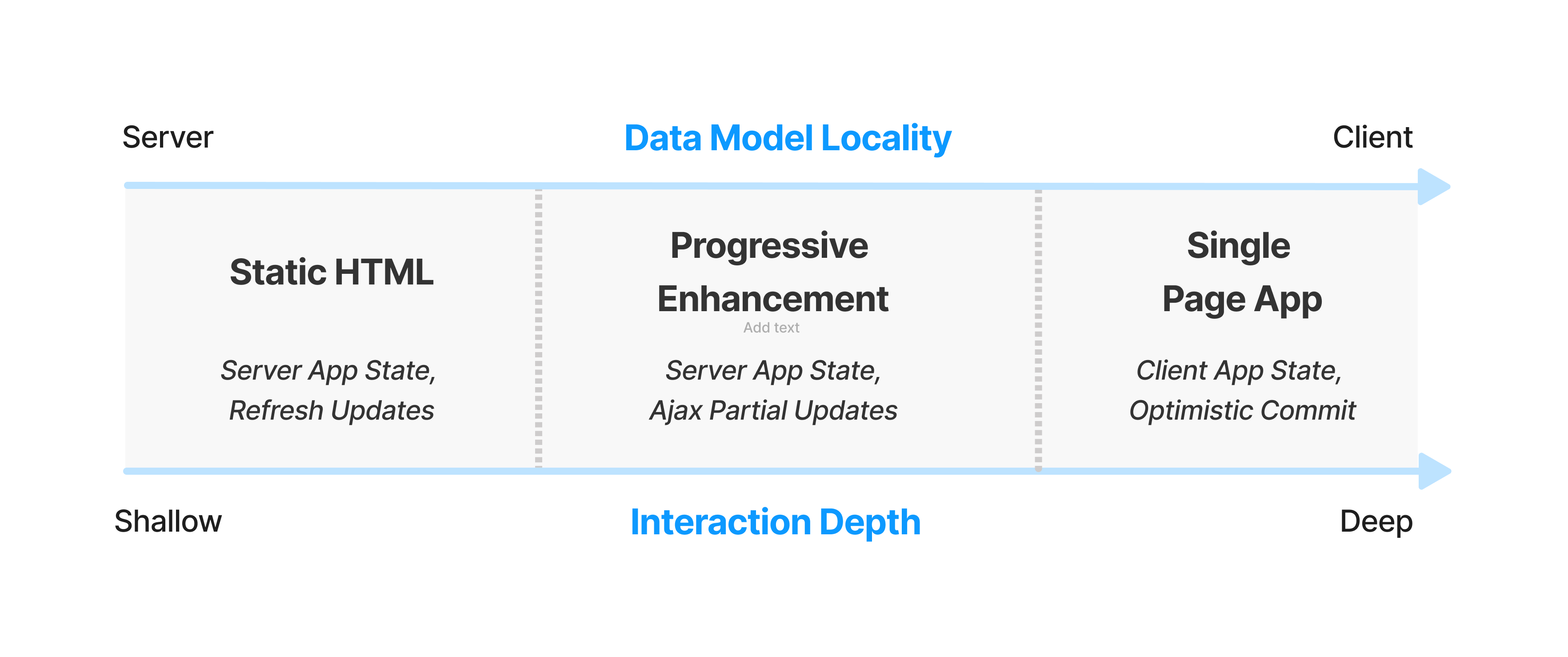


The panelists talk to Isaac Schleuter and Mikeal Rogers about io.js. Special Guests: Isaac Schleuter and Mikeal Rogers.
The panelists talk to Christopher Chedeau and Jordan Walke about React.js Conf and React Native. Special Guests: Christopher Chedeau and Jordan Walke.
Pamela Fox and the rest of the gang talk about teaching programming and Computer Science. Special Guest: Pamela Fox.
The panelists talk about Firefox OS with Jason Weathersby. Special Guest: Jason Weathersby.
The panelists talk to Jenn Schiffer about using art to get and keep people interested in programming. Special Guest: Jenn Schiffer.
The panelists talk about the Mozilla Developer Network with Les Orchard and David Walsh. Special Guests: David Walsh and Les Orchard.
The panelists talk to Henrik Joreteg and Philip Roberts of &yet. Special Guests: Henrik Joreteg and Philip Roberts.
The panelists discuss TrackingJS with Eduardo Lundgren. Special Guest: Eduardo Lundgren.
The Panelists talk to the creator of the Smallest Federated Wiki, Ward Cunningham. Special Guest: Ward Cunningham.
The panelists discuss Quilljs with its' creator, Jason Chen. Special Guest: Jason Chen.
The panelists talk about MV Frameworks with Craig McKeachie. Special Guest: Craig McKeachie.
The panelists talk to Dave Nugent about organizing conferences and Meetups. Special Guest: Dave Nugent.
The panelists talk about the famo.us framework with Steve Newcomb. Special Guest: Steve Newcomb.
The panelists discuss changes in the npm package manager with Forrest Norvell, Rebecca Turner, Ben Coe, and Isaac Z. Schlueter. Special Guests: Ben Coe, Forrest Norvell, Isaac Schleuter, and Rebecca Turner.
The panelists discuss the Ionic Framework with Max Lynch and Tyler Renelle. Special Guests: Max Lynch and Tyler Renelle.
The panelists talk to Brendan Eich, the creator of JavaScript. Special Guest: Brendan Eich.
The panelists talk to Rob Dodson and Eric Bidelman about the Google Polymer project and Google I/O. Special Guests: Eric Bidelman and Rob Dodson .
The panelists talk about Chrome apps with Google's Joe Marini. Special Guest: Joe Marini.
The panelists talk about what skills you need to be considered a professional web developer.
The panelists discuss the Koa Framework with Gerred Dillon and Will Conant. Special Guests: Gerred Dillon and Will Conant.
The panelists discuss jQuery vs KendoUI with Burke Holland and TJ VanToll. Special Guests: Burke Holland and TJ VanToll.
the panelists discuss the ES6 module loader polyfill, SystemJS, and jspm with Guy Bedford. Special Guest: Guy Bedford.
The panelists talk to Elliot Kember about asynchronous UI and non-blocking interactions. Special Guest: Elliott Kember.
The panelists talk to Reginald Braithwaite about the dynamics of the JavaScript community. Special Guest: Reginald Braithwaite.
The panelists talk about refactoring JavaScript Apps Into a Framework with Brandon Hays. Special Guest: Brandon Hays.
The panelists discuss dependency injection with Vojta Jína & Misko Hevery. Special Guests: Miško Hevery and Vojta Jína.
The panelists have Igor Minar back on the show to discuss AngularJS in detail. Special Guest: Igor Minar.
The panelists talk to David Nolen about ClojureScript and Om. Special Guest: David Nolen.
The panelists talk to Julie Ralph about AngularJS's protractor. Special Guest: Julie Ralph.
The panelists discuss JSConf and conference organization with Chris Williams. Special Guest: Chris Williams.
The panelists talk to Raquel Vélez about robotics and JavaScript. Special Guest: Raquel Vélez.
The panelists talk to Brad Green of Google, about Angular.js and managing open source projects. Special Guest: Brad Green.
The panelists discuss npm, Inc. with Isaac Schlueter, Laurie Voss, and Rod Boothby. Special Guests: Isaac Schleuter, Laurie Voss, and Rod Boothby.
The panelists speak with Brian Woodward and Job Schlinkert about Assemble.io. Special Guests: Brian Woodward and Jon Schlinkert.
The panelists talk to Eric Schoffstall, the creator of Gulp.js. Special Guest: Eric Schoffstall.
The panelists talk to Bart Wood about large single page JavaScript applications. Special Guest: Bart Wood.
The panelists discuss The New York Times and JavaScript with Eitan Konigsburg, Alastair Coote and Reed Emmons. Special Guests: Alastair Coote, Eitan Konigsburg, and Reed Emmons.
The panelists discuss the MEAN stack with Ward Bell and Valeri Karpov. Special Guests: Valeri Karpov and Ward Bell .
The panelists talk to The Node Security Project founder and organizer, Adam Baldwin. Special Guest: Adam Baldwin.
The panelists discuss Ember.js and Discourse with Robin Ward Special Guest: Robin Ward.
In this episode, the panelists talk Node with Mikeal Rogers. Special Guest: Mikeal Rogers.
In this episode, the panelists talk to Matthew Podwysocki about Functional Reactive Programming and RxJS. Special Guest: Matthew Podwysocki.
Anton Kovalyov joins the Jabber gang to talk about JSHint, linting, parsing, lexing and much more. Special Guest: Anton Kovalyov.
Pete Hodgson crosses over from the iPhreaks podcasts to talk with the Jabber gang about testing asynchronous Javascript with promises. Special Guest: Pete Hodgson.
Dominic Szablewski joins the Jabber gang to talk about Impact.js, game development, html5, and strategy. Special Guest: Dominic Szablewski.
The gang talks to Lo-Dash maintainer John-David Dalton about open source software, performant Javascript, Lo-Dash and Underscore Special Guest: John-David Dalton.
Joe Eames and Charles Max Wood talk about the advantages and challenges of working from home.
Panel Alex MacCaw (twitter github blog) Joe Eames (twitter github blog) Jamison Dance (twitter github blog) AJ O’Neal (twitter github blog) Charles Max Wood (twitter github Teach Me To Code Rails Ramp Up) Discussion 01:13 - Going Rogue Video 02:12 - Alex MacCaw Introduction 029 JSJ Bower.js with Alex MacCaw and Jacob Thornton JavaScript Web Applications: jQuery Developers' Guide to Moving State to the Client by Alex MacCaw The Little Book on CoffeeScript: The JavaScript Developer's Guide to Building Better Web Apps by Alex MacCaw 02:44 - Monocle Alternative for Hacker News 03:39 - Speed Alex MacCaw: Time to first tweet sinatra MVC Framework Synchronicity 10:48 - SEO Google Webmaster Tools The Google Webmaster Video on Single-page Apps / SEO Alex MacCaw: SEO in JS Web Apps 14:01 - The Social Aspect of Monocle/Community 17:09 - Caching 17:47 - Google Website Optimizer 18:26 - Responsiveness 21:00 - Client-side & Server-side 25:11 - Testing for Performance PageSpeed Insights 28:39 - The Design Process sinatra sequel 31:44 - Sourcing.io Sourcing.io Signup 34:15 - Inspiration Picks MicroFormat Tool (AJ) Google Markup Helper (AJ) Gmail Markup Schemas (AJ) OUYA (AJ) TowerFall (AJ) Final Fantasy 7 (emulator) Final Fantasy 7 (PC) (AJ) Sunlounger (Joe) Pebble Watch (Joe) ng-conf (Joe) Book Yourself Solid: The Fastest, Easiest, and Most Reliable System for Getting More Clients Than You Can Handle Even if You Hate Marketing and Selling by Michael Port (Chuck) Coder (Alex) List of Ig Nobel Prize winners (Alex) Next Week Working From Home Transcript ALEX: The rain in Spain falls mainly on the plain. [Hosting and bandwidth provided by the Blue Box Group. Check them out at BlueBox.net.] [This episode is sponsored by Component One, makers of Wijmo. If you need stunning UI elements or awesome graphs and charts, then go to Wijmo.com and check them out.] [This podcast is sponsored by JetBrains, makers of WebStorm. Whether you’re working with Node.js or building the frontend of your web application, WebStorm is the tool for you. It has great code quality and code exploration tools and works with HTML5, Node, TypeScript, CoffeeScript, Harmony, LESS, Sass, Jade, JSLint, JSHint, and the Google Closure Compiler. Check it out at JetBrains.com/WebStorm.] CHUCK: Hey everybody and welcome to episode 77 of the JavaScript Jabber show. This week on our panel, we have Joe Eames. JOE: Hey there. CHUCK: Jamison Dance. JAMISON: Hey friends. CHUCK: AJ O’Neal. AJ: It'sa mia, it'sa AJ. CHUCK: I’m Charles Max Wood from DevChat.TV. And before I introduce our guest, I just want to make a quick announcement. Tomorrow as we’re recording this, so when you get this episode it will be last Friday, is my Freedom Day. It’s the day I got laid off from my last full-time job and went freelance. So in honor of that, I’m putting together a video. I’ve called it ‘Going Rogue’. Yes, I know that there’s a political thing around that, whatever. Anyway, I called it ‘Going Rogue’. You can get it at GoingRogueVideo.com. It’s basically the first year of me going freelance. I’ve just talked through how it all went. The mistakes I made, the things I learned, the things I did right, and just gave general advice to anyone who’s looking to go freelance. Or if you’re interested in some of the challenges that come with that, it’s a video that I’m putting together to kind of explain that. Like I said, it’s free. You can get it at GoingRogueVideo.com. Yeah, I’m pretty excited about it. I’m also excited about Freedom Day. Anyway, we also have a special guest today, and that’s Alex MacCaw. ALEX: How do you do? Thank you for having me. CHUCK: You’ve been on the show before, but it’s been almost a year. Do you want to introduce yourself again? ALEX: Well, I’m mostly a JavaScript programmer. Special Guest: Alex MacCaw.
Panel Marcus Phillips (twitter github) Fred Zirdung (twitter github) Jamison Dance (twitter github blog) Joe Eames (twitter github blog) Charles Max Wood (twitter github Teach Me To Code Rails Ramp Up) Discussion 01:30 - Marcus Phillips and Fred Zirdung Introduction Hack Reactor 03:31 - Experience with Meteor 05:45 - Intro to Meteor Client-side Environment Tethered Queries minimongo 09:56 - Websockets 11:29 - Deployment Support 14:51 - The Cloud 16:43 - Meteor and Server-side JavaScript Engines Meteor Devshop 7 - LIVE 19:48 - Meteor and Windows 22:43 - Package Management System 23:49 - Building Meteor Apps 29:04 - Meteor Methods 33:02 - Open-Source Meteor Apps 34:15 - Hack Reactor Education Training Developers Removing Complexity Picks ng-conf (Joe) Ben Kamens: “Shipping Beats Perfection” Explained (Jamison) Evan Goer: Writing for Developers — Some Rational Techniques (Jamison) BOXEN (Chuck) Book Yourself Solid Illustrated: The Fastest, Easiest, and Most Reliable System for Getting More Clients Than You Can Handle Even if You Hate Marketing and Selling by Michael Port (Chuck) meteor / packages / deps / deps.js (Marcus) Underscoreboard (Marcus) actionHero.js (Fred) Satellite (Fred) Tilden (Fred) rethink-livedata (Marcus) Next Week Monacle with Alex MacCaw Transcript JAMISON: Speaking of single and [working] 30 hours a week after your job, is Merrick there? [Hosting and bandwidth provided by the Blue Box Group. Check them out at BlueBox.net.] [This episode is sponsored by Component One, makers of Wijmo. If you need stunning UI elements or awesome graphs and charts, then go to Wijmo.com and check them out.] [This podcast is sponsored by JetBrains, makers of WebStorm. Whether you’re working with Node.js or building the frontend of your web application, WebStorm is the tool for you. It has great code quality and code exploration tools and works with HTML5, Node, TypeScript, CoffeeScript, Harmony, LESS, Sass, Jade, JSLint, JSHint, and the Google Closure Compiler. Check it out at JetBrains.com/WebStorm.] CHUCK: Hey everybody and welcome to episode 76 of the JavaScript Jabber show. This week on our panel, we have Jamison Dance. JAMISON: Hello friends. CHUCK: Joe Eames. JOE: Hey there. CHUCK: I’m Charles Max Wood from DevChat.TV. We’ve also got two special guests and that is Fred Zirdung. FRED: Hello. CHUCK: Did I totally butcher that? FRED: Yeah, you got it right. CHUCK: Okay. And Marcus Phillips. MARCUS: Hi everybody. CHUCK: Since you guys haven't been on the show before, do you want to introduce yourself? We’ll have Marcus go first. MARCUS: Sure. I'm Marcus Phillips. I'm a JavaScript enthusiast. I've been in it for a long time. Really excited about framework architecture and lately, all about teaching what I've learned over the course of time that I've been working in the Bay Area and working on the frontend of Twitter and things like that. Nowadays, I teach at Hack Reactor full time which is an immersive school for learning to become a developer over a period of three months. JAMISON: Cool. CHUCK: And which technologies do you teach at Hack Reactor? MARCUS: We use JavaScript as our teaching language. Fundamentally, what we’re trying to do is teach people software engineering principles. So, JavaScript just turns out to be one of the most useful languages we can use to do that. But from there, we kind of want to give people practical skills that they can use immediately on the job. So, we definitely drive the entire curriculum out of GitHub repos and teach them some practical things like Backbone and Node and deployment strategies. So yeah, we kind of cover the gambit from frontend to backend with a focus on JavaScript in particular. CHUCK: Awesome. That sounds really cool. JOE: Yeah, it does. MARCUS: It’s a lot of fun. CHUCK: Fred, Special Guests: Fred Zirdung and Marcus Phillips.
Panel Nicholas C. Zakas (twitter github blog) Joe Eames (twitter github blog) AJ O’Neal (twitter github blog) Jamison Dance (twitter github blog) Merrick Christensen (twitter github) Charles Max Wood (twitter github Teach Me To Code Rails Ramp Up) Discussion 01:24 - Nicholas Zakas Introduction Box Maintainable JavaScript by Nicholas C. Zakas High Performance JavaScript (Build Faster Web Application Interfaces) by Nicholas C. Zakas Yahoo 02:19 - What Makes Maintainable JavaScript? Code Layout Clever Solutions (“Chicken Blood Solutions”) 04:39 - Formatting Thinking, Fast and Slow by Daniel Kahneman Broken Window Theory 07:33 - Architecture aura Nicholas Zakas: The Scalable JavaScript Application Architecture Feature Encapsulation 14:11 - 'High Performance Javascript' and the balance between short-term and long-term knowledge 19:17 - Important conventions for a team to follow Styles Mini Design Patterns Readability 26:14 - Tools & Techniques Style Guide 28:31 - Breaking the continuous integration build 31:14 - Linting JSLint 32:35 - Developing skills for architecting things Experience Personal Trait of Curiosity Component-based and Systems-based software engineers 37:52 - Architecture and Maintainability Testability Backbone.js 43:28 - Creating common conventions that will apply across projects Picks Domo (Joe) Pluralsight (Joe) Game Dev Tycoon (Joe) The Star Wars (Joe) Foundation Actionscript 3.0 Animation: Making Things Move! by Keith Peters (Merrick) ng-conf (Merrick) Kveikur by Sigur Rós (Merrick) makemeasandwich (AJ) Sleep (AJ) Jekyll Themes (Jamison) Growing Object-Oriented Software, Guided by Tests by Steve Freeman (Jamison) A Canticle For Leibowitz by Walter M. Miller Jr. (Jamison) DevChat.tv (Chuck) Thinking, Fast and Slow by Daniel Kahneman (Nicholas) StePhest Colbchella '013 - Time to Dance (Nicholas) Evolution of Music - Pentatonix (Nicholas) Next Week Meteor.js with Marcus Phillips and Fred Zirdung Transcript [Hosting and bandwidth provided by the Blue Box Group. Check them out at BlueBox.net.] [This episode is sponsored by Component One, makers of Wijmo. If you need stunning UI elements or awesome graphs and charts, then go to Wijmo.com and check them out.] [This podcast is sponsored by JetBrains, makers of WebStorm. Whether you’re working with Node.js or building the frontend of your web application, WebStorm is the tool for you. It has great code quality and code exploration tools and works with HTML5, Node, TypeScript, CoffeeScript, Harmony, LESS, Sass, Jade, JSLint, JSHint, and the Google Closure Compiler. Check it out at JetBrains.com/WebStorm.] CHUCK: Hey everybody and welcome to episode 75 of the JavaScript Jabber show. This week on our panel, we have Joe Eames. JOE: Hey, everyone. CHUCK: AJ O’Neal. AJ: I can hit unmute. I'm here. CHUCK: Jamison Dance. JAMISON: Hello, friends. CHUCK: Merrick Christensen. MERRICK: Hey, guys. CHUCK: I’m Charles Max Wood from DevChat.TV. This week, we have a special guest, that’s Nicholas Zakas. NICHOLAS: Yup, you got it. CHUCK: So, since you haven’t been on the show before, do you want to introduce yourself? NICHOLAS: Sure. I'm a software engineer that is working for Box currently. I think a lot of people probably know me from the books that I've written, mostly on the topic of JavaScript and the talks that I've given also on that topic. And a lot of that relates back to my work when I was at Yahoo. I was there for about five years and was the lead on the Yahoo homepage redesign. And a lot of what I do is really just try to solve problems in real life and then share what I did with everybody else in whatever way I think is most appropriate - writing or speaking or coming on podcasts. CHUCK: Yes, you're being modest. You have a book, Special Guest: Nicholas C. Zakas.
Panel Ben Alman (twitter github blog) AJ O’Neal (twitter github blog) Jamison Dance (twitter github blog) Ryan Florence (twitter github blog) Charles Max Wood (twitter github Teach Me To Code Rails Ramp Up) Discussion 01:34 - Ben Alman Introduction Bocoup 02:54 - “Cowboy” Cowboy Coder 06:53 - The Birth of Grunt Ender make rake jake 14:34 - Installing Globally & Plugins JSHint grunt-cli lodash async 20:43 - Managing the project and releasing new versions 22:32 - What is Grunt? What does it do? jQuery libsass SASS stylus 26:39 - Processes & Building Features node-task guard grunt-contrib-watch node-prolog 35:29 - The Node Community and reluctance towards Grunt 41:35 - Why the separation of task loading and configuration? 46:18 - Contributions and Contributing to Grunt 55:18 - What Ben would have done differently building Grunt Ease of Upgrade Picks Web Components (Ryan) Eliminate Sarcasm (Ryan) Bee and PuppyCat (Jamison) MONOPRICE (AJ) AJ O'Neal: Moving to GruntJS (AJ) The Best Map Ever Made of America’s Racial Segregation (Chuck) Clean Off Your Desk (Chuck) Polygon (Ben) My Brother, My Brother and Me (Ben) Echofon (Ben) Bocoup (Ben) Next Week Maintainable JavaScript with Nicholas Zakas Transcript RYAN: We’re potty training my son right now. So, I was up like eight times cleaning poo off of everything. [Hosting and bandwidth provided by the Blue Box Group. Check them out at BlueBox.net.] [This episode is sponsored by Component One, makers of Wijmo. If you need stunning UI elements or awesome graphs and charts, then go to Wijmo.com and check them out.] [This podcast is sponsored by JetBrains, makers of WebStorm. Whether you’re working with Node.js or building the frontend of your web application, WebStorm is the tool for you. It has great code quality and code exploration tools and works with HTML5, Node, TypeScript, CoffeeScript, Harmony, LESS, Sass, Jade, JSLint, JSHint, and the Google Closure Compiler. Check it out at JetBrains.com/WebStorm.] CHUCK: Hey everybody and welcome to episode 74 of the JavaScript Jabber Show. This week on our panel, we have AJ O’Neal. AJ: I’m eating beef jerky. CHUCK: Jamison Dance. JAMISON: Hello. CHUCK: We have a special guest. I guess you’re a guest in filling in for Merrick and Joe and that’s Ryan Florence. RYAN: Hey, how’s it going? I don’t know if I can fill two shoes, but I will try. CHUCK: Well, you have two feet, right? RYAN: Okay. Well, that’s four shoes. CHUCK: [Chuckles] I’m Charles Max Wood from DevChat.TV. We also have another special guest and that is Ben Alman. BEN: Yo! What’s up, everyone? CHUCK: So, do you want to introduce your self, Ben, since you haven’t been on the show before? BEN: I’m Ben Alman. Oh, okay. [Laughter] AJ: That’s not conceited. RYAN: That’s really all he needs. BEN: That’s it. The show’s over, roll credits. So yeah, I’m Ben. You can find me online as @cowboy on Twitter or GitHub and I’m at BenAlman.com. And if you Google me, I have finally got enough SEO juice to beat the other Ben Alman who’s the Orthopedic Surgeon for sick children in Canada. So screw you, guy who helps sick kids. [Laughter] BEN: No, it’s cool. It’s cool, right? But for a while, I was like, “Damn this guy.” But I can’t do anything because he helps sick children. So there’s another Benjamin Alman out there doing things for society and me, I just code. So, I work at Bocoup. We’re at Bocoup.com. Our logo is a rooster, Bob the Rooster, and we make a lot of cool web and open web and open source stuff. And so, I do training there. I teach people JavaScript and jQuery. But I also work on open source tools. I spend a lot of my time, actually, behind the scenes in Node writing JavaScript, experimenting, R&D, writing tools, et cetera. CHUCK: Awesome. So, Special Guests: Ben Alman and Ryan Florence.
Panel Pete Hunt (twitter github blog) Jordan Walke (twitter github) Joe Eames (twitter github blog) AJ O’Neal (twitter github blog) Jamison Dance (twitter github blog) Merrick Christensen (twitter github) Charles Max Wood (twitter github Teach Me To Code Rails Ramp Up) Discussion 01:34 - Pete Hunt Introduction Instagram Facebook 02:45 - Jordan Walke Introduction 04:15 - React React - GitHub 06:38 - 60 Frames Per Second 09:34 - Data Binding 12:31 - Performance 17:39 - Diffing Algorithm 19:36 - DOM Manipulation 23:06 - Supporting node.js 24:03 - rendr 26:02 - JSX 30:31 - requestAnimationFrame 34:15 - React and Applications 38:12 - React Users Khan Academy 39:53 - Making it work Picks Ben Mabey: Clojure Plain & Simple (Jamison) JSConf 2013 Videos (Jamison) Kittens (Jamison) PBS Idea Channel (AJ) Free Trial SSL (AJ) OSX Wifi Volume Remote Control (AJ) js-git (Merrick) vim-airline (Merrick) MLS LIVE (Joe) Seraphina by Rachel Hartman (Joe) ng-conf (Joe) Hire Chuck (Chuck) GoToMeeting (Chuck) ScreenFlow (Chuck) syriandeveloper (Pete) jsFiddle (Pete) Hotel Tonight (Pete) Green Flash Brewery Beer: Palate Wrecker (Jordan) All Things Vim (Jordan) Next Week Grunt.js with Ben Alman Transcript JAMISON: Joe is Merrick’s personal assistant. CHUCK: [Laughter] MERRICK: No, we’re just in this little room and he had, he was like, “Yeah” JOE: Want me to freshen up your coffee, sir? [Chuckles] JAMISON: Feed me some tacos, Joe. [Laughter] [Hosting and bandwidth provided by the Blue Box Group. Check them out at BlueBox.net.] [This episode is sponsored by Component One, makers of Wijmo. If you need stunning UI elements or awesome graphs and charts, then go to Wijmo.com and check them out.] [This podcast is sponsored by JetBrains, makers of WebStorm. Whether you’re working with Node.js or building the front end of your web application, WebStorm is the tool for you. It has great code quality and code exploration tools and works with HTML5, Node, TypeScript, CoffeeScript, Harmony, LESS, Sass, Jade, JSLint, JSHint, and the Google Closure Compiler. Check it out atJjetBrains.com/WebStorm.] CHUCK: Hey everybody and welcome to episode 73 of the JavaScript Jabber Show. This week on our panel, we have Joe Eames. JOE: Hey there. CHUCK: AJ O’Neal. AJ: Live again from Provo. CHUCK: Jamison Dance. JAMISON: Hey friends. CHUCK: Merrick Christensen. MERRICK: Hey guys. CHUCK: I’m Charles Max Wood from DevChat.TV and we have two special guests this week. Pete Hunt. PETE: Hey guys. CHUCK: And Jordan Walke. JORDAN: Hi. CHUCK: Since you guys haven’t been on the show before, do you want to introduce yourselves? We’ll have Pete go first. PETE: Sure. So my name’s Pete. I work on general React stuff these days. But my day job is building the Instagram web experience. If you go to Instagram.com, we have a bunch of frontend stuff you can play with and a bunch of backend infrastructure that supports all that. That’s what I mostly work on. We’re big users of React at Instagram so I ended up contributing a lot to the React core as well. JAMISON: So did you come from Instagram or from Facebook and then to work on Instagram? PETE: Well it was actually a pretty good story just in terms of the integration of the two companies. I was originally at Facebook for a couple of years and we acquired Instagram and they came in and they wanted to build a web presence. Facebook’s core competency is definitely web technologies and Instagram hasn’t historically focused on that. So we were able to take the Facebook web expertise and get Instagram up and running really quickly. I came from the Facebook side but the team is still very much a separate team, their own building, that kind of thing. So that’s my background. CHUCK: Awesome. JAMISON: Sweet. CHUCK: And Jordan? Special Guests: Jordan Walke and Pete Hunt.
Panel Jamison Dance (twitter github blog) Joe Eames (twitter github blog) Charles Max Wood (twitter github Teach Me To Code Rails Ramp Up) Discussion 01:31 - Screencasting Experience Pluralsight: AngularJS Fundamentals - Joe Pluralsight: jQuery Advanced Topics - Joe Pluralsight: Testing Clientside JavaScript - Joe Teach Me To Code - Chuck 02:44 - Getting into Screencasting 06:16 - Screencasting and JavaScript Jabber Sharing Knowledge RailsCasts (Ruby) NSScreencast (iOS) 09:45 - JavaScript Screencasts Embercasts egghead.io (Angular) PeepCode YouTube 10:54 - Conference Talks vs Screencasts 14:34 - Blog Posts vs Screencasts 17:58 - Recording Screencasts (Tools) Camtasia ScreenFlow Jing 22:59 - Voiceovers vs Typing and Talking 26:17 - Audio Quality Blue Snowball Blue Yeti Shure SM58 28:53 - Editing Software Adobe Premier Pro Final Cut Pro Video Hive 33:27 - Preparing for Screencasts Large Font Closed-Captioning 40:23 - Videos of Yourself with Screencasts Wistia Transcripts Picks RequireBin (Jamison) The International - Dota 2 Championships (Jamison) That Conference (Joe) Seraphina by Rachel Hartman (Joe) ng-conf (Joe) Video Hive (Chuck) LessAccounting (Chuck) Next Week React with Jordan Walke and Pete Hunt Transcript JOE: Well, you can represent the newbie perspective then. CHUCK: Yup. JAMISON: That’s my default job on this podcast. [Laughter] CHUCK: No, that’s my job, believe me. JOE: Au contraire, mon frère. [Hosting and bandwidth provided by the Blue Box Group. Check them out at BlueBox.net.] [This episode is sponsored by Component One, makers of Wijmo. If you need stunning UI elements or awesome graphs and charts, then go to Wijmo.com and check them out.] [This podcast is sponsored by JetBrains, makers of WebStorm. Whether you’re working with Node.js or building the front end of your web application, WebStorm is the tool for you. It has great code quality and code exploration tools and works with HTML5, Node, TypeScript, CoffeeScript, Harmony, LESS, Sass, Jade, JSLint, JSHint, and the Google Closure Compiler. Check it out at JetBrains.com/WebStorm.] CHUCK: Hey everybody and welcome to Episode 72 the JavaScript Jabber show. This week on our panel, we have Jamison Dance. JAMISON: Hello. CHUCK: Joe Eames. JOE: Hey there. CHUCK: I’m Charles Max Wood from DevChat.TV. And this week, we’re going to be talking about screencasting and sharing what you know through that kind of a visual medium. Before we get going, I’m wondering how much of this have you guys done? JAMISON: None. JOE: [Chuckles] I’ve done a fair amount. I’ve got my three courses with Pluralsight that I’ve done. That’s pretty much all the screencasting that I’ve done, is through Pluralsight. But I have to say I’ve definitely done a fair amount, several hundred, maybe a thousand with the screencasting. CHUCK: Nice. JAMISON: When you say a thousand hours, do you mean a thousand hours of recorded video or a thousand hours of time put into this? JOE: Yeah, a thousand hours of time actually spent. So I’ve probably produced ten or fifteen hours of recorded video. Probably about that much and five or six hundred hours of time spent producing that much video, right around that. CHUCK: Well there you go. If you’ve read outliers, you know you have nine thousand hours to go, right? JOE: [Chuckles] Yeah. Exactly when I’ll be an expert. CHUCK: That’s right. I’ve done a fair bit of screencasting as well. In fact, I got into podcasting through screencasting and I ran TeachMeToCode.com for a few years. I’m actually looking at reviving it but it’s just some time that I haven’t been able to commit yet. But yeah, it’s definitely a fun and interesting thing to do to share what you know and get the word out about whatever technologies you’re passionate about.
Panel Scott Hanselman (twitter github blog) Joe Eames (twitter github blog) Aaron Frost (twitter github blog) Charles Max Wood (twitter github Teach Me To Code Rails Ramp Up) Discussion 01:14 - Scott Hanselman Introduction Community Program Manager for Web Tools at Microsoft Azure and Web Tools ASP.NET Runtime 03:17 - Microsoft and JavaScript Microsoft Build Developer Conference Scott Hanselman: Angle Brackets, Curly Braces, One ASP.NET and the Cloud Json.NET 13:40 - The Cost of Web Development Tooling Sublime Text Visual Studio 18:17 - Libraries and Frameworks Knockout 24:14 - Innovation in Software Befunge 29:48 - Apps Supporting JavaScript Create your first Windows Store app using JavaScript (Windows) Visual Studio Express 34:14 - Windows and Internet Explorer Chakra 40:42 - Microsoft’s Attitude Towards JavaScript Scott Hanselman: Azure for the non-Microsoft Person - How and Why? 45:58 - Open Source 49:12 - asm.js 52:05 - Angle Brackets Conference Picks The Wolverine (Joe) ng-conf (Joe) Cancún (Aaron) @ngconf (Aaron) Wistia (Chuck) Mumford And Sons 'Hopeless Wanderer' Music Video (Scott) Beyoncé Joins the Short Hair Club (Scott) Next Week Screencasting: Sharing What You Know Through Video Transcript [Hosting and bandwidth provided by the Blue Box Group. Check them out at BlueBox.net.] [This episode is sponsored by Component One, makers of Wijmo. If you need stunning UI elements or awesome graphs and charts, then go to Wijmo.com and check them out.] [This podcast is sponsored by JetBrains, makers of WebStorm. Whether you’re working with Node.js or building the front end of your web application, WebStorm is the tool for you. It has great code quality and code exploration tools and works with HTML5, Node, TypeScript, CoffeeScript, Harmony, LESS, Sass, Jade, JSLint, JSHint, and the Google Closure Compiler. Check it out at JetBrains.com/WebStorm.] CHUCK: Hey everybody and welcome to Episode 71 the JavaScript Jabber show. This week on our panel, we have Joe Eames. JOE: Hey. CHUCK: Aaron Frost. AARON: Hello. CHUCK: I’m Charles Max Wood from DevChat.TV. And we have a special guest that is Scott Hanselman. SCOTT: Hello. CHUCK: Since you’re new to the show, do you want to introduce yourself really quickly? SCOTT: My name is Scott Hanselman. You can learn more about me on the internet by googling for Scott. I’m in an epic battle right now with the Scott toilet paper people. You’ll find me just below Scott toilet tissue. I’ve been blogging for ten years. More than ten years, 13 years. I work at Microsoft right now. Before that I worked in finance at a company called Corillian that is now Fiserv. I’ve been building big systems on the web for as long as the web’s been around. CHUCK: Wow. What do you do at Microsoft? SCOTT: I work in Azure and Web Tools. I’m a program manager. I’m in charge of the experience from file new project until deployment. I call myself the PM of miscellaneous. I spend time going through that experience making sure that it doesn’t suck. My focus is on web tools but also ASP.NET Runtime and what the experience is when you deploy something into Azure. That might be everything from what’s it like editing JavaScript in Visual Studio and I’ll find some issue and go and work with the guys that own that, or it might be someone’s trying to do something in Node on Azure and that experience is not good. I’m like an ombudsman or a customer liaison. But the simplest way would be to say I’m the community PM, community program manager, for web tools at Microsoft. CHUCK: Okay. AARON: Cool. CHUCK: So, is JavaScript your primary focus? SCOTT: I would say that my primary focus is just anything that makes the web better and moves the web forward. While I work for ASP.NET and most of my work is in C#, Special Guest: Scott Hanselman.
Panel Reginald Braithwaite (twitter github blog) Jamison Dance (twitter github blog) Joe Eames (twitter github blog) AJ O’Neal (twitter github blog) Merrick Christensen (twitter github) Charles Max Wood (twitter github Teach Me To Code Rails Ramp Up) Discussion 02:08 - Reg Braithwaite Introduction Github 03:46 - JavaScript Allongé by Reginald Braithwaite 06:43 - The Y Combinator Kestrels, Quirky Birds, and Hopeless Egocentricity by Reginald Braithwaite 14:26 - Book Summary/Perspective Functions QED, The Strange Theory of Light and Matter by Richard P. Feynman 21:37 - Footnotes Flashman: A Novel by George MacDonald Fraser 26:42 - allong.es Michael Fogus 29:15 - Sharing Knowledge & Information 33:01 - The Coffee Theme CoffeeScript Ristretto by Reginald Braithwaite 37:42 - Favorite Parts of the Book How Prototypes Work Combinators 42:18 - Writing the Beginning 44:41 - Reg’s Programming Background One Two Three . . . Infinity: Facts and Speculations of Science by George Gamow Picks ng-conf (Joe & Merrick) LUMOback (Merrick) Twilio (AJ) Bountysource (AJ) Brian Stevens / Data Porters (Chuck) InformIT (Chuck) Safari Books Online (Chuck) QED, The Strange Theory of Light and Matter by Richard P. Feynman (Reginald) One Two Three . . . Infinity: Facts and Speculations of Science by George Gamow (Reginald) Understanding Computation: From Simple Machines to Impossible Programs by Tom Stuart (Reginald) Realm of Racket: Learn to Program, One Game at a Time! by Matthias Felleisen (Reginald) Special Offer! JSJABBERROCKS will give $5 off JavaScript Allongé by Reginald Braithwaite on Friday, August 9th through Sunday, August 11th 2013 ONLY! Next Week JavaScript Strategies at Microsoft with Scott Hanselman Transcript MERRICK: Turns out my habit is Joe coming over to my desk and saying, [singing] “Da-na-na-na, jabber time!” [Laughter] AJ: Nice. REG: That behavior is always acceptable if you are dressed for the part. [Laughter] CHUCK: Since this is pure audio, you don’t even have to be dressed. JOE: I have a pair of parachute pants. MERRICK: I actually record most of this show while I'm in the bathtub. [Hosting and bandwidth provided by the Blue Box Group. Check them out at BlueBox.net.] [This episode is sponsored by Component One, makers of Wijmo. If you need stunning UI elements or awesome graphs and charts, then go to Wijmo.com and check them out.] [This podcast is sponsored by JetBrains, makers of WebStorm. Whether you’re working with Node.js or building the front end of your web application, WebStorm is the tool for you. It has great code quality and code exploration tools and works with HTML5, Node, TypeScript, CoffeeScript, Harmony, LESS, Sass, Jade, JSLint, JSHint, and the Google Closure compiler. Check it out at JetBrains.com/WebStorm.] CHUCK: Hey everybody and welcome to Episode 70 the JavaScript Jabber show. This week on our panel we have Jamison Dance. JAMISON: Hello friends. CHUCK: Joe Eames. JOE: Hey there. CHUCK: AJ O’Neal. AJ: Still coming at you almost live from San Francisco. CHUCK: Merrick Christensen. MERRICK: What’s up guys? CHUCK: There we go. I’m Charles Max Wood from DevChat.TV. And we have a special guest, and that is Reg Braithwaite. REG: Pleased to be here with you. MERRICK: That was a real voice if I’ve ever heard one. JOE: Yeah. Awesome. CHUCK: No kidding. We should have you do some voice overs for us. MERRICK: We should. CHUCK: You’re listening to JavaScript Jabber. [Chuckles] AJ: Say, “In a world…” [Chuckles] REG: In a world… CHUCK: Anyway… [Laughter] AJ: Derailed, derailed. CHUCK: Yeah, totally. Reg, since you’re new to the show, do you want to introduce your self briefly? REG: Certainly. I’m a 51-year-old programmer. I got started the old-fashioned way, Special Guest: Reginald Braithwaite.
Panel Jake Archibald (twitter github blog) Jamison Dance (twitter github blog) Charles Max Wood (twitter github Teach Me To Code Rails Ramp Up) Discussion 01:14 - Jake Archibald Introduction Works on Developer Relations on the Google Chrome Team 01:57 - The Application Cache Eric Bidelman: A Beginner's Guide to Using the Application Cache - HTML5 Rocks Down Fall 07:12 - Working with Single Page Apps 08:40 - Detecting Connectivity Express.js Yehuda Katz: Extend the Web Forward 15:42 - Running Offline 19:55 - Generating Manifest Files Grunt Task for App Cache Manifests 26:34 - NavigationController 28:49 - Progressive Enhancement Jake Archibald: Progressive enhancement is still Important 059 JSJ jQuery Mobile with Todd Parker 058 JSJ Building Accessible Websites with Brian Hogan Feature Detection Modernizr SEO Picks Arduino (Jamison) Draft (Jamison) RoboRally (Chuck) Adobe Audition CS6 (Chuck) Blue Microphones Yeti USB Microphone - Silver Edition (Chuck) async-generators (Jake) Rick Byers: DevTools just got a cool new feature in Chrome canary (Jake) johnny-five (Jamison) Next Week Book Club: JavaScript Allongé with Reginald Braithwaite Transcript CHUCK: Maybe we’ll just talk about your general smarty-pants-ness. [Hosting and bandwidth provided by the Blue Box Group. Check them out at Bluebox.net.] [This episode is sponsored by Component One, makers of Wijmo. If you need stunning UI elements or awesome graphs and charts, then go to Wijmo.com and check them out.] [This podcast is sponsored by JetBrains, makers of WebStorm. Whether you’re working with Node.js or building the front end of your web application, WebStorm is the tool for you. It has great code quality and code exploration tools and works with HTML5, Node, TypeScript, CoffeeScript, Harmony, LESS, Sass, Jade, JSLint, JSHint, and the Google Closure Compiler. Check it out at JetBrains.com/WebStorm.] CHUCK: Hey everybody and welcome to Episode 69 the JavaScript Jabber Show. This week on our panel we have Jamison Dance. JAMISON: Hello friends. CHUCK: I’m Charles Max Wood from DevChat.TV. And we have a special guest and that is Jake Archibald. JAKE: Hello. CHUCK: Jake, do you want to introduce yourself for the folks who haven’t heard of you before? JAKE: Sure thing. I work on the Google Chrome team as part of DevRel. What I’m doing there is a combination of speaking at conferences about particular stuff. I got to do a lot in performance at the moment, but I also do a lot of standards work where I’ve done a lot with an alternative to application cache, which we’ll be talking about, but also looking at things like script loading and some of the resource priority stuff. CHUCK: Cool. So it sounds like you’re smart on a number of levels then. JAKE: Or dumb at all. [Chuckles] I can only see what I work on. I don’t know if I’m any good at it. [Chuckles] CHUCK: So we brought you on to talk about the application cache. I’m not completely sure I know what is totally involved there. Is it just the cache like you clear the browser cache cache or is it something else? JAKE: Well. the aim for the application cache was to let you make a site that works offline. So we’ve got the http cache and that works, in a manner of speaking. But if you have, say a website where you’ve cached your JavaScript, you’ve cached your CSS. You’ve cached your html page and some images. That’s great, but the user will visit another website and the browser will go and delete the CSS file from your site from the cache just to make room for the stuff from this other site. That means that if we were just going to use the http cache for making things work offline, people go to your site, your html’s there, your images are there, your JavaScript’s there, but your CSS is not and that’s going to break your site. Special Guest: Jake Archibald.
Panel Aaron Frost (twitter github blog) Merrick Christensen (twitter github) Joe Eames (twitter github blog) Jamison Dance (twitter github blog) Discussion 01:36 - Aaron Frost Introduction Web Developer at Domo 1.21 Gigawatts – Chromeapps with Angularjs and Node (Aaron Frost and Dave Geddes) JS.next: A Manager’s Guide by Aaron Frost 02:21 - ECMAScript and JavaScript Brendan Eich talking about the Lord Of The Rings Comparison JScript ActionScript 06:02 - TC39 on ECMA Notes from the TC39 Meetings 06:44 - ECMAScript:Harmony 09:59 - ES6 Features Arrow Functions/Lambdas Lexical Scoping Destructioning Spreading Sets & Maps Equivalent Detection Generators Binary Data 12:17 - Arrow Functions 14:23 - Data Proofing Functions 15:35 - Destructuring Paths/Nested Destructuring Destructuring Patterns 17:59 - Default Values 18:49 - Rest & Default Parameters 20:39 - Let Variable Hoisting Traceur Compiler grunt-traceur Let Expressions & Statements Blocks & Block Scopes temporal-dead-zone.js 27:20 - Generators 28:39 - The Module System 29:48 - Template Strings 32:05 - Aaron’s Opinion of Internet Explorer 36:01 - Using ES6 Today Tracer Compiler 39:18 - Designing a New Language Picks Pacific Rim (Joe) That Conference (Joe) PHOX (Merrick) Sqwiggle (Jamison) NodeConf (Jamison) Jon Hopkins - Immunity (Jamison) Tombstone (Aaron) Justin Timberlake - The 20/20 Experience (Aaron) Book Club JavaScript Allongé with Reginald Braithwaite! He will join us for an episode to discuss the book on August 1st. The episode will air on August 9th. Next Week The Application Cache with Jake Archibald Transcript JAMISON: Are you guys going to do a doo-wop chorus? I feel like with you all sharing the same microphone, we need some sick vocal harmony. MERRICK: I wouldn’t mind starting a JS Jabber a cappella group. [Hosting and bandwidth provided by the Blue Box Group. Check them out at Bluebox.net.] [This episode is sponsored by Component One, makers of Wijmo. If you need stunning UI elements or awesome graphs and charts, then go to Wijmo.com and check them out.] JAMISON: Hey everybody and welcome to JavaScript Jabber Episode 68. I am your guest host, Jamison Dance. Chuck is at LoneStar Ruby Conf this week. We have Merrick Christensen. MERRICK: What’s up? JAMISON: We have Joe Eames. JOE: Hey there. JAMISON: And we have an incredibly special guest, Aaron Frost. AARON: Hello. MERRICK: [Laughter] What? JAMISON: And he is not British. AARON: Coming from across the pond. MERRICK: Once you’re gone, I’m going to start using that as my greeting. AARON: Well, I wish my name was like that one guy, the Allonge, Reginald Braithwaite. [Laughter] AARON: Where it’s like your name’s in British. JOE: Yes. Your accent, no. Oh, I would have my name be Benedict Cumberbatch. AARON: That’s pretty British too, that name. JOE: That’s a very British name, yeah. AARON: Wellington something. [Laughter] JAMISON: Then you would be the archduke of JavaScript. AARON: Yeah. JOE: Oh, that would be an awesome title. AARON: That’d be great. It’s a good title. MERRICK: So Jamison, do you want to talk about why we have Aaron on the show? JAMISON: Yeah, I was going to ask him to introduce himself. AARON: Oh, great. I’m a web developer at an awesome company called Domo. JOE: But what’s your official title? AARON: Officially, I don’t know. What are you playing at? [Laughter] AARON: Maybe an open web strategist. JOE: There you go. JAMISON: Social media expert? AARON: I don’t know. But I work on our UI team and we’re getting ready to push out a really awesome release that everyone’s going to love. I’m also an author. I’ve published a short book with O’Reilly in May and working on another book. Special Guest: Aaron Frost.
Panel Toby Ho (twitter github blog) Joe Eames (twitter github blog) Aaron Frost (twitter github blog) Charles Max Wood (twitter github Teach Me To Code Rails Ramp Up) Discussion 00:53 - Aaron Frost Introduction Domo 1.21 Gigawatts - Chromeapps with Angularjs and Node (Aaron Frost and Dave Geddes) 02:45 - Toby Ho Introduction testem Toby Ho - Testem: Interactive JS Test Runner Toby Ho: Better TDD Workflow via Exclusive Tests in Jasmine and Mocha 03:06 - testem Autotest guard Jasmine Mocha QUnit Buster.JS PhantomJS node.js 04:43 - Integration Tests 038 JSJ Jasmine with Justin Searls capybara 06:32 - guard 07:49 - The testem UI node-charm 09:55 - The Browser Launcher 11:40 - CI Mode Jenkins TeamCity 12:27 - Is it a Global Installer? npm 13:39 - Workflow Grub Filtering testem.json/testem.yml Devmode Exclusive Tests in Mocha Karma .only Console Logging 21:27 - Debugging Git Hooks Minification 25:25 - testem vs Karma AngularJS 28:08 - Testing JavaScript Jasmine Mocha QUnit 29:50 - Browsers Chrome 30:54 - Configurations 32:11 - Contributors Jake Verbaten (Raynos) Derek Brans Justin Searls David Mosher lineman 33:33 - Grunt.js grunt-testem 35:09 - Testing & TDD Bryan Liles: TATFT - Test All the F***in Time Picks The Rithmatist by Brandon Sanderson (Joe) Call of Duty: Black Ops 2 (Aaron) Amazon Prime (Chuck) Big Bang Theory (Chuck) HandBrake (Chuck) Rails Conf 2013 The Magic Tricks of Testing by Sandi Metz (Toby) Giles Bowkett - Secrets Of Superstar Programmer Productivity: Flow (Toby) Book Club JavaScript Allongé with Reginald Braithwaite! He will join us for an episode to discuss the book on August 1st. The episode will air on August 9th. Next Week ES Next with Aaron Frost Transcript [Hosting and bandwidth provided by the Blue Box Group. Check them out at BlueBox.net.] [This episode is sponsored by Component One, makers of Wijmo. If you need stunning UI elements or awesome graphs and charts, then go to Wijmo.com and check them out.] CHUCK: Hey everybody, and welcome to Episode 67 of the JavaScript Jabber Show. This week on our panel, we have Joe Eames. JOE: Hey there. CHUCK: We also have Aaron Frost filling in for us. AARON: Hello. CHUCK: And we have a special guest and that is Toby Ho. TOBY: Hi everyone. CHUCK: I’m Charles Max Wood from DevChat.TV. Guys, why don’t we have you introduce yourselves really quick? Let’s start with you, Aaron. AARON: Okay. So, I’m a frontend developer at Domo. JOE: Open-source evangelist. AARON: Well, you can call me whatever you want. [Laughter] AARON: I’ve worked here for a few months. I love it. I’m writing a book on the next version of ECMAScript and a dad with three kids. So yeah, that’s me. JOE: Aaron’s too modest. He’s also a big-time conference speaker. He’s a regular presenter at local user groups. And like I said before, he’s one of our evangelists, so he was hired as a really high-level frontend engineer here at Domo to help us take our JavaScript and frontend work into the next level, really. CHUCK: Yeah, I also showed up late to a workshop that he was putting on using Node and Twilio and that was pretty cool. JOE: Yeah, that thing has been the bomb. Also, Aaron’s presentation at Fluent Conf with Dave Geddes was apparently the hit of the entire show, the best received. The organizer said he thought it was definitely one of the best presentations done at Fluent Conf. AARON: Yeah. They said it was the most entertaining and Simon said he wished we could cut it down in ten minutes and that they had made us keynote, because it was pretty fun. We had a lot of fun with it. CHUCK: Cool. JOE: Yeah, it’s up on YouTube. We’ll put links in the show notes. It’s really great. Special Guest: Toby Ho.
Panel Joe Eames (twitter github blog) Merrick Christensen (twitter github) Charles Max Wood (twitter github Teach Me To Code Rails Ramp Up) Discussion 01:10 - Making the transition from one primary language to JavaScript 01:30 - Merrick’s Experience ActionScript 03:32 - Joe’s Experience .NET Microsoft 07:46 - Moving from C# to JavaScript Misconceptions 09:25 - JavaScript Misconceptions 10:59 - Chuck’s Experience Ruby on Rails 14:25 - Rails and JavaScript Avoidance 15:25 - Microsoft and JavaScript Avoidance 16:58 - JavaScript Development in General Browsers and Problems 23:38 - Libraries and Tools 044 JSJ Book Club: Effective JavaScript with David Herman Effective JavaScript by David Herman 24:45 - Code Structure 27:03 - node.js 28:00 - Learning core concepts behind JavaScript 29:11 - Understanding Clojures, Scoping & Context 29:53 - Testing 31:35 - Deviating off the common path 33:10 - Idiomatic JavaScript Picks Dart (Merrick) ES6 Plans (Merrick) Defiance (Joe) America's Got Talent (Joe) StarCraft II World Championship Series (WCS) (Joe) Continuum (Chuck) Fringe (Chuck) CleanMyMac (Chuck) Book Club JavaScript Allongé with Reginald Braithwaite! He will join us for an episode to discuss the book on August 1st. The episode will air on August 9th. Next Week Testem with Toby Ho Transcript CHUCK: Yeah, I can pretend I’m getting better at JavaScript. [Hosting and bandwidth provided by the Blue Box Group. Check them out at BlueBox.net.] [This episode is sponsored by Component One, makers of Wijmo. If you need stunning UI elements or awesome graphs and charts, then go to Wijmo.com and check them out.] [This podcast is sponsored by JetBrains, makers of WebStorm. Whether you’re working with Node.js or building the frontend of your web application, WebStorm is the tool for you. It has great code quality and code exploration tools and works with HTML5, Node, TypeScript, CoffeeScript, Harmony, LESS, Sass, Jade, JSLint, JSHint, and the Google Closure Compiler. Check it out at JetBrains.com/WebStorm.] CHUCK: Hey everybody, and welcome to Episode 66 of the JavaScript Jabber Show. This week on our panel, we have Joe Eames. JOE: Hi there. CHUCK: And Merrick Christensen. MERRICK: Hey guys. CHUCK: I’m Charles Max Wood from DevChat.TV. And this week, we’re going to be talking about, I think it’s kind of a blend of making the transition from one primary language to JavaScript, it usually happens through web development, and some of the mistakes that people make when their primary language is not JavaScript. Let’s go ahead and get started. Merrick, you’re kind of the expert guy that I always look at and go, “Man, he’s awesome at JavaScript.” So, I’m wondering, did you start out at JavaScript or did you come in from somewhere else? MERRICK: Oh, that’s really nice of you, man. I actually started out with ActionScript. I really loved Flash developments, but it’s the same thing, really. They’re both based off of ECMAScript. So, I guess you could say I’ve always done JavaScript. JOE: So, ActionScript is nearly identical to JavaScript? MERRICK: Well, not anymore. ActionScript 3 developed classes and they typed it and they did some interesting things to make it more of a full-featured language. It’s got more [inaudible] than JavaScript now, I think. But I ended up getting into JavaScript when I was like 17 or so. I came across the MooTools framework and ever since then, it’s been all JavaScript all the time. CHUCK: You’re pretty young. Wasn’t that last year? [Laughter] MERRICK: Close. No, about six years, five years of JavaScript. JOE: You’re also, though, like a real student of languages. You love studying other languages. MERRICK: I love programming languages, yeah. JOE: I think you’re a pretty funny, not necessarily unique,
Panel Adam Hawkins (twitter github blog) Jamison Dance (twitter github blog) Joe Eames (twitter github blog) Charles Max Wood (twitter github Teach Me To Code Rails Ramp Up) Discussion 01:16 - Adam Hawkins Introduction JavaScript Application Build Tools: Adam Hawkins 003 JSJ Build Tools 01:51 - What Are Build Tools? 02:46 - Build Process Ember.js CoffeeScript Sass Grunt.js Yeoman RequireJS minispade jQuery 09:15 - Minification Handlebars.js barber 10:30 - Ruby on Rails Client-Side Applications 16:43 - Chuck’s Build Process 17:32 - Joe’s Build Process 18:54 - Source Maps Concatenation 24:09 - iridium rake-pipeline Brunch 32:56 - Recommendations for Building 35:23 - Testing QUnit Picks Sub Rosa (Jamison) biggie (Jamison) Kingdom Rush Frontiers (Joe) The Rithmatist by Brandon Sanderson (Joe) Ward Cunningham (Joe) Speedtest.net (Chuck) ThemeForest (Chuck) Solo Piano Radio (Adam) ConvertKit (Adam) Staticly (Adam) Next Week Transitioning to JavaScript Transcript [Hosting and bandwidth provided by the Blue Box Group. Check them out at Bluebox.net.] [This episode is sponsored by Component One, makers of Wijmo. If you need stunning UI elements or awesome graphs and charts, then go to Wijmo.com and check them out.] [This podcast is sponsored by JetBrains, makers of WebStorm. Whether you’re working with Node.js or building the front end of your web application, WebStorm is the tool for you. It has great code quality and code exploration tools and works with HTML5, Node, TypeScript, CoffeeScript, Harmony, LESS, Sass, Jade, JSLint, JSHint, and the Google Closure Compiler. Check it out at JetBrains.com/WebStorm.] CHUCK: Hey everybody, and welcome to Episode 65 of the JavaScript Jabber Show. This week on our panel, we have Jamison Dance. JAMISON: Hello friends. CHUCK: Joe Eames. JOE: Hey there. CHUCK: I’m Charles Max Wood from DevChat.TV. And this week, we have a special guest, Adam Hawkins. ADAM: Hey, how you guys doing? CHUCK: Terrific. So, you want to introduce your self since you’re new to the show? ADAM: Yeah. My name is Adam Hawkins. I’m primarily a Ruby guy but have come to the JavaScript world through Ember and browser applications. I’ve been here now for about a year and a half and just learning as I go along, CHUCK: Nice. So anyway, you recommended that we talk about build tools and then you wrote a blog post about it. We talked about build tools, I think on Episode 2 or 3 or something. In your mind, what are build tools? ADAM: Well, I think a build tool is something that you need to create a JavaScript application. There is a distinction between, say maybe an application or something [inaudible] that needs CoffeeScript or something like that versus a full-blown application that runs on the browser which needs modules, asset pre-compilation, templates, all those sorts of stuff, and testing and things like that. So, on one end, you have build tools that simply do the compilation and the concatenation, and then you have other tools that aim to be like a whole development environment. So, there is a large spectrum and you just have to choose which you need, basically. CHUCK: What kind of a build process do you guys have on the projects that you work on? ADAM: Well, okay. My background is, we are building a CRM with Ember.js and we needed a lot of different things. Well, my team prefers to write in CoffeeScript and use Sass. So, we needed those two things right away. Then we needed module compilation and then also asset concatenation, minification, as well as environment support. We need to develop a certain code and then deploy a certain code and a few other things. So, it’s pretty complicated and we needed a tool to do that. Well, I wrote one after looking at what’s out there. JAMISON: So, Special Guest: Adam Hawkins.
Panel Ryan Florence (twitter github blog) Jamison Dance (twitter github blog) Joe Eames (twitter github blog) Merrick Christensen (twitter github) Charles Max Wood (twitter github Teach Me To Code Rails Ramp Up) Discussion 01:28 - Ryan Florence Introduction Instructure Canvas Network 03:04 - Ember 101 05:03 - Ember.js Workflow 047 JSJ Specialized vs Monolithic with James Halliday and Tom Dale ember-tools 07:14 - CommonJS vs RequireJS r.js browser-build 09:58 - prego 11:39 - Generators 14:45 - Testing 16:15 - Yeoman Yeoman generators 20:49 - Scaffolding Handlebars.js 21:33 - Ember blessing ember-tools Ember.js - Making Ember.js Easier 24:19 - Using ember-tools in Rails Creating Browser Apps as Part of Express of Rails (etc.) 25:27 - Scaffolding (cont’d) 26:53 - Adapting an existing project to ember-tools 29:59 - Dbmon 30:59 - Canvas Edu Apps (learning apps built on LTI™) 32:44 - node.js 34:24 - Modules 38:59 - Contributing to ember-tools 41:46 - State Picks vim-clutch (Merrick) Star Wars: Heir to the Empire by Timothy Zahn (Joe) America’s Got Talent (Joe) Man of Steel (Joe) The Internship (Joe) Help Save Podcasting! | Electronic Frontier Foundation (Chuck) Stuff You Should Know (Chuck) Fringe (Chuck) Capgras Syndrome: You Are Not Who You Think You Are (The Stuff You Should Know Podcast) (Ryan) MIDI.js (Ryan) JS Bin (Ryan) Lifetime Products Swing Sets (Ryan) Uncooked Flour Tortillas (Ryan) Next Week JavaScript Jabber: Javascript Application Build Tools with Adam Hawkins Transcript MERRICK: What’s up gentlemen? JOE: Like I said, just making toot lips. JAMISON: Isn’t toot lip like a flower of some kind? The JavaScript flower? JOE: Doesn’t smell like a flower. CHUCK: [Laughter] [Hosting and bandwidth provided by the Blue Box Group. Check them out at Bluebox.net.] [This episode is sponsored by Component One, makers of Wijmo. If you need stunning UI elements or awesome graphs and charts, then go to Wijmo.com and check them out.] [This podcast is sponsored by JetBrains, makers of WebStorm. Whether you’re working with Node.js or building the front end of your web application, WebStorm is the tool for you. It has great code quality and code exploration tools and works with HTML5, Node, TypeScript, CoffeeScript, Harmony, LESS, Sass, Jade, JSLint, JSHint, and the Google closure compiler. Check it out at JetBrains.com/WebStorm.] CHUCK: Hey everybody, and welcome to Episode 64 of the JavaScript Jabber Show. This week on our panel, we have Jamison Dance. JAMISON: Hello friends. CHUCK: Joe Eames. JOE: Hey there. CHUCK: Merrick Christensen. MERRICK: What’s up? CHUCK: I’m Charles Max Wood from DevChat.TV. And this week, we have a special guest, Ryan Florence. RYAN: Hey, how’s it going? CHUCK: So, you haven’t been on the show before. Do you want to introduce yourself? RYAN: Sure. Ryan Florence. I’m from Utah like a lot of you guys. I’ve been writing JavaScript for five years now or something like that. I just picked it up. I was sick of the engineers at my company telling me that things were impossible. So, I started to show them that it was possible and then ended up getting paid more money. CHUCK: Is that at Instructure or is that somewhere else? RYAN: No, that was at a company actually in Idaho. CHUCK: Ah, I see. RYAN: So now, I work at Instructure. We build a learning management system for schools and universities. We also have Canvas.net, which is open courses for anyone to take. There are some pretty interesting ones on there like gender and comic books, things like that. It’s a fun place to work, fun product to work on. CHUCK: Yeah, you inherited a lot of my old coworkers. I used to work for Mozy. RYAN: Yeah, half our engineering team used to be Mozy. But I think we have offset them at this point. Special Guest: Ryan Florence.
Panel Jamison Dance (twitter github blog) Joe Eames (twitter github blog) Merrick Christensen (twitter github) Charles Max Wood (twitter github Teach Me To Code Rails Ramp Up) Discussion 01:47 - Burnout Google: define burnout 04:57 - Pair Programming 06:19 - Burnout Guilt Thought-workers vs Laborers 10:15 - Positive Reinforcement 11:18 - Causes of Burnout Prolonged periods of high stress Crappy jobs Long hours OCD Organizational challenges Fighting Bikeshedding Difficult work environment Twitter Comparison 20:41 - Overcoming Burnout Rest Do something else Gratitude Talk to your boss Twitter / @bmf: Burnout is not caused by working hard. Burnout is caused by not shipping. Measurable progress 28:17 - Short-term Burnout Exercising You Are Your Own Gym (YAYOG) Meditation Take lunch 32:17 - Reaching out to others who may be burning out 35:50 - Preventing Burnout Positive environments Motivation Drive: The Surprising Truth About What Motivates Us by Daniel H. Pink [YouTube] Drive: The surprising truth about what motivates us Picks America's Got Talent (Joe) Storm Front (Derrick Storm) by Richard Castle (Joe) Derandomized - Khan Academy: Machine Learning -> Measurable Learning (Jamison) Get On Top (Jamison) Ben Bernanke to Princeton Grads: The World Isn't Fair (and You All Got Lucky) (Merrick) General Assembly (AJ) AJ needs a room to rent in San Francisco (AJ) You Are Your Own Gym (YAYOG) Run 10k (Chuck) Nike+ Running (Chuck) Transcript [Hosting and bandwidth provided by the Blue Box Group. Check them out at Bluebox.net.] [This episode is sponsored by Component One, makers of Wijmo. If you need stunning UI elements or awesome graphs and charts, then go to Wijmo.com and check them out.] CHUCK: Hey everybody, and welcome to Episode 63 of the JavaScript Jabber Show. This week on our panel, we have Jamison Dance. JAMISON: Hello friends. CHUCK: Joe Eames. JOE: Hello there. CHUCK: Merrick Christensen. MERRICK: Hey. CHUCK: And I’m Charles Max Wood from DevChat.TV. This week we’re going to be talking about burnout, I’m assuming you’ve all experienced burnout? MERRICK: Does anybody else feel weird saying hello into a microphone? I feel like Joe sounded like this Texan guy. Like you never know what you’re supposed to say. JOE: Howdy, partner. MERRICK: Yeah, exactly. More like a response coming, you know. It’s funny. CHUCK: Yeehaw! JAMISON: You’re just rolling the dice. MERRICK: Yeah. I feel like [inaudible] or something, so people know it’s me. JAMISON: You just never know what’s going to come out. MERRICK: You really don’t. Sometimes, I’m like, “Maybe I’m going to go Little John on this thing and I don’t know. [Chuckles] JOE: From now on, instead of saying hello, I’ll do this one, [sound] [Laughter] JAMISON: Let’s get a soundboard. JOE: I’ve got a soundboard here. CHUCK: Oh, nice. MERRICK: We could really, really degrade the quality of the show, or improve it, with cool sound. JAMISON: I think we just have. [Laughter] CHUCK: I’ve thought about getting soundboards for the different segments, like the picks and stuff, but nah. JAMISON: It took us 30 seconds to wander off topic. CHUCK: I know. JAMISON: Let’s talk about burnout. CHUCK: Burnout. JAMISON: Can we get a definition of burnout, to channel Josh Susser. JOE: You define it, Jamison. JAMISON: I was reading on Wikipedia, as one does when you’re trying to learn about something. It says it’s a psychological term for long-term exhaustion and diminished interest in work. CHUCK: Ooh, that’s very good. MERRICK: I like that. JOE: A long-term exhaustion. Okay. JAMISON: So, it’s not just like, “I’m feeling lazy today.” It’s, “I’m feeling lazy this month or lazy when I’m at work this month.”
Panel Dylan Schiemann (twitter github blog) Jamison Dance (twitter github blog) Joe Eames (twitter github blog) AJ O’Neal (twitter github blog) Charles Max Wood (twitter github Teach Me To Code Rails Ramp Up) Discussion 00:57 - Dylan Schiemann Introduction The Dojo Toolkit CEO of SitePen 01:14 - Dojo TD Ameritrade The Wall Street Journal JPMorgan Chase & Co TD Bank voro.com Esri 04:40 - Why is Dojo relevant today? Peter Higgins: #dadt (Dojo already did that) 07:00 - AMD and RequireJS Performance Benefits CommonJS 10:34 - Dijit Form Controls Layout Widgets Other Widgets (i.e. grids, rich text editor controls, trees, etc.) Polymer 15:32 - Browser Support The Awesome Bar Removing Code Aspect-oriented Programming 20:01 - Dojo 2 Dojo Mobile Responsive Dijits Local Storage Better Grid Widgets Cleaner APIs 32:52 - Marketing Dojo Dojo Tutorials Good APIs Demos Target Environments 27:55 - Graded Support Graded Browser Support - YUI Library 30:56 - Maintaining the old version while moving ahead with the new version 33:01 - Strict Mode dojo.declare 34:15 - Dojo and Node.js dojo/request 36:20 - The Dojo Foundation lodash The Intern 40:21 - Testing D.O.H.: Dojo Objective Harness Sauce Labs Chai 42:56 - Charting and Graphing & Vector Graphics DojoX voro.com GFX D3 Raphaël 46:41 - The History of Dojo and Prototype Picks Sexism in Video Games - This Female Gamer is Fed Up / from a woman's view / woman / Rape is in Grand Theft Auto Game (AJ) My Fair Lady (AJ) Moon (Jamison) Dr. Dog (Jamison) Warhammer Quest (Joe) Knights of the Old Republic (Joe) Ruins by Orson Scott Card (Joe) AngularJS Fundamentals (Joe’s Pluralsight Course) (Joe) Commit (Chuck) Authority | Nathan Barry (Chuck) The Intern (Dylan) FrozenJS (Dylan) hammer throw: 1986 Youri Sedykh's World Record Series (Dylan) Kundalini Yoga (Dylan) Arcosanti (Dylan) Ubud, Bali (Dylan) Insadong, Seoul, South Korea (Dylan) Next Week Burnout Transcript JAMISON: This is my voice. CHUCK: You keep it with you at all times, don’t you? JAMISON: I do. Unless I go to a rock concert or something. Then I leave it there. [Hosting and bandwidth provided by the Blue Box Group. Check them out at Bluebox.net.] [This episode is sponsored by Component One, makers of Wijmo. If you need stunning UI elements or awesome graphs and charts, then go to Wijmo.com and check them out.] CHUCK: Hey everybody, and welcome to Episode 62 of the JavaScript Jabber Show. This week on our panel, we have Jamison Dance. JAMISON: Hi, guys. CHUCK: Joe Eames. JOE: Hey there. CHUCK: AJ O’Neal. AJ: Not coming at you live. Not at all. CHUCK: I’m Charles Max Wood from DevChat.tv and we have a special guest this week. That’s Dylan Schiemann. So, do you want to introduce yourself real quick, Dylan? DYLAN: Sure. Thanks Charles. I’m Dylan. I’m one of the founders of an open source project called the Dojo Toolkit. I’m also the CEO at SitePen, a company that builds web apps and provides JavaScript training and support. CHUCK: Awesome. Dojo’s been around for a long time, hasn’t it? DYLAN: Nine years. CHUCK: Nine years. DYLAN: Oh, yeah. Three lifetimes in the Internet age, I guess. CHUCK: Does that make it older than jQuery? DYLAN: It does, yes. JQuery, I think, started about seven years ago, maybe. Six or seven years ago. CHUCK: I remember seeing a couple of websites built in Dojo way back in the day. I don’t remember exactly which ones they were. For some reason, I got the impression that it was a framework, but it’s more of a toolkit. It’s much more like jQuery than it is like, say, Backbone or Ember or any of those. DYLAN: It’s kind of everything. You can use it as a simple toolkit like jQuery. You have DOM manipulation, Special Guest: Dylan Schiemann.
Panel Juha Paananen (twitter github blog) Joe Fiorini (twitter github blog) AJ O’Neal (twitter github blog) Jamison Dance (twitter github blog) Joe Eames (twitter github blog) Merrick Christensen (twitter github) Charles Max Wood (twitter github Teach Me To Code Rails Ramp Up) Discussion 01:20 - Joe Fiorini Introduction Interaction Developer at Designing Interactive in Cleveland, OH 01:42 - Juha Paananen Introduction Software Developer at Reaktor in Helsinki, Finland 02:30 - Functional Reactive Programming (FRP) vs Functional Programming 057 JSJ Functional Programming with Zach Kessin 04:25 - Declarative Programming 05:55 - Map and Filter 07:05 - bacon.js Flapjax 09:10 - Mapping and filtering event streams 10:40 - Asynchronicity and Promises 14:28 - Using FRP ReactiveCocoa Complex UIs TodoMVC with Bacon.js, Backbone.js and Transparency.js by pyykiss 20:02 - Ember.js and FRP 22:04 - MVC frameworks and FRP Juha Paananen: FRP, Bacon.js and stuff: Chicken, Egg and Bacon.js 24:35 - Learning FRP 25:49 - Where did FRP come from? What is (functional) reactive programming? - Stack Overflow Conal Elliott: Composing Reactive Animations Haskell Reactive-banana - HaskellWiki 29:07 - Going beyond visual media substack/stream-handbook 32:18 - Wrappers 33:31 - How to build things with FRP libraries Juha Paananen @ MLOC.JS: Functional Reactive Programming in JavaScript using Bacon.js Picks SlideShare: Functional Reactive Programming in JavaScript (AJ) Valve: The AI Systems of Left 4 Dead by Michael Booth (Jamison) programming is terrible (Jamison) Simple Made Easy: Rich Hickey (Jamison) AngularJS Fundamentals (Joe's Pluralsight Course) (Joe) Open Source Bridge (Joe) That Conference (Joe) Star Trek: Into Darkness (Joe) ServerBear (AJ) rainwave (AJ) rwbackend (AJ) Mesa Boogie Lone Star Guitar Amplifier (Merrick) backburner.js (Merrick) messageformat.js (Merrick) Digital Ocean (Chuck) Emacs (Chuck) emacs_libs (Chuck) Tmux (Chuck) GitLab (Chuck) Flight by Twitter (Joe F.) Ember.js (Joe F.) CodeMash (Joe F.) fantasy-land (Juha) The Bacon.js postings featuring Phil Roberts (Juha) Iron Sky (Juha) Reaktor Dev Day (Juha) Next Week Dojo with Dylan Schiemann Transcript MERRICK: How come nobody acknowledges when I talk? What about that? JAMISON: That’s a deeper problem than a microphone. [Hosting and bandwidth provided by the Blue Box Group. Check them out at Bluebox.net.] [This episode is sponsored by Component One, makers of Wijmo. If you need stunning UI elements or awesome graphs and charts, then go to Wijmo.com and check them out.] CHUCK: Hey everybody, and welcome to Episode 61 of the JavaScript Jabber Show. This week on our panel, we have AJ O’Neal. AJ: Yo, yo, yo. Coming at you live from Iowa. CHUCK: Again? AJ: Oh, I guess I was there last time, huh? It’ll be New York soon. CHUCK: We have Jamison Dance. JAMISON: Howdy, guys. CHUCK: Joe Eames. JOE E: Hey there. CHUCK: Merrick Christensen. MERRICK: What’s up? CHUCK: I’m Charles Max Wood from DevChat.tv. This week, we have two special guests. We have Joe Fiorini. JOE F: Hello everyone. CHUCK: And Juha Paananen. JUHA: Yeah. Hi everybody. Juha Paananen. CHUCK: Thank you for straightening that up for me. We’re going to have you guys introduce yourself real quick, since you haven’t been on the show before. Joe, why don’t you start us off? JOE F: Sure. My name is Joe Fiorini and I am an Interaction Developer at Designing Interactive in Cleveland, Ohio. I do a decent amount of JavaScript development every week. I’ve discovered Functional Reactive Programming three or four months ago and it’s changed my world. CHUCK: Awesome. And Juha, do you want to introduce yourself as well? JUHA: Yeah, why not? I’m Juha. I’m from Finland. Helsinki. Special Guests: Joe Fiorini and Juha Paananen.
Panel AJ O’Neal (twitter github blog) Joe Eames (twitter github blog) Merrick Christensen (twitter github) Charles Max Wood (twitter github Teach Me To Code Rails Ramp Up) Discussion 01:09 - Mac, Windows or Linux? tmux Emacs Homebrew DigitalOcean 05:41 - Tools Jenkins CI TeamCity 07:49 - Editors and IDEs Vim MacVim MacVim Alloy Fork The NERD tree Sublime Text Chocolat TextMate JetBrains WebStorm David Laing: Customise your .gitattributes to become a Git Ninja 16:03 - Software & Tools cont’d Grunt.js RequireJS Test Runner Mocha Karma istanbul Compass Google Chrome Git Tower Kaleidoscope 20:26 - Terminal Setups and Databases iTerm2 tmux tmuxinator oh-my-zsh bash-it nvm Homebrew MacPorts Postgres.app 25:03 - Music Google Play Explosions in the Sky Sigur Rós Album Leaf Spotify OverClocked ReMix "Masters of Classical Music" on iTunes Joe Satriani Aurgasm 30:04 - Equipment Bose QuietComfort 15 Acoustic Noise Cancelling Headphones Performance MX Mouse Ultrasone HFI-580 S-Logic Surround Sound Professional Headphones GOgroove BlueSYNC OR3 Rechargeable Bluetooth Portable Wireless Speaker Jawbone JAMBOX Wireless Bluetooth Speaker 32:17 - GitHub 33:42 - Office Furniture Mirra Chair by Herman Miller Aeron Chair by Herman Miller VendorGear Headrest for Herman Miller Aeron Chair Ergotron LX Desk Mount LCD Arm 37:42 - Laptop Bags Leather Round Satchel | Saddleback Leather Co. (Merrick’s Bag) Samsonite Leather Expandable Briefcase (Chuck’s Bag) 39:45 - Vagrant VMware Fusion VirtualBox Parallels 42:38 - Travel Equipment Anker Battery Pack D-Link SharePort Go Mobile Companion with Rechargeable Battery 44:20 - Chrome DevTools Firebug 45:11 - Task Management, Collaboration & Social Media Tweetbot OmniFocus Getting Things Done: The Art of Stress-Free Productivity by David Allen Asana Trello 48:46 - Laptop Bags Cont’d Blue Novell Laptop Bag Picks Aurgasm (Joe) MLS LIVE (Joe) The Michael J. Fox Show (Joe) Brett Victor - Drawing Dynamic Visualizations (Merrick) Rabbit Mini Portable Stand (Chuck) The Pragmatic Bookshelf (Chuck) Raspberry Pi (AJ) Pandaboard (AJ) Linaro (AJ) Next Week Reactive Functional Programming in Javascript with Juha Paananen and Joe Fiorini Transcript CHUCK: Are you un-indisposed? MERRICK: Oh, yeah. I’ve been un-indisposed for years now. [Hosting and bandwidth provided by the Blue Box Group. Check them out at Bluebox.net.] [This episode is sponsored by Component One, makers of Wijmo. If you need stunning UI elements or awesome graphs and charts, then go to Wijmo.com and check them out.] CHUCK: Hey everybody, and welcome to Episode 60 of the JavaScript Jabber Show. This week on our panel, we have AJ O’Neal. AJ: Yo! Coming at you live from roughly an hour outside of Philly. CHUCK: Awesome. We also have Joe Eames. JOE: Hey there. CHUCK: Merrick Christensen. MERRICK: Hey guys. CHUCK: And I’m Charles Max Wood from DevChat.tv. This week, we’re going to be talking about our development environments, setups, desk space, chairs, whatever. I’m really curious to see what way you guys have and what wisdom you have to offer. Yeah, let’s get into it. The first thing that I want to ask is, the semi-holy war between Windows machines and Macs and Linux machines. What are you guys all using for your development? MERRICK: I use Mac. I feel so lost anytime I’m on a Windows machine and set. AJ: I only use operating systems. So, the only two that I know of that are readily available are Mac and Linux. CHUCK: [Laughter] How about you, Joe? JOE: I use both, significantly. CHUCK: Both, meaning both Windows and Mac? JOE: OSX and Windows. I don’t use Linux. CHUCK: Awesome. I mostly use Macs.
Panel Todd Parker (twitter github) Joe Eames (twitter github blog) Jamison Dance (twitter github blog) Merrick Christensen (twitter github) Charles Max Wood (twitter github Teach Me To Code Rails Ramp Up) Discussion 00:53 - Todd Parker Introduction Filament Group 01:21 - DevChat.tv Indiegogo Campaign 01:55 - jQuery Mobile jQuery UI 04:13 - Responsive web design 06:17 - Mobile & Proxy Browsers WebKit Opera & Opera Mini Amazon Silk 14:06 - Enhancements 17:11 - Plugging jQuery Mobile into Desktop Applications 19:11 - Using client-side MVC frameworks AngularJS jQuery Mobile Resources Page 21:52 - Filament Group and jQuery projects ThemeRoller The Filament Group on Github Microsoft Contributions 28:26 - Theming Structure vs Style Object-oriented CSS Widget Factory 37:25 - Accessibility 058 JSJ Building Accessible Websites with Brian Hogan ARIA 44:18 - Progressive Enhancement Bootstrap Designing with Progressive Enhancement: Building the web that works for everyone by The Filament Group Visualize Picks Disenchanted by Robert Kroese (Joe) Sid Meier's Ace Patrol (Joe) Zeds Dead & Omar LinX (Merrick) RequireJS (Merrick) Ember 101 Screencasts (Jamison) Gifsicle (Jamison) vundle (Jamison) D-Link SharePort Go Mobile Companion with Rechargeable Battery (Chuck) E-3lue Cobra Type-M EMS131BK High Precision Gaming Mouse (Chuck) TotalMount - Apple TV Universal Mounting Kit (Chuck) Sonos (Todd) Sketch App (Todd) GitHub (Todd) iOctocat (Chuck) Grunt (Todd) LEGO Batman: DC Super Heroes (Todd) Next Week Development Environments Transcript [Hosting and bandwidth provided by the Blue Box Group. Check them out at Bluebox.net.] [This episode is sponsored by Component One, makers of Wijmo. If you need stunning UI elements or awesome graphs and charts, then go to Wijmo.com and check them out.] CHUCK: Hey everybody, and welcome to Episode 59 of the JavaScript Jabber Show. This week on our panel, we have Joe Eames. JOE: Hey everybody. CHUCK: Jamison Dance. JAMISON: Hello. CHUCK: Merrick Christensen. MERRICK: Hey guys. CHUCK: I’m Charles Max Wood from DevChat.tv. And we have a special guest, Todd Parker from the jQuery UI team. TODD: Hey everyone. CHUCK: You want to introduce yourself really quickly? TODD: Sure. My name is Todd Parker. I am a partner here at Filament Group in Boston. We’re a small web design shop. And I’m also the project lead for the jQuery Mobile team. And previous to that, I was on the jQuery UI team as well. So, I’m both covered. CHUCK: Did I say jQuery UI? I meant jQuery Mobile. TODD: You did. I was covering for you though, it’s okay. CHUCK: [Laughs] Awesome. Before we get too far into this, I want to make one announcement and that is that I’ve set up an Indiegogo campaign for the network of podcasts that this is a part of. So, we’re trying to build a website that has all the features that people have been asking for. Mostly it has to do with search and some RSS feed management stuff. So, if you would like to support the show, then by all means do so. You can do it by going to Indiegogo.com/projects/DevChat-tv. And I’ll put a link to the show notes so that you can find it. Alright. Well, let’s talk about jQuery Mobile here. I’m a little curious. I’ve played with it a little bit, but I haven’t really had to build too many Mobile sites. So, can you explain a little bit about what the focus is and how it’s different from the jQuery that we all know and love? TODD: Sure. So, jQuery Mobile started its life, it’s very similar in concept to jQuery UI, so it’s a user interface framework that’s built on top of jQuery core. The difference between UI and Mobile is obviously UI is much more desktop focused, and Mobile is mobile focused. That said, jQuery Mobile, from the beginning, Special Guest: Todd Parker.
Use this link and code JAVAJAB to get 20% off your registration for FluentConf 2013! Panel Brian Hogan (twitter github blog) AJ O’Neal (twitter github blog) Joe Eames (twitter github blog) Merrick Christensen (twitter github) Charles Max Wood (twitter github Teach Me To Code Rails Ramp Up) Discussion 00:55 - Brian Hogan Introduction HTML5 and CSS3: Develop with Tomorrow's Standards Today by Brian Hogan tmux: Productive Mouse-Free Development by Brian Hogan Web Development Recipes by Brian P. Hogan, Chris Warren, Mike Weber, Chris Johnson, Aaron Godin Development Editor with Pragmatic Bookshelf Professor at Chippewa Valley Technical College 01:48 - What Accessibility Means 02:56 - Making Websites Accessible YSlow People vs Users 06:06 - “The Right Things” VersaBraille Responsive Web Design 09:00 - Tools & Techniques Fahrner Image Replacement (FIR) Web Fonts ⌘+ 14:56 - Manipulating the DOM ARIA - HTML5 Ember.js 16:54 - Screen Resolution 19:24 - Typeahead 20:58 - Testing Jaws VoiceOver 23:11 - Resources WebAIM Web Content Accessibility Guidelines (WCAG) Section 508 25:00 - Dealing with different kinds of impairments Transcripts Text Color 28:08 - Ease of Accessibility & Empathy 31:41 - Interactive Pages 35:26 - Making things accessible vs not making things accessible Making experiences better for everyone, period 42:09 - Resources Cont’d Web Content Accessibility Guidelines (WCAG) Pro HTML5 Accessibility by Joe O Conner Design Accessible Web Sites: 36 Keys to Creating Content for All Audiences and Platforms by Jeremy Sydik 42:46 - Understanding Others’ Difficulties Picks Leviathan: Warships (Joe) Star Command (Joe) That Conference (Joe) Lowes (AJ) Friends (AJ) Ticket to Ride (Chuck) 4 Pics 1 Word (Chuck) Continuum (Chuck) AngularJS (Brian) Presentation Manager from Woojijuice (Brian) Next Week JavaScript Jabber: jQuery Mobile with Todd Parker Transcript MERRICK: Fine, don’t come to my talk. CHUCK: I won’t. I won’t even come to the conference. [Hosting and bandwidth provided by the Blue Box Group. Check them out at Bluebox.net.] [This episode is sponsored by Component One, makers of Wijmo. If you need stunning UI elements or awesome graphs and charts, then go to Wijmo.com and check them out.] CHUCK: Hey everybody, and welcome to Episode 58 of the JavaScript Jabber Show. This week on our panel, we have AJ O’Neal. AJ: Coming at you semi-live from ORM. CHUCK: Joe Eames. JOE: Hey everybody. CHUCK: Merrick Christensen. MERRICK: What’s up? CHUCK: I’m Charles Max Wood from Devchat.tv. And this week, we have a special guest. And that is Brian Hogan. BRIAN: Hello. CHUCK: Since you haven’t been on the show before, do you want to introduce your self really quickly? BRIAN: Sure, my name is Brian Hogan and I’m a web developer and I like to spend a lot of time hacking on code in Ruby and JavaScript. I also am an author. I’m a development editor with The Pragmatic Bookshelf. And I have a fabulous new gig where I get to teach brand new programmers how to get started programming now. So, that’s what I’m doing myself. CHUCK: So where’s that at? AJ: Cool. BRIAN: That’s at a little technical college in Eau Claire, Wisconsin called Chippewa Valley Technical College. CHUCK: Oh, cool. Yeah, speaking of your reviewing books for The Pragmatic Bookshelf, Ruby Rogues, we actually interviewed Bruce Williams and John Athayde about The Rails View this morning. They mentioned you, and I was like “Oh, we’re talking to him in a couple of hours.” BRIAN: Oh, those are some great guys and that’s a great book. CHUCK: Yup. So, the reason we brought you on the show is because, at least in my case, I know absolutely nothing about building accessible websites. Special Guest: Brian Hogan.
Use this link and code JAVAJAB to get 20% off your registration for FluentConf 2013! Panel Zachary Kessin (twitter github Mostly Erlang Podcast) Jamison Dance (twitter github blog) Merrick Christensen (twitter github) Charles Max Wood (twitter github Teach Me To Code Rails Ramp Up) Discussion 00:55 - Zach Kessin Introduction Programming HTML5 Applications Building Web Applications with Erlang Product Structure Mostly Erlang Podcast 03:01 - Functional Programming Haskell LISP Scheme Erlang Underscore.js chain 06:44 - Monad q Maybe monad 11:33 - Functional Languages vs JavaScript No side effects 18:09 - Why Functional Programming? 037 JSJ Promises with Dominic Denicola and Kris Kowal Higher order functions Ext JS 24:35 - Tail_call Recursion cdr car 044 JSJ Book Club: Effective JavaScript with David Herman 32:54 - Programming Languages Seven Languages in Seven Weeks: A Pragmatic Guide to Learning Programming Languages (Pragmatic Programmers) by Bruce Tate 33:38 - Functional Programming Libraries valentine Maybe.coffee q 36:13 - What do you miss in JavaScript? Pattern Matching Picks Vi Hart on Normalcy of Pi (Jamison) Sport Balls Replaced With Cats (Jamison) JavaScript Allongé by Reginald Braithwaite (Merrick) BonsaiJS (Merrick) Wringing out Water on the ISS - for Science! (Chuck) RequireJS (Chuck) Mostly Erlang (Zach) Boston PD (Zach) Iron Dome (Zach) Next Week Building Accessible Websites on a Podcast with Brian Hogan Transcript [Hosting and bandwidth provided by the Blue Box Group. Check them out at Bluebox.net.] [This episode is sponsored by Component One, makers of Wijmo. If you need stunning UI elements or awesome graphs and charts, then go to Wijmo.com and check them out.] CHUCK: Hey everybody, and welcome to Episode 57 of the JavaScript Jabber Show. This week on our panel, we have Jamison Dance. JAMISON: Hello, friends. CHUCK: Merrick Christensen. MERRICK: Hi. CHUCK: I’m Charles Max Wood from Devchat.tv and this week, we have a special guest and that’s Zach Kessin. ZACH: Hey everybody. CHUCK: Did I say your name right, Zach? ZACH: Yep, you got it right. CHUCK: Alright. This week, we’re going to be talking about functional programming in JavaScript. You want to give us a little bit of a background on you, so that you can kind of explain, I don’t know, who you are and your expertise here? ZACH: Oh, okay. So yeah, I’m Zach Kessin. I’ve been a software developer for close to 20 years, on the web, close to 20 years now. My first web app in PHP version -- oh, not PHP, in Perl version 4 with mSQL, because MySQL didn’t exist yet. That was, like, 1994. And let’s see, I’ve been doing web applications ever since. Worked in Boston area, in London and then in Israel for about 10 years now. I’m also the author of ‘Programming HTML5 Applications’ and ‘Building Web Applications with Erlang’, both published by O’Reilly. And my interests include functional programming, code generation and concurrency in Erlang. So, well, that’s a different show. That’s sort of my background. And I work at a small Tel Aviv startup called Product Structure that we build [inaudible] components and workflows that will be self-optimizing on your website. So, that’s what we’re doing. We’re launching it soon. CHUCK: Cool. MERRICK: Very cool. CHUCK: You just launched your own podcast, didn’t you? ZACH: Yeah. I just launched my own podcast called ‘Mostly Erlang’. It’s going to cover Erlang and occasionally other functional languages like Haskell and OCML. We had our first, we recorded our first episode last week. And the first episode is called ‘Building Skynet’. And the second episode will be on the Webmachine framework, which is an HTTP framework, backend framework though, to do semantically correct Webmachine. Special Guest: Zach Kessin.
Use this link and code JAVAJAB to get 20% off your registration for FluentConf 2013! Panel Derick Bailey (twitter github blog) AJ O’Neal (twitter github blog) Merrick Christensen (twitter github) Joe Eames (twitter github blog) Tim Caswell (twitter github howtonode.org) Charles Max Wood (twitter github Teach Me To Code Rails Ramp Up) Discussion 01:03 - Derick Bailey Introduction Kendo UI 02:11 - Marionette.js Backbone.js Zombie Views 06:57 - How backbone.js helps with large-scale applications Scalability 08:42 - High-level application architecture path with Marionette.js BBCloneMail BBClone Mail Source Code 13:02 - Breaking down Marionette.js marionettejs / backbone.babysitter marionettejs / backbone.wreqr 16:02 - The value of using Marionette.js Tree views Table rendering 18:23 - Application Structure 20:17 - backbone.wreqr 26:20 - Memory Management Single-page applications Simplicity & maintainability 34:23 - Routing Single responsibility principle boazsender / backbone.routefilter 41:40 - Compatibility Issues Thorax Chaplin tbranyen / backbone.layoutmanager backbone.stickit Composition vs Inheritance 48:57 - Layouts, region managers, and regions Picks Raynos / continuable (Tim) asm.js (Joe) Arrested Development (Joe) Learn CSS Layout (Merrick) Data in Gapminder World (Merrick) BYU Easter Prank (AJ) Ryan and Bryndi Engagement Story (AJ) Ryan and Bryndi Wedding Day (AJ) Libsyn (Chuck) Get Clicky (Chuck) Arduino (Derick) Johnny-Five (Derick) BackboneRails Screencasts (Derick) Settler's Of Catan (Derick) Ticket To Ride (Derick) Carcassonne (Derick) JavaScript Patterns by Stoyan Stefanov (Derick) Patterns For Large-Scale JavaScript Application Architecture: Addy Osmani (Derick) Learning JavaScript Design Patterns by Addy Osmani (Derick) Developing Backbone.js Applications: Addy Osmani (Derick) Next Week Functional Programming with Zach Kessin Transcript MERRICK: Tim, is there anything that you don’t follow up with, "I actually wrote that a few years ago?" [Laughter] TIM: Yeah. AJ: I was wondering the same thing. [Hosting and bandwidth provided by the Blue Box Group. Check them out at Bluebox.net.] [This episode is sponsored by Component One, makers of Wijmo. If you need stunning UI elements or awesome graphs and charts, then go to Wijmo.com and check them out.] CHUCK: Hey everybody, and welcome to Episode 56 of the JavaScript Jabber Show. This week on our panel, we have AJ O’Neal. AJ: Yep, I’m here. CHUCK: Tim Caswell. TIM: Howdy? CHUCK: Joe Eames. JOE: Hey, everybody. CHUCK: Merrick Christensen. MERRICK: What’s up? CHUCK: And we have a special guest, Derick Bailey. DERICK: Hey, how’s it going? CHUCK: I guess, I should say I’m on here too. I’m Charles Max Wood from Devchat.tv. Derick, do you want to introduce your self really quickly? DERICK: Sure. Derick Bailey, obviously. I work for Kendo UI at the moment. We build HTML 5 and JavaScript controls for the web and global and all kinds of fun stuff. I’ve been working in JavaScript off and on for, let’s see, it was released in ’94. So, about 19 years, I guess. I got into it right when it was first out in Netscape 2.0 and it was a love/hate relationship for a long, long time until I finally found that I really do love it in the last couple of years and started working with it full time. I’m just enjoying the heck out of it at the moment with all of this server side stuff we can do in Node.js and all the big apps we can build with Backbone and Ember and Angular and everything else. CHUCK: Nice. JOE: That was a lot of enthusiasm, I liked it. MERRICK: Yeah. CHUCK: Yeah. It’s like JavaScript’s cool again or something. DERICK: Yeah, it’s crazy. Everything old is new again. MERRICK: Why can’t I be that happy? Special Guest: Derick Bailey.
Use this link and code JAVAJAB to get 20% off your registration for FluentConf 2013! Panel AJ O’Neal (twitter github blog) Merrick Christensen (twitter github) Joe Eames (twitter github blog) Jamison Dance (twitter github blog) Discussion 00:57 - What does it mean to be a “web developer” “T-shaped skills” 11:01 - Minumum level entry skills you need to become a web developer HTML CSS JSHint Jade less.js jquery 19:39 - CSS Jade 24:24 - Mid-Senior level skills you need to become a web developer Networking HTTP Wireshark Build systems node.js NoSQL Netcat MVC frameworks Preprocessers REST Picks Prime Workers (AJ) Adobe Illustrator (AJ) Vagrant (Merrick) Puppet (Merrick) Mountain West Ruby Conference (Jamison) TXJS (Jamison) Breeze.js (Joe) edge.js (Joe) 'Arrested Development' Comes Back On Netflix On May 26, So Get Extra Sleep Now: Linda Holmes (Joe) Intro to Networking with Netcat and NodeJS (AJ) Intro to HTTP with Netcat, Node, Connect (AJ) Next Week Marionette.js with Derick Bailey Transcript [Hosting and bandwidth provided by the Blue Box Group. Check them out at Bluebox.net.] [This episode is sponsored by Component One, makers of Wijmo. If you need stunning UI elements or awesome graphs and charts, then go to Wijmo.com and check them out.] JAMISON: Hey guys and welcome to JavaScript Jabber. I’m your guest host today, Jamison Dance. Chuck is at Mount West Ruby Conference today and we have a bunch of panelists today. The first one is AJ O’Neal. AJ: Yo! Yo! Yo! Coming at you as live as I can from Provo, Utah. JAMISON: We’ve got Merrick Christensen. MERRICK: What’s up? JAMISON: And we’ve got Joe Eames. JOE: Hey, how’s it going? JAMISON: Today, we’re talking about just general web development skill sets, like what do you need to know to be a web developer? We should probably start off and define what a web developer is first because I think that it’s a really overloaded term. What do you guys think it means to be a ‘web developer’? I’m doing air quotes right now. JOE: Merrick and I have had some conversations about this and it’s like I feel like his opinion of what a web developer is, is slightly different than mine. And maybe I’m coming more in line with what his definition is. So, I want to hear his first. MERRICK: My definition? JOE: Yeah, go. MERRICK: So, one of the things that I see a lot of people saying as a web developer is people who come from traditional software engineering backgrounds and they come thinking that they can avoid HTML and CSS altogether. I think that’s a really dangerous approach because then you end up moving too much into JavaScript. And then, you have the opposite problem where people just don’t understand programming well and they end up with sort of jQuery spaghetti code. Which I think is okay for a lot of the brochure style sites, a lot of the maybe WordPress or content driven sites you can get by with just being really solid at HTML/CSS and then below average with JavaScript. But I think if you want to be a web application developer, you’re going to have to be solid on all three of those technologies, CSS, HTML, JavaScript and depending on the app that may include CSS preprocessors et cetera. JOE: You said web application developer, right? MERRICK: Yeah. I think there’s a difference. JOE: Yeah, okay. For mine, one of the things that I feel like is I’m weak with CSS, right? And so, I kind of have this disdain about people that are like, “Oh, you don’t know CSS, huh? Well, that’s a problem.” And I want to say, “Well, yeah I’m not great with CSS.” I can tread water. But I can’t take a screen shot that some designer puts together in Illustrator and then turn it into a web page and feel like I’m doing it right. I always want to turn to an expert and say, “Hey, what do you think of this layout?
Use this link and code JAVAJAB to get 20% off your registration for FluentConf 2013! Panel David Herman (twitter blog Effective JavaScript) Ariya Hidayat (twitter github blog) Tim Caswell (twitter github howtonode.org) Jamison Dance (twitter github blog) Joe Eames (twitter github blog) Merrick Christensen (twitter github) Charles Max Wood (twitter github Teach Me To Code Rails Ramp Up) Discussion 00:48 - David Herman and Ariya Hidayat Introduction 044 JSJ Book Club: Effective JavaScript with David Herman 023 JSJ Phantom.js with Ariya Hidayat 01:54 - Parsing JavaScript and ASTs and Language Grammars 04:44 - Semantics 06:08 - Abstract Syntax Tree (AST) Esprima: Parser SpiderMonkey 10:37 - Lexer 12:16 - Writing your own language creationix / jack The C Programming Language 17:41 - Parser Generators JavaScriptCore 21:04 - Evolving a Syntax Automatic Semicolon Insertion Post correspondence problem Halting problem 28:05 - Language Design The Rust Programming Language 30:35 - Grammar Regular Expressions (Regex) Backus–Naur Form (BNF) Recursion How to Design Programs (HTDP) 38:00 - Recursive Descent Parsers 42:48 - Benefits of knowing language internals and syntax Apache Lucene - Apache Lucene Core LPeg - Parsing Expression Grammars For Lua 48:48 - Abstract Syntax Tree (AST) Picks Mass Effect 3 (Joe) A Beginner's Guide to Irrational Behavior | Coursera (Joe) Go write a programming language to learn one (Tim) Thumbs and Ammo (Jamison) ISM by Savant (Jamison) Vimcasts (Jamison) The iPhreaks Show (Chuck) Mozy (Chuck) Tech & Go Bright Pink Micro USB Cable (David) asm.js (David) Beyond Office Politics: The Hidden Story of Power, Affiliation & Achievement in the Workplace by Linda Sommer (Ariya) gotwarlost / istanbul (Ariya) Next Week Web Developer Skills Transcript JAMISON: I am Linus Torvalds and I pronounce Linux, Linix. [Hosting and bandwidth provided by the Blue Box Group. Check them out at Bluebox.net.] [This episode is sponsored by Component One, makers of Wijmo. If you need stunning UI elements or awesome graphs and charts, then go to Wijmo.com and check them out.] CHUCK: Hey everybody and welcome to Episode 54 of the JavaScript Jabber Show. This week on our panel, we have Tim Caswell. TIM: Hello. CHUCK: Jamison Dance. JAMISON: Hi guys. CHUCK: Joe Eames. JOE: Hey there. CHUCK: Merrick Christensen. MERRICK: Hey guys, what’s up? CHUCK: I’m Charles Max Wood from DevChat.tv. And we have two special guests this week. We have Dave Herman. DAVID: Hey there. CHUCK: Ariya Hidayat. ARIYA: Hello everyone. CHUCK: And these guys are so smart that we brought them back. So, if you’re interested, we’ll put links to the episodes that they were on. David was on when we talked about his book ‘Essential JavaScript’ and Ariya was on when we talked about PhantomJS. JAMISON: Effective JavaScript. CHUCK: Effective? What did I say? MERRICK: Essential. CHUCK: Essential? Well, it’s an essential book on Effective JavaScript. How’s that? [Laughter] MERRICK: Good save. DAVID: At least, you didn’t say Defective JavaScript. [Laughter] CHUCK: No, that’s what I write. I’m really good at writing defective JavaScript. ARIYA: Actually, there’s a book about Essential on Defective JavaScript. CHUCK: I also want to announce really quickly that Fluent Conf has given us a discount code. So, if you want to get 20% off on your registration for Fluent Conf, just enter JAVAJAB and you’ll get 20% off when you register for Fluent Conf. Alright. Well, let’s get started. This is going to be a really, really interesting topic and it’s something that I’ve wanted to know more about for a long time. And I just haven’t delved as deeply into it as I would like to. And that is, Special Guests: Ariya Hidayat and David Herman.
Use this link and code JAVAJAB to get 20% off your registration for FluentConf 2013! Panel Joe Eames (twitter github blog) Jamison Dance (twitter github blog) AJ O’Neal (twitter github blog) Merrick Christensen (twitter github) Charles Max Wood (twitter github Teach Me To Code Rails Ramp Up) Discussion 02:48 - External Conflicts Dealing with people outside your own team 07:04 - Areas of Expertise 08:45 - Expectations and Deadlines Multiple Layers of Hierarchy Differences in Goals 13:47 - Flatter Structure Approach 15:21 - The Search for Developers Finding the ideal people What makes an ‘A Player’? Intellectual Capability 19:47 - Team Scaling/ Scaling Agile Scaling Agile @ Spotify How Stripe Builds Software, with Greg Brockman 25:10 - Team Diversity 29:57 - Team Dynamics Attitude Different: Escaping the Competitive Herd by Youngme Moon (Joe) 35:00 - Specialization 40:08 - Dealing with someone you don’t like Circumventing Confrontation 50:52 - Dealing with a non-engaged person Picks Honest and open conversations (Merrick) Noah Gundersen (Merrick) Oz the Great and Powerful (Joe) Different: Escaping the Competitive Herd by Youngme Moon (Joe) The Gifts of Imperfection: Let Go of Who You Think You’re Supposed to Be and Embrace Who You Are by Brené Brown (Joe) King of Tokyo (Joe) AngularJS (Joe) Kiki's Delivery Service (Jamison) Local 0.2.2 (Jamison) Ciaran Jessup (AJ) Psych Season 7 (AJ) Google+ Hangouts (AJ) ScreenFlow (AJ) Jing (Chuck) Transmit (Chuck) Next Week JavaScript Parsing, ASTs, and Language Grammar w/ David Herman and Ariya Hidayat Transcript CHUCK: So, team dynamics this week? JOE: Sorry, is that our discussion or is that what we decided to call ourselves? [Laughter] CHUCK: It’s our discussion topic this week. AJ: We are Team Dynamics. JOE: Because if we’re going with names, I would like to submit the Wolverines. CHUCK: The Wolverines? I think it’s taken by a University around here. AJ: Yeah, and my high school back in Virginia, and that dude from New Zealand who plays in X-Men. CHUCK: That dude? AJ: Yeah, that dude, Hugh Jackman. CHUCK: [Chuckles] [Hosting and bandwidth provided by the Blue Box Group. Check them out at Bluebox.net.] [This episode is sponsored by Component One, makers of Wijmo. If you need stunning UI elements or awesome graphs and charts, then go to Wijmo.com and check them out.] CHUCK: Hey everybody, and welcome to Episode 53 of the JavaScript Jabber Show. This week on our panel, we have Joe Eames. JOE: Hi there. CHUCK: Jamison Dance. JAMISON: Hello, my mission is to bring calm to the boiling cauldron of hate that is the Internet. CHUCK: AJ O’Neal. AJ: Yo! Yo! Yo! Coming at you live from the pulling my hair out over Iowa. CHUCK: Merrick Christensen. MERRICK: What up? CHUCK: I’m Charles Max Wood from DevChat.tv and don’t forget to use that code to get into Fluent Conf. MERRICK: It’s a big conference. You can go to FluentConf.com for the schedule, happens May 28th to the 30th, it’s at the Hilton Union Square in San Francisco. And for our listeners, you can actually get 20% off on your ticket using JAVAJAB. And that will give you 20% off on the registration. CHUCK: This week, we’re going to be talking about team dynamics and all the fun stuff that goes with it. To start us off, I kind of want to ask because I always get good stories from people when I ask questions like this. What is your worst team experience? JOE: That’s quite a way to start it off. It sounds like a good way to get me to burn some bridges. AJ: No, no, I know this one… JAMISON: I played little league and I was scared of the ball. And I had the bat and I was really short and they wanted me to bat first because I’d be walked all the time to get on base but I just wanted to quit.
Use this link and code JAVAJAB to get 20% off your registration for FluentConf 2013! Panel Isaac Schlueter (twitter github blog) Joe Eames (twitter github blog) Merrick Christensen (twitter github) AJ O’Neal (twitter github blog) Jamison Dance (twitter github blog) Charles Max Wood (twitter github Teach Me To Code Rails Ramp Up) Discussion 01:33 - Isaac Schlueter Introduction NPM Node 02:33 - Node Backstory v8 SpiderMonkey Joyent 05:37 - Node and New Features Node.js v0.10.0 Manual & Documentation v8 13:30 - Language Accommodations TC39 Luvit libev libuv eventmachine @ GitHub Zedd Shaw 22:32 - C++ LibEVN - Node in C 25:19 - New Streams API 30:37 - Semantic Versioning Experimental versions 33:01 - NPM 39:30 - Issac’s Future 41:06 - Discovery Recommendation Engine Exposing Quality of Modules Code Quality 47:18 - Advice for Adopting Node Joyent The Node Firm StrongLoop Iris Couch Picks Wild at Heart Revised and Updated: Discovering the Secret of a Man’s Soul by John Eldredge (Joe) The Aquabats (Jamison) User Feedback: Isaac Schlueter (Jamison) Fluent 2013 (Merrick) Code: JAVAJAB So Good They Can’t Ignore You: Why Skills Trump Passion in the Quest for Work You Love by Cal Newport (Merrick) StarCraft II (Merrick) Moving to GruntJS: AJ ONeal (AJ) Intro to JSHint: Training Wheels for JavaScript: AJ ONeal (AJ) Gimp (AJ) And Another Thing... (The Hitchhiker’s Guide to the Galaxy) by Eoin Colfer Free Music Downloads on Last.fm (AJ) Blackbird Blackbird - Hawaii (AJ) Hazel (Chuck) Mac Power Users (Chuck) Nonviolent Communication: A Language of Life (Isaac) Next Week Software Team Dynamics Transcript CHUCK: You all ready? JAMISON: Super ready. AJ: So ready. JOE: I was born ready. MERRICK: I was molded by ready. [Laughter] CHUCK: Alright. [Hosting and bandwidth provided by the Blue Box Group. Check them out at Bluebox.net.] [This episode is sponsored by Component One, makers of Wijmo. If you need stunning UI elements or awesome graphs and charts, then go to Wijmo.com and check them out.] CHUCK: Hey everybody and welcome to Episode 52 of the JavaScript Jabber Show. This week on our panel, we have Joe Eames. JOE: Hey there. CHUCK: We also have Merrick Christensen. MERRICK: What up? CHUCK: AJ O’Neal. AJ: How do you decide the order each week? CHUCK: I just make it up. AJ: Okay. It’s only random. CHUCK: And Jamison Dance. JAMISON: Hey guys. CHUCK: I’m Charles Max Wood from DevChat.tv and we have a special guess that’s Isaac. I know I’m going to destroy your last name. Let me see if I can say it… You say it. ISAAC: Schlueter. CHUCK: Schlueter! ISAAC: Yeah. AJ: That’s so much easier than I’d ever imagined. [Laughter] ISAAC: I wanted to hear Chuck keep going on that. JOE: Yeah, it’s pretty good. CHUCK: It has extra constantans in it, it throws me off. And then extra vowels. MERRICK: I heard him just crying, “Shu...shu…” [Laughs] ISSAC: I have relatives that can’t say it right and it’s their name so… [Laughter] CHUCK: Alright. Well, do you want to introduce yourself real quickly since you haven’t been on the show? ISAAC: Sure. I am the author of NPM and I’ve been maintaining Node for the last -- Jesus! It’s been almost a year and a half now, a year or so. CHUCK: So just a couple small projects that nobody’s heard of, right? [Laughter] ISAAC: Yeah, a handful of little things on GitHub. CHUCK: Is there anything else we have to know about you? ISAAC: I enjoy changing my Twitter avatar to things that are funny or disturbing or preferably both. [Laughter] ISAAC: And, I don’t know. CHUCK: Alright. Well, we really appreciate you coming on the show. AJ: That is pretty disturbing dude. You’ve got your face on a really overweight cat. Special Guest: Isaac Schleuter.
Panel AJ O’Neal (twitter github blog) Jamison Dance (twitter github blog) Charles Max Wood (twitter github Teach Me To Code Rails Ramp Up) Discussion 01:02 - Panelist employment backgrounds 04:34 - Programming job market Networking 06:31 - How to get a job doing what you like BetterServers Skunkworks project 09:36 - Qualifications 11:40 - How you find jobs Being active in online and offline communities Mailing list advertisement Recruiters and job boards 15:51 - Resumes 19:27 - Interviews “I don’t know.” Pairing 24:50 - Company fit 095 RR People and Team Dynamics with Joe O’Brien Contract to hire work 30:47 - What makes somewhere a good place to work? Autonomy 40:32 - Freelancing The Ruby Freelancers Show Picks Psych Season 7 (AJ) The Fradio - MediaBox (AJ) Das Keyboard Model S Ultimate Mechanical Keyboard (Jamison) 48 Days to the Work You Love: Preparing for the New Normal by Dan Miller (Chuck) No More Mondays: Fire Yourself -- and Other Revolutionary Ways to Discover Your True Calling at Work by Dan Miller (Chuck) 48 Days Podcast (Chuck) From the Dust (AJ) Next Week Node.js 0.10 Release with Isaac Schlueter Transcript [Hosting and bandwidth provided by the Blue Box Group. Check them out at Bluebox.net.] [This episode is sponsored by Component One, makers of Wijmo. If you need stunning UI elements or awesome graphs and charts, then go to Wijmo.com and check them out.] CHUCK: Hey everybody and welcome to Episode 51 of the JavaScript Jabber Show. This week on our panel, we have AJ O’Neal. AJ: Yo! Yo! Yo! Chuck, did you realize that this is like our anniversary? CHUCK: Our anniversary was in January actually. Though, we missed a handful of episodes. Otherwise, it would be. Yeah. AJ: Yeah, whatever. I don’t know whether or not I'm alive. I don’t know when our anniversary is. I don’t know nothing. CHUCK: [Laughs] We also have Jamison Dance. JAMISON: Hey guys! CHUCK: I'm Charles Max Wood from DevChat.tv. And this week, we’re going to be talking about finding a job. I'm a little curious. AJ, you're freelance now, aren’t you? AJ: Yeah, kind of. CHUCK: Kind of. AJ: Mostly, I'm just working on projects that I've been wanting to work on. I haven't actually sought out a lot of work. CHUCK: Oh, okay. And Jamison is empris -- or employed. JAMISON: [Laughs] Or happily employed. CHUCK: I'm freelance as well, been a freelance for a few years now. So, and I know that Tim went freelance. I don’t know if that stuck or not. It sounded like it has, at least, until he decides he wants to be somewhere else. JAMISON: Merrick and Joe are both employed though. CHUCK: Yeah. They both work at Domo. JAMISON: They're like half and half, I guess, now. CHUCK: So, how many places have you guys worked at as programmers? AJ: I just worked at BYU and SpotterRF. JAMISON: I have worked at four places. But one of them, I did PHP and Drupal. I don’t know if I could count that as a programmer then. CHUCK: [Laughs] You plucked out the bad memories. JAMISON: Yeah. Well, it was great for the time. It was [inaudible]. CHUCK: Yeah. I did IT at BYU. I didn’t ever actually work for them as a programmer. And then, I ran tech support at Mozy and I did programming there but it wasn’t part of my job description. My job description was to run the Tech Support Department. So, people would call in with problems with Mozy and we would help fix them. But we needed an Issue Management System, our ticketing system, whatever you want to call it. And we also needed some kind of knowledge base. And the company really didn’t want to spring for it. So, I wound up building it. AJ: Cool! [Chuckles] CHUCK: And that’s kind of how I made the transition into programming because after working on that for a while,
Panel Jörn Zaefferer (twitter github blog) Jamison Dance (twitter github blog) Joe Eames (twitter github blog) Charles Max Wood (twitter github Teach Me To Code Rails Ramp Up) Discussion 01:15 - Jörn Zaefferer Introduction jQuery QUnit 02:32 - QUnit jQuery Mobile Introduction to Unit Testing | QUnit 06:59 - Built-in support for HTML fixtures for your tests 08:50 - Unit Testing joshuaclayton / specit mmonteleone / pavlov 11:57 - Assertions fn:deep-equal 15:49 - Why use QUnit? unit testing - QUnit vs Jasmine - Stack Overflow stacktrace.js 023 RR Book Club: Smalltalk Best Practice Patterns with Kent Beck 26:01 - User experience for user interface 30:03 - Continuous integration setups Jenkins CI PhantomJS 023 JSJ Phantom.js with Ariya Hidayat jquery / testswarm jQuery's TestSwarm BrowserStack 36:55 - Testing in JavaScript Sauce Labs: Cloudified Browser Testing Testacular SeleniumHQ 43:35 - Add-ons Picks MYO - The Gesture Control Armband (Jamison) Mailbox (Jamison) Testing Clientside JavaScript (Joe’s Course) (Joe) DragonBox (Joe) Breeze.js (Joe) Anker Battery Pack (Chuck) App.net (Chuck) Leap Motion (Jörn) jQuery Validation Plugin Pledgie (Jörn) Next Week Finding a job Transcript JOE: I'm really glad that I didn’t know you when Star Wars first came out....Dude! Vader’s Luke’s father. [Hosting and bandwidth provided by the Blue Box Group. Check them out at Bluebox.net.] [This episode is sponsored by Component One, makers of Wijmo. If you need stunning UI elements or awesome graphs and charts, then go to Wijmo.com and check them out.] CHUCK: Hey everybody and welcome to Episode 50 of the JavaScript Jabber Show. This week on our panel, we have Jamison Dance. JAMISON: Hello friends. CHUCK: We have Joe Eames. JOE: Hey, everybody. CHUCK: I'm Charles Max Wood from DevChat.tv. I'm the only person on this particular episode whose name does not start with J. We also have -- I know I'm going to destroy this name. Jorn Zaefferer. JORN: Hi! Yeah, it’s me. You should have practiced the last name too. CHUCK: Yeah. JOE: You should pronounce that correctly for us so we know. JORN: Jorn Zaefferer. CHUCK: Alright. Well, I can say Jorn. So, I’m going to stick with that. JORN: Yeah, that works. CHUCK: Do you want to introduce your self for the people who aren’t aware of who you are and what you do? JORN: Sure. I'm a freelance software developer since a little bit more than two years now. I am involved a lot in the jQuery project and have been involved in that for years. So far, I'm the only person on the Board of Directors of the jQuery Foundation outside of the US. And for the jQuery project, I'm working mostly on jQuery UI and the testing tools. So jQuery UI, I'm one of the lead developers. One was Scott Gonzalez. For the testing tools, I'm leading that team. So, I'm trying to get contributions from other people so things move along evenly. There’s usually much more work to do than I can handle myself. So, I’m trying my best to get open source going there. CHUCK: So, you work on jQuery UI and QUnit? JORN: I’m working on the jQuery UI and the testing tools which involves QUnit and a few other things. QUnit is the one that’s actually featured in the jQuery site. We also have TestSwarm and even smaller tools that eventually should get there as well. It’s much more influx than QUnit is. CHUCK: Interesting. So, we brought you on the show to talk about QUnit. Joe is kind of our testing guru as far as JavaScript goes. Is QUnit just a unit testing framework or do you provide other tools for integration with a backend or other libraries? JORN: QUnit focuses mostly on unit testing. But people usually end up using it for other things as well. I heard a story where someone was using QUnit to do performance regression testing. Special Guest: Jörn Zaefferer.
Panel Valerio Proietti (twitter github) Arian Stolwijk (twitter github blog) Joe Eames (twitter github blog) Merrick Christensen (twitter github) Jamison Dance (twitter github blog) Charles Max Wood (twitter github Teach Me To Code Rails Ramp Up) Discussion 01:08 - Arian Stolwijk Introduction MooTools Developer Symbaloo 01:39 - Valerio Proietti Introduction MooTools Creator Spotify 02:21 - What is MooTools? Github - MooTools 07:04 - The Class System mootools / prime 09:36 - Milk 10:25 - Design Goals Ghost 11:19 - Prime mootools / wrapup CommonJS 14:18 - MooTools vs jQuery 19:53 - Using MooTools and jQuery together Object Oriented jQuery with MooTools @jQuery Conference: Ryan Florence 21:08 - MooTools for Frameworks epitome neuro Github - MooTools 23:48 - Chaining MooTools Demos - Chaining 26:59 - Request API for Ajax calls 29:11 - Favorite MooTools-using Websites Spotify 9GAG 29:45 - Accomplishments Class System wrapup arian / prime-util 31:36 - The history of MooTools script.aculo.us moo.fx Picks Wasteland 2 (Joe) The Lost Fleet Series by Jack Campbell (Joe) MooTools (Merrick) People who can ride on airplanes for the first time (Merrick) ES6 Module Transpiler - Tomorrow's JavaScript module syntax today (Jamison) ajacksified / song-of-github (Jamison) Community Vote for OpenWest Conference 2013 (Jamison) walmartlabs / hapi (Jamison) Cornify (Chuck) Parade of Homes (Chuck) Dave Ramsey's Financial Peace University (Chuck) Floby / node-libspotify (Valerio) visionmedia / superagent (Valerio) kamicane / moofx (Valerio) Why Mozilla Matters: Brendan Eich (Arian) Ubuntu (source code) (Arian) Next Week QUnit with Jörn Zaefferer Transcript MERRICK: Yeah, call me Mer-rock, I’m cool with that. [Hosting and bandwidth provided by the Blue Box Group. Check them out at Bluebox.net.] [This episode is sponsored by Component One, makers of Wijmo. If you need stunning UI elements or awesome graphs and charts, then go to Wijmo.com and check them out.] CHUCK: Hey, everybody and welcome to Episode 49 of the JavaScript Jabber Show. This week on our panel, we have Joe Eames. JOE: Howdy. CHUCK: We have Merrick Christensen. MERRICK: Hey, guys. CHUCK: Jamison Dance. JAMISON: Hello friends. CHUCK: And I'm Charles Max Wood from DevChat.tv. And I just want to remind you, if you're going to sign up for Rails Ramp Up, you have one week. We also have two special guests and that is Valerio Proietti VALERIO: Hello. CHUCK: And Arian Stolwijk. ARIAN: Hello. CHUCK: And I think I got close on those names. Okay. So, why don't we have Arian go first? I'd like you just to introduce yourself really quickly for people who aren’t familiar with who you are? ARIAN: So, I’m Arian. I'm a MooTools developer mostly. Besides that, I work for a company called Symbaloo which is bookmark website page. Besides that, I'm actually still studying for my Master’s Degree in Embedded Systems. And that's about it. CHUCK: Cool. And Valerio, do you want to introduce yourself? VALERIO: Sure. Well, I created MooTools a few years ago and since then, a lot of cool people have joined the project like Arian who we have here today. I’m currently working in Sweden at Spotify. CHUCK: Oh, cool! MERRICK: Very cool! CHUCK: Yeah, we like Spotify. MERRICK: Is that the headquarters of Spotify is in Sweden? VALERIO: Yeah, this is the where the magic happens. They have other offices but they're not as important as the Swedish one. [Laughter] VALERIO: I'm kidding. Everybody’s important, not just the Swedish one. CHUCK: Very nice, very nice. Alright. So, do you guys want to just take a minute and explain what MooTools is? I think people have some idea, but just to get kind of a base line for the rest of the conversation. VALERIO: Yes, Special Guests: Arian Stolwijk and Valerio Proietti.
Panel Joe Eames (twitter github blog) Tim Caswell (twitter github howtonode.org) Charles Max Wood (twitter github Teach Me To Code Rails Ramp Up) AJ O’Neal (twitter github blog) Discussion 00:56 - Why JavaScript is hard to learn 02:30 - This 05:30 - Bind 09:11 - Browsers 11:01 - Class-based inheritance Prototypal inheritance 16:37 - New function 18:51 - Closures 20:51 - JavaScript is asynchronous 22:14 - Variable scoping Hoisting 26:14 - Numbers and math (AJ joins the podcast) == ’s vs === ’s 32:15 - Things that make JavaScript hard after learning JavaScript Package management 35:06 - Numbers (cont’d) Crypto Bitwise operations Strings Effective JavaScript by David Herman 044 JSJ Book Club: Effective JavaScript with David Herman 40:16 - Changing/Evolving JavaScript 43:31 - Environmental reasons that make JavaScript Hard Tooling 48:25 - Few projects are primarily JavaScript 49:07 - Adolescence and the JavaScript Ecosystem 53:59 - Running JavaScript Picks Sharpie Metallic Silver (AJ) The how and why of auto-executing functions (in JavaScript) (AJ) The JavaScript Unicycle (AJ) RSA (Tim) OUYA (Tim) Borderlands 2 (Joe) MechWarrior Tactics (Chuck) Testing Clientside JavaScript (Joe) Fire Up Ember.js | PeepCode (Chuck) Meet Chef (Part 2 of 2) | PeepCode (Chuck) Next Week MooTools with Arian Stolwijk and Valerio Proietti Transcript TIM: I’m just learning lots of math and attempting to do real math in JavaScript is a fun challenge. [Hosting and bandwidth provided by the Blue Box Group. Check them out at Bluebox.net.] [This episode is sponsored by Component One, makers of Wijmo. If you need stunning UI elements or awesome graphs and charts, then go to Wijmo.com and check them out.] CHUCK: Hey everybody and welcome to Episode 48 of the JavaScript Jabber show. This week on our panel, we have Joe Eames. JOE: Howdy! CHUCK: We also have Tim Caswell. TIM: Hello! CHUCK: And I’m Charles Max Wood from DevChat.tv. And when this episode goes out, you’re going to have about two weeks left if you wanted to sign up for my Rails Ramp Up course. You’ll find that at RailsRampUp.com. I’ve been working hard on that. This week, we’re going to talk about why JavaScript is hard. And I think it was Tim that came on and said, “So, we’re talking about why JavaScript sucks?” And I didn’t want to call it that but at the same time, it’s one of the -- I think the reasons that people find JavaScript hard and the reasons some people say that JavaScript sucks are kind of the same thing. So, if you want to think of it that way, go right ahead. But I kind of wanted to talk about this for a couple of reasons. One was that I was at the users’ group meeting last week and they talked about some of the things that make JavaScript hard and I don’t remember what they all were. But there were a few things that, there are some concepts that are markedly different from what you find in other languages or at least some of the concepts exist in the other languages but they aren’t kind of as important or as in-your-face as they are in JavaScript. Anyway, the other reason is that I was thinking about when I first started this show. And when I first started the show, I was a web developer that was kind of like, “jQuery, whoo!” And thought jQuery and JavaScript, you know, were mostly the same in the sense that the only way to write sane JavaScript was to use jQuery. And so, I wanted to talk around some of the things that I’ve learned over the last year from the other panelists and help people who are coming into JavaScript understand the real power behind some of these other concepts. So that being said, let’s go ahead and get started. I’m a little curious as to what you guys think are some of the hard things that people run into in JavaScript, like why do they struggle with it? TIM: Alright. So,
Panel Tom Dale (twitter github blog Tilde Inc.) James Halliday (twitter github substack.net) AJ O’Neal (twitter github blog) Jamison Dance (twitter github blog) Merrick Christensen (twitter github) Joe Eames (twitter github blog) Tim Caswell (twitter github howtonode.org) Charles Max Wood (twitter github Teach Me To Code Rails Ramp Up) Discussion 01:52 - James Halliday Introduction browserify 02:37 - Tom Dale Introduction iCloud Ember.js Big Data & Hadoop 04:47 - Specialized vs Monolithic github.com/tildeio Idiology Micro Libraries 14:13 - Learning Frameworks 18:04 - Making things modular 25:23 - Picking the right tool for the job 27:44 - voxel.js & emberjs emberjs / packages BPM - Browser Package Manager NPM - Node Packaged Modules testling-ci Backbone.js 38:19 - Module Systems CommonJS 41:14 - Cloud9 Use Case 43:54 - Bugs jQuery Source Code Picks jQuery 2.0 (Merrick) ECMAScript 6 Module Definition (Merrick) AMD (Merrick) Yiruma (Joe) Elementary (Joe) Miracle Berry Tablets (AJ) The Ubuntu You Deserve (AJ) Bravemule (Jamison) RealtimeConf Europe (Tim) visionmedia / cpm (Tim) Why I Love Being A Programmer in Louisville (or, Why I Won’t Relocate to Work for Your Startup: Ernie Miller (Chuck) Is Audio The Next Big Thing In Digital Marketing? [Infographic] (Chuck) testling-ci (James) voxel.js (James) CAMPJS (James) Discourse (Tom) Williams-Sonoma 10-Piece Glass Bowl Set (Tom) The Best Simple Recipes by America’s Test Kitchen (Tom) Next Week Why Javascript is Hard Transcript JAMISON: You can curse but we will just edit it out and replace it with fart noises. TOM: I’ll be providing plenty of my own. [Laughter] JAMISON: Okay, good. [Hosting and bandwidth provided by the Blue Box Group. Check them out at Bluebox.net.] [This episode is sponsored by Component One, makers of Wijmo. If you need stunning UI elements or awesome graphs and charts, then go to Wijmo.com and check them out.] CHUCK: Hey everybody and welcome to Episode 47 of the JavaScript Jabber show. This week on our panel, we have AJ O’Neal. AJ: Yo! Yo! Yo! Coming at you not even live! CHUCK: [Laughs] Alright, Jamison Dance. JAMISON: Hi guys, it’s tough to follow that. CHUCK: Merrick Christensen. MERRICK: Hey. CHUCK: Joe Eames. JOE: Howdy! CHUCK: Tim Caswell. TIM: Hello. CHUCK: I’m Charles Max Wood from DevChat.tv. And this week, we have two guests. The first one is Tom Dale. TOM: Hey, thanks for having me. CHUCK: The other is James Halliday. JAMES: Yep. Hello. CHUCK: Welcome to the show, guys. We were having a conversation a while back, I don’t remember if it was during another episode or after another episode. But we were having a discussion over code complexity and having like small simple libraries or small simple sets of functionality versus large monolithic sets of functionality, and how to approach those and when they’re appropriate. So, we brought you guys on to help us explore this because you're experts, right? TOM: I don’t think that’s a fair analysis of the situation, but we can certainly fumble our way through something. [Laughter] CHUCK: Alright. So, why don’t you guys, real quick, just kind of introduce yourselves? Give us a little background on what your experience is so that we know which questions to ask you guys. James, why don’t you start? I know you’ve been on the show before. JAMES: Hello. I suppose I wrote Browserify which is relevant here. It’s a common JS style, bundler packager thing that just uses NPM. And I have a bunch of other libraries. And I really like doing data development as just a bunch of little modules put together. They are all published completely independently on NPM. I think I’m up to like 230-ish some odd modules on NPM now. So, I’ve been doing that and I really like that style. Special Guests: James Halliday and Tom Dale.
Panel Joe Eames (twitter github blog) Merrick Christensen (twitter github) AJ O’Neal (twitter github blog) Charles Max Wood (twitter github Teach Me To Code Rails Ramp Up) Discussion 03:19 - The Future of JavaScript and ES6 es-discuss -- Discussion of ECMAScript @esdiscuss six ES6 in node.js @brendaneich (Brendan Eich) @rwaldron (Rick Waldron) 10:18 - Getting News about JavaScript @derickbailey (Derick Bailey) @tjholowaychuk (TJ Holowaychuk aka Vision Media) @substack (James Halliday) @maxodgen (Max Ogden) Peter Cooper’s JavaScript Weekly Peter Cooper’s HTML5 Weekly @badass_js (Badass JavaScript) @seb_ly (Seb Lee-Delisle) 12:43 - Blogs Ben Alman James Burke LosTechies Alvin Ashcraft’s Morning Dew The Changelog reddit 17:02 - Filtering Readability Pocket (formerly Read It Later) Instapaper three.js UTOSC 2012 Machine Learning in JavaScript Jamison Dance VIDEO0023 23:21 - The Community Airbnb Meetups Addy Osmani: Articles for Developers Utah JS Utah Software Craftsmanship Group Ruby Rogues Parley 27:33 - Podcasts and Videos The Changelog YUI Theater (Yahoo Theater) Google Tech Talks Coursera InfoQ Talks to Help You Become A Better Front-End Developer in 2013: Addy Osmani How To Stay Up To Date on Web Technology: Chris Coyier RubyTapas The JavaScript Show Wide Teams Emacs Rocks! The Breakpoint with Paul Irish and Addy Osmani NodeUp 35:53 - More Blogs HTML5 Rocks A Minute With Brendan Eich John Resig 36:16 - Conferences CascadiaJS JSConf NodeConf Picks Sherlock Holmes Consulting Detective (Joe) Might & Magic Clash of Heroes (Joe) Diet Coke (Merrick) Noah Gundersen (Merrick) Anis Mojgani (Merrick) How to create a bookmarklet (and load jQuery anywhere)! (AJ) So I installed Ubuntu Linux... Now what? (AJ) Doctor Who Sonic Screwdriver of the 10th Doctor (Chuck) Powermat Power Dual 1200 Rechargeable Backup Battery (Chuck) Next Week Monolithic vs Modular Design w/ Tom Dale and James Halliday Transcript AJ: I ate a lot of pickle chips this morning. [Hosting and bandwidth provided by the Blue Box Group. Check them out at BlueBox.net.] [This episode is sponsored by Component One, makers of Wijmo. If you need stunning UI elements or awesome graphs and charts, then go to Wijmo.com and check them out.] CHUCK: Hey everybody and welcome to Episode 46 of the JavaScript Jabber show. This week on our panel, we have Joe Eames. JOE: Howdy! CHUCK: We have Merrick Christensen. MERRICK: Hey guys! CHUCK: AJ O'Neal. AJ: I was informed that I'm not actually live. CHUCK: [laughs] Charles Max Wood from Devchat.tv. And real quick I just want to mention...I know that most of the people who listen to this show are JavaScript developers, but if you're interested in learning Ruby on Rails, then I'm going to be teaching a course. It starts in March and you basically get unlimited access to me during the course, access of forms. It's going to be online live training and then coding and Q&A. So if you're interested in that, go to railsrampup.com and sign up. AJ: Now what is "unlimited" mean when you talk about access to you? MERRICK: [scoffs] Come on, man! CHUCK: [laughs] If I'm awake, I'm probably available to answer to all your questions. MERRICK: Do panelists get discounts? CHUCK: If you're interested, I can probably work something out. JOE: Interesting. CHUCK: In fact, I'm offering a discount for anyone who listens to the podcast. If you go and sign up and you enter the coupon code podcast, it'll give you $200 off. MERRICK: Oh nice! Nice! AJ: Panelists only get $50 off, though. CHUCK: That's right. It's like my dad when he graduated from demo school, his cousin came up to him and said "So, do we get a family discount?" and he says "Yeah, I'll charge you 50% more". MERRICK: [laughs] No, kidding!
Panel AJ O’Neal (twitter github blog) Merrick Christensen (twitter github) Joe Eames (twitter github blog) Jamison Dance (twitter github blog) Charles Max Wood (twitter github Teach Me To Code Rails Ramp Up) Discussion 01:11 - jQuery vs Prototype vs MooTools 10:50 - JavaScript Going Mainstream Fast Browsers Firefox Web Developer Tools V8 Web Stack 13:21 - Usable JavaScript 17:05 - jQuery Pros Cross-Platform CSS Selection Chaining 20:16 - jQuery Mobile 20:48 - QUnit 21:21 - Running jQuery in Node Scraping 22:32 - CSS Manipulation 24:14 - jQuery UI 25:19 - jQuery Community 26:31 - jQuery Plugins AJ’s image Merrick’s image 29:52 - Ender & Zepto.js 33:44 - jQuery Cons Custom Selectors Plugin Documentation API is too large How to build your own jQuery 52:15 - AJ lied about jQuery Picks The Robert C. Martin Clean Code Collection (Joe) Old Man’s War by John Scalzi (Joe) Human Connectome Project (Merrick) pahen / node-madge (Merrick) Hype Machine (Merrick) Nothing to Envy: Ordinary Lives in North Korea by Barbara Demick (Jamison) Men’s Medium Tall (AJ) Ubuntu Phone (AJ) Interpreted Dance (AJ) Aaron Frost (AJ) aaronfrost / getusermedia-gestures-preso (AJ) AJ’s Blog (AJ) Hydrofarm Thirsty Light (Chuck) Powermat Power Dual 1200 Rechargeable Backup Battery (Chuck) Joe’s Pluralsight Page Transcript: MERRICK: Do you want to see my face? [Hosting and bandwidth provided by the Blue Box Group. Check them out at BlueBox.net.] [This episode is sponsored by Component One, makers of Wijmo. If you need stunning UI elements or awesome graphs and charts, then go to Wijmo.com and check them out.] CHUCK: Hey everybody and welcome to Episode 45 of the JavaScript Jabber show. This week on our panel, we have AJ O’Neal. AJ: Yo! Yo! Yo! Coming at you live from the screencastosphere of Provo, Utah. CHUCK: So, I have to ask, AJ. You realize this is a podcast and that it’s coming to no one live, right? [Laughter] AJ: He’s got a good point. CHUCK: We also have Merrick Christensen. MERRICK: Yeah, I’m Merrick. CHUCK: Joe Eames. JOE: I’m not Merrick, I’m Joe. MERRICK: He’s Joe. CHUCK: Jamison Dance. JAMISON: Hello friends. CHUCK: And I’m Charles Max Wood from DevChat.tv. And this week, we’re going to be talking about jQuery. So, I’m assuming we’ve all used jQuery at least a little bit. JAMISON: Yes. MERRICK: Yup. CHUCK: If you’re doing web stuff, it’s pretty handy. MERRICK: Actually, the first JavaScript code I ever wrote was messing with somebody’s little jQuery stuff on a form. And I remember I couldn’t get it to all work right. So I just had to set async to false. And I was like, “Man, this JavaScript language is stupid!” CHUCK: [Laughs] AJ: I wish my first experience had been with jQuery because I was not using jQuery when I was first using JavaScript and it was terribad. It’s like, “This works properly in no browsers!” Because each tutorial is wrong. CHUCK: Yeah. Well, I remember back in the day when I was using Prototype for my web app. So, jQuery was a huge step up from Prototype, I have to say. MERRICK: Why? CHUCK: It’s just that the interface of the API felt better to me. I can’t really quantify how. MERRICK: That’s fair. I was a big MooTools fan and I was kind of a hate Query, if you will. AJ: As you should be, actually. MERRICK: I didn’t hate jQuery per se, but I really loved MooTools just because the APIs were just so beautiful. And also, all of this new age, these structural libraries like Backbone and all that kind of thing was really natural in MooTools already, right? Because everything was so class-oriented and I’m not saying classes are the only way to organize your code.
Panel David Herman (twitter blog Effective JavaScript) Jamison Dance (twitter github blog) AJ O’Neal (twitter github blog) Joe Eames (twitter github blog) Merrick Christensen (twitter github) Tim Caswell (twitter github howtonode.org) Charles Max Wood (twitter github Teach Me To Code Rails Ramp Up) Discussion 01:01 - David Herman Introduction Mozilla Mozilla Research TC39 - ECMAScript 01:45 - Effective JavaScript by David Herman 04:27 - Reader Opinions & Controversy JavaScript:The Good Parts by Douglas Crockford 09:09 - ES3 Shimming 11:25 - Code: effectivejs/code 12:50 - Parts of the Book 15:54 - Blocking Web Gestures With getUserMedia: Part1: Aaron Frost 17:28 - Book Level of Difficulty Effective C++ by Scott Meyers 20:09 - Asynchronous APIs Recursion Tail-Call Optimization 26:51 - Programming Language Academics 30:55 - DOM Integration Effective C++ by Scott Meyers Effective STL by Scott Meyers 31:50 - Advice for JavaScript Beginners Eloquent Javascript by Marijn Haverbeke JavaScript Enlightenment by Cody Lindley How to Design Programs 33:16 - Advice for Programmers in General 34:53 - Performance 38:16 - The JavaScript Language 40:45 - Primitives Vs Wrapper Classes 42:37 - Semicolons 45:24 - -0/+0 Picks Jack (Tim) Putting Constants on the Left (AJ) Getting Started with Amazon AWS EC2 (1 year free VPS web hosting) (AJ) Notes on Distributed Systems for Young Bloods: Jeff Hodges (Jamison) Hurdles getting started with Ember.js (Jamison) Grieves (Merrick) The Scala Programming Language (Merrick) Antoine Dufour (Joe) Torchlight II (Joe) Appliness Digital Magazine (Joe) Powermat Home & Office Mat (Chuck) Une Bobine (Chuck) The Rust Programming Language (David) mozilla/servo (David) Roominate Toy (David) OpenWest Conference Call For Papers (AJ) Transcript CHUCK: The most effective way to hack is quickly. [Hosting and bandwidth provided by the Blue Box Group. Check them out at bluebox.net.] [This episode is sponsored by Component One, makers of Wijmo. If you need stunning UI elements or awesome graphs and charts, then go to Wijmo.com and check them out.] CHUCK: Hey everybody and welcome to Episode 44 of the JavaScript Jabber show. This week on our panel, we have Jamison Dance. JAMISON: Hello. CHUCK: AJ O’Neal. AJ: Yo! Yo! Yo! Coming at you live from the living roomisphere of Provo, Utah. CHUCK: We have Joe Eames. JOE: Hi. CHUCK: Merrick Christensen. MERRICK: What’s up guys? CHUCK: Tim Caswell. TIM: Hello. CHUCK: I'm Charles Max Wood from devchat.tv and this week, we have a special guest, Dave Herman. DAVE: Hi there. CHUCK: So Dave, you haven’t been on the show before. Do you want to introduce yourself? DAVE: Sure. I work for Mozilla. I have sort of helped create this new department called Mozilla Research where we do a whole bunch of web platform experiments and new technology for the web. And I also am on the horribly named TC39, the standards organization for ECMAScript, working on the next edition of the JavaScript standard. CHUCK: Cool. DAVE: Oh, and I wrote this book. CHUCK: You did this book. TIM: You didn’t just read it and then become an expert on the book and then talk on a podcast about it? [Laughter] CHUCK: So, I heard about this book. I’m a little curious when you started writing the book, I mean, what was the idea behind it? What inspired it? DAVE: To tell you the truth, I had no intention of writing a book, it didn’t occur to me. But the publishers reached out to me, I guess they heard of me through TC39, maybe ‘es-discuss’ or something. But they said, “Okay we’ve got this series, this Effective series.” And I was very familiar with Effective C++ which I think is a great book and I really like the format. And just when they approached me, I kind of thought, “You know, Special Guest: David Herman.
Panel Christian Johansen (twitter github blog) Joe Eames (twitter github blog) Merrick Christensen (twitter github) Jamison Dance (twitter github blog) Discussion 00:45 - Christian Johansen Test-Driven JavaScript Development Sinon.JS Gitorious 01:26 - Sinon.JS 02:22 - Stubs, Mocks and Spies Mocks Aren’t Stubs: Martin Fowler Mocha 10:47 - History of Sinon.JS 12:25 - XHR, HML, HTTP 13:36 - Mocking the Clock Set Time Out 17:22 - Test-Driven JavaScript Development Andrea Giammarchi @WebReflection The Pragmatic Bookshelf Screencasts 21:43 - Test Framework Buster.JS js-test-driver 24:17 - Other Mocking Libraries mockjax 26:24 - Mocking Properties 27:22 - Matchers 30:46 - Sinon.JS Gotchas 33:10 - State of Test-Driven Development in JavaScript Strategies for Testing Picks Jack Reacher (Joe) Torchlight II (Joe) Effective JavaScript by David Herman (Merrick) Rdio (Merrick) Adventure Time (Jamison) How to implement an algorithm from a scientific paper: Emmanuel Goossaert (Jamison) Advanced Vim registers (Jamison) Emacs Rocks! (Christian) Simple Made Easy (Christian) LEGO Lord of the Rings (Christian) Testing Clientside JavaScript (Joe) Transcript MERRICK: Classy guy. [Hosting and bandwidth provided by the Blue Box Group. Check them out at Bluebox.net.] [This episode is sponsored by Component One, makers of Wijmo. If you need stunning UI elements or awesome graphs and charts, then go to Wijmo.com and check them out.] JAMISON: Hello friends. Welcome to JavaScript Jabber. This is Episode number 43. Today, we have Joe Eames. JOE: Howdy! JAMISON: Merrick Christensen. MERRICK: Hey guys! JAMISON: And Christian Johansen. And also me, Jamison Dance. But Christian is the special guest today. Do you want to talk a little bit about yourself? Introduce yourself for those of us that don’t know you? CHRISTIAN: Yeah, sure. First of all, hi! I'm in Oslo, Norway up in the cold north. So, I wrote a book about testing JavaScript a couple of years back called ‘Test-Driven JavaScript Development’. And I've done a few open source libraries. Perhaps the one that most people know about is Sinon.JS. And currently, I work at Gitorious.org. So, that’s the brief introduction about me, I guess. JAMISON: Great! Chuck is gone today. He’s at CES, I believe. So, that’s why I'm filling in for him. I think we want to talk mainly about Sinon.JS today. Do you want to just give an overview of it? CHRISTIAN: Sure. JAMISON: For those who have never heard of Sinon.JS, what is it? CHRISTIAN: Sinon.JS is a stubbing and mocking library which means that when you're writing automated tests for your JavaScript, Sinon provides a tool kit to help you test functions and callbacks and stuff like that, to track how they're being used throughout the system. And then, it also provides some utilities to test asynchronous stuff through timers, like Set Time Out and Set Interval and those kinds of things. And it also has a fake XMLHttpRequest implementation. So, it allows you to test your client side JavaScript completely decoupled from the server and it gives you an API to mimic the role of the server in your tests. So, you can focus a test on how the client side reacts to various kind of behavior from the server. JAMISON: So, you talked about stubbing and mocking. And I think, that means we have to get into the hairy discussion of the difference between stubs and mocks? MERRICK: And spies. JAMISON: And spies, yeah. Do you want to explain that a little bit? CHRISTIAN: Sure. I can explain my take on it because I know there are more than just mine. MERRICK: Sure. CHRISTIAN: I'm using the terminology pretty much like Martin Fowler did and he has a famous article called ‘Spies are Not Mocks’ or something like that. So, Special Guest: Christian Johansen .
Panel Brian Turley (twitter blog) Joe Eames (twitter github blog) Merrick Christensen (twitter github) AJ O’Neal (twitter github blog) Charles Max Wood (twitter github Teach Me To Code Rails Ramp Up) Discussion 02:11 - CSS Gripes Sass Scalable and Modular Architecture for CSS (SMACSS) CSS3 16:32 - Preprocessors/Compilers LESS Sass Stylus Compass Chris Eppstein 20:34 - Basic Features of CSS Preprocessors nib mix-ins 23:02 - Usefulness 27:15 - Mathematics w/ Variables Susy 28:54 - Animation Using CSS animations 31:12 - Nesting 35:40 - Build Processes grunt.js 42:20 - Distinction Prefixing 47:35 - Tightly Coupled Picks Old Man’s War by John Scalzi (Joe) X-Wing Miniatures Game (Joe) Dave Crowe (Merrick) Utah Software Craftsmanship Group (AJ) Effective JavaScript by David Herman (AJ) SD Card (Chuck) New Media Expo (Chuck) Consumer Electronics Show (Chuck) iOS Development Podcast (Chuck) Grid Systems in Graphic Design by Josef Muller-Brockmann (Brian) IFTTT (Brian) Book Club Effective JavaScript by David Herman Transcript MERRICK: You have more technical problems than any other nerd I know. [Hosting and bandwidth provided by the Blue Box Group. Check them out at bluebox.net.] [This episode is sponsored by Component One, makers of Wijmo. If you need stunning UI elements or awesome graphs and charts, then go to Wijmo.com and check them out.] CHUCK: Hey everybody and welcome to Episode 42 of the JavaScript Jabber show. This week on our panel, we have Joe Eames. MERRICK: He’s out to a phone call, terrible timing. CHUCK: We also have Merrick Christensen. MERRICK: That’s me. CHUCK: AJ O’Neal. AJ: Yo! Yo! Yo! Coming at you live from the snow sphere of Provo, Utah. CHUCK: And we have a guest, that’s Brian Turley. BRIAN: That’s right. I’m a designer friend of AJ’s. CHUCK: We’re talking about CSS today so we brought in a designer to set us all straight. And I’m Charles Max Wood from devchat.tv. And like I said, we’re talking about CSS today. One of the things I think that’s interesting about CSS is that it converges with JavaScript. Well, there are a couple of things but one is systems like LESS, that kind of compile, they give you some sane options for dealing with some of the dumb stuff that CSS doesn’t include. Then the other one is, I’ve also wound up fighting designers for selectors in the HTML. And so, I thought we could talk through that a little bit as well. BRIAN: Hey, Chuck? CHUCK: Yes? BRIAN: I think those are two like really good points but I think there’s even more areas we can discuss in terms of how JavaScript and CSS are coupled. Like computed styles from JavaScript and also all the CSS methods from JavaScript. And the fact that your JavaScript sometimes doesn’t work, your UI doesn’t work unless the CSS is set up. I think the two tend to be a lot more coupled than people like to think. CHUCK: I agree. That’s fair. So, which avenue or which aspect do you want to tackle first? Should we talk about just CSS and where it kind of doesn’t give us what we want? BRIAN: I would love to complain about CSS. I got some bitterness in that sphere. CHUCK: I know some people consider it programming but it doesn’t have any of the things that classic programming has like variables and functions or methods or anything like that. And I think that’s where a lot of us get frustrated is that we’re used to being able to reuse things, we’re used to being able to set things up that will define the behavior that we want. And in CSS, you really don’t have that. It’s really just simple markup. JOE: So, do we consider the CSS languages, like Sass and LESS and all those to be part of CSS because then we talk about actually having those things. CHUCK: Yes. I don’t know if you can call them CSS. Special Guest: Brian Turley.
Panel Jamison Dance (twitter github blog) AJ O’Neal (twitter github blog) Charles Max Wood (twitter github Teach Me To Code Rails Ramp Up) Discussion 02:09 - Follow Up to 040 JSJ Conferences Broad Conferences vs Focused Conferences Utah Open Source/Open West Conference 2013 05:28 - Single Page Application Frameworks jQuery Backbone.js Ember.js pure.js plates.js AngularJS 15:10 - Path & Hash Routing Pushstate/Popstate sammy.js jquery.bbq localStorage == cookies history.js 22:23 - Synchronizing Your Data WebSocket Operational Transformation Lucidchart 24:51 - WebSockets cURL Socket.IO 32:44 - App Issues Memory 38:52 - When do you want a Single Page App? Jade LESS Picks Simple (AJ) Coding for Interviews (Jamison) Empirical Zeal: What does randomness look like? (Jamison) Aeron Chair by Herman Miller (Chuck) Allrecipes.com (Chuck) Book Club Effective JavaScript by David Herman Transcript AJ: Yeah, I think I'm 26 still, for another 6 months. CHUCK: Yeah. You have to count on your toes to figure it out. AJ: Yeah, twice actually. Because once I'm already bent over, I just keep counting on my toes. I don't start back at my fingers. CHUCK: [laughs] [Hosting and bandwidth provided by the Blue Box Group. Check them out at Bluebox.net.] [This episode is sponsored by Component One, makers of Widge Mo. If you need stunning UI elements or awesome graphs and charts, then go to WidgeMo.com and check them out.] CHUCK: Hey everybody and welcome to Episode 41 of the JavaScript Jabbers show. I almost said Ruby Rogues. How tired am I? JAMISON: Don't cheat on us, Chuck. CHUCK: It's right after Christmas. JAMISON: We know you have another family but we love you when we have you. CHUCK: Oh, my gosh! Yeah, we had family here for two days and my wife panics when people are coming over and has to have the house immaculate. And then she kept getting tired or sick or having some other issues. So, I kept forcing her to go to bed and then staying up until 2:00 AM, cleaning the house. So, I’m totally worn out. Anyway, so this is JavaScript Jabber, it's not Ruby Rogues. If you want Ruby Rogues, go to RubyRogues.com and see what we were talking about over there. Last week, we talked about conferences and I know that AJ wanted to say something. I guess we usually do the introductions first. So, let's do that and then let AJ say his piece and then we’ll move onto our topic for today. So, this week on our panel, we have Jamison Dance. JAMISON: Hi, guys! Merry Belated Christmas. CHUCK: We have AJ O'Neil. AJ: Yo! Yo! Yo! Coming at you from the green Christmasphere of Virginia. CHUCK: Oh, you're in Virginia? AJ: Yes, I am. Visiting family. CHUCK: Cool. And I'm Charles Max Wood from DevChat.tv. I just want to put a quick plug in for my Rails course. If you want to learn Ruby on Rails, go to RailsRampUp.com. It's kind of a guided course and you get a lot of access to me to learn it. So AJ, what was it that you wanted to chime in with, with the conferences that we couldn't get you in last week to say? AJ: Okay. So, both Merrick and myself have had this same experience. So, we were talking about having the broad conference versus the focused conference, the broad talk or workshop versus the more focused one. And we both have come to the conclusions that having it more focused is better. With the conference, it's fun to go to a broad conference but even in that, like it’s nice to have the focused talks like the ‘Utah Open Source Conference’ which this year is ‘Open West Conference’. It's expanding out and they've got some big surprise. I'm guessing they got some nice speakers. And the call for papers for that opens on January 2nd supposedly. So, that's a really nice conference but it's broad but it’s still fun.
Panel Trevor Tingey (twitter blog) Joe Eames (twitter github blog) Tim Caswell (twitter github howtonode.org) Charles Max Wood (twitter github Teach Me To Code Rails Ramp Up) Discussion 01:16 - Conferences Attended Visual Studio Live (VS Live) (Joe) Utah Open Source (Joe & Chuck) Utah JS (Joe) MountainWest RubyConf (Trevor & Chuck) JSConf (Trevor) UberConference (Trevor) Web 2.0 (Trevor) RailsConf (Chuck) RubyConf (Chuck) Aloha Ruby Conference (Chuck) New Media Expo (Chuck) 03:24 - Preparing/Planning for Conferences 08:39 - Chatting with Others/Making Contacts at Conferences Hackathons Social Activities 14:36 - Hackathons/Code Retreats/Workshops Global Day of Coderetreat DevTeach 18:46 - Methodology Conferences Agile Roots 22:42 - Industry Conferences vs Local/Regional Conferences Multiple Tracks Networking 28:12 - Making the Most out of Sessions Taking Notes Follow Along in Code Sessions Seating Choice 33:02 - Lightning Talks Speaking Exposure 35:37 - Speaking at Conferences (Tim Joins) Veteran Speakers vs Unique Speakers 41:00 - Submitting Proposals Interesting Title 42:56 - Mistakes People Make Speaking at Conferences Underestimating Time Practice Your Talk Be Excited 45:24 - Preparing Slides Bullet Points Color/Contrast 50:03 - Watch Your Audience Picks The Hobbit (Joe) RiffTrax (Joe) Pluralsight (Joe) Blue Microphones: Yeti (Tim) Closure Compiler Service (Chuck) Headline Hacks (Chuck) Once Upon a Time (Trevor) Sublime Text 2 (Trevor) Jack Reacher (Trevor) Foo Fighters (Trevor) Transcript CHUCK: From the meat lockers of Domo. [This episode today is sponsored by Component One. Makers of Wijmo. If you need stunning UI elements or awesome graphs and charts then go to Wijmo.com and check them out.] [Hosting and bandwidth provided by the Blue Box Group. Check them out at BlueBox.net.] CHUCK: Hey everybody and welcome to episode 40 of the JavaScript Jabber Show. This week on our panel, we have Joe Eames. JOE: Howdy! CHUCK: I’m Charles Max Wood from devchat.tv and we have a special guest, that’s Trevor Tingey. TREVOR: Hello. CHUCK: He’s joining us from Domo. We had some folks on vacation and stuff and we were short a few people. So, Joe invited one of his co-workers. I don’t really have co-workers per se since I’m doing contract stuff most of the time. Anyway... JOE: Is your cat your co-worker, Chuck? CHUCK: What was that? JOE: Is your cat your co-worker? CHUCK: I don’t have a cat. JOE: A dog? CHUCK: Nope, I don’t have a dog either. I’m allergic to cats. But yeah, no cats. Anyway, we’re going to talk this week about making the most of conferences. I’m a little curious, what conferences have you guys been able to attend over the last few years or over your career? JOE: I was a Microsoft developer before I went fully front end. So I went to several Microsoft development conferences, VS Live was probably my favorite one. Recently, I’ve been to the Utah Open Source conference and the Utah JavaScript conference, really liked those. CHUCK: Yeah, the local conferences are fun. What about you, Trevor? TREVOR: I’ve been to a lot of conferences. Recently, I went to the Mountain West Ruby Conference. That was entertaining. I went to the JavaScript, JS Conf and that was the first Node Conf also was kind of dependent on the end of the JS Conf and that was up in Portland. I really liked that one. Like Joe, I used to do some Microsoft stuff. So, I’ve been to Microsoft before and several other ones in between, Uber Conf, Web 2.0 in New York. JOE: Does Comdex count? I went to Comdex once. [laughs] CHUCK: Yeah, I didn’t really start going to conferences until I gotten into Ruby. So, most of the conferences I’ve been to were Ruby related, though I did go the Utah Open Source and some of those. Yeah, Special Guest: Trevor Tingey.
Panel Tim Disney (twitter github blog) AJ O’Neal (twitter github blog) Jamison Dance (twitter github blog) Joe Eames (twitter github blog) Tim Caswell (twitter github howtonode.org) Charles Max Wood (twitter github Teach Me To Code) Discussion 01:23 - Book Club Episode: Effective JavaScript by David Herman Episode will record on January 10th and air January 18th 01:48 - Sweet.js Macros: syntactic transformations Build-your-own CoffeeScript Cleans up code 07:03 - Benefits and Disadvantages 10:37 - Using Macros Where are they needed? Where are they not needed? Why sweet.js Matters 13:10 - Pattern Matching 15:36 - Domain Specific Languages 16:48 - Hygiene 18:50 - Class Macro 20:28 - Limits 21:38 - Language Support 25:18 - Nesting 28:40 - Cool Macros Example macros 30:13 - Sweet.js: What is coming? Defining Macros Syntax Rules 33:06 - Sweet.js mailing list IRC channel #sweet.js on irc.mozilla.org Picks Google+ Hangouts (AJ) The Man from Earth (Jamison) TypeScript (Joe) Red Dawn (Joe) Creationix Innovations (Tim C.) Effective JavaScript by David Herman (Tim D.) Growing a Language by Guy Steele (Tim D.) Downton Abbey (Chuck) Rails Ramp Up (Chuck) Transcript JAMISON: Oh, my goodness! You can like, put a beard on them and it follows their face! JOE: Isn’t that awesome? [Crosstalk] JAMISON: How do I get rid of it? Actually, it was really distracting. I didn’t know you guys would see that. [This episode is sponsored by Component One, makers of Wijmo. If you need stunning UI elements or awesome graphs and charts, then go to Wijmo.com and check them out.] [Hosting and bandwidth provided by the Blue Box Group. Check them out at Bluebox.net.] CHUCK: Hey everybody and welcome to Episode 39 of the JavaScript Jabber show. This week on our panel, we have AJ O’Neal. We have AJ O’Neal on mute. We have Jamison Dance. JAMISON: I am not on mute, I hope. CHUCK: We have Joe Eames. JOE: Hi everybody. CHUCK: We have Tim Caswell. TIM C: Hello. CHUCK: We also have a special guest, that’s Tim Disney. TIM D: Hi. CHUCK: AJ, did you figure out your mute issues? That would be a no. I’m Charles Max Wood from Devchat.tv. And this week, we’re going to be talking about Sweet.js. Before we get started, there is one thing I want to announce really quickly and that is that we have scheduled a Book Club episode for January 10th and that’s going to be with David Herman who wrote ‘Effective JavaScript’. So it’s a pretty slim book, should be easy to get through. But yeah, if you want to follow along with that discussion, then by all means, join in. Alright. Let’s talk about Sweet.js. Has anyone… AJ: Can you hear me now? CHUCK: Yeah. AJ: Okay, cool. CHUCK: So, I went and looked at it. I fiddled with it a little bit. I didn’t have enough time to really get into it the way that I wanted to. It looks really cool though. What kind of gave you the idea of doing something like macros for JavaScript, Tim? TIM D: Well, I guess it’s just something I’ve sort of wanted for JavaScript for awhile. But the main sort of impetus I guess was, I was interning at Mozilla Research this past summer. And Dave Herman who has worked on macros in the past basically said he thought that it was sort of finally possible to do for JavaScript. And so, that was a possible sort of intern project for the summer. And so, that’s what got it started. JAMISON: So can you back up and talk about what macros are, because I’m sure there are lots of people that don’t know and lots of people that hear macros and think like CP process are macros. TIM D: Right yeah, exactly. So, C style macros are the sort of painful and sort of limited. The macros that Sweet.js implements are much more in line with sort of scheme style macros. So, Special Guest: Tim Disney.
Panel Justin Searls (twitter github blog) Jamison Dance (twitter github blog) Joe Eames (twitter github blog) Merrick Christensen (twitter github) AJ O’Neal (twitter github blog) Charles Max Wood (twitter github Teach Me To Code) Discussion 01:33 - Justin Searls Test Double 02:14 - Jasmine Pivotal Labs 03:42 - Testing JavaScript 05:29 - CoffeeScript 07:22 - What Jasmine is Unit testing library RSpec DOM agnostic 10:16 - Testing the DOM 14:01 - Tragedy of the commons factory_girl 18:29 - Testing 23:53 - Syntax in Jasmine 26:23 - RSpec and Jasmine 28:07 - Async support in Jasmine 32:18 - Spies mockito Conditional stubbing jasmine-stealth jasmine-fixture 37:30 - jasmine-given Cucumber 43:19 - Running Jasmine jasminerice jasmine-rails jasmine-headless-webkit Testacular testem 49:17 - tryjasmine.com Picks Running MongoDB on AWS (Jamison) The Clean Coder by Robert C. Martin (Joe) Squire.js (Joe and Merrick) Rdio app (Merrick) Square (AJ) Allrecipes.com (AJ) Jenkins CI (Chuck) Apple’s Podcast app (Chuck) lineman (Justin) StarTalk Radio Show with Neil Degrasse Tyson (Justin) To The Moon PC Game (Justin) Transcript JAMISON: Holy cow! JOE: That was not annoying. CHUCK: What’s not annoying? MERRICK: He is punching a bag of Fritos? JOE: Yeah. [Laughter] CHUCK: Well, I was closing it up so they don’t get stale as fast. JOE: You’re very thorough. Those are going to be the least stale… MERRICK: Do you have like a Frito resealer or something? [Laughter] [Shrill sound] CHUCK: Okay, sealed. [This episode is sponsored by Component One, makers of Wijmo. If you need stunning UI elements or awesome graphs and charts, then go to Wijmo.com and check them out.] [Hosting and bandwidth provided by the Blue Box Group. Check them out at Bluebox.net.] CHUCK: Hey everybody, and welcome to Episode 38 of the JavaScript Jabber show. This week on our panel, we have Jamison Dance. JAMISON: Hi guys! CHUCK: Joe Eames. JOE: Howdy? CHUCK: Merrick Christensen. MERRICK: What’s up? CHUCK: AJ O’Neal is trying to join the call. He’s here. AJ: Yo! Yo! Yo! Coming at you live from the Rental Agreement sphere of Provo, Utah. MERRICK: He lives! CHUCK: I’m Charles Max Wood from DevChat.tv. And this week, we have a special guest. That’s Justin Searls. JUSTIN: Hello. CHUCK: So, why don’t you tell us a little bit about yourself, Justin? JUSTIN: Okay. Well, now that I’m on the spot, my name is Justin. I’m a software developer. I live in Columbus, Ohio. About a year ago, me and a guy named Todd Kaufman started a new company called Test Double. Previously, he and I had been doing consulting for a long, long time. And we’re up to eight people now. And we have a good time building software with an emphasis on terrific interaction design which has resulted in us kind of developing a specialty for well-crafted frontend code, predominantly JavaScript. And I imagine that’s probably why I’m here today. CHUCK: Awesome. Alright. Well, we brought you on to talk about Jasmine. Jasmine was written by, was it Pivotal Labs? JUSTIN: Yeah, Pivotal Labs guys. A guy names Christian Williams who I think has since moved on to Square, and D.W. Frank who’s still at Pivotal. They wrote the core library and me and a whole bunch of other people in the community have piled on with different runners and add-ons and extensions in the sort of like little ecosystem of the 25 people who write unit tests for JavaScript. CHUCK: All 25 of you, huh? JUSTIN: Well, it’s not a lot, right? It’s been a fun journey of being one of the very few people who really, really got excited or chose to get excited about making it easier for folks to write tests in JavaScript or as easy as it would be for whatever servers and language they’d be using. Special Guest: Justin Searls.
Panel Kris Kowal (twitter github blog) Domenic Denicola (twitter github blog) AJ O’Neal (twitter github blog) Jamison Dance (twitter github blog) Joe Eames (twitter github blog) Merrick Christensen (twitter github) Charles Max Wood (twitter github Teach Me To Code Intro to CoffeeScript) Discussion 02:41 - Promises Asynchonous programming 05:09 - Using Promises from top to bottom 07:08 - Domains NodeConf SummerCamp 07:55 - Q 10:22 - q.nfbind 11:15 - Q vs jQuery You’re Missing the Point of Promises Coming from jQuery 15:41 - long-stack-traces turn chaining JavaScriptStackTraceApi: Overview of the V8 JavaScript stack trace API (error.prepare stack trace) 19:36 - Original Promises/A spec and Promises/A+ spec when.js Promises Test Suite Underscore deferred 24:22 - .then Chai as Promised 26:58 - Nesting Promises spread method 28:38 - Error Handling causeway 32:57 - Benefits of Promises Error Handling Multiple Async at once Handle things before and after they happen 40:29 - task.js 41:33 - Language e programming language CoffeeScript 44:11 - Mocking Promises 45:44 - Testing Promises Mocha as Promised Picks Code Triage (Jamison) The Creative Sandbox Guidebook (Joe) Steam (Joe) Pluralsight (Joe) montage (Kris) montagejs / mr (Kris) CascadiaJS 2012 - Domenic Denicola (Domenic) Omnifocus (Chuck) Buckyballs (AJ) Transcript JOE: I can’t imagine your baby face with a beard, Jamison. JAMISON: I never thought I had a baby face. AJ: It was always a man face to me. JOE: Everybody who is 15 years younger than me has a baby face. [This episode is sponsored by ComponentOne, makers of Wijmo. If you need stunning UI elements or awesome graphs and charts, then go to wijmo.com and check them out.] [This show is sponsored by Gaslight Software. They are putting on Mastering Backbone training in San Francisco at the Mission Bay Conference Center, December 3rd through 5th. They'll be covering Jasmine, Backbone and CoffeeScript. For more information or to register, go to training.gaslightsoftware.com] [Hosting and bandwidth provided by the Blue Box Group. Check them out at bluebox.net] CHUCK: Hey everybody. Welcome to episode 37 of the JavaScript Jabber show. This week on our panel, we have AJ O'Neal. AJ: Yo, yo, yo, comin' at you live from the executive boardroom suite of Orem, Utah. CHUCK: Jamison Dance. JAMISON: Hey guys! CHUCK: Joe Eames. JOE: Hey there! CHUCK: Merrick Christensen MERRICK: What's up. CHUCK: I'm Charles Max Wood from devchat.tv and this week we have some guests -- and that is Kris Kowal. KRIS: Hello. Yeah, Kowal. CHUCK: Kowal. OK. And Domenic Denicola. Did I say that right? DOMENIC: Denicola. CHUCK: Denicola. DOMENIC: It’s OK I got Americanized. That's probably the proper Italian pronunciation. Hi guys! CHUCK: I speak proper Italian, so probably. KRIS: Yeah and for what it’s worth, I think that the proper Polish is Kowal or something, but yeah. JAMISON: Kris, are you from the Midwest? You have kind of Minnesota-ish accent. KRIS: No. I'm actually unfortunately from somewhere in the suburbs of Los Angeles, but I grew up indoors and did listen to Prairie Home Companion. So I don’t know. Maybe. [laughter] CHUCK: Awesome. All right. So this week we are going to be talking about… actually there's one thing I need to announce before. If you are listening to this episode, you’ll probably notice a little bit of a difference with our sponsorship message. I actually left off one important piece to one of the sponsorship messages and that is for the Gaslight software training that's going to be in San Francisco, if you wanna sign up, go to training.gaslightsoftware.com and you can sign up there. They’ve been a terrific sponsor and I feel kind of bad that I botched that. But anyway, Special Guests: Domenic Denicola and Kris Kowal.
Panel AJ O’Neal (twitter github blog) Jamison Dance (twitter github blog) Joe Eames (twitter github blog) Merrick Christensen (twitter github) Charles Max Wood (twitter github Teach Me To Code Intro to CoffeeScript) Discussion 01:29 - Merrick Christensen is a new regular panel member CascadiaJS 2012 JavaScript Modules: AMD, Require.js & Other Wins: Merrick Christensen 03:58 - DOM Rendering and Manipulating Backbone.js Ext.js 06:49 - Differences Load times Ease of use backbone.syphon 09:49 - The Ext.js approach vs the Backbone.js approach 15:51 - Templating engines dust.js handlebars.js mustache.js hogan.js underscore jquery 16:46 - handlebars.js vs mustache.js 18:08 - Templating engines (cont’d) Mold.js Ember.js Metamorph.js Knockout.js Pure.js Plates.js 26:34 - Difference between the click handler and the delegate function 31:49 - Template engines and string generations 33:01 - Writing templates and learning APIs 35:03 - Ext.js issues 39:32 - Dojo Picks Aldo (AJ) On Being A Senior Engineer (Jamison) Joshua James: From the Top of Willamette Mountain (Merrick) sparks.js (Merrick) grunt.js (Merrick) knit-js (Merrick) Functional Programming for the Object-Oriented Programmer by Brian Marick (Chuck) New Media Expo 2013 (Discount code Wood20) (Chuck) Skyfall (Joe) LEGO Lord of the Rings (Joe) Global Day of Coderetreat 2012 (Joe) Transcript JOE: If AJ talks on JavaScript Jabber, does anybody hear it? CHUCK: [laughs] AJ: Not if I don’t have my function key pressed down. [This episode is sponsored by ComponentOne, makers of Wijmo. If you need stunning UI elements or awesome graphs and charts, then go to wijmo.com and check them out.] [This episode is sponsored by Gaslight Software. They are putting on a Mastering Backbone training in San Francisco at the Mission Bay Conference Center, December 3rd through 5th of this year. This three day intensive course will forever change the way you develop the front-end of your web applications. For too long, many web developers have approached front-end as drudgery. No more! We’ll help you build the skills to write front-end code you can love every bit as much as your server-side code.] [Hosting and bandwidth provided by the Blue Box Group. Check them out at bluebox.net] CHUCK: Hey everybody and welcome to episode 36 of the JavaScript Jabber Show! This week on our panel, we have AJ O'Neal. AJ: Yo, yo, comin' at you from the cowboy sphere of Orem, Utah. CHUCK: We also have Jamison Dance. JAMISON: I'm coming at you from bathrobe sphere of Orem, Utah. It’s much more comfortable than a cowboy sphere. CHUCK: We have Joe Eames. JOE: Comin’ at you from a cluttered office. CHUCK: And Merrick Christensen. MERRICK: Hey guys! CHUCK: So, Merrick is new. Merrick, do you wanna introduce yourself real quick? MERRICK: Sure. My name is Merrick Christensen. I've been developing JavaScript for a number of years -- big fan of it. You can find me on twitter and GitHub and all that kind of stuff. JOE: Did you just recently speak at any conferences? MERRICK: Yeah actually. [laughter] I just spoke at CascadiaJS on require.js. And actually, what's really cool is they just barely put the videos for that up today and I was so stoked at how high quality. So to the CascadiaJS team, you guys did an excellent job. JOE: Are the videos free? MERRICK: Oh yeah. All free up on YouTube. And there’s some cool stuff -- there's stuff on like robots -- it was an amazing conference. The organizers just did an amazing job. CHUCK: Sounds like fun. Was that up in the North West somewhere? MERRICK: Yeah it was actually in Seattle. CHUCK: Nice. MERRICK: Yeah it was beautiful. JAMISON: I heard that as one of the after party things, they took everybody up to see the James Bond movie? MERRICK: They did yeah.
Panel Jamison Dance (twitter github blog) Tim Caswell (twitter github howtonode.org) AJ O’Neal (twitter github blog) Charles Max Wood (twitter github Teach Me To Code Intro to CoffeeScript) Discussion 01:15 - node-webkit Similar to PhoneGap Chrome native apps Chromium 05:31 - Event loops and the browsers 06:53 - Example apps Light Table app.js 07:42 - node-webkit vs app.js 10:00 - Chrome Chrome Apps: JavaScript Desktop Development 17:44 - Security implications 25:11 - Testing node-webkit applications 27:19 - Getting a web app into a native app 31:33 - Creating Your First AppJS App with Custom Chrome Chromeless Browser Chromeless replacement Picks How mismanagement, incompetence and pride killed THQ's Kaos Studios (Jamison) The Insufficiency of Good Design by Sarah Mei (Jamison) app.js (Tim) node-webkit (Tim) Macaroni Grill’s Butternut Asiago Tortellaci (AJ) JCPenney (AJ) Mac OS Stickies (Chuck) Fieldrunners (Chuck) Node Knockout Transcript AJ: Let’s talk about boring stuff. What did you eat for breakfast? TIM: I had donuts. AJ: That sounds nutritious and delicious. [This episode is sponsored by ComponentOne, makers of Wijmo. If you need stunning UI elements or awesome graphs and charts, then go to wijmo.com and check them out.] [This episode is sponsored by Gaslight Software. They are putting on a Mastering Backbone training in San Francisco at the Mission Bay Conference Center, December 3rd through 5th of this year. This three day intensive course will forever change the way you develop the front-end of your web applications. For too long, many web developers have approached front-end as drudgery. No more! We’ll help you build the skills to write front-end code you can love every bit as much as your server-side code.] [Hosting and bandwidth provided by the Blue Box Group. Check them out at bluebox.net] CHUCK: Hey everybody and welcome to episode 35 of the JavaScript Jabber Show. This week on our panel we have Jamison Dance. JAMISON: Hi guys! CHUCK: Tim Caswell. TIM: Hello! CHUCK: And AJ O’Neal. And I'm Charles Max Wood from devchat.tv. This week, we are going to be talking about ‘Node-webkit’. It seems like Tim is the most familiar with it, so why don’t you jump in and tell us a little bit about it? TIM: All right. Basically the idea is to make desktop apps using Node and then having HTML as your display layer for your widgets. And I start a project doing this several years ago from Topcube, but I failed miserably because I'm not that good of a C engineer. And since then, a few projects have taken up the idea. Node-webkit is one done by Intel and the main engineer there is Roger Wang. So on Roger Wang’s GitHub there is node-webkit. And the other popular one is called ‘app.js’ and I think there is a couple others as well. And some other people have taken over my Topcube project and they use it for some maps app. And all these projects had the basic idea of you have a desktop native app that has Node and node-webkit inside of it. CHUCK: So, is it kind of like PhoneGap or some of these other things for mobile? TIM: Yeah. It’s similar to PhoneGap in that, you get more privileges than a browser would have in a more native experience. Instead of just the PhoneGap extensions, you get all of Node -- you get the full Node environment -- which means you can use all that existing libraries and ecosystem. JAMISON: So how does this compare to the Chrome native apps thing? Because I know that they are more --- already have some like JS APIs that let you touch stuff on the server or things like that. Is this just – it’s not sandbox at all? TIM: Yeah. I mean, this is a native app. It’s not in your browser at all. It bundles its own webkit. JAMISON: Oooh. TIM: It’s more like -- what was that flash thing they had years ago? AJ: ‘Adobe Air’? TIM: Air yeah. It’s like Adobe Air that doesn’t suck.
Panel Trek Glowacki (twitter github Trek by trek) AJ O’Neal (twitter github blog) Jamison Dance (twitter github blog) Charles Max Wood (twitter github Teach Me To Code Intro to CoffeeScript) Discussion 02:18 - Ember.js (twitter, github, site) 03:17 - Based on/Inspired by SproutCore? 05:39 - The Rails of JavaScript? “Magical” 06:29 - todomvc Backbone.js 11:21 - Pulling pieces of Ember.js 12:07 - Struggles with using Ember.js Learning API can and does change frequently The applications that Ember.js targets are new New patterns 18:45 - Developer style 22:59 - Rendering 24:42 - Philosophy of Ember.js 27:00 - Ember.js router State machines 32:31 - Spending time learning Ember.js 35:06 - Frameworks and Wordpress 41:57 - Event loop 42:49 - API Object system Binding syntax Handlebars.js 46:38 - Rendering and nesting views Picks Promo Only (AJ) TinyToCS: Tiny Transactions on Computer Science (Jamison) HandBrake (Chuck) BitTorrent (Chuck) Transmission (Chuck) Presto 04213 Electronic Digital Timer (Chuck) Crafty.js (Trek) About Face 3: The Essentials of Interaction Design by Robert Reimann (Trek) Tucker Teaches the Clockies to Copulate by David Erik Nelson (Trek) Transcript JAMISON: And I’m looking sexy. [This episode is sponsored by ComponentOne, makers of Wijmo. If you need stunning UI elements or awesome graphs and charts, then go to wijmo.com and check them out.] [This episode is sponsored by Gaslight Software. They are putting on a Mastering Backbone training in San Francisco at the Mission Bay Conference Center, December 3rd through 5th of this year. This three day intensive course will forever change the way you develop the front-end of your web applications. For too long, many web developers have approached front-end as drudgery. No more! We’ll help you build the skills to write front-end code you can love every bit as much as your server-side code.] [Hosting and bandwidth provided by the Blue Box Group. Check them out at bluebox.net] CHUCK: Hey everybody and welcome to Episode 33 of the JavaScript Jabber show. This week on our panel we have AJ O’Neal. AJ: Yo, yo, yo. Comin’ at you live from DJ sphere of Orem, Utah. CHUCK: We also have Jamison Dance. JAMISON: Oh, gosh you get to ----. I'm sorry AJ; your intro was so good. [laughs] CHUCK: [laughs] I'm Charles Max Wood from devchat.tv and this week, we have a special guest and that is Trek Glowacki? TREK: Oh, very close. Good job. CHUCK: [laughs] Do you wanna straighten it up for us? TREK: You can just call me Trek. Everyone does. CHUCK: Ok. How many generations removed are you from Poland or whatever? TREK: So I'm a first generation American. My parents are foreign. But my dad is Belgian, not Polish nationally, but of a Polish decent. CHUCK: Oh, OK. That's interesting. TREK: Yeah. My driver’s license is weird and everything is misspelled. My voter registration is spelled wrong. It’s kind of a nightmare. It’s why I just go by Trek. I try to snag @trek as a user handle everywhere. So I'm @trek on Twitter-- just makes my life easier. CHUCK: Yeah. That makes sense. I have to say that, if your voter registration is messed up, I hope you are voting for that “other guy”. And I'm not going to be specific about my --- because I don’t wanna start a firestorm on a programing podcast for that, so we’ll just leave it there. Anyway, we are going to be talking about Ember.js today. Now, I know that Yehuda and Tom Dale work on it. Do you work on it too or are you just kind of an expert user? TREK: A little bit of both. I hang out on the secret volcano base that we have, with Yehuda and Tom and my contributions are-- JAMISON: That's why your audio quality is so good. TREK: Yeah, we are at the volcano base, it’s really is beaming to a satellite in space. CHUCK: Yeah volcano net is awesome. TREK: So, Special Guest: Trek Glowacki.
Panel Ben Combee (twitter github blog) Gray Norton (twitter) Jamison Dance (twitter github blog) Joe Eames (twitter github blog) Tim Caswell (twitter github howtonode.org) Charles Max Wood (twitter github Teach Me To Code Intro to CoffeeS... Special Guests: Ben Combee and Gray Norton.
Panel Misko Hevery (twitter github blog) Igor Minar (twitter github blog) Jamison Dance (twitter github blog) Joe Eames (twitter github blog) Tim Caswell (twitter github howtonode.org) AJ O’Neal (twitter github blog) Discussion 01:33 - Angular.js (twitter github blog) 02:33 - Angular.js compared to other frameworks 04:03 - How does it work? 05:22 - Cost 06:06 - HTML Compiler 07:02 - Directives 10:31 - Working with browsers in the future 12:07 - Dependency injection 16:50 - Main method 18:48 - Using require.js 20:53 - How would you build a TreeView widget in Angular? 24:07 - Where data is stored 24:42 - Scope 29:47 - Syncing to servers RESTClient 31:34 - Testability & Services in Angular 39:04 - Benefits of Angular Dependency injection Directives Picks The Arrow (Joe) Font Awesome (Tim) Testacular (Igor) Plunker (Igor) The Better Angels of our Nature: Steven Pinker (Misko) XCOM (Jamison) The Foundation Series: Isaac Asimov (Jamison) Influencer: The Power to Change Anything (AJ) Transcript [This episode is sponsored by ComponentOne, makers of Wijmo. If you need stunning UI elements or awesome graphs and charts, then go to wijmo.com and check them out.] [Hosting and bandwidth provided by the Blue Box Group. Check them out at bluebox.net] JAMISON: Hi everybody and welcome to episode 32 of the JavaScript Jabber podcast. I'm not your host Charles Max Wood, I'm Jamison Dance. Chuck is at a conference this week. So, he is not here. We have with us Joe Eames. JOE: Hey everybody! JAMISON: Tim Caswell. TIM: Hello. JAMISON: And we have two special guests. I'm going to mangle your names, so I'm sorry. It’s Misko Hevery. MISKO: Misko Hevery. Yeah, thank you. JAMISON: Misko Hevery and Igor Minar? IGOR: Minar. Yeah. JAMISON: Great. You guys wanna introduce yourself really quick? MISKO: Sure. So, this is Misko Hevery, original creator of Angular.js. IGOR: Hi everybody! I'm Igor. I joined Misko about 2 years ago on this venture of creating better browser and better environment for creating client-side applications. JAMISON: And if you can’t tell, we are going to talk about Angular.js this week. So, I know it is kind of a Google project now. Did it start out that way? MISKO: It started out with something I was working on and eventually I've open sourced it at a product with Google internal application and just gotten such a rave reviews and new features that people actually says, “Hey why don’t you work on this full time and turn in on to a real product?” So, that's how it’s started. JAMISON: Oh, wow. So, there’s actually a team in Google who are working on Angular as their job? MISKO: Yeah. IGOR: Yes. JAMISON: That's awesome. IGOR: It’s just two of us here now, but we have a bunch of other people working full time on Angular.js and also main contributors-- JAMISON: Oh, go ahead sorry. IGOR: There is a team behind Angular.js. JAMISON: Do you think you can give an overview and kind of a comparison to contrast Angular to some of the other MVC frameworks that people like before you? I mean, Backbone I guess is what most people know. So, what makes Angular different from Backbone? How does it work? MISKO: So, I have never used Backbone besides it’s framework. But, my understanding is that Backbone is basically you have declare model and then launch on changes on its mode. And the way it does so is that there is a model class object. And whenever you modify the models that use special getters and setters methods, the Backbone know about the changes. So, this is pretty different from Angular because we don’t require you to inherit from anything. We have special getters and setters. Basically, any JavaScript object can be a model. So, that’s one big difference. JAMISON: But you can still observe the changes on objects like that? MISKO: Right. Special Guests: Igor Minar and Miško Hevery.
Panel Benjamin Lupton (twitter github blog) Jamison Dance (twitter github blog) Charles Max Wood (twitter github Teach Me To Code Intro to CoffeeScript) Joe Eames (twitter github blog) Discussion 01:00 - Benjamin Lupton Introduction and Background history.js (twitter / github) Front-end and back-end developer Based in Australia Works full-time open-source 03:19 - history.js HTML5 History API Hashbang 09:26 - URL appearances 10:32 - Maintaining states 12:23 - (Joe joins the podcast) 12:30 - Framework usage 13:42 - Overriding history.js 17:33 - JavaScript community and evolution 21:10 - Particular problems that history.js is geared toward solving 22:07 - Sites implementing history.js 37signals 25:18 - Other libraries that do the same thing 26:12 - Page reloads 32:14 - Browser limitations 34:37 - Live event in jQuery 35:42 - history.js: a deep or shallow library? 37:43 - Resources for history.js Picks booq: Vyper XL2 (Jamison) Jordan Santell (Jamison) Star Wars: Red Harvest (Joe) Nitro Circus: The Movie (Joe) Arrested Development (Joe) f.lux (Chuck) docpad (Benjamin) Paulo Coelho (Benjamin) Transcript BENJAMIN: Anything important, I hear from my wife. So, I could finally have that thing where Facebook doesn’t infiltrate my mind with cat pictures anymore. [This episode is presented to you by ComponentOne, makers of Wijmo. If you need stunning UI elements or awesome graphs and charts, then go to wijmo.com and check them out.] [Hosting and bandwidth provided by the Blue Box Group. Check them out at bluebox.net] CHUCK: Hey everybody and welcome to episode 31 of the JavaScript Jabber show. This week on our panel, we have Jamison Dance. JAMISON: Howdy Doody! CHUCK: I'm Charles Max Wood from devchat.tv and this week, we have a special guest and that's Benjamin Lupton. BENJAMIN: Hello. CHUCK: He is the author of history.js and why don’t you introduce yourself? Because that's all I really know about you other than history.js and you are many time zones away. BENJAMIN: [laughs] Yeah. So, I have been doing JavaScript pretty much my entire life and been doing it professionally since about 2006, full time. And over the time, I've developed some open source project. One of them became quite popular and that was History.js it makes HTML5 History API that was compatible with like hashes and things like that. We’ll go into that late. Yeah, that became really popular. Now I other stuff with Node a lot as well. CHUCK: Ooh. A front end and a back end person. BENJAMIN: Only because I'm Node. JAMISON: You are basically like a unicorn. CHUCK: Yeah. JAMISON: You are a mystical creature. CHUCK: You are too well rounded. You are going to put us to shame. BENJAMIN: Well, it’s easier being with Node. CHUCK: Yeah, that's true. JAMISON: Yeah it’s true. Where do you work? BENJAMIN: I work for my own company right now. We’ve been doing JavaScript constancy for a few start-ups in Australia. And now, I'm looking at going completely full time with just the open source stuff. CHUCK: Oh, cool. How do you manage going full time open source? BENJAMIN: Right now, we’ve got premium support. I'm going with a few companies and we are looking into other options as well. CHUCK: Right. Yeah. I'm in the same boat with my podcast. I’d love to go full time podcast and less full time consulting. JAMISON: So the real question is, if I pay you enough money, will you put a gigantic ASCII art picture of my face in the History.js source code? BENJAMIN: Perhaps. JAMISON: Okay. We’ll have to talk after. CHUCK: I’m going to have to figure out how to do that. Let’s see... Image to ASCII art… BENJAMIN: In podcast. CHUCK: Yeah and then I’ll… JAMISON: Oh Chuck, you could do it so there’s face that shows up like in the waveforms on the sounds. CHUCK: [laughs] I don’t know about that. Special Guest: Benjamin Lupton.
Panel Noel Rappin (twitter github blog) Jamison Dance (twitter github blog) Charles Max Wood (twitter github Teach Me To Code Intro to CoffeeScript) AJ O’Neal (twitter github blog) Discussion 00:52 - Works in training and talent development for Groupon 00:56 - Author of Rails Test Prescriptions and upcoming Master Space and Time with JavaScript 01:21 - Writing a book about JavaScript 02:33 - Focus of the book Part 1: Jasmine and jQuery and the JavaScript Object Model Part 2: Extended examples of jQuery Part 3: Backbone Part 4: Ember 03:46 - Self-published authors 05:15 - Approaches and mindsets to learning JavaScript 06:04 - “Gotchas!” and bad features in Javascript 09:17 - Modeling JavaScript for beginners 11:23 - (AJ joins the podcast) 11:42 - Resources/Classes for learning JavaScript Good Parts Book: Douglas Crockford JavaScript Patterns: Stoyan Stefanov Eloquent JavaScript: A Modern Introduction to Programming: Marijn Haverbeke Maintainable JavaScript: Nicholas C. Zakas 13:54 - Hiring people with JavaScript experience at Groupon 15:12 - Training workshops 17:00 - Getting new hires up to speed quickly Pairing Mentoring Lectures Workshops 21:38 - Book Learning You can learn at your own pace But it’s hard to ask questions to a book 22:51 - How Noel gained expertise in JavaScript 24:38 - Code reading and learning to program a language 26:18 - Teaching people JavaScript as their very first language 31:55 - Classroom layout 33:42 - Online training Kahn Academy Computer Science Code Academy Starter League 40:00 - Finding a mentor Stack Overflow Picks Shrines by Purity Ring (Jamison) Learnable Programming: Bret Victor (Jamison) Mob Software: Richard P. Gabriel & Ron Goldman (Jamison) Monoprice.com (AJ) ZREO: Zelda Reorchestrated (AJ) The Official Twitter App (Chuck) Fluid App (Chuck) Try Jasmine! (Noel) Justin Searls (Noel) The Atrocity Archives: Charles Stross (Noel) Futurity: A Musical by The Lisps (Noel) Transcript NOEL: I’m trying to figure out where the chat is in this stupid Skype interface. JAMISON: Just imagine the worst place it could possibly be and that’s where it is. [This episode is sponsored by ComponentOne, makers of Wijmo. If you need stunning UI elements or awesome graphs and charts, then go to wijmo.com and check them out.] [Hosting and bandwidth provided by The Blue Box Group. Check them out at bluebox.net] CHUCK: Hey everybody and welcome to Episode 30 of the JavaScript Jabber show! This week on our panel we have, Jamison Dance. JAMISON: Hey guys! CHUCK: I’m Charles Max Wood from devchat.tv and this week, we have a special guest and that’s Noel Rappin! NOEL: Hey everybody! CHUCK: For the people who don’t know who you are, you want to introduce yourself, Noel? NOEL: Sure. I currently work in training and talent development for Groupon. And I am the author of previously “Rails Test Prescriptions” and currently a self-published book called “Master Time and Space with JavaScript”, which you can get at noelrappin.com. I need to spell that out, right? N-o-e-l-r-a-p-p-i-n.com CHUCK: So I’m little curious, before we get into the topic which is learning and teaching JavaScript, how did you get into writing a book about JavaScript? What’s your background there? NOEL: You know, it actually relates to teaching and learning JavaScript. I think, I was like… a lot of long time web devs. I spent my first round as a web consultant in around, turn of the century 2000’s. I spent time trying to talk clients out of JavaScript stuff because it was such a pain in the neck. And I kind of got away from it for awhile and came back a couple of years ago to realize that basically, everything had changed and they were actually usable tools now. And last summer, I was working with a… at that time, Special Guest: Noel Rappin.
Panel Alex MacCaw (twitter github blog) Jacob Thornton (Fat) (twitter github blog) AJ O’Neal (twitter github blog) Jamison Dance (twitter github blog) Joe Eames (twitter github blog) Charles Max Wood (twitter github Teach Me To Code Intro to CoffeeScript) Discussion Bower.js (web) Bower.js (twitter) Bower.js (github) SXSW Package managers ender-js BPM hem Benefits Small components Yeoman.io Browserify Dependencies Segmenting the community Transports Mozilla (github) Commands Building an actual package manager node.js Moving parts of a package manager Events Challenges Ember.js Mobile web application development Google Chrome apps Desktop apps in JavaScript Picks Kershaw Ken Onion Tactical Blur Folding Knife (AJ) The xx: Coexist (Jamison) Neil Armstrong’s Solemn but Not Sad Memorial Cathedral (Jamison) Collective Soul Cat (Jamison) Amazon Prime (Joe) Star Trek Original Series on Amazon Prime (Joe) Functional Programming Principles in Scala: Martin Odersky (Joe) Domo (hiring!) (Joe) Delegation in Google (Chuck) Civilization IV (Chuck) Fujitsu ScanSnap (Chuck) Bill Nye’s Twitter Account getting suspended was not cool (Jacob) Github + Twitter profile redesign (Jacob) Avoid 7/11 Hot Dog Flavored Chips (Jacob) The Big Picture (Alex) CoffeeScriptRedux (Alex) Stripe (Alex) Special Guests: Alex MacCaw and Jacob Thornton.
Panel Joe Eames (twitter github blog) AJ O'Neal (twitter github blog) Jamison Dance (twitter github blog) Charles Max Wood (twitter github Teach Me To Code Rails Summer Camp) Discussion Greenfield - Brand New Project Brownfield - Older Applications, Legacy Code Poopfield - PHP Development Dealing With Legacy Code Use Tests Working Effectively with Legacy Code - Michael Feathers Risk When is the big rewrite the correct answer? Picks Joseph Smith: Rough Stone Rolling (AJ) Roll Up Crepes (AJ) Calepin (AJ) Bernie (Jamison) Dota 2 (Jamison) Derrick Storm Novels - A Brewing Storm, A Bloody Storm, A Raging Storm (Joe) Castle (Joe) X-Wing Mineatures (Joe) PEX For Fun (Joe) MLG Championship - Starcraft Duel (Joe) VESA 75 to 100 Adapter (Chuck) LG Tone Bluetooth Headphones (Chuck) Transcript JOE: Listen baby, it won’t get weird. JAMISON: [Chuckles] AJ: That sounds... weird. JAMISON: [Chuckles] Too Late. [Hosting and bandwidth provided by the Blue Box Group. Check them out at bluebox.net.] [This episode is sponsored by Harvest. I use Harvest to track time, track subcontractor’s time and invoice clients. Their time tracking is really simple and easy to use. Invoicing includes a ‘pay now’ function by credit card and PayPal. And you can sign up at getharvest.com. Use the code RF to get 50% off your first month.] CHUCK: Hey everybody and welcome to episode 28 of the JavaScript Jabber show. This week on our panel, we have AJ O’Neil. AJ: Yo, yo, yo comin’ at you live from the second story of an office base in Orem, Utah. CHUCK: We also have Jamison Dance. JAMISON: Hi, I’m Jamison Dance and I am super excited, because today iTV just announced that we are doing the Nintendo TV thing; and I haven’t been able to talk about it for, like, six months, so it’s a good day. CHUCK: Cool. We also have Joe Eames. JOE: Comin at you semi live from American Fork, Utah. CHUCK: And I am Charles Max Wood from devchat.tv. Tim is not with us this week because he is in China. I thought I’d point that out, because I think it’s cool. Anyway, this week we are going to be talking about Greenfield versus Brownfield projects. It was kind of funny when we were getting ready to do this, some of the panels were like, Green/Brown? JAMISON: Yeah, I have to pull Josh Susser and ask for a definition. CHUCK: So, as far as I understand it, there are some new --- to this, depending to who you talk to, but mostly, Greenfield is a brand new project with few or no decisions made and no code written for it yet. And Brownfield projects are effectively older applications usually associated with legacy code. You know, so it’s an application that already has code written toward it. Typically, it is out there in the world doing whatever it is supposed to do. JAMISON: Now, I want to put this question delicately. Are there any fecal connotations to the color ‘brown’ in Brownfield? CHUCK: Only if it’s PHP. JOE: [Chuckles]. Then it’s Poopfield Development? CHUCK: [Chuckles]. Okay, we are not gonna go down that tangent. [Laughter] AJ: Because, I mean honestly, when Mormons make jokes about crap, it never sounds good anyway. CHUCK: Yeah. So anyway, how many of you guys have actually worked on a real Greenfield project? Like been there from day one, that you have it just built yourself. JAMISON: I guess it depends on your definition. Maybe. So we have lots of services at ITV, so I've been part of spinning up completely new services that didn’t exist. We had other sort of similar things already, so some of the decisions were already made for, so we kind of had a style established. But it was still like a separate project. AJ: Do you forget us so soon, Jamison? JAMISON: [Chuckles]. AJ: You don’t remember ever working here or getting started… JAMISON: I do. I don’t remember Greenfield stuff; I remember new features, I mean,
The panelists talk to Jeremy Ashkenas about CoffeeScript. Special Guest: Jeremy Ashkenas .
The panelists talk about SVG and data visualization with Chris Bannon. Special Guest: Chris Bannon.
The panelists discuss Knockout.js with Steven Sanderson Special Guest: Steven Sanderson.
The panelists talk about design patterns in JavaScript with Addy Osmani Special Guest: Addy Osmani.
The panelists discuss V8 and Dart with Lars Bak and Kasper Lund. Special Guest: Kasper Lund.
The panelists discuss Backbone.js with Jeremy Ashkenas. Special Guest: Jeremy Ashkenas .